Injunction Harassment Order For Construction
Description
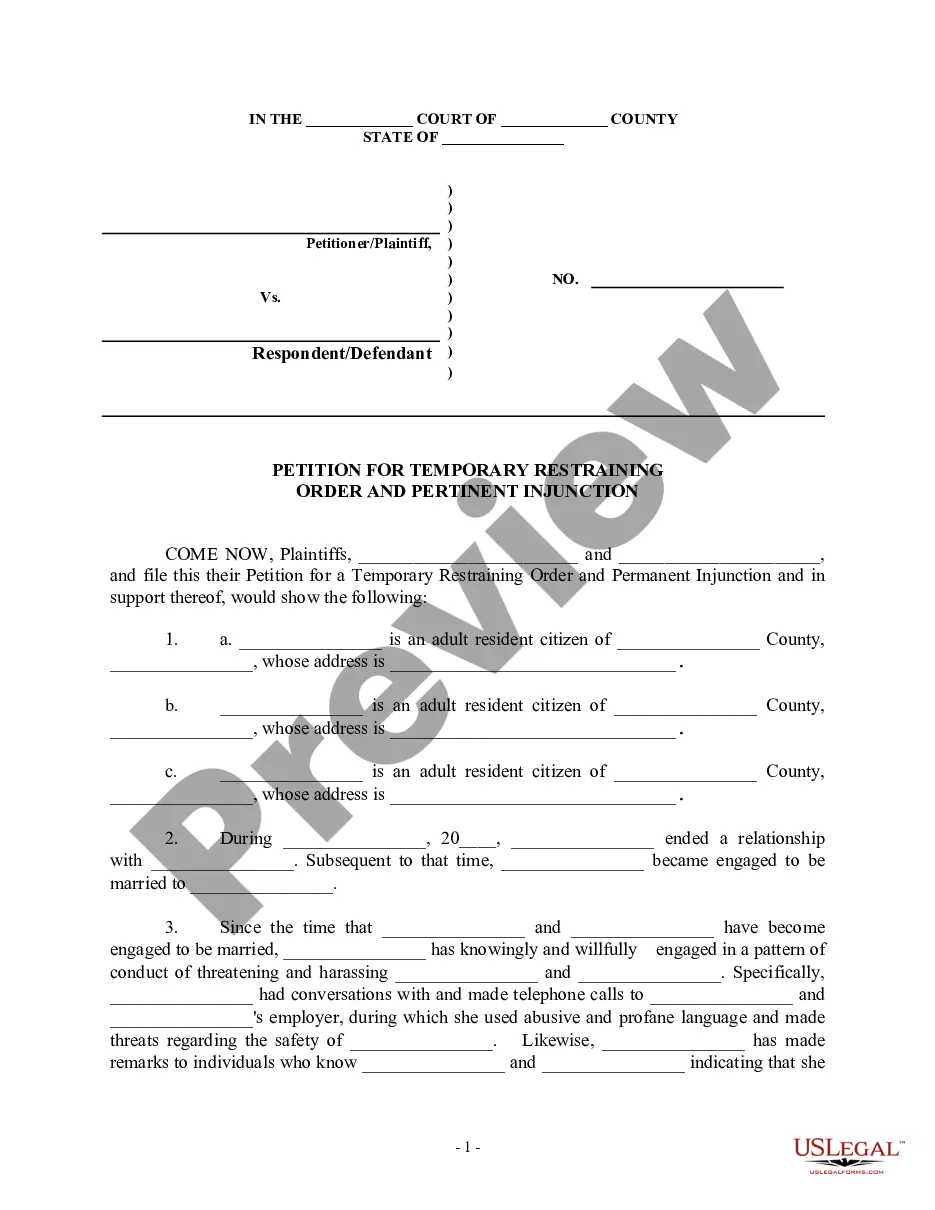
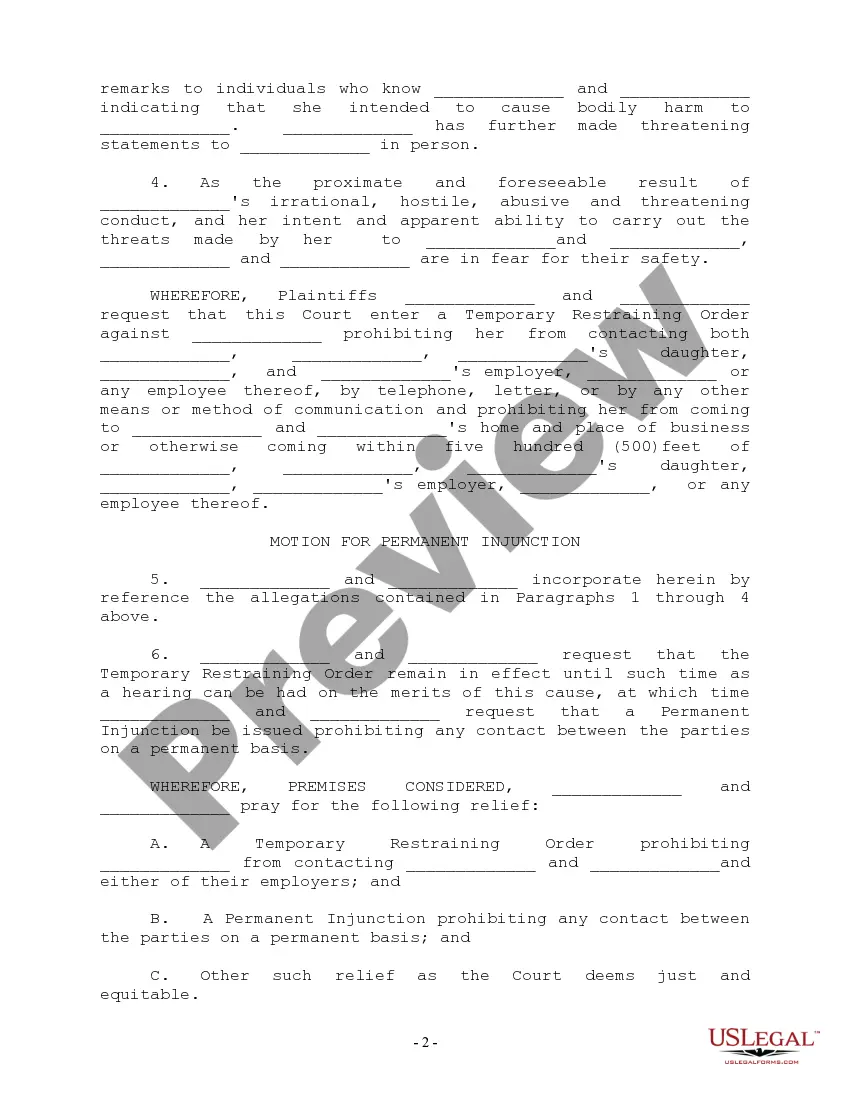
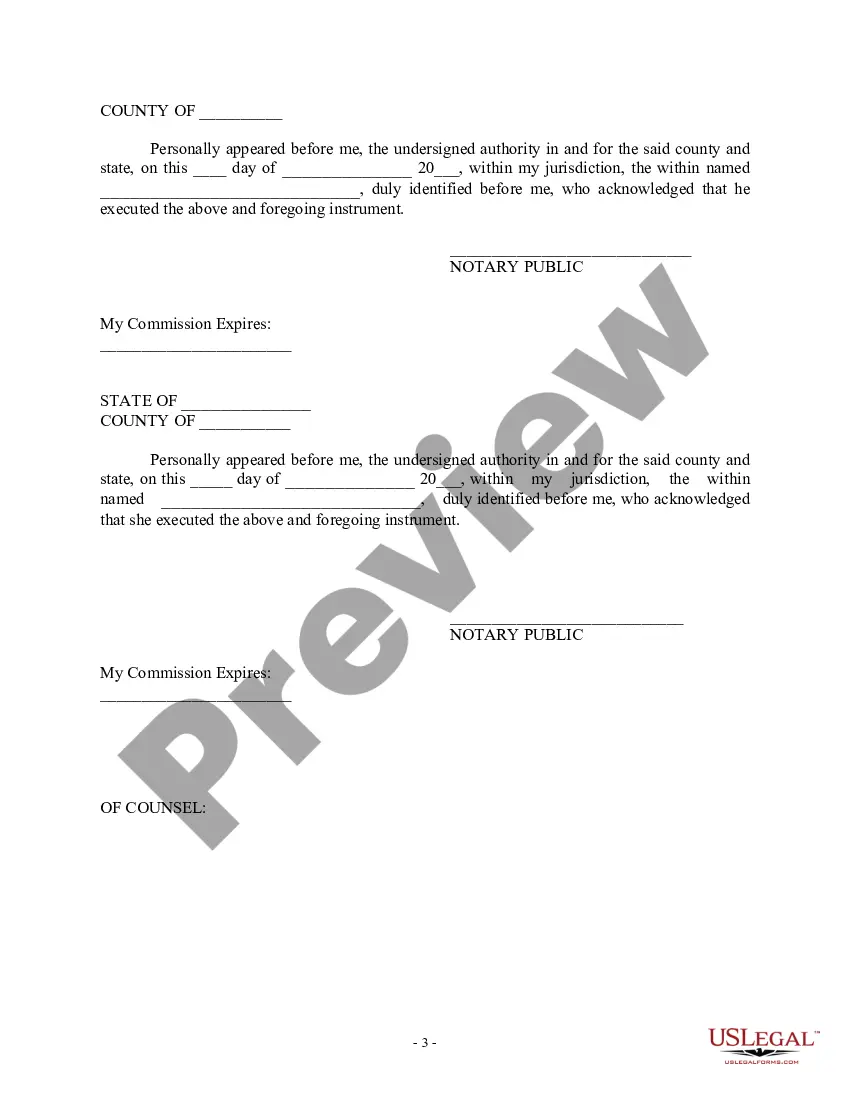

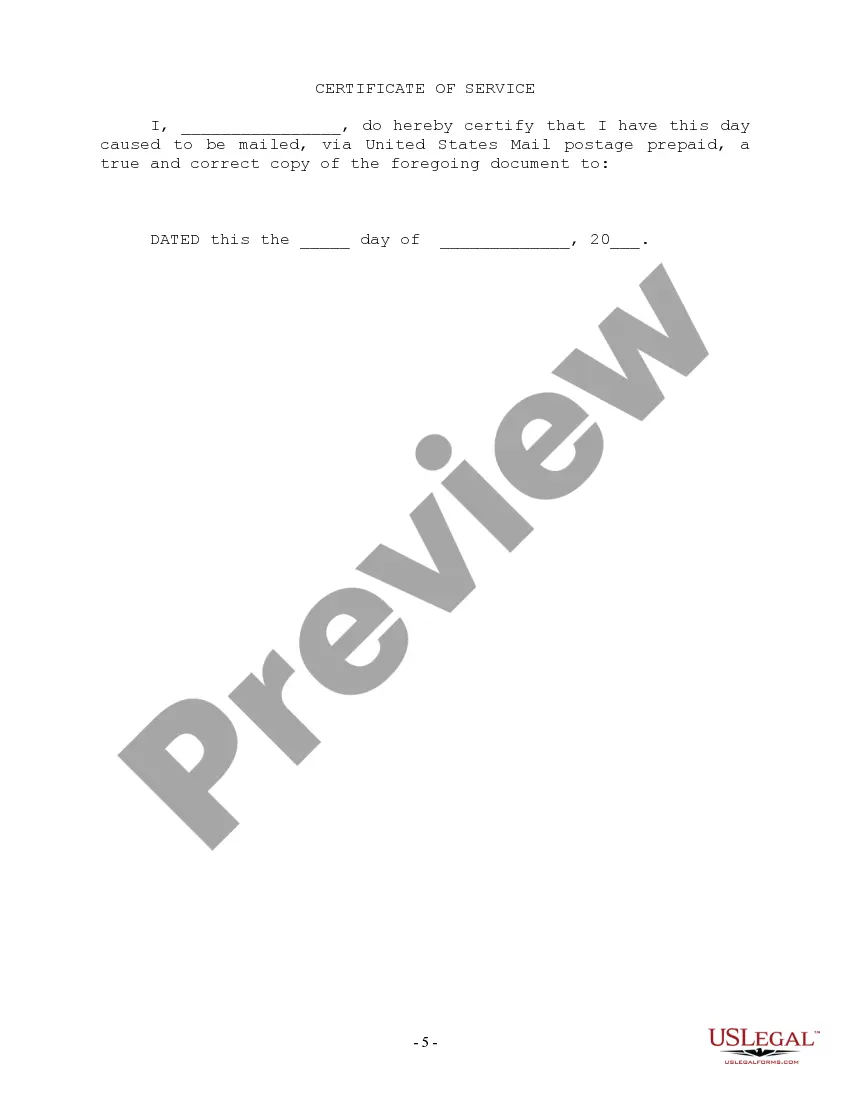

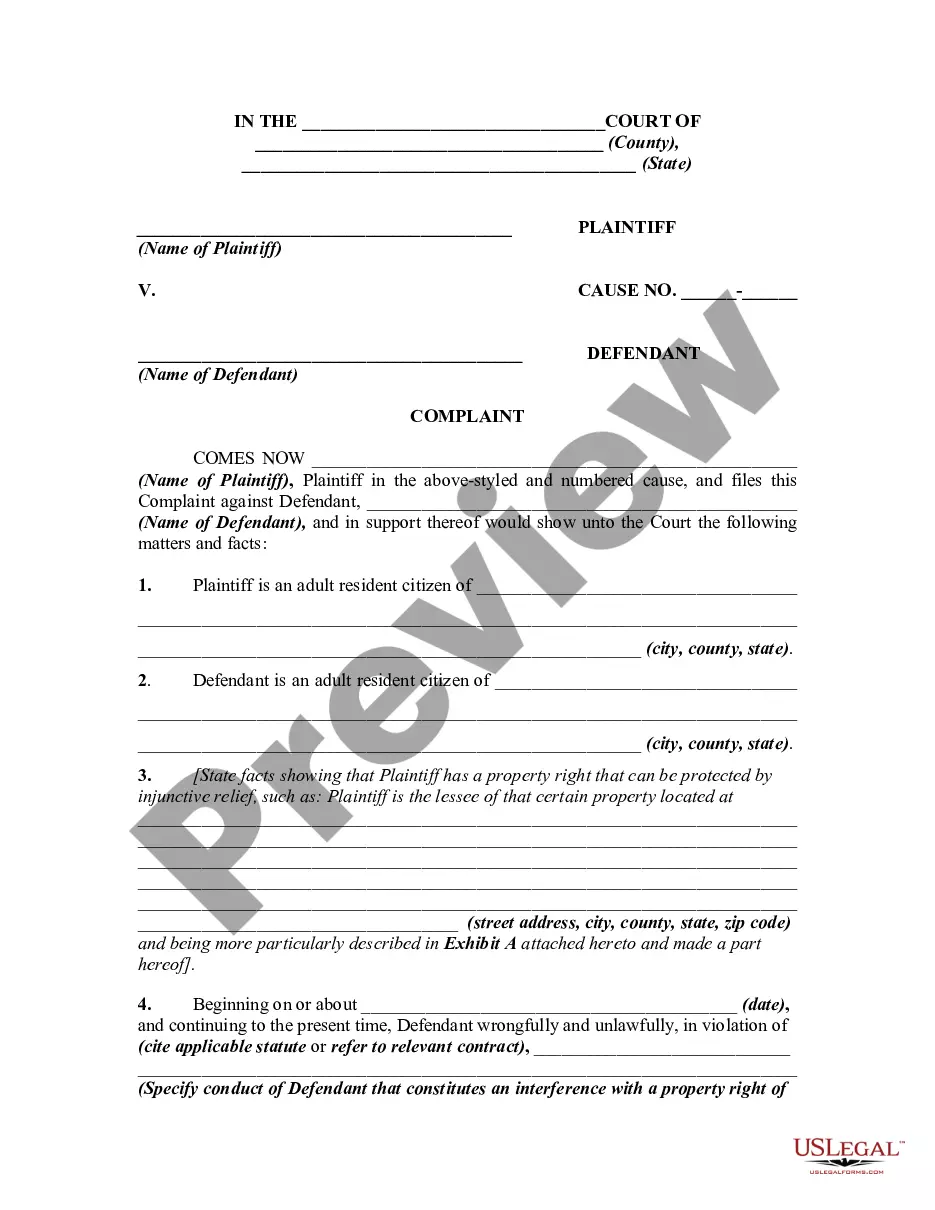
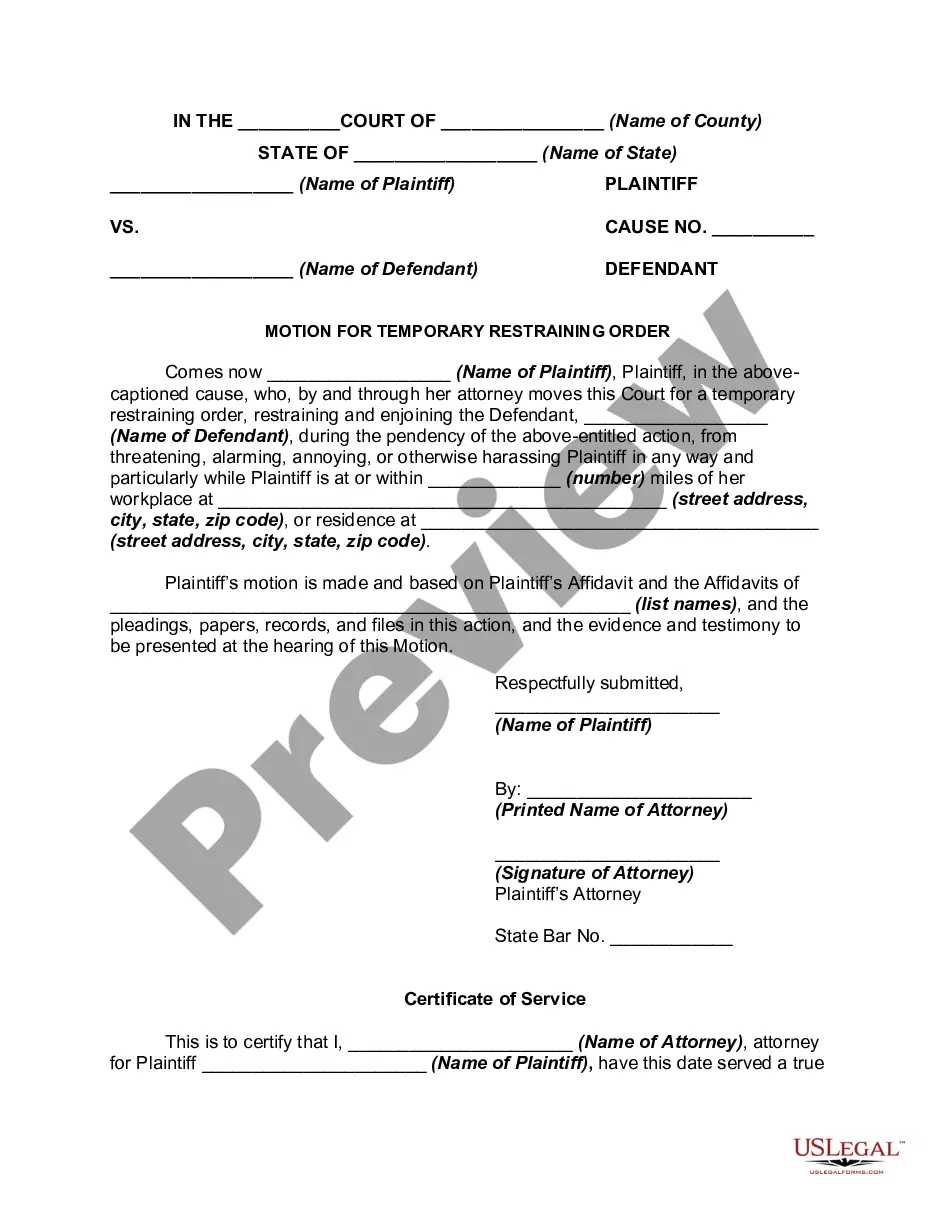

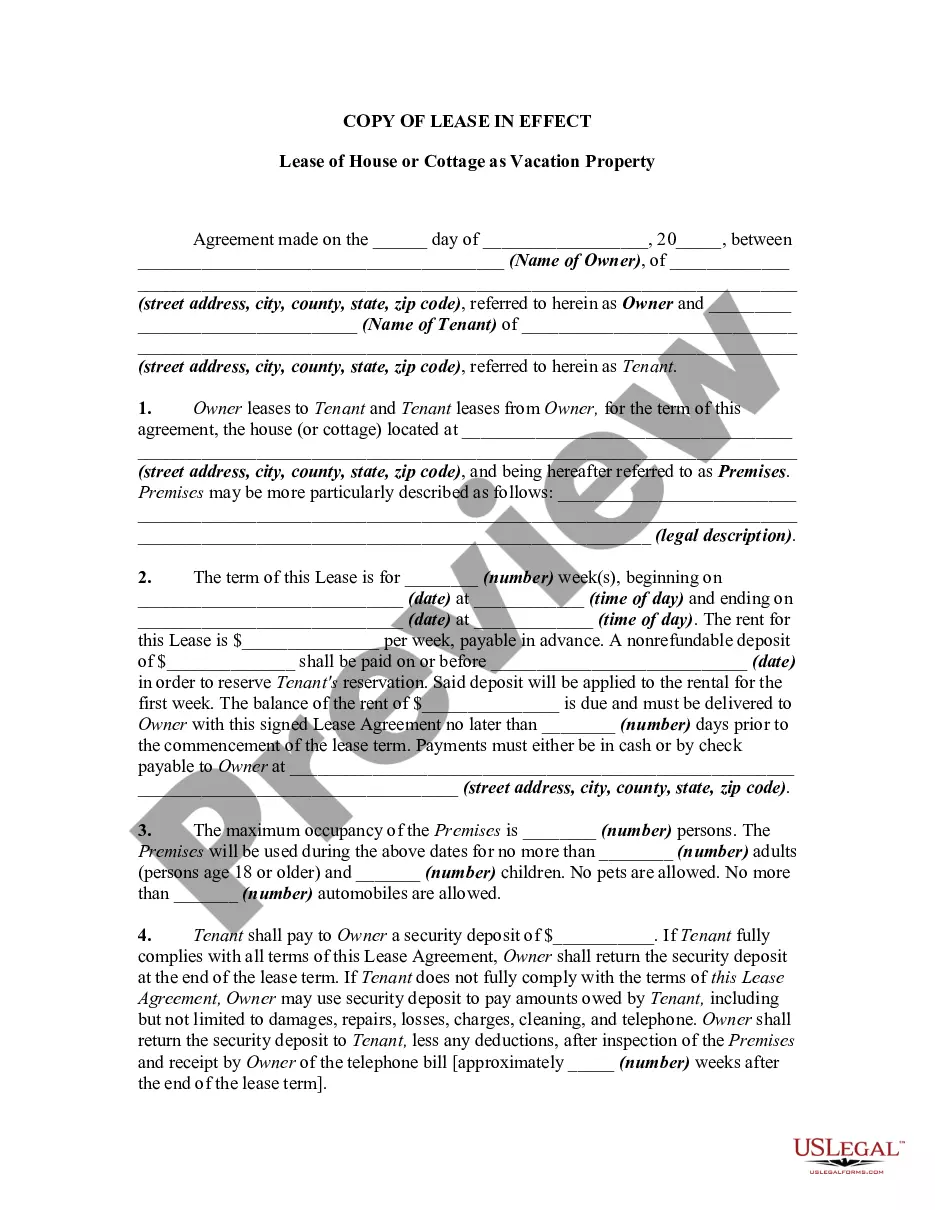

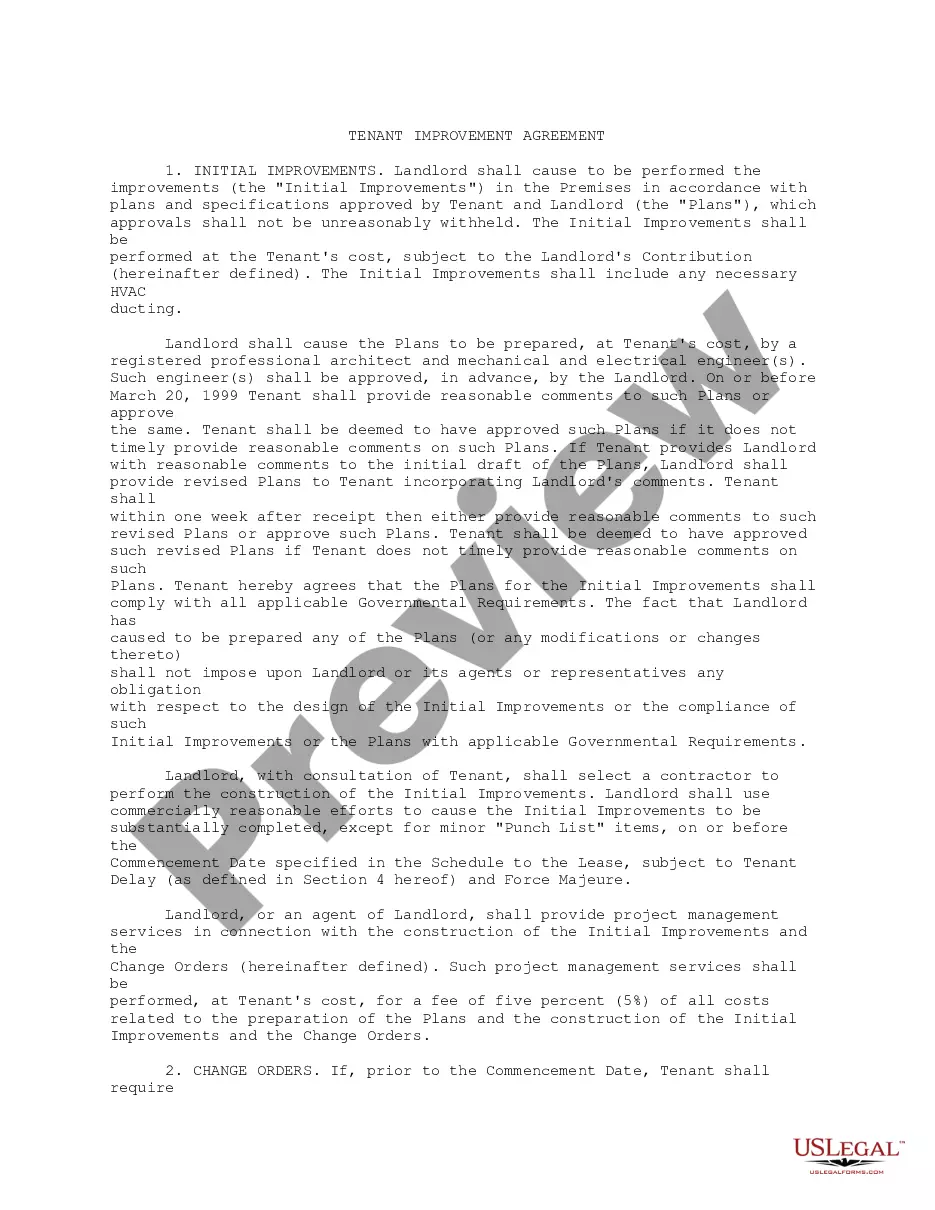
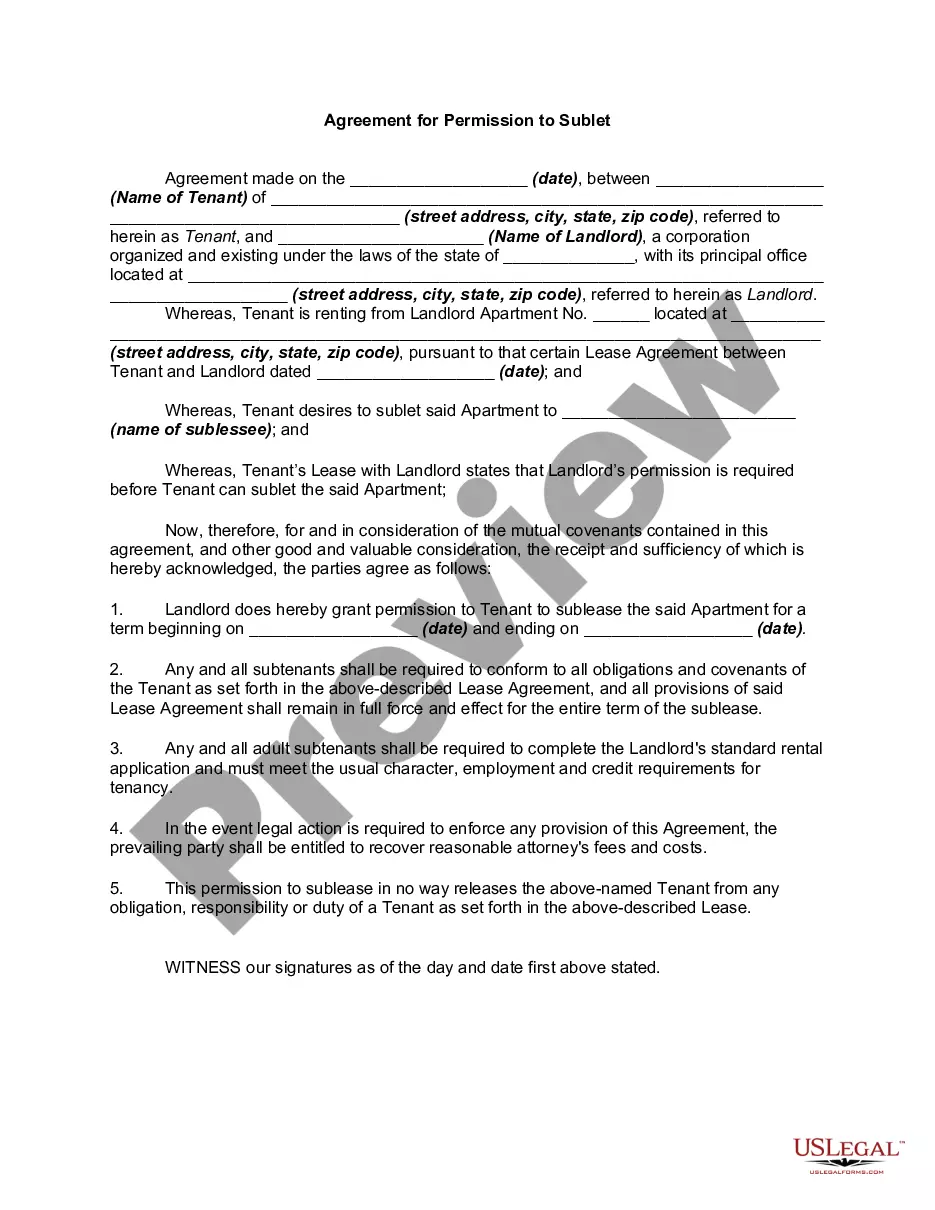
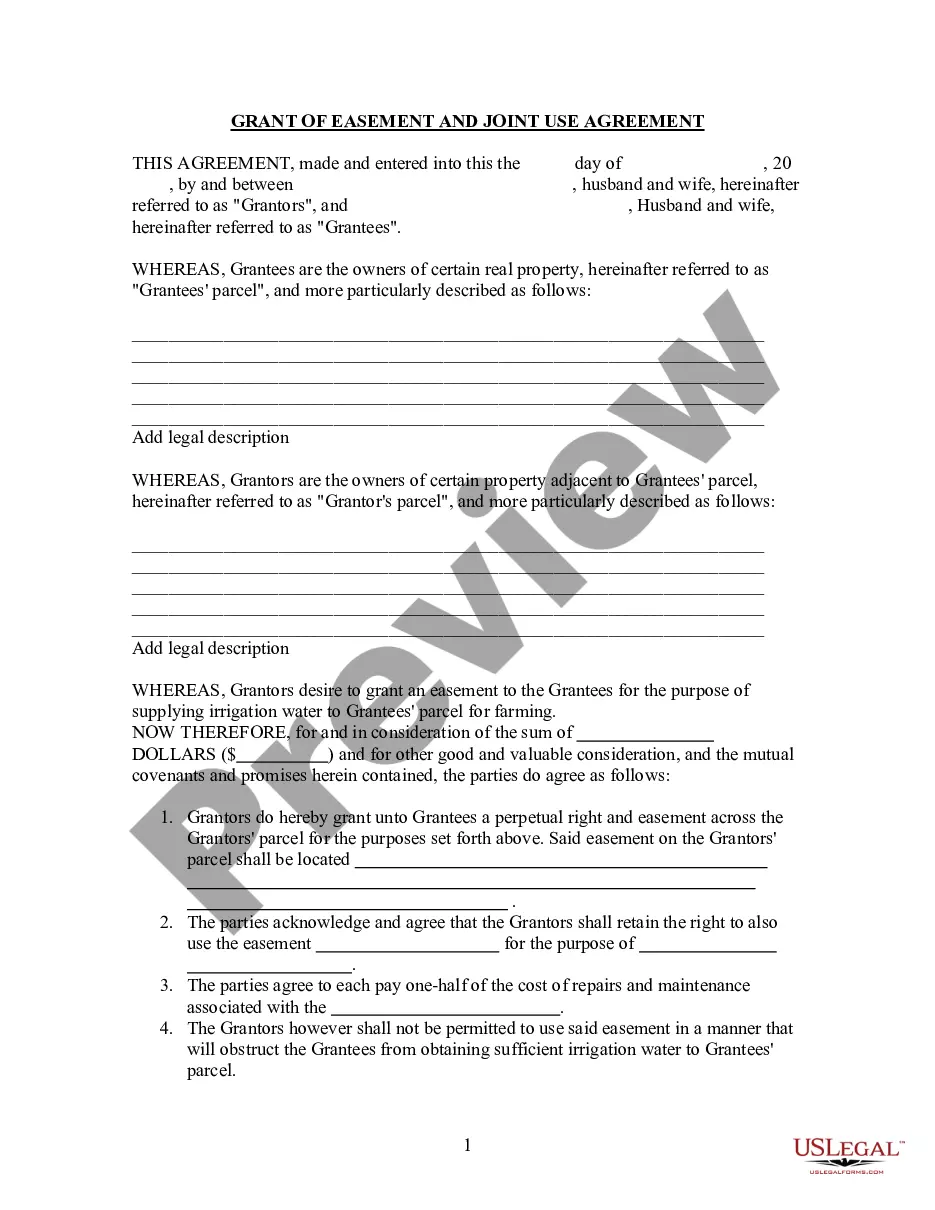
How to fill out Petition For Temporary Restraining Order And Permanent Injunction For Personal Harassment?
Whether for business purposes or for individual matters, everyone has to deal with legal situations at some point in their life. Completing legal papers requires careful attention, beginning from selecting the correct form sample. For example, when you choose a wrong edition of the Injunction Harassment Order For Construction, it will be turned down when you send it. It is therefore essential to have a reliable source of legal papers like US Legal Forms.
If you need to get a Injunction Harassment Order For Construction sample, follow these easy steps:
- Find the sample you need using the search field or catalog navigation.
- Check out the form’s information to ensure it fits your situation, state, and county.
- Click on the form’s preview to see it.
- If it is the incorrect document, get back to the search function to find the Injunction Harassment Order For Construction sample you need.
- Get the template when it matches your needs.
- If you have a US Legal Forms account, simply click Log in to access previously saved documents in My Forms.
- In the event you do not have an account yet, you can download the form by clicking Buy now.
- Choose the proper pricing option.
- Finish the account registration form.
- Select your transaction method: you can use a bank card or PayPal account.
- Choose the file format you want and download the Injunction Harassment Order For Construction.
- Once it is downloaded, you can complete the form by using editing software or print it and finish it manually.
With a substantial US Legal Forms catalog at hand, you never need to spend time looking for the right sample across the internet. Utilize the library’s simple navigation to find the right template for any situation.
Form popularity
FAQ
How do I ask a court to issue an injunction against harassment? A petition for an injunction against harassment may be filed with any judicial officer ? whether a magistrate, a justice of the peace, or a superior court judge ? at any court in Arizona.
The party asking for an injunctive relief must prove three things: 1) that there is a cause of action against the defendant; 2) that the party seeking the injunction has a right to the property in question; and 3) that the objects in question are in danger of ?probable, imminent, and irreparable injury.? In the Strube ...
Plaintiffs make this motion for a preliminary injunction on the grounds that (1) Plaintiffs have demonstrated a likelihood of succeeding on the merits of their claim that Defendant has [describe unlawful conduct]; (2) Plaintiffs are likely to suffer irreparable harm in the absence of the relief requested; (3) the harm ...
State to the court that you would like a restraining order and what you would like the court to order. Be as specific as possible. Examples: ?I am asking the court to grant me a _____ month/year injunction.? ?I want no contact in person, at home, by phone, at work, by mail or through third parties.?
It is well established that, to determine whether an injunction is ?just and proper,? courts apply the ?familiar set of four equitable factors: the movant's likelihood of success on the merits; the possibility of irreparable injury to the moving party; the extent to which the balance of hardships favors each party; and ...