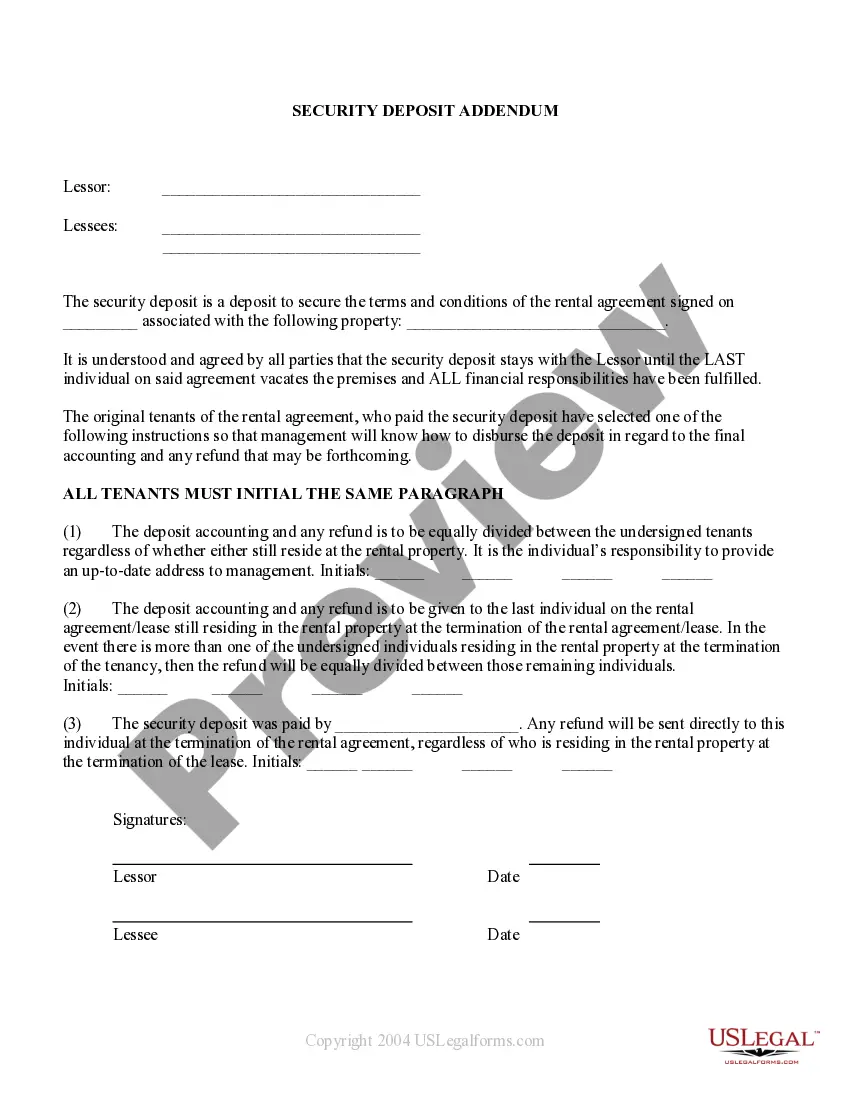
Security Deposit Addendum With Interest
Description
Get your form ready online
Our built-in tools help you complete, sign, share, and store your documents in one place.
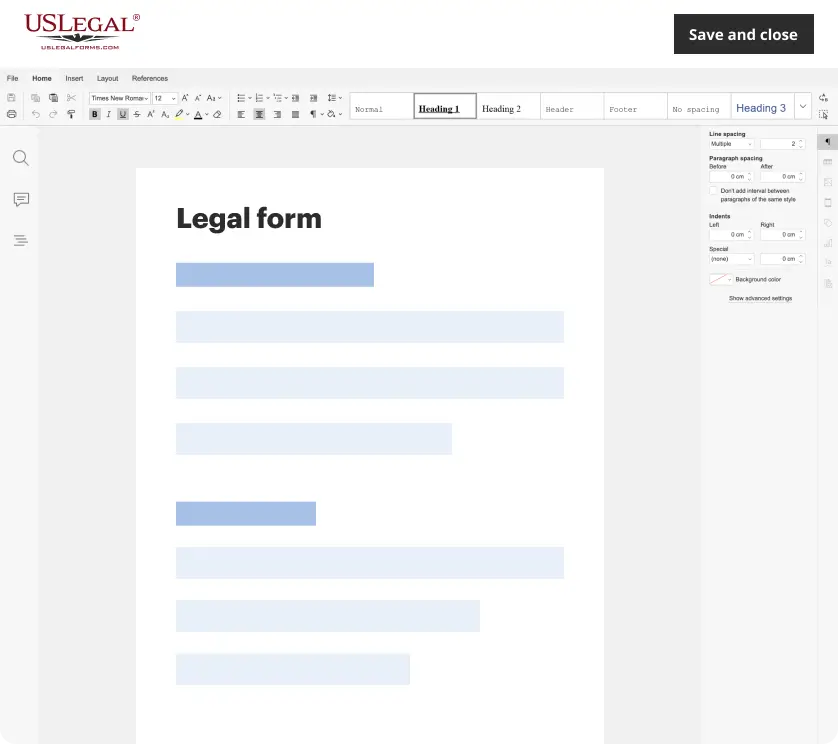
Make edits, fill in missing information, and update formatting in US Legal Forms—just like you would in MS Word.
Download a copy, print it, send it by email, or mail it via USPS—whatever works best for your next step.
Sign and collect signatures with our SignNow integration. Send to multiple recipients, set reminders, and more. Go Premium to unlock E-Sign.
If this form requires notarization, complete it online through a secure video call—no need to meet a notary in person or wait for an appointment.
We protect your documents and personal data by following strict security and privacy standards.
Make edits, fill in missing information, and update formatting in US Legal Forms—just like you would in MS Word.
Download a copy, print it, send it by email, or mail it via USPS—whatever works best for your next step.
Sign and collect signatures with our SignNow integration. Send to multiple recipients, set reminders, and more. Go Premium to unlock E-Sign.

If this form requires notarization, complete it online through a secure video call—no need to meet a notary in person or wait for an appointment.
We protect your documents and personal data by following strict security and privacy standards.
Looking for another form?
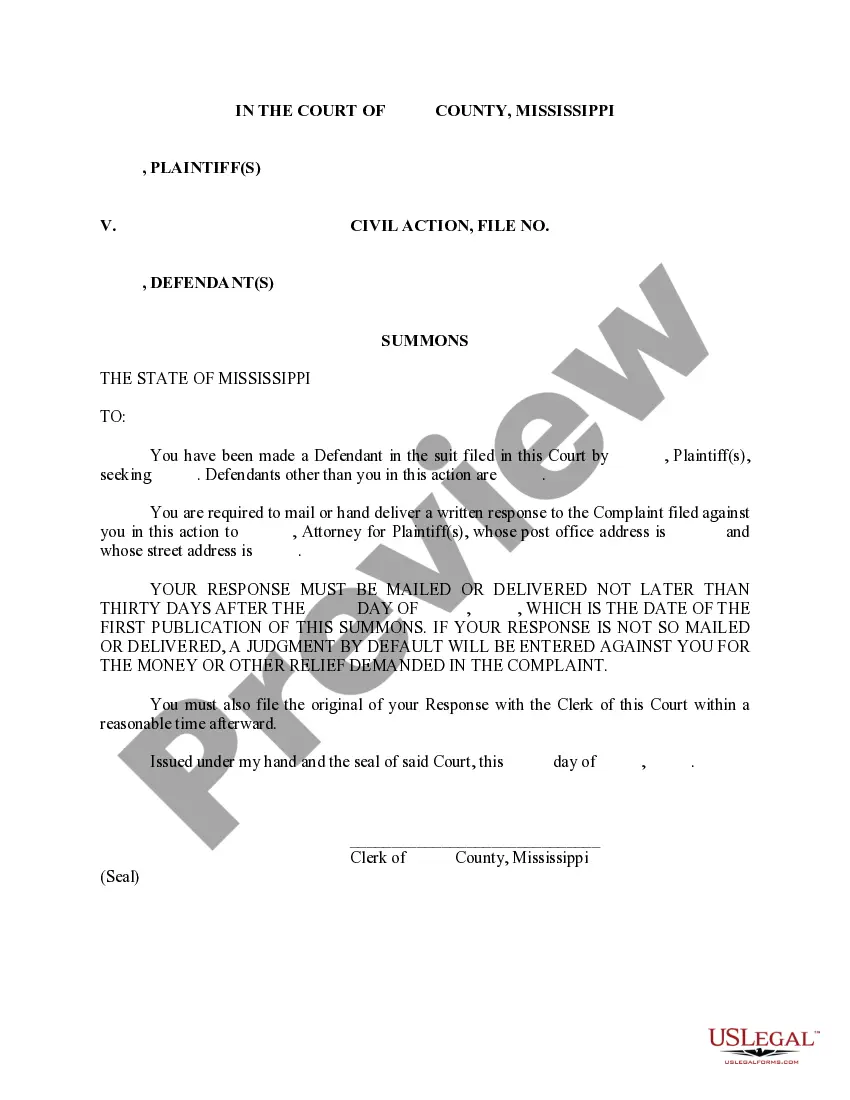
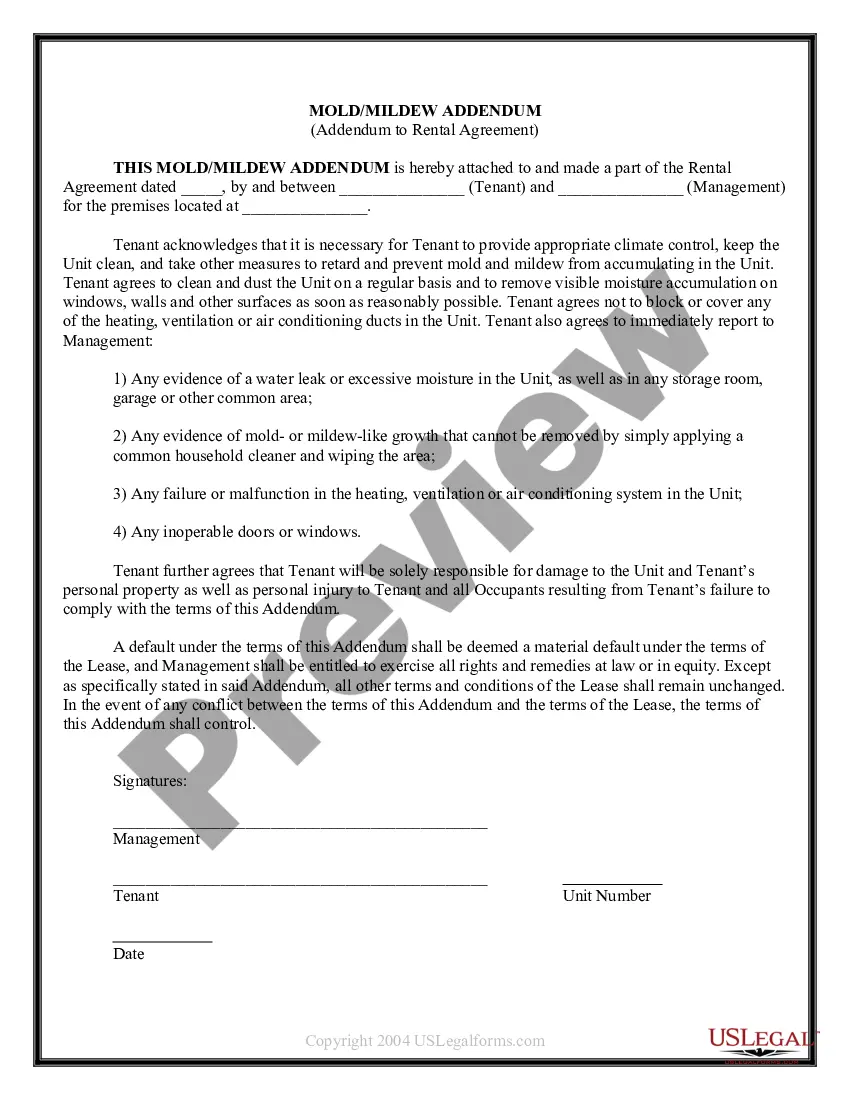
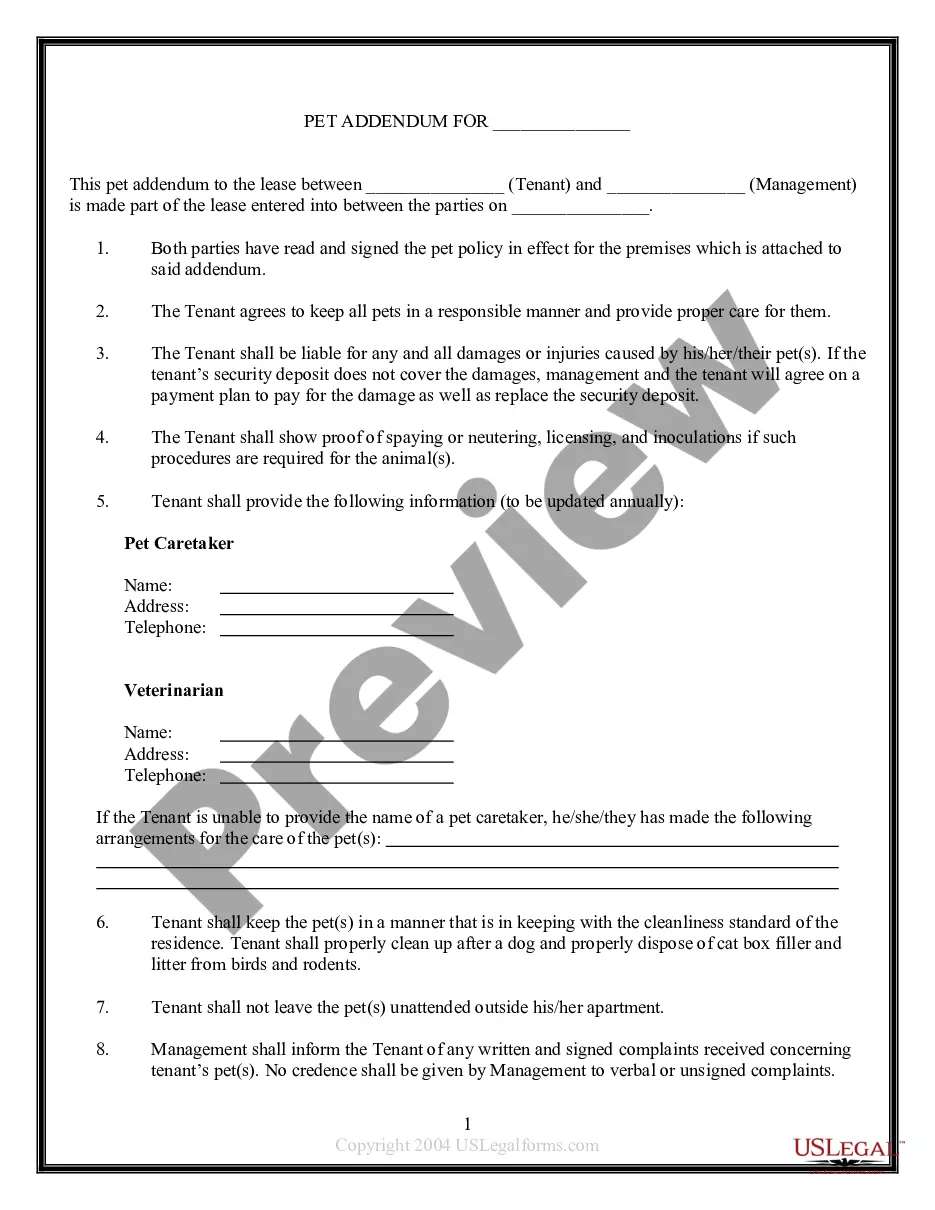
How to fill out Addendum To Apartment Lease Regarding Security Deposit?
Whether for business purposes or for personal matters, everybody has to handle legal situations at some point in their life. Completing legal documents demands careful attention, starting with choosing the proper form sample. For example, if you select a wrong version of a Security Deposit Addendum With Interest, it will be rejected when you send it. It is therefore crucial to get a reliable source of legal files like US Legal Forms.
If you have to obtain a Security Deposit Addendum With Interest sample, follow these easy steps:
- Get the template you need by using the search field or catalog navigation.
- Examine the form’s description to make sure it fits your situation, state, and region.
- Click on the form’s preview to examine it.
- If it is the wrong document, get back to the search function to locate the Security Deposit Addendum With Interest sample you need.
- Get the file when it meets your requirements.
- If you already have a US Legal Forms account, click Log in to gain access to previously saved documents in My Forms.
- In the event you don’t have an account yet, you can obtain the form by clicking Buy now.
- Pick the correct pricing option.
- Complete the account registration form.
- Select your payment method: use a bank card or PayPal account.
- Pick the file format you want and download the Security Deposit Addendum With Interest.
- When it is downloaded, you can complete the form by using editing applications or print it and finish it manually.
With a large US Legal Forms catalog at hand, you do not have to spend time looking for the right template across the internet. Use the library’s easy navigation to find the correct form for any situation.
Form popularity
FAQ
The landlord is allowed to adjust the security deposit amount when rent has not been paid or intentional damage has been made to the property. The landlord should refund the balance to the tenant when the property is being vacated.
On the balance sheet, a tenant's security deposit amount is generally shown as a liability. This is because it's an amount that the landlord may owe back to the tenant at the end of the leasing journey. It's categorized this way to reflect the potential obligation to return the funds.
The tenant can choose whether the interest is to be subtracted from the rent, held in trust until the end of the tenancy, or paid in a lump sum at the end of each year. However, be aware that with interest rates averaging below 1% in recent years, tenants may not be eligible to receive any interest at all.
In rental property accounting, returning a security deposit is not considered an expense, and should not be included in a Schedule E. Instead, you simply reduce the liability on your balance sheet by the amount you return.
Security deposit interest as a property expense To record the expense and update the lease ledgers: Create an expense account called security deposit interest expense.