Holiday Entitlement For Part-time Workers Ireland
Description
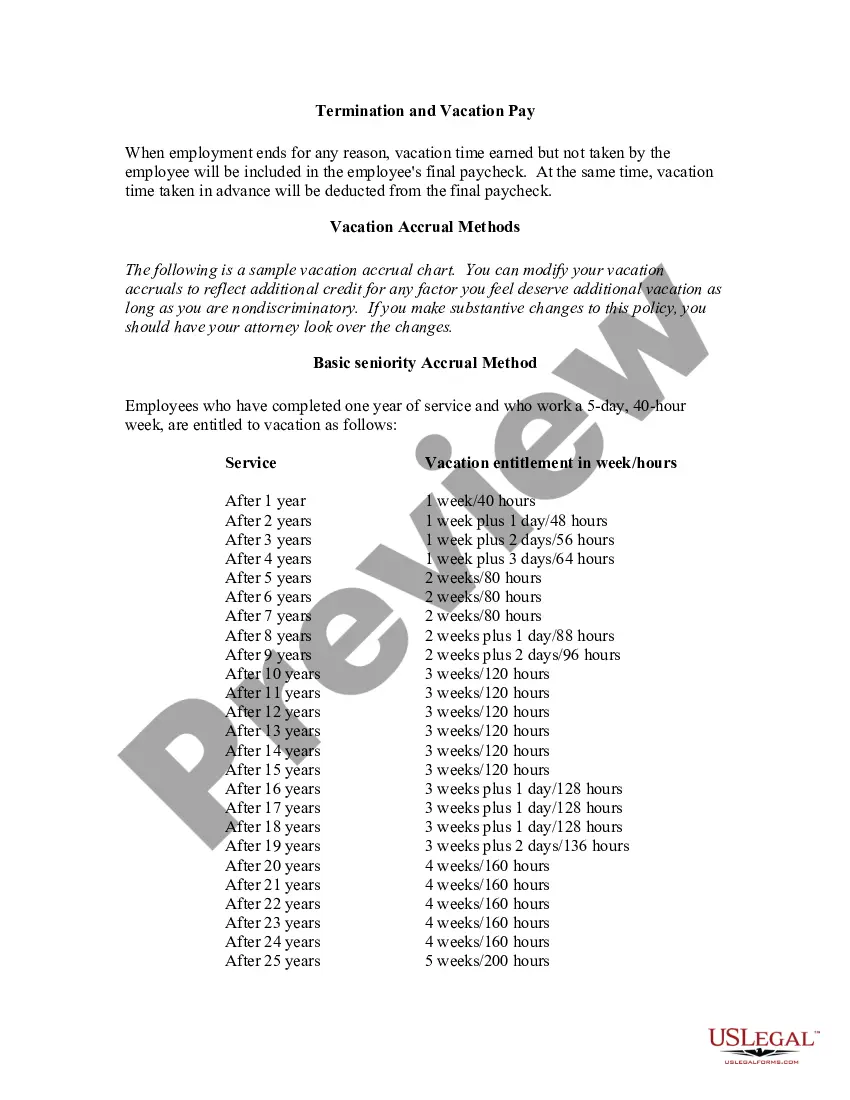
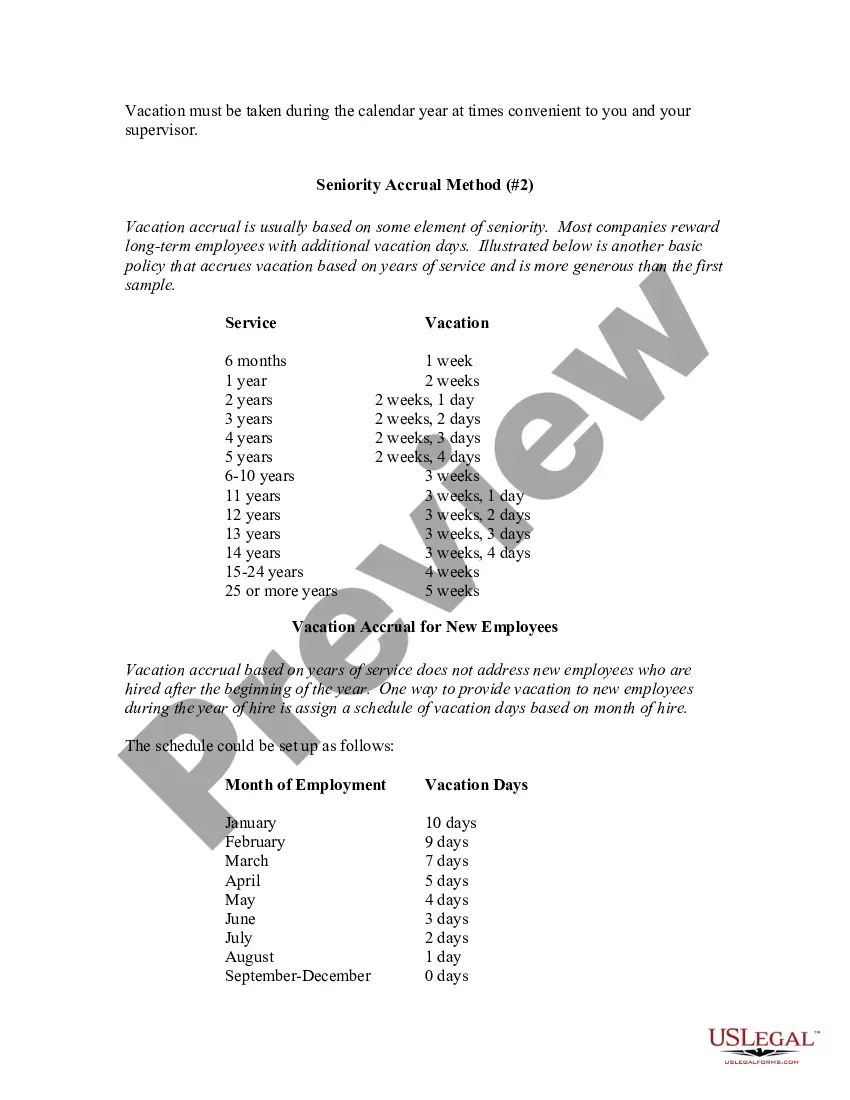
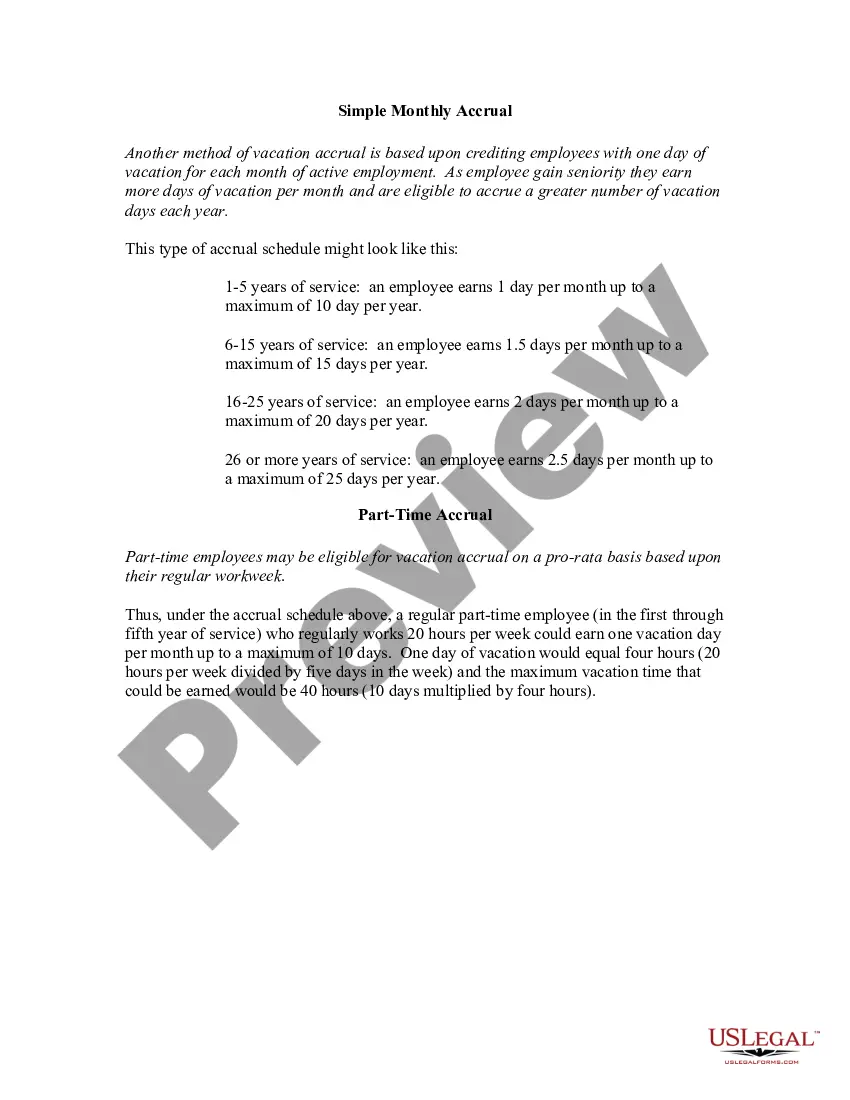
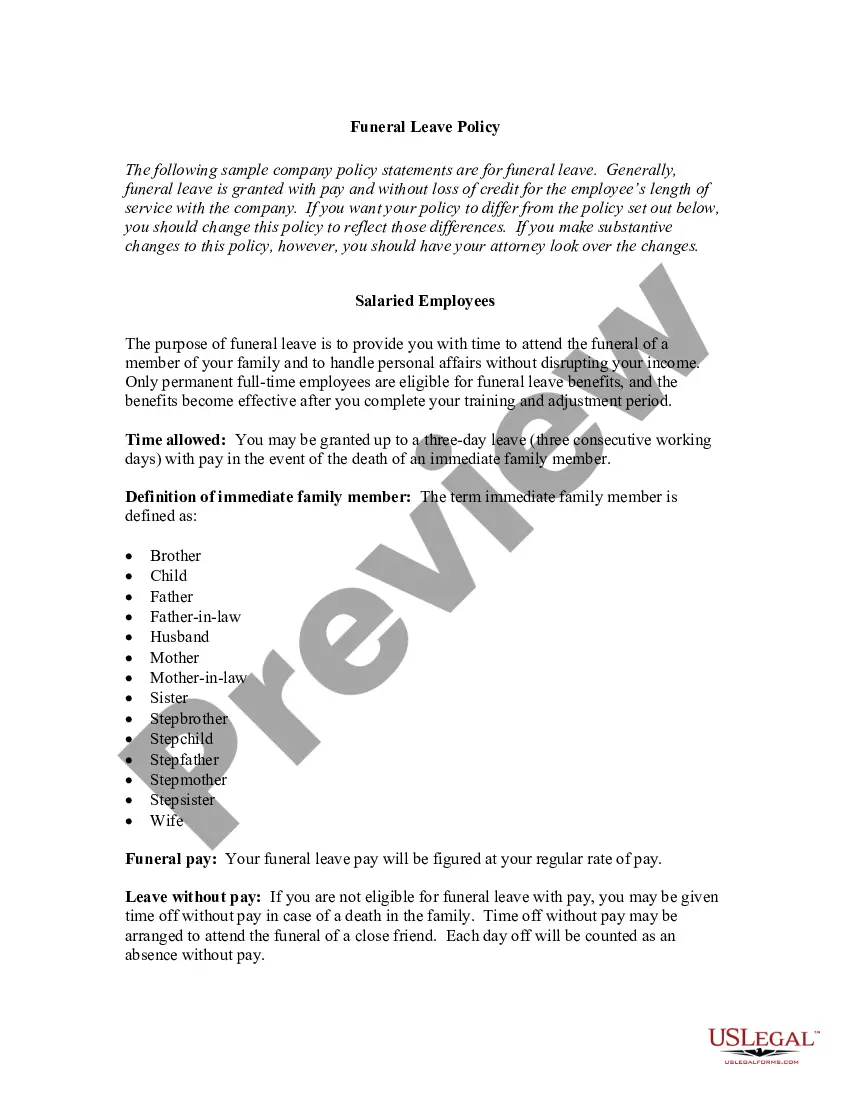


Get your form ready online
Our built-in tools help you complete, sign, share, and store your documents in one place.
Make edits, fill in missing information, and update formatting in US Legal Forms—just like you would in MS Word.
Download a copy, print it, send it by email, or mail it via USPS—whatever works best for your next step.
Sign and collect signatures with our SignNow integration. Send to multiple recipients, set reminders, and more. Go Premium to unlock E-Sign.
If this form requires notarization, complete it online through a secure video call—no need to meet a notary in person or wait for an appointment.
We protect your documents and personal data by following strict security and privacy standards.

Make edits, fill in missing information, and update formatting in US Legal Forms—just like you would in MS Word.

Download a copy, print it, send it by email, or mail it via USPS—whatever works best for your next step.

Sign and collect signatures with our SignNow integration. Send to multiple recipients, set reminders, and more. Go Premium to unlock E-Sign.

If this form requires notarization, complete it online through a secure video call—no need to meet a notary in person or wait for an appointment.

We protect your documents and personal data by following strict security and privacy standards.
Looking for another form?






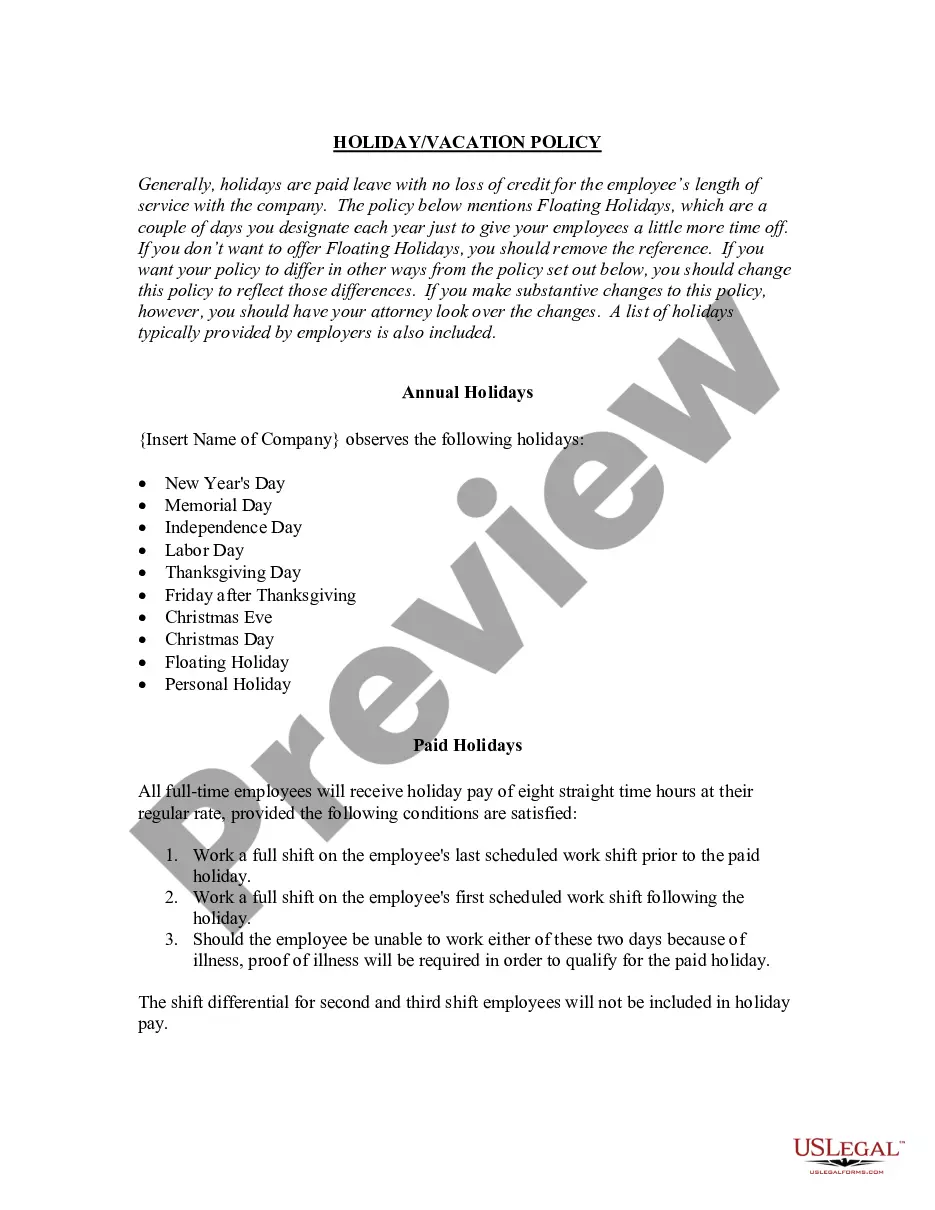
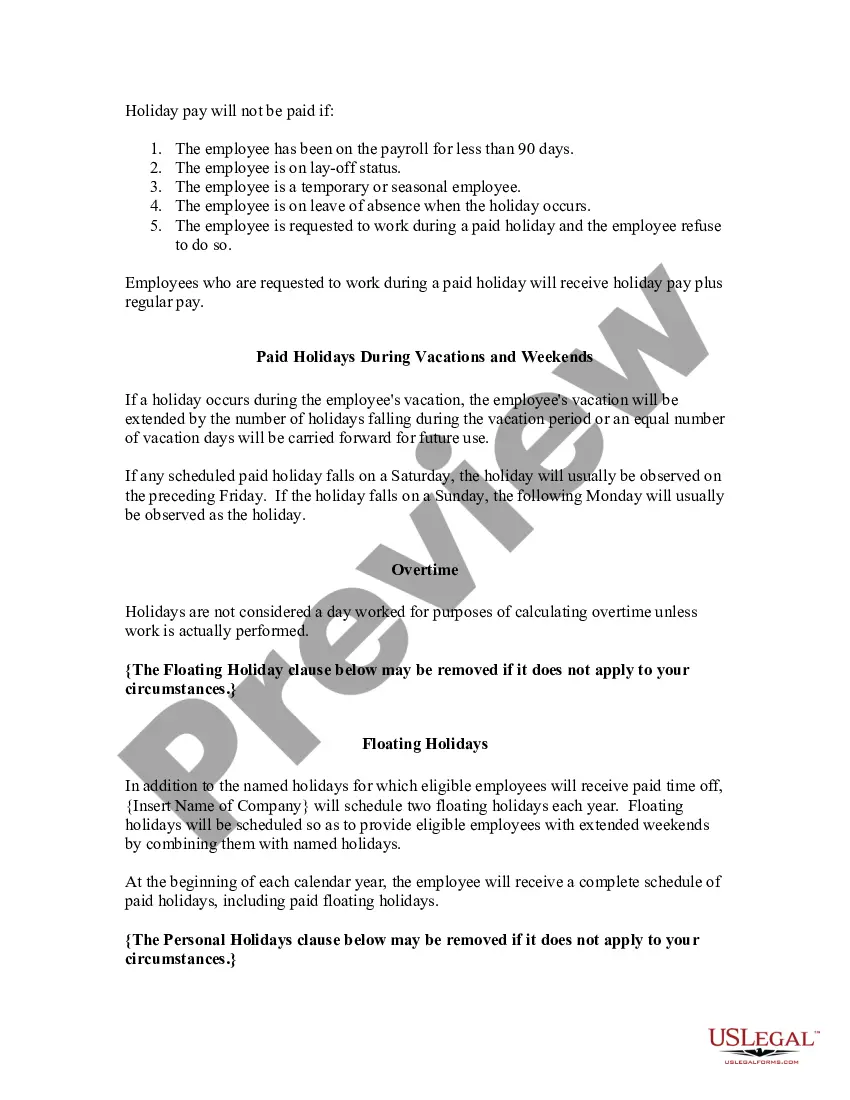
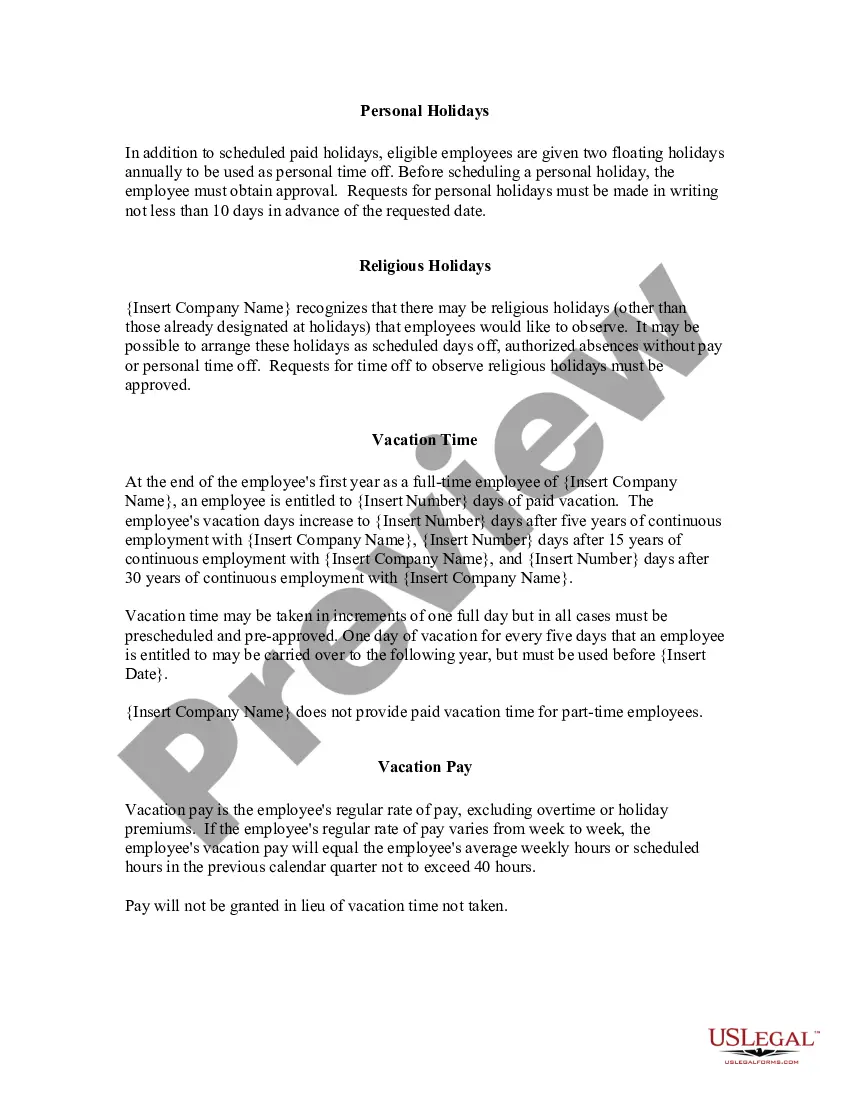
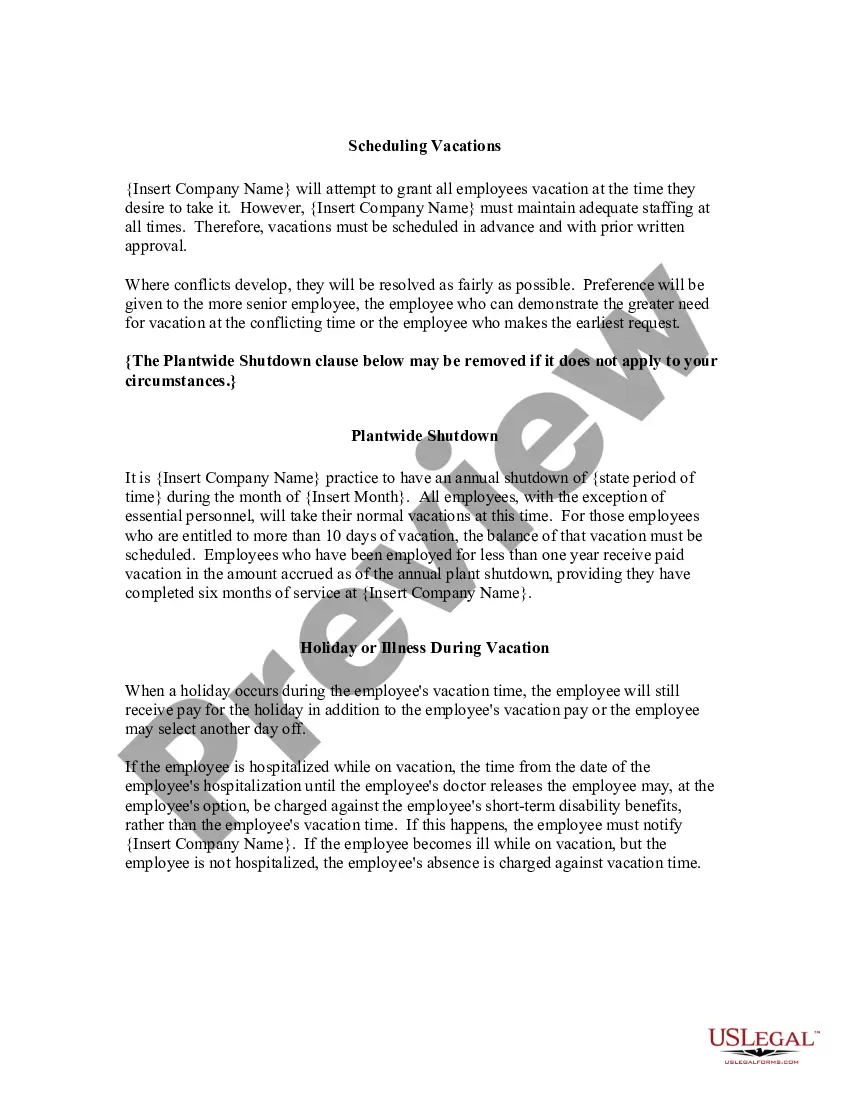
How to fill out Holiday Vacation Policy?
Whether for corporate reasons or personal matters, everyone has to confront legal circumstances at some point in their lives.
Completing legal documents requires meticulous care, starting from choosing the appropriate form template.
With an extensive US Legal Forms catalog available, you never need to waste time searching for the appropriate template on the internet. Take advantage of the library’s straightforward navigation to find the suitable template for any circumstance.
- Locate the template you require by utilizing the search bar or catalog browsing.
- Review the document's description to verify it fits your situation, jurisdiction, and locality.
- Select the form's preview for examination.
- If it is the wrong document, return to the search feature to find the Holiday Entitlement For Part-time Workers Ireland template you need.
- Download the file if it aligns with your specifications.
- If you possess a US Legal Forms account, click Log in to access previously saved templates in My documents.
- If you do not have an account yet, you can acquire the form by clicking Buy now.
- Choose the correct pricing option.
- Fill out the account registration form.
- Select your payment method: use a credit card or PayPal account.
- Choose the document format you desire and download the Holiday Entitlement For Part-time Workers Ireland.
- Once it is downloaded, you can fill out the form using editing software or print it and complete it manually.
Form popularity
FAQ
Part-time employees have a statutory entitlement to 8% of the hours worked in a full leave year (but subject to a maximum of four working weeks).
The basic way to work out how many days holiday an employee is entitled to is to multiply the number of days a week they work by 5.6. That gives someone working a five-day week the 28 days we've already mentioned. Someone who is part-time and only works three days a week would be entitled to 3 x 5.6 = 16.8 days.
Annual leave pay is regulated by the Organisation of Working Time Act, 1997. This means it's a right for all employees ? both part-time and full-time and no matter what your level of seniority is.
Calculate 1/3 of a working week for each calendar month in which you worked at least 117 hours. Calculate 8% of the hours you worked in the leave year, subject to a maximum of 4 working weeks.
The additional day's pay is what was paid for the normal daily hours last worked before the public holiday. If an employee is not normally rostered to work, then they will be entitled to one-fifth of their normal weekly wage extra.