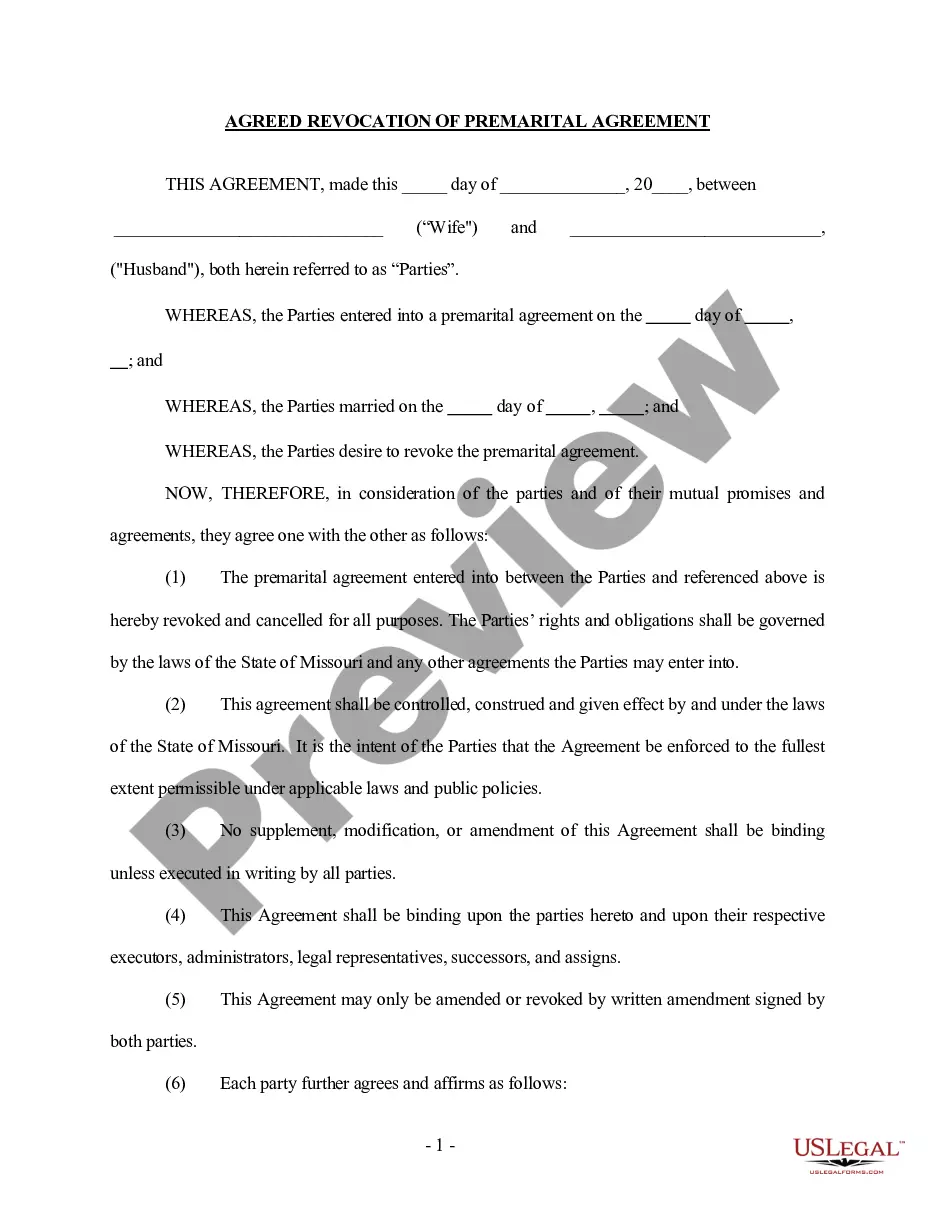
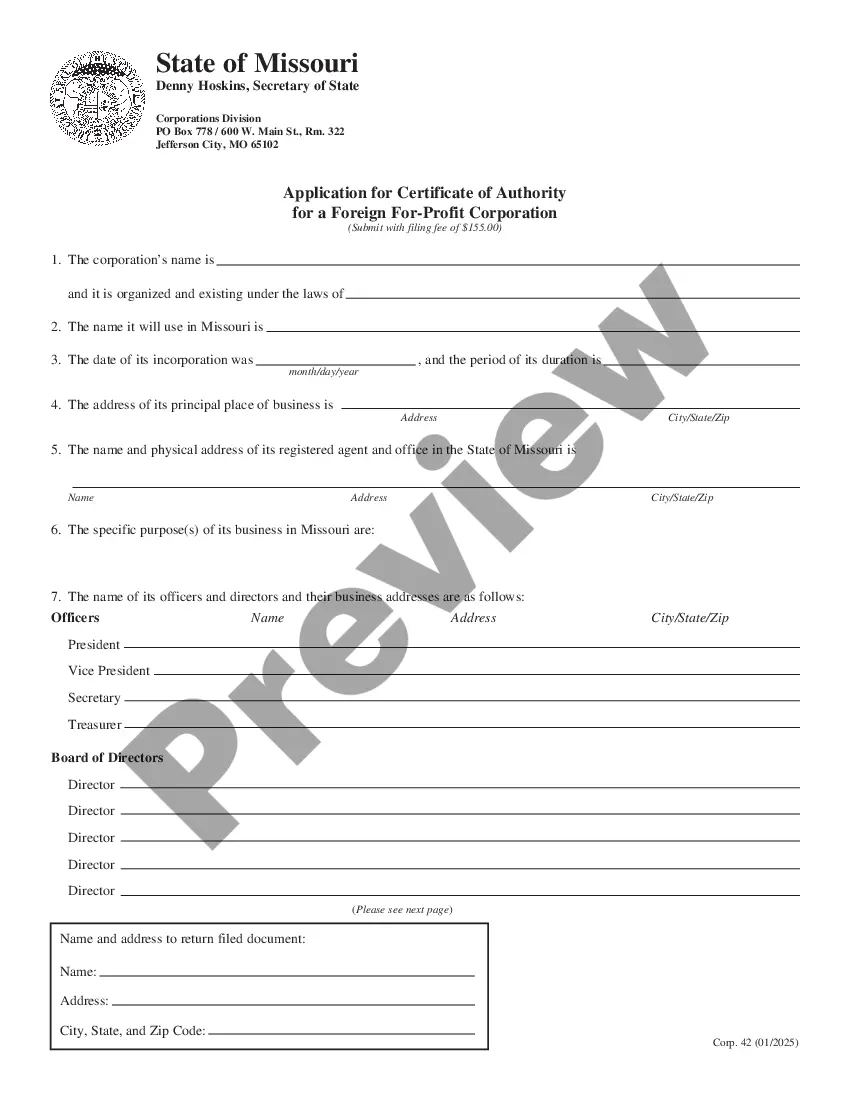
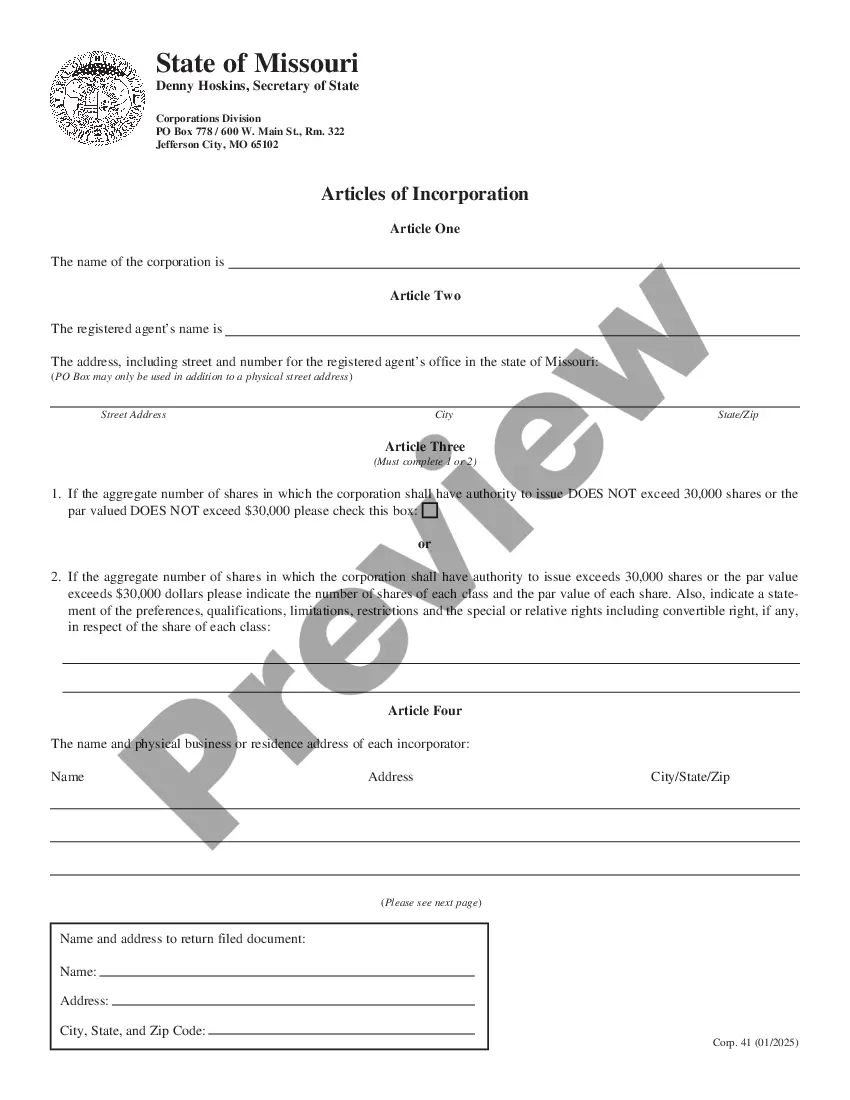
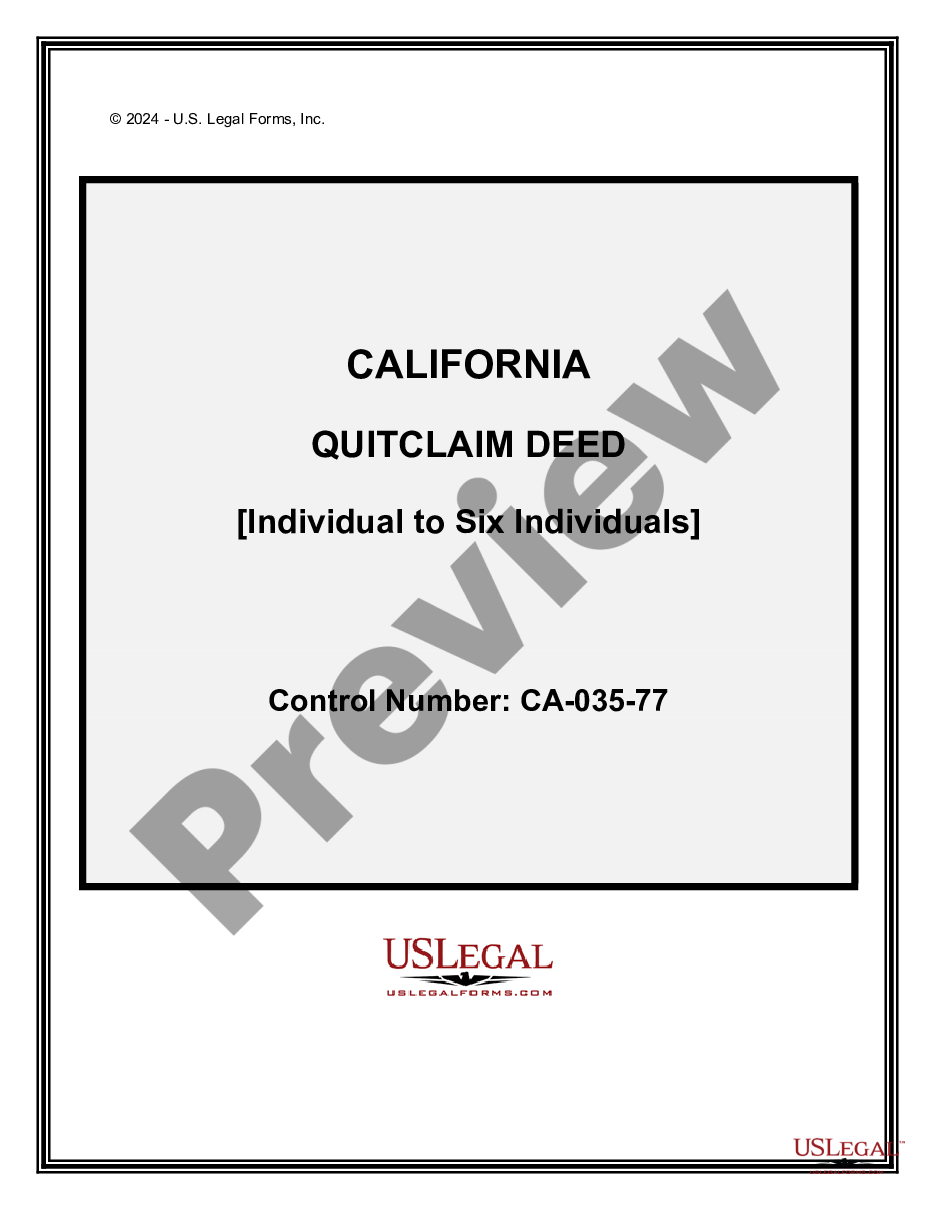
California Quitclaim Deed - Individual to Six Individuals
Understanding this form
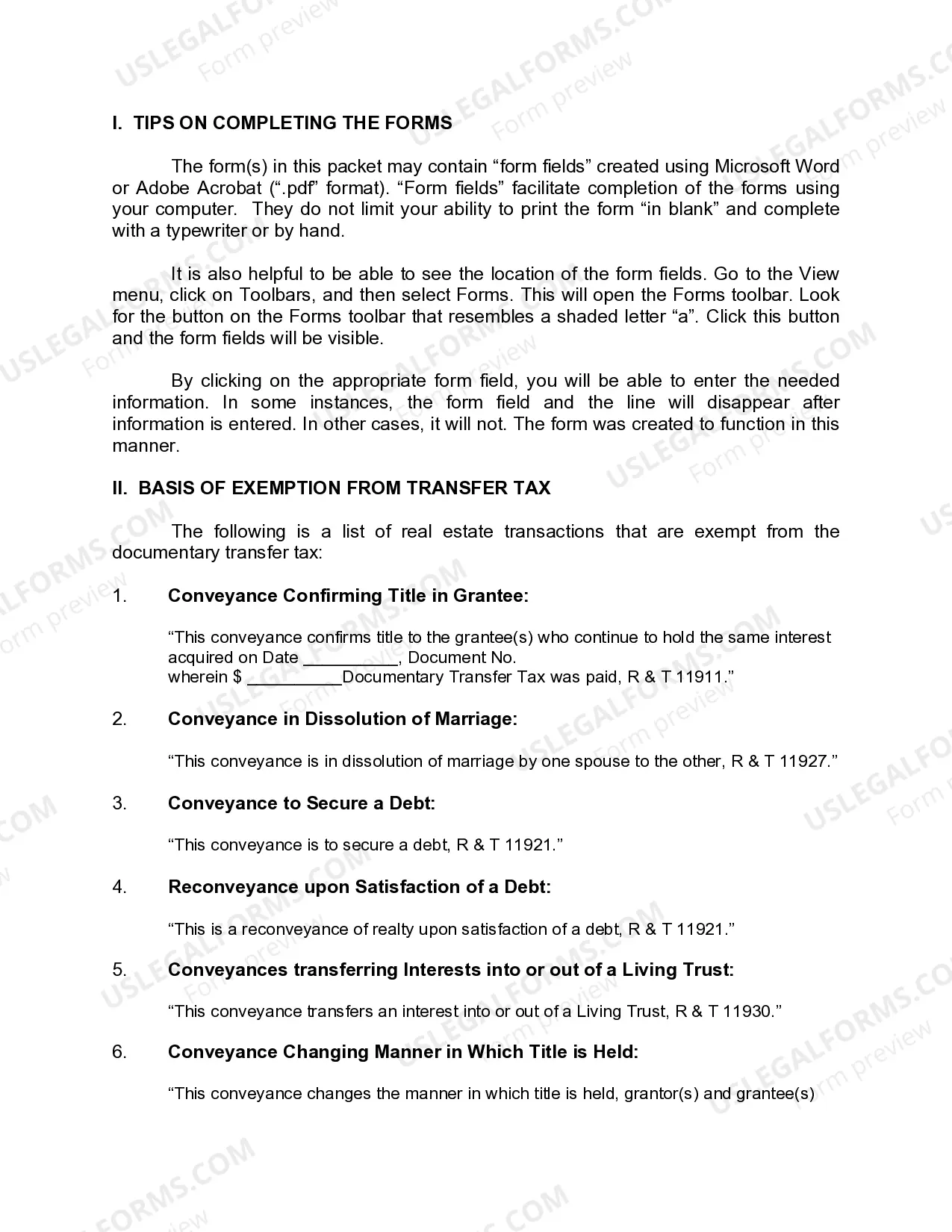
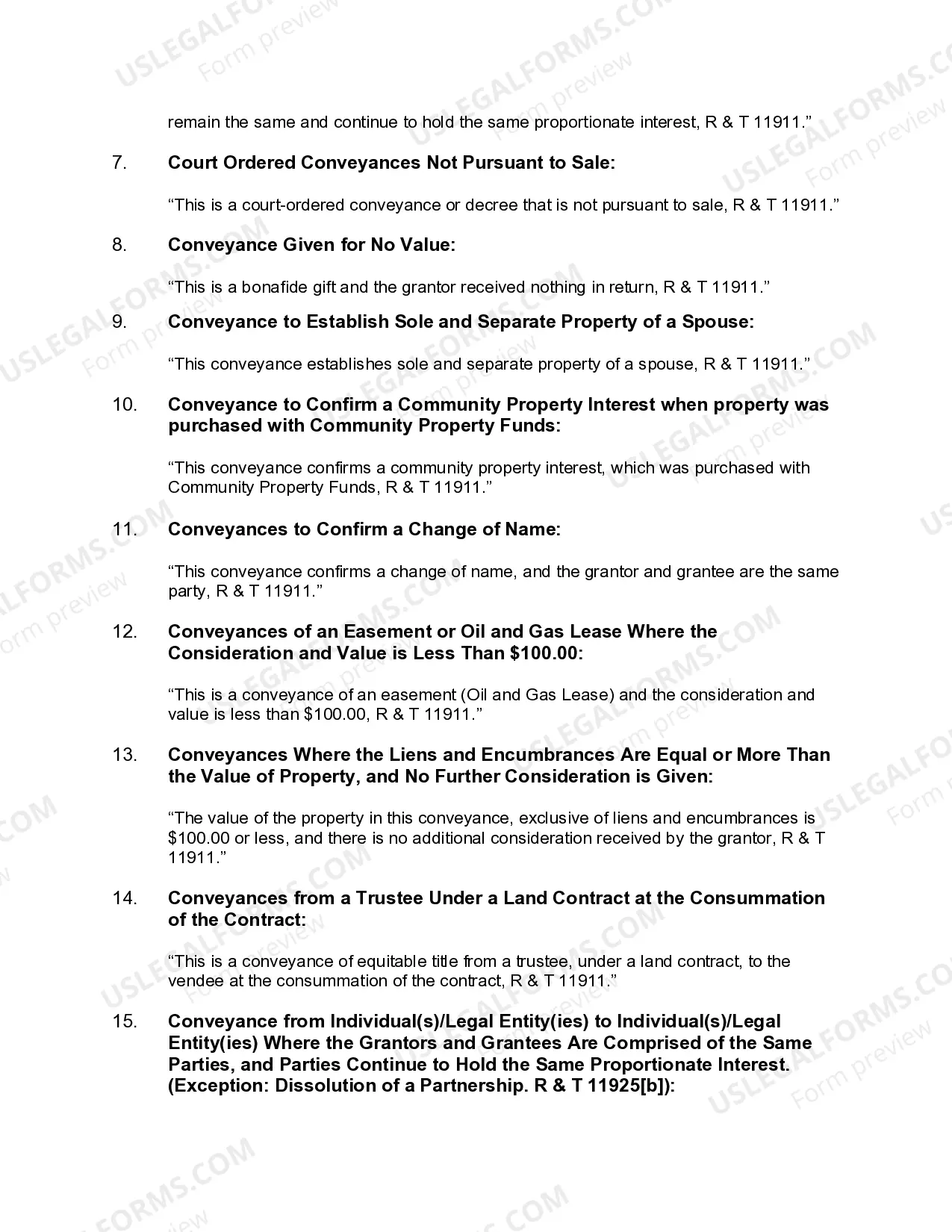
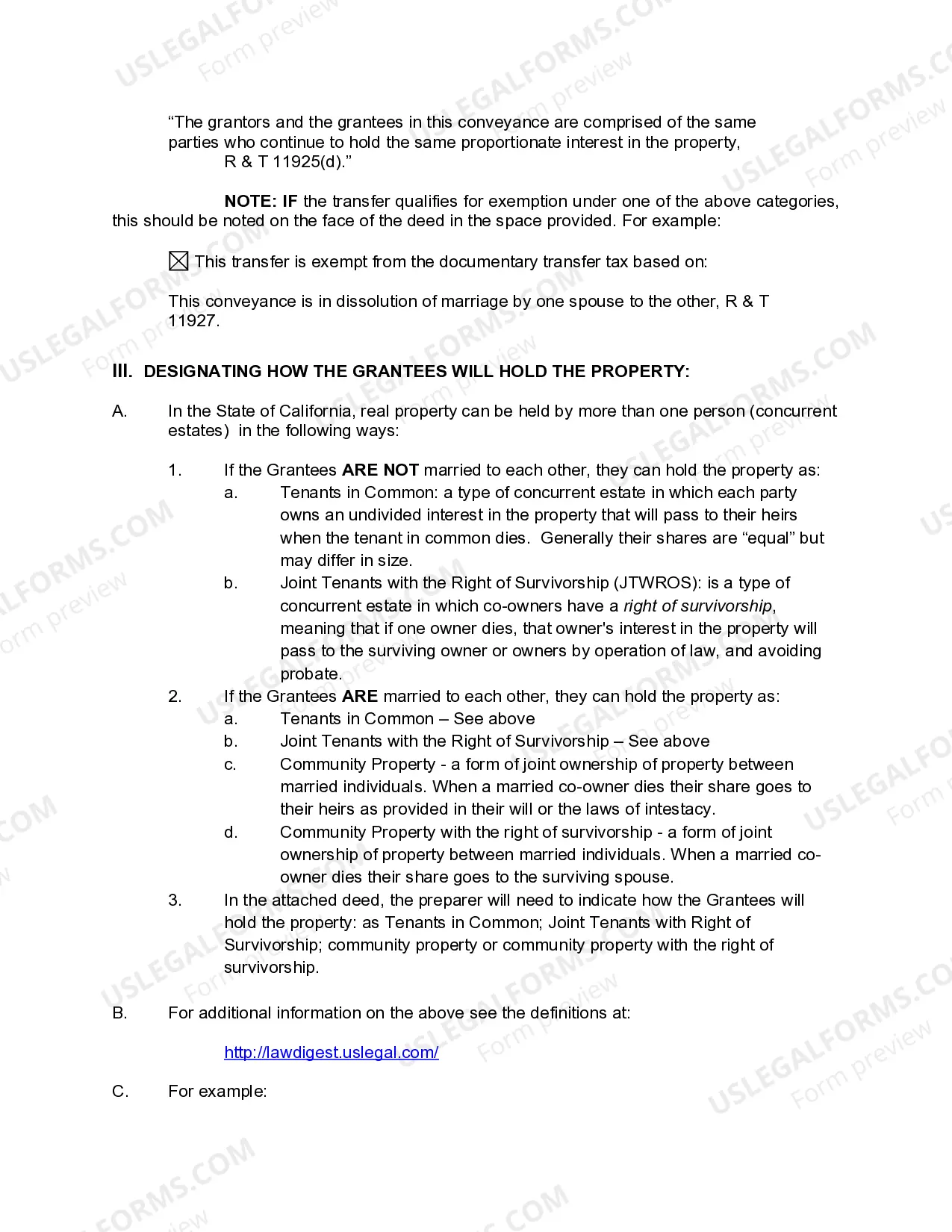
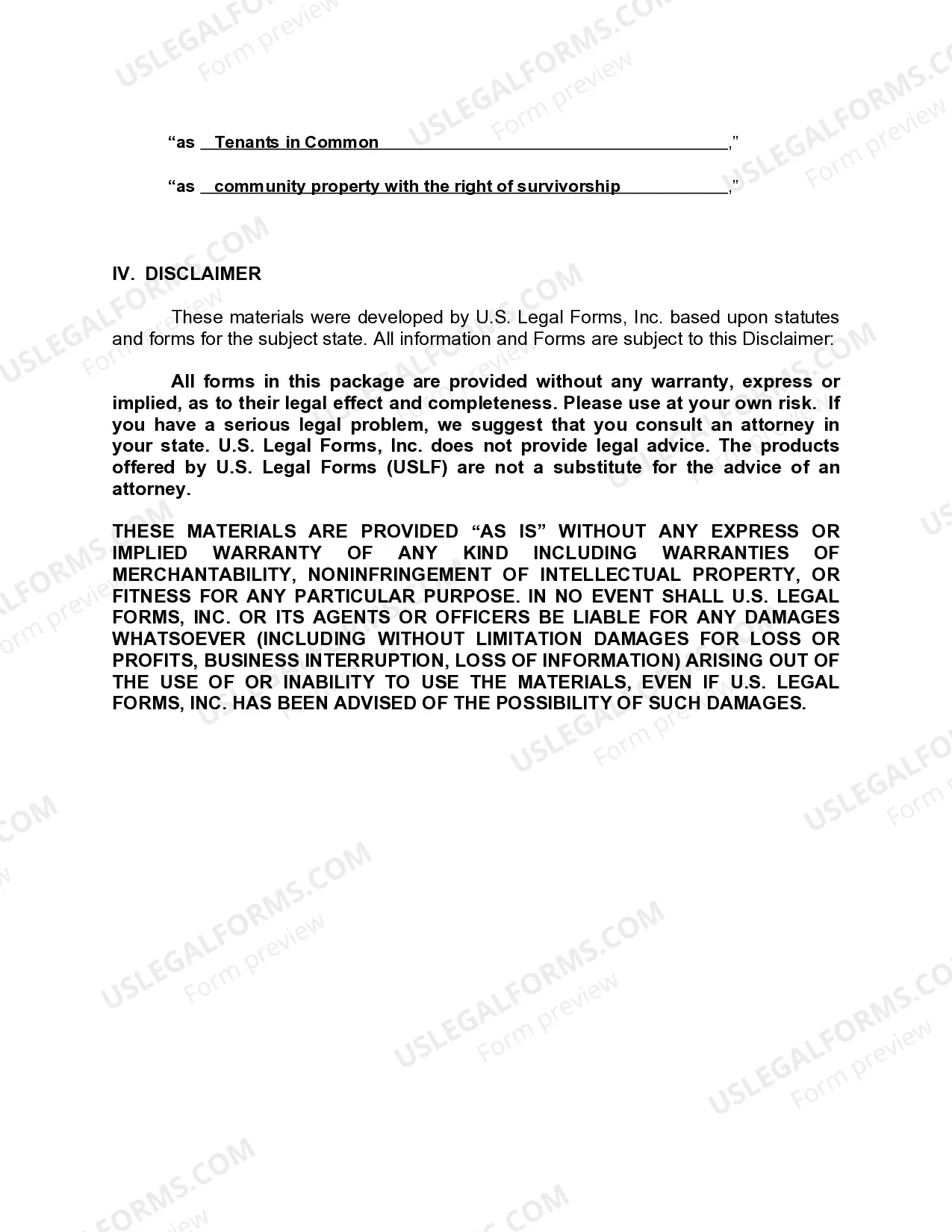
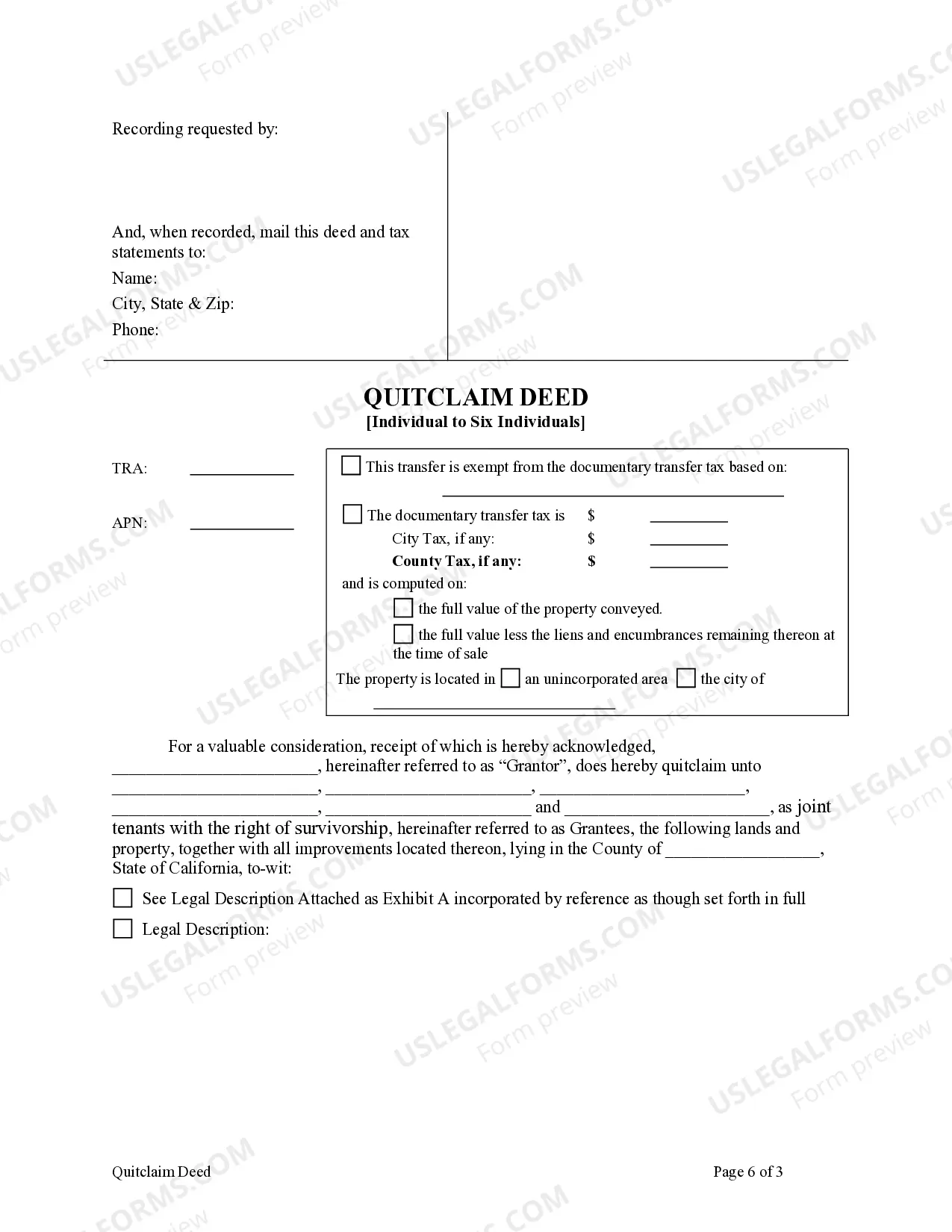
The Quitclaim Deed - Individual to Six Individuals is a legal document used to transfer property ownership from one individual (the Grantor) to six other individuals (the Grantees). This form allows the Grantor to convey their interest in the property without guaranteeing that the title is clear, making it different from a warranty deed. The Grantees may choose to hold the property as tenants in common or as joint tenants with the right of survivorship, thereby outlining how they will manage ownership together.
What’s included in this form
- Grantor's name and information
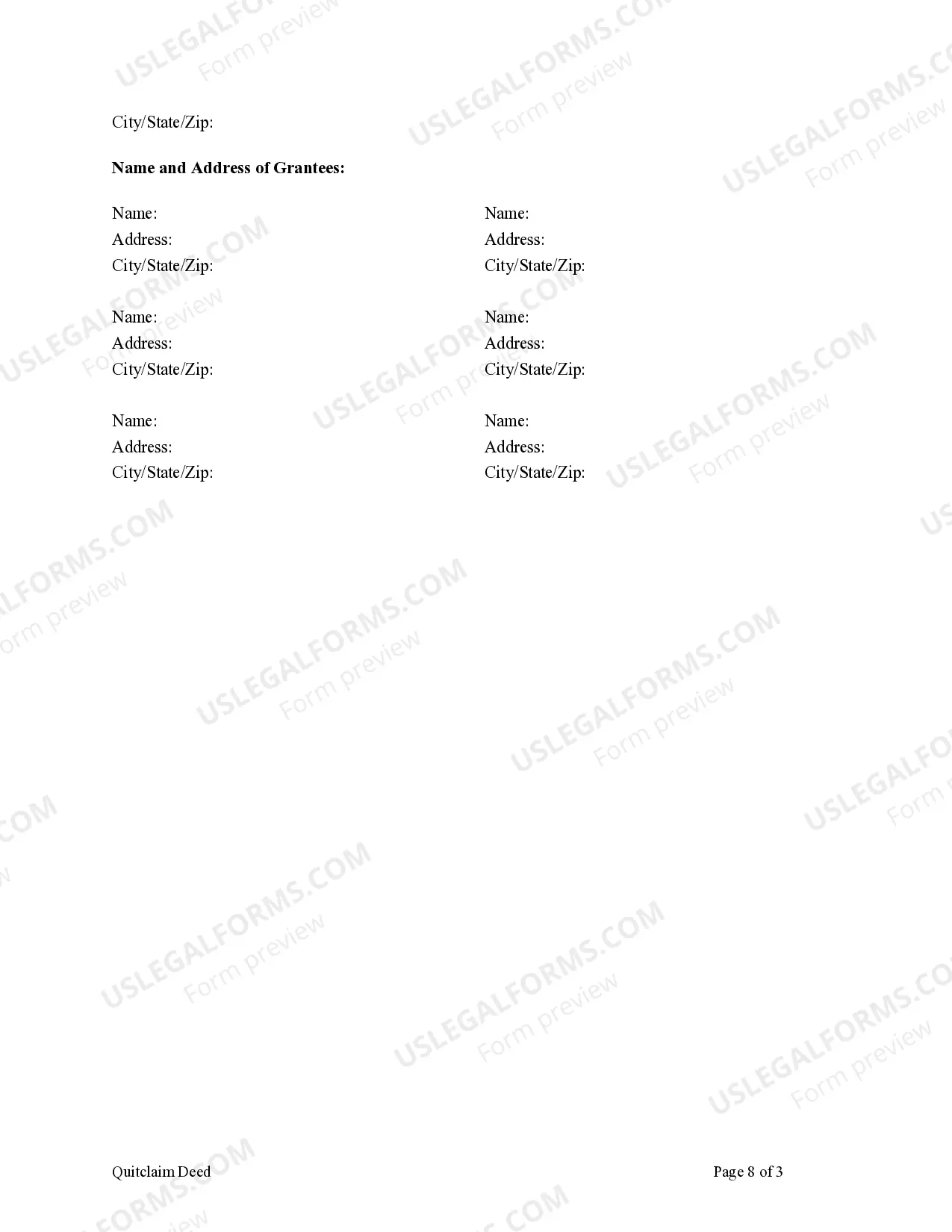
- Grantees' names and information
- Property description and address
- Statement of conveyance
- Designated manner of property holding (tenants in common or joint tenants with the right of survivorship)
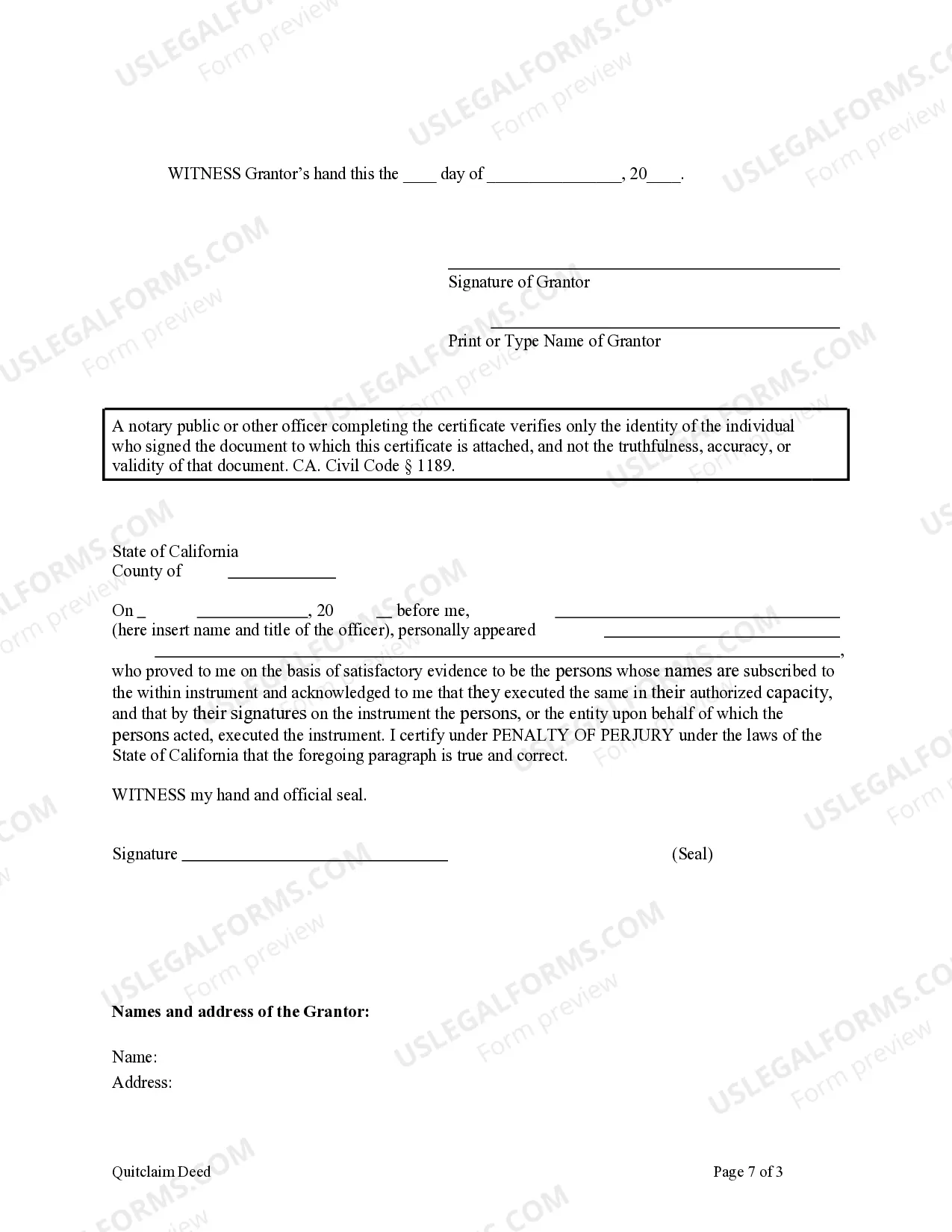
- Signature of the Grantor
- Notarization section, if applicable





When to use this document
This form is typically used when an individual wishes to transfer their interest in a property to six other individuals. Scenarios may include estate planning, family property transfers, or when co-owners decide to reallocate ownership shares. It is particularly useful when the Grantor wants to make a simple transfer without the complexities associated with a warranty deed.
Who needs this form
- Individuals transferring property to multiple parties
- Family members wishing to share ownership of real estate
- Co-owners seeking to clarify property ownership structure
- Estate planners or individuals involved in estate settlements
How to complete this form
- Identify the parties involved by entering the Grantorâs name and the names of the six Grantees.
- Provide a complete description of the property, including the address and parcel number.
- Specify how the Grantees will hold the propertyâeither as tenants in common or joint tenants with the right of survivorship.
- Have the Grantor sign the deed in the presence of a notary if required.
- File the completed deed with the appropriate local government office to ensure it is recorded.
Does this document require notarization?
Yes, this form must be notarized to be legally valid. Notarization ensures the authenticity of the Grantor's signature and the integrity of the document. US Legal Forms provides integrated online notarization services that are available 24/7, allowing for secure and efficient signing without the need to travel.
Get your form ready online
Our built-in tools help you complete, sign, share, and store your documents in one place.
Make edits, fill in missing information, and update formatting in US Legal Forms—just like you would in MS Word.
Download a copy, print it, send it by email, or mail it via USPS—whatever works best for your next step.
Sign and collect signatures with our SignNow integration. Send to multiple recipients, set reminders, and more. Go Premium to unlock E-Sign.
If this form requires notarization, complete it online through a secure video call—no need to meet a notary in person or wait for an appointment.
We protect your documents and personal data by following strict security and privacy standards.

Make edits, fill in missing information, and update formatting in US Legal Forms—just like you would in MS Word.

Download a copy, print it, send it by email, or mail it via USPS—whatever works best for your next step.

Sign and collect signatures with our SignNow integration. Send to multiple recipients, set reminders, and more. Go Premium to unlock E-Sign.

If this form requires notarization, complete it online through a secure video call—no need to meet a notary in person or wait for an appointment.

We protect your documents and personal data by following strict security and privacy standards.
Common mistakes
- Failing to accurately describe the property can lead to confusion over ownership.
- Not specifying the method of property holding, which can affect ownership rights.
- Missing the Grantor's signature or that of a notary where required.
- Forgetting to record the deed after completion, which is crucial for legal validity.
Why use this form online
- Easy access: Download the form at your convenience without the need for an appointment.
- Editable: Input your information directly into the form before printing.
- Reliable: The forms are prepared by licensed attorneys, ensuring that they comply with legal standards.
- Time-saving: Complete the process quickly without waiting for physical paperwork.
What to keep in mind
- The Quitclaim Deed - Individual to Six Individuals facilitates transferring property ownership simply and clearly.
- It allows for various forms of ownership between multiple parties, including tenants in common and joint tenants with the right of survivorship.
- Ensure all sections are accurately completed to avoid common mistakes.
- Online access makes this process convenient and efficient.
Looking for another form?
Form popularity
FAQ
Co-ownership in California means that two or more individuals share ownership rights and responsibilities for a property. Co-owners can own equal or varying shares, and decisions concerning the property typically require consensus. Utilizing a California Quitclaim Deed - Individual to Six Individuals can help simplify ownership transfer and clarify each party's rights when changes are necessary.
To remove a co-owner from a property deed in California, you can use a California Quitclaim Deed - Individual to Six Individuals to execute the transfer. The process requires the co-owner’s consent and should be carefully documented. Recording the deed with the county recorder's office will complete the removal process and protect all parties involved.
The primary disadvantage of a quitclaim deed is that it offers no guarantees about the title's validity. The person receiving the property might inherit unknown debts or liens related to the property. Additionally, it does not provide protection if the grantor has no legal claim to the property. Therefore, it's crucial to conduct thorough research before proceeding with a California Quitclaim Deed - Individual to Six Individuals.
Yes, you can remove a co-owner from a deed, typically using a California Quitclaim Deed - Individual to Six Individuals. This document allows one co-owner to transfer their interest to another party, effectively removing themselves from the deed. However, both parties should agree on the change, and proper legal procedures must be followed to prevent disputes.
A quitclaim deed benefits individuals who want to transfer property ownership without a sale. This situation commonly occurs during divorce, inheritance, or property sharing among family members. By utilizing a California Quitclaim Deed - Individual to Six Individuals, you can streamline the process, ensuring a quick transfer while maintaining relationships.
When you add someone to a deed in California, you may trigger tax implications, such as reassessment of property taxes. Under California law, adding a person can be seen as a change in ownership, which may lead to higher property taxes. It's advisable to consult with a tax professional or attorney to understand the full impact of your decision, especially when using a California Quitclaim Deed - Individual to Six Individuals.
To remove someone from a deed in California, you typically need to file a California Quitclaim Deed - Individual to Six Individuals. This legal document allows you to transfer your interest in the property and effectively remove the named individual. It is essential to ensure that the remaining owners agree to this change, and you should record the deed with the county recorder's office to finalize the removal.
The California Quitclaim Deed - Individual to Six Individuals permits up to six names on a single deed. This flexibility allows multiple family members to hold an interest in the property, enhancing collaborative ownership and decision-making. It's important to list all individuals precisely to avoid future disputes. For assistance in drafting and filing your quitclaim deed, UsLegalForms provides comprehensive resources to guide you.
Leaving property to a family member can be efficiently accomplished through the California Quitclaim Deed - Individual to Six Individuals. This method allows you to transfer ownership while bypassing probate, making the process quicker and less stressful. It’s essential to ensure the deed is correctly executed and recorded. For guidance and templates, consider using UsLegalForms to simplify your estate planning.
California law allows multiple individuals to be listed on a deed, including up to six people using the California Quitclaim Deed - Individual to Six Individuals. Each party must understand their rights and responsibilities concerning the property. Adding multiple owners can facilitate property management and decision-making among family members. If you need assistance, UsLegalForms provides a user-friendly platform to help you navigate these options.