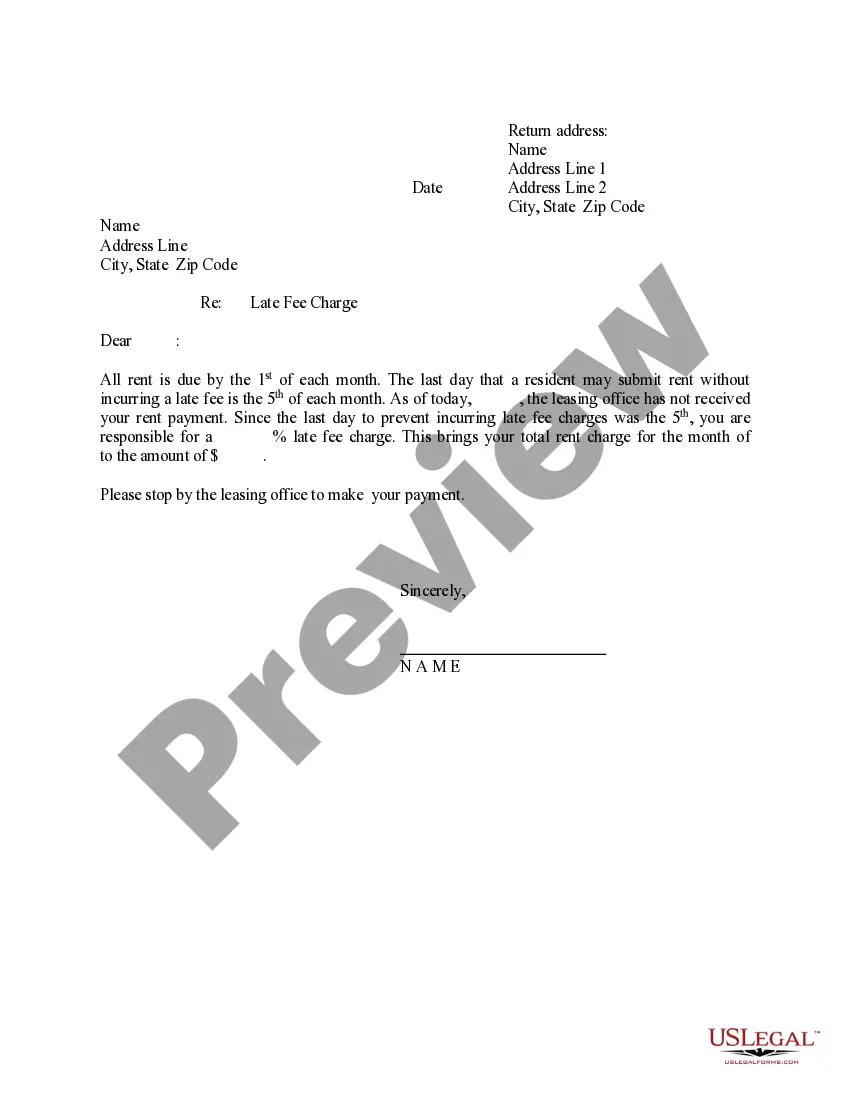
Late Fee Charges
Description

Get your form ready online
Our built-in tools help you complete, sign, share, and store your documents in one place.
Make edits, fill in missing information, and update formatting in US Legal Forms—just like you would in MS Word.
Download a copy, print it, send it by email, or mail it via USPS—whatever works best for your next step.
Sign and collect signatures with our SignNow integration. Send to multiple recipients, set reminders, and more. Go Premium to unlock E-Sign.
If this form requires notarization, complete it online through a secure video call—no need to meet a notary in person or wait for an appointment.
We protect your documents and personal data by following strict security and privacy standards.

Make edits, fill in missing information, and update formatting in US Legal Forms—just like you would in MS Word.

Download a copy, print it, send it by email, or mail it via USPS—whatever works best for your next step.

Sign and collect signatures with our SignNow integration. Send to multiple recipients, set reminders, and more. Go Premium to unlock E-Sign.

If this form requires notarization, complete it online through a secure video call—no need to meet a notary in person or wait for an appointment.

We protect your documents and personal data by following strict security and privacy standards.
Looking for another form?
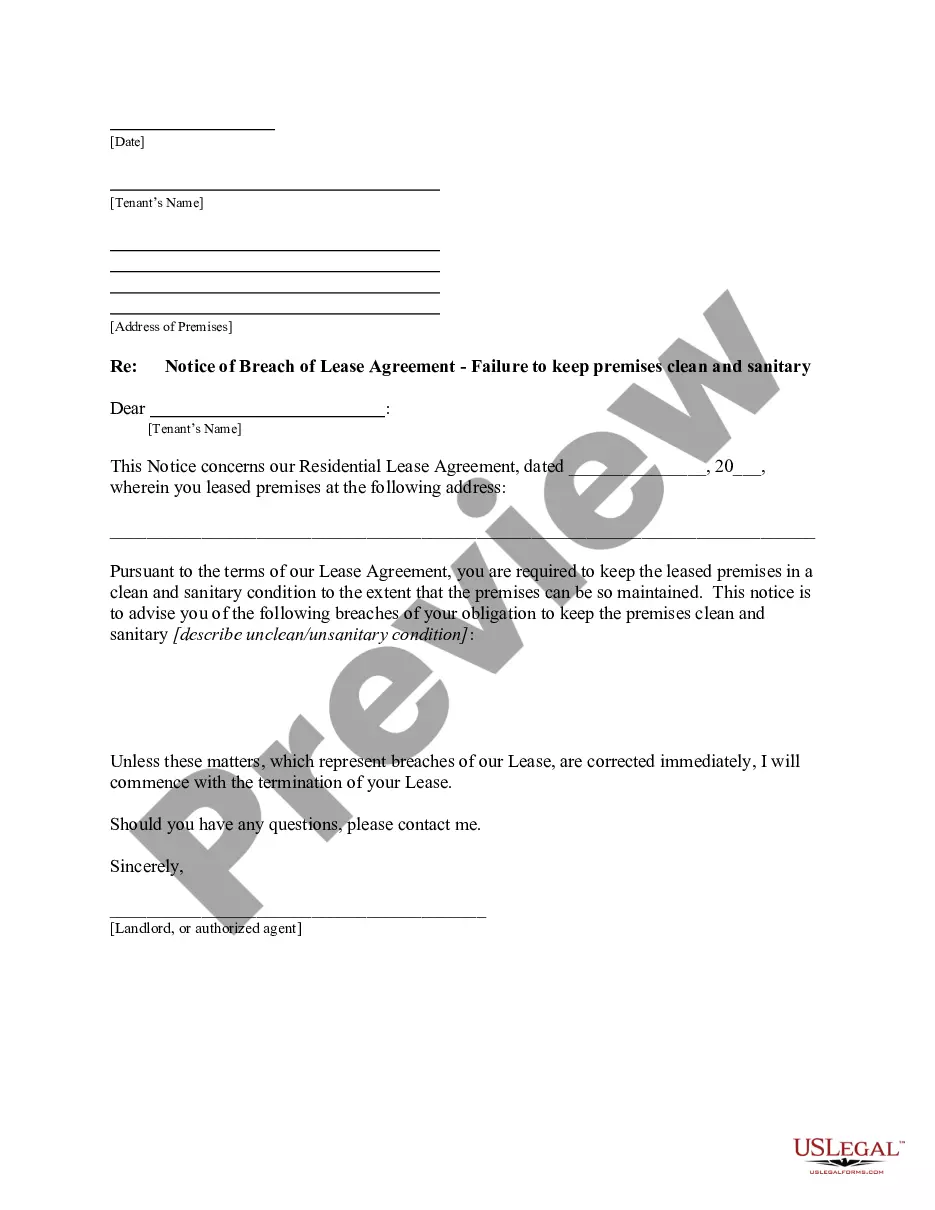
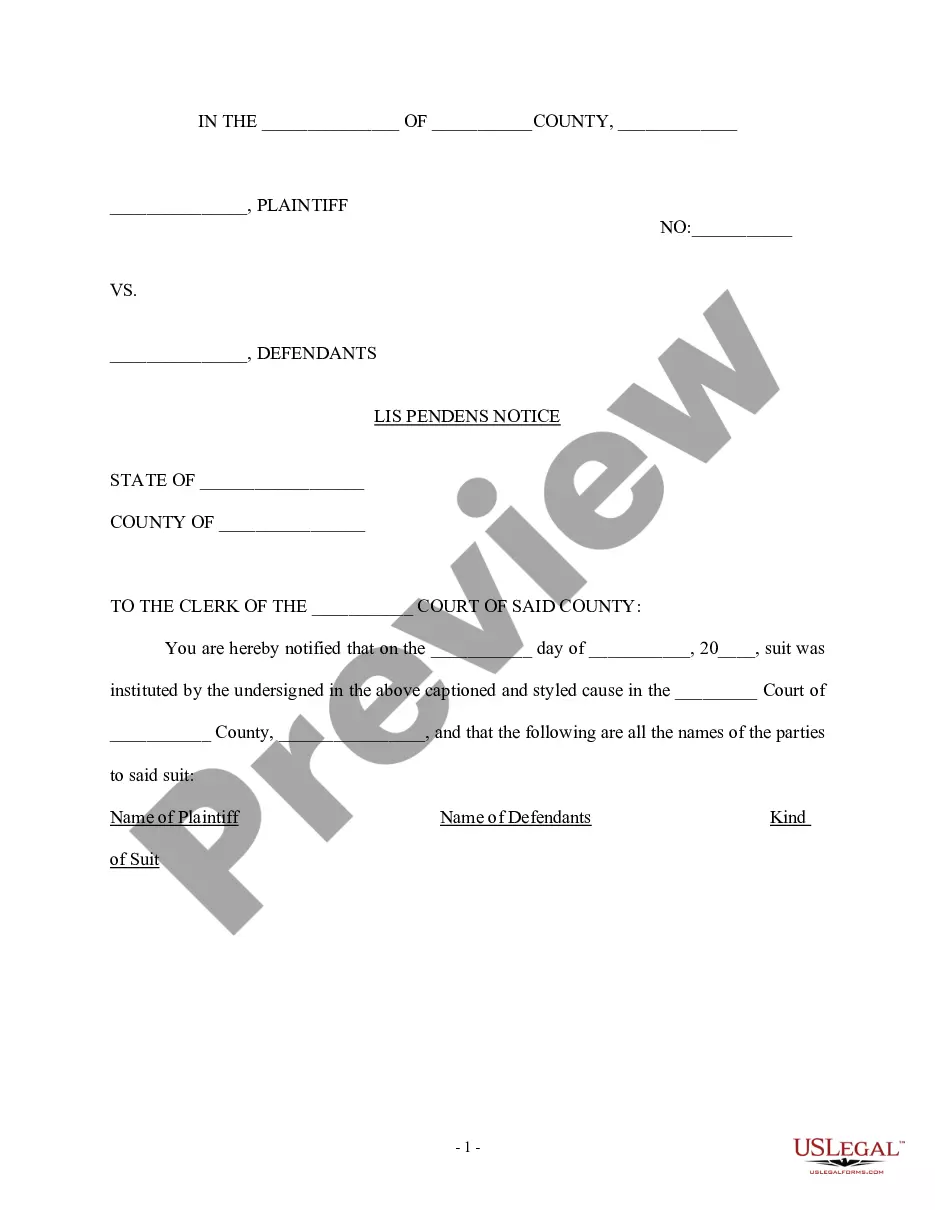

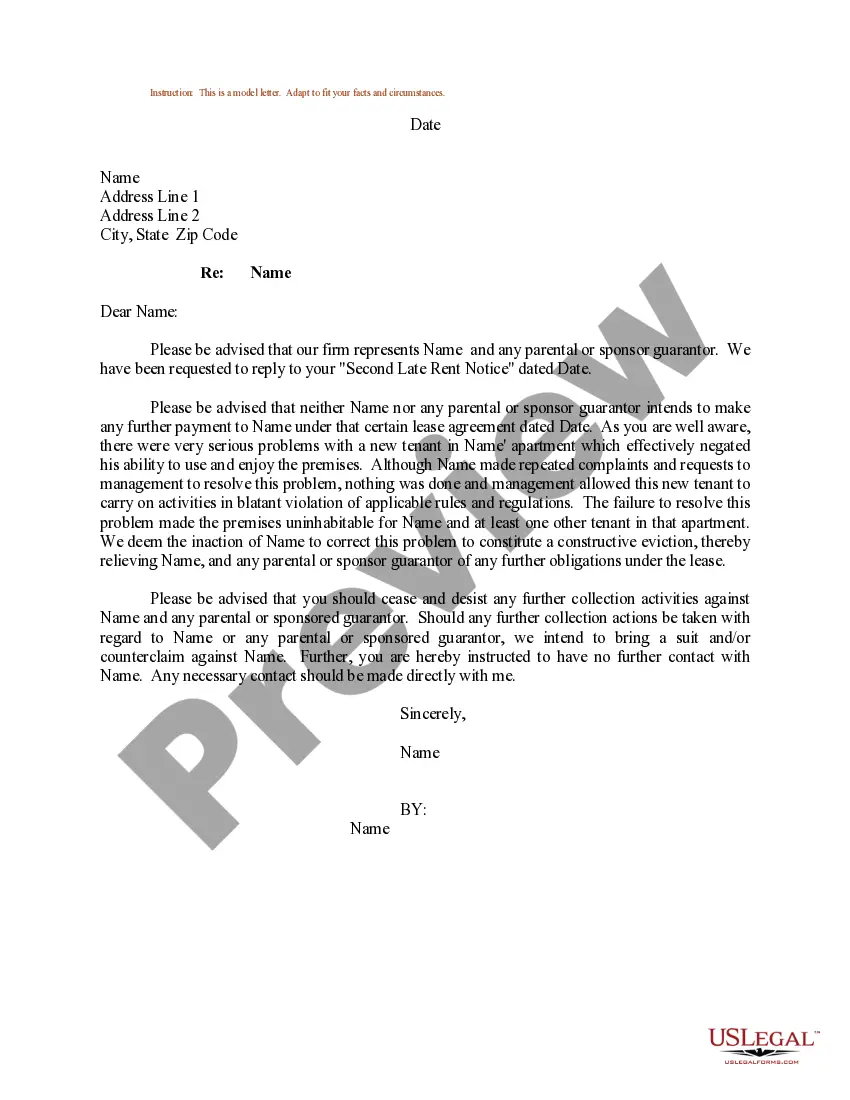
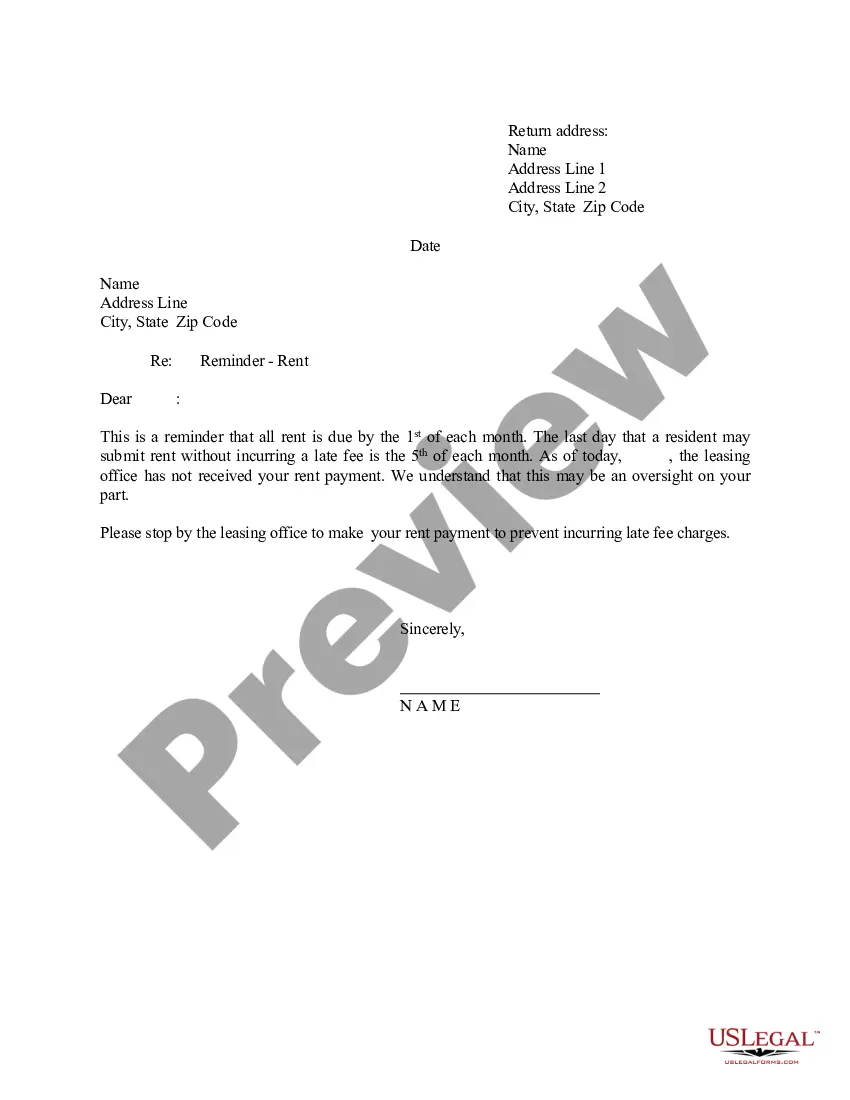
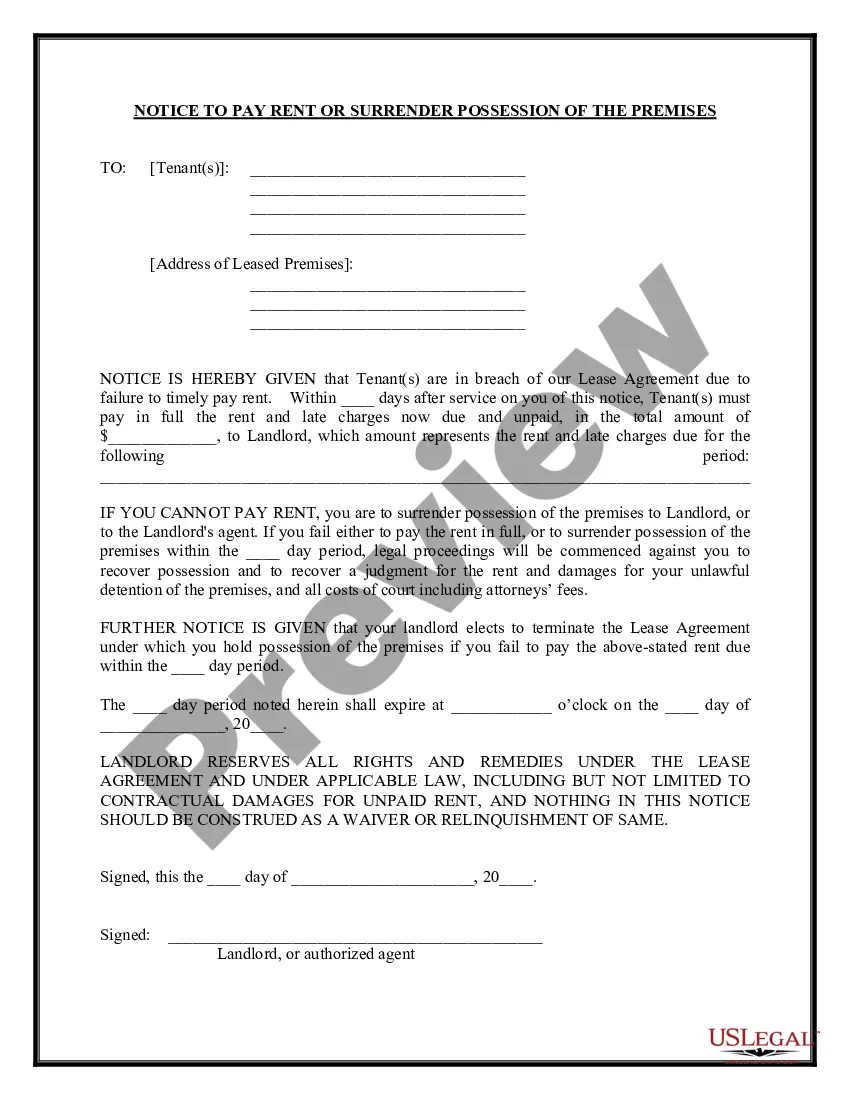
How to fill out Letter - Notification To Renter Of Late Rent Payment And Late Charge?
The Late Fee Charges you observe on this page is a versatile formal template crafted by expert attorneys following federal and local regulations.
For over 25 years, US Legal Forms has supplied individuals, businesses, and lawyers with more than 85,000 authenticated, state-specific documents for any corporate and personal occasions.
Utilize the same document again whenever required. Access the My documents tab in your profile to redownload any previously acquired forms.
- Explore the document you require and examine it.
- Scan through the sample you searched for and either preview it or examine the form description to confirm it meets your needs. If it does not, utilize the search bar to find the correct one. Click Buy Now after you locate the template you need.
- Register and Log In.
- Select the pricing option that fits you and create an account. Use PayPal or a credit card to make a swift payment. If you already possess an account, Log In and verify your subscription to continue.
- Acquire the editable template.
Form popularity
FAQ
In Kansas, late fee charges are regulated by state law, which allows landlords and service providers to impose fees for late payments under certain conditions. Typically, a late fee must be specified in the rental agreement or contract and cannot exceed a reasonable amount, usually not more than 5% of the payment due. Understanding these laws can help you avoid unexpected late fee charges and manage your payments more effectively. If you need assistance with understanding late fee regulations, uSlegalforms offers resources and templates that can help clarify these matters.
Informing your customers about late fee charges is essential for maintaining transparency and trust. Start by including a clear explanation of late fee charges in your terms of service or rental agreement. You can also send a notice or message before due dates, outlining any applicable charges for late payments. By communicating proactively, you help customers understand the importance of timely payments while using the uslegalforms platform to manage their agreements effectively.
To ask for a late fee waiver, start by contacting the relevant party, be it a landlord or creditor, and express the intent politely. Clearly outline your reasons for the request, including any previous positive payment history or unforeseen circumstances that led to the late payment. Always be courteous and thank them for their time. If you prefer a written approach, US Legal Forms can help you create a clear and persuasive letter.
Yes, you can, and it is often worth asking. Many companies have policies that allow for the removal of late fee charges, especially for first-time offenders or loyal customers. You should clearly explain your circumstances and express your appreciation for their understanding. Utilizing US Legal Forms can provide you with a structured approach to formulate your request effectively.
To remove late fee charges from your credit report, first check your credit report for accuracy. If you notice any discrepancies, you can file a dispute with the credit bureau. Additionally, you might be able to negotiate with the creditor to remove the late fee, especially if you demonstrate consistent payment history. Using US Legal Forms can guide you in creating a professional dispute letter.
Yes, it is possible to have late fee charges waived. Many creditors and landlords are willing to negotiate these fees under certain circumstances, such as a history of timely payments or a clear explanation of your situation. A polite request can go a long way, so consider reaching out directly to discuss your case. Using services like US Legal Forms can help you draft a compelling request.
When asking for fees, it's essential to be clear and courteous. Start by reminding your contact about the services provided, then specify the fee details without ambiguity. By discussing the late fee charges in a professional manner, you can promote clarity and understanding. Additionally, implementing easy solutions from USLegalForms can streamline your invoicing process.
If you find yourself needing to apologize for late payments, acknowledge the oversight directly and take responsibility. Communicate your intentions to resolve the late fee charges promptly to maintain goodwill. Including a sincere statement of gratitude for their patience can also help smooth over any potential tensions. Using a platform like USLegalForms can offer tools for crafting effective communications.
When reaching out about late fee charges, consider starting with a friendly reminder of the payment terms. A gentle nudge can foster understanding and can avoid misunderstandings. Clearly state the amount overdue and express appreciation for their prompt attention. This approach increases the likelihood of a positive and timely response.