Case Management Policy
Description
Get your form ready online
Our built-in tools help you complete, sign, share, and store your documents in one place.
Make edits, fill in missing information, and update formatting in US Legal Forms—just like you would in MS Word.
Download a copy, print it, send it by email, or mail it via USPS—whatever works best for your next step.
Sign and collect signatures with our SignNow integration. Send to multiple recipients, set reminders, and more. Go Premium to unlock E-Sign.
If this form requires notarization, complete it online through a secure video call—no need to meet a notary in person or wait for an appointment.
We protect your documents and personal data by following strict security and privacy standards.

Make edits, fill in missing information, and update formatting in US Legal Forms—just like you would in MS Word.

Download a copy, print it, send it by email, or mail it via USPS—whatever works best for your next step.

Sign and collect signatures with our SignNow integration. Send to multiple recipients, set reminders, and more. Go Premium to unlock E-Sign.

If this form requires notarization, complete it online through a secure video call—no need to meet a notary in person or wait for an appointment.

We protect your documents and personal data by following strict security and privacy standards.
Looking for another form?
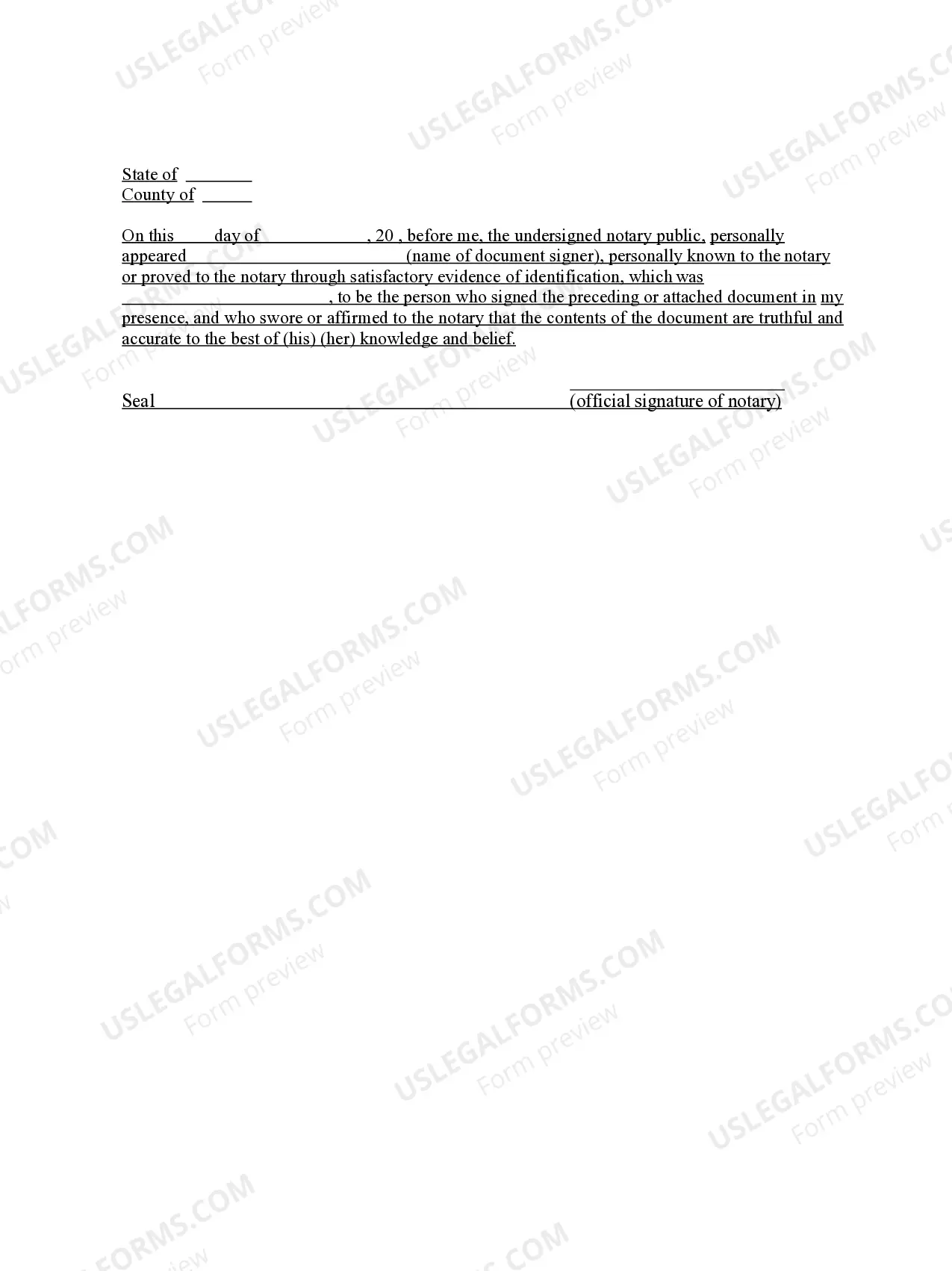


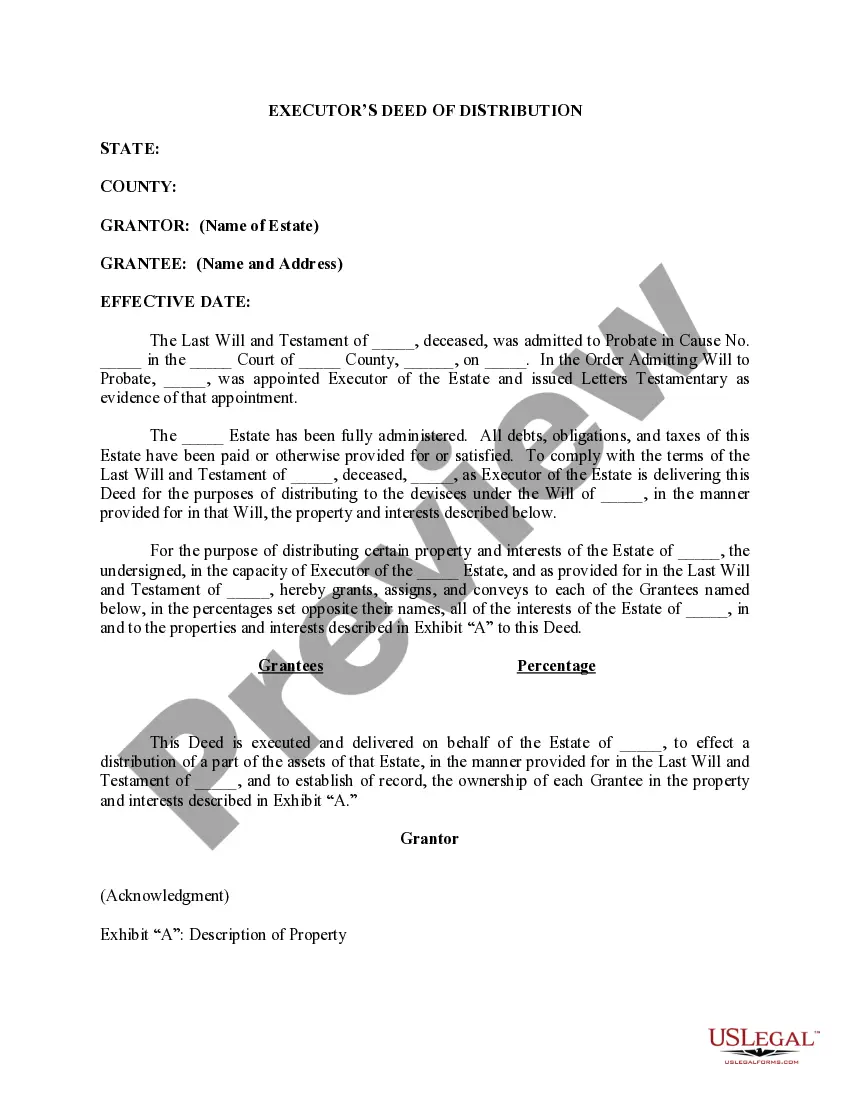
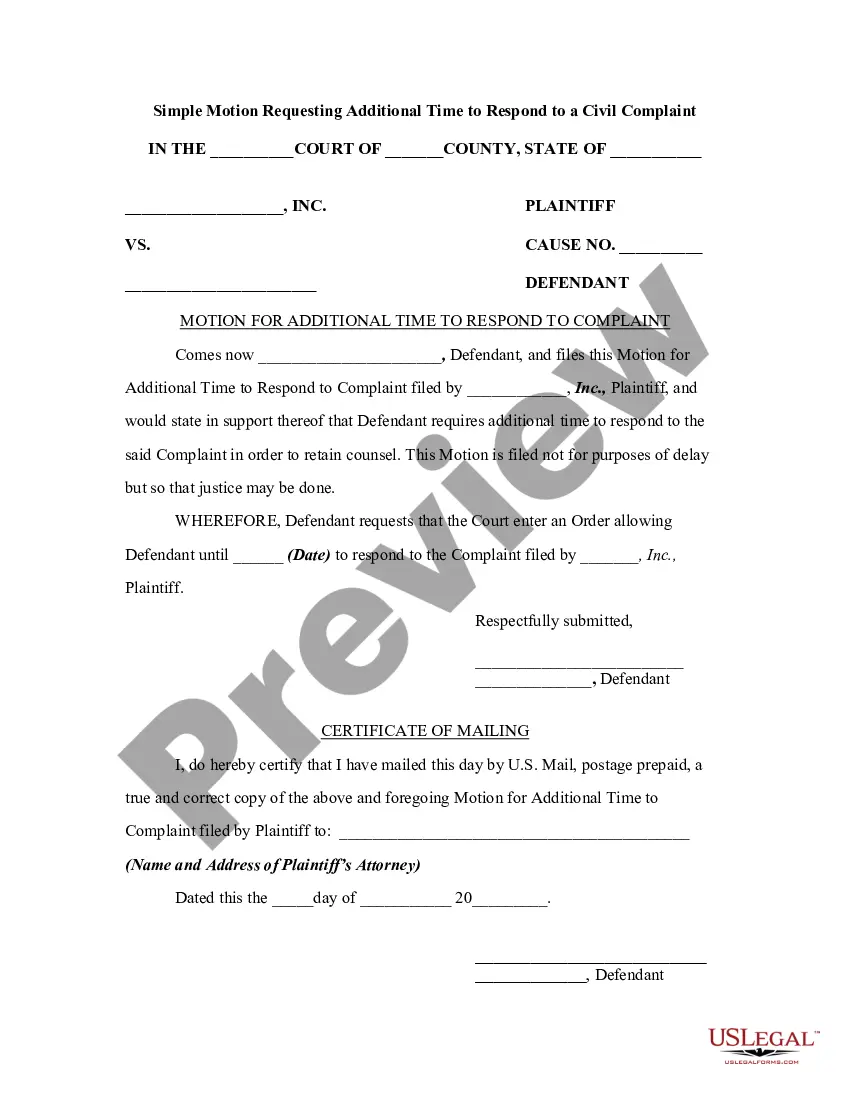
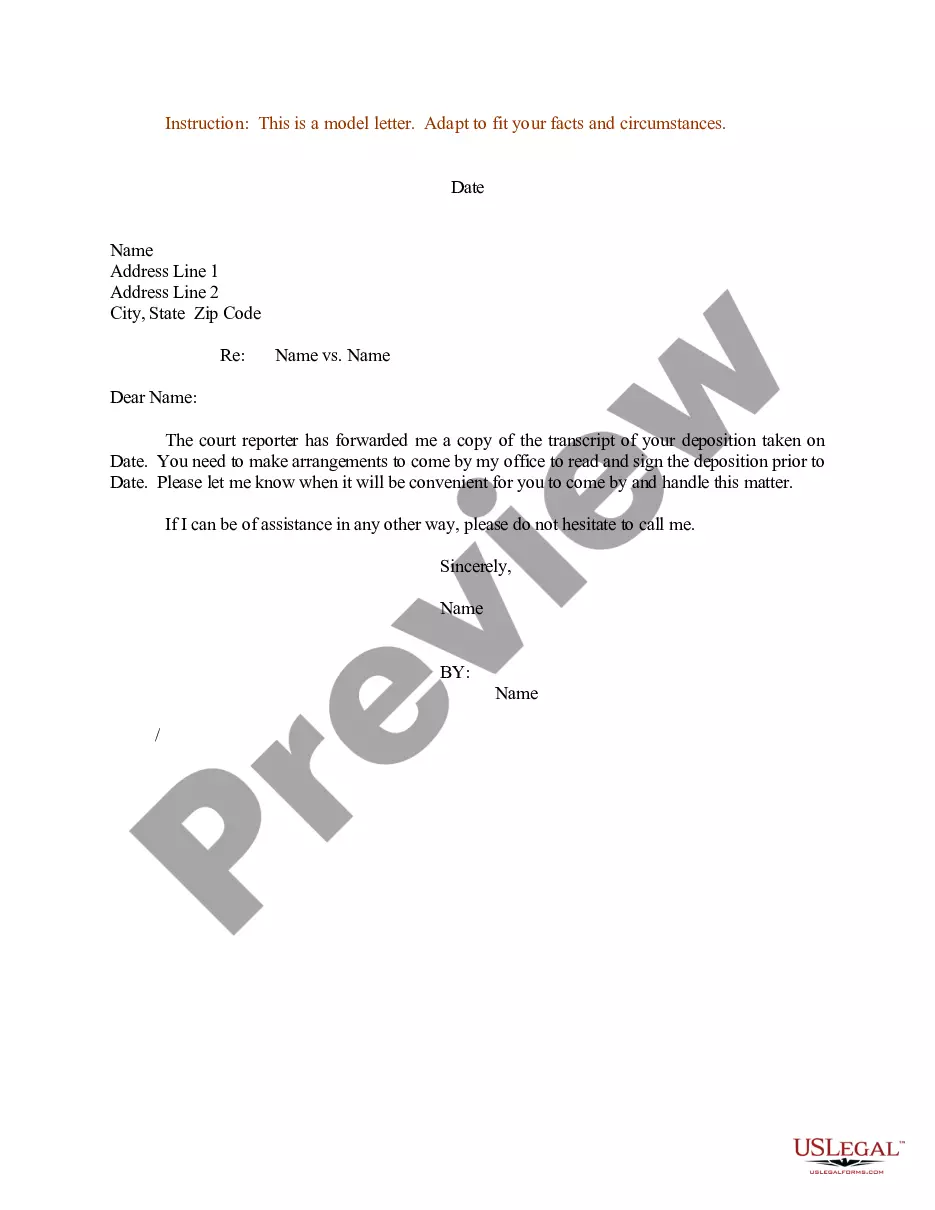
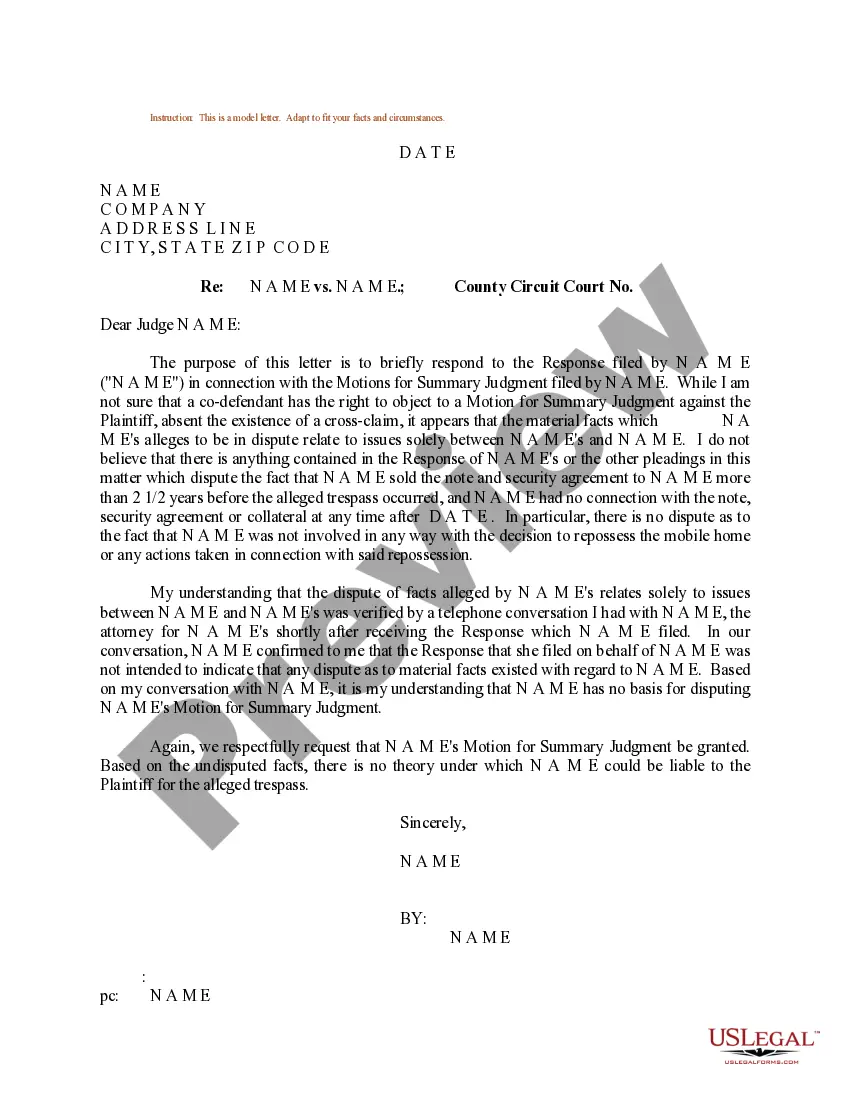
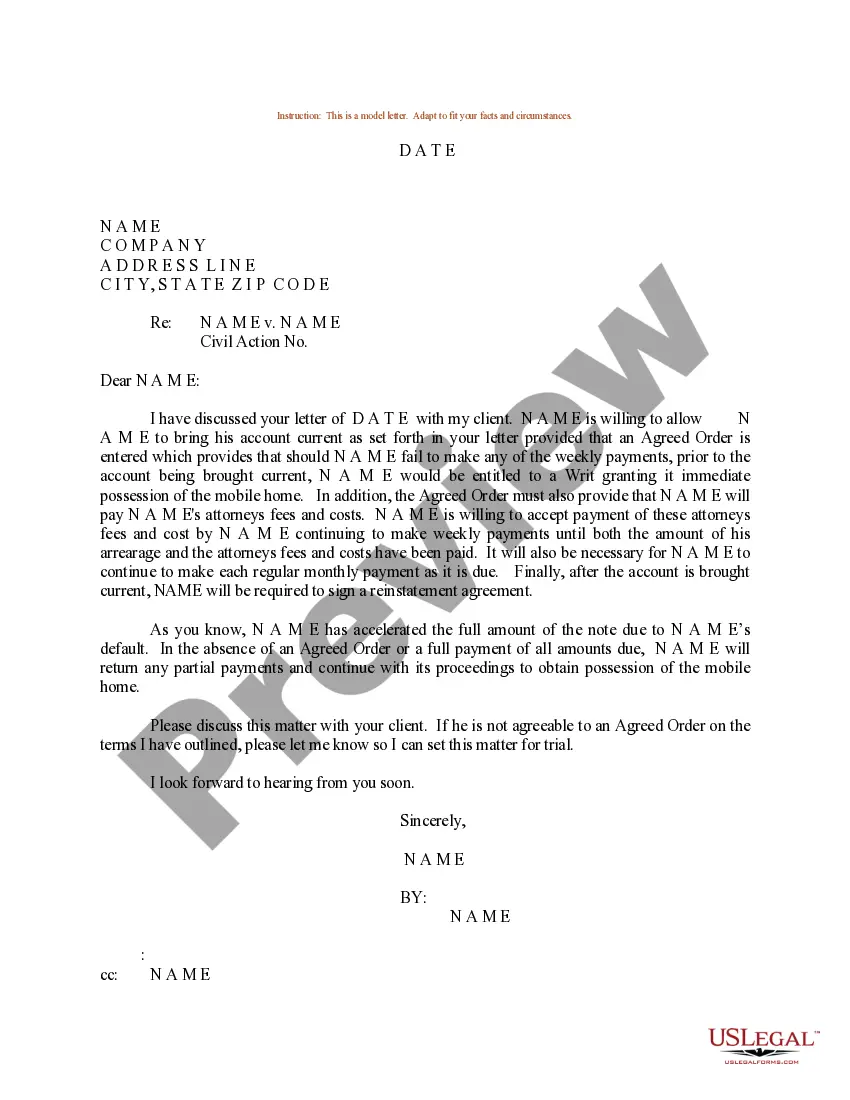
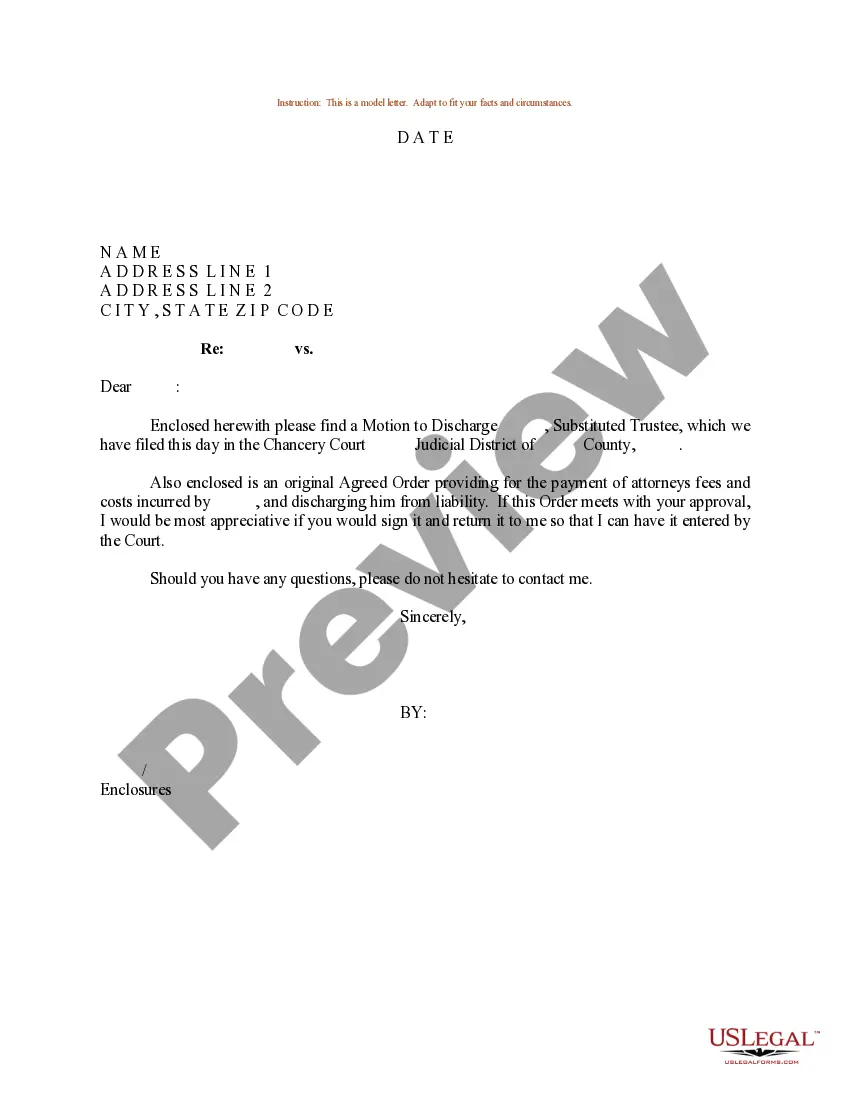
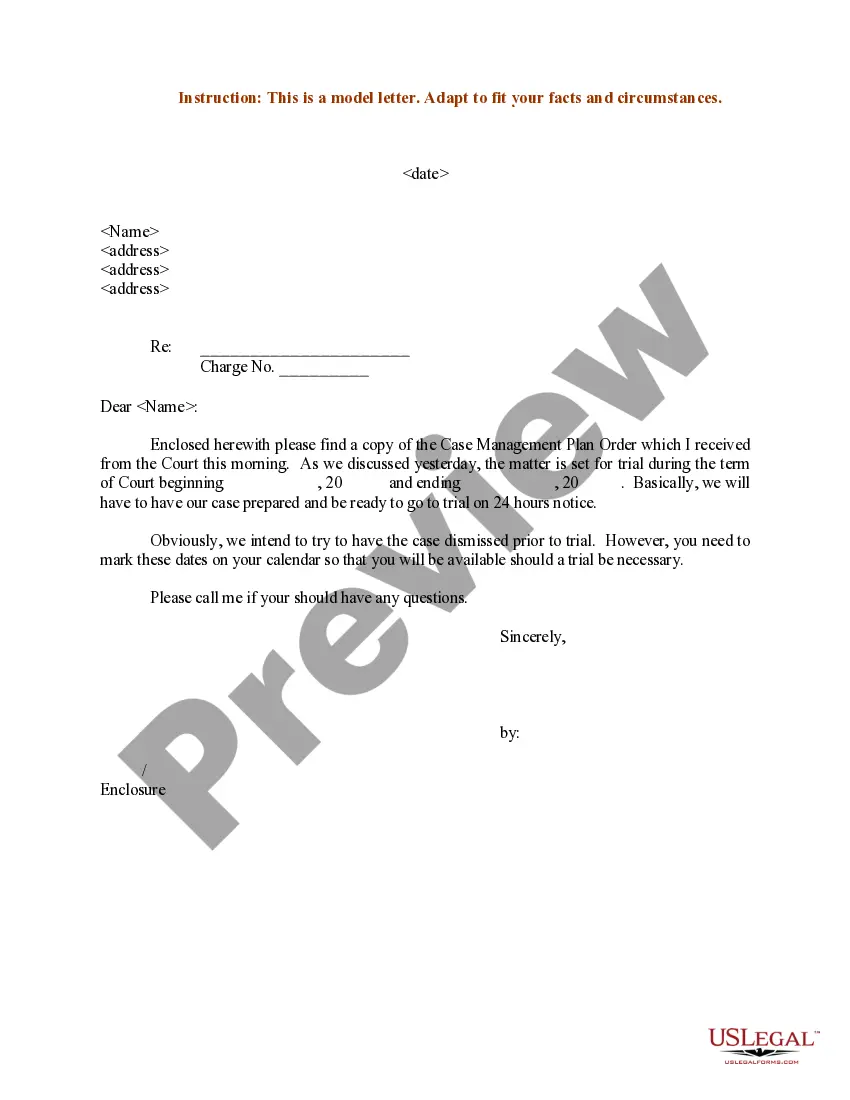
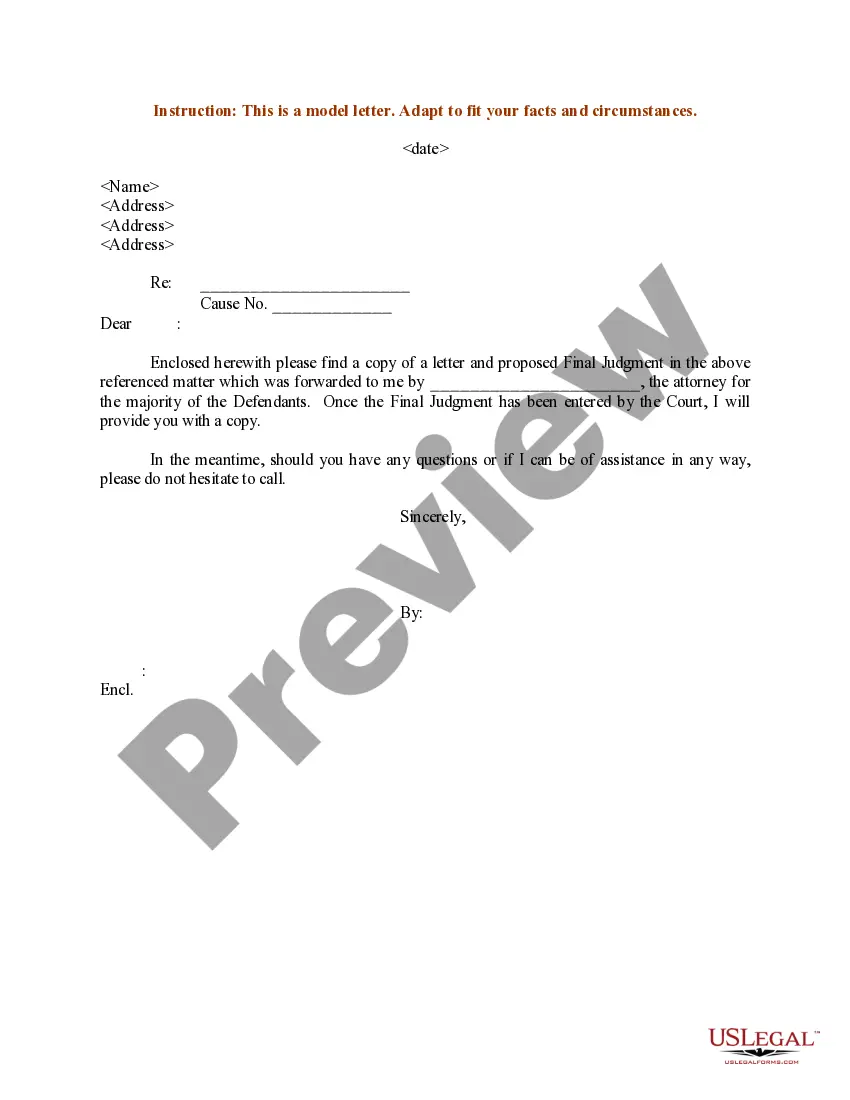
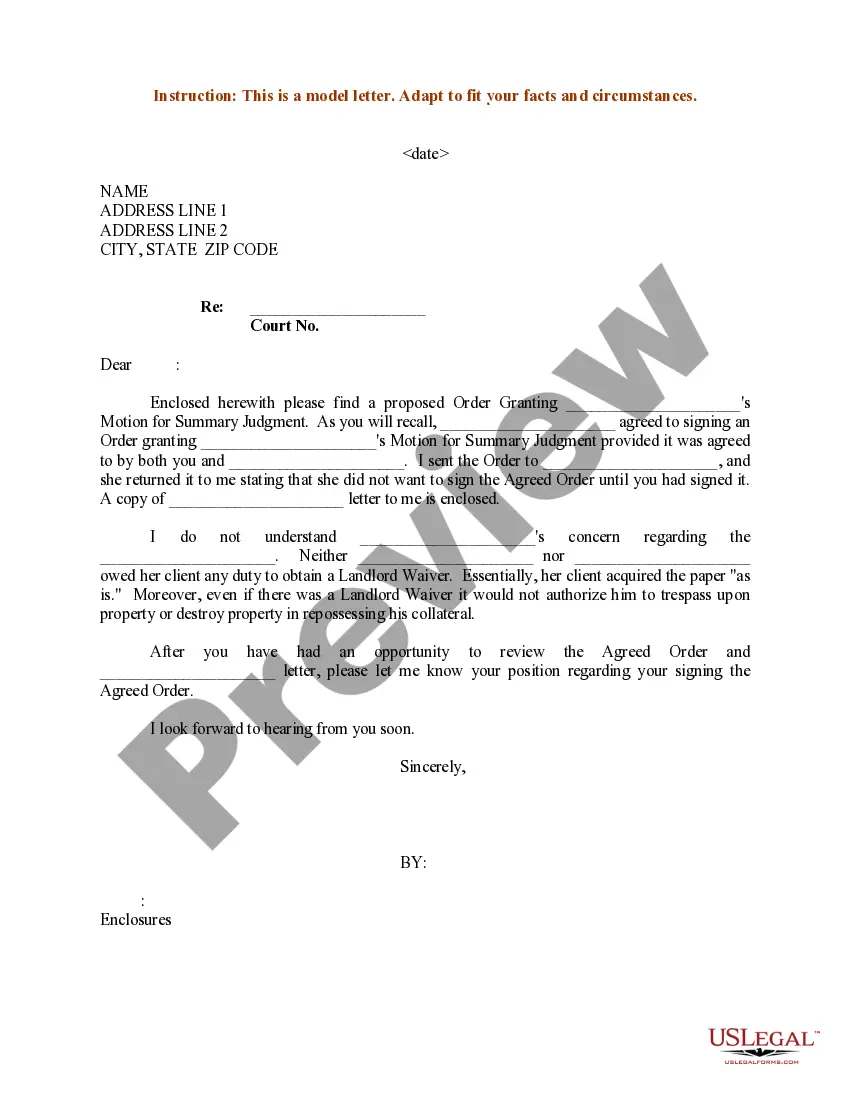
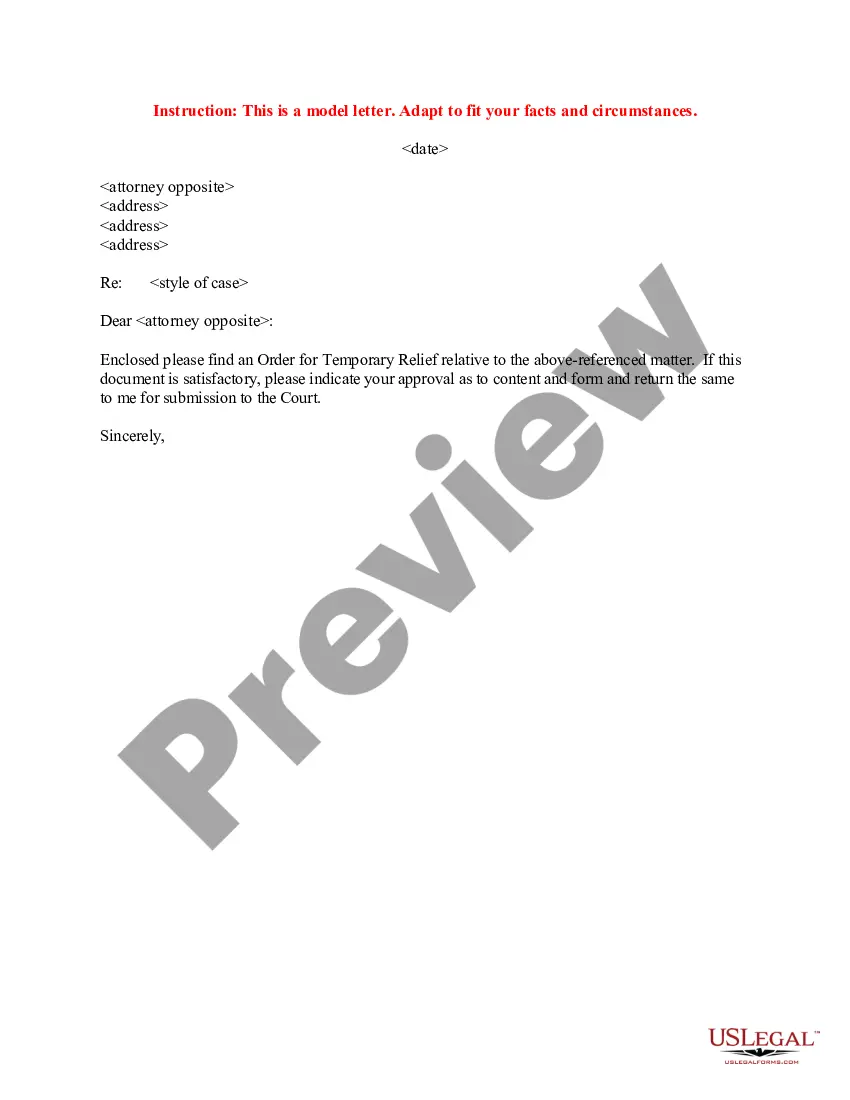
How to fill out Sample Letter For Case Management Plan Order?
Handling legal documents and procedures can be a lengthy addition to your schedule.
Case Management Policy and similar forms typically require you to search for them and comprehend the most effective way to fill them out correctly.
Therefore, if you are managing financial, legal, or personal issues, utilizing a comprehensive and user-friendly online directory of forms readily available will significantly help.
US Legal Forms is the top online platform for legal templates, featuring over 85,000 state-specific forms and various resources that will assist you in completing your documents effortlessly.
Is this your first time using US Legal Forms? Register and create a free account in just a few minutes, and you’ll access the form directory and Case Management Policy. Then, follow these steps to fill out your form.
- Browse the collection of relevant documents accessible to you with just one click.
- US Legal Forms provides you with state- and county-specific forms available for download anytime.
- Protect your document management processes using a premier service that allows you to create any form within minutes without extra or concealed fees.
- Simply Log In to your account, find Case Management Policy and obtain it instantly from the My documents section.
- You can also access previously downloaded forms.
Form popularity
FAQ
An example of case management involves a client with chronic health issues who requires coordinated care from different healthcare providers. The case manager creates a plan that includes regular check-ups, medication management, and access to support services. By implementing this kind of strategy, you can see how a strong case management policy facilitates better outcomes and a more personalized experience for clients.
When writing a case management plan, start by assessing the needs of your clients and identifying their objectives. Develop a structured approach that includes measurable goals, resources needed, and specified timelines. Include strategies for monitoring progress and addressing potential challenges. This method enhances your case management policy by providing a clear roadmap tailored to individual circumstances.
To write a management plan example, begin by clearly defining the purpose and goals of your policy. Outline the steps you will take to achieve these goals, including responsibilities and timelines. Be sure to incorporate relevant regulations and best practices. This approach aligns with effective case management policy, ensuring a comprehensive structure that is easy to follow.
In California, you generally need to file a Case Management Conference (CMC) statement at least 15 days before the scheduled CMC. This statement is crucial, as it aligns with the case management policy and sets the agenda for your court appearance. Timely submission of this statement allows the court to prepare adequately and ensures all involved parties are on the same page. For guidance in drafting your CMC statement, consider visiting USLegalForms for valuable templates and support.
The five steps of case management typically include assessment, planning, implementation, monitoring, and evaluation. In the assessment phase, you identify all necessary information and outline your case management policy. Next, during planning, devise a strategy that addresses your case's objectives. Implementation follows, where you execute your strategies, followed by monitoring to track progress. Finally, evaluate outcomes to adjust your approach as needed for success.
To prepare for a Case Management Conference (CMC), you should review all case-related documents and understand the key issues at stake. Familiarize yourself with the case management policy relevant to your situation, as it outlines the expectations and procedures in your court. Additionally, gather any necessary evidence or witnesses you plan to present. Lastly, consider using USLegalForms to access helpful resources and templates, ensuring you approach the CMC fully prepared.
An example of case management is organizing and tracking legal cases from initiation to resolution. This involves creating a clear case management policy that outlines the steps for handling each case, including deadlines and required documentation. By implementing a structured approach, such as the one offered by USLegalForms, legal professionals ensure that their cases are managed efficiently, helping them meet client needs and adhere to legal requirements. Such a policy not only streamlines workflows but also enhances overall case outcomes.
To qualify for case management services, individuals typically undergo an assessment to determine their needs and eligibility. Various factors, including income level and specific circumstances, may influence eligibility. Knowledge of case management policy can help individuals navigate the qualification process more effectively.
Many insurance plans do cover case management services, particularly if they are deemed medically necessary. It's advisable to check with your specific insurance provider to understand the extent of coverage related to case management. Understanding the intricacies of case management policy can help clarify any uncertainties.
Creating a case management plan involves several key steps: assess the individual’s needs, set achievable goals, outline necessary services, and establish timelines. Engaging all relevant stakeholders in the process ensures that the plan addresses every aspect of the individual's situation. A well-structured case management policy can guide you through developing an effective plan.