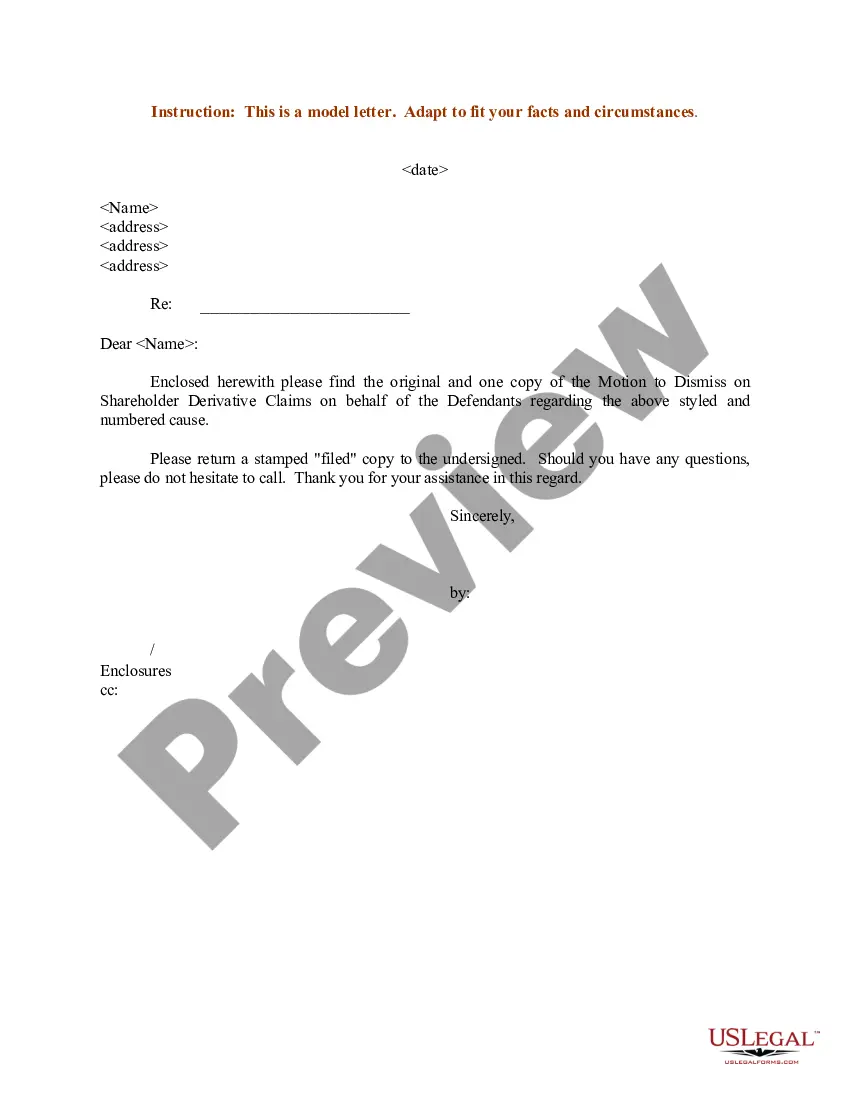
Direct Vs Derivative Claims
Description
Get your form ready online
Our built-in tools help you complete, sign, share, and store your documents in one place.
Make edits, fill in missing information, and update formatting in US Legal Forms—just like you would in MS Word.
Download a copy, print it, send it by email, or mail it via USPS—whatever works best for your next step.
Sign and collect signatures with our SignNow integration. Send to multiple recipients, set reminders, and more. Go Premium to unlock E-Sign.
If this form requires notarization, complete it online through a secure video call—no need to meet a notary in person or wait for an appointment.
We protect your documents and personal data by following strict security and privacy standards.

Make edits, fill in missing information, and update formatting in US Legal Forms—just like you would in MS Word.

Download a copy, print it, send it by email, or mail it via USPS—whatever works best for your next step.

Sign and collect signatures with our SignNow integration. Send to multiple recipients, set reminders, and more. Go Premium to unlock E-Sign.

If this form requires notarization, complete it online through a secure video call—no need to meet a notary in person or wait for an appointment.

We protect your documents and personal data by following strict security and privacy standards.
Looking for another form?








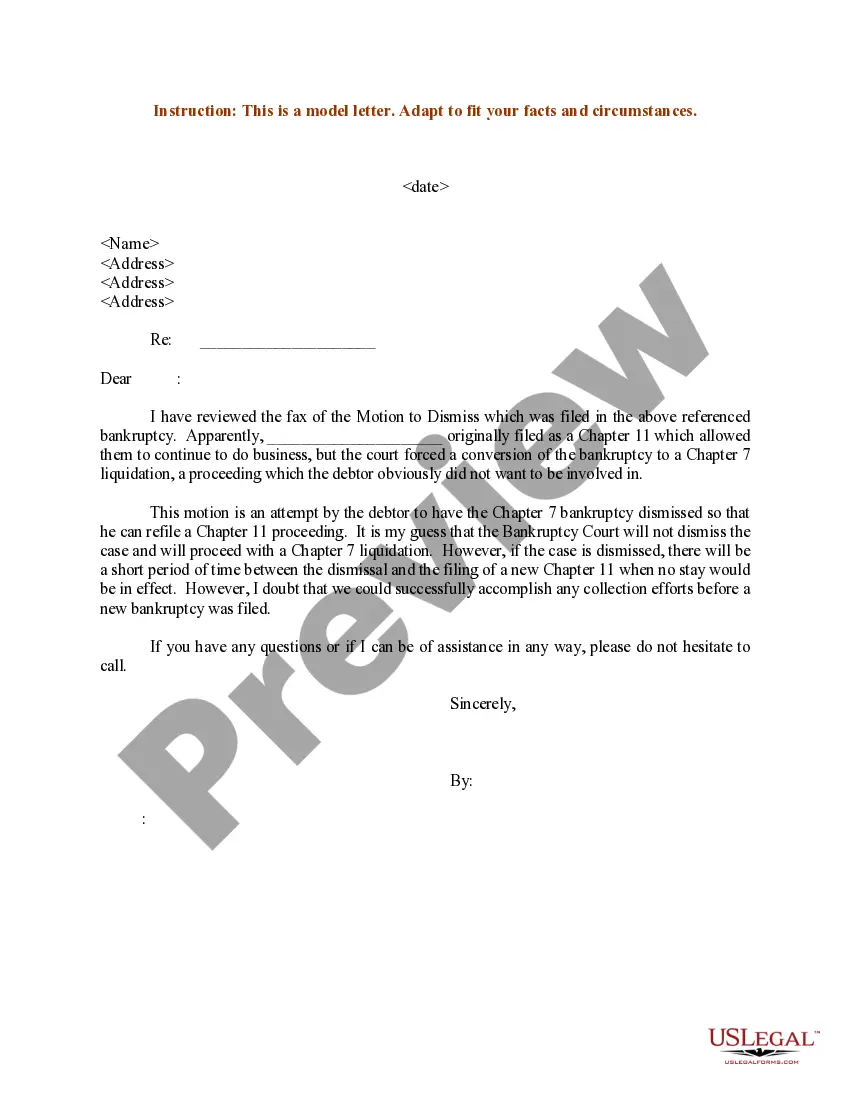
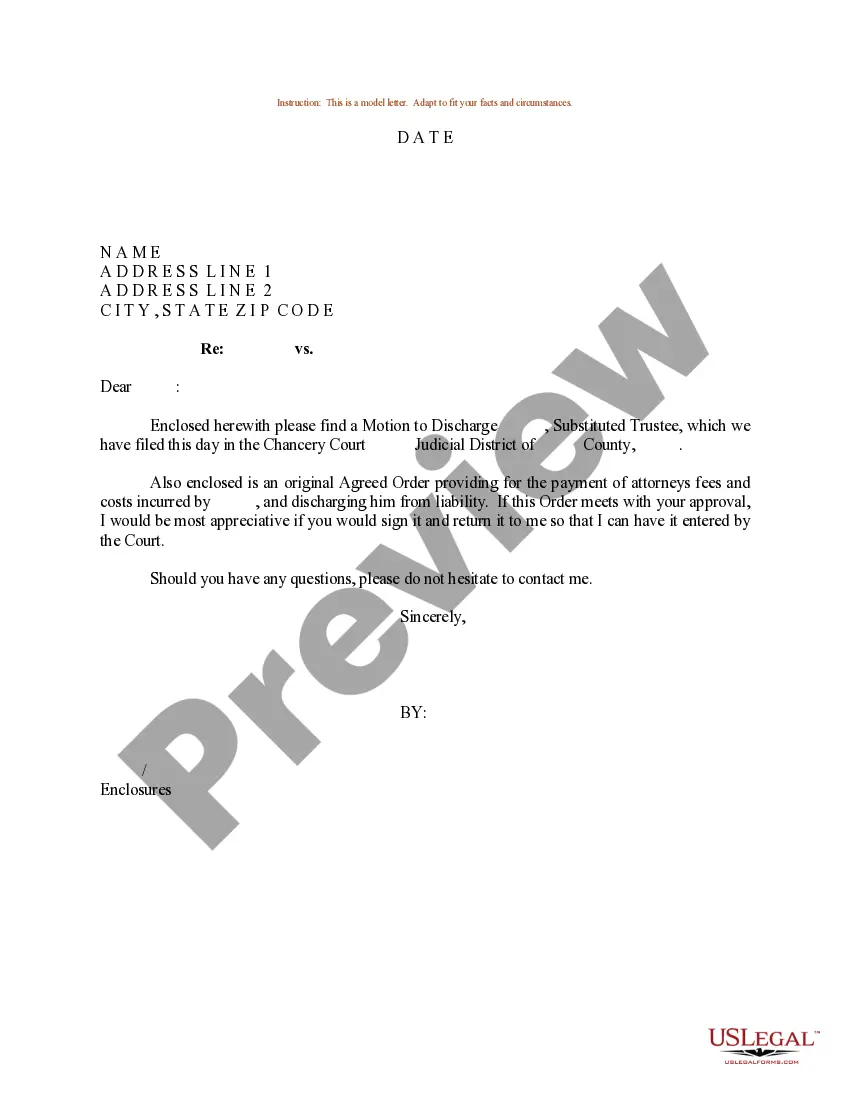
How to fill out Sample Letter Regarding Motion To Dismiss On Shareholder Derivative Claims?
Legal documents administration can be perplexing, even for experienced experts. When you are interested in Direct Vs Derivative Claims and lack the time to search for the appropriate and updated version, the procedures can be stressful.
A robust online form repository could be a game-changer for anyone wanting to navigate these circumstances effectively. US Legal Forms stands as a frontrunner in online legal documents, with over 85,000 state-specific legal forms accessible at any time.
Access a valuable resource pool of articles, guides, and manuals related to your situation and needs.
Save time and effort searching for the documents you need, and use US Legal Forms’ sophisticated search and Review feature to find Direct Vs Derivative Claims and download it.
Make sure that the template is valid in your state or county. Select Buy Now when you are prepared. Choose a monthly subscription plan. Locate the format you want, and Download, complete, sign, print, and submit your documents. Leverage the US Legal Forms online library, supported by 25 years of expertise and reliability. Transform your routine document management into a seamless and user-friendly process today.
- If you have a membership, Log In to your US Legal Forms account, search for the form, and download it.
- Check your My documents tab to view the documents you previously saved and manage your folders as necessary.
- If this is your initial experience with US Legal Forms, create an account and gain unrestricted access to all platform benefits.
- Here are the steps to follow after obtaining the form you desire.
- Confirm that this is the correct document by previewing it and reviewing its description.
- Obtain state- or county-specific legal and business documents.
- US Legal Forms caters to any requirements you may have, from personal to business paperwork, all in one location.
- Utilize advanced tools to complete and manage your Direct Vs Derivative Claims.
Form popularity
FAQ
When it comes to protecting their interests ? or the interests of the corporation ? shareholders have unique rights to take legal action. They can file suit either on behalf of the corporation itself, known as a derivative action, or on their own behalf, called a direct action.
Make a demand in writing requiring the corporation to take suitable action before the action (Generally, a derivative suit can only be filed 90 days after written demand. But it may be initiated ahead of time if a) the corporation rejects the demand, or b) the corporation will suffer irreparable harm if they wait).
Commonly, derivative suits allege improper actions by those in charge of the entity including, self-dealing by those in charge, entity mismanagement, or breaches of the duties of loyalty and care owed to the entity and the entity's owners. Direct claims are those seeking redress to the individual directly.
Commonly, derivative suits allege improper actions by those in charge of the entity including, self-dealing by those in charge, entity mismanagement, or breaches of the duties of loyalty and care owed to the entity and the entity's owners. Direct claims are those seeking redress to the individual directly.
Derivative Suits It is an effective method of taking action when a shareholder believes management should or shouldn't have done something. It can also be used to expose fraud and other breaches of fiduciary duty that occur within the corporation.