Inclement Weather Policy
What is this form?
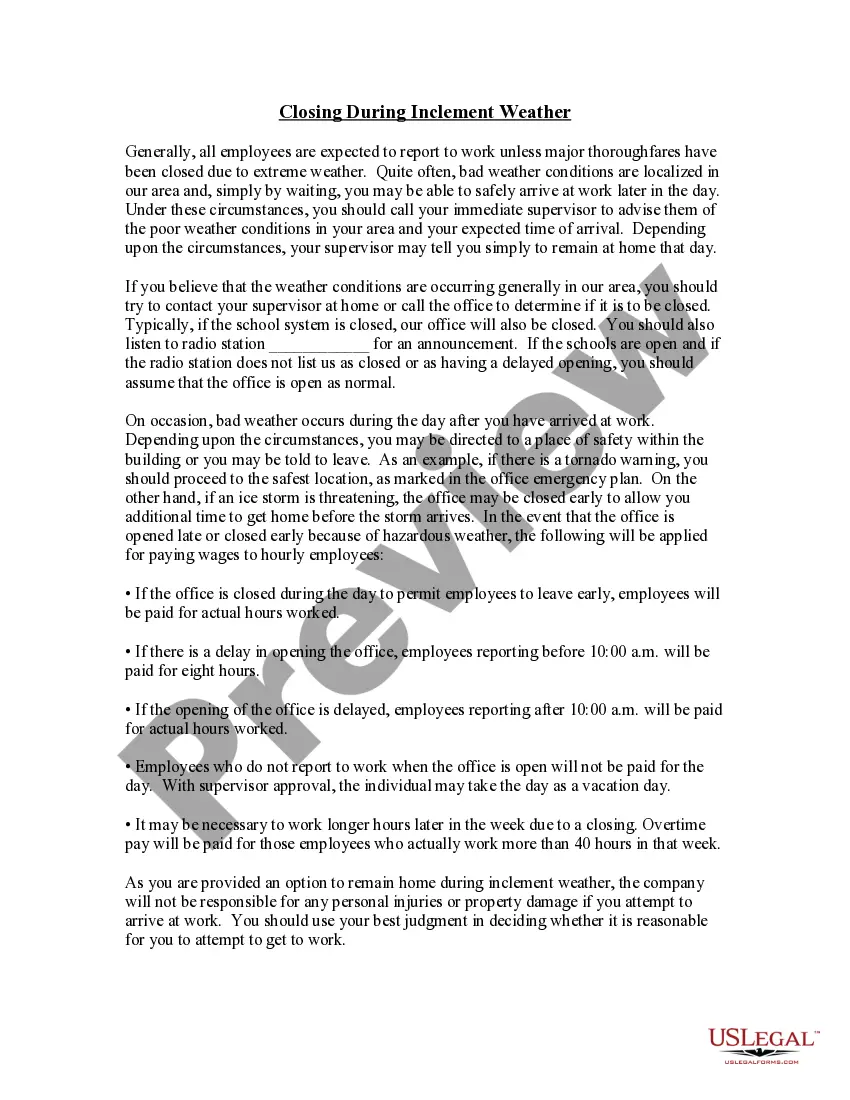
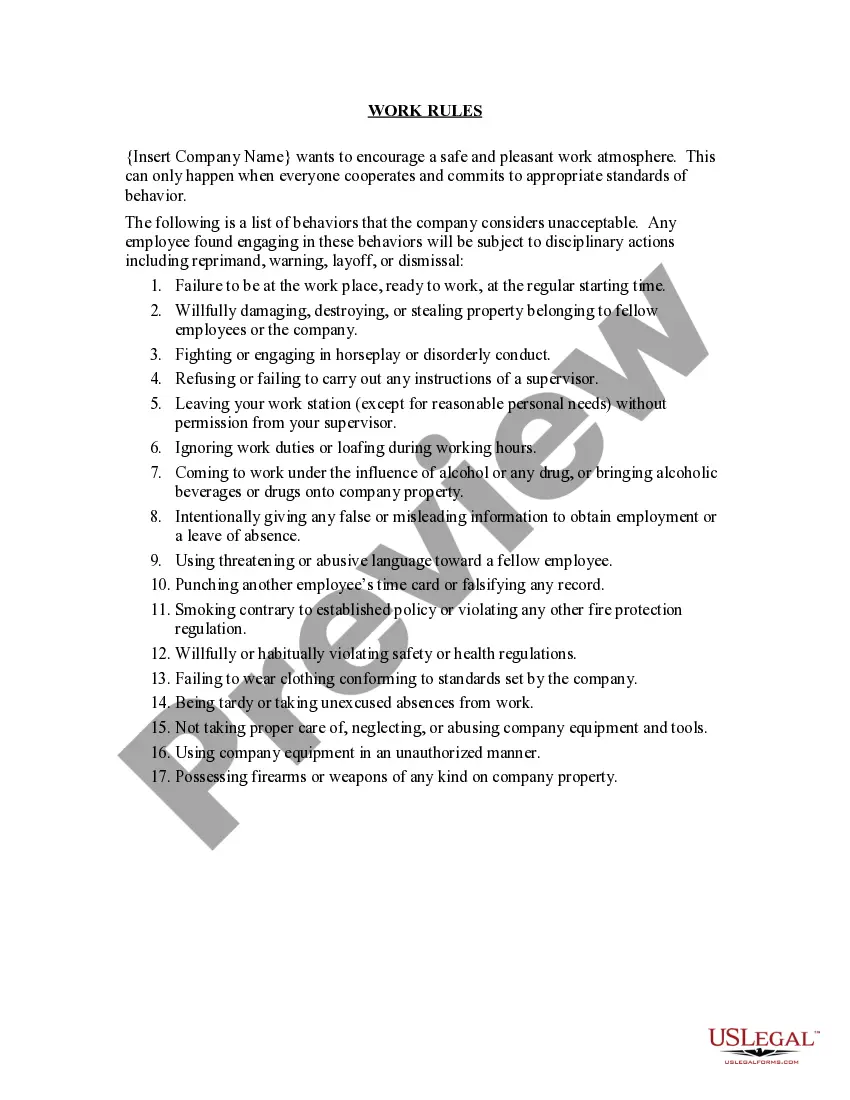
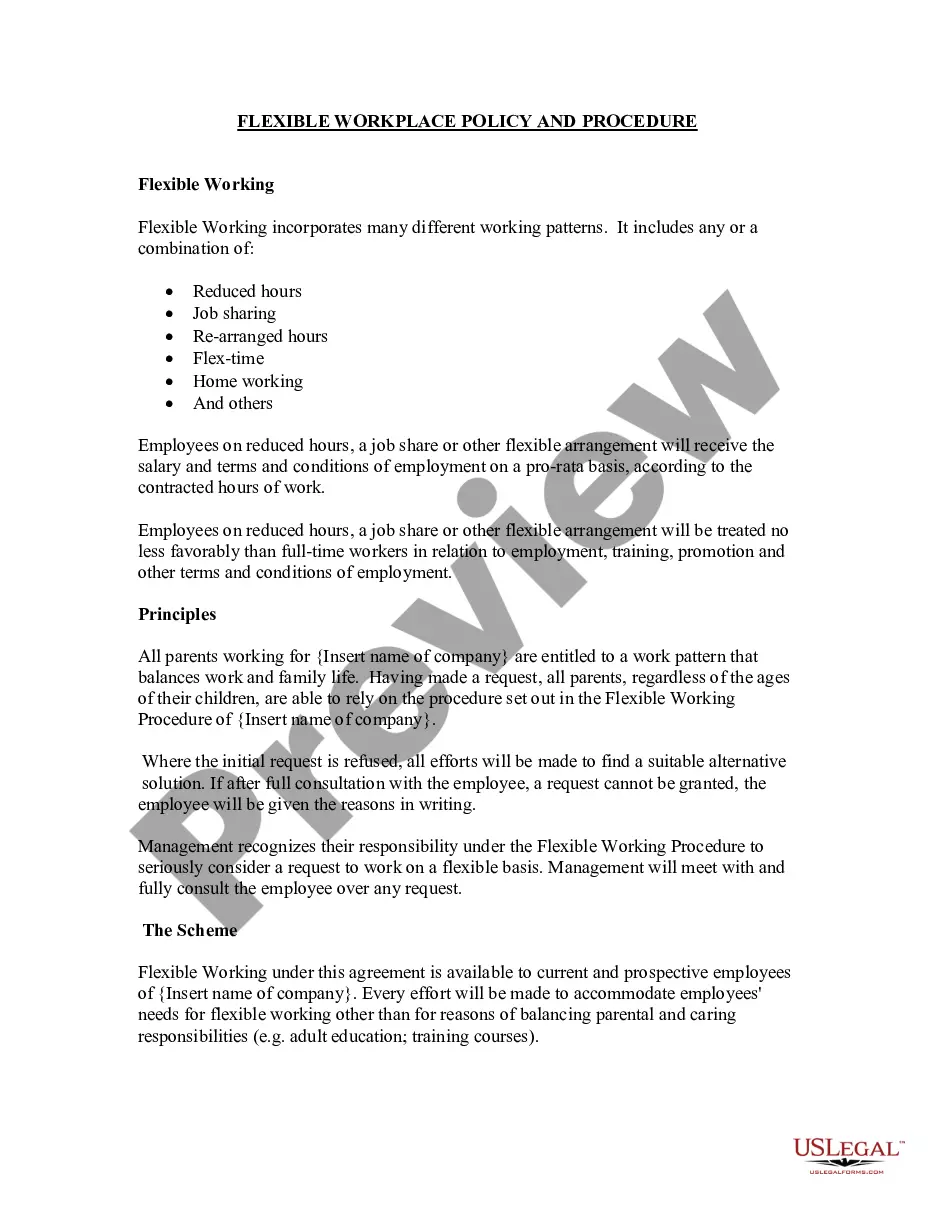
The Inclement Weather Policy provides essential guidelines for employees regarding company procedures during extreme weather conditions. This policy outlines expectations for reporting to work, how to communicate weather-related issues with supervisors, and wage policies during weather-related disruptions. Unlike other workforce policies, it specifically addresses scenarios related to inclement weather, ensuring that employees are aware of their rights and responsibilities during these events.
Form components explained
- Employee reporting expectations during inclement weather.
- Communication guidelines with supervisors regarding arrival times.
- Office closure policies based on local school system status.
- Wage policies for hours worked or reported during adverse weather.
- Guidance for safe actions during sudden weather emergencies at the workplace.
When to use this document
This form is essential for employers and employees to refer to during adverse weather conditions that may affect work attendance. It should be used when there are reports of major weather events, such as snowstorms, ice storms, or tornado warnings that could impact commuting or safety at the workplace.
Who should use this form
- Employers looking to formalize their inclement weather procedures.
- Human resource professionals managing workplace policies.
- Employees who need clarity on reporting procedures during extreme weather.
How to complete this form
- Review the existing company policies regarding work attendance.
- Define clear procedures for notifying supervisors during inclement weather.
- Specify the criteria for office closure based on local school systems.
- Outline wage payment policies applicable during weather-related disruptions.
- Communicate the policy to all employees and provide training if necessary.
Notarization requirements for this form
This form does not typically require notarization unless specified by local law.
Get your form ready online
Our built-in tools help you complete, sign, share, and store your documents in one place.
Make edits, fill in missing information, and update formatting in US Legal Forms—just like you would in MS Word.
Download a copy, print it, send it by email, or mail it via USPS—whatever works best for your next step.
Sign and collect signatures with our SignNow integration. Send to multiple recipients, set reminders, and more. Go Premium to unlock E-Sign.
If this form requires notarization, complete it online through a secure video call—no need to meet a notary in person or wait for an appointment.
We protect your documents and personal data by following strict security and privacy standards.

Make edits, fill in missing information, and update formatting in US Legal Forms—just like you would in MS Word.

Download a copy, print it, send it by email, or mail it via USPS—whatever works best for your next step.

Sign and collect signatures with our SignNow integration. Send to multiple recipients, set reminders, and more. Go Premium to unlock E-Sign.

If this form requires notarization, complete it online through a secure video call—no need to meet a notary in person or wait for an appointment.

We protect your documents and personal data by following strict security and privacy standards.
Common mistakes to avoid
- Failing to communicate the policy effectively to all staff members.
- Not updating the policy based on changes in local or state laws.
- Inadequately addressing safety protocols during severe weather situations.
Benefits of completing this form online
- Convenient download and printing options for immediate use.
- Customizable templates to fit specific company needs.
- Access to expert legal advice on policy formulation.
Legal use & context
- This policy serves as a guideline to protect both employees and employers during hazardous weather conditions.
- By having a clear inclement weather policy, companies can minimize potential liability for injuries incurred while traveling to work during unsafe conditions.
- Adherence to this policy can help reinforce workplace safety and promote a culture of care among employees.
What to keep in mind
- The Inclement Weather Policy outlines employee expectations and safety procedures during adverse weather.
- Communication is critical for ensuring employees are informed about office closures or delays.
- This form is essential for maintaining workplace safety and protecting against potential liability issues.
Looking for another form?


Form popularity
FAQ
If you decide to temporarily close your business site then you may look to send employees to another location, if you have one. Any employees who have contractually guaranteed hours or salary will still be required to be paid if they are deemed to be ready and willing to work.
Inclement. Antonyms: mild, benign, clement, genial, merciful. Synonyms: harsh, tyrannical, cruel, unmerciful, severe, stormy, rough, rigorous.
Good inclement weather policies emphasize employee safety during states of emergency. Discipline of non-essential employees for not reporting to work during a state of emergency should be discouraged.
Here are some adjectives for storm: unseasonably severe and perilous, tremendous and utterly unaccountable, lengthy and ferocious, worst autumnal, rapid-fire verbal, strangest such, sullen eastern, unseasonably severe, new, furious, tremendous, confusing, frightening uncontrollable, massive earthbound, sluggish,
Learn your weather laws. Define what inclement weather means for your location. Determine employer and employee responsibilities. Specify critical and non-critical employees. Explain how employees will be paid (exempt vs non-exempt) Create a communication plan.
: lacking mildness: such as. a : physically severe : stormy inclement weather. b archaic : severe in temper or action : unmerciful.
As an employer, you might decide to temporarily close your business due to the weather conditions, in which case your employees would still be entitled to their pay.
If your company has no policy regarding inclement weather, and your boss is sorely lacking in empathy, there's no law prohibiting them from threatening to fire you if you can't prove in a specific way that getting to work is a safety hazard.
N. cloudiness, turbulence, overcast, storminess, raw weather, cloud cover.