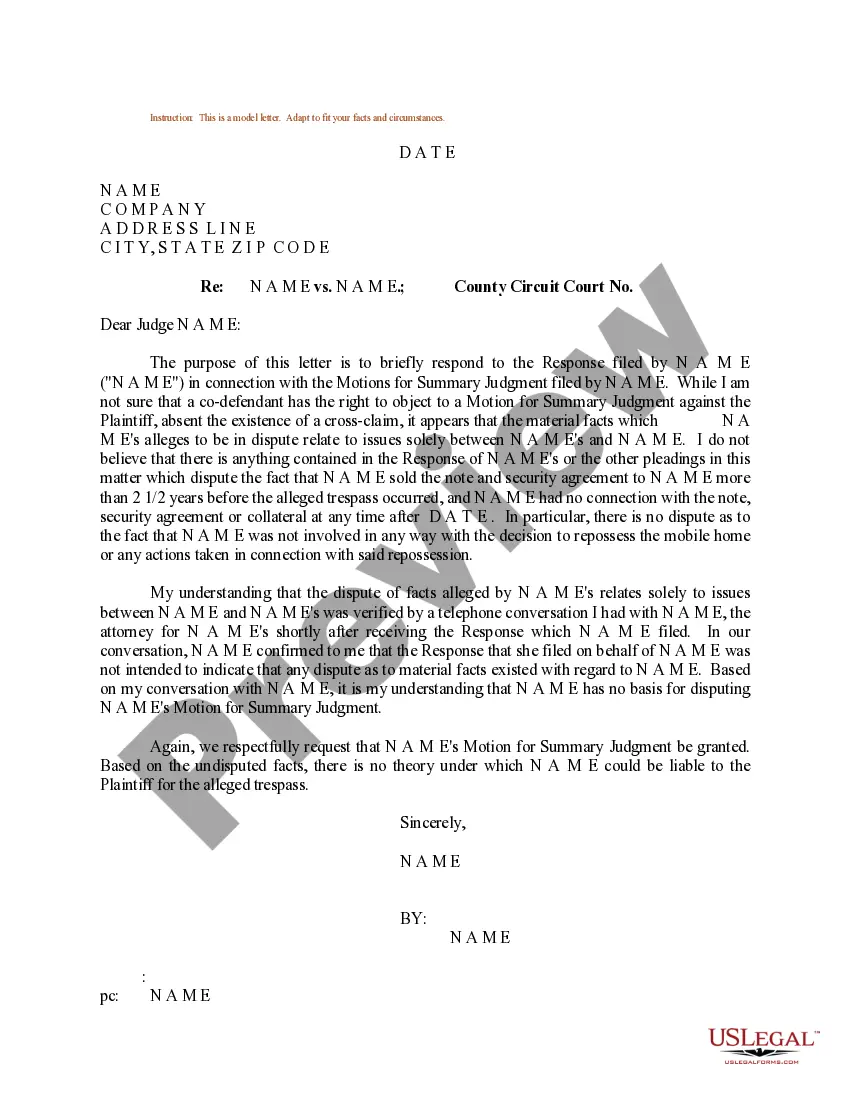
Sample Response Motion To Dismiss With High Court
Description
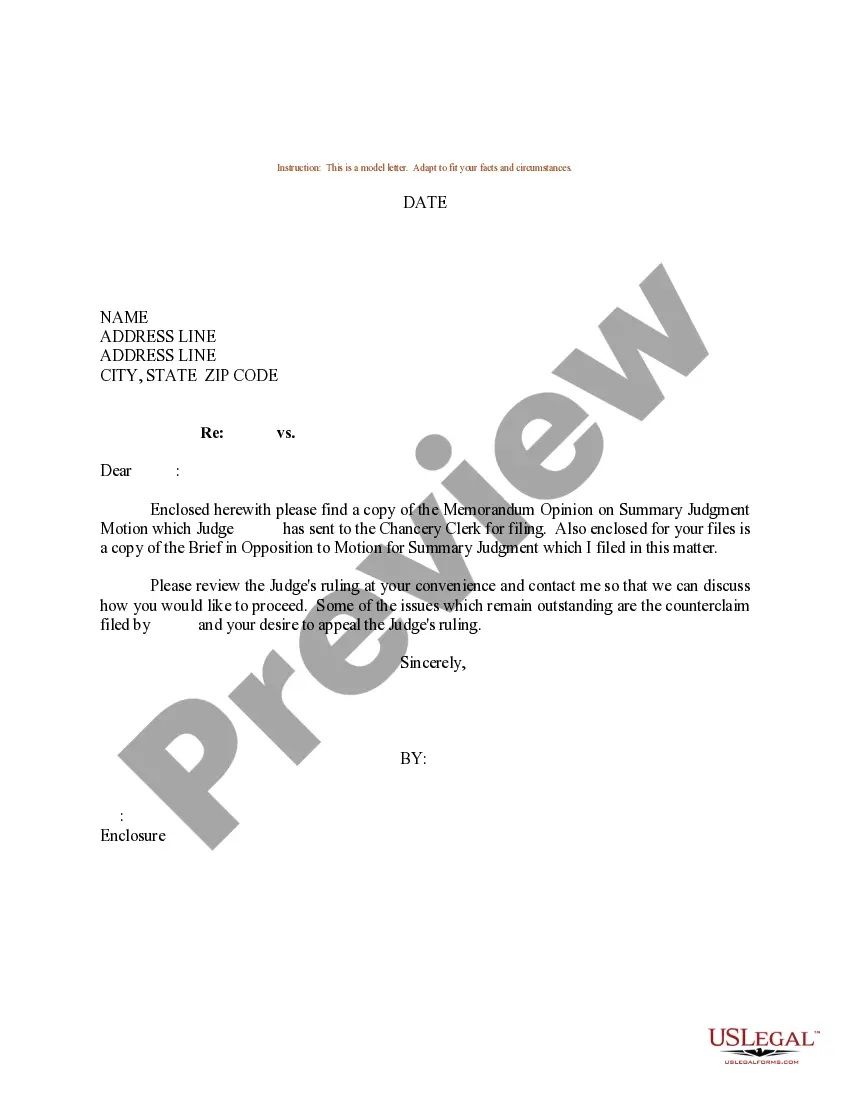
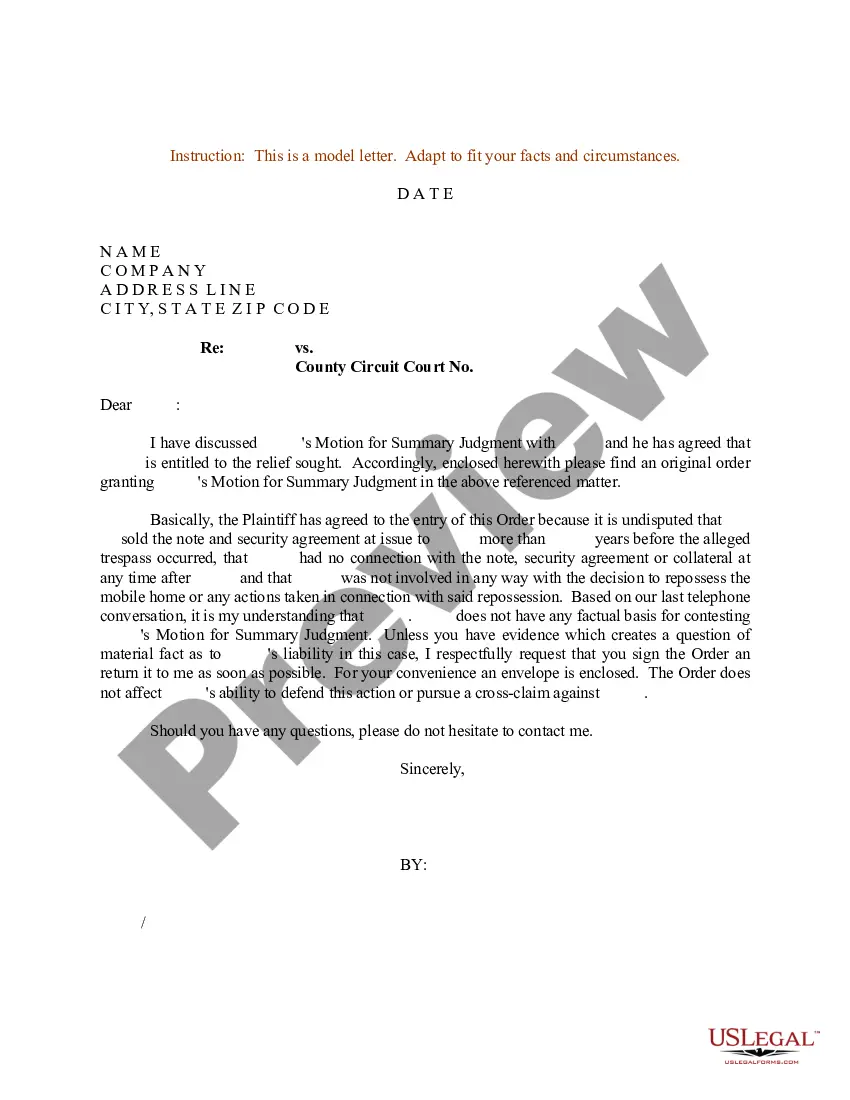
Get your form ready online
Our built-in tools help you complete, sign, share, and store your documents in one place.
Make edits, fill in missing information, and update formatting in US Legal Forms—just like you would in MS Word.
Download a copy, print it, send it by email, or mail it via USPS—whatever works best for your next step.
Sign and collect signatures with our SignNow integration. Send to multiple recipients, set reminders, and more. Go Premium to unlock E-Sign.
If this form requires notarization, complete it online through a secure video call—no need to meet a notary in person or wait for an appointment.
We protect your documents and personal data by following strict security and privacy standards.

Make edits, fill in missing information, and update formatting in US Legal Forms—just like you would in MS Word.

Download a copy, print it, send it by email, or mail it via USPS—whatever works best for your next step.

Sign and collect signatures with our SignNow integration. Send to multiple recipients, set reminders, and more. Go Premium to unlock E-Sign.

If this form requires notarization, complete it online through a secure video call—no need to meet a notary in person or wait for an appointment.

We protect your documents and personal data by following strict security and privacy standards.
Looking for another form?


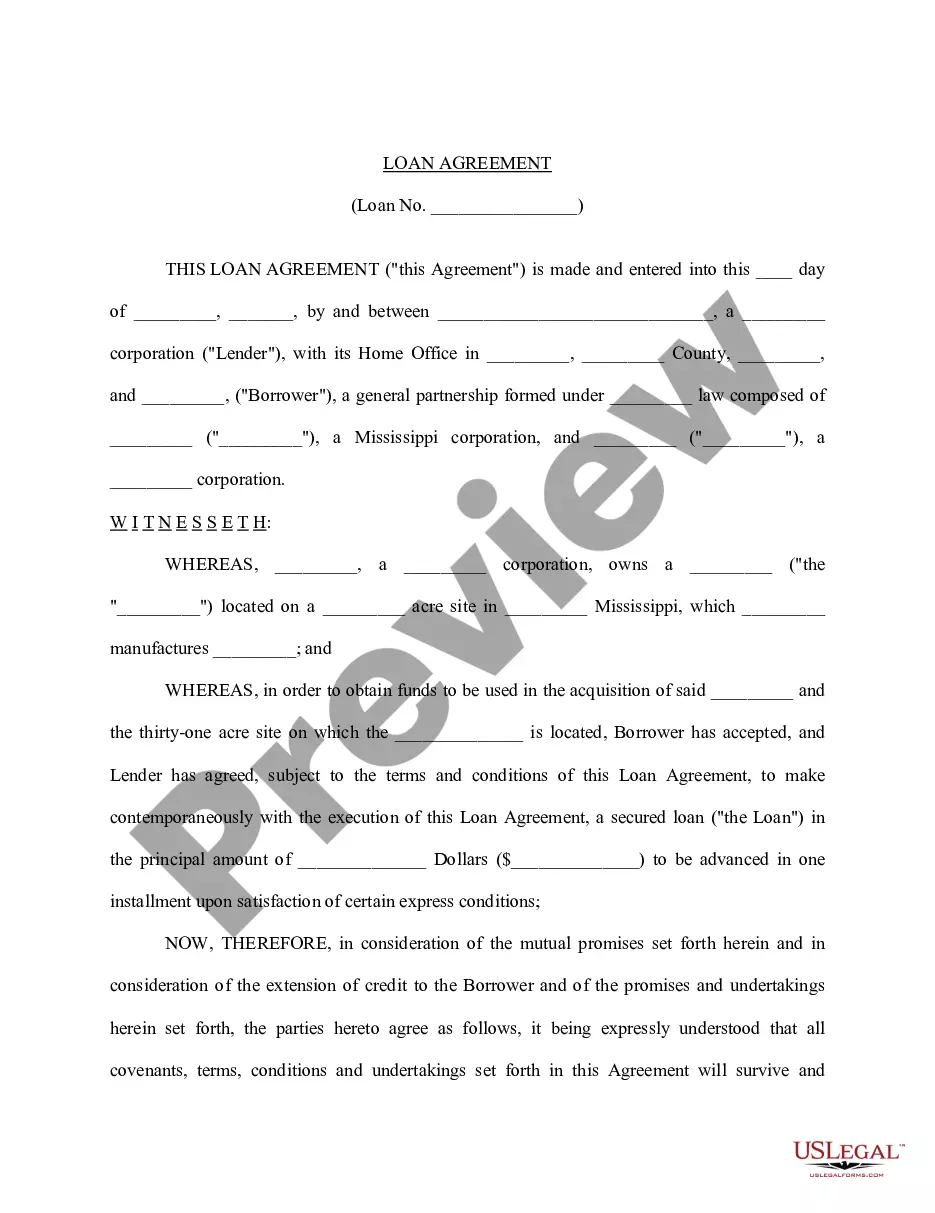
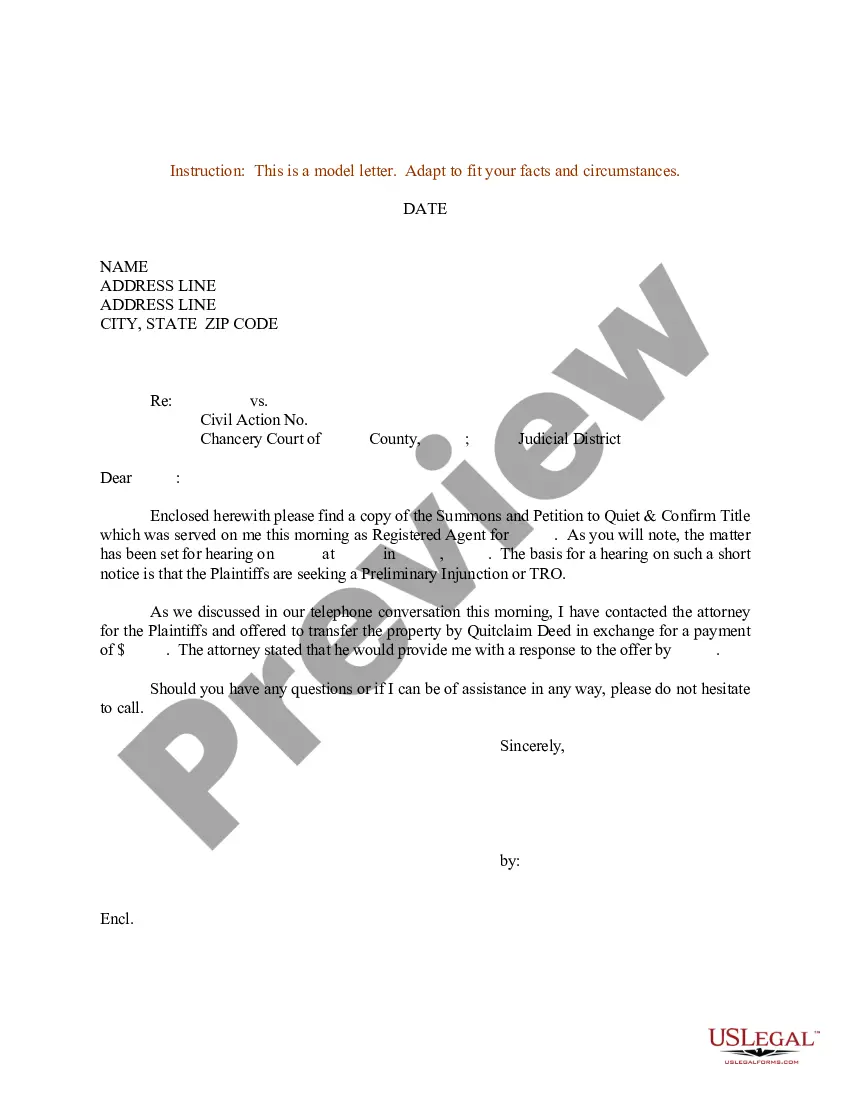


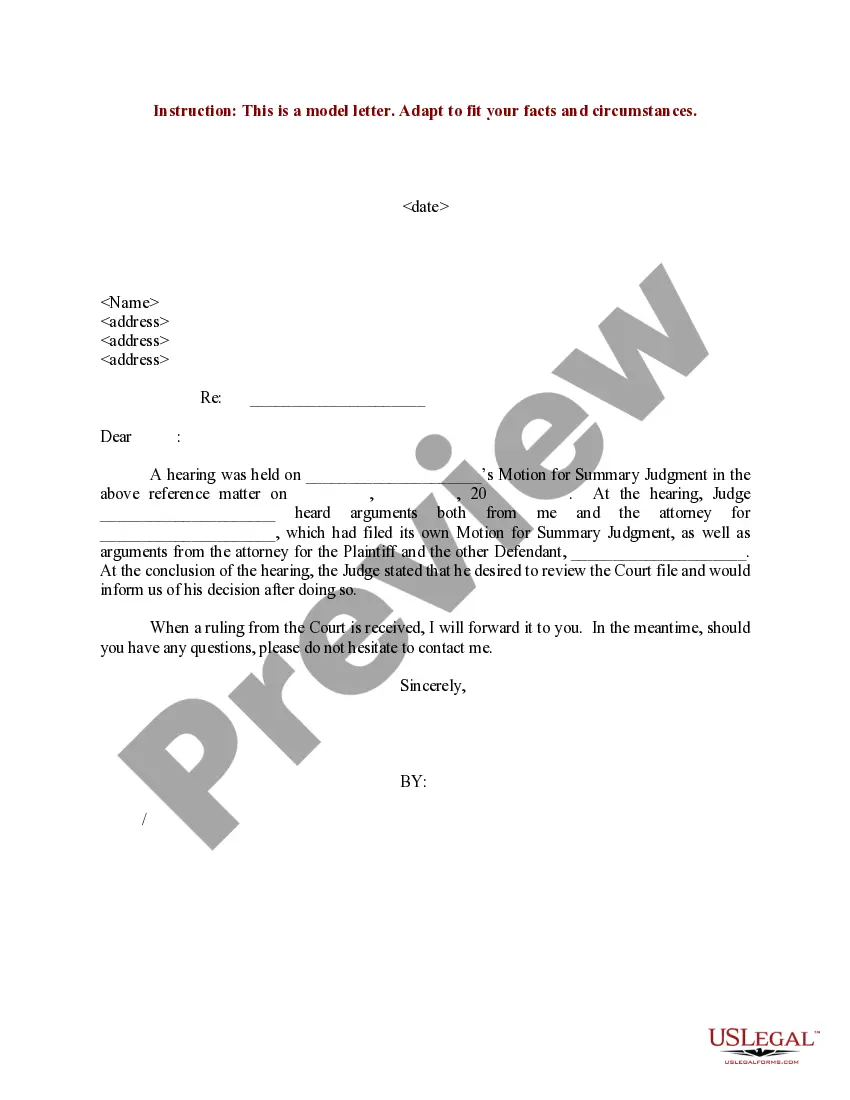
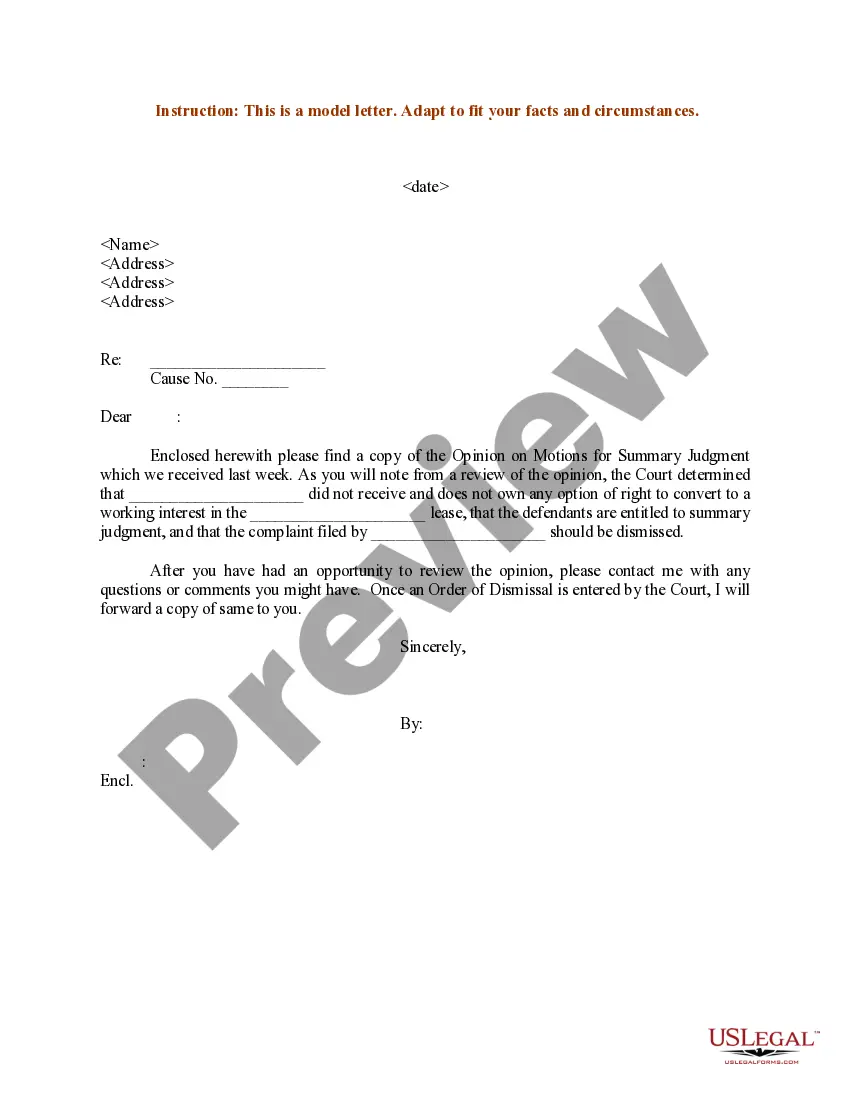
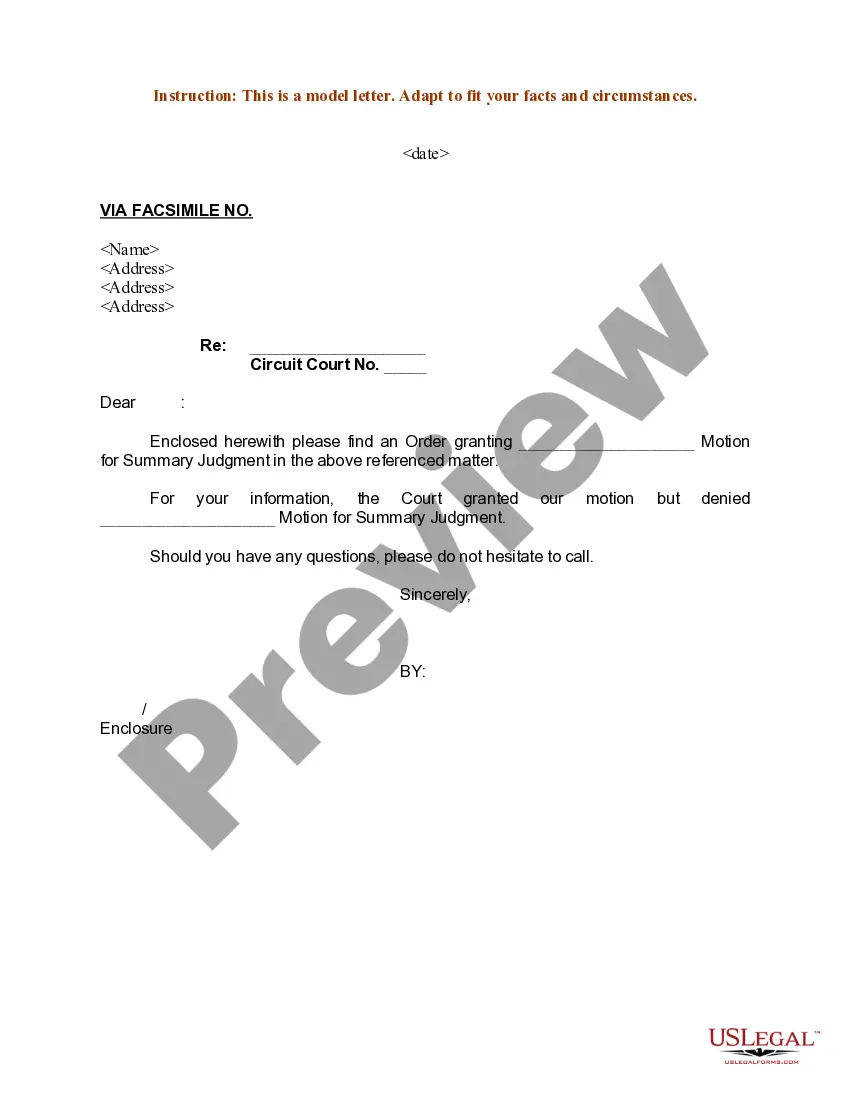
How to fill out Sample Letter For Response In Connection With Motions For Summary Judgment?
- If you're a returning user, log in to your account. Ensure your subscription is up to date to access the necessary forms.
- For new users, start by checking the Preview mode and descriptions of available forms to identify the one that suits your needs.
- Utilize the Search tab to find alternative templates if your initial choice does not meet your jurisdiction's requirements.
- Once you have found the appropriate document, click on the Buy Now button and select a subscription plan that works for you; create an account to access the forms.
- Complete your purchase by entering your payment details via credit card or PayPal.
- Finally, download the template onto your device and save it for easy access through the My Forms section.
Using US Legal Forms not only simplifies the form acquisition process but also provides users with extensive resources, including over 85,000 editable legal forms. This robust library is designed to ensure that you can find precisely what you need without unnecessary complications.
In conclusion, US Legal Forms empowers both individuals and legal professionals to effectively manage legal documentation with confidence. Start your experience today and access the legal resources you need!
Form popularity
FAQ
Writing an opposition to a motion to dismiss involves several key steps. First, begin with a clear introduction stating your opposition. Next, outline your arguments using relevant legal precedents and factual evidence to counter the motion. Incorporating a sample response motion to dismiss with high court can help you draft a persuasive document that adheres to legal standards while ensuring your arguments are presented clearly.
To object to a motion to dismiss, you must file an opposition that outlines your reasons for challenging the motion. Begin by analyzing the arguments presented in the motion, then provide a detailed response that highlights the legal standards. Utilizing a sample response motion to dismiss with high court can streamline your objection, allowing you to present a well-structured argument that supports your position effectively.
Yes, you can file both an answer and a motion to dismiss. However, it is essential to understand that a motion to dismiss challenges the legal grounds of the complaint, while an answer addresses the facts. By utilizing a sample response motion to dismiss with high court, you can effectively present your case's weaknesses before responding to the allegations. This strategic approach may save time and resources in the litigation process.
The proper way to write a motion involves a clear format and precise language. Start with an introduction that states the purpose, followed by a thorough explanation of your request, supported by legal arguments. Ensure that your motion is formatted according to court rules to avoid delays. A sample response motion to dismiss with high court measures can serve as a practical template for your writing.
Filling out a motion to dismiss form requires careful attention to detail. Begin by clearly stating your name, the court’s name, case number, and the parties involved. Next, articulate the reasons for the dismissal in specific, understandable terms, ensuring all required sections are completed. Using a sample response motion to dismiss with high court specifications can provide valuable insight when completing your form.
Yes, you can reply to a response to a motion, often referred to as a reply brief. This document allows you to clarify your position and address any new arguments presented by the opposing party. It should focus strictly on the matters raised in their response to maintain relevance. A sample response motion to dismiss with high court examples can guide you in structuring your reply effectively.
Writing a response to a motion to dismiss involves addressing each point made in the original motion. Clearly counter the arguments presented and provide your evidence or legal rationale for why the case should proceed. Be sure to keep your response concise and directly related to the issues raised. Utilizing a sample response motion to dismiss with high court guidance can help you formulate a strong rebuttal.
To craft a successful motion to dismiss, focus on addressing the legal grounds for dismissal with clarity. Use specific legal references and facts that directly support your argument. Additionally, structure your motion logically to ensure the judge can easily follow your reasoning. Including a sample response motion to dismiss with high court insights will also enhance the effectiveness of your document.
The opening paragraph of a motion to dismiss should clearly identify the case and the specific motion you are requesting. You should concisely state the reasons for the dismissal, laying a foundation for your argument. This initial statement sets the tone for your entire document, so clarity and directness are essential. Incorporating a sample response motion to dismiss with high court context can enhance your introduction.
Writing a strong motion to dismiss starts with clear and concise arguments that directly address the legal deficiencies of the opposing party’s case. Structure your motion with a solid introduction, stating your reasons plainly. Include case law that backs your assertions to make your motion compelling. Utilizing a well-crafted sample response motion to dismiss with high court elements can guide your approach.