Contract In Music Definition
Description
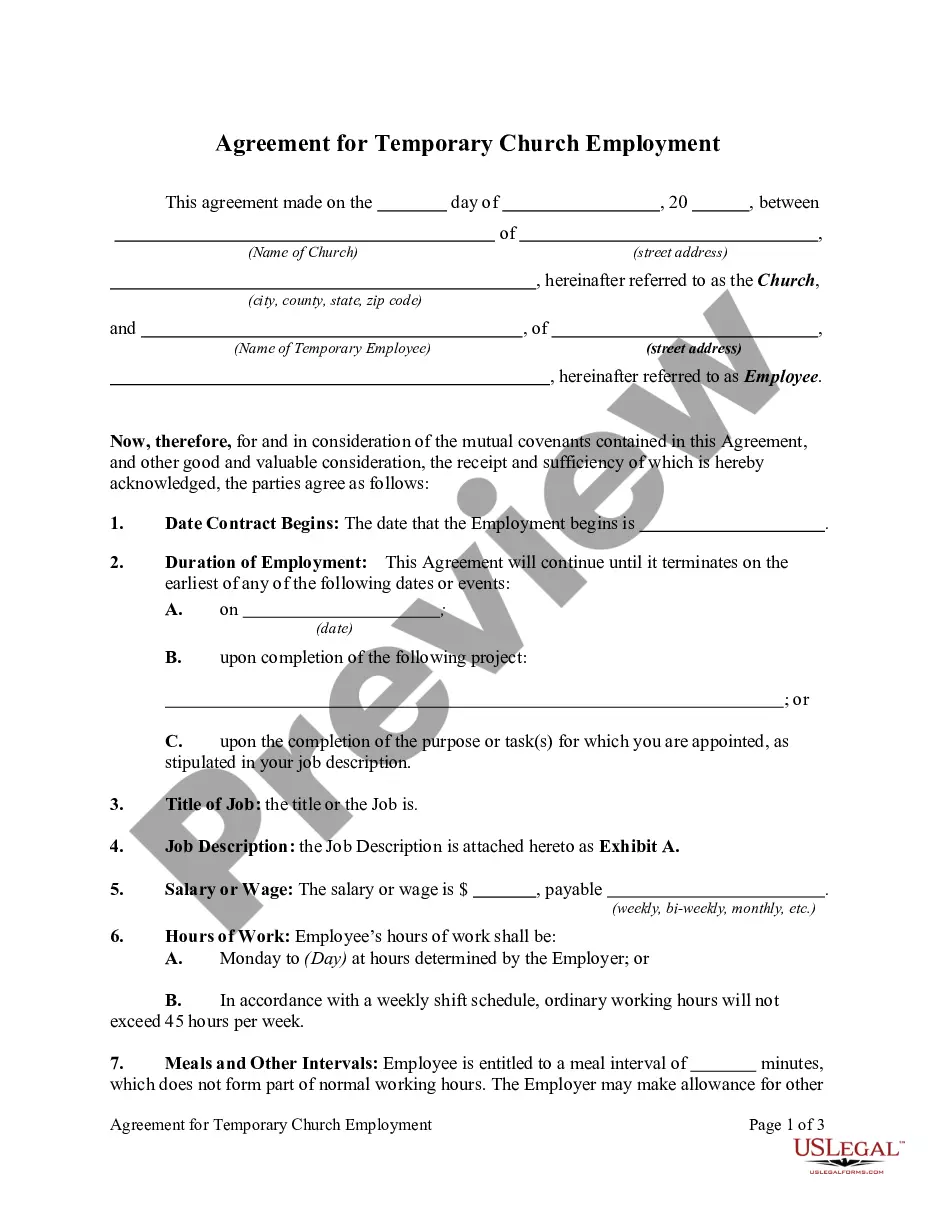
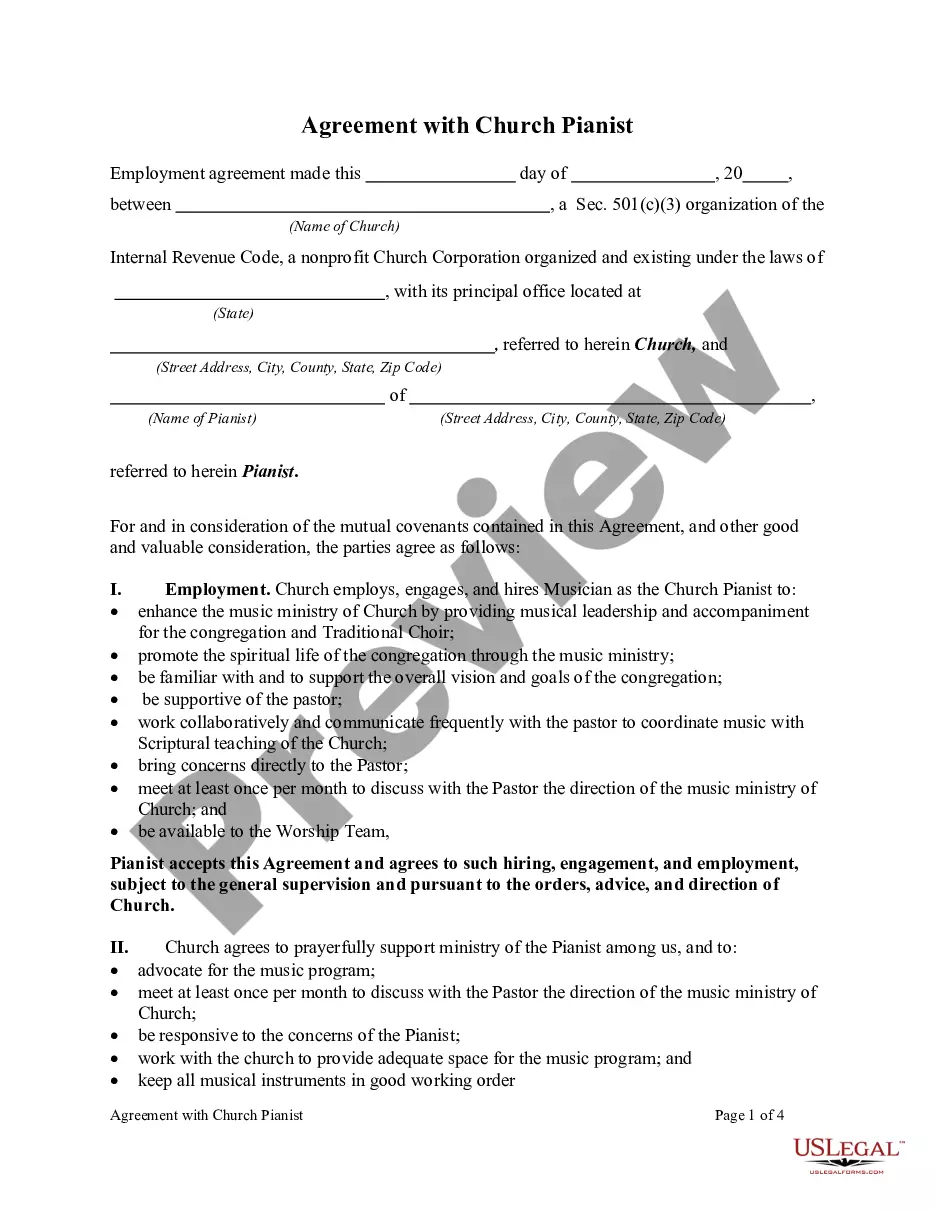
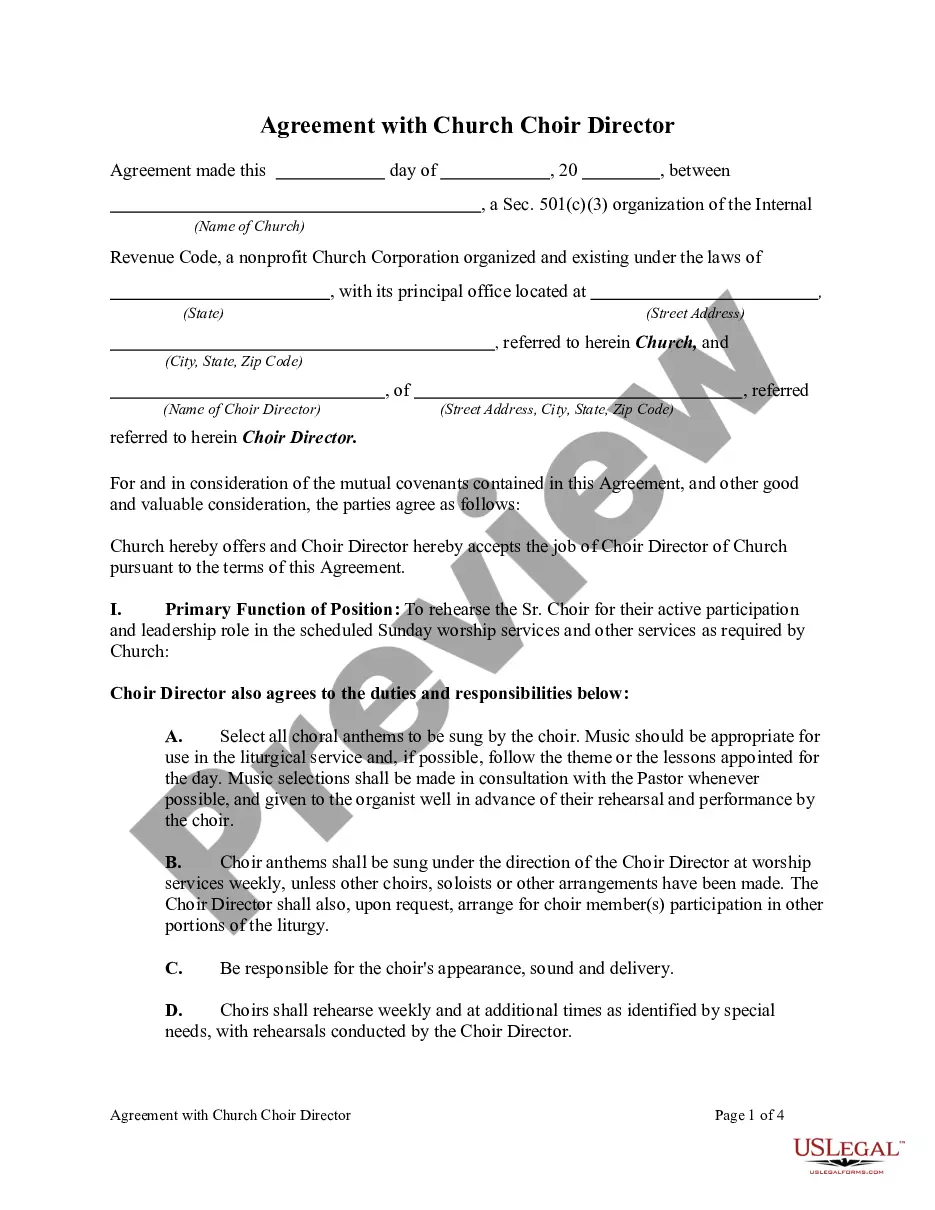
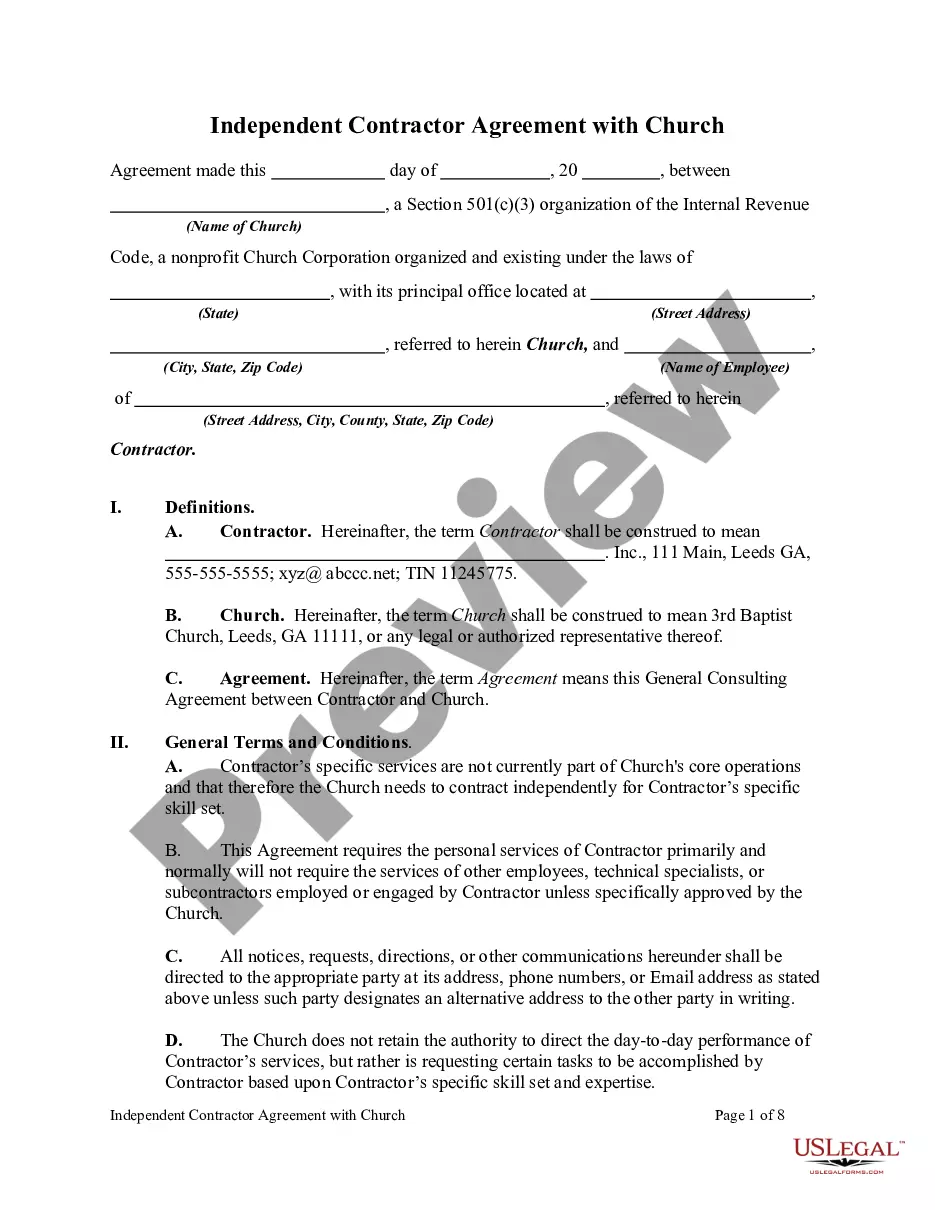
Get your form ready online
Our built-in tools help you complete, sign, share, and store your documents in one place.
Make edits, fill in missing information, and update formatting in US Legal Forms—just like you would in MS Word.
Download a copy, print it, send it by email, or mail it via USPS—whatever works best for your next step.
Sign and collect signatures with our SignNow integration. Send to multiple recipients, set reminders, and more. Go Premium to unlock E-Sign.
If this form requires notarization, complete it online through a secure video call—no need to meet a notary in person or wait for an appointment.
We protect your documents and personal data by following strict security and privacy standards.
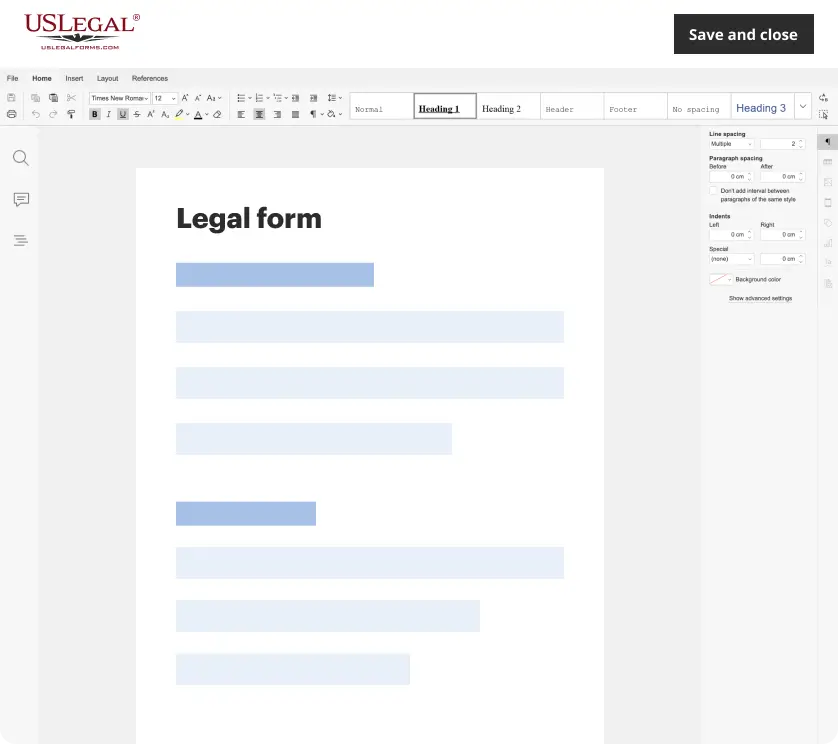
Make edits, fill in missing information, and update formatting in US Legal Forms—just like you would in MS Word.
Download a copy, print it, send it by email, or mail it via USPS—whatever works best for your next step.
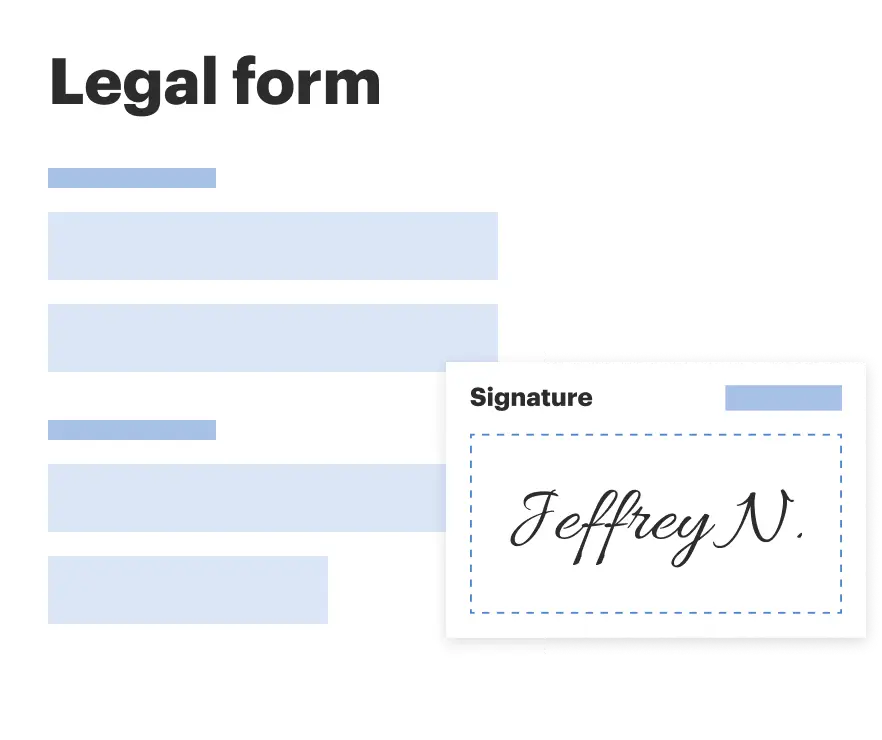
Sign and collect signatures with our SignNow integration. Send to multiple recipients, set reminders, and more. Go Premium to unlock E-Sign.
If this form requires notarization, complete it online through a secure video call—no need to meet a notary in person or wait for an appointment.
We protect your documents and personal data by following strict security and privacy standards.
Looking for another form?







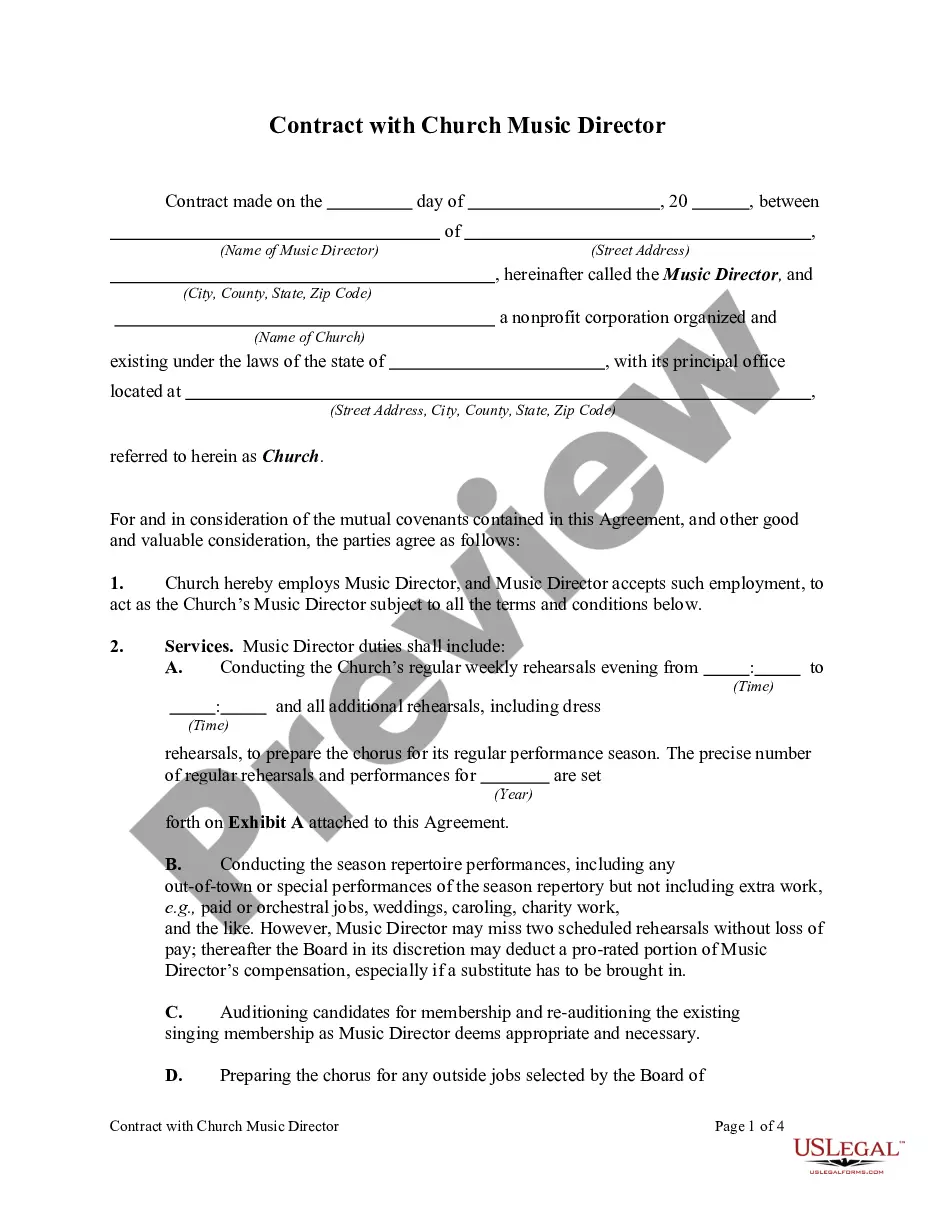
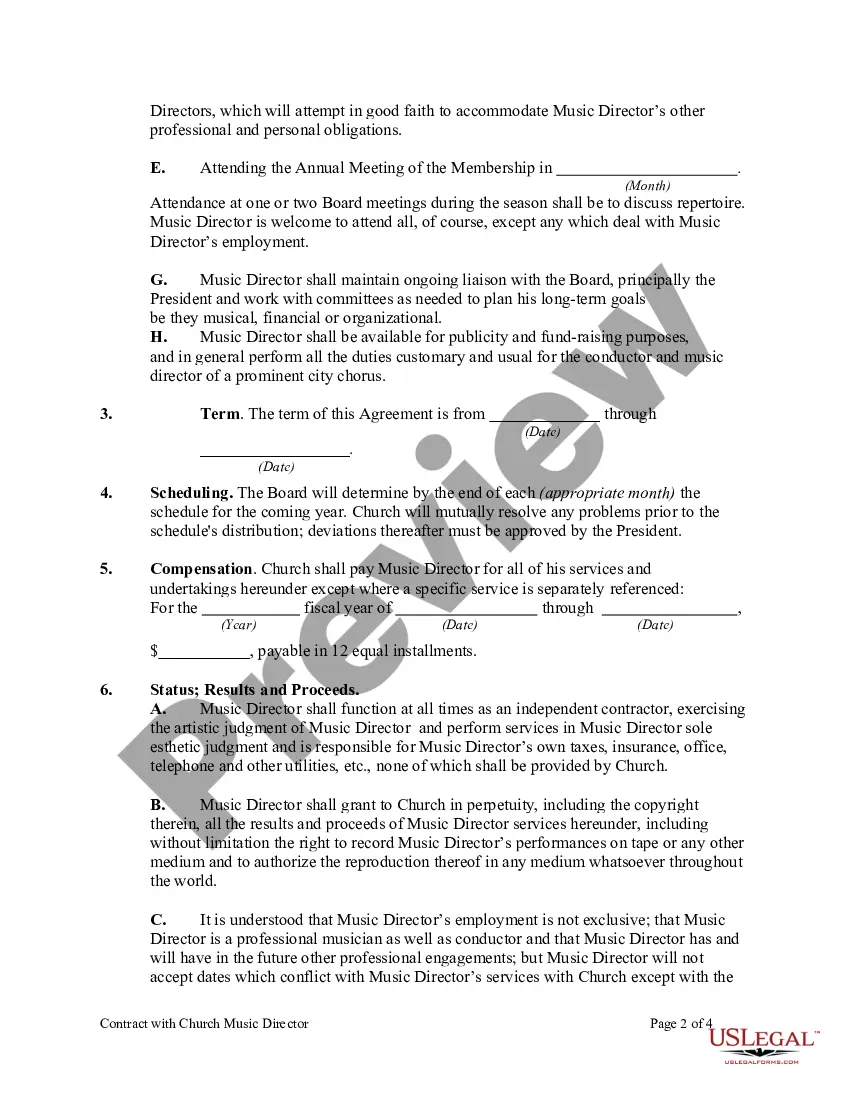
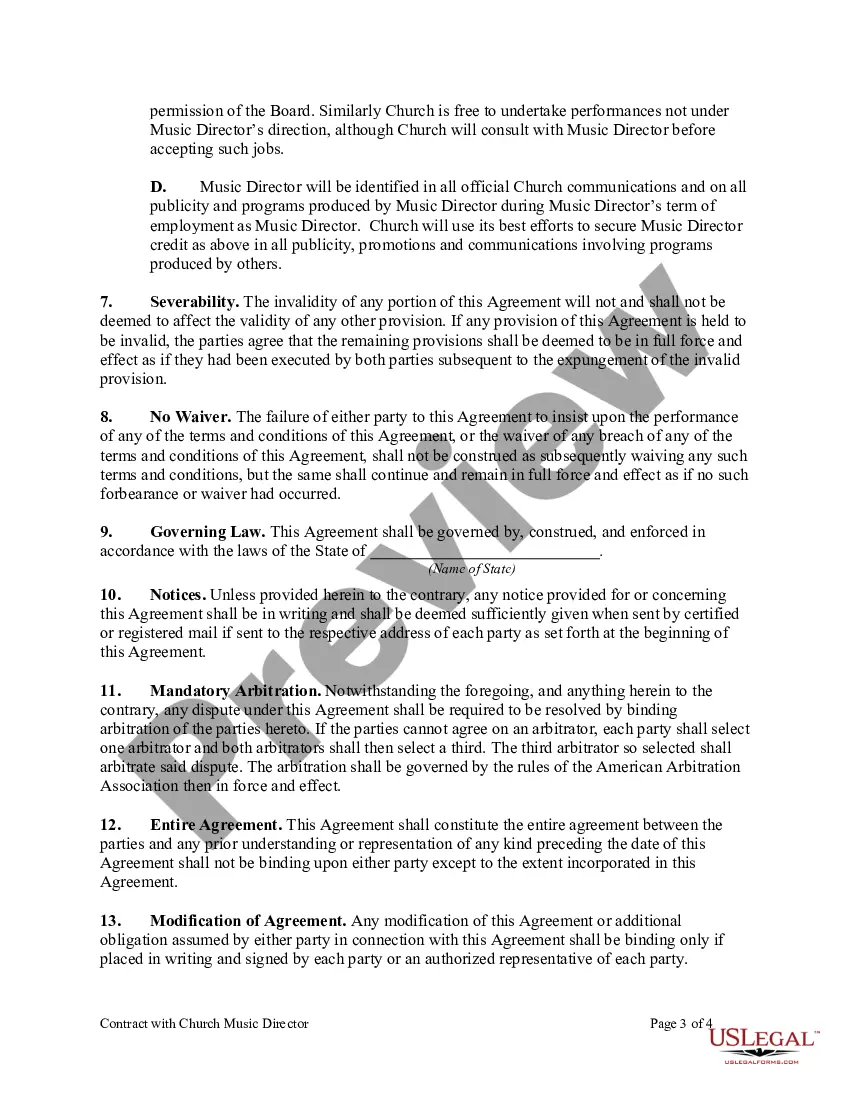
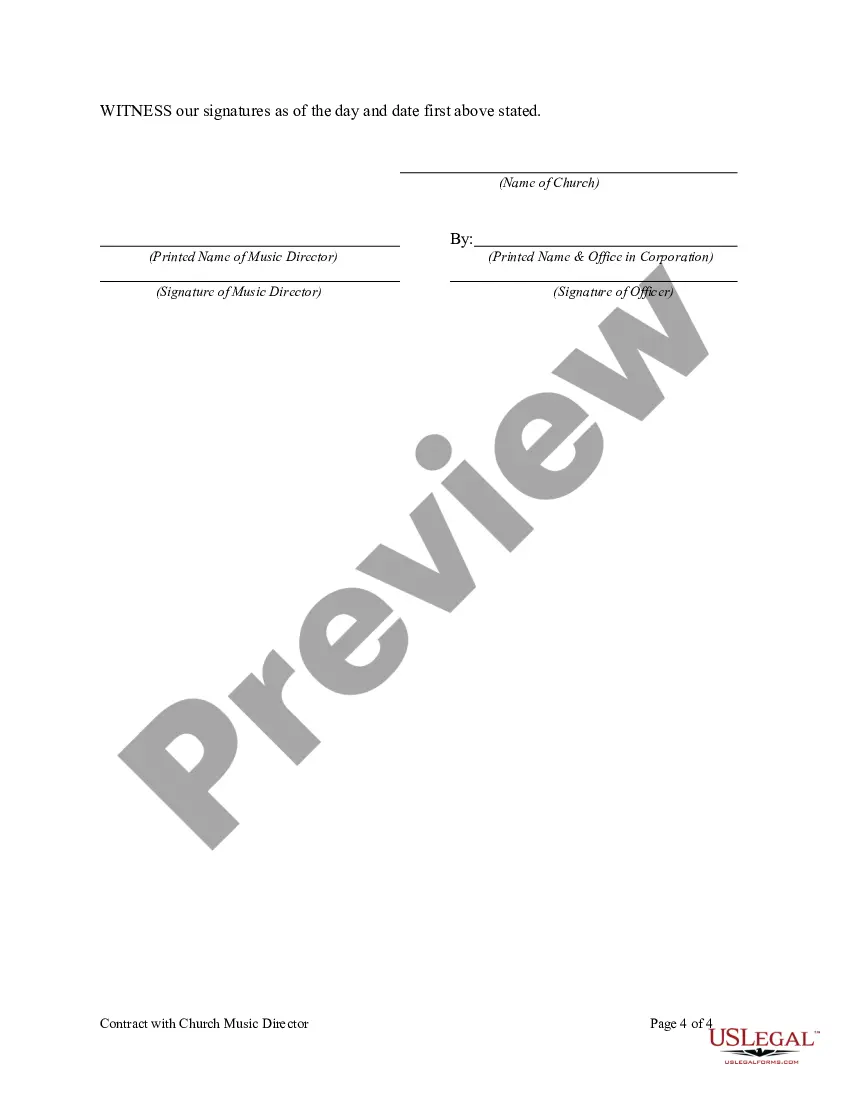
How to fill out Contract With Church Music Director?
The Agreement In Music Definition you observe on this page is a reusable official template created by experienced attorneys in accordance with federal and state laws and regulations.
For over 25 years, US Legal Forms has supplied individuals, enterprises, and legal professionals with over 85,000 validated, state-specific documents for any commercial and personal situation. It is the fastest, easiest, and most dependable method to acquire the forms you require, as the service ensures the utmost level of data security and anti-malware safeguards.
Select the format you want for your Agreement In Music Definition (PDF, DOCX, RTF) and download the sample to your device. Complete and sign the document. Print out the template for manual completion. Alternatively, use an online multifunctional PDF editor to efficiently and accurately fill out and sign your form with a legally-binding electronic signature. Download your documents again as needed. Reuse the same document whenever necessary. Access the My documents tab in your profile to redownload any forms previously downloaded. Register for US Legal Forms to have verified legal templates for all of life’s circumstances at your fingertips.
- Search for the document you require and examine it.
- Review the sample you searched for and preview it or analyze the form description to ensure it meets your needs. If it does not, use the search bar to find the correct one. Click Buy Now once you have found the template you need.
- Register and Log In.
- Choose the payment plan that best fits you and create an account. Use PayPal or a credit card to make a quick payment. If you already have an account, Log In and check your subscription to continue.
- Obtain the editable template.
Form popularity
FAQ
To secure a music contract, start by building your portfolio and showcasing your talent through performances and recordings. Networking within the industry can lead to opportunities, so consider attending music events and connecting with professionals. Additionally, using platforms like USLegalForms can help you create and review contracts, ensuring you meet industry standards. Ultimately, being proactive and informed about the contract in music definition will increase your chances of success.
A contract in music is a legally binding agreement that outlines the terms between parties involved in the music industry. This can include agreements between artists, producers, and record labels, detailing rights, responsibilities, and compensation. Understanding the contract in music definition helps you protect your interests and ensure fair treatment in your musical endeavors. Clear contracts can foster positive relationships and promote collaboration in the music business.
Understanding the seven basic elements of a contract is crucial for anyone entering a legal agreement. These elements include offer, acceptance, consideration, mutual assent, legality, capacity, and intention to create a legal relationship. Each element plays a vital role in forming a valid contract. Familiarizing yourself with these terms will help you navigate the contract in music definition, ensuring that you meet all necessary legal requirements.
Music Industry Contracts (Part 1): 8 Key Clauses to Watch Out For The Term. The term of a contract is the duration of time in which the contract will apply. ... The Territory. ... Rights Granted. ... Ownership. ... Exclusivity. ... The Other Party's Obligations. ... Distribution of Income. ... Breach and Termination Rights.
How to create a Music Recording Contract Step 1: Specify where you're creating the Music Recording Contract. ... Step 2: Provide the recording company's and artist's details. ... Step 3: Outline the production details. ... Step 4: Outline the recording details. ... Step 5: Decide if the contract will include an exclusive agreement clause.
For example, if a major label spends $250,000 to record an album, the band must make over $250,000 in royalties until they receive their first royalty check. Once a band sells enough records to pay back the amount to the record label, the band has recouped and will receive royalties on future record sales.
The recording contract will usually require the artist to sign to the label exclusively. This means that they can't record for another label without permission, nor can they leave the contract if they're unhappy. The label, however, remains free to sign and promote as many artists as it wishes.
There is typically an initial term of 12 months to make the first recording, and subsequent one year terms, known as options, to make other recordings. Independent record companies usually seek options for one to three albums. Majors typically seek four to seven.