Detainer Term With Its Description
Description
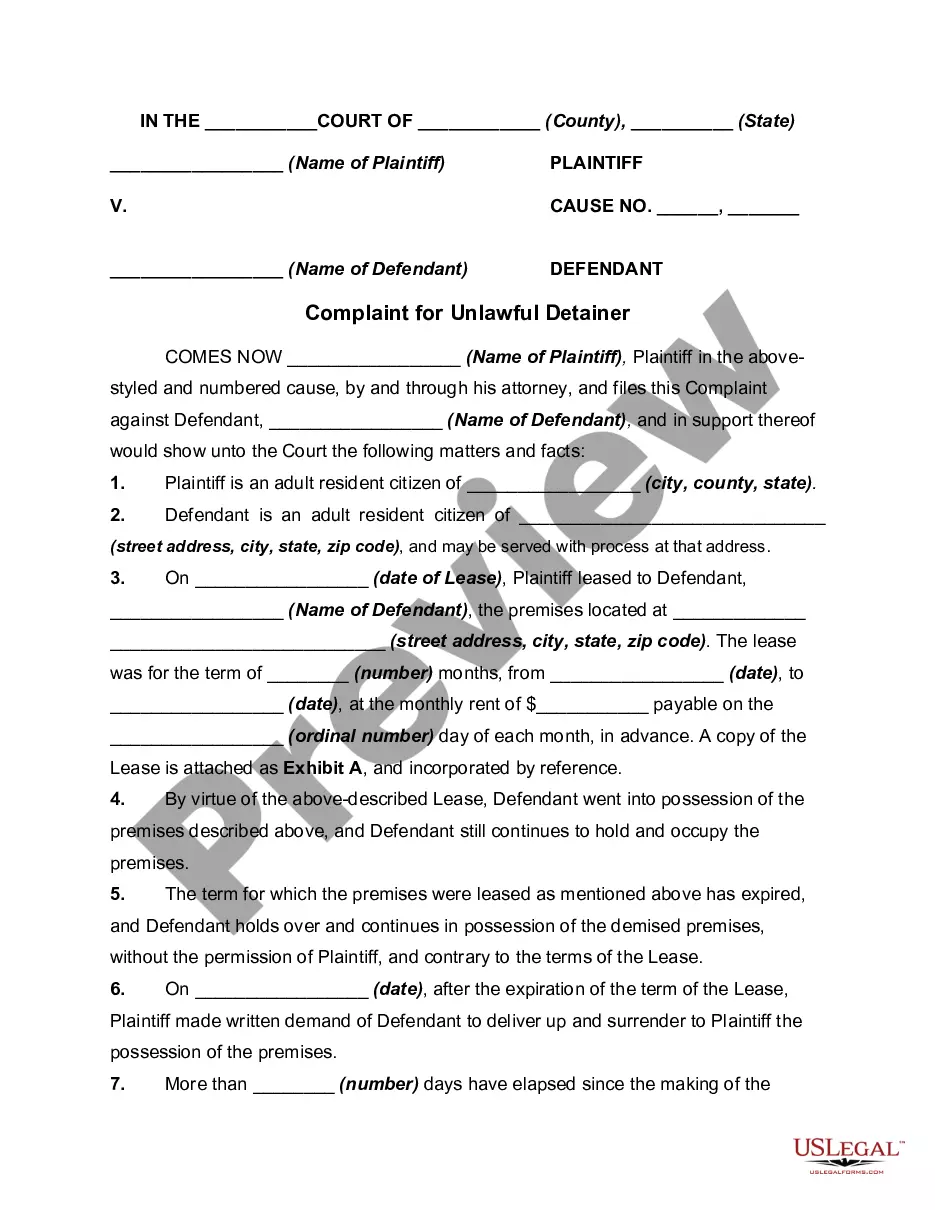

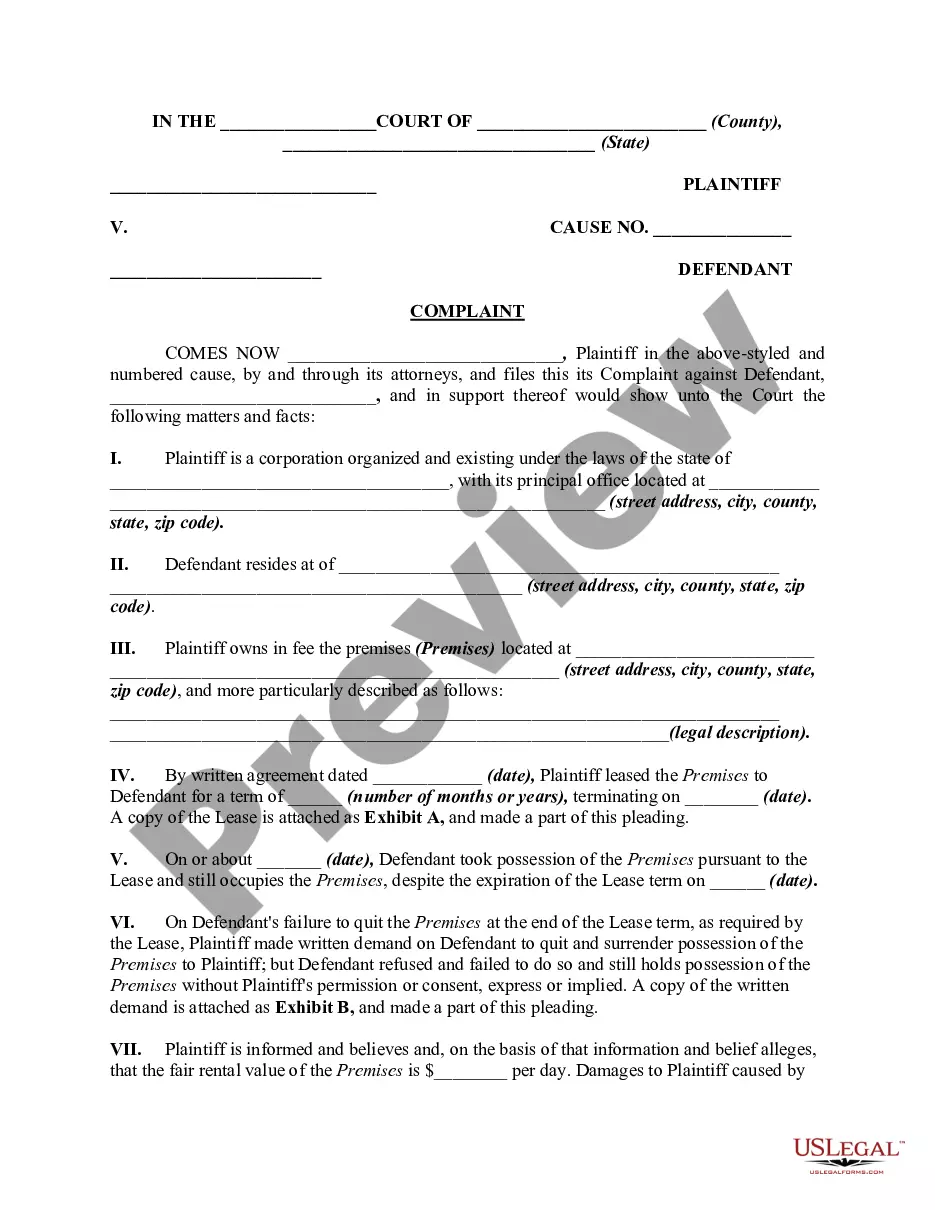
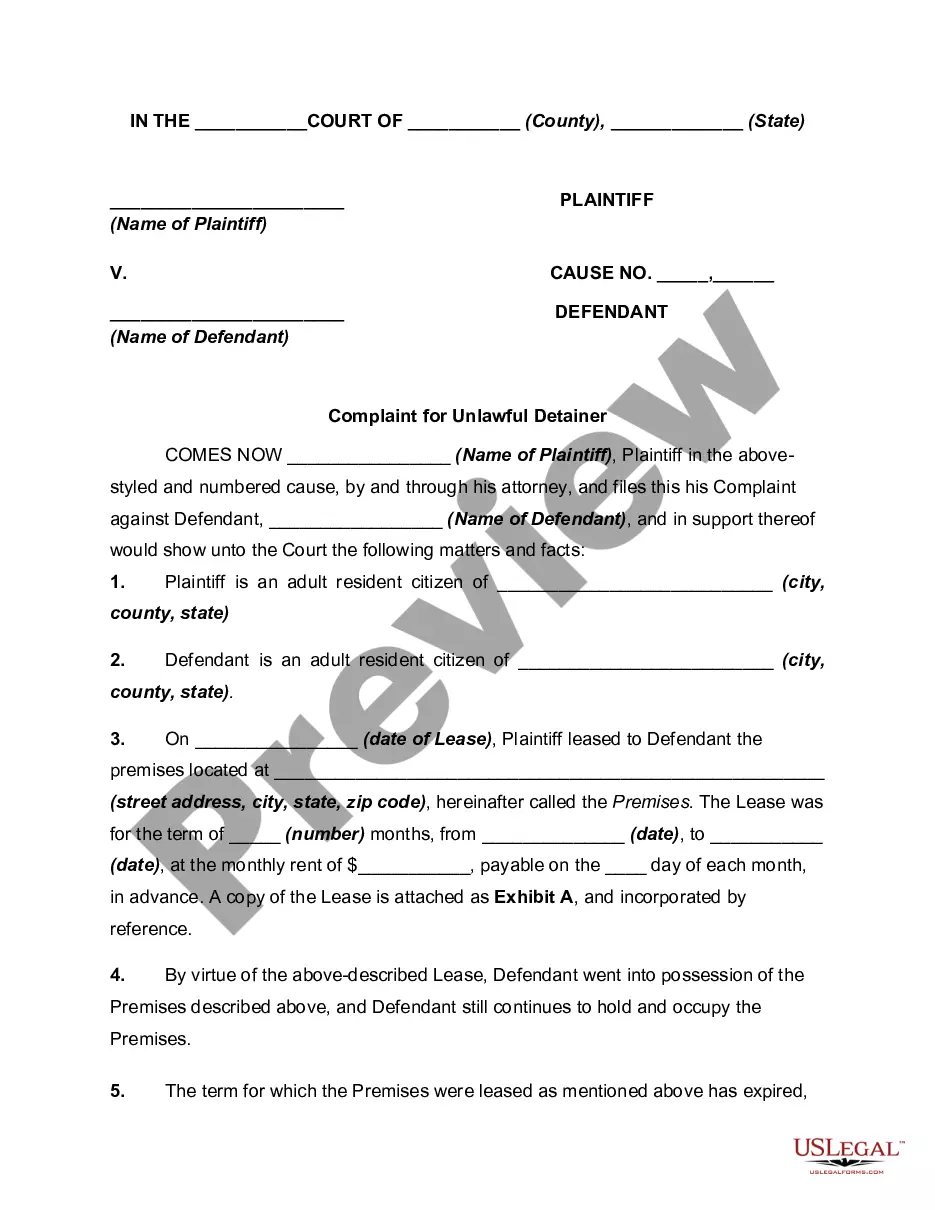
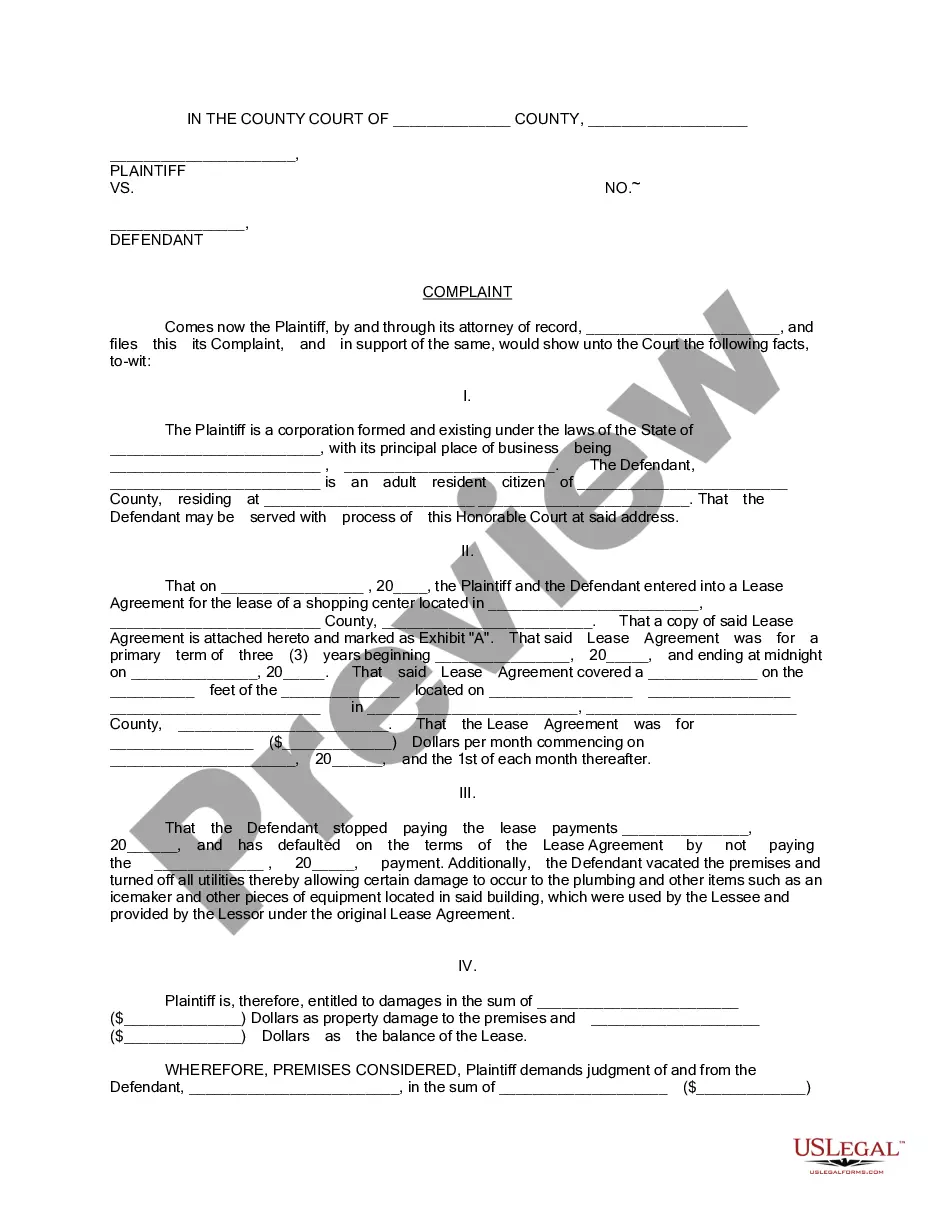
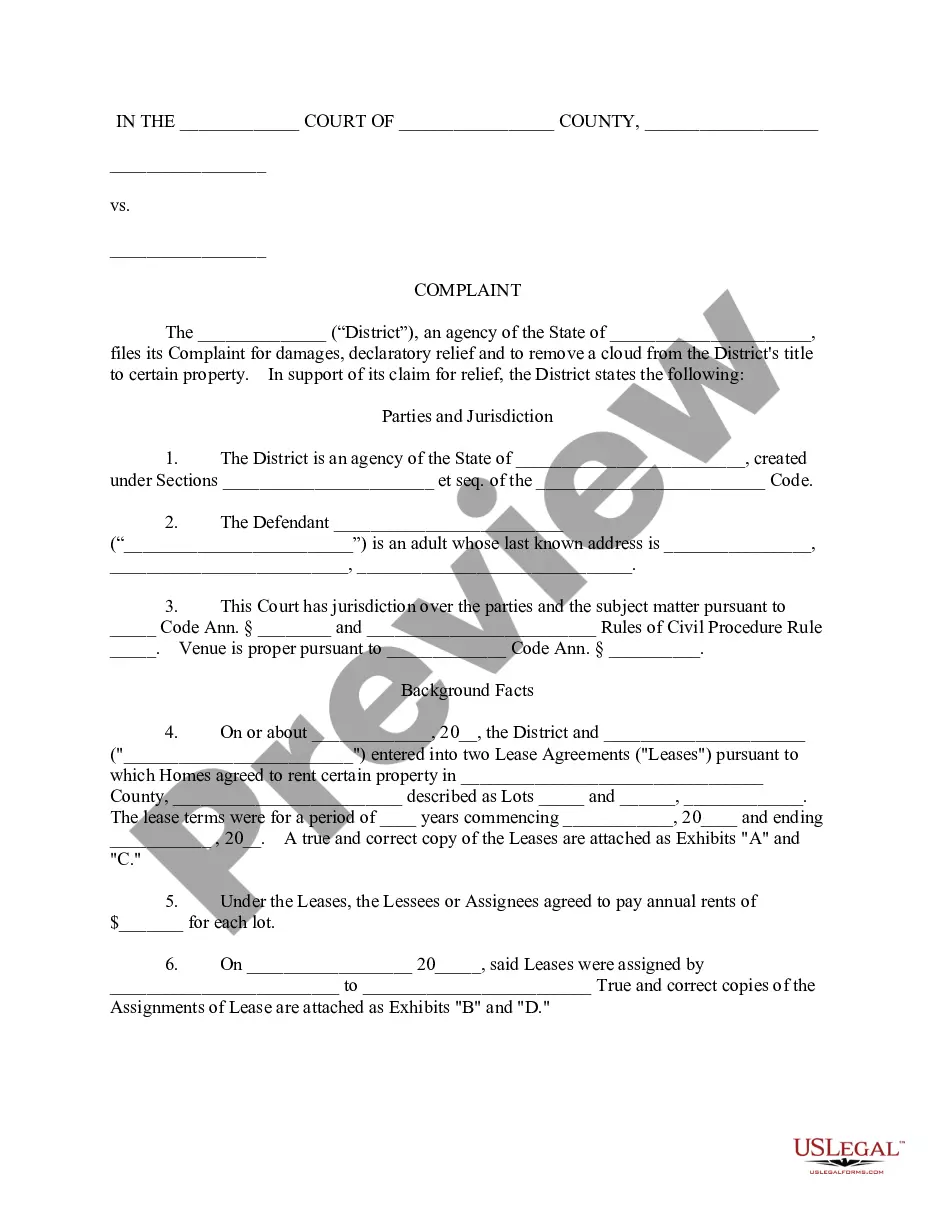

How to fill out Complaint For Unlawful Detainer - Tenant Holding Over After Expiration Of Term?
Acquiring legal document examples that adhere to federal and local laws is crucial, and the web provides numerous choices to select from.
However, what’s the use of spending time searching for the suitable Detainer Term With Its Description example online when the US Legal Forms digital library already has such documents compiled in one location.
US Legal Forms is the largest online legal repository with over 85,000 fillable templates created by lawyers for any professional and personal circumstance.
Review the template using the Preview option or via the text description to confirm it suits your requirements. Search for an alternative example using the search bar at the top of the page if necessary. Click Buy Now once you’ve found the appropriate form and choose a subscription plan. Create an account or Log In and complete your payment with PayPal or a credit card. Select the format for your Detainer Term With Its Description and download it. All documents accessed through US Legal Forms are reusable. To re-download and complete previously acquired forms, navigate to the My documents tab in your profile. Take advantage of the most comprehensive and user-friendly legal documentation service!
- They are easy to navigate with all documents categorized by state and intended use.
- Our experts keep up with legislative changes, ensuring that your form is current and compliant when retrieving a Detainer Term With Its Description from our site.
- Acquiring a Detainer Term With Its Description is straightforward and swift for both existing and new users.
- If you already possess an account with an active subscription, Log In and fetch the document example you require in the appropriate format.
- If you are unfamiliar with our site, follow the instructions outlined below.
Form popularity
FAQ
A detainer letter is a formal document issued by a landlord to inform a tenant of the intent to evict them due to lease violations or non-payment. This letter often outlines the specific reasons for eviction and sets a deadline for the tenant to respond or vacate the premises. Understanding the detainer term is essential; it serves as a crucial step in the eviction process, providing the tenant an opportunity to address the issue. You can find templates and resources on US Legal Forms to create a compliant detainer letter.
To effectively communicate with a judge and seek to stop an eviction, you should clearly explain your situation. Present any evidence that supports your case, such as proof of rental payments or documentation of any disputes. It's crucial to mention any agreements made with the landlord regarding the detainer term, as this can play a significant role in the judge's decision. By being honest and organized, you increase your chances of a favorable outcome.
When a detainer is placed, it signifies that law enforcement intends to hold a person for another jurisdiction or legal issue. This action can result from pending charges or investigations that require the individual's presence. A detainer essentially prevents the individual from being released until the requesting agency resolves the matter. Grasping the detainer term with its description is crucial for anyone facing such circumstances.
To determine if someone has a detainer, you can check with local law enforcement agencies or court records. Many jurisdictions provide online databases where you can search for inmate information. Additionally, contacting an attorney can provide insight into the legal status of the individual in question. Understanding the detainer term with its description can aid you in seeking the right resources for this inquiry.
In legal terms, a detainer is a mechanism that allows law enforcement to keep an individual in custody based on a request from another agency. This typically occurs when someone is wanted for charges in a different jurisdiction. The detainer prevents the individual from being released until the requesting authority decides to act. Knowing the detainer term with its description can empower you to seek legal advice and understand your rights.
The legal term detainer refers to a request from one jurisdiction to another to hold an individual in custody. Essentially, it indicates that another authority has an interest in the person due to pending charges or investigations. This action can lead to extended periods of incarceration while the legal matters are addressed. A clear understanding of the detainer term with its description is essential for anyone navigating this legal landscape.
The duration an inmate can be held on a detainer often depends on the specific circumstances of the case and the policies of the holding facility. Generally, a detainer allows authorities to hold an individual until the legal issues are resolved or until the requesting jurisdiction acts. In some cases, this can take days, weeks, or even longer. Familiarizing yourself with the detainer term with its description can clarify what to expect in your situation.
A detainer can significantly impact your legal status by preventing your release from custody. When a detainer is placed, it indicates that authorities intend to hold you for another jurisdiction or legal matter. This situation can complicate your ability to secure bail or make arrangements for release. Understanding the detainer term with its description can help you navigate your legal options more effectively.