Detainer Term Forcible
Description
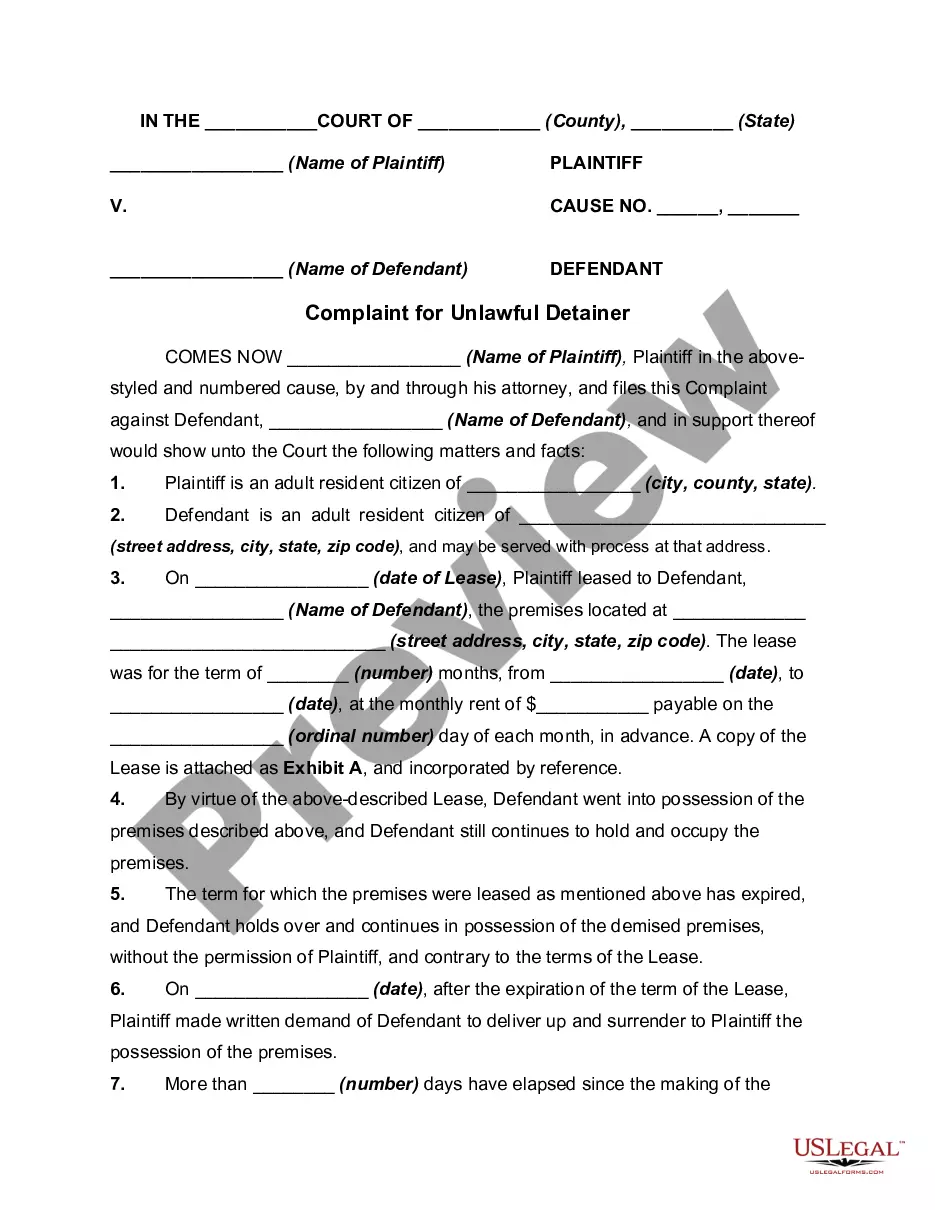

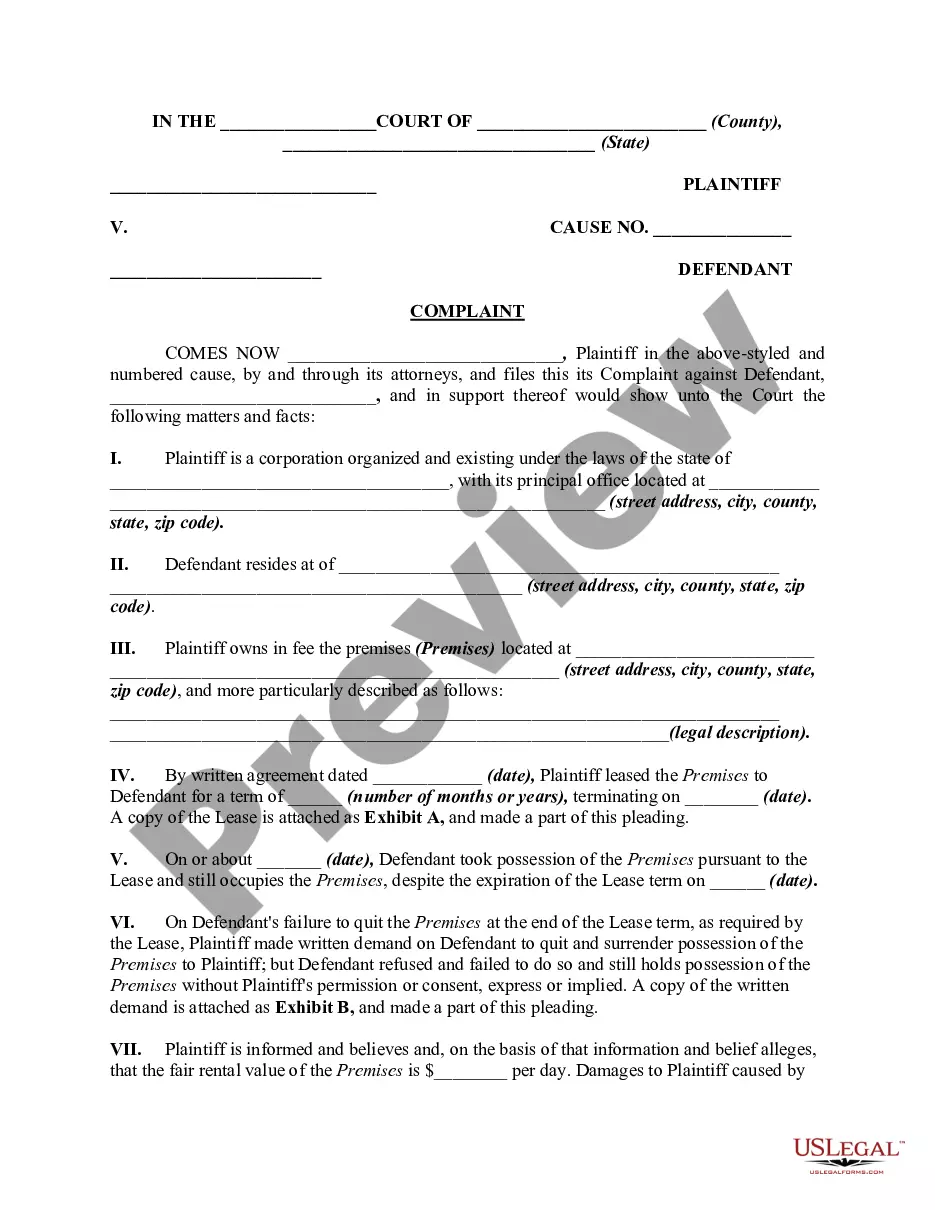
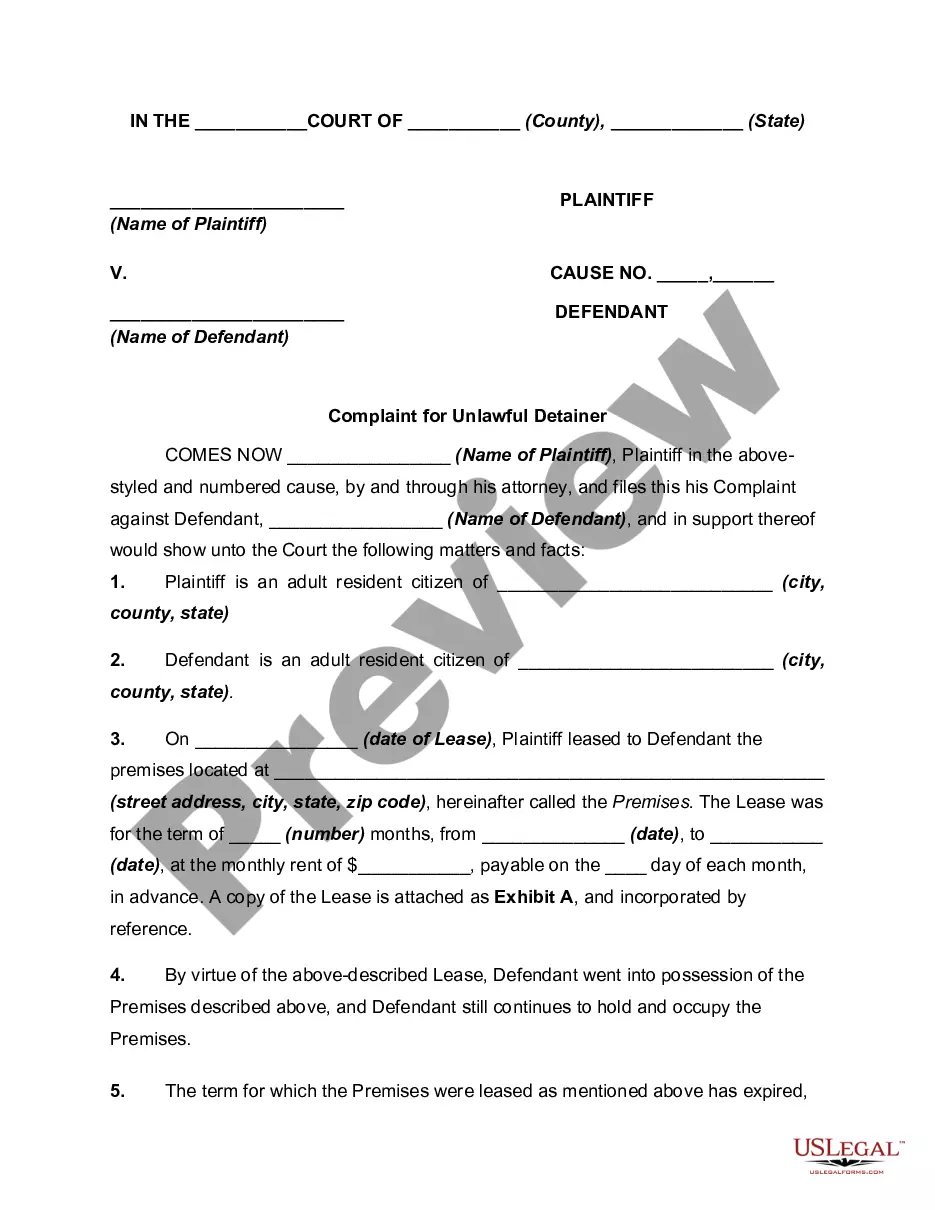
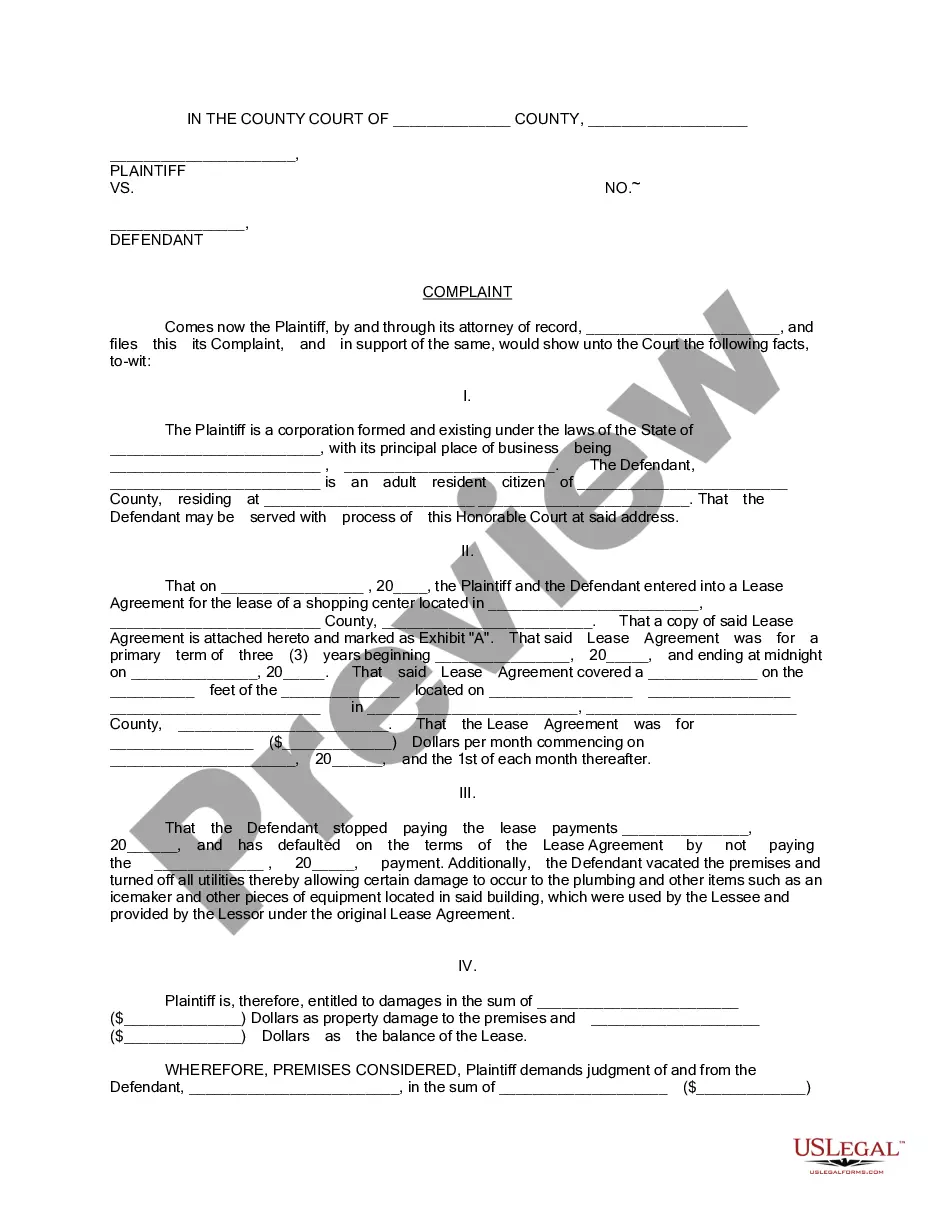
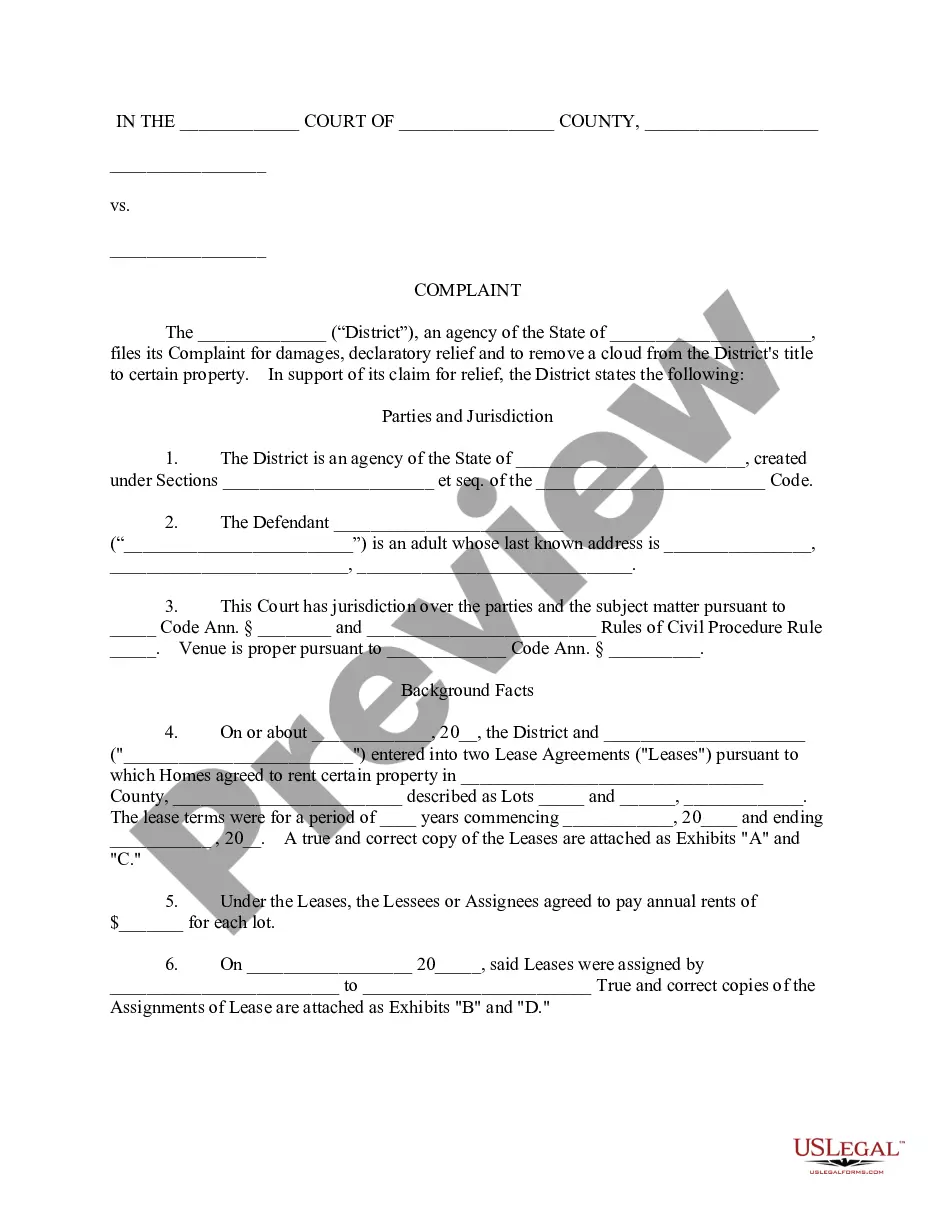
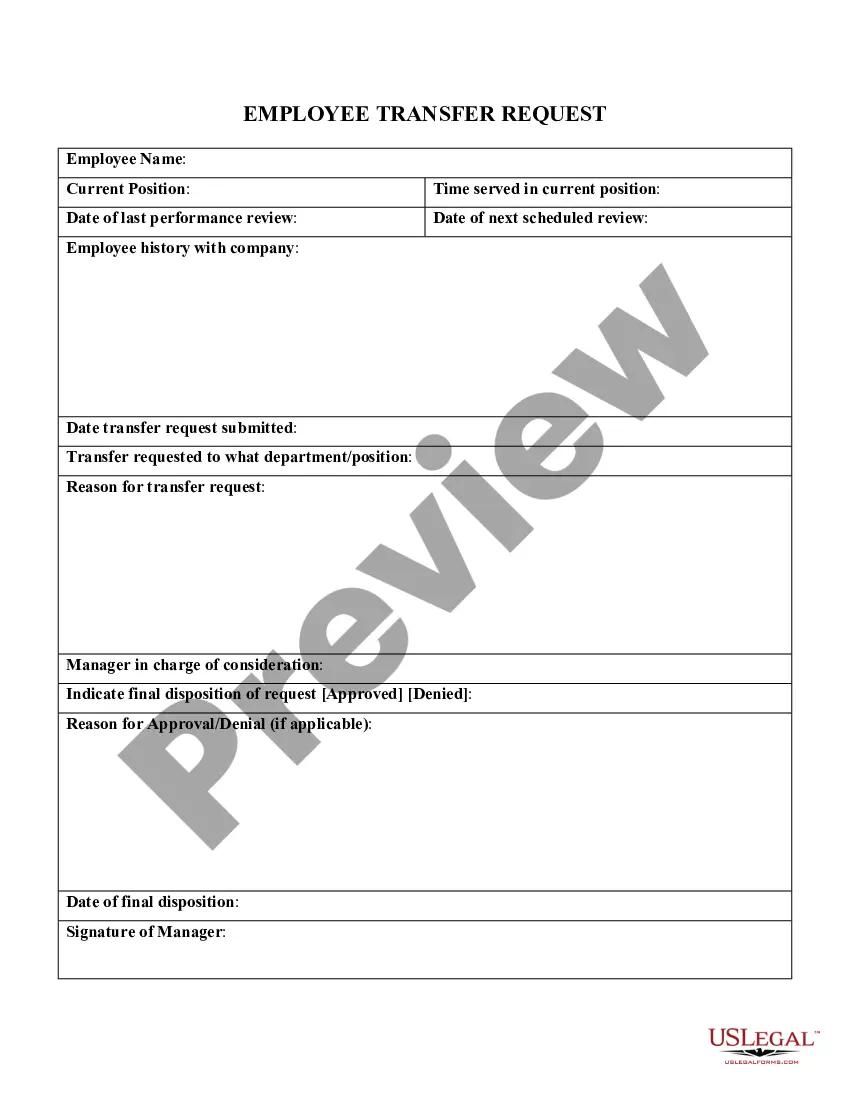
How to fill out Complaint For Unlawful Detainer - Tenant Holding Over After Expiration Of Term?
It’s well-known that you cannot instantly become a legal authority, nor can you swiftly learn how to prepare a Detainer Term Forcible without a specialized foundation. Crafting legal documents is a lengthy endeavor that necessitates specific education and expertise. So why not entrust the preparation of the Detainer Term Forcible to the specialists.
With US Legal Forms, one of the most comprehensive legal document repositories, you can obtain everything from court papers to templates for internal corporate communication. We understand the significance of compliance and adherence to federal and local statutes and regulations. That’s why, on our site, all templates are location-specific and current.
Here’s how you can begin with our website and acquire the form you need in just a few minutes.
You can revisit your forms from the My documents tab at any time. If you’re an existing client, you can simply Log In, and find and download the template from the same tab.
Regardless of the intent of your paperwork-whether it’s financial, legal, or personal-our website has you covered. Try US Legal Forms today!
- Find the document you require with the search bar at the top of the page.
- Preview it (if this option is available) and read the accompanying description to ascertain whether Detainer Term Forcible is what you seek.
- Start your search again if you need a different template.
- Create a free account and select a subscription plan to purchase the form.
- Click Buy now. Once the transaction is complete, you can obtain the Detainer Term Forcible, complete it, print it, and send or mail it to the designated individuals or entities.
Form popularity
FAQ
A forcible entry detainer is a legal action taken by a landlord to regain possession of a property after a tenant has unlawfully occupied it. This process often involves filing a lawsuit in court. Understanding the detainer term forcible can help both parties navigate these situations more effectively. Utilizing resources like USLegalForms can provide valuable guidance and templates for this process.
A filled out eviction notice typically includes the tenant's name, the property address, and the reason for the eviction. It also specifies the amount of time the tenant has to vacate the property. Including details about the detainer term forcible makes the notice clearer and more legally sound. Using platforms like USLegalForms can simplify this process and ensure all necessary information is included.
Forcible entry may occur when a tenant refuses to leave after their lease ends, or when someone breaks into a property without the owner's consent. Other examples include changing locks without informing the tenant or using threats to gain access. Knowing the detainer term forcible can empower landlords to take appropriate legal action. This awareness helps ensure that they follow proper procedures.
Unlawful detainer refers to a legal process where a landlord seeks to remove a tenant who remains in a rental property without permission. Forcible entry occurs when someone enters a property without consent, often leading to disputes. Understanding the detainer term forcible is crucial for both landlords and tenants. It helps clarify rights and responsibilities in rental agreements.
A forcible detainer refers to a legal action taken by a landlord to regain possession of a rental property when a tenant refuses to leave. In this context, the detainer term forcible highlights the forceful nature of the eviction process. It is important for landlords to follow the proper legal procedures to avoid potential disputes. If you need assistance navigating this complex area of law, US Legal Forms offers resources and forms to help you effectively manage forcible detainer actions.
Courts commonly refer to eviction actions as "forcible entry and detainer" or "unlawful detainer" actions. The legal theory is that the landlord alleges the tenant unlawfully continues to have use and possession of the rental property, and the landlord seeks the assistance of the court to have the tenant removed.
If qualified, take note that you have to follow these steps: Allow the tenant the chance to cure the default and give him or her proper notice regarding this. ... Send a written notice to vacate. ... Provide the tenant time to respond to the eviction notice, especially if this is detailed in the lease. ... File action.
In Illinois, the law which defines the process of eviction is known as the Forcible Entry and Detainer Act. The forcible court is known as a court of limited jurisdiction, which means that only claims for possession and monetary damages can be heard. The court will not allow unrelated defenses and counterclaims.
A forcible detainer is where a person enters lawfully or peaceably, and holds unlawfully, and by any of the means enumerated in § 29-18-102 as constituting a forcible entry. T.C.A. § 29-18-103. Code 1858, § 3343 (deriv. Acts 1821, ch. 14, § 3); Shan., § 5092; Code 1932, § 9246; T.C.A.
Section 24.002 - Forcible Detainer (a) A person who refuses to surrender possession of real property on demand commits a forcible detainer if the person: (1) is a tenant or a subtenant wilfully and without force holding over after the termination of the tenant's right of possession; (2) is a tenant at will or by ...