Estates
Description
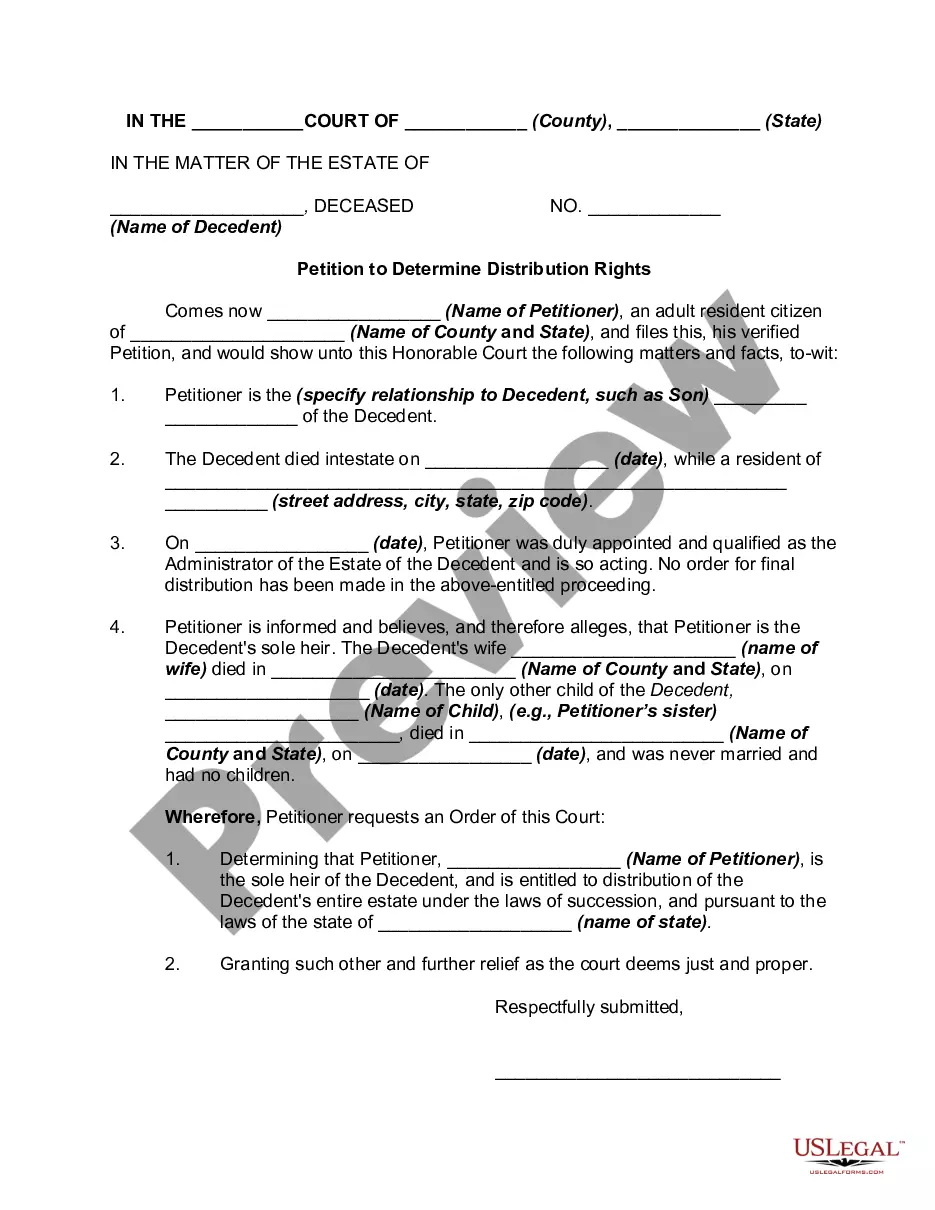
Get your form ready online
Our built-in tools help you complete, sign, share, and store your documents in one place.
Make edits, fill in missing information, and update formatting in US Legal Forms—just like you would in MS Word.
Download a copy, print it, send it by email, or mail it via USPS—whatever works best for your next step.
Sign and collect signatures with our SignNow integration. Send to multiple recipients, set reminders, and more. Go Premium to unlock E-Sign.
If this form requires notarization, complete it online through a secure video call—no need to meet a notary in person or wait for an appointment.
We protect your documents and personal data by following strict security and privacy standards.

Make edits, fill in missing information, and update formatting in US Legal Forms—just like you would in MS Word.

Download a copy, print it, send it by email, or mail it via USPS—whatever works best for your next step.

Sign and collect signatures with our SignNow integration. Send to multiple recipients, set reminders, and more. Go Premium to unlock E-Sign.

If this form requires notarization, complete it online through a secure video call—no need to meet a notary in person or wait for an appointment.

We protect your documents and personal data by following strict security and privacy standards.
Looking for another form?

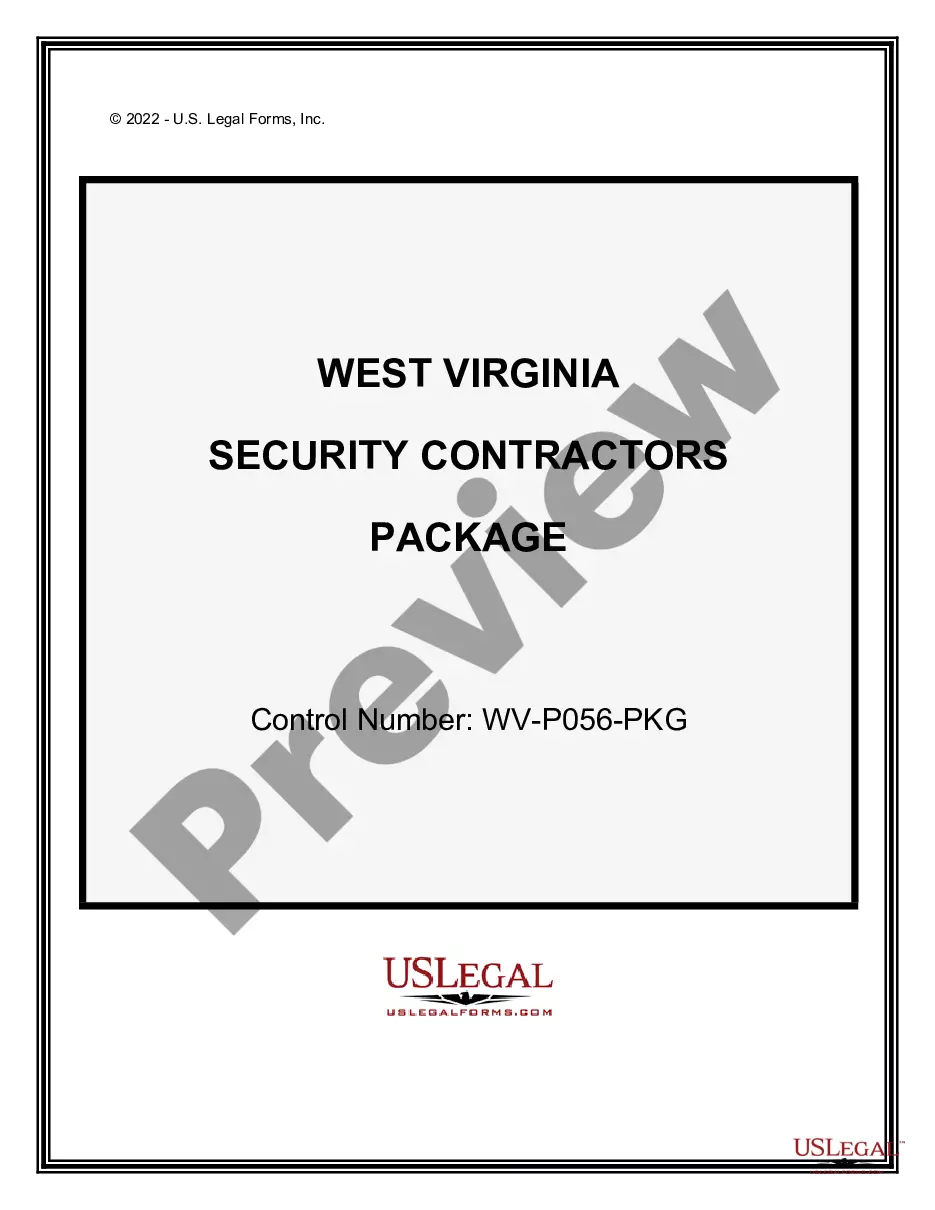


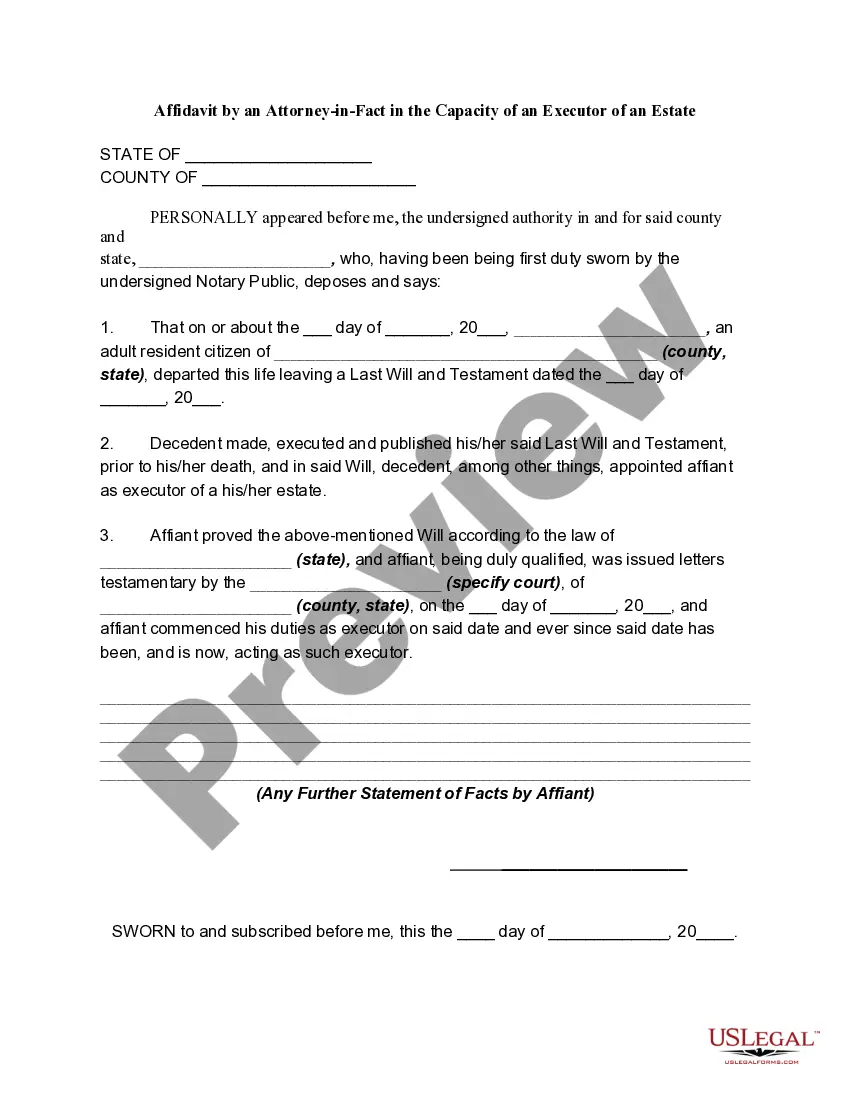

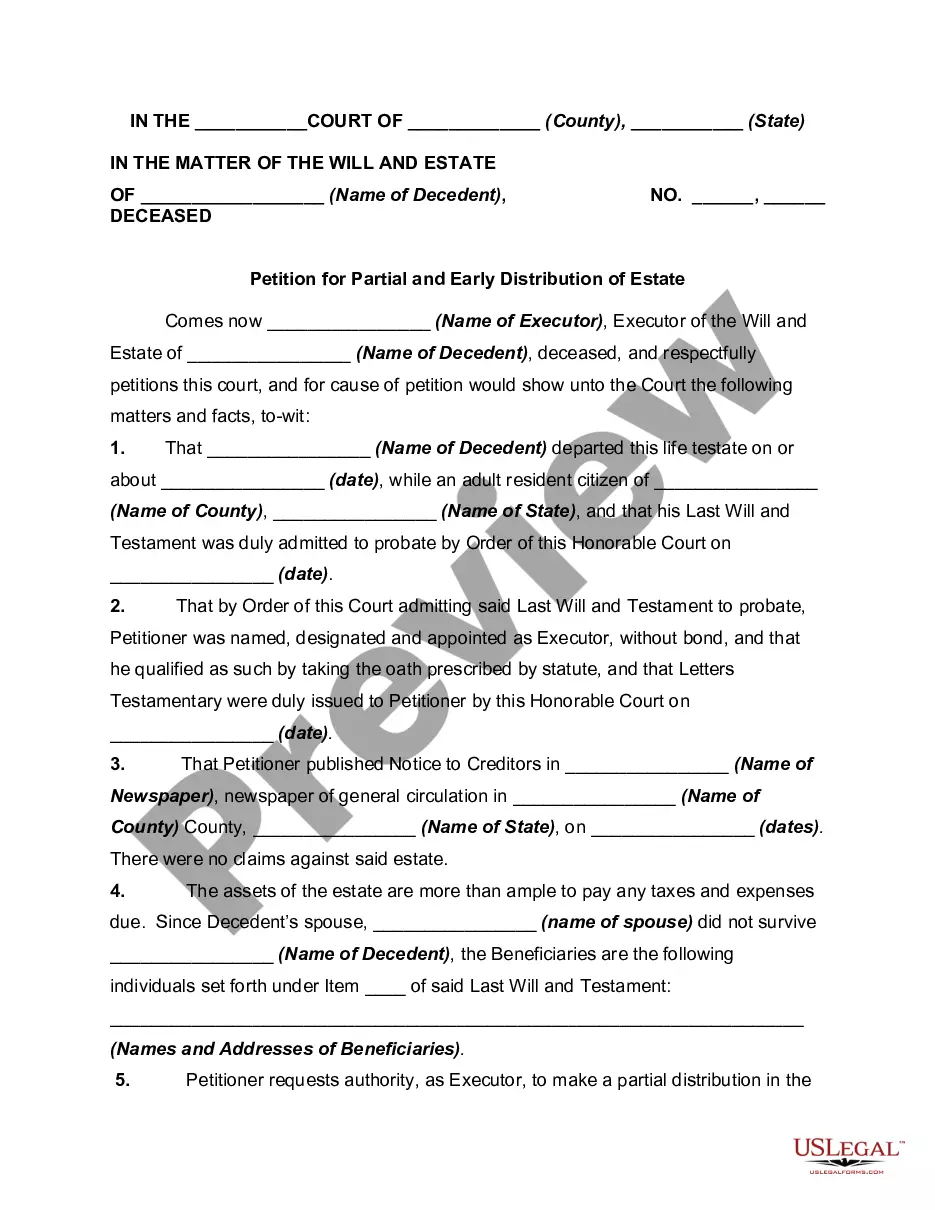
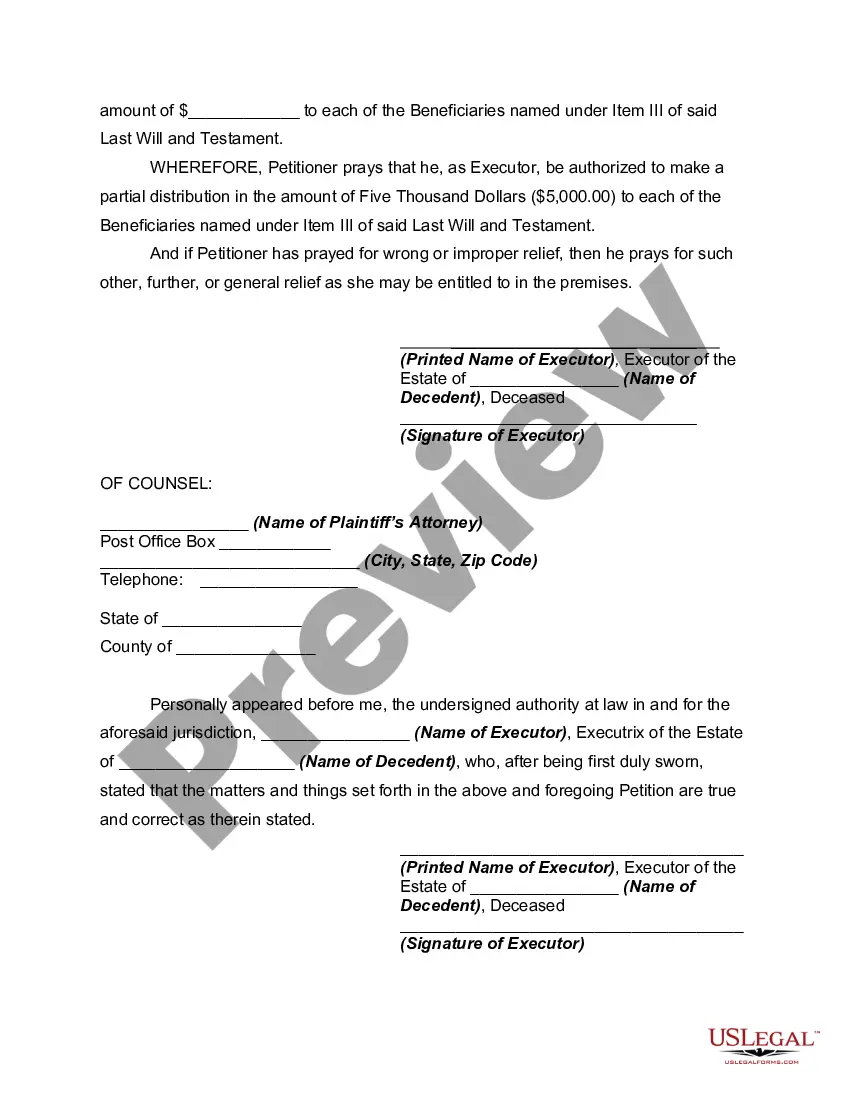
How to fill out Petition For Partial And Early Distribution Of Estate?
- Log in to your existing account or create a new one if you're a first-time user.
- Browse the preview mode and form descriptions to ensure selected templates meet your needs.
- If necessary, utilize the Search tab to find additional templates that align with your requirements.
- Purchase the required document by clicking the Buy Now button and selecting your desired subscription plan.
- Input your payment information, either via credit card or PayPal, to complete the transaction.
- Download the template directly to your device and access it anytime through the My Forms section in your profile.
By following these straightforward steps, you can efficiently access the documents you require for your estate management needs. US Legal Forms empowers you with the resources to ensure all your legal paperwork is properly handled.
Start your journey towards hassle-free legal documentation today—visit US Legal Forms and explore the vast collection of templates available!
Form popularity
FAQ
An estate is classified as any legal entity that includes a person's assets and liabilities upon their death. This classification encompasses real estate, personal property, and financial accounts, along with any outstanding debts. By recognizing what is classified as an estate, individuals can effectively manage their resources and plan for the future.
The full meaning of estate encompasses the entire net worth of an individual at the time of death, including all assets and liabilities. This comprehensive definition covers tangible and intangible property as well as financial obligations. Understanding the full meaning of estate helps individuals make informed decisions about their wealth and inheritance.
Life estates typically involve an individual holding title to a property for the duration of their life. For instance, a homeowner may create a life estate by allowing a relative to live in their house until they pass away. This arrangement provides security for both parties while addressing future estate distribution.
Examples of estates include residential homes, commercial properties, savings accounts, and investments such as stocks and bonds. Additionally, personal items like jewelry and art also fall under this category. Recognizing these examples of estates is essential for creating a thorough estate plan that reflects your wishes.
Your estate includes all property and financial interests you own at the time of passing. This typically covers real estate, vehicles, bank accounts, and personal possessions, along with any owed debts. Knowing what counts as your estate helps clarify your financial situation and simplifies the estate planning process.
When we talk about estates, we mean a comprehensive package of a person’s assets and obligations. This concept encompasses everything from land and buildings to bank accounts and debts. By grasping the full scope of estates, you can better plan for the future and ensure your wishes are honored after you pass away.
Estates refer to all the property, assets, and liabilities owned by an individual at the time of their death. This includes real estate, personal belongings, investments, and debts. Understanding estates is crucial for effective estate planning, allowing individuals to make informed decisions about their wealth and how it should be distributed among heirs.
Estates have a rich historical context, often related to land ownership and social class structures. In ancient times, estates referred to large plots of land owned by nobles and used for agriculture. Over time, the concept evolved to encompass legal forms of property and wealth management, shaping societal norms and economic systems.
Not all estates in Connecticut need to go through probate. If the assets are held in a trust, jointly owned, or have designated beneficiaries, those assets can skip probate altogether. However, if the deceased owned assets solely in their name, the estate will require probate for distribution. Clarifying your estates with proper planning can minimize complications.
In Connecticut, any estate valued over $40,000 typically must go through probate. This threshold applies to the total value of the decedent's probate assets, not including exempt items like certain joint assets or trust assets. If your estate's value falls below this amount, you may not need to initiate probate. Understanding these financial thresholds can guide effective estate planning.