Joint Tenants With
Description
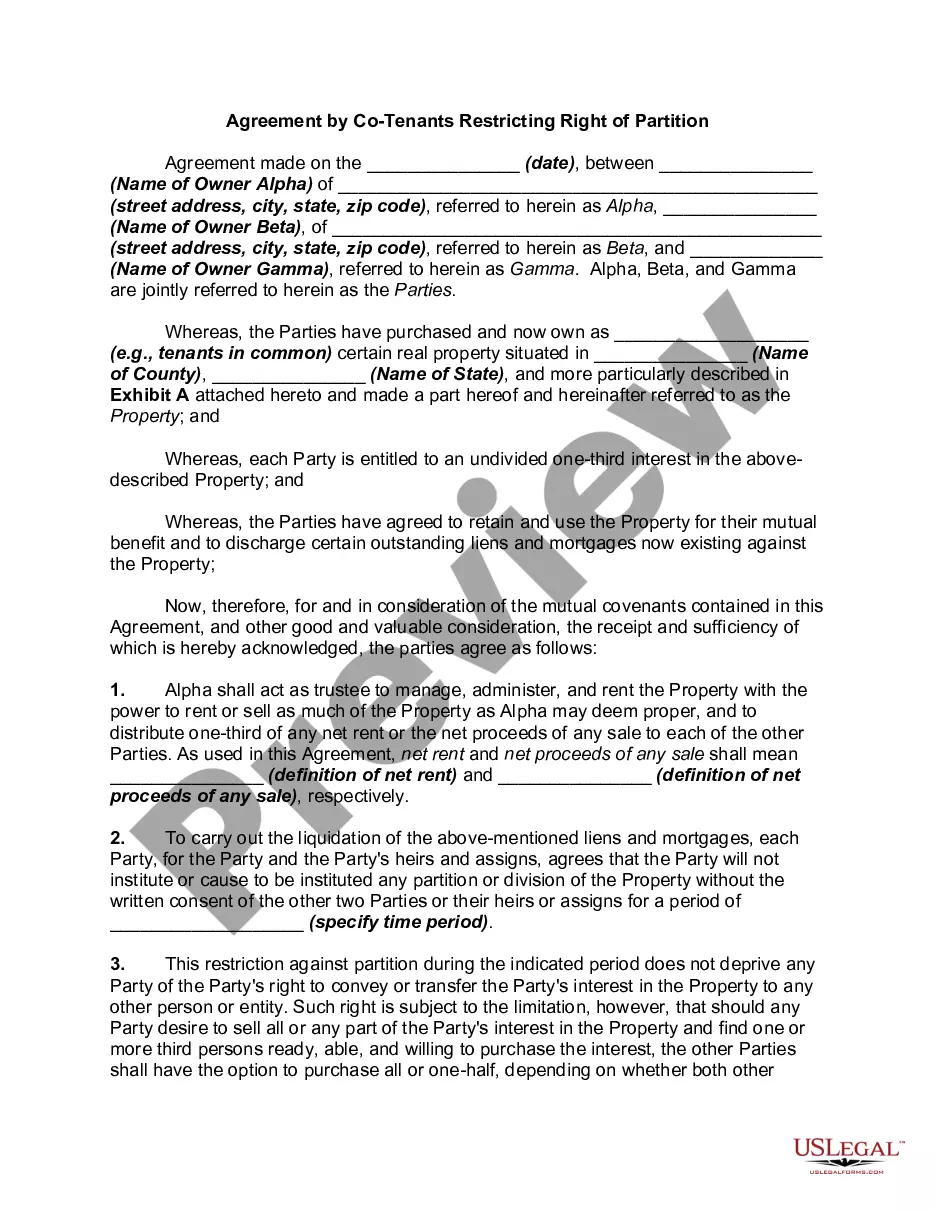
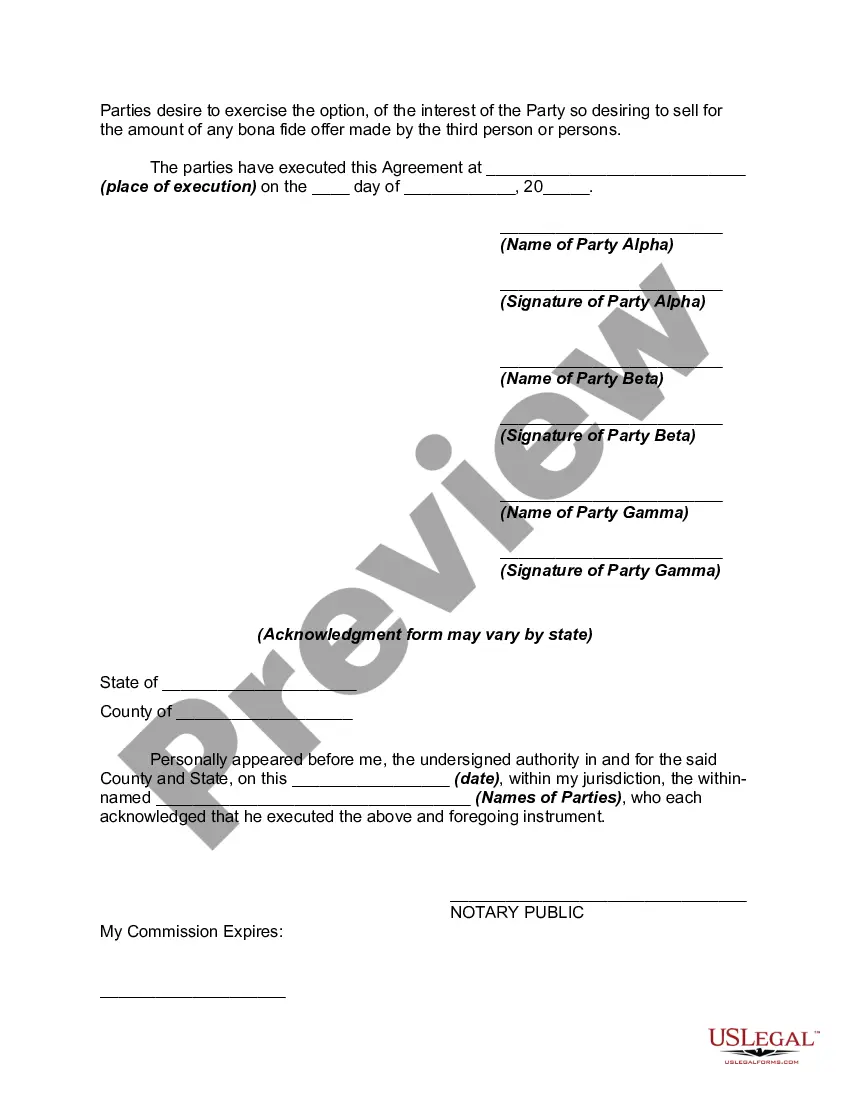

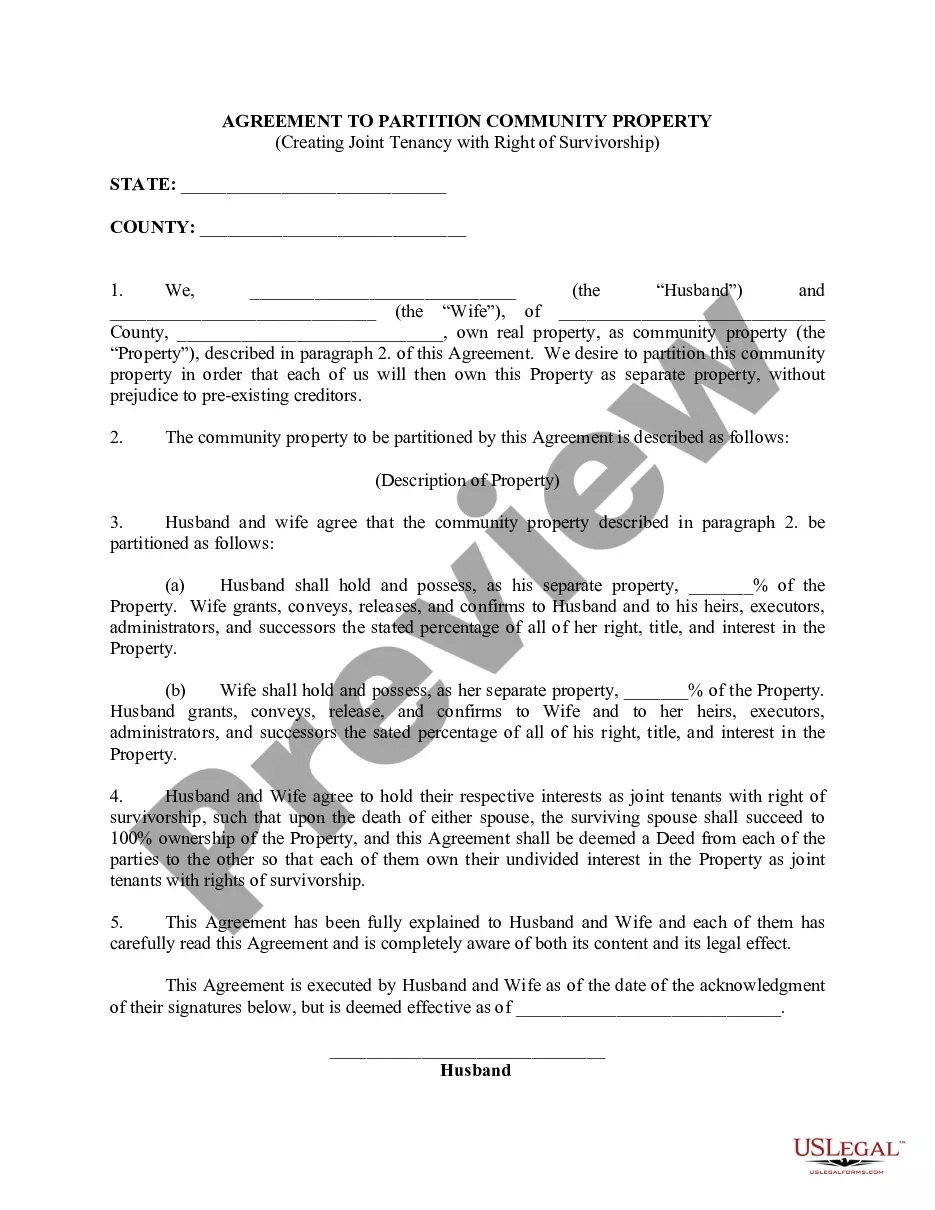
Get your form ready online
Our built-in tools help you complete, sign, share, and store your documents in one place.
Make edits, fill in missing information, and update formatting in US Legal Forms—just like you would in MS Word.
Download a copy, print it, send it by email, or mail it via USPS—whatever works best for your next step.
Sign and collect signatures with our SignNow integration. Send to multiple recipients, set reminders, and more. Go Premium to unlock E-Sign.
If this form requires notarization, complete it online through a secure video call—no need to meet a notary in person or wait for an appointment.
We protect your documents and personal data by following strict security and privacy standards.

Make edits, fill in missing information, and update formatting in US Legal Forms—just like you would in MS Word.

Download a copy, print it, send it by email, or mail it via USPS—whatever works best for your next step.

Sign and collect signatures with our SignNow integration. Send to multiple recipients, set reminders, and more. Go Premium to unlock E-Sign.

If this form requires notarization, complete it online through a secure video call—no need to meet a notary in person or wait for an appointment.

We protect your documents and personal data by following strict security and privacy standards.
Looking for another form?


How to fill out Agreement By Co-Tenants Restricting Right Of Partition?
Whether for commercial reasons or personal matters, everyone has to deal with legal issues at some stage in their life.
Filling out legal documents requires meticulous care, starting with selecting the right template.
Once it is saved, you can complete the form using editing software or print it and finish it manually. With a vast US Legal Forms catalog available, you do not have to waste time searching for the suitable template online. Utilize the library’s easy navigation to find the right form for any event.
- For instance, if you choose an incorrect version of the Joint Tenants With, it will be rejected once you submit it.
- Thus, it is essential to have a trustworthy source of legal documents like US Legal Forms.
- If you need to obtain a Joint Tenants With template, follow these simple steps.
- Locate the form you require using the search bar or catalog browsing.
- Review the form’s description to confirm it fits your situation, state, and county.
- Click on the form’s preview to assess it.
- If it is not the correct form, return to the search feature to find the Joint Tenants With template you need.
- Download the file when it satisfies your requirements.
- If you already possess a US Legal Forms account, click Log in to access previously stored documents in My documents.
- If you do not have an account yet, you may acquire the form by clicking Buy now.
- Choose the appropriate pricing option.
- Complete the account registration form.
- Select your payment method: you may use a credit card or PayPal account.
- Choose the document format you desire and download the Joint Tenants With.
Form popularity
FAQ
To file for joint tenancy, you first need to draft a title deed that includes both owners' names, specifying 'joint tenants with right of survivorship.' After completing the deed, you should sign and notarize it but also ensure it is filed with the county recorder's office where the property is located. This legal process secures your rights as joint tenants and clarifies ownership. Resources available on uslegalforms can guide you through this process efficiently.
In a joint tenancy with right of survivorship, a couple purchasing a property together exemplifies this arrangement. Both partners own the home equally, and if one person dies, the other automatically inherits the entire property. This setup ensures that ownership is straightforward and avoids complications during estate settlement. Understanding examples like this can help individuals make informed property decisions.
To determine if you have the right of survivorship, check the title deed of your property. If it explicitly states 'joint tenants with right of survivorship,' then you hold that right. Furthermore, you can consult with a legal professional or check with your local property records office for additional confirmation. Clarity about ownership is essential for proper property management.
An example of joint tenancy with right of survivorship is when two siblings own a house together. When one sibling passes away, the surviving sibling automatically becomes the sole owner of the property. This arrangement simplifies the transfer of ownership and avoids the probate process. It’s a practical choice for family members looking to share property.
Joint tenants with right of survivorship face some disadvantages, such as losing control over the property. If one owner wants to sell their share, the other must agree, which can create tension. Additionally, creditors can attach the property to settle debts of any joint tenant, potentially jeopardizing the asset. This highlights the importance of considering all options before choosing joint tenancy.
Yes, the right of survivorship typically overrides a will. When joint tenants with this right are involved, the property automatically transfers to the surviving tenant upon one owner's death. This means that assets held under joint tenancy do not become part of the deceased's estate and cannot be distributed according to their will. Therefore, understanding how joint tenancy works is crucial for estate planning.
Joint tenancy is a co-ownership arrangement that provides all parties with equal interest in and responsibility for the real estate purchased.
Partition is by physical division unless the parties agree upon a sale or the court determines that partition by sale would be ?more equitable.? The court may order part of the property partitioned by sale and the remainder by physical division and may appoint a referee to assist in determination of whether to order a ...
Disadvantages of joint tenants with right of survivorship JTWROS accounts involving real estate may require all owners to consent to selling the property. Frozen bank accounts. In some cases, the probate court can freeze bank accounts until the estate is settled.
Depending on the jurisdiction, the following phrases will create a joint tenancy: "As joint tenants" "As joint tenants with rights of survivorship" "As joint tenants with rights of survivorship and not as tenants in common" "As husband and wife" (unless otherwise stated).