Improvements To Common Property
Description
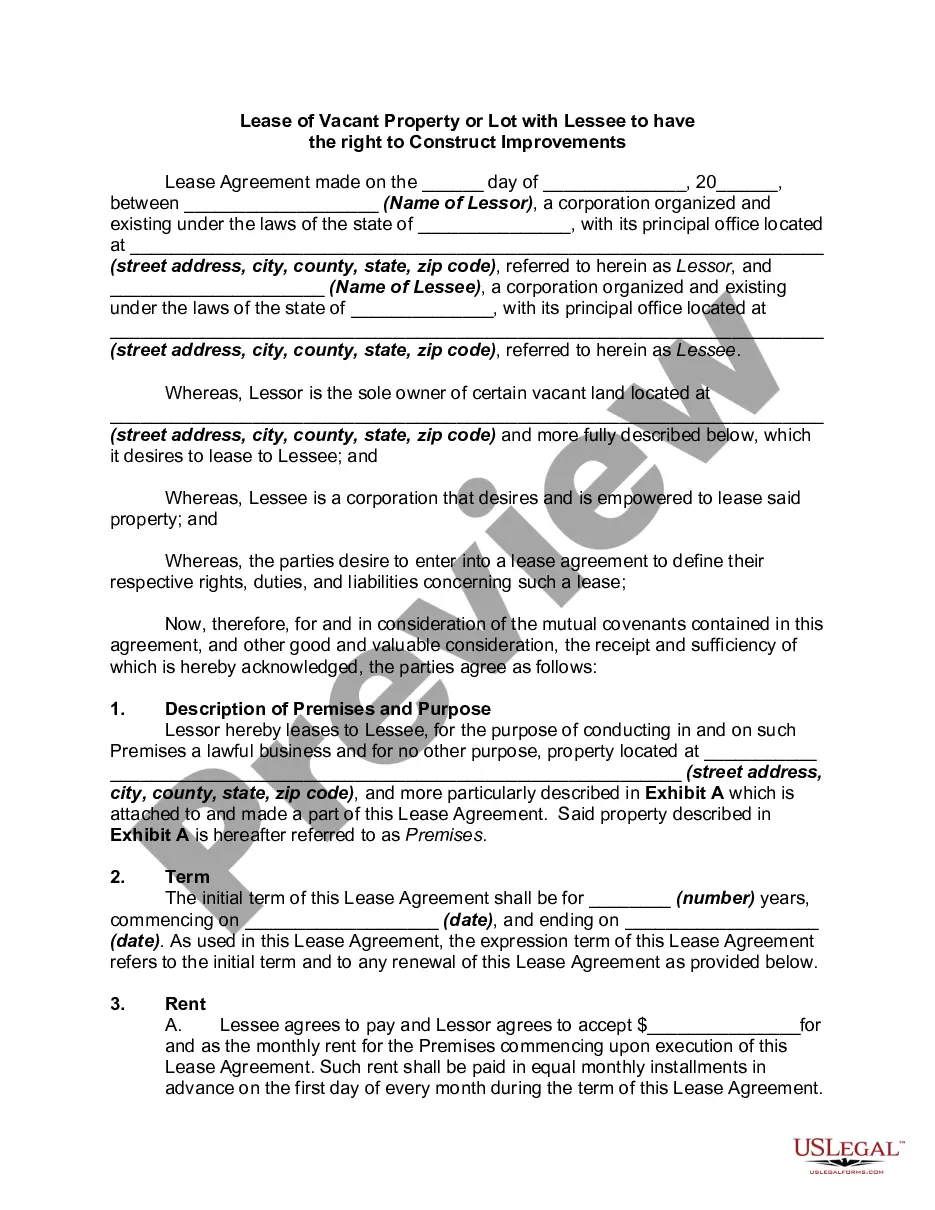
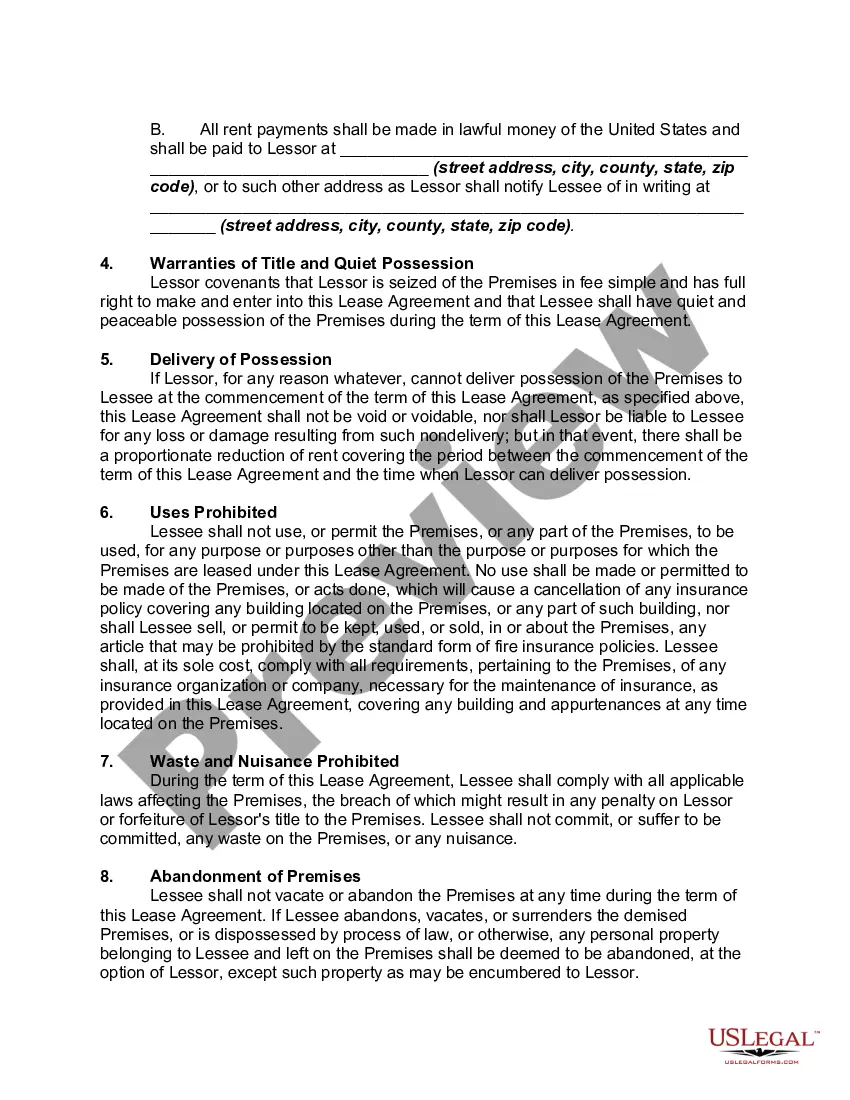
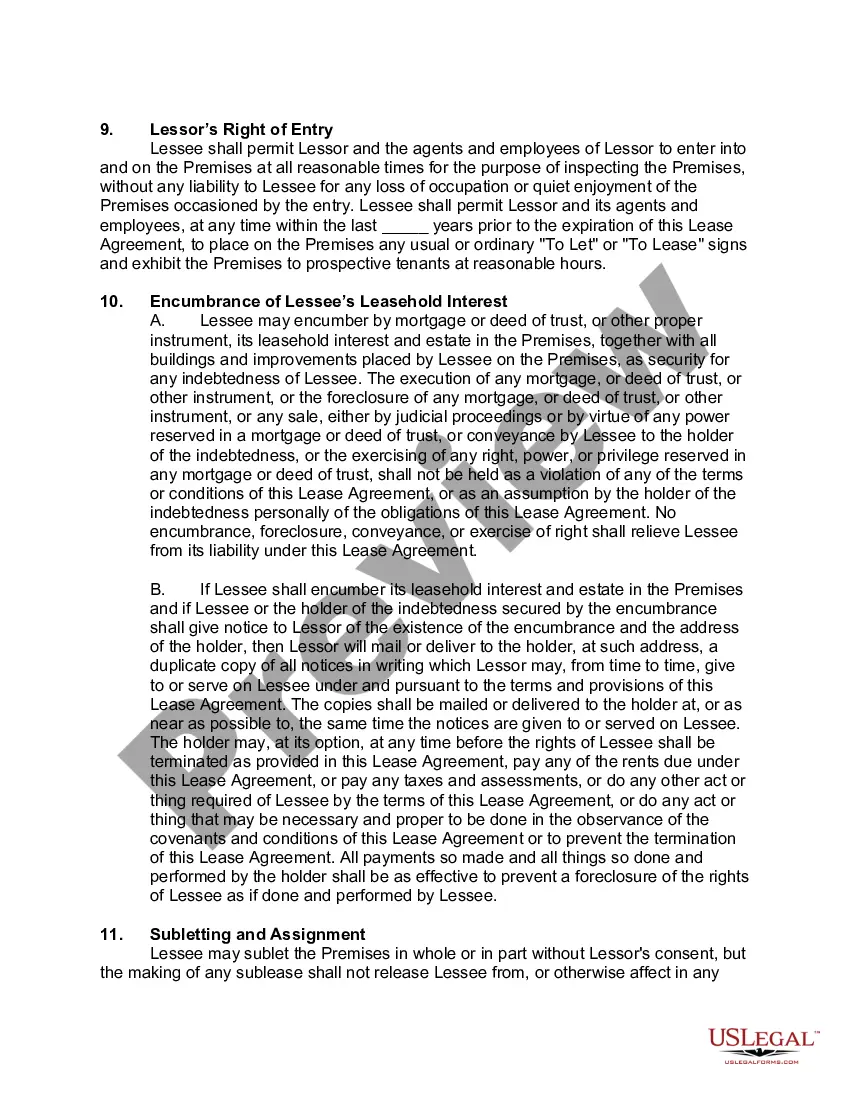
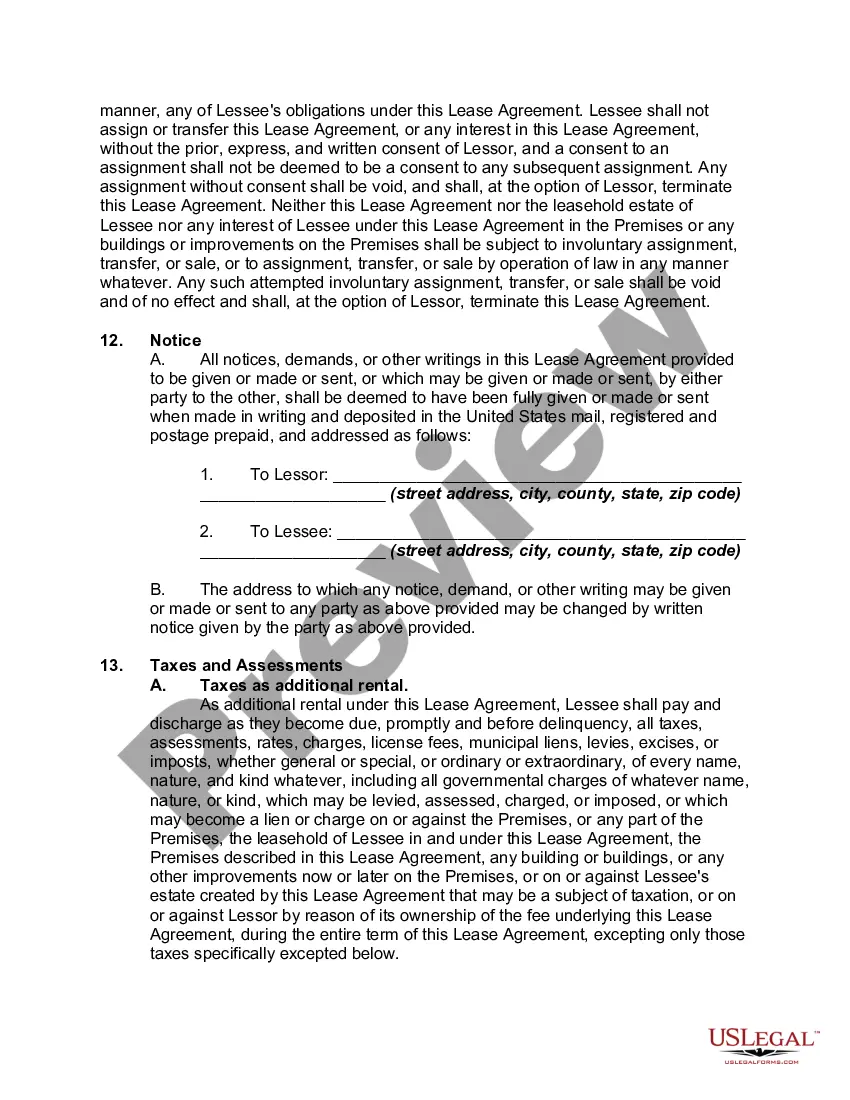
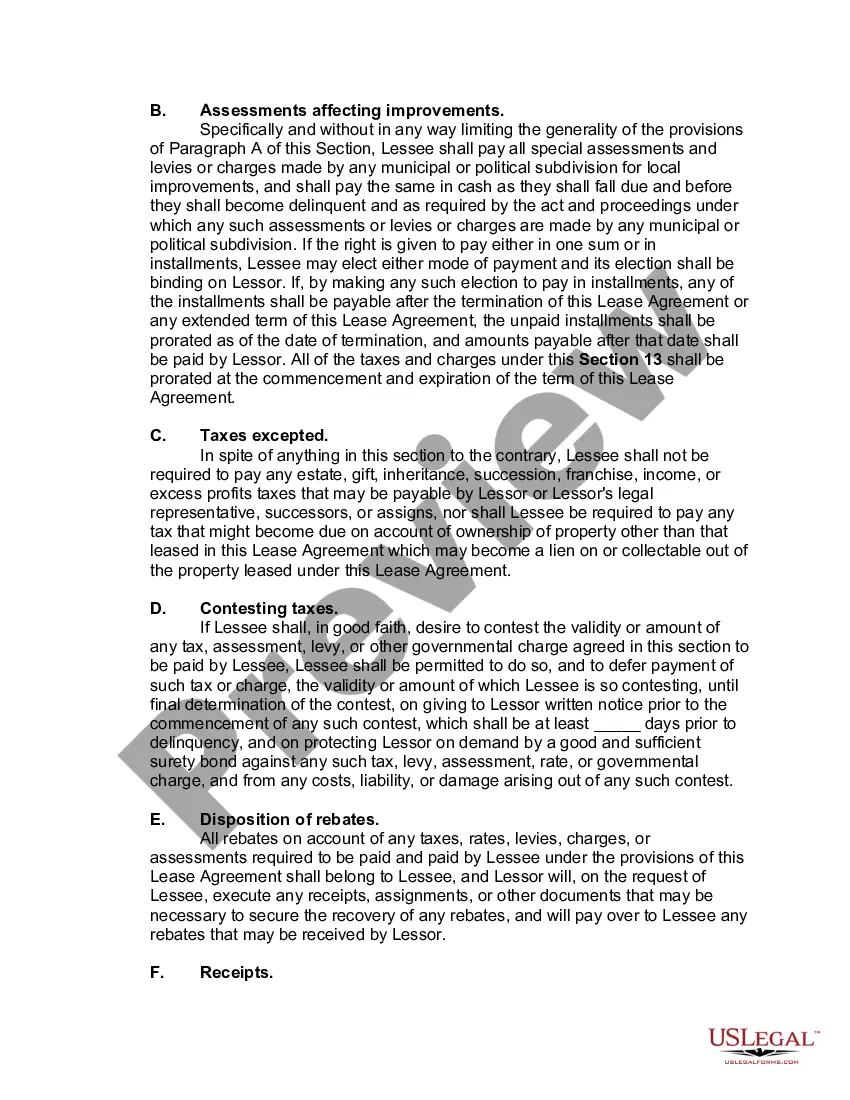
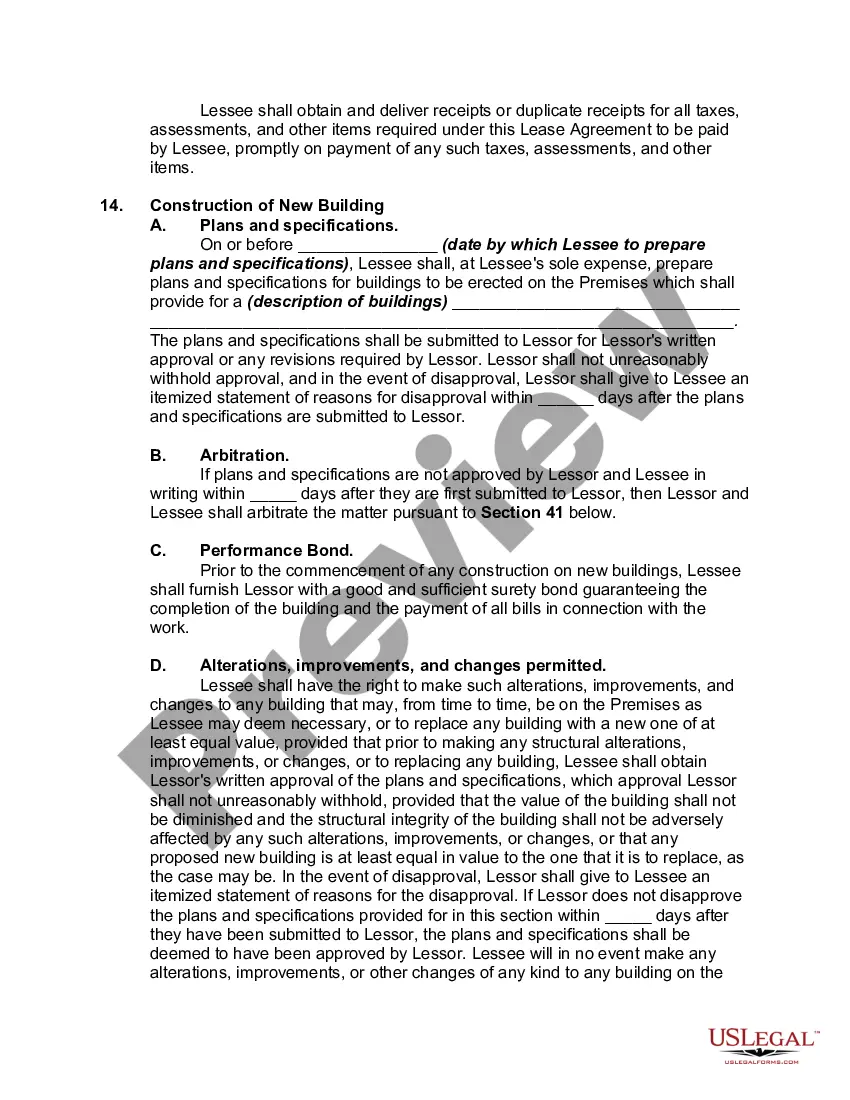
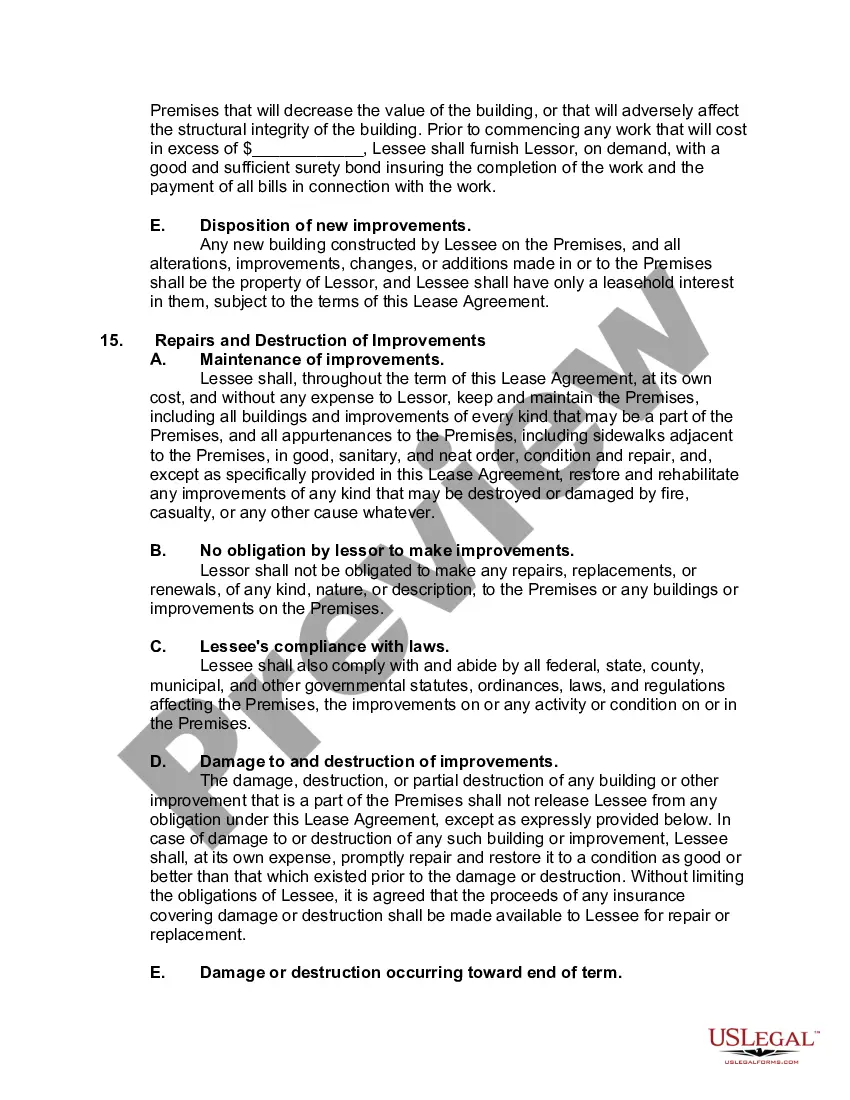
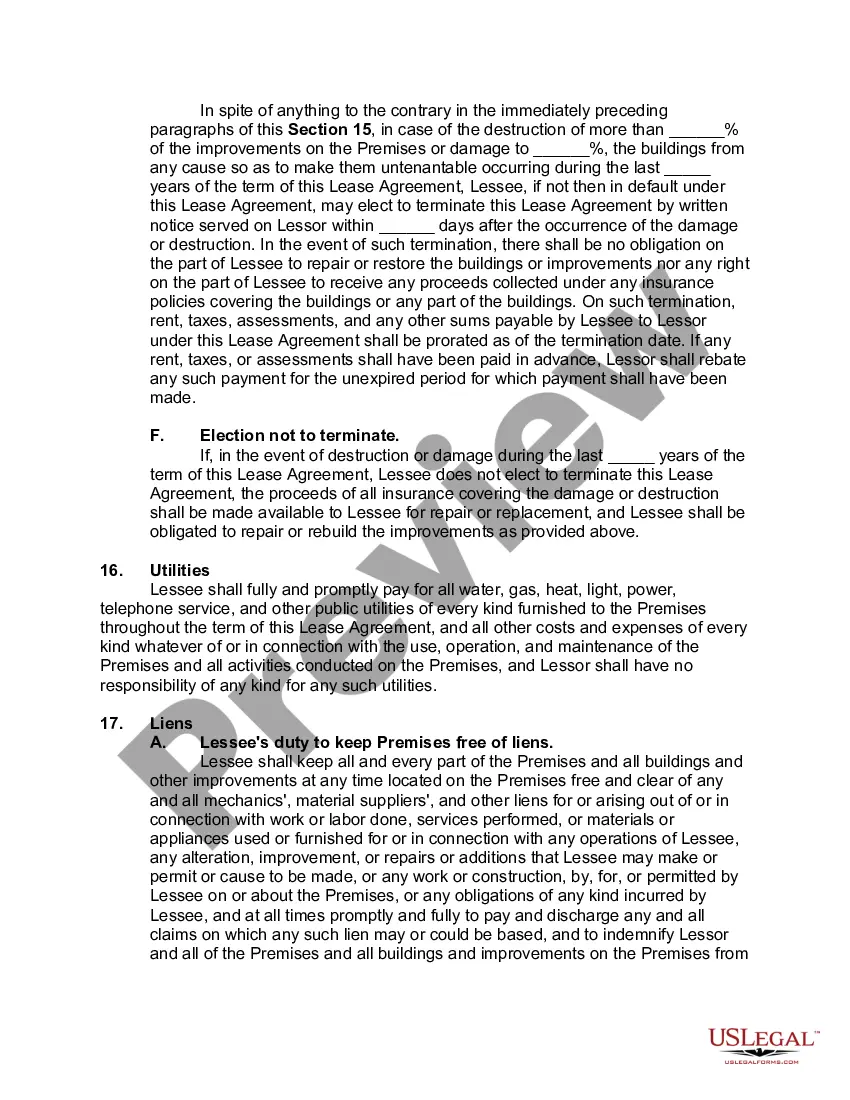

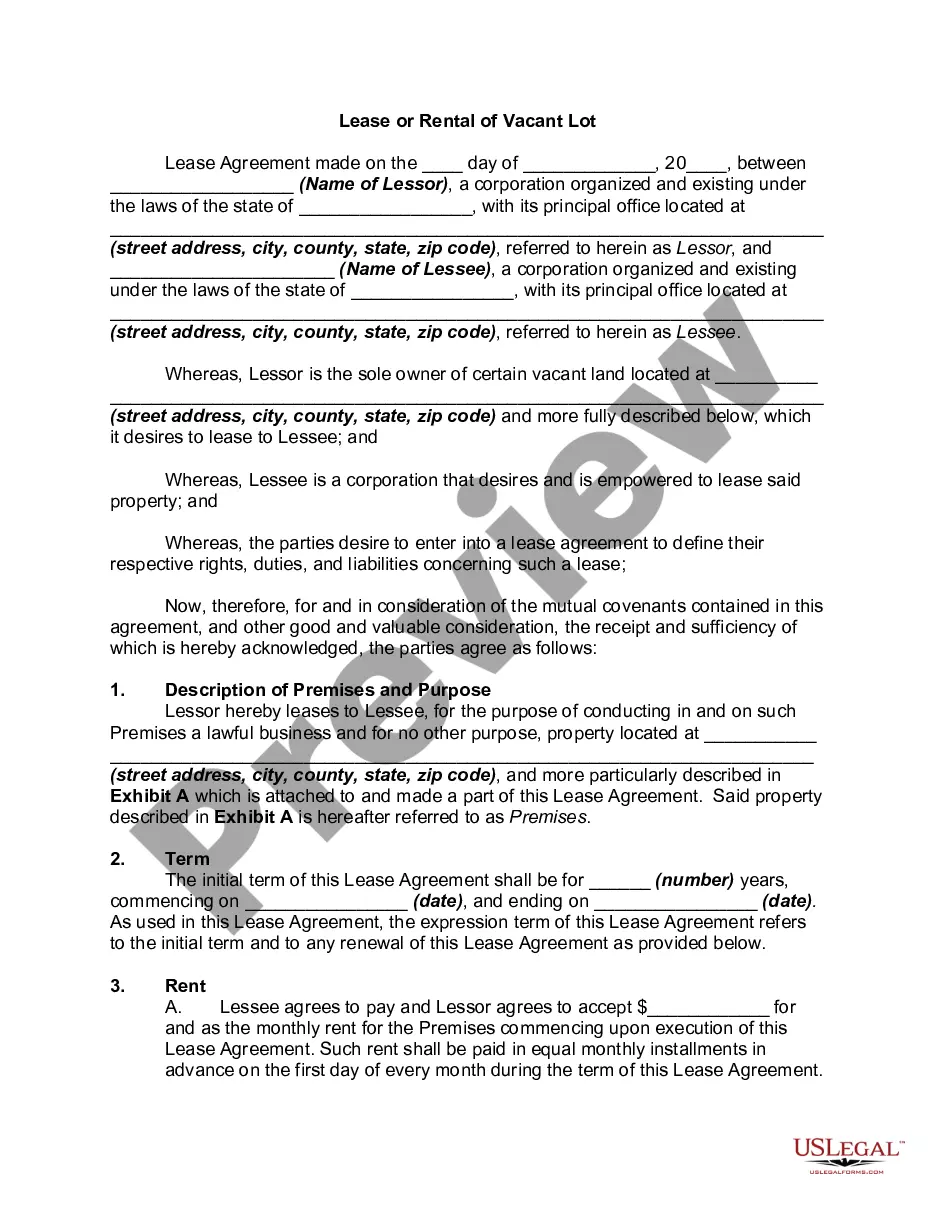
How to fill out Lease Or Rental Of Vacant Property Or Lot With Lessee To Have The Right To Construct Improvements?
- Begin by logging into your US Legal Forms account. Ensure your subscription is active to access the library.
- In the Preview mode, browse through the selection of form templates related to property improvements. Confirm that the chosen document aligns with your local jurisdiction’s requirements.
- If you don't find a suitable template, use the Search feature to explore other options that may fit your needs.
- Select the form that best meets your criteria. Click on the 'Buy Now' button and choose the subscription plan that works for you. You will need to create an account to proceed.
- Proceed to purchase. Enter your payment details or opt for PayPal to finalize your subscription.
- Download and save your selected form on your device. Access it easily anytime through the 'My Forms' section of your account.
Conclusion: By utilizing US Legal Forms, you empower yourself to effectively manage improvements to common property with legally sound documents. This platform is not just about forms; it’s about simplifying the process so that you can focus on enhancing your property.
Ready to take your property improvements to the next level? Sign up with US Legal Forms today!
Form popularity
FAQ
The primary difference lies in the nature and scope of the work. Capital improvements focus on long-term enhancements that increase property value, while repairs address immediate issues or wear-and-tear that does not significantly change the overall property. By distinguishing between the two, you can effectively plan for both urgent repairs and strategic improvements to common property.
Examples of capital improvements include adding a new roof, installing energy-efficient windows, or constructing an addition to a building. Such changes not only enhance living conditions but also raise property values. By recognizing these examples, homeowners can prioritize valuable improvements to common properties.
Capital improvements are substantial upgrades or additions that prolong a property's lifespan and increase its value. These improvements often require significant investment and are not routine maintenance tasks. Understanding this can help you plan effectively for common property improvements that yield long-term benefits.
Eligibility for government home improvement grants in Illinois typically applies to low-income households or those in need of urgent repairs. The grants often focus on helping families maintain safe and secure living environments. Visit our platform for detailed information on how to apply for these resources related to improvements to common property.
Improving a property means enhancing its value, functionality, or beauty through various upgrades. These enhancements can include a range of modifications, such as renovations to the interior or exterior. In terms of common property improvements, this can lead to better living conditions and increased property value.
Improvements with regard to property, as defined by Quizlet, typically refer to physical modifications that enhance the value or utility of the land. These can range from new buildings to upgrades in shared spaces that fall under common property. Understanding the spectrum of improvements to common property can help stakeholders make informed decisions.
An improvement of real property refers to any constructed alteration or enhancement that adds value and functionality. This encompasses everything from buildings to roads and infrastructure. Strategically applying improvements to common property leads to more appealing environments for all users.
In real estate terms, an improvement is considered any physical change made to enhance a piece of property. This includes additions, repairs, or renovations that can build or upgrade the structure. Proactively implementing improvements to common property can optimize shared spaces and increase overall value.
One notable disadvantage of common property is the potential for disputes among users regarding maintenance and usage. Since multiple individuals share the space, differing opinions on improvements can lead to conflict. It's crucial to communicate and involve all stakeholders in decisions about improvements to common property to foster harmony.
Improvements to the property encompass various modifications or renovations aimed at increasing the functionality or aesthetic appeal of land or buildings. These can include new constructions, repairs, enhancements, and landscaping. Focusing on improvements to common property ensures that all residents or users enjoy the benefits of these upgrades.