Personnel Payroll Associate Checklist
Overview of this form
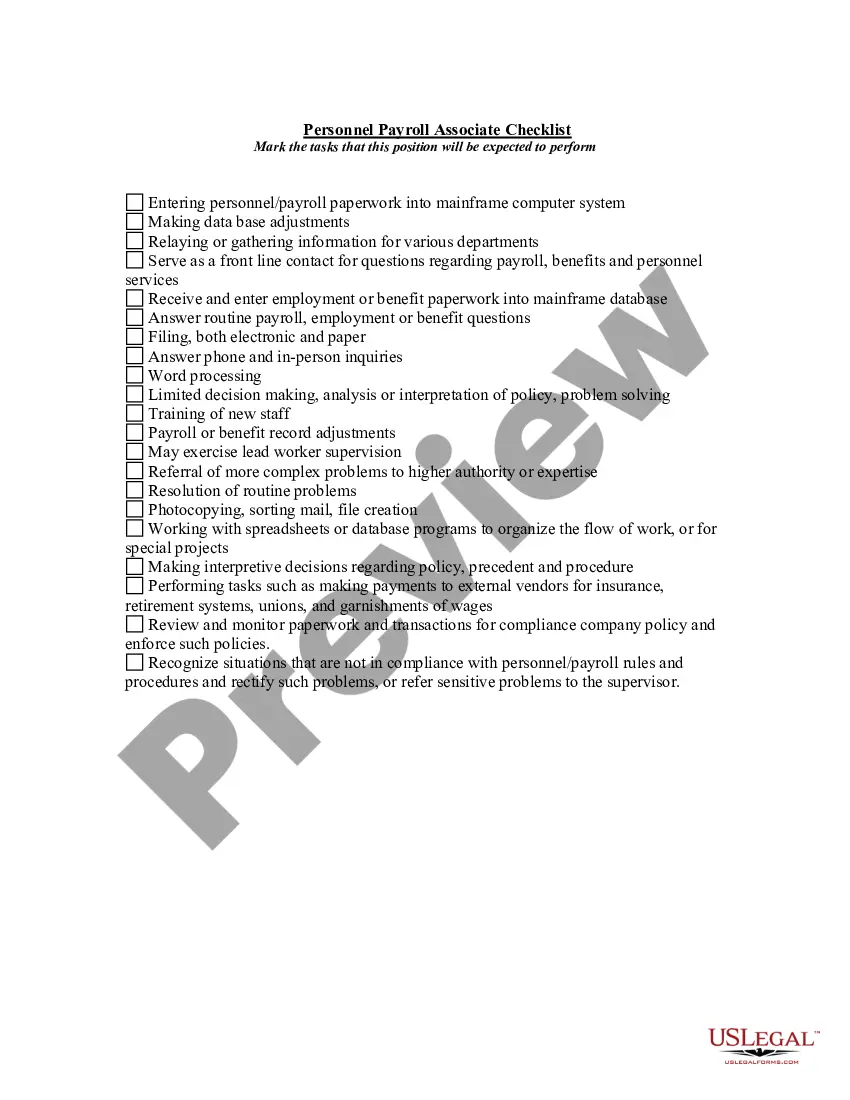
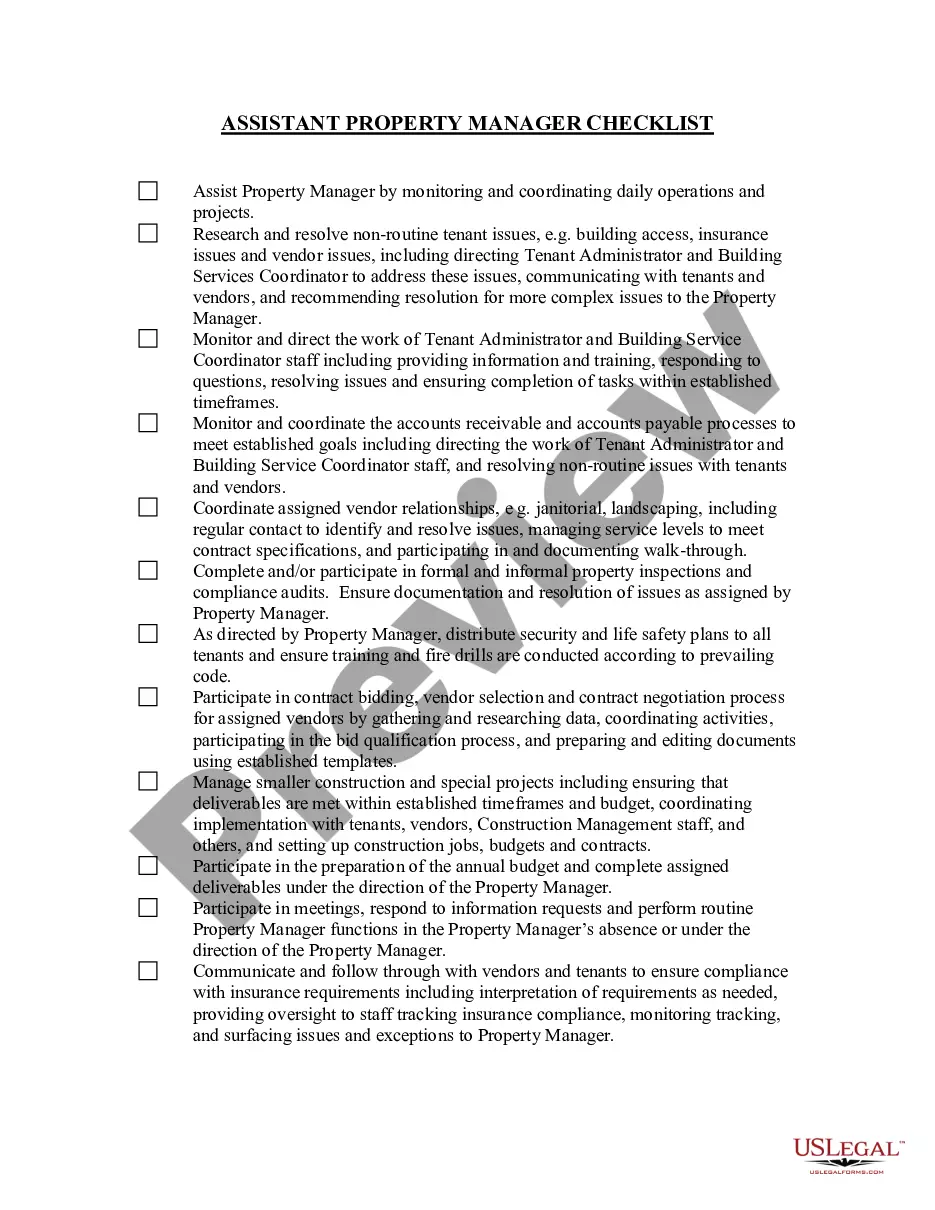
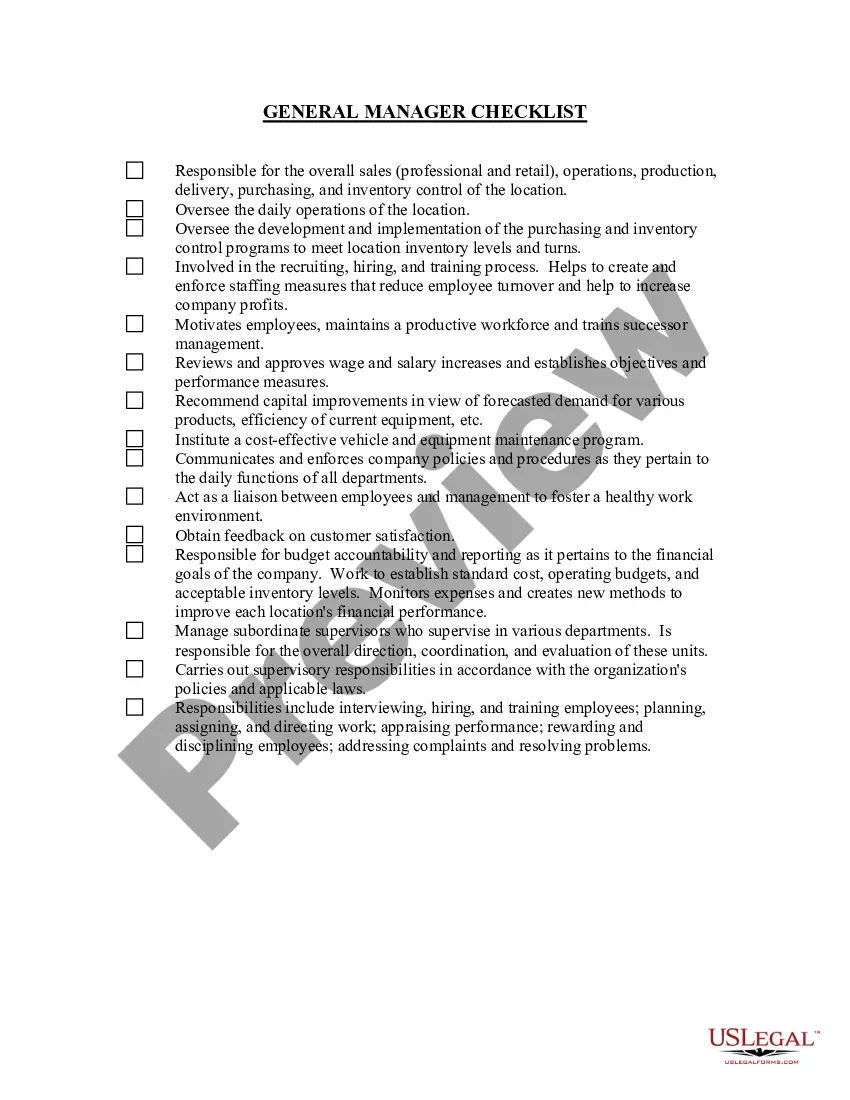
The Personnel Payroll Associate Checklist is a structured tool designed to outline the specific duties and responsibilities that a payroll associate is expected to perform. This checklist serves as a practical guide for both employers and employees in the payroll department, distinguishing it from similar forms by focusing specifically on the day-to-day tasks required in payroll management. This form helps standardize practices and ensure compliance with company policies and payroll procedures.
Form components explained
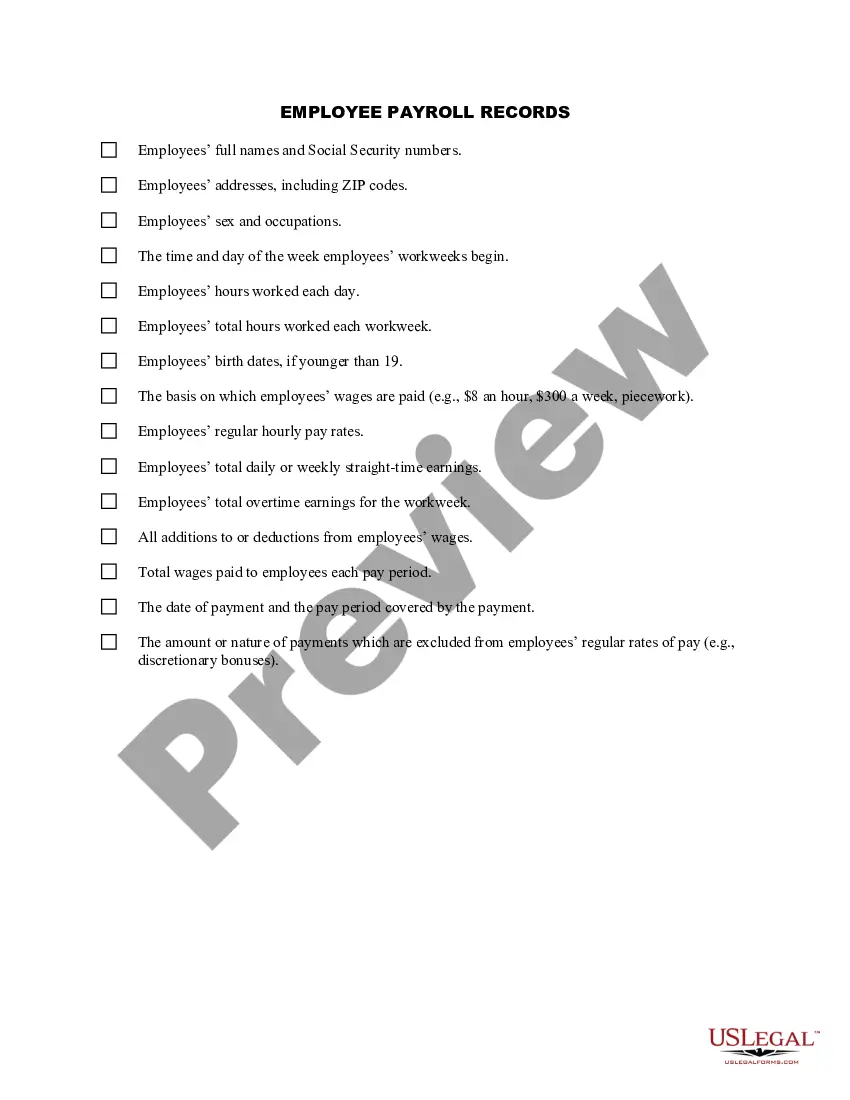
- Tasks related to personnel and payroll paperwork entry
- Database adjustments necessary for accurate payroll processing
- Contact points for payroll, benefits, and personnel inquiries
- Training and supervision responsibilities for new staff
- Monitoring compliance with company policies in payroll transactions
- Problem resolution for routine payroll issues
When to use this document
This checklist should be utilized whenever a payroll associate position is being created, filled, or evaluated in a business setting. It can also be useful during training or performance reviews to ensure that all required tasks related to payroll processing are being addressed. Additionally, it serves as a reference for existing payroll associates to review their responsibilities and align their work with company expectations.
Who needs this form
- HR managers looking to define payroll associate responsibilities
- Payroll associates to understand their required duties
- Trainers developing onboarding materials for new payroll staff
- Employers ensuring compliance with accurate payroll practices
Steps to complete this form
- Identify the key tasks expected of the payroll associate from the checklist.
- Mark off each task as it is reviewed to ensure comprehension and agreement.
- Provide the checklist to new payroll associates during their onboarding process.
- Use the checklist as a basis for training sessions and performance evaluations.
- Regularly review and update the checklist to reflect any changes in payroll processes or company policy.
Is notarization required?
This form usually doesn’t need to be notarized. However, local laws or specific transactions may require it. Our online notarization service, powered by Notarize, lets you complete it remotely through a secure video session, available 24/7.
Get your form ready online
Our built-in tools help you complete, sign, share, and store your documents in one place.
Make edits, fill in missing information, and update formatting in US Legal Forms—just like you would in MS Word.
Download a copy, print it, send it by email, or mail it via USPS—whatever works best for your next step.
Sign and collect signatures with our SignNow integration. Send to multiple recipients, set reminders, and more. Go Premium to unlock E-Sign.
If this form requires notarization, complete it online through a secure video call—no need to meet a notary in person or wait for an appointment.
We protect your documents and personal data by following strict security and privacy standards.

Make edits, fill in missing information, and update formatting in US Legal Forms—just like you would in MS Word.

Download a copy, print it, send it by email, or mail it via USPS—whatever works best for your next step.

Sign and collect signatures with our SignNow integration. Send to multiple recipients, set reminders, and more. Go Premium to unlock E-Sign.

If this form requires notarization, complete it online through a secure video call—no need to meet a notary in person or wait for an appointment.

We protect your documents and personal data by following strict security and privacy standards.
Common mistakes
- Overlooking key tasks that need to be included in employee training.
- Failing to update the checklist in accordance with changes in payroll procedures.
- Neglecting to review the checklist regularly with payroll associates.
Why use this form online
- Immediate access to updated checklist templates allowing for swift implementation.
- Easy customization to align with specific organizational needs.
- Secure storage and sharing capabilities, ensuring important documents are kept safe.
Legal use & context
- Provides a clear outline of expected responsibilities, helping prevent misunderstandings.
- Can assist in mitigating risks related to payroll compliance failures.
- Facilitates fair evaluations of payroll staff based on documented expectations.
Summary of main points
- The Personnel Payroll Associate Checklist outlines crucial tasks for payroll associates.
- Using this form can streamline payroll processes and ensure compliance.
- It is suitable for HR managers, payroll supervisors, and new payroll associates.
Looking for another form?

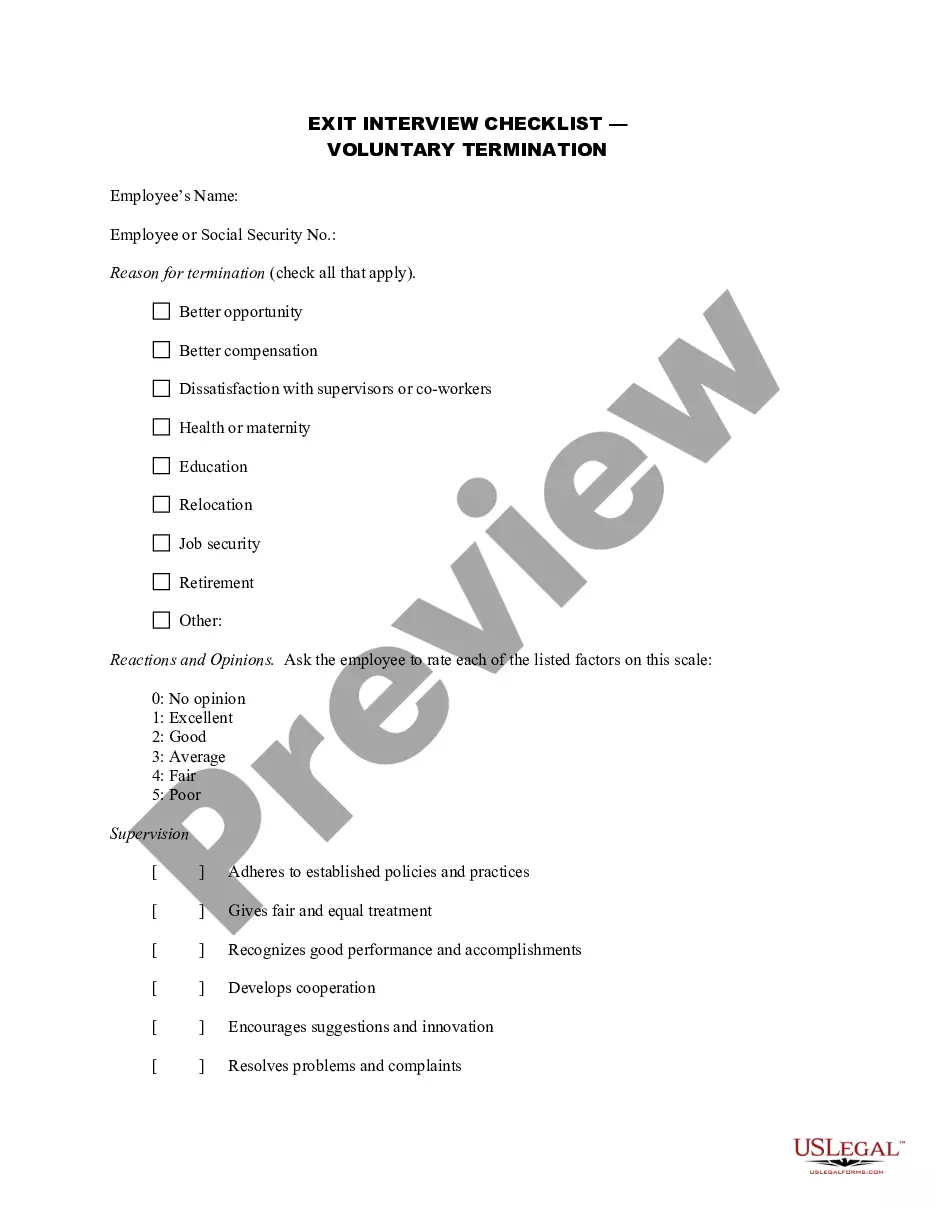
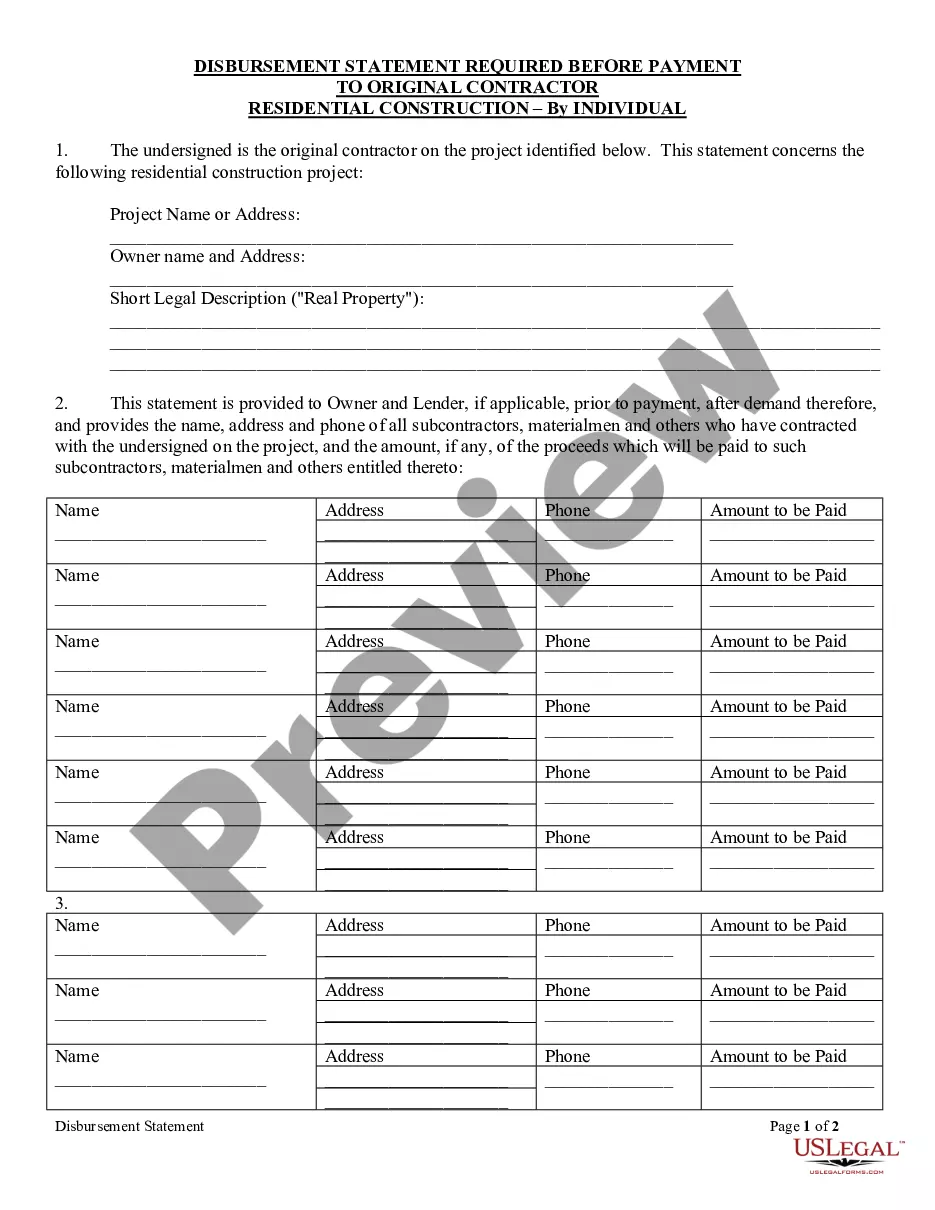
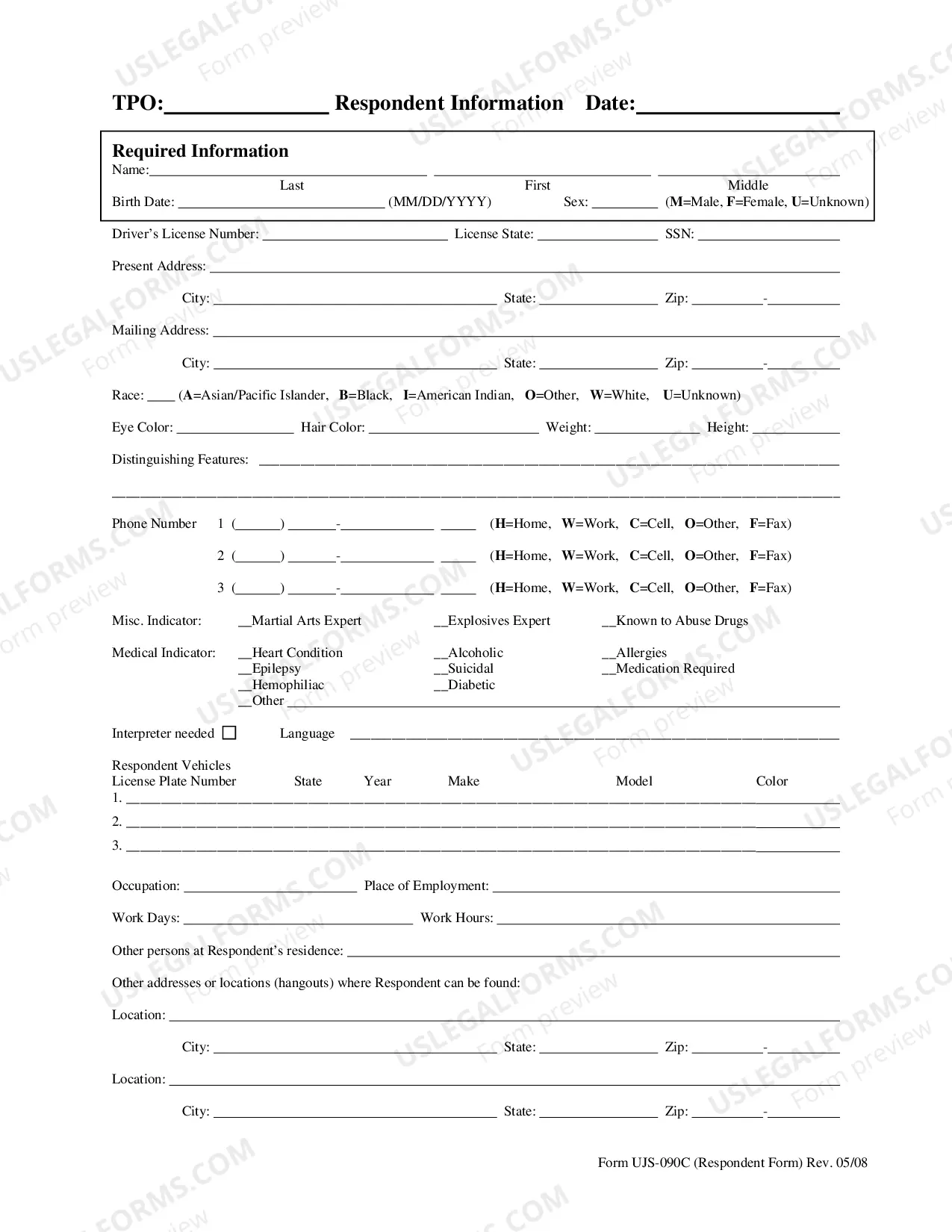
Form popularity
FAQ
In the state of California, every current employee, or his or her representative has the right to inspect and receive a copy of their personnel records, maintained by their employer.
2 Answers. A basic difference is that personnel refers to many people and employee refers to one individual. Oftentimes, in a company, there will be a "personnel department" that handles employment, benefits, hiring, and other tasks related to the employees of the company.
Personnel is a noun describing a group of people who follow orders, usually at a company. If you have a job, you're probably considered personnel to be managed.
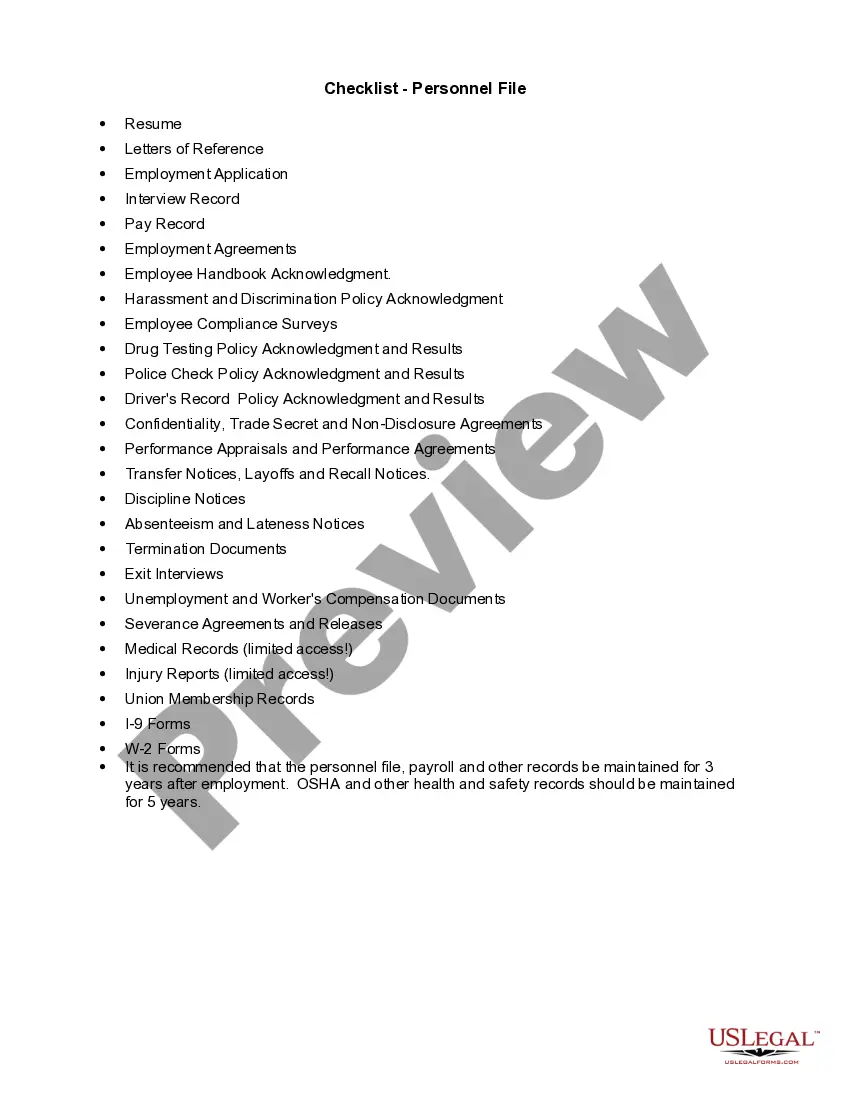
The employee personnel file is the main employee file that contains the history of the employment relationship from the employment application through an exit interview and employment termination documentation.
Effective January 1, 2013, California law provides that current and former employees (or a representative) have the right to inspect and receive a copy of the personnel files and records that relate to the employee's performance or to any grievance concerning the employee.
Information contained in a personal file may include, but is not limited to, curriculum vitae or resume; birth certificate; social insurance number; record of employment; leave records; insurance records; current and previous position descriptions; performance appraisals; letters of appointment, commendation, layoff,
Your Personnel File (California Labor Code § 1198.5)The employer must make the personnel file/performance documents available to the worker or his representative within 30 days from the date it receives a written request. If the employer fails to comply, the employee can recover a $750 penalty from the employer.
In the state of California, every current employee, or his or her representative has the right to inspect and receive a copy of their personnel records, maintained by their employer.
Job description. Job application and/or resume. Job offer. IRS Form W-4. Receipt or signed acknowledgment of employee handbook. Performance evaluations. Forms relating to employee benefits. Forms providing emergency contacts.