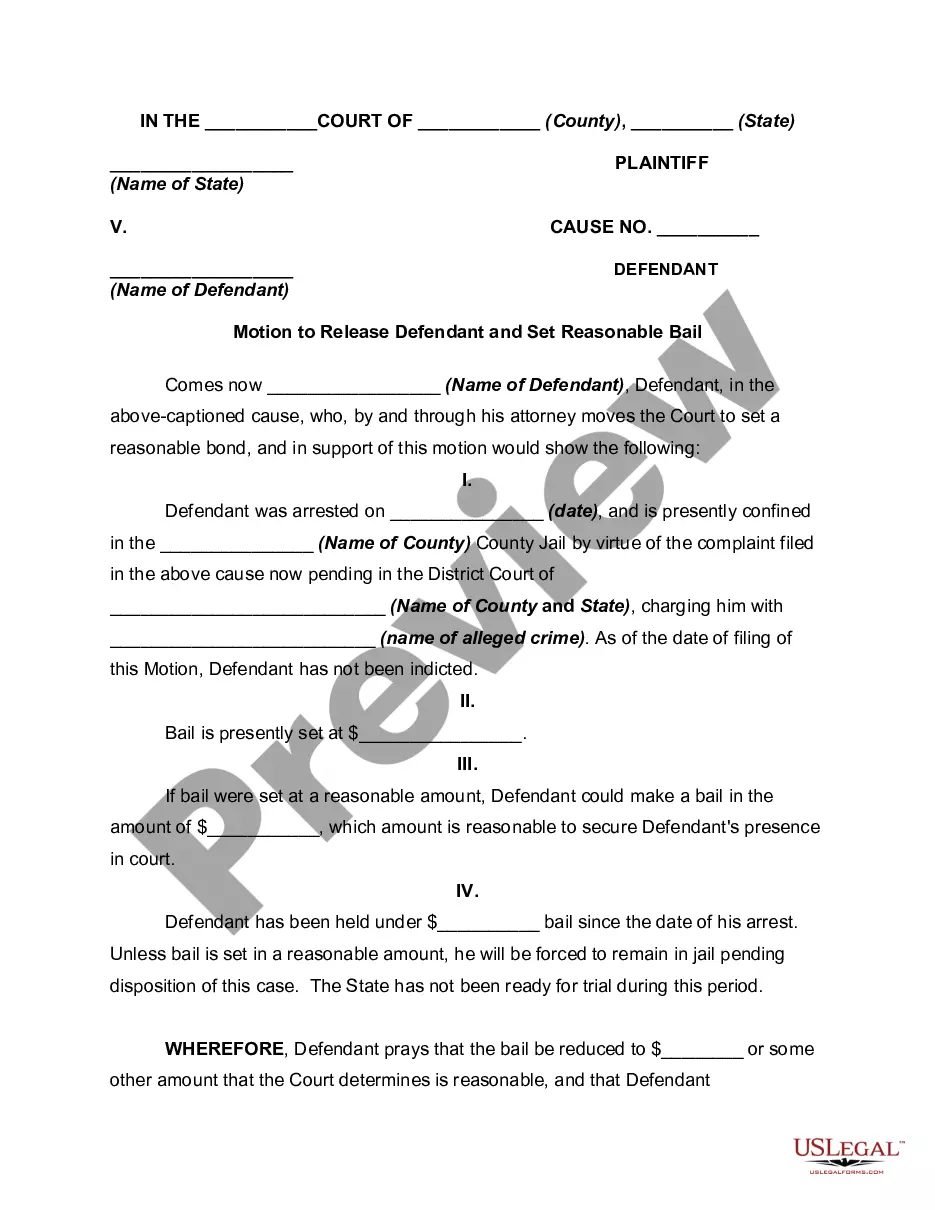
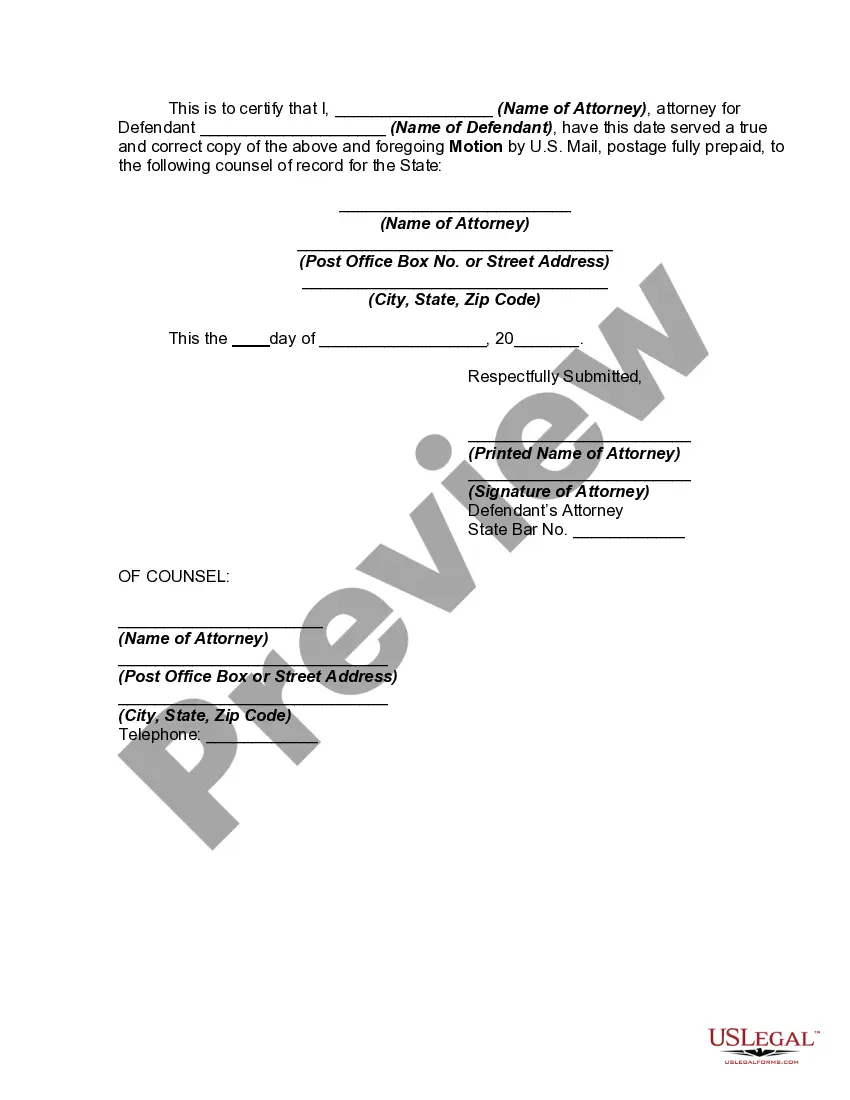
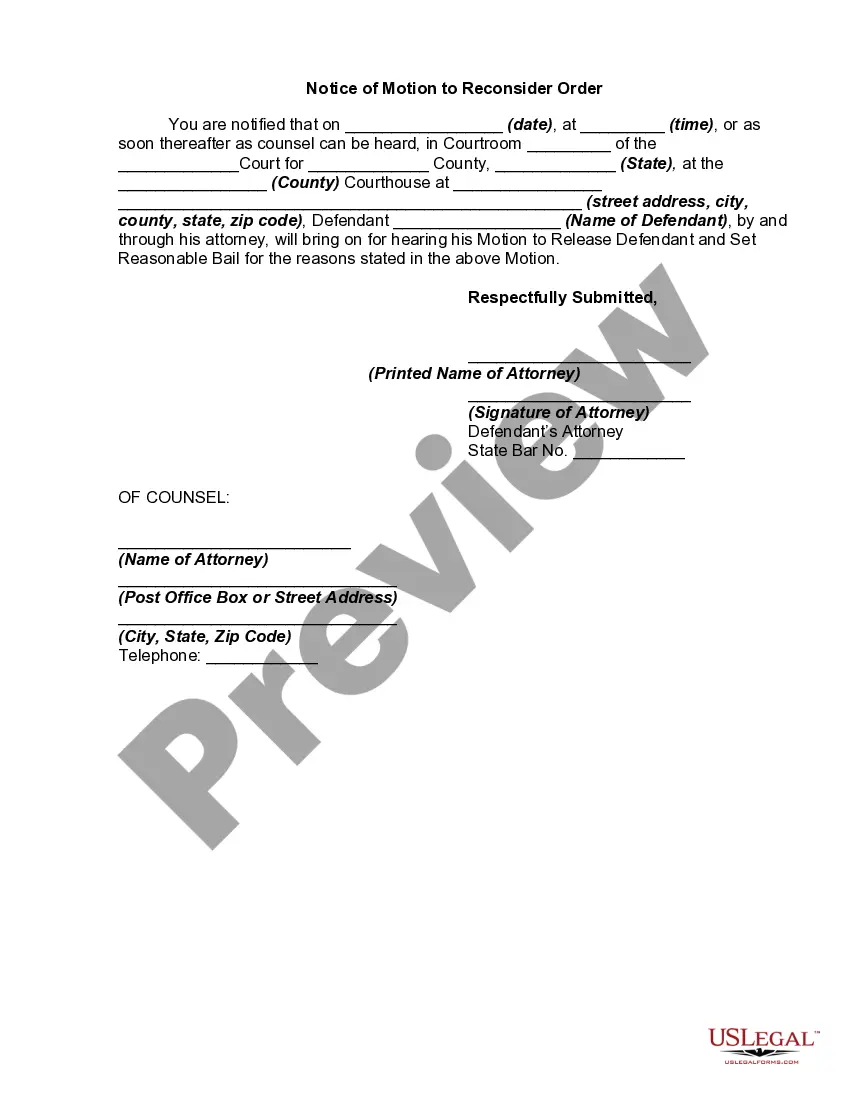
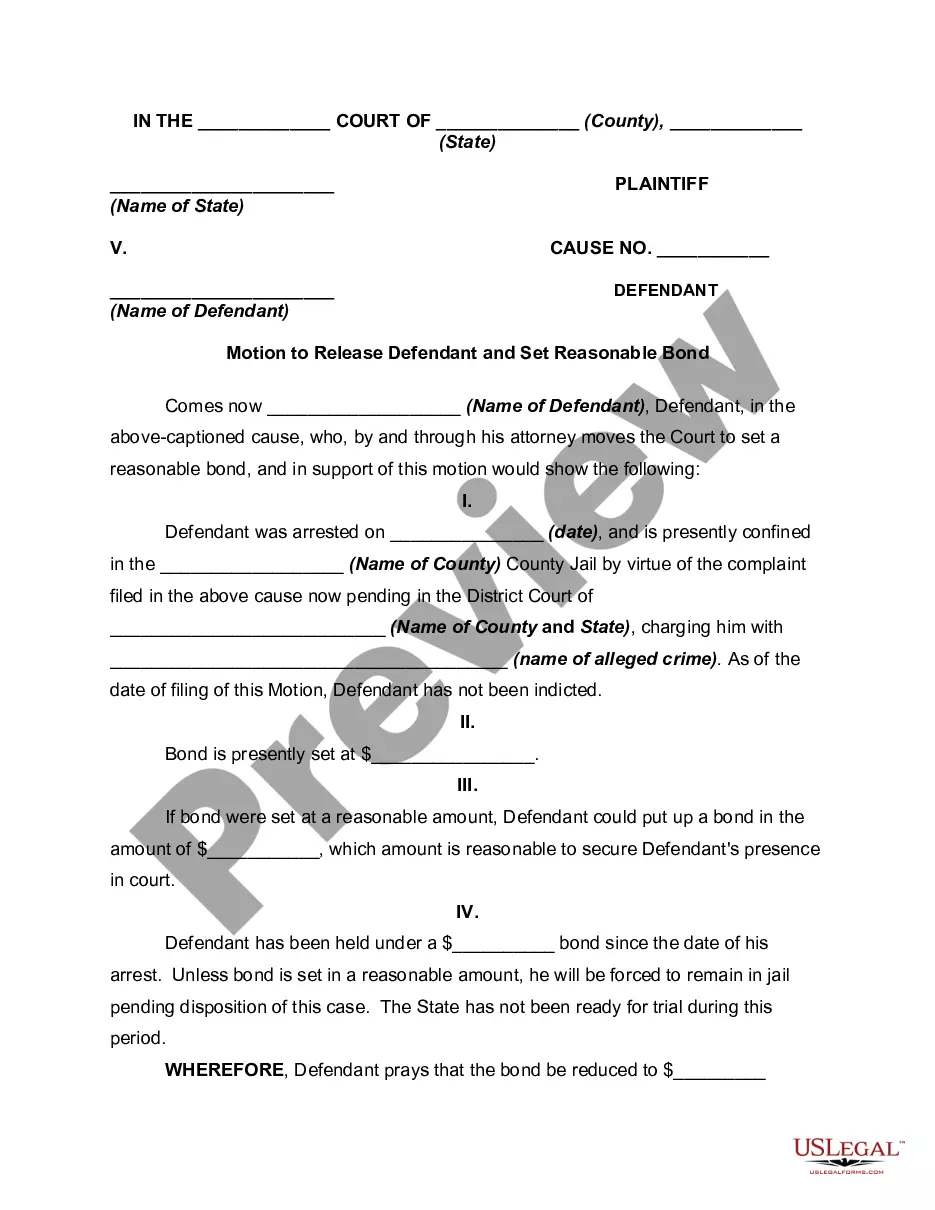
Motion For Bail Piece
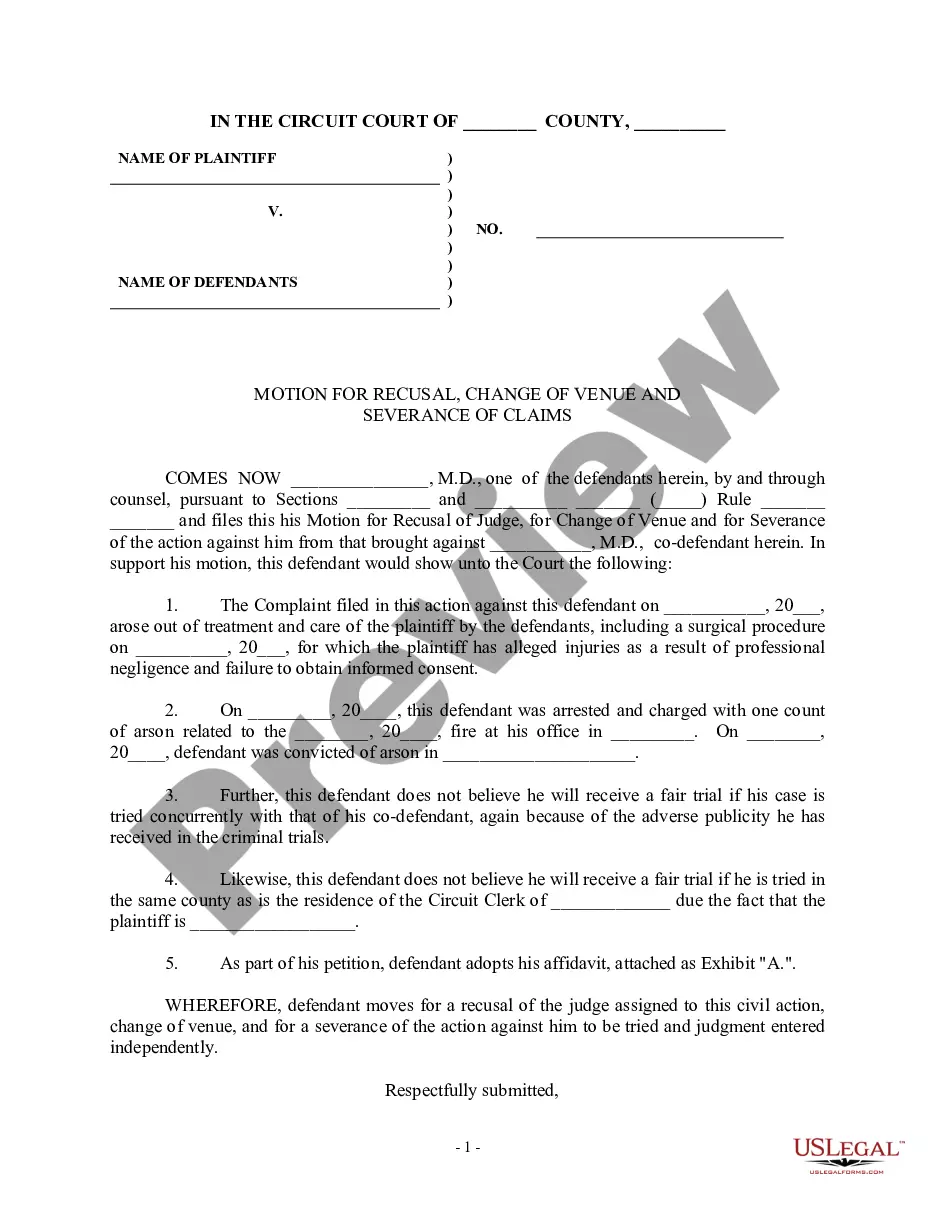
Description
Get your form ready online
Our built-in tools help you complete, sign, share, and store your documents in one place.
Make edits, fill in missing information, and update formatting in US Legal Forms—just like you would in MS Word.
Download a copy, print it, send it by email, or mail it via USPS—whatever works best for your next step.
Sign and collect signatures with our SignNow integration. Send to multiple recipients, set reminders, and more. Go Premium to unlock E-Sign.
If this form requires notarization, complete it online through a secure video call—no need to meet a notary in person or wait for an appointment.
We protect your documents and personal data by following strict security and privacy standards.

Make edits, fill in missing information, and update formatting in US Legal Forms—just like you would in MS Word.

Download a copy, print it, send it by email, or mail it via USPS—whatever works best for your next step.

Sign and collect signatures with our SignNow integration. Send to multiple recipients, set reminders, and more. Go Premium to unlock E-Sign.

If this form requires notarization, complete it online through a secure video call—no need to meet a notary in person or wait for an appointment.

We protect your documents and personal data by following strict security and privacy standards.
Looking for another form?

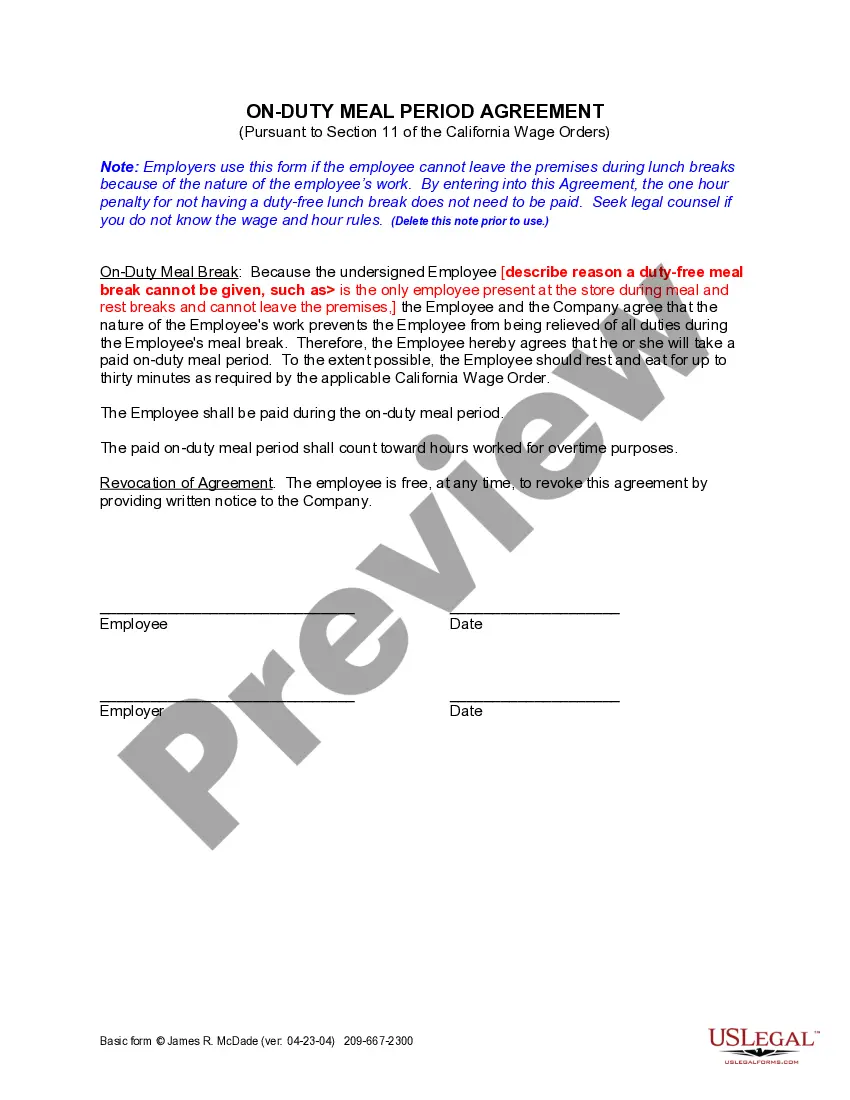




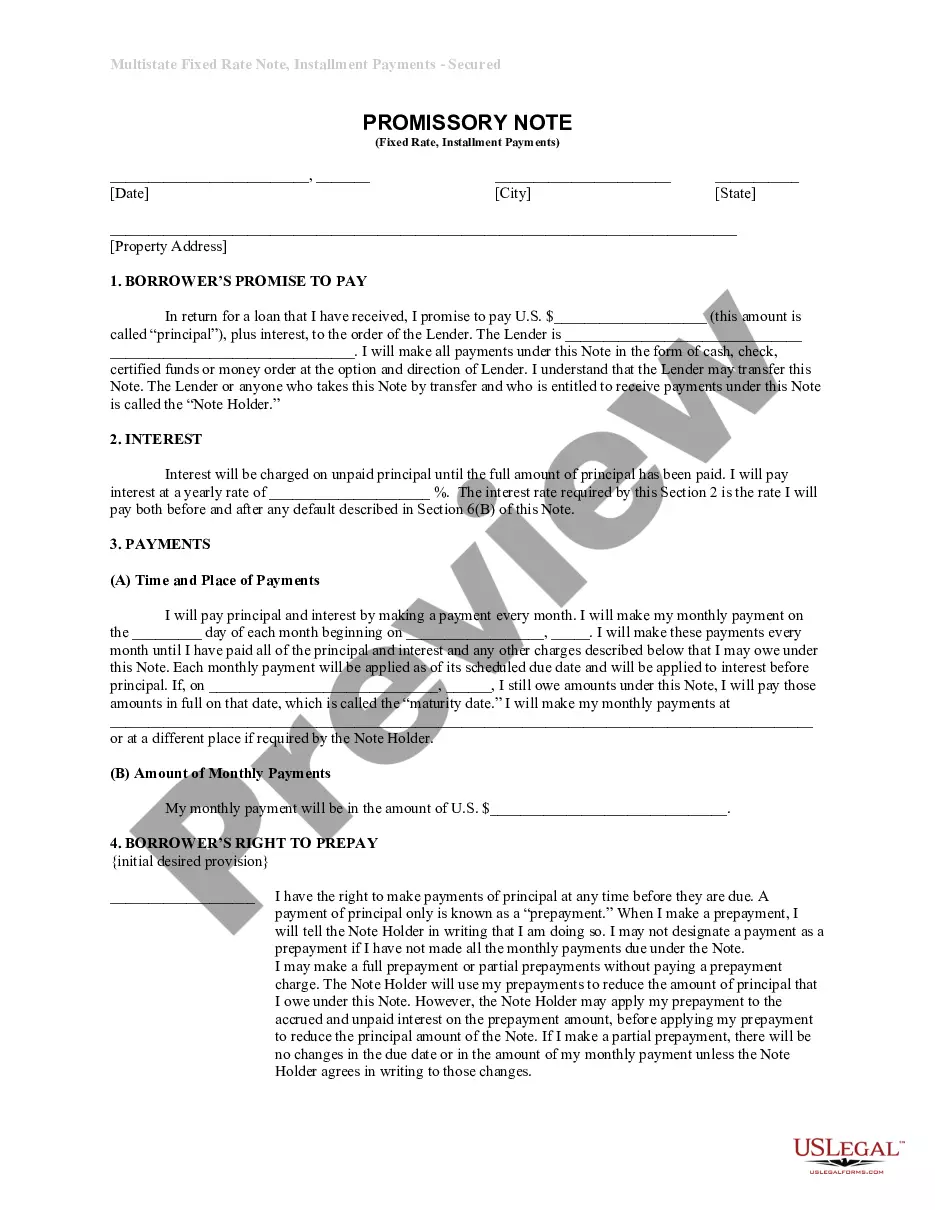
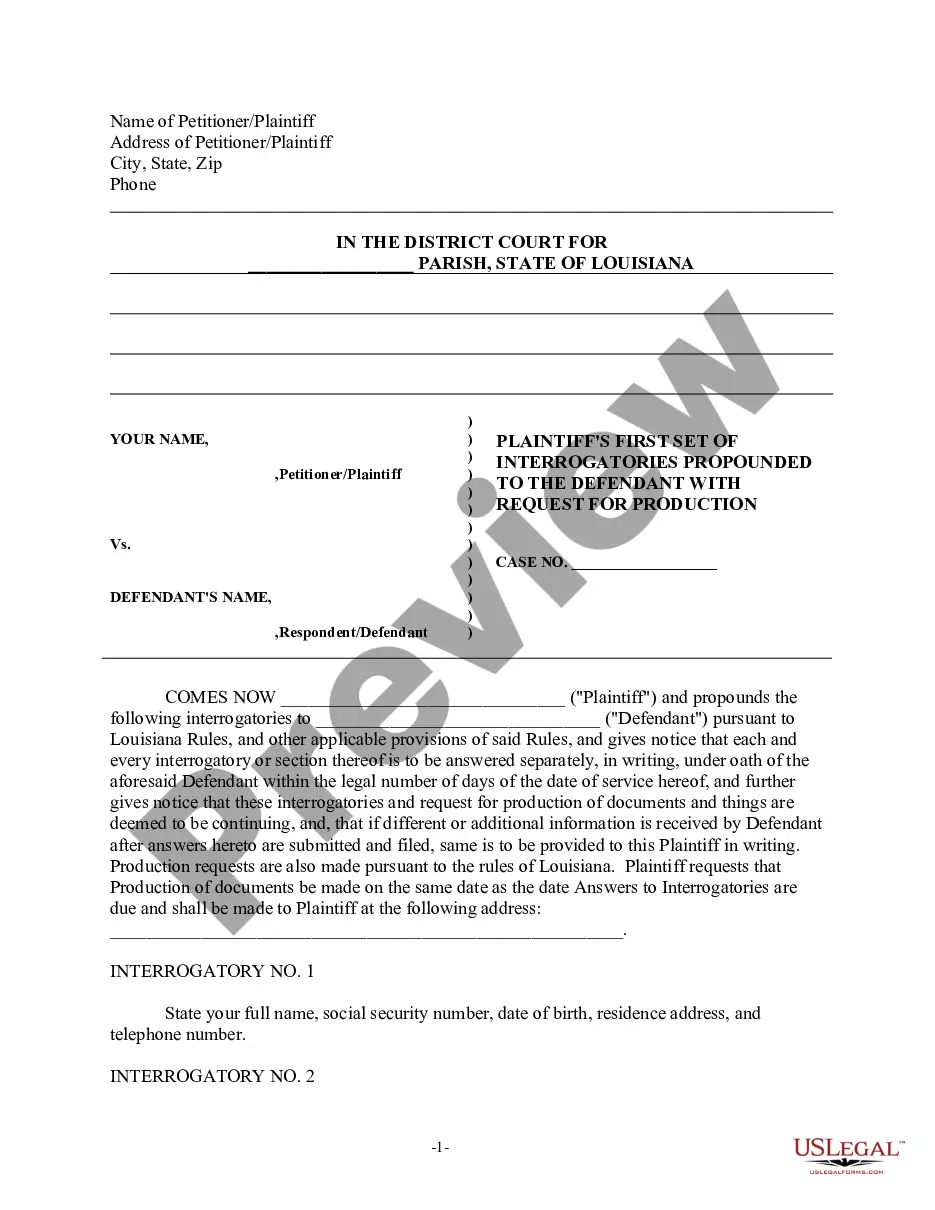

How to fill out Motion To Release Defendant And Set Reasonable Bail?
Managing legal affairs can be daunting, even for the most proficient professionals.
When you seek a Motion For Bail Document and don’t have the time to spend searching for the right and updated version, the process can be taxing.
Access state- or county-specific legal and business paperwork. US Legal Forms addresses all your needs, from personal to business documents, all in one place.
Utilize modern tools to execute and manage your Motion For Bail Document.
Here are the steps to follow after obtaining the desired document: Confirm that this is the correct form by previewing it and reading its details. Ensure that the sample is valid in your state or county. Click Buy Now when you are ready. Select a monthly subscription option. Choose the format you prefer, and Download, fill out, eSign, print, and send your document. Enjoy the US Legal Forms online directory, supported by 25 years of experience and reliability. Streamline your daily document management into a straightforward and user-friendly process today.
- Access a comprehensive resource hub of articles, guides, handbooks, and materials pertinent to your case and needs.
- Save both time and effort searching for the documents you require, using US Legal Forms’ advanced search and Review feature to locate and obtain your Motion For Bail Document.
- If you hold a subscription, Log In to your US Legal Forms account, search for the document, and obtain it.
- Check your My documents tab to review the files you have previously downloaded and manage your folders as necessary.
- If it's your initial experience with US Legal Forms, set up an account to gain unlimited access to all platform benefits.
- A powerful online form directory can be transformative for anyone wishing to navigate these matters efficiently.
- US Legal Forms stands as a leading provider of online legal documents, featuring over 85,000 state-specific forms accessible at any time.
- With US Legal Forms, you are enabled to.
Form popularity
FAQ
One primary reason a judge may deny bail is the risk of the defendant fleeing before their court date. If a judge assesses that the defendant may evade prosecution or sentencing, they are likely to deny bail. A strategic Motion for bail piece can address this concern by demonstrating the defendant's ties to the community and their commitment to appear in court.
A judge may deny bail if they believe the suspect poses a substantial threat to others, the community, or themselves. Other considerations include the seriousness of the crime, potential punishment if convicted, and whether the suspect has a history of breaching court orders. Crafting a persuasive Motion for bail piece could challenge these concerns and support the defendant's release.
Yes, there can be circumstances where it is in the best interest of public safety for a person to be held without bail. This might include cases involving violent crimes or when a defendant poses a significant flight risk. In such instances, a Motion for bail piece may be used by the defense to argue for at least minimal bail conditions.
Some defendants are denied bail due to concerns about public safety or flight risk. Courts often consider the nature of the charges, prior convictions, and the defendant's ties to the community. A well-prepared Motion for bail piece can highlight mitigating factors that may improve the chances of securing bail.
The US government can deny bail under several circumstances, typically related to a defendant's flight risk or potential danger to the community. Factors such as serious criminal history, previous escape attempts, or the severity of the charges can play a significant role in this decision. In these cases, the Motion for bail piece may not be sufficient without compelling counterarguments or evidence.
To obtain another bond hearing, you typically need to file a Motion for bail piece with the court. This motion must outline why a new hearing is necessary and provide supporting evidence or details regarding any changes in your circumstances. It's advisable to work with an attorney who can help you navigate the process and strengthen your request for a new hearing.
A motion to modify conditions of release is a request to change the stipulations set by the court for a defendant's release on bail. This could involve adjustments to travel restrictions, curfews, or reporting requirements. Engaging with a motion for bail piece can help clarify how to effectively administer this request.
Filing a bond motion typically requires preparing and submitting paperwork to the court, which can vary in time depending on local court procedures. Generally, once submitted, the court may set a hearing date, which can take anywhere from days to weeks. Utilizing a motion for bail piece can streamline this process by providing you with a clear outline of necessary steps.
A motion for bond forfeiture is a legal request made by the state to retain the bail amount due to a defendant's failure to comply with court conditions, such as not appearing for scheduled hearings. This motion seeks to guarantee the court's interests by addressing a breach of the bail agreement. Having a motion for bail piece can provide insights into this serious matter and how to respond.
The duration someone can remain out on bail primarily depends on the specific conditions attached to their bail and the laws in their jurisdiction. Typically, the bail remains in effect until the conclusion of the legal process, including trials and appeals. Understanding this through a motion for bail piece can clarify any legal timeframes applicable to your situation.