Federal Court Cases
Description
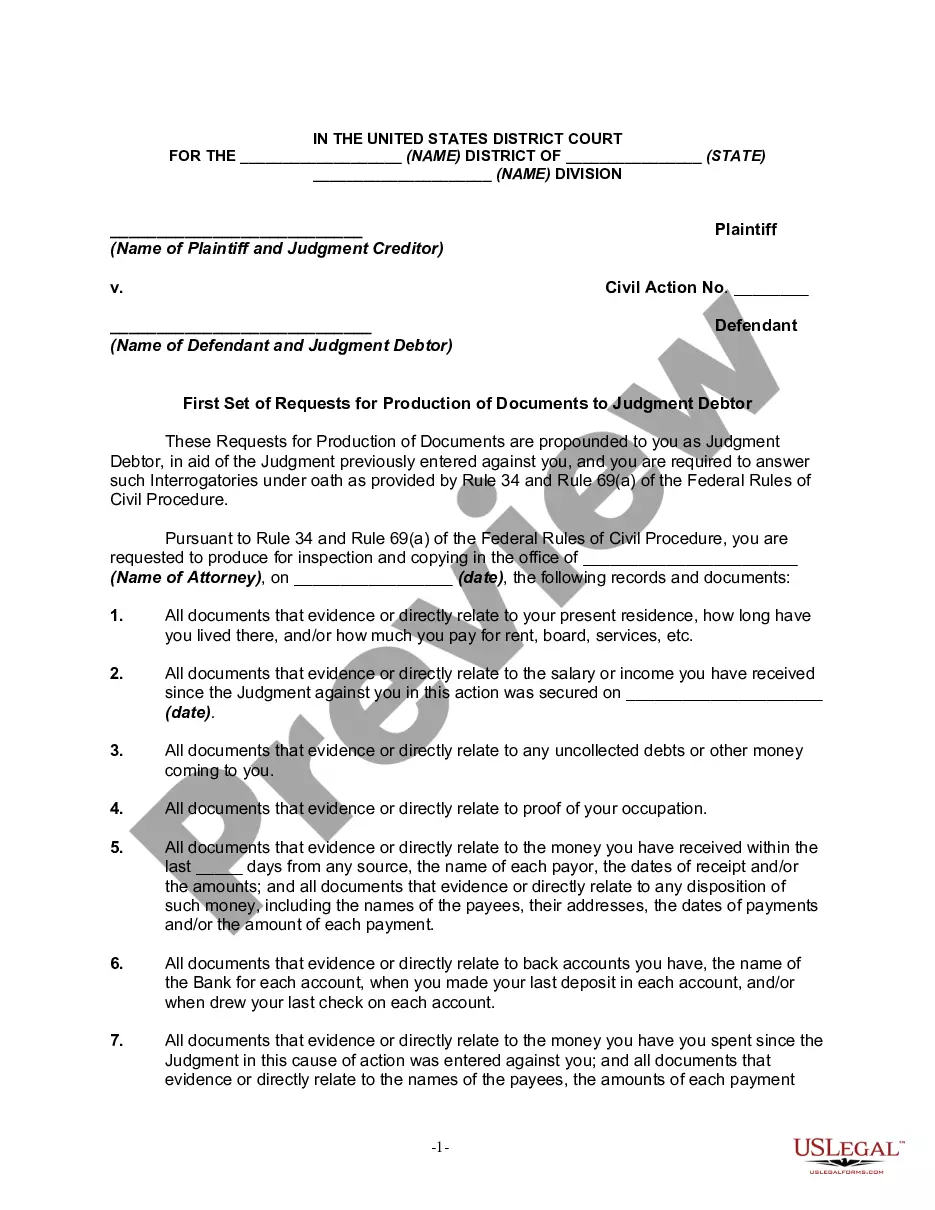
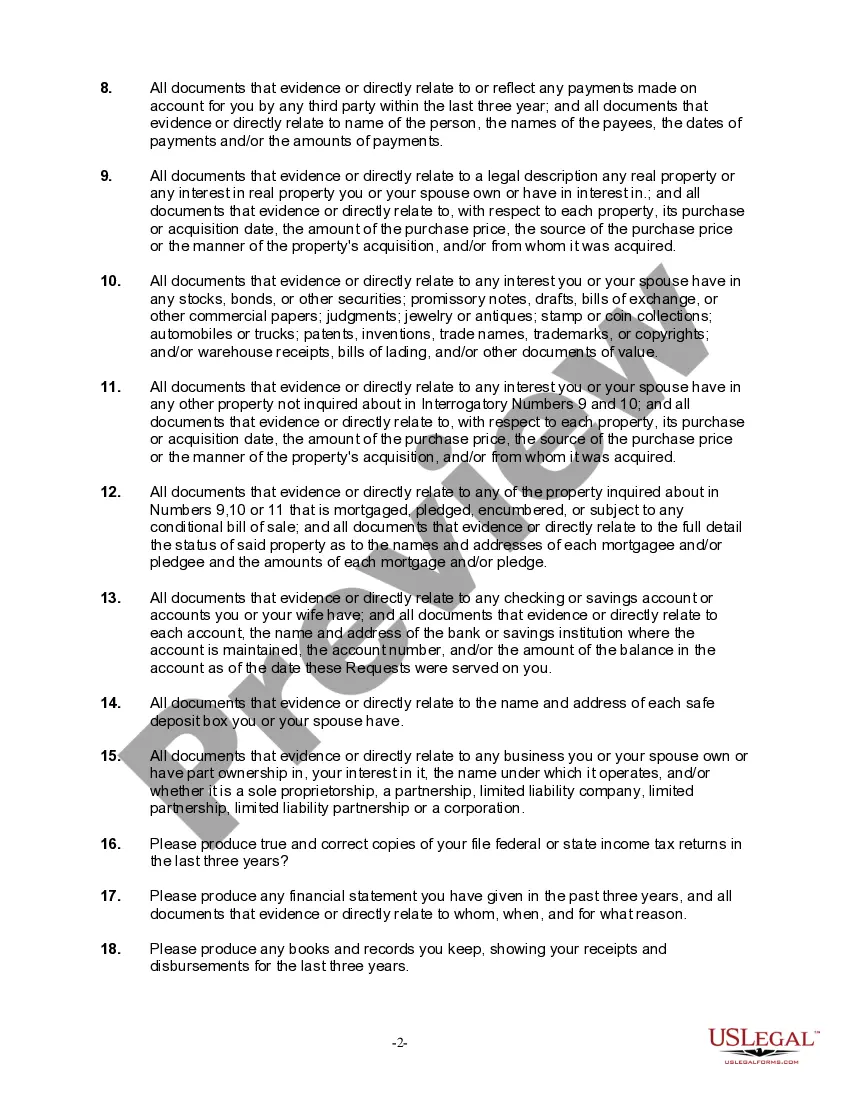
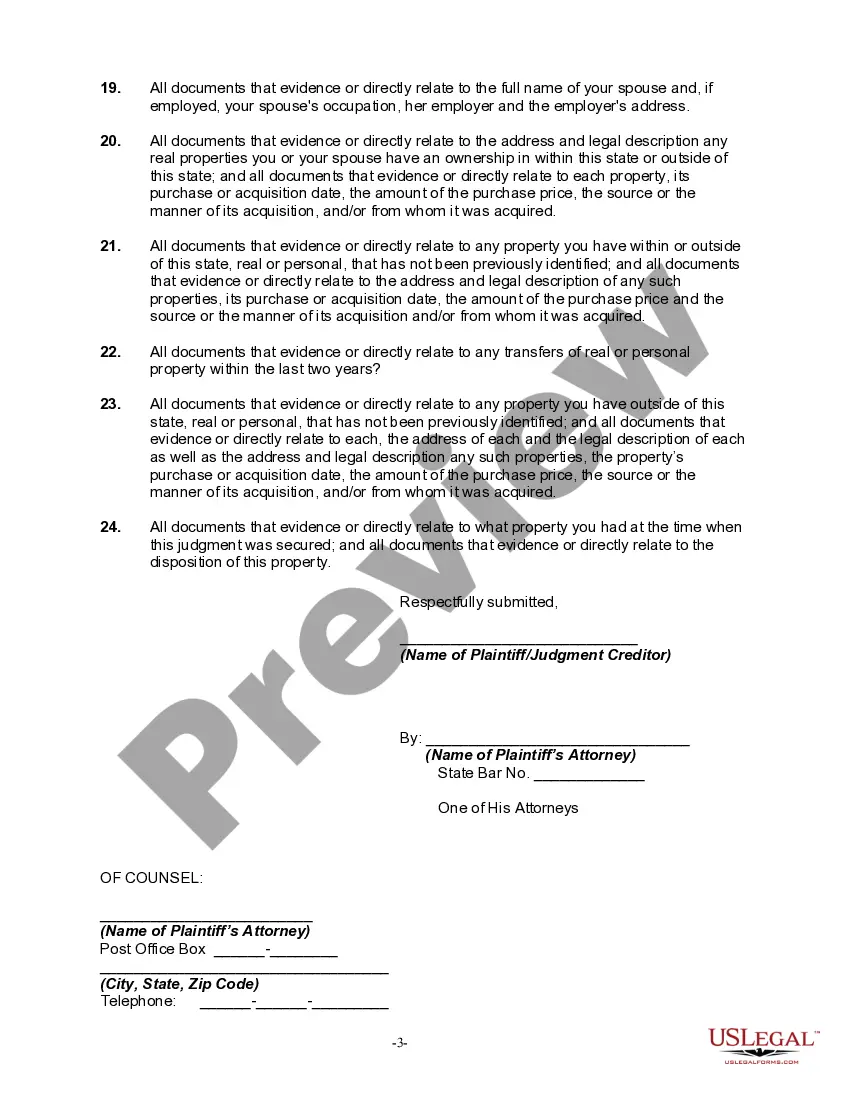
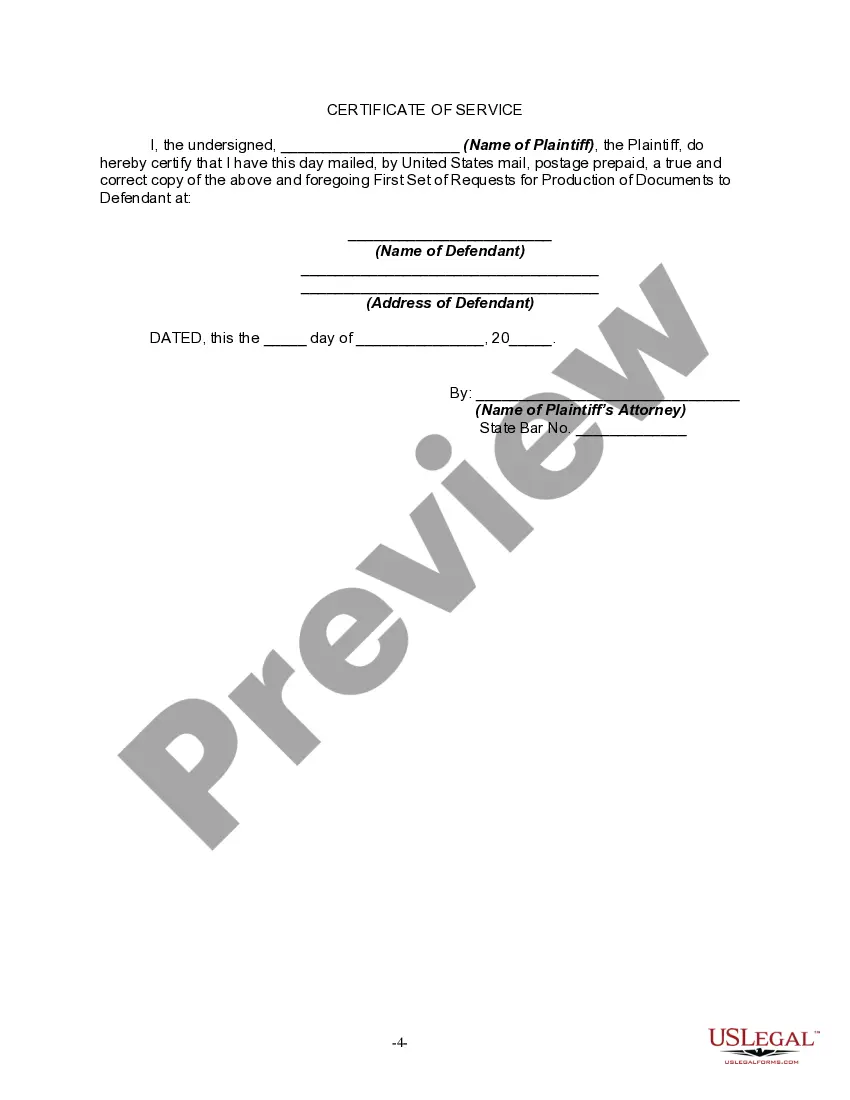
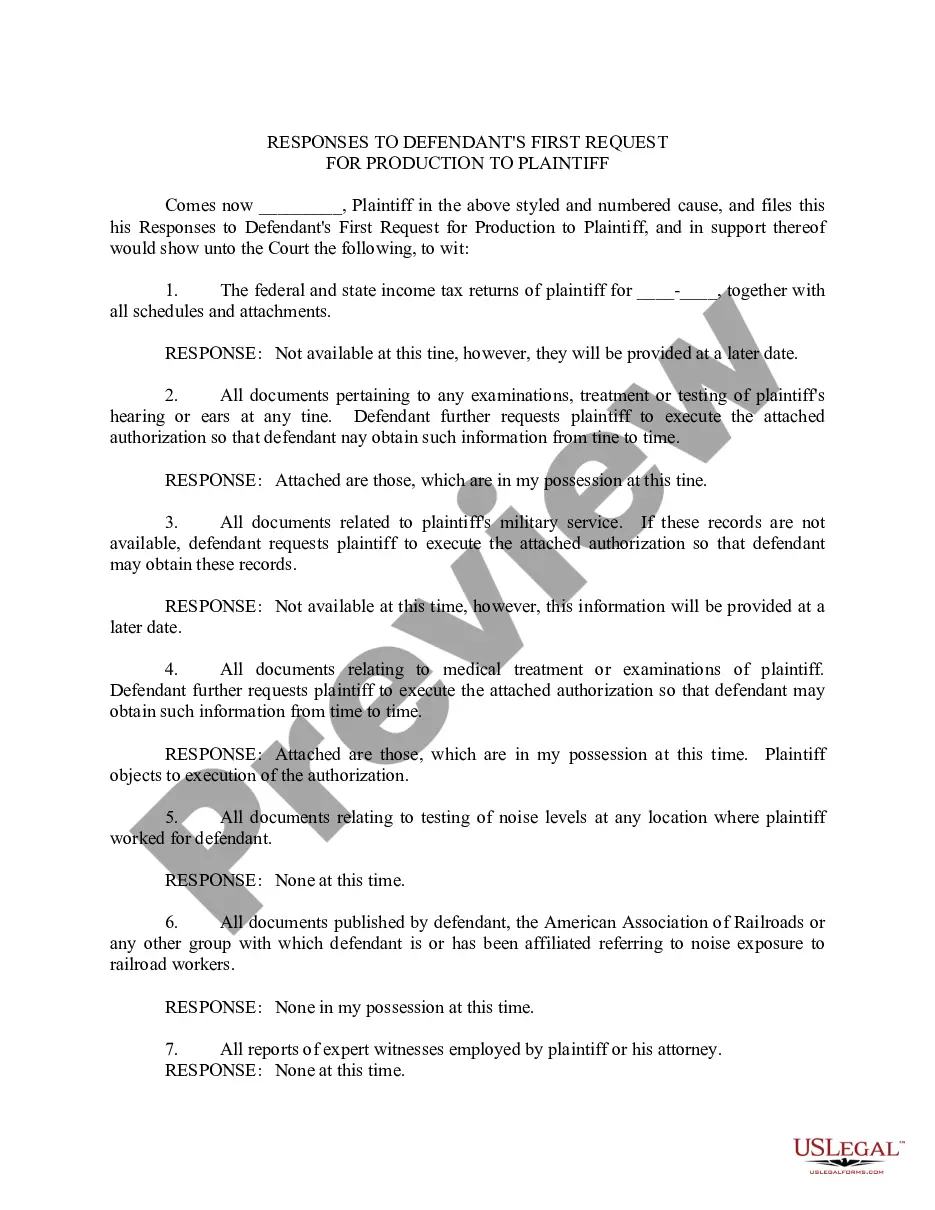
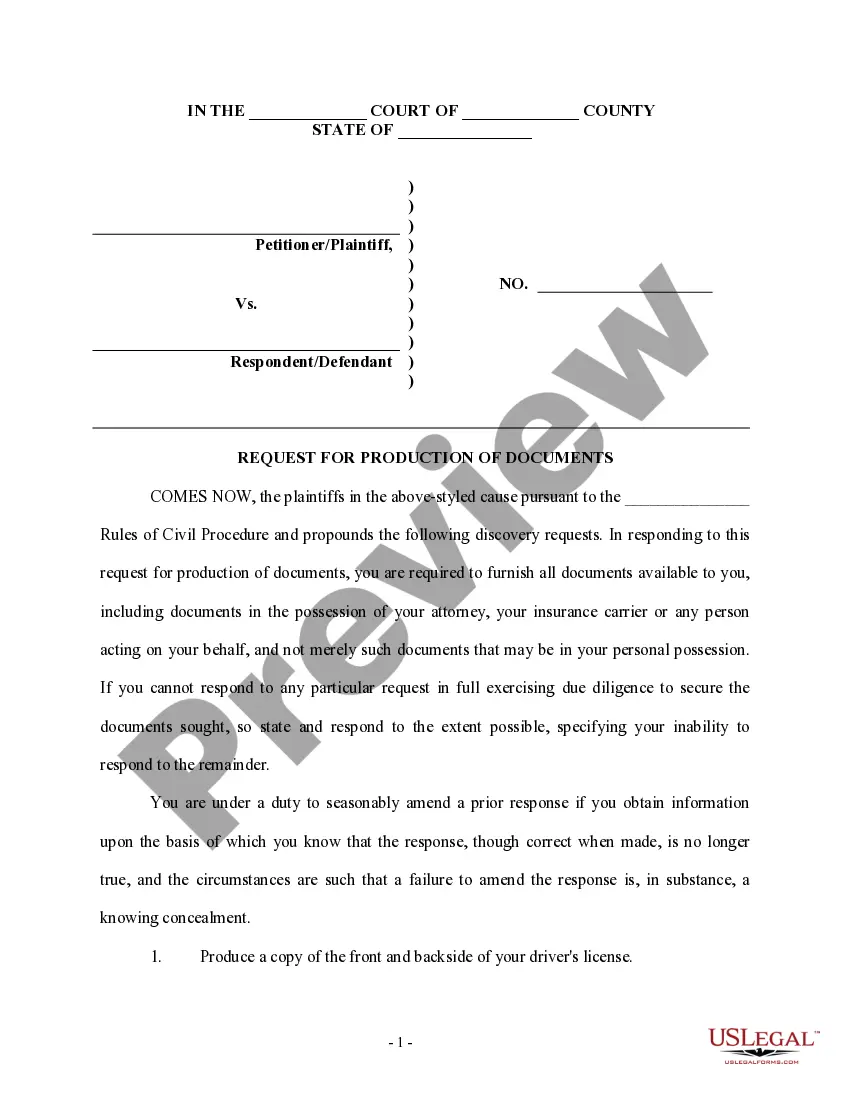
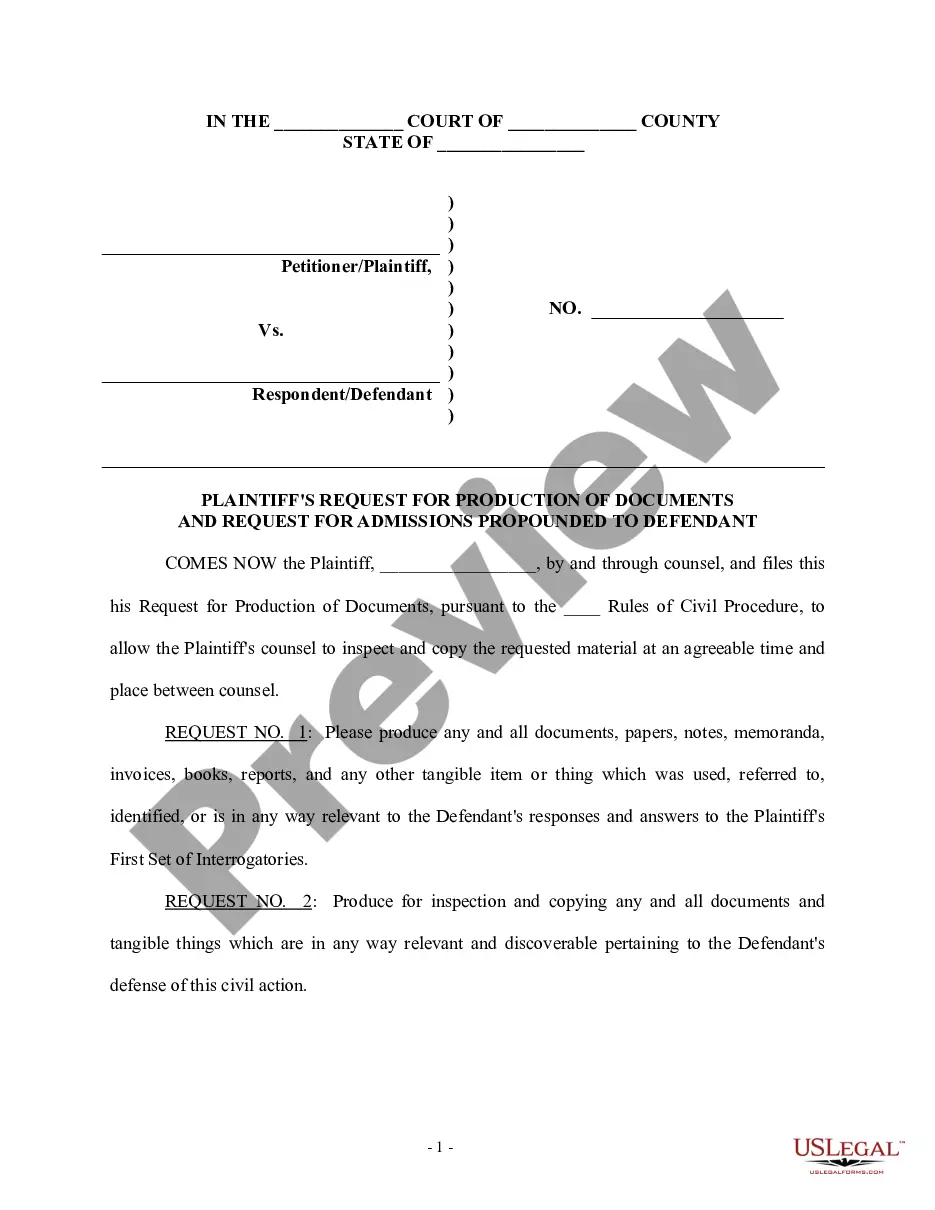
Get your form ready online
Our built-in tools help you complete, sign, share, and store your documents in one place.
Make edits, fill in missing information, and update formatting in US Legal Forms—just like you would in MS Word.
Download a copy, print it, send it by email, or mail it via USPS—whatever works best for your next step.
Sign and collect signatures with our SignNow integration. Send to multiple recipients, set reminders, and more. Go Premium to unlock E-Sign.
If this form requires notarization, complete it online through a secure video call—no need to meet a notary in person or wait for an appointment.
We protect your documents and personal data by following strict security and privacy standards.

Make edits, fill in missing information, and update formatting in US Legal Forms—just like you would in MS Word.

Download a copy, print it, send it by email, or mail it via USPS—whatever works best for your next step.

Sign and collect signatures with our SignNow integration. Send to multiple recipients, set reminders, and more. Go Premium to unlock E-Sign.

If this form requires notarization, complete it online through a secure video call—no need to meet a notary in person or wait for an appointment.

We protect your documents and personal data by following strict security and privacy standards.
Looking for another form?
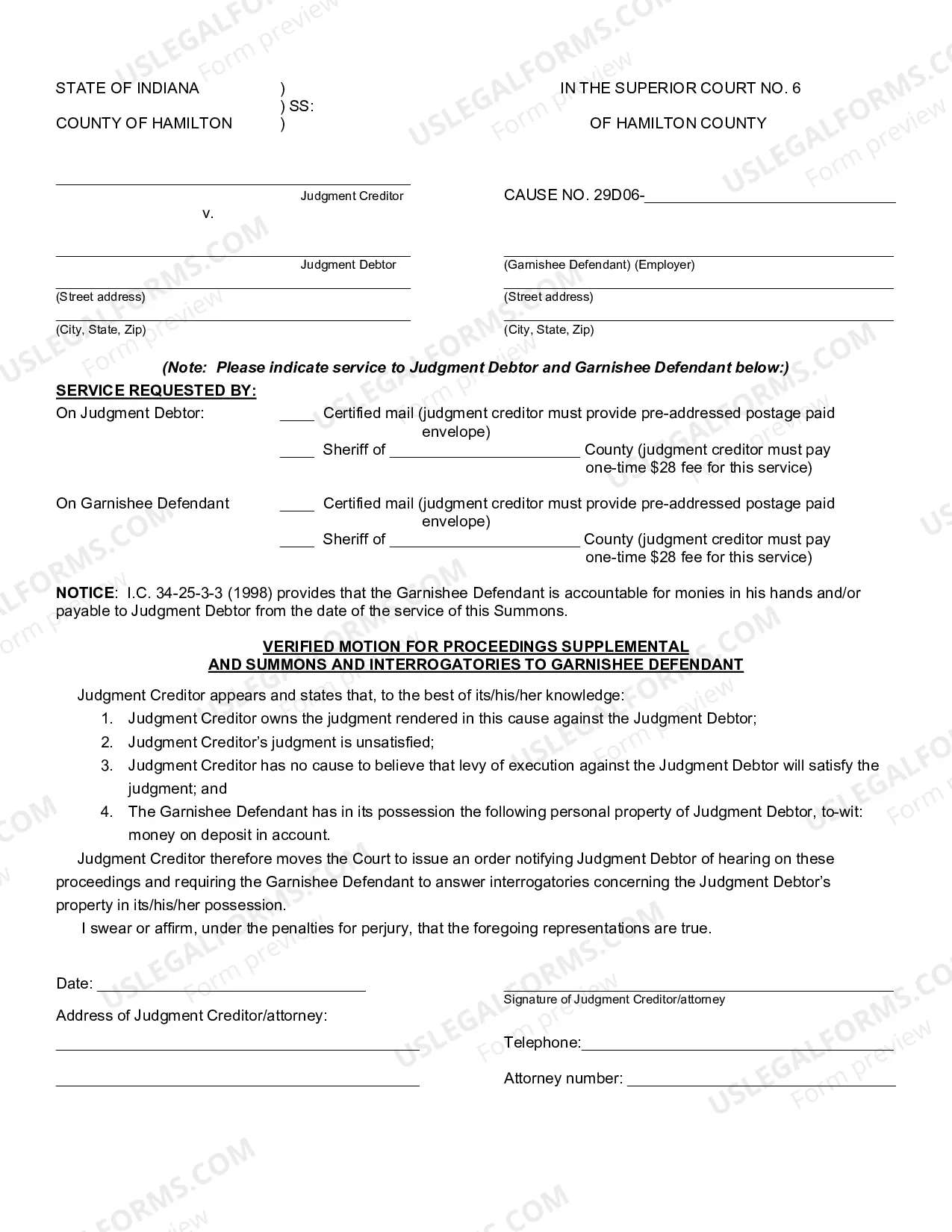


How to fill out Requests For Production Of Documents In Federal Court To Judgment Debtor In General And Regarding Property Available To Satisfy Judgment?
- Log in to your US Legal Forms account if you're a returning user, and ensure your subscription is active before downloading your selected legal form.
- If this is your first time using US Legal Forms, start by previewing and reviewing the description of the legal form to ensure it meets your requirements.
- In case of any discrepancies, use the search feature to find the most appropriate document tailored to your local jurisdiction.
- Select the form suitable for your needs and click on the 'Buy Now' button to choose a subscription plan that best suits you.
- Complete your purchase by entering your payment details, either through credit card or PayPal.
- Finally, download the form to your device and access it anytime from the 'My Forms' section in your profile.
By following these steps, you can easily access a wide array of legal documents that the US Legal Forms library provides. With over 85,000 forms available, you are equipped to handle federal court cases effectively.
Don’t hesitate! Start browsing today and empower yourself with the necessary legal documentation from US Legal Forms.
Form popularity
FAQ
Several factors can make a case go to federal court. These include issues involving federal statutes, treaties, or constitutional questions, as well as situations where there is diversity of citizenship among the parties. Knowing these factors empowers you with the insights needed when dealing with federal court cases.
To move a case from state to federal court, you need to submit a notice of removal that outlines the grounds for federal jurisdiction. This removal request should be filed within a specific time frame after the state court receives the initial complaint. Engaging with professionals through platforms such as USLegalForms can provide guidance to navigate this transfer smoothly.
A case can go to federal court through various pathways, primarily through original jurisdiction or removal from state court. Original jurisdiction occurs when a case is based on federal law or involves parties from different states. Properly understanding these pathways will help you assess whether your personal situation relates to federal court cases.
In general, state criminal cases cannot be removed to federal court. However, if a defendant believes federal rights are violated, they may present their case in federal court after conviction through a federal habeas corpus petition. This nuanced process underscores the complexity surrounding federal court cases in the realm of criminal law.
To move a case to federal court, you typically need to file a notice of removal in the federal court for the district where the state case is pending. This notice must contain all relevant pleadings and provide a basis for federal jurisdiction. Utilizing resources from platforms like USLegalForms can simplify this process and ensure compliance with the necessary requirements.
A case is generally removable to federal court when it could have been originally filed there. This often includes instances where there is federal question jurisdiction or complete diversity between the parties. If you're considering moving your state case to federal jurisdiction, exploring such removability criteria is crucial.
A federal lawsuit typically qualifies when it involves federal laws, disputes between states, or cases in which the U.S. government is a party. Moreover, it can arise from matters involving diversity jurisdiction, wherein the parties reside in different states and the amount in controversy exceeds a specific threshold. Understanding what qualifies as federal court cases can help you determine the right jurisdiction for your legal matters.
Federal court handles serious crimes, including drug trafficking, fraud, immigration violations, and major financial crimes. These federal court cases often involve violations of federal laws and can lead to severe penalties. Understanding the nature of these crimes can help individuals realize the importance of legal representation in federal matters.
You can find federal court cases through several online resources, including the PACER system, which provides access to court records and filings. Additionally, legal platforms like USLegalForms offer tools to help you navigate federal court databases effectively. This makes it easier to locate relevant cases and gather necessary legal documents.
Cases that qualify for federal court often include those related to federal statutes, constitutional challenges, or significant interstate matters. Moreover, disputes between citizens of different states can also lead to federal court cases, especially if the monetary stakes are high. Understanding these qualifiers helps in determining appropriate jurisdiction.