Adverse Possession Section For Landlords
Description
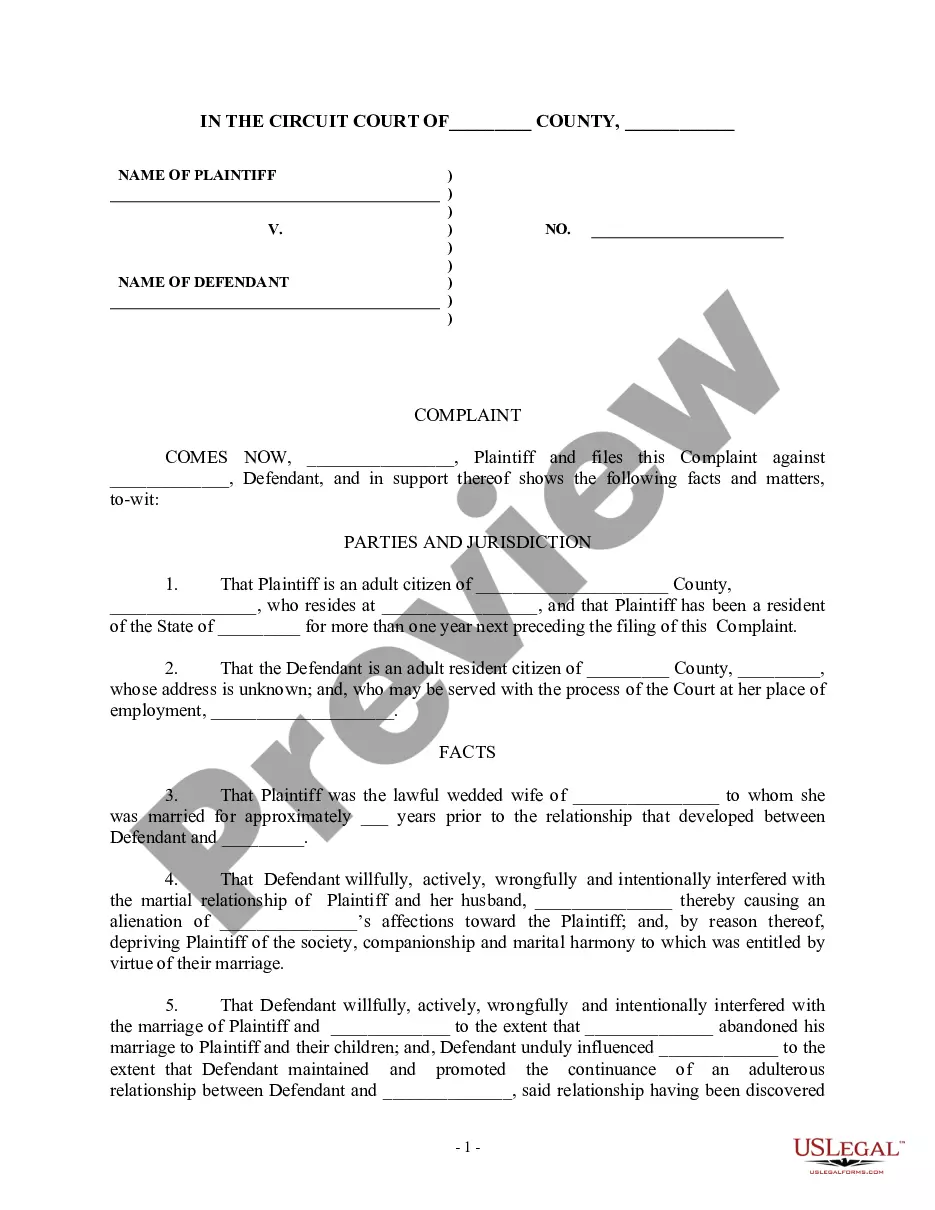
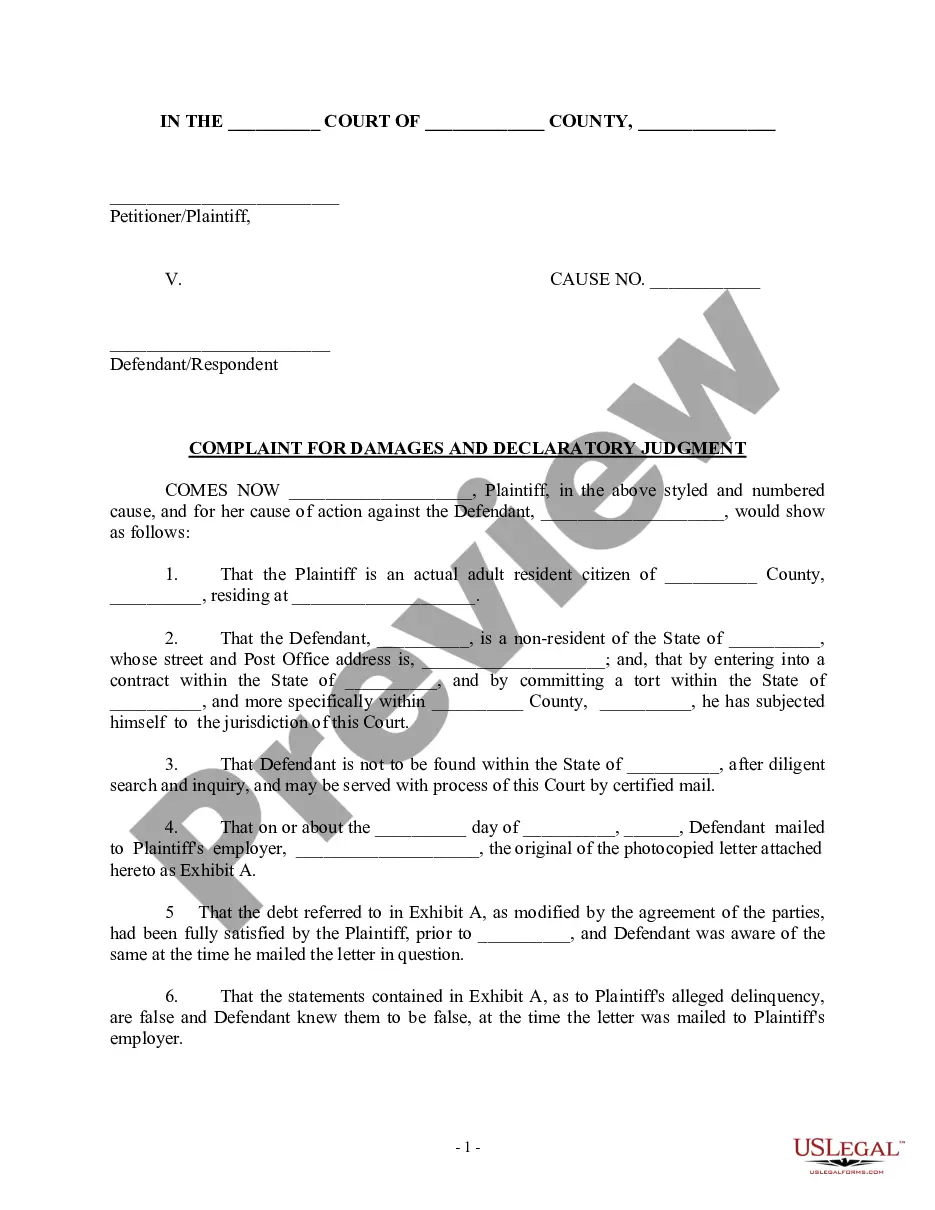
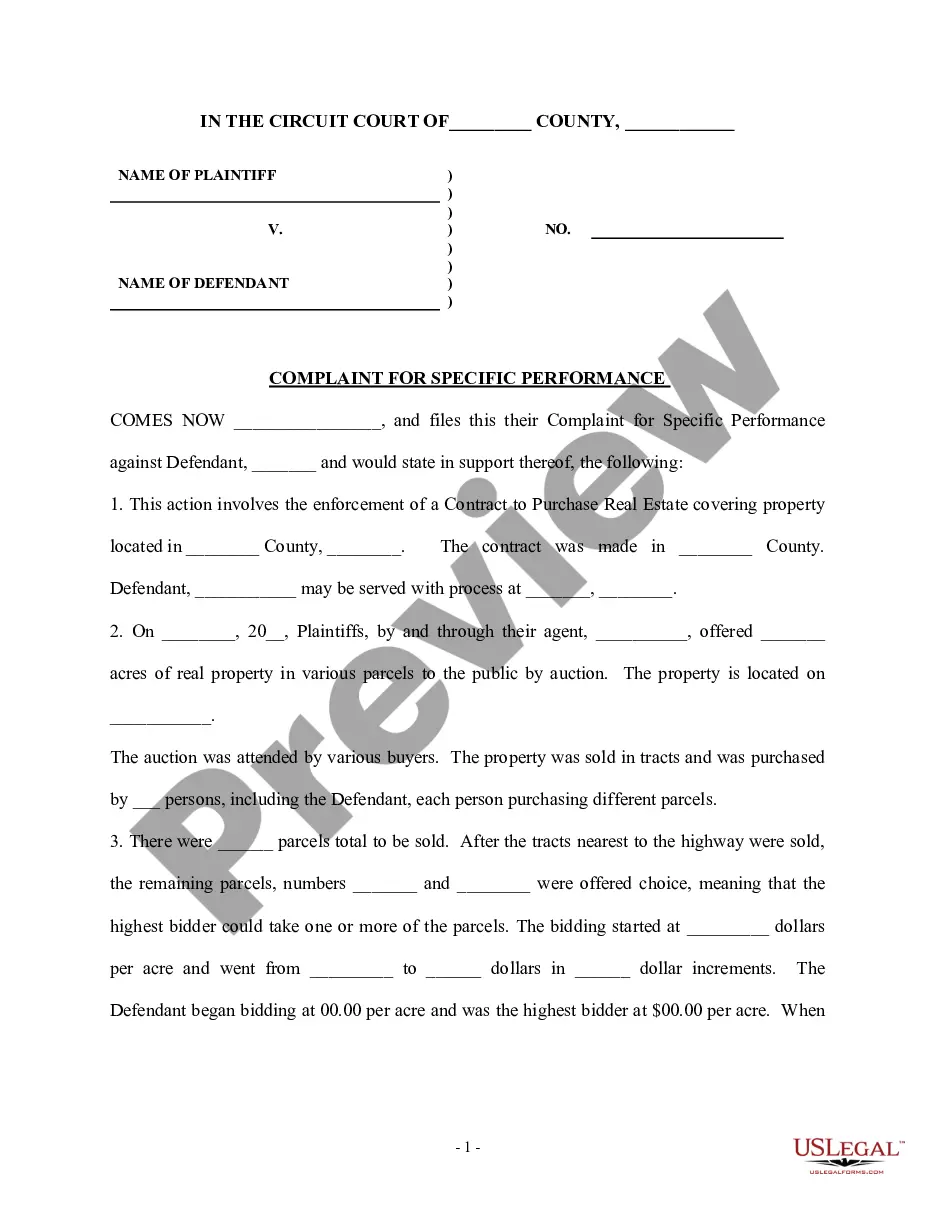
Get your form ready online
Our built-in tools help you complete, sign, share, and store your documents in one place.
Make edits, fill in missing information, and update formatting in US Legal Forms—just like you would in MS Word.
Download a copy, print it, send it by email, or mail it via USPS—whatever works best for your next step.
Sign and collect signatures with our SignNow integration. Send to multiple recipients, set reminders, and more. Go Premium to unlock E-Sign.
If this form requires notarization, complete it online through a secure video call—no need to meet a notary in person or wait for an appointment.
We protect your documents and personal data by following strict security and privacy standards.

Make edits, fill in missing information, and update formatting in US Legal Forms—just like you would in MS Word.

Download a copy, print it, send it by email, or mail it via USPS—whatever works best for your next step.

Sign and collect signatures with our SignNow integration. Send to multiple recipients, set reminders, and more. Go Premium to unlock E-Sign.

If this form requires notarization, complete it online through a secure video call—no need to meet a notary in person or wait for an appointment.

We protect your documents and personal data by following strict security and privacy standards.
Looking for another form?
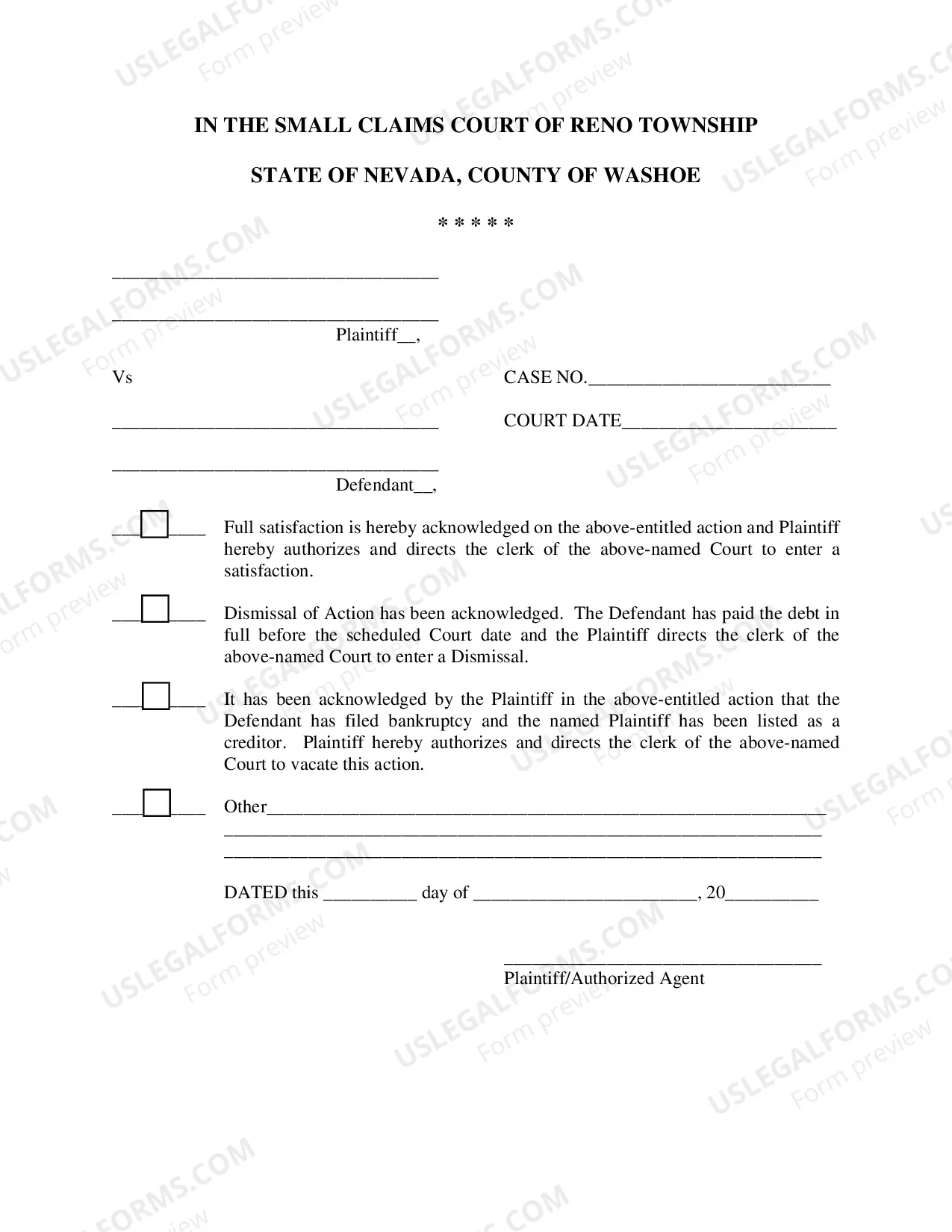

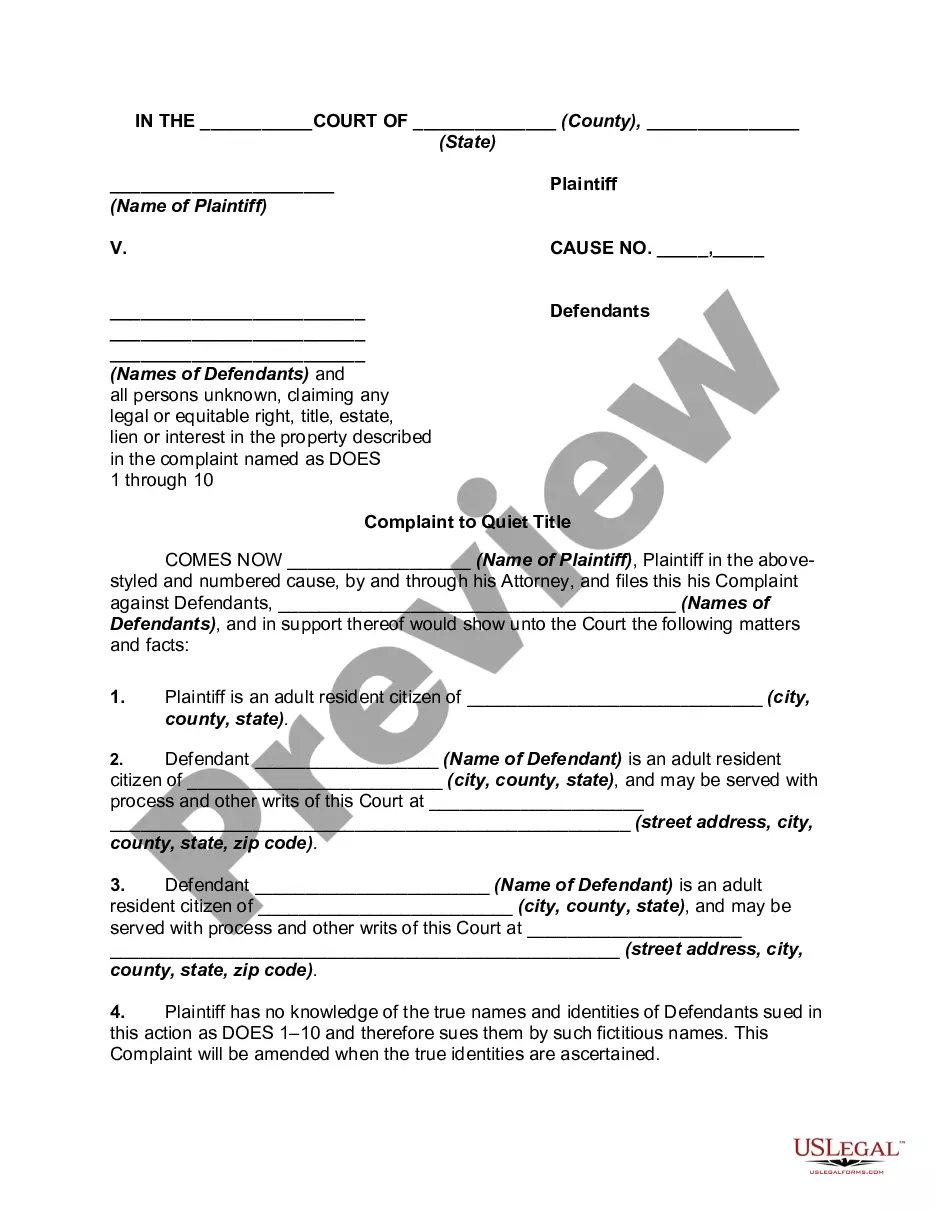
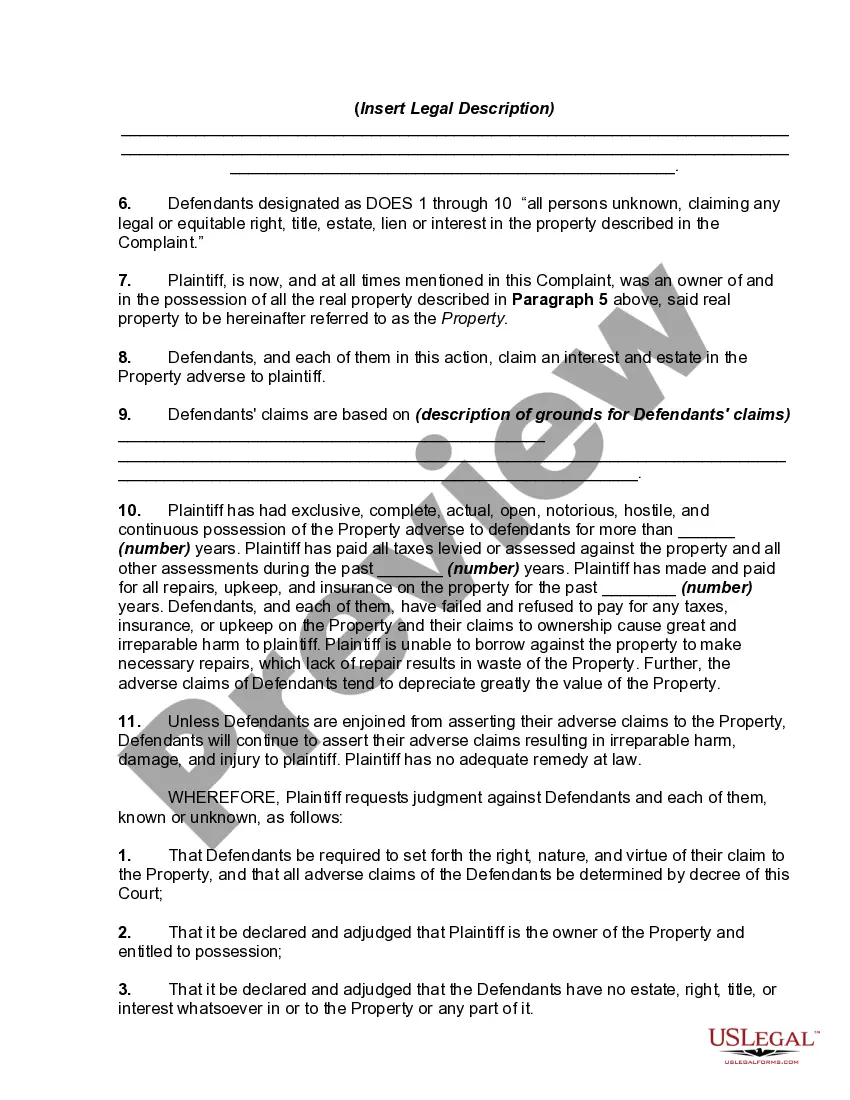
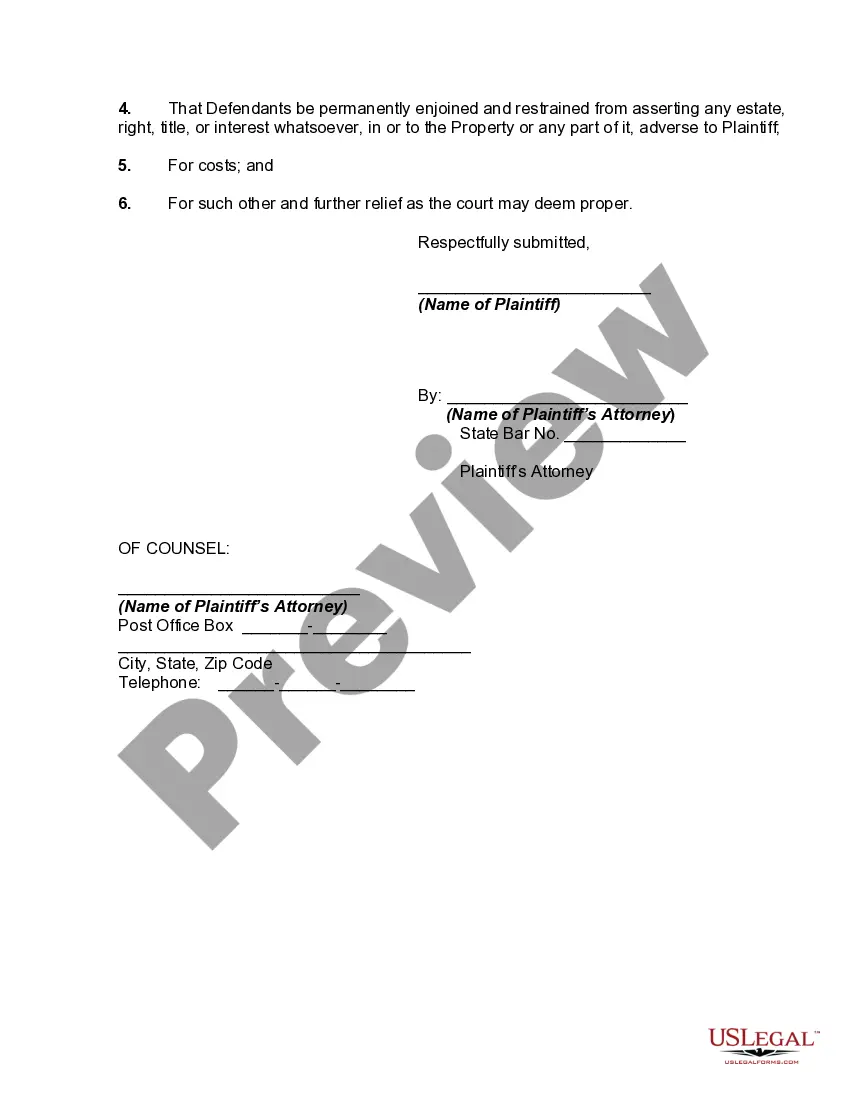
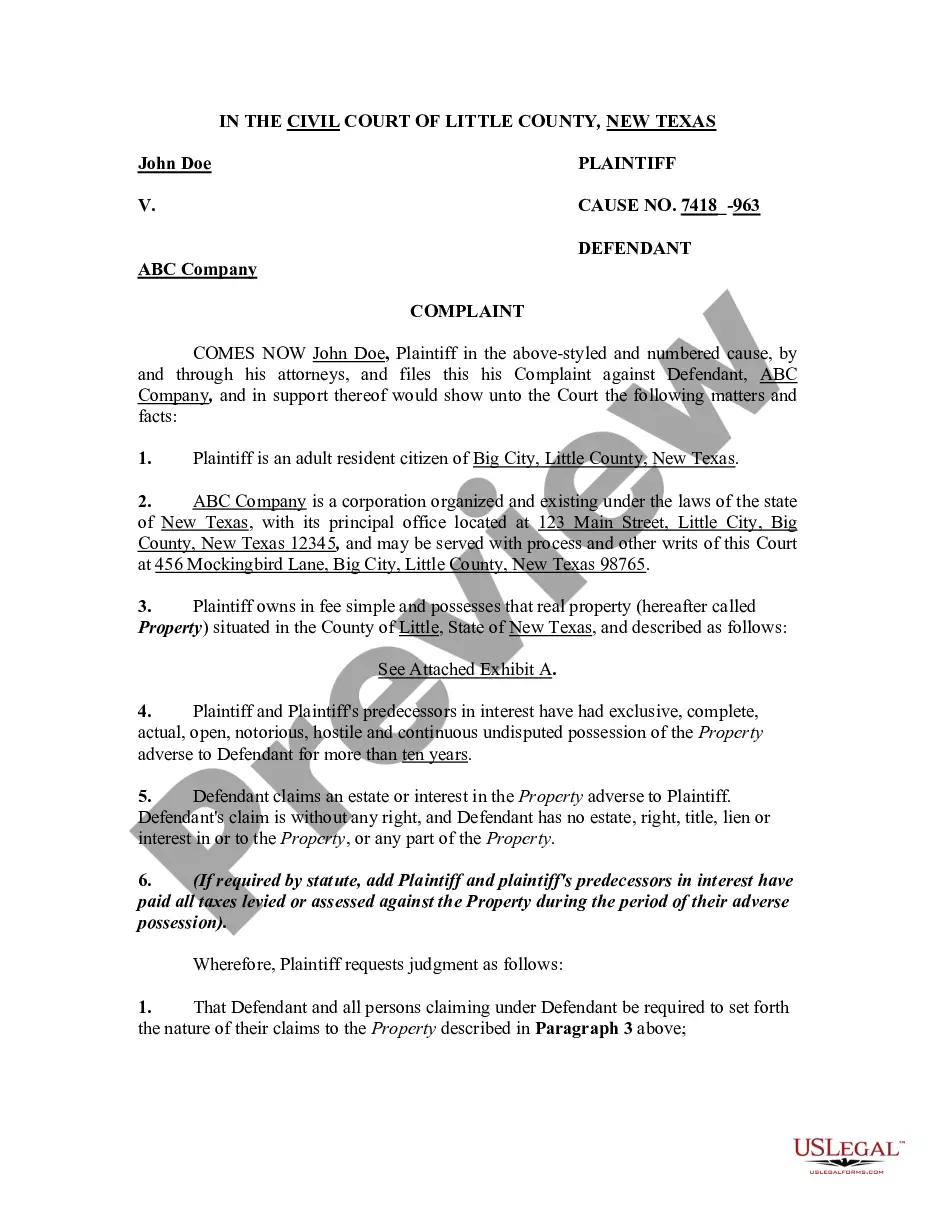
How to fill out Complaint To Quiet Title By Adverse Possessor With Unknown Defendants?
- Start by logging into your existing US Legal Forms account. Ensure your subscription is active, or renew it if necessary.
- For first-time users, preview relevant forms and confirm they align with your legal needs and jurisdiction regulations.
- If you encounter discrepancies, utilize the Search feature to find the appropriate form before proceeding.
- Once you've selected the correct document, click 'Buy Now' and choose a subscription plan that fits your requirements. You will need to create an account.
- Complete your purchase by entering your payment details through credit card or PayPal.
- After payment, download your form and save it on your device. You can also access it later from the 'My Forms' section of your account.
US Legal Forms offers a vast collection of legal documents, ensuring you have more options than competitors at similar costs. With over 85,000 forms available, you'll find the support you need.
Empower yourself today by leveraging the extensive resources available at US Legal Forms. Take the first step toward securing your legal rights now!
Form popularity
FAQ
In real life, adverse possession can occur when someone uses a vacant property for gardening or cultivating crops for a prolonged period. If the original owner does not contest the use, the individual could potentially claim ownership. The adverse possession section for landlords provides essential insights into understanding these scenarios and helps landlords protect their rights.
An example of an adverse possession claim involves a neighbor who has maintained a fence on what is believed to be their property line for over 20 years without any objection from the original owner. In this scenario, the neighbor may claim ownership based on the adverse possession section for landlords. Such claims highlight the importance of understanding property boundaries and legal guidelines.
When considering the requirements of adverse possession, it is crucial to know that one common misconception is that an intention to take possession is needed. However, the key requirements include open, continuous, exclusive, and hostile possession. Familiarizing yourself with the adverse possession section for landlords can clarify these legal necessities and help you avoid any misunderstandings.
To claim adverse possession in Georgia, you must meet specific criteria set by state law. First, you need to possess the land openly and continuously for at least 20 years. Additionally, your possession must be exclusive, hostile, and without the permission of the original owner. Understanding the adverse possession section for landlords can guide you through this legal process effectively.
In Georgia, the requirements for establishing adverse possession include continuous possession for at least seven years, open and notorious use, and the intent to claim the property as one's own. Additionally, the possession must be hostile to the interests of the true owner. Knowledge of these requirements is crucial for landlords to safeguard their properties and navigate the adverse possession section for landlords effectively.
The reckless endangerment code in Georgia addresses actions that put individuals at risk of harm, highlighting a landlord's need to ensure the safety of their properties. While it may not seem directly related to adverse possession, negligence or unsafe conditions can ultimately affect ownership claims. As a landlord, understanding this code assists in maintaining compliance, thus protecting your position regarding the adverse possession section for landlords.
GA Code 44 5 14 refers to the statute of limitations on recovery of property. It indicates the time frame within which a property owner must respond to an adverse possession claim. For landlords, this code is particularly important as it directly impacts their rights and responsibilities under the adverse possession section for landlords.
GA Code 40 14 5 addresses regulations about the use and repossession of personal property in Georgia. It is essential for landlords to understand this code, especially when dealing with tenants and property rights. Knowledge of such regulations can enhance your strategy under the adverse possession section for landlords.
Section 44 14 63 in Georgia pertains to the process by which an individual can gain legal ownership of property through adverse possession. This section outlines the requirements for filing a claim and what constitutes lawful possession. For landlords, familiarizing themselves with this section can help protect their interests regarding the adverse possession section for landlords.
Georgia Code 44 1 14 deals with rights concerning ownership and adverse possession. It specifies the necessary actions a claimant must take to establish a rightful claim to property that may belong to another. For landlords, knowing this code is vital, as it lays out the framework for addressing disputes related to property rights under the adverse possession section for landlords.