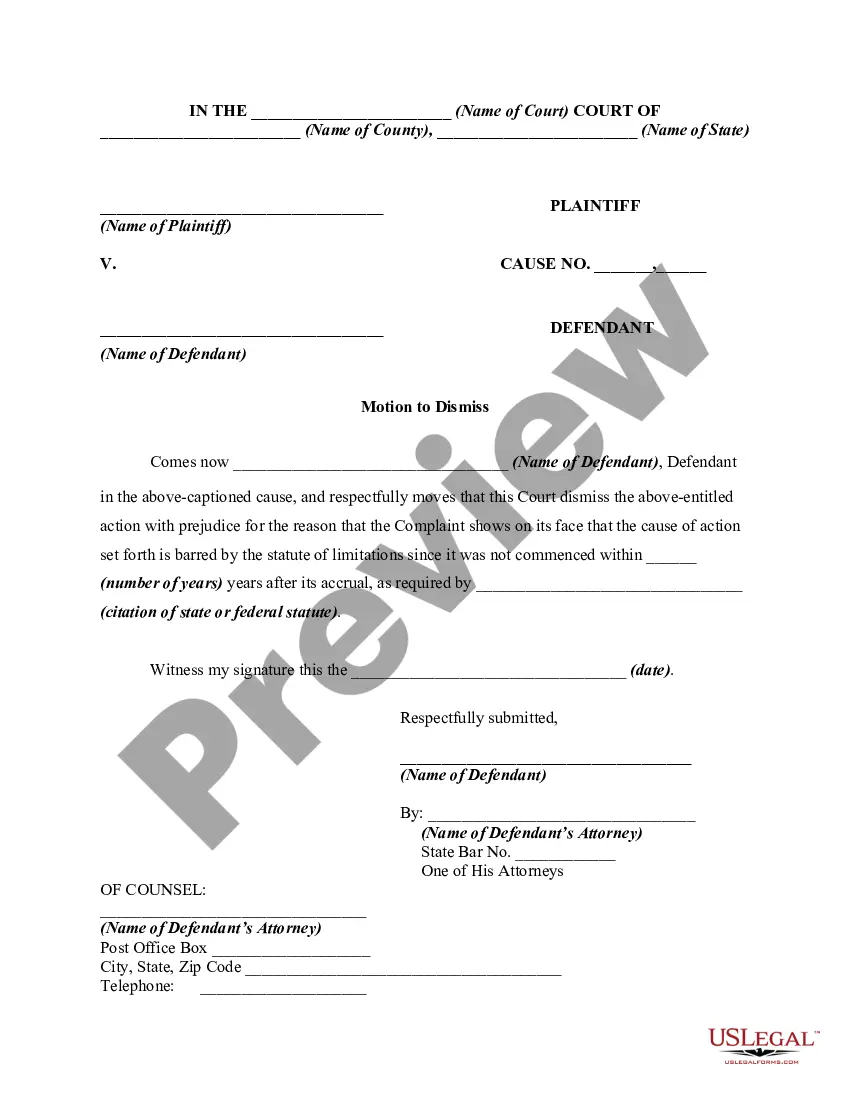
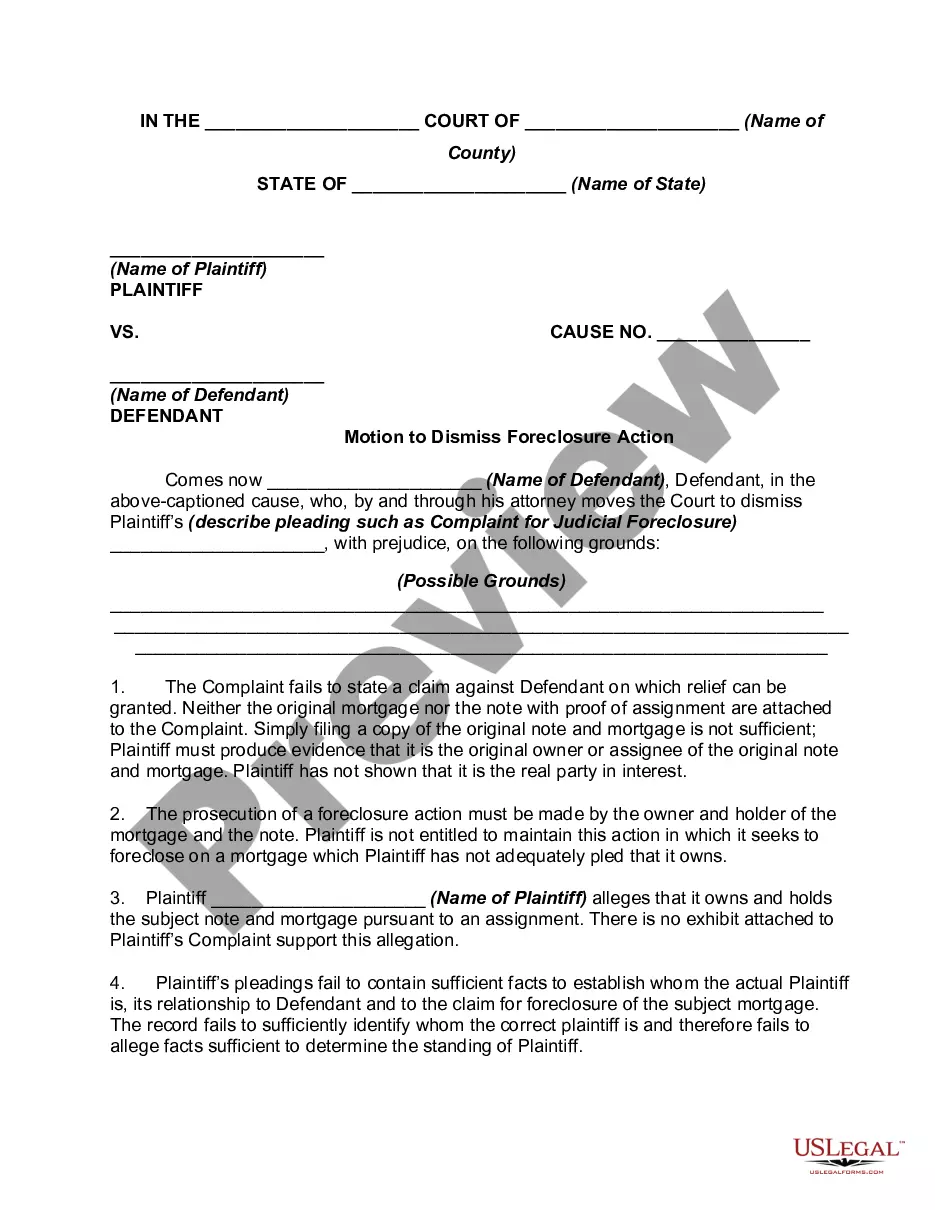
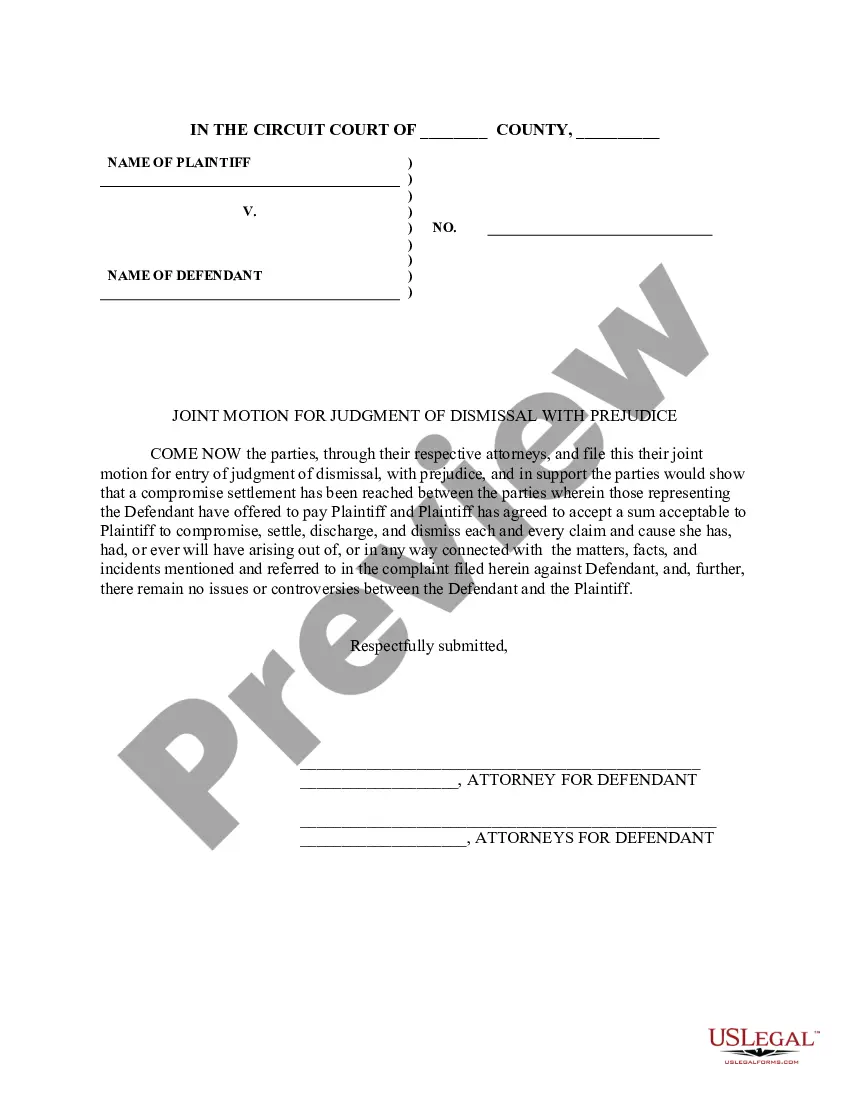
Dismiss Motion Without Prejudice
Description
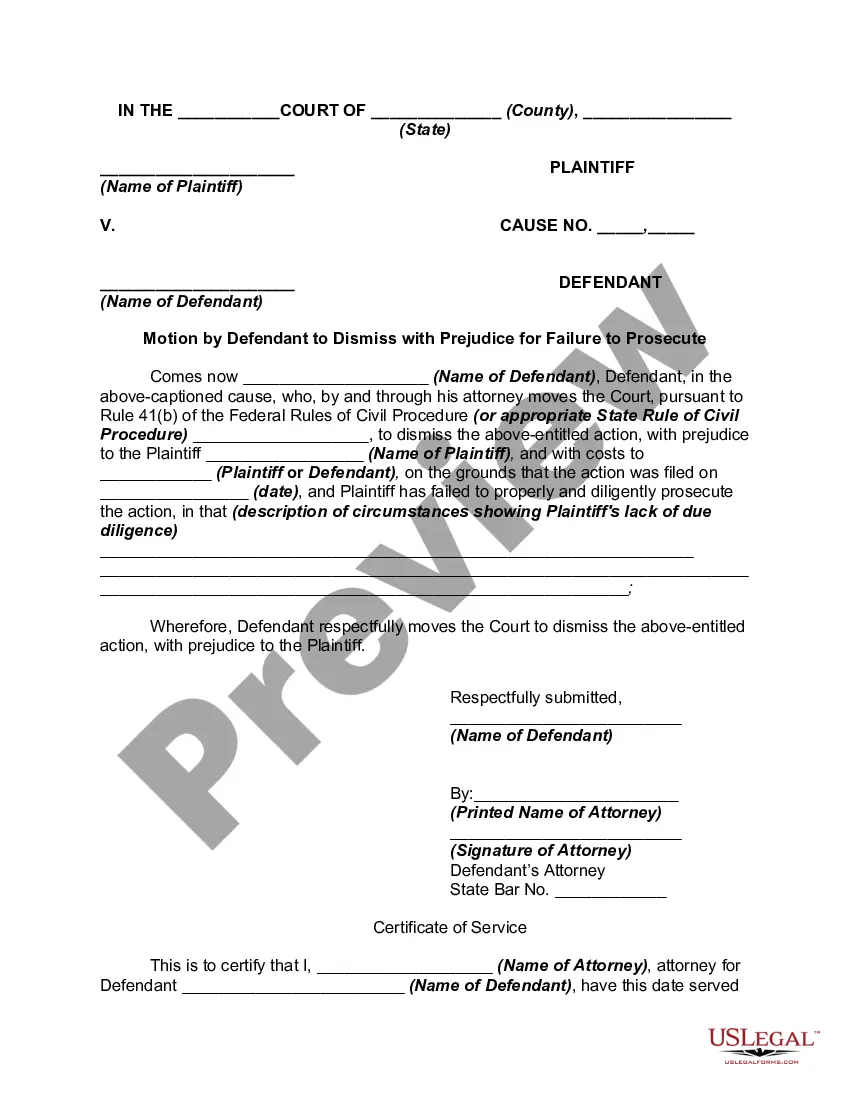
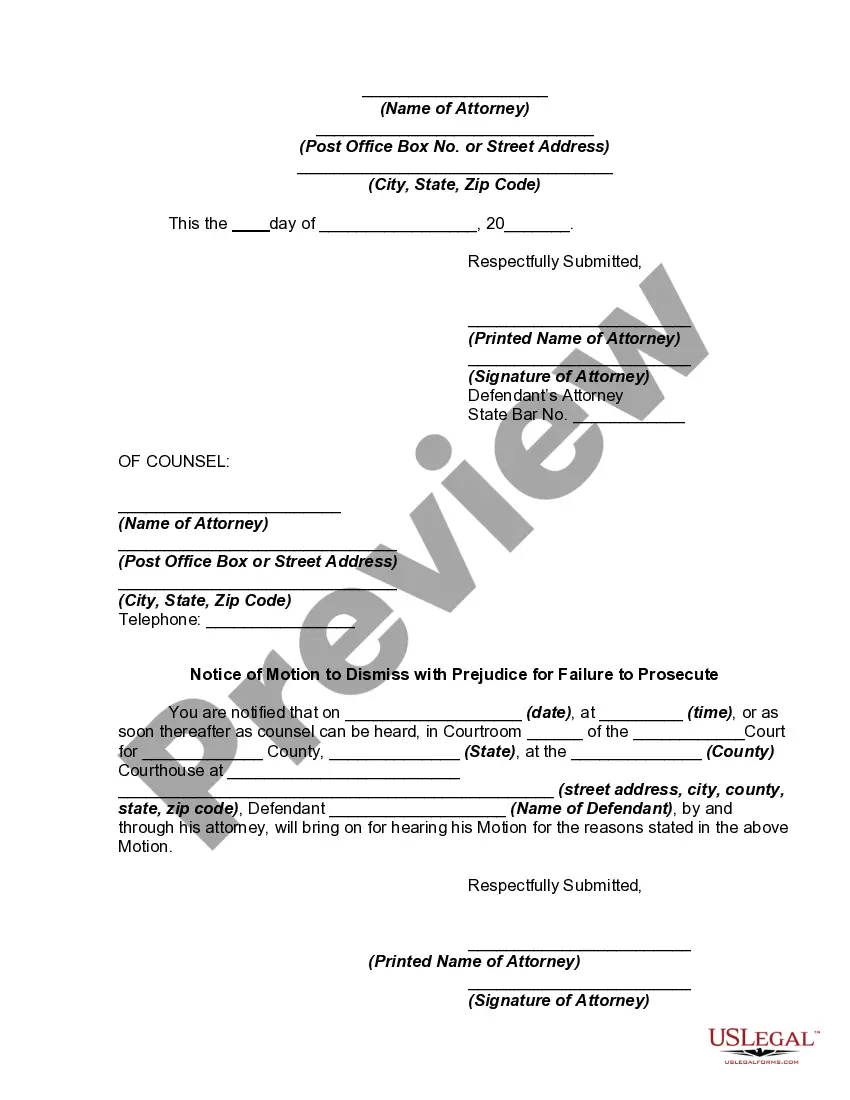
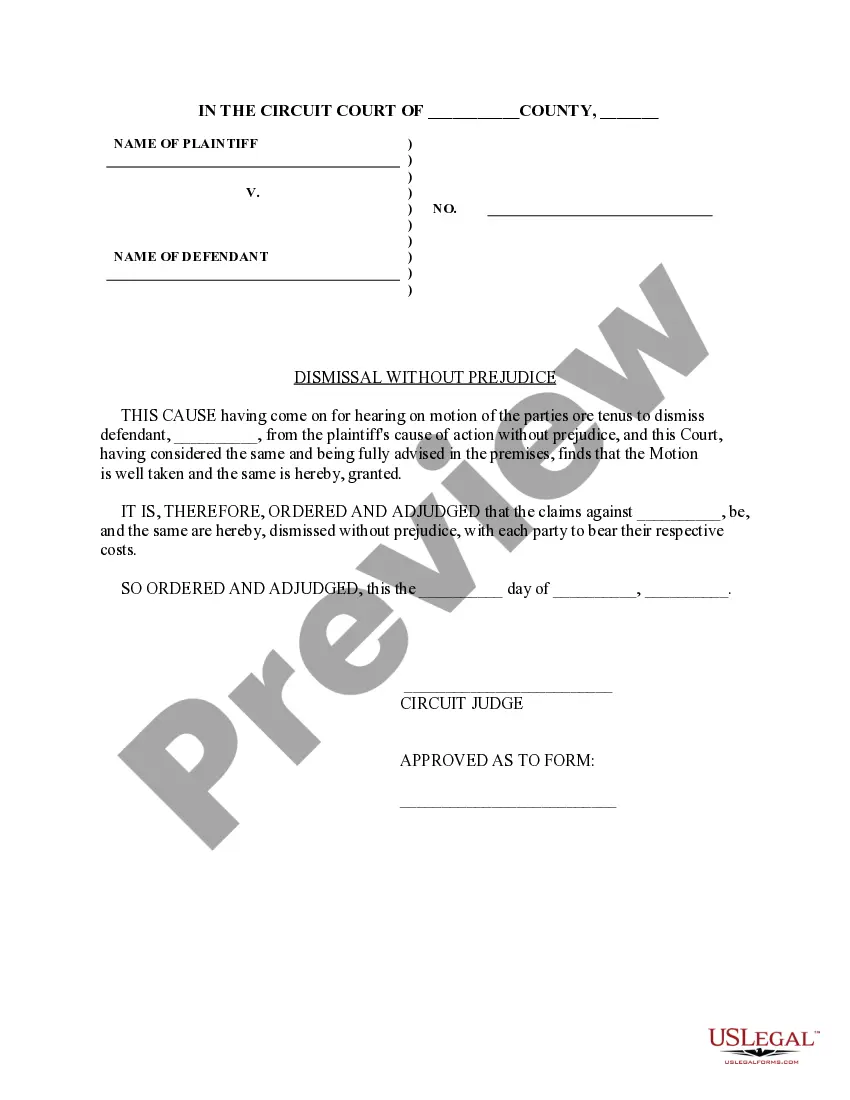
Get your form ready online
Our built-in tools help you complete, sign, share, and store your documents in one place.
Make edits, fill in missing information, and update formatting in US Legal Forms—just like you would in MS Word.
Download a copy, print it, send it by email, or mail it via USPS—whatever works best for your next step.
Sign and collect signatures with our SignNow integration. Send to multiple recipients, set reminders, and more. Go Premium to unlock E-Sign.
If this form requires notarization, complete it online through a secure video call—no need to meet a notary in person or wait for an appointment.
We protect your documents and personal data by following strict security and privacy standards.

Make edits, fill in missing information, and update formatting in US Legal Forms—just like you would in MS Word.

Download a copy, print it, send it by email, or mail it via USPS—whatever works best for your next step.

Sign and collect signatures with our SignNow integration. Send to multiple recipients, set reminders, and more. Go Premium to unlock E-Sign.

If this form requires notarization, complete it online through a secure video call—no need to meet a notary in person or wait for an appointment.

We protect your documents and personal data by following strict security and privacy standards.
Looking for another form?




Form popularity
FAQ
A claim without prejudice allows a person to drop a legal action without it negatively impacting future claims. This type of dismissal preserves the option to refile later, making it a strategic choice in legal proceedings. If you're considering this option, platforms like uslegalforms can provide resources and forms to facilitate the process.
'Without prejudice' means that a party can withdraw a motion or claim without losing their right to bring it back later. This term provides a safety net for individuals, allowing them to reassess their strategies. By understanding the concept of dismissing a motion without prejudice, parties can make more informed legal decisions.
Cases often get dismissed for various reasons, but one common factor is failure to state a claim upon which relief can be granted. This occurs when the allegations do not meet legal standards. Parties may also choose to dismiss a motion without prejudice to reconsider or refine their approach before proceeding.
A prejudiced claim refers to a situation where a party's claim is dismissed, and they can no longer refile on the same basis. This type of dismissal has lasting consequences, often barring further action. Understanding the difference between a prejudiced and a motion to dismiss without prejudice is crucial for anyone navigating the legal system.
A claim without prejudice allows a party to dismiss a case without affecting their right to refile later. This often occurs when the party wants to resolve issues or gather more information without leaving a permanent mark on their legal standing. By choosing to dismiss a motion without prejudice, you maintain the option to revisit the case in the future.
A motion to dismiss with prejudice in Texas means that the case is permanently closed and cannot be refiled. This finality can pose significant challenges if new evidence arises. Therefore, it is crucial to understand the implications of filing a motion to dismiss in such a definitive manner.
Absolutely, a case that was dismissed without prejudice in Florida can be reopened. This allows you the opportunity to amend your complaint or present additional evidence if needed. Taking this route can be a smart way to set the stage for a stronger argument in your favor.
The 1.420 rule in Florida refers to a specific rule of civil procedure concerning motions to dismiss and voluntary dismissals. Under this rule, a plaintiff can voluntarily dismiss their action without a court order up to a certain point. Understanding these nuances can help you effectively navigate your legal options, such as when to dismiss a motion without prejudice.
Yes, a dismissed case can be reopened in Florida, primarily if it was dismissed without prejudice. This provides the original party an opportunity to present their argument or evidence once again. If you find yourself in this situation, understand that pursuing this option depends on the specific circumstances surrounding your case.
When a claim is stated as being without prejudice, it signifies that the claim can be refiled at a later time if necessary. This type of dismissal protects the party’s right to continue seeking justice without having to start from scratch legally. In essence, it gives you a second chance to pursue your case when the time is right.
