Defendant Failure Without Dialysis
Description
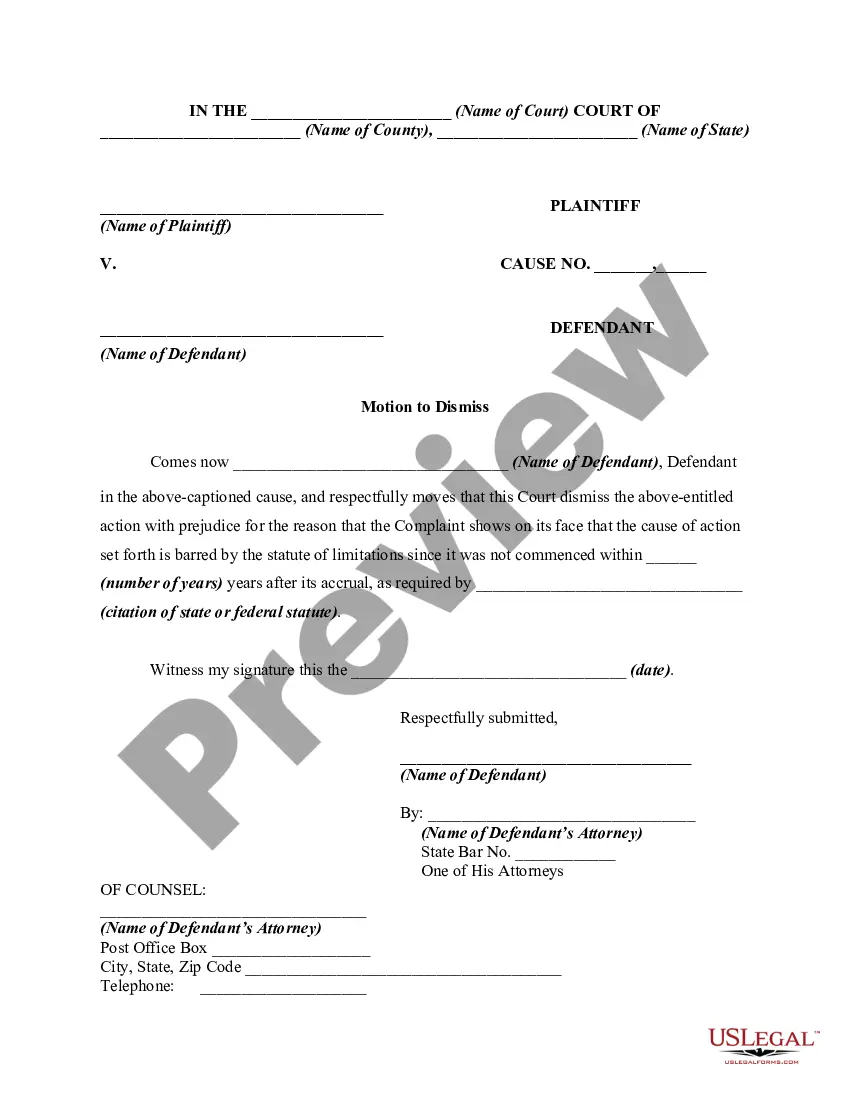
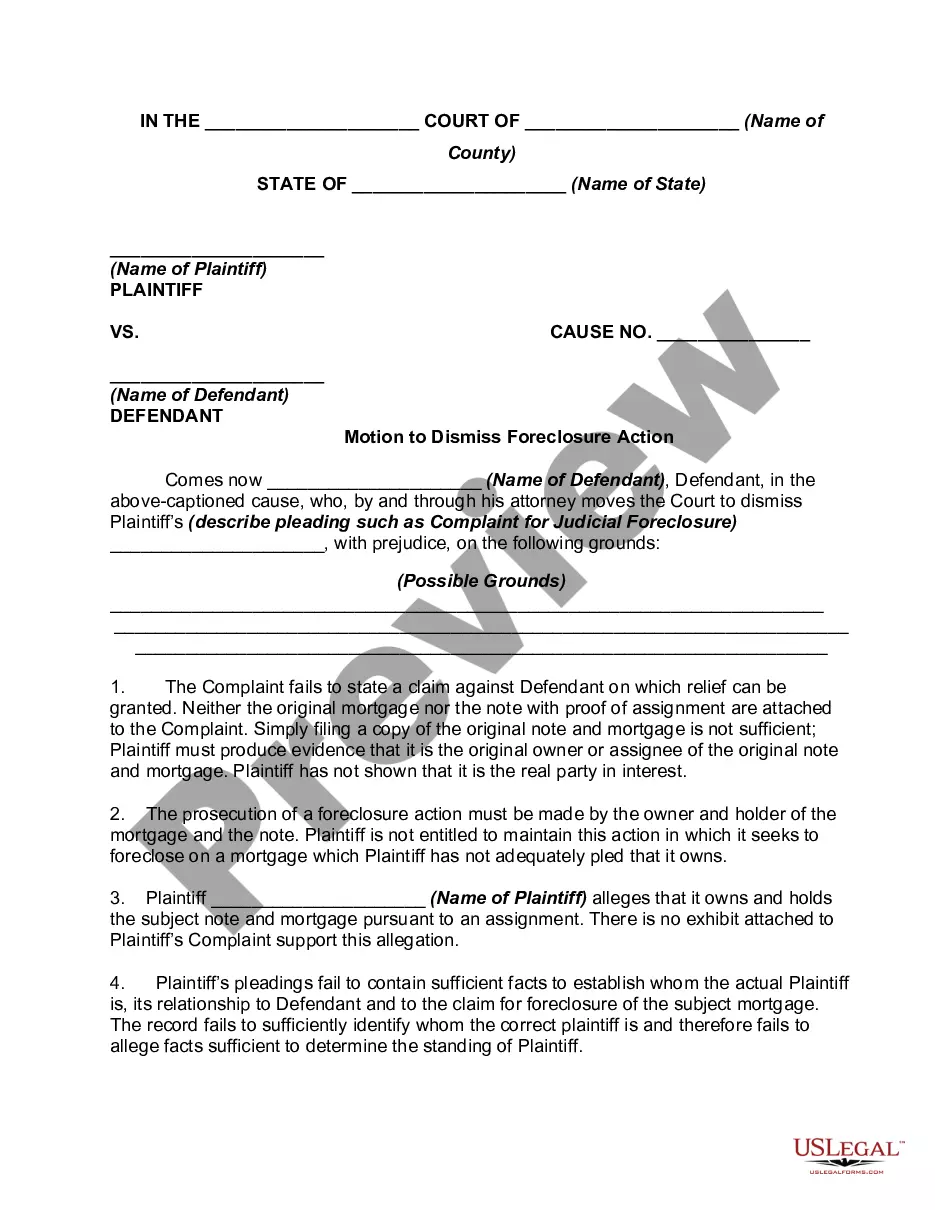
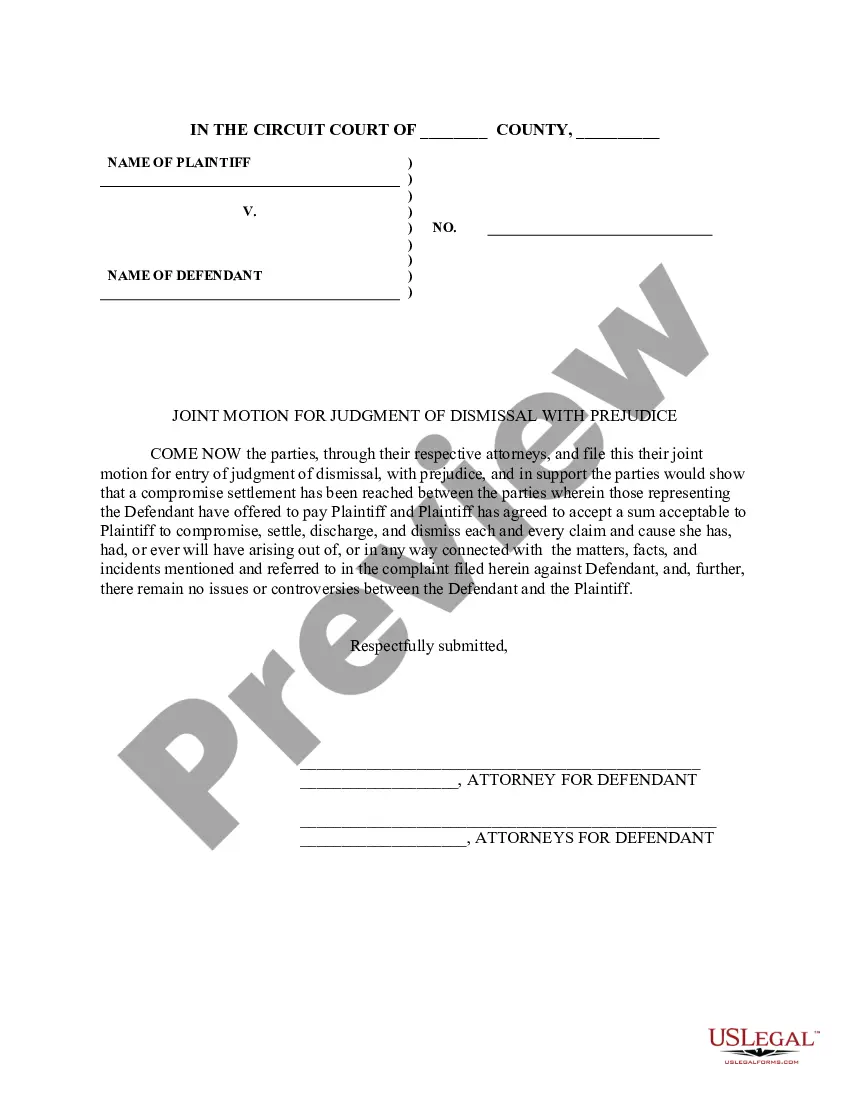
Get your form ready online
Our built-in tools help you complete, sign, share, and store your documents in one place.
Make edits, fill in missing information, and update formatting in US Legal Forms—just like you would in MS Word.
Download a copy, print it, send it by email, or mail it via USPS—whatever works best for your next step.
Sign and collect signatures with our SignNow integration. Send to multiple recipients, set reminders, and more. Go Premium to unlock E-Sign.
If this form requires notarization, complete it online through a secure video call—no need to meet a notary in person or wait for an appointment.
We protect your documents and personal data by following strict security and privacy standards.

Make edits, fill in missing information, and update formatting in US Legal Forms—just like you would in MS Word.

Download a copy, print it, send it by email, or mail it via USPS—whatever works best for your next step.

Sign and collect signatures with our SignNow integration. Send to multiple recipients, set reminders, and more. Go Premium to unlock E-Sign.

If this form requires notarization, complete it online through a secure video call—no need to meet a notary in person or wait for an appointment.

We protect your documents and personal data by following strict security and privacy standards.
Looking for another form?



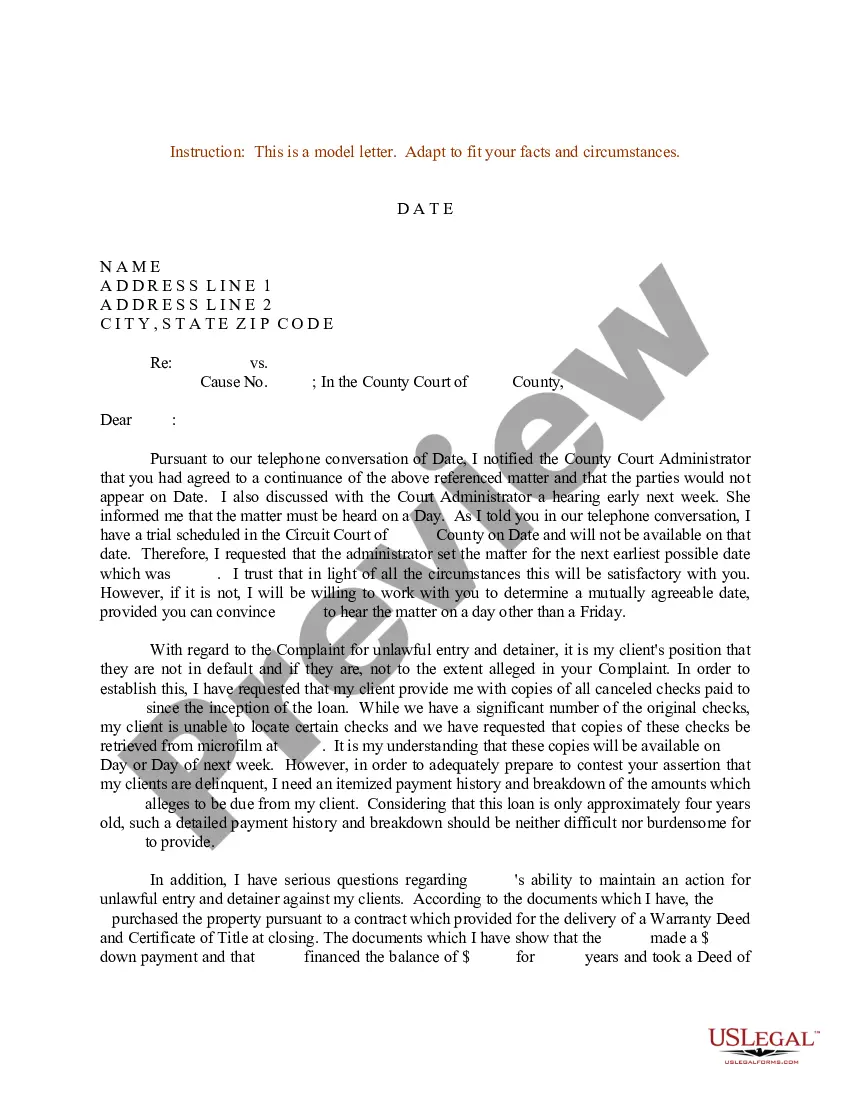


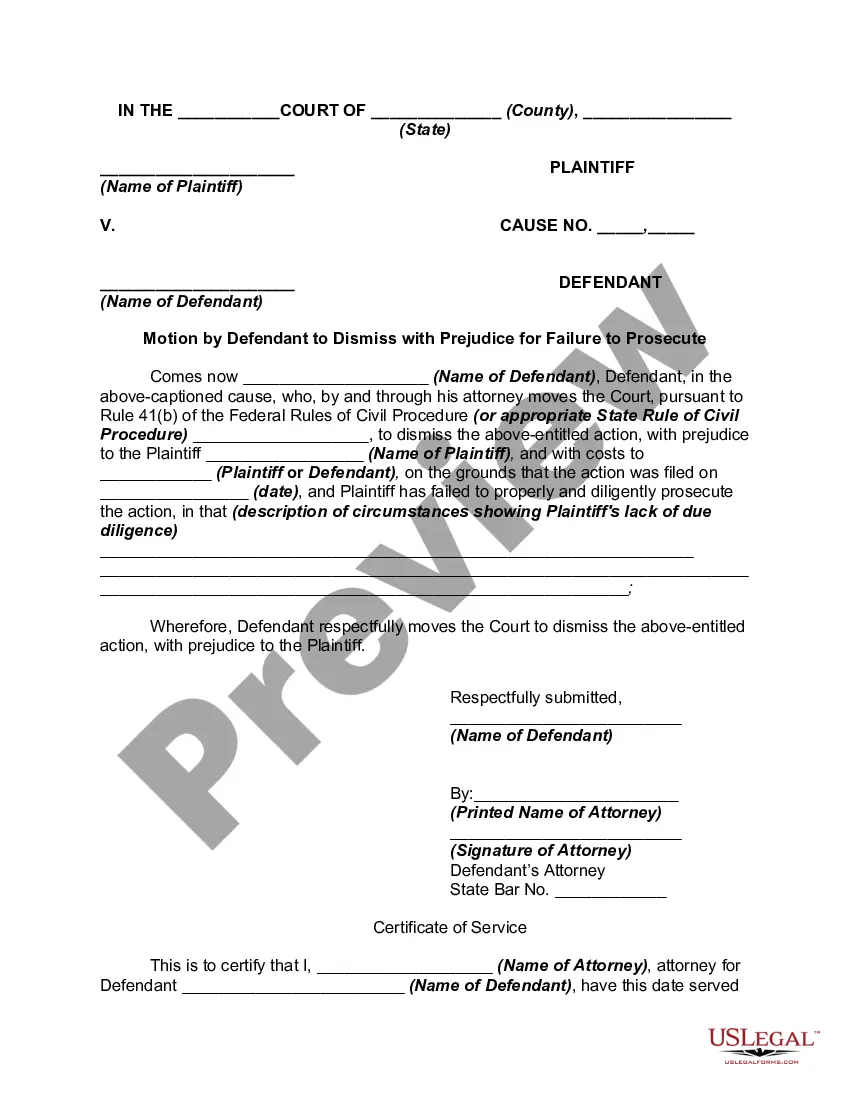
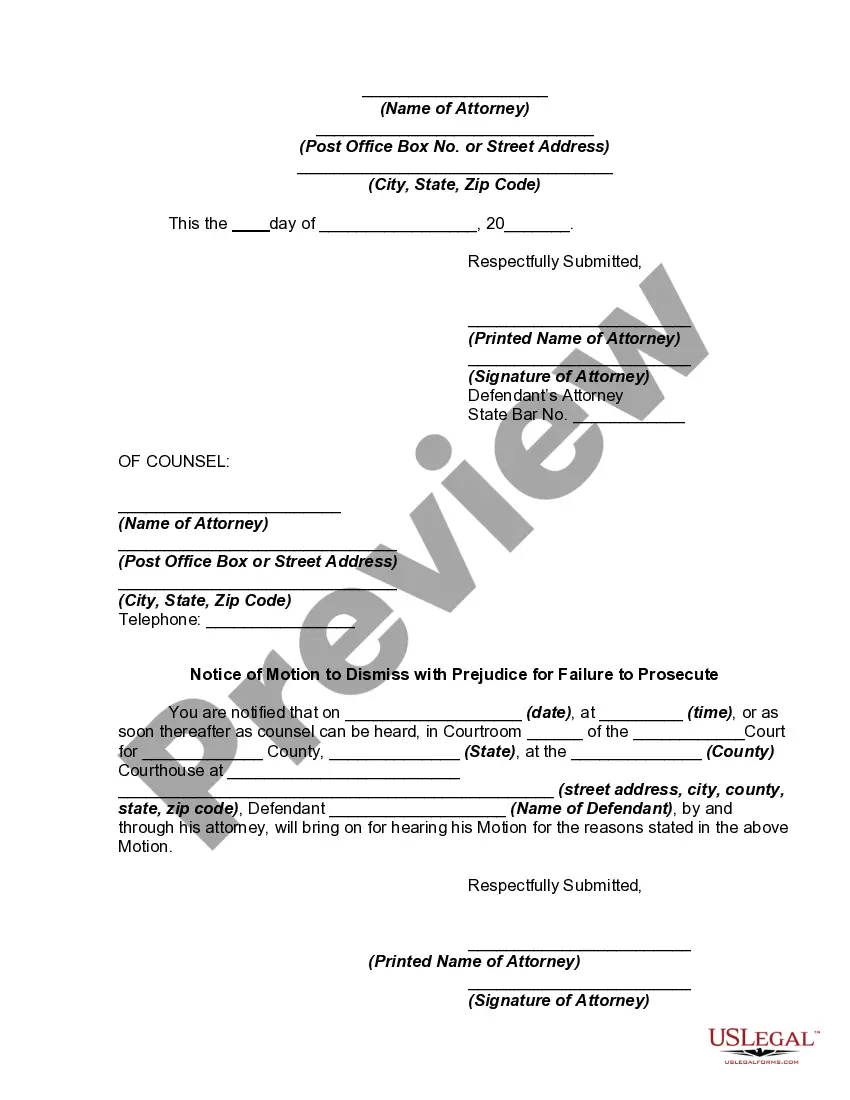
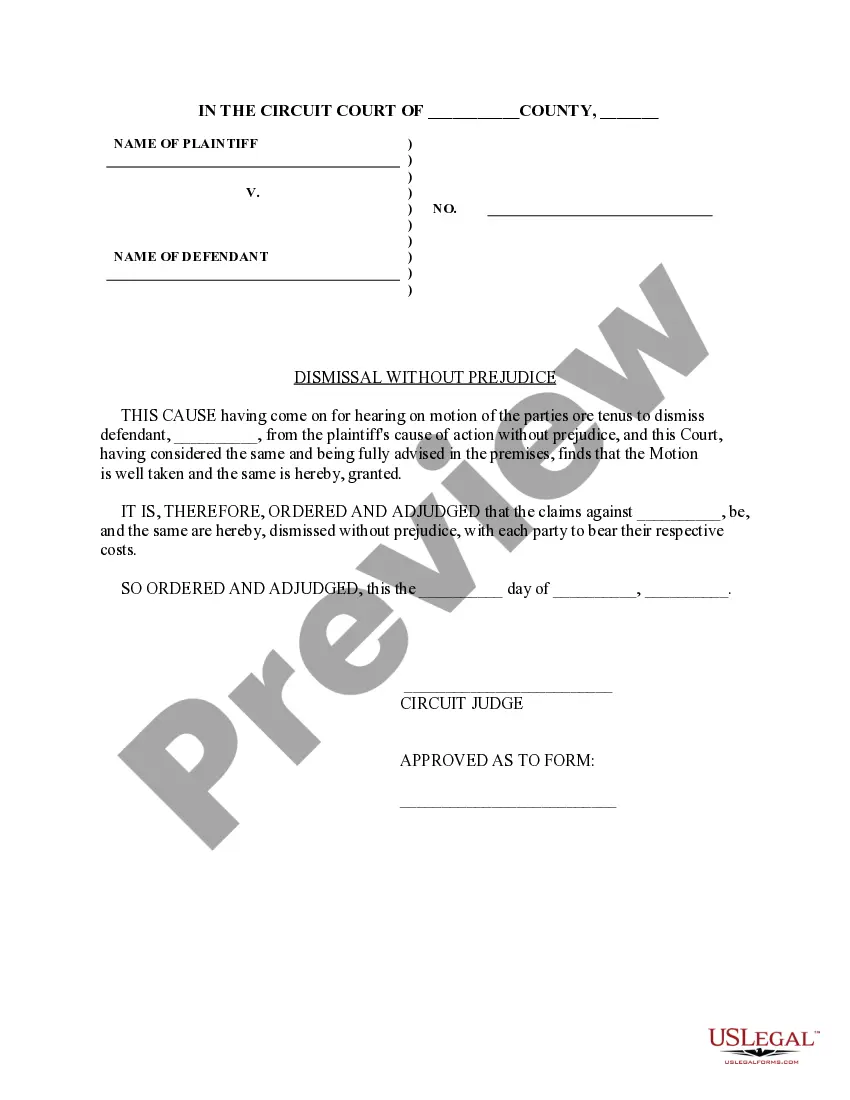
How to fill out Motion By Defendant To Dismiss With Prejudice For Failure To Prosecute?
It’s clear that you cannot instantly become an expert in law, nor can you swiftly learn to draft Defendant Failure Without Dialysis without possessing a specialized background.
Developing legal documents is a lengthy undertaking that demands specific training and expertise. So why not entrust the creation of the Defendant Failure Without Dialysis to the professionals.
With US Legal Forms, one of the most extensive collections of legal documents, you can find everything from court filings to templates for in-office correspondence.
If you need any additional form, start your search again.
Sign up for a free account and select a subscription plan to buy the form. Click Buy now. After the transaction is finalized, you can obtain the Defendant Failure Without Dialysis, fill it out, print it, and send or deliver it to the relevant individuals or organizations.
- Understand how vital compliance and adherence to federal and local regulations are.
- That’s why, on our site, all templates are specific to locations and current.
- Here’s how to begin using our website and acquire the document you need in just minutes.
- Locate the form you require using the search bar at the top of the page.
- Preview it (if this option is available) and review the accompanying description to confirm whether Defendant Failure Without Dialysis is what you’re seeking.
Form popularity
FAQ
Many of the complications of kidney failure can be treated with medicines, but only dialysis or transplant can filter wastes from your blood. As your kidney function declines, you may want to consider adding hospice, or end-of-life, care . You can have hospice care in a facility or at home.
Without dialysis, toxins build up in the blood, causing a condition called uremia. The patient will receive whatever medicines are necessary to manage symptoms of uremia and other medical conditions. Depending on how quickly the toxins build up, death usually follows anywhere from a few days to several weeks.
Once you reach end-stage kidney disease and your kidneys stop working, dialysis or a transplant are some options. There is also the option of conservative care, which involves medications for symptom relief only. Generally, without dialysis or a transplant, life expectancy can vary from a few days to a few weeks.
It varies, because everybody is different. Each person's medical status is unique. People with kidney failure may survive days to weeks without dialysis, depending on the amount of kidney function they have, how severe their symptoms are, and their overall medical condition.
This varies from person to person. People who stop dialysis may live anywhere from one week to several weeks, depending on the amount of kidney function they have left and their overall medical condition.