Judgment Subpoena With Documents
Description
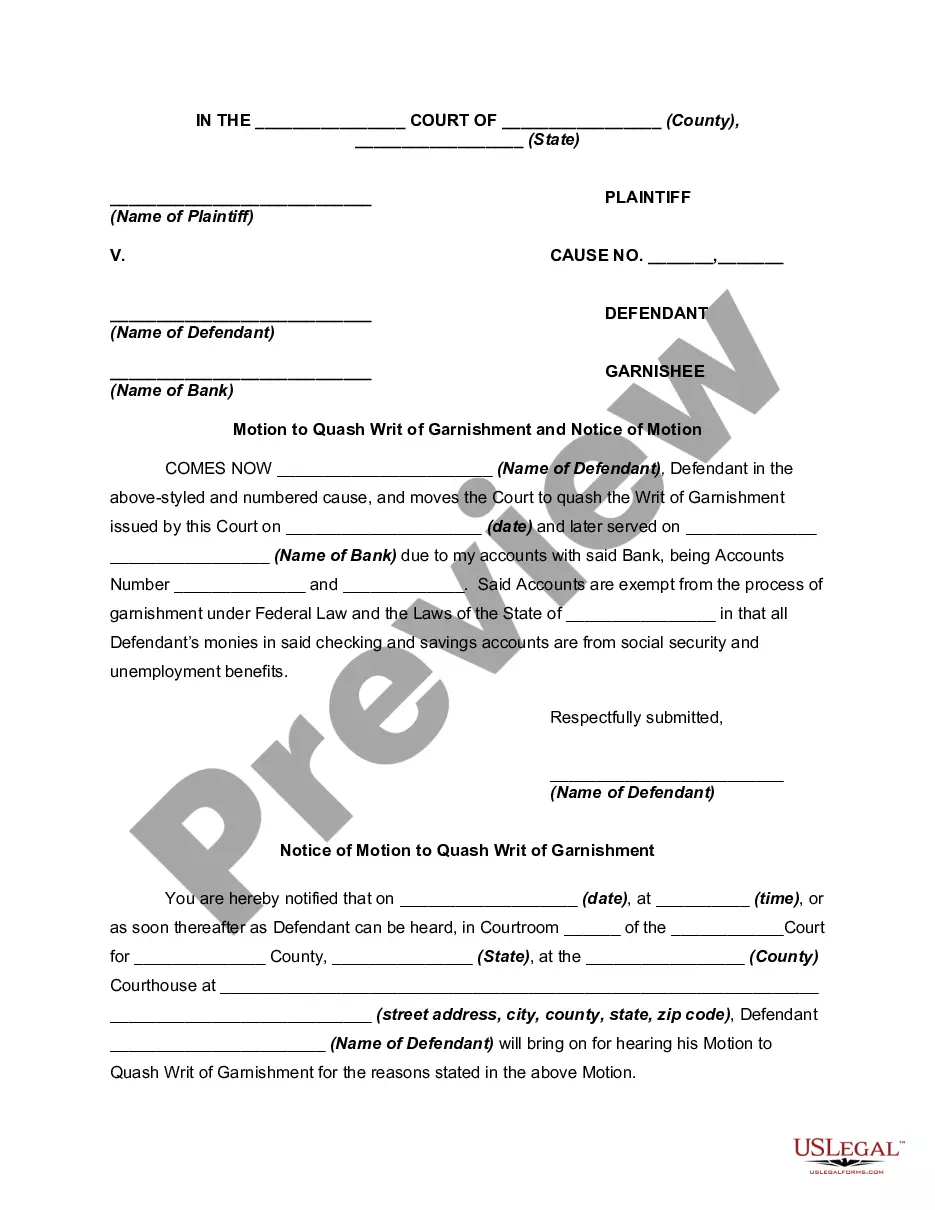
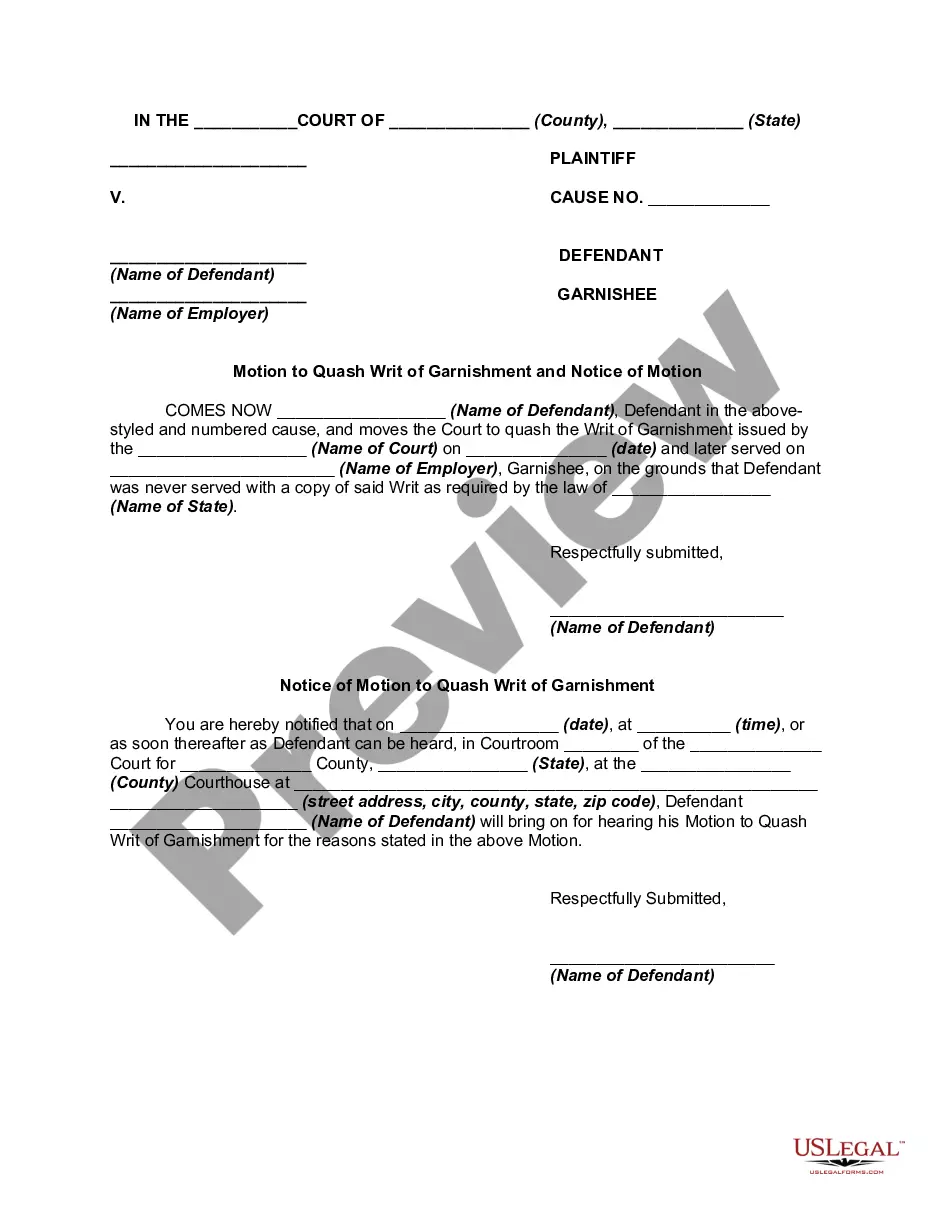
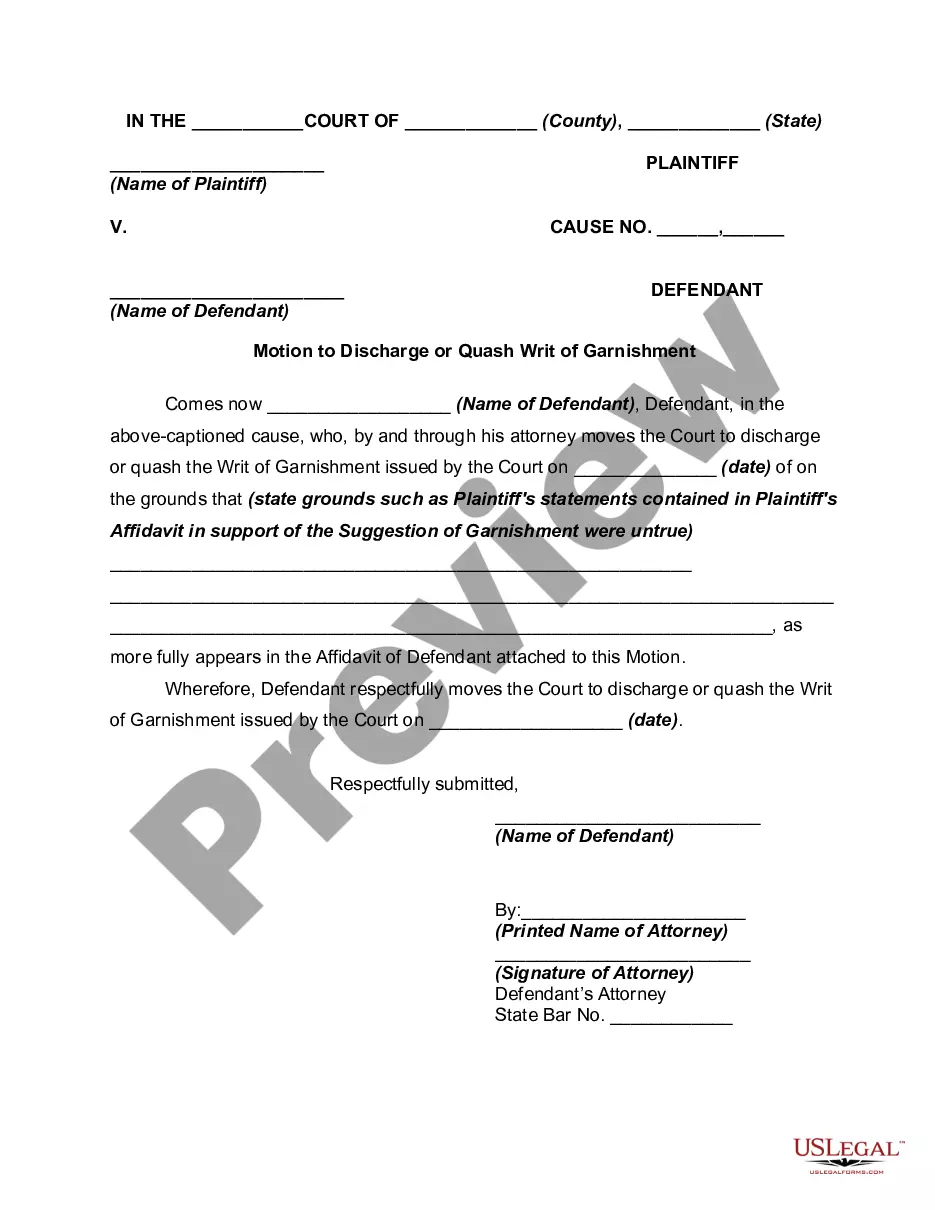
Get your form ready online
Our built-in tools help you complete, sign, share, and store your documents in one place.
Make edits, fill in missing information, and update formatting in US Legal Forms—just like you would in MS Word.
Download a copy, print it, send it by email, or mail it via USPS—whatever works best for your next step.
Sign and collect signatures with our SignNow integration. Send to multiple recipients, set reminders, and more. Go Premium to unlock E-Sign.
If this form requires notarization, complete it online through a secure video call—no need to meet a notary in person or wait for an appointment.
We protect your documents and personal data by following strict security and privacy standards.

Make edits, fill in missing information, and update formatting in US Legal Forms—just like you would in MS Word.

Download a copy, print it, send it by email, or mail it via USPS—whatever works best for your next step.

Sign and collect signatures with our SignNow integration. Send to multiple recipients, set reminders, and more. Go Premium to unlock E-Sign.

If this form requires notarization, complete it online through a secure video call—no need to meet a notary in person or wait for an appointment.

We protect your documents and personal data by following strict security and privacy standards.
Looking for another form?
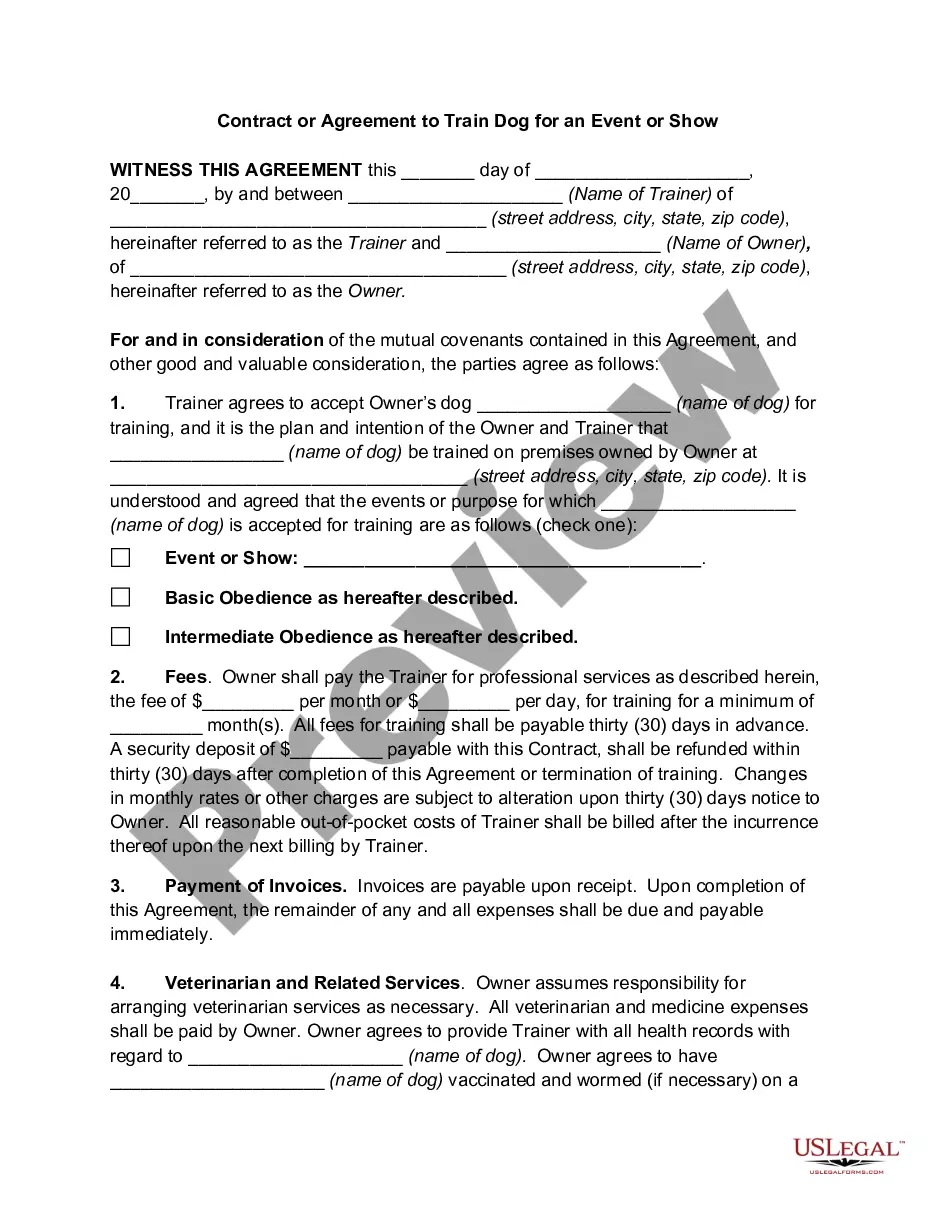


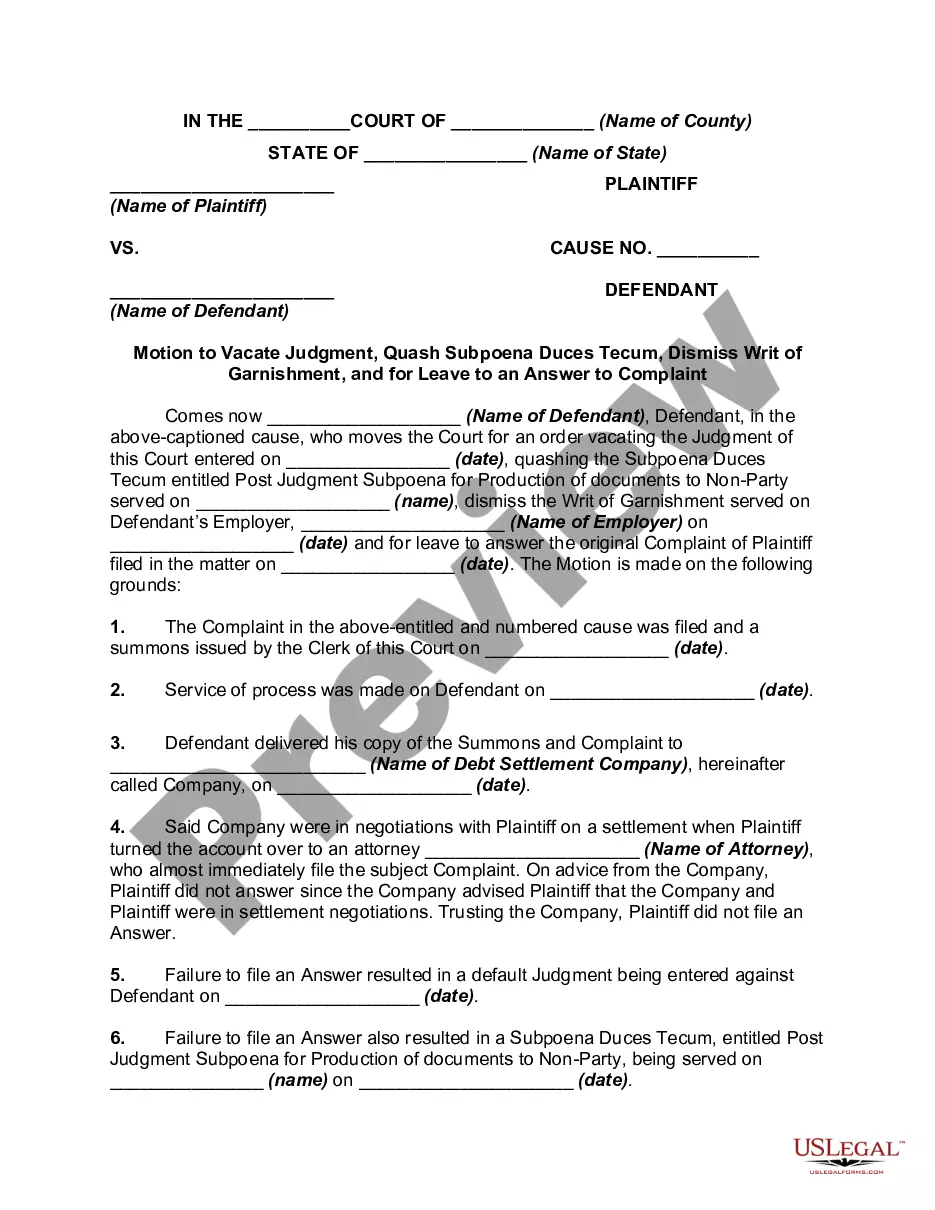
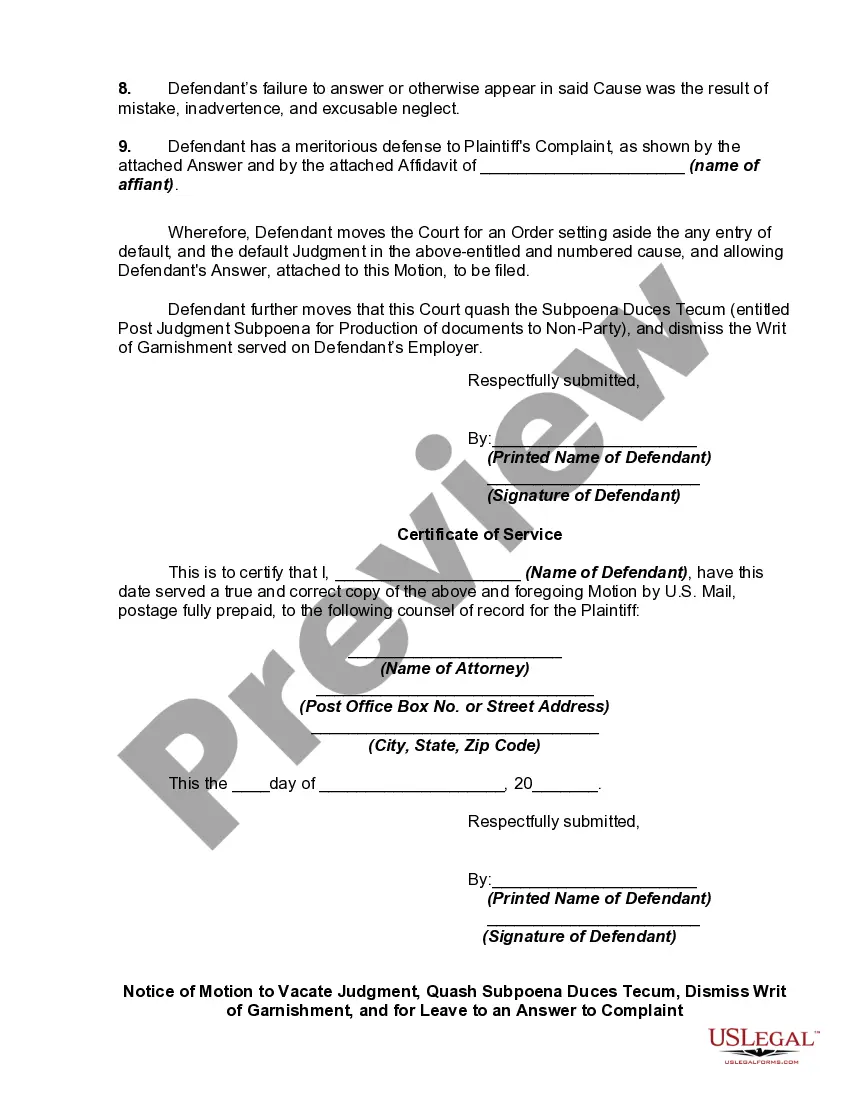
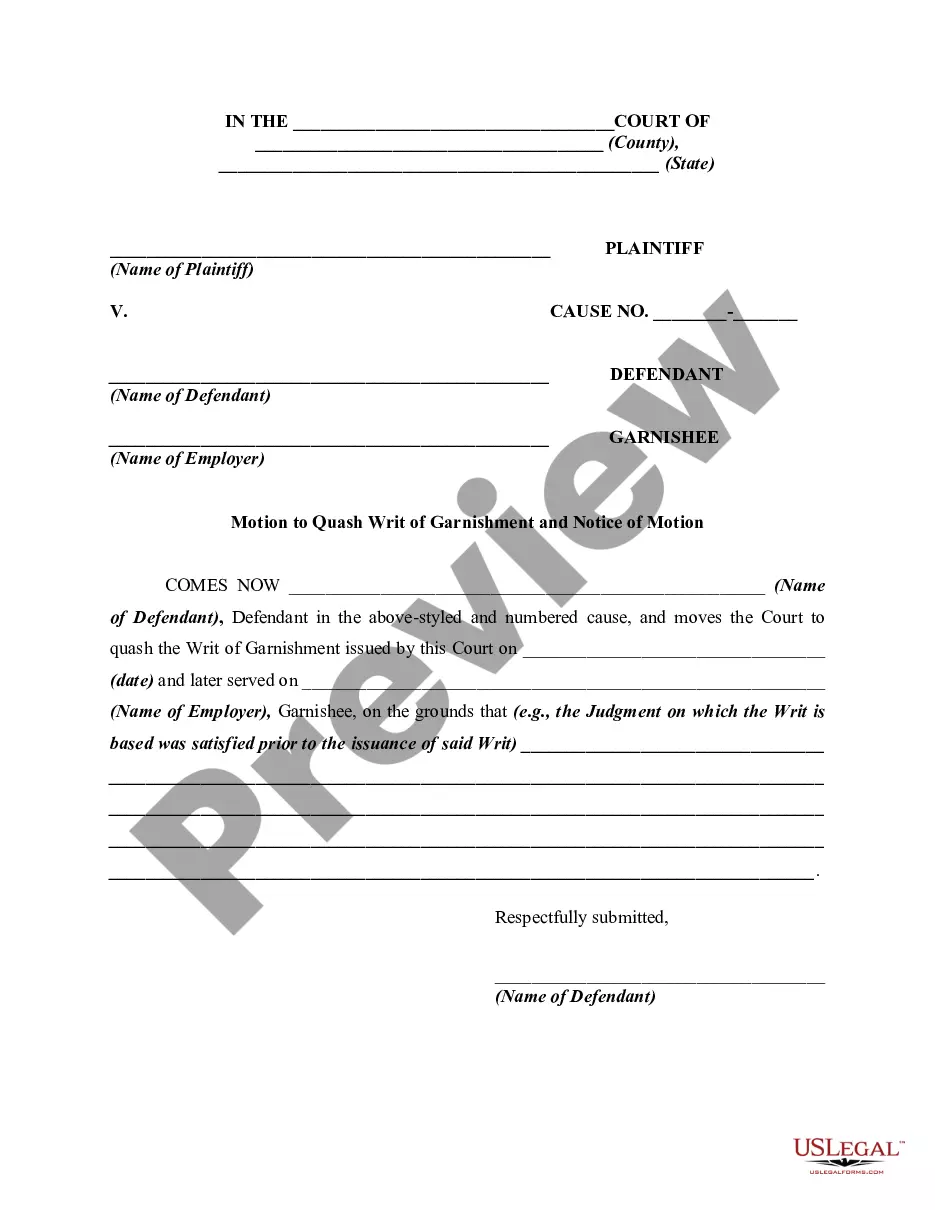
How to fill out Motion To Vacate Judgment, Quash Subpoena Duces Tecum, Dismiss Writ Of Garnishment, And For Leave To File An Answer To Complaint?
It's clear that you can't transform into a legal authority instantly, nor can you learn how to swiftly create a Judgment Subpoena With Documents without a specific expertise.
Compiling legal paperwork is a lengthy endeavor necessitating unique education and proficiency.
So why not entrust the creation of the Judgment Subpoena With Documents to the experts.
You can regain access to your documents from the My documents section at any time. If you are an established client, you can simply Log In and find and download the template from the same section.
Regardless of the intent behind your documentation—whether financial, legal, or personal—our website has you covered. Try US Legal Forms today!
- Locate the document you require using the search feature at the top of the page.
- Preview it (if this option is available) and review the accompanying description to determine if Judgment Subpoena With Documents is what you seek.
- Initiate your search again if you need an alternative template.
- Create a complimentary account and select a subscription plan to acquire the document.
- Click Buy now. Once the payment is processed, you can access the Judgment Subpoena With Documents, complete it, print it, and send it or mail it to the appropriate individuals or organizations.
Form popularity
FAQ
Typically, a judgment subpoena with documents requires swift judicial oversight to ensure fairness and legality. While some informal requests can be made, a proper subpoena must receive approval from a judge to be enforceable. This legal requirement protects people from unwarranted demands for information and upholds the integrity of the judicial system.
Not paying a judgment can lead to serious legal consequences, but it typically does not result in jail time. Courts usually do not imprison individuals for debt. However, failure to comply with court orders related to a judgment can lead to contempt charges, which might involve criminal penalties. If you find yourself in this situation, consider using a judgment subpoena with documents to gather necessary information for compliance or potential negotiations.
A Uniform Commercial Code filing, also known as a UCC filing, is a document that lenders use to establish their legal right to assets that a borrower uses to secure a loan. This notice allows the lender to seize the borrower's collateral in the case of default.
Legal requirements for the UCC-1 In order for a UCC-1 to hold weight in a legal proceeding, it must include the exact legal name of the debtor, the collateral included in the lien and the name of the secured party.
An Example of a UCC Lien Filing If you secure equipment financing, the lender will file a UCC lien to state that if the debt for the espresso machine is not repaid, the lender has the right to repossess the espresso machine or seize other assets from your business.
By filing the UCC financing statement, the lender is giving notice that it has an interest in the property listed in the filing. This means that if the debtor defaults on the loan, the creditor can potentially receive the personal property of the debtor that was put up as collateral.
A UCC financing statement ? also called a UCC-1 financing statement or a UCC-1 filing ? is a legal form that allows a lender to announce a lien on an asset to secure a loan. By filing the UCC financing statement, the lender is giving notice that it has an interest in the property listed in the filing.
Uniform Commercial Code (UCC) filings allow creditors to notify other creditors about a debtor's assets used as collateral for a secured transaction. UCC liens filed with Secretary of State offices act as a public notice by the "creditor" of the creditor's interest in the property.
The easiest way to file a financing statement or search UCC records is online. Follow the directions to fill out the form, pay with a credit card, and print your acknowledgement or search report.
Fill in the debtor's name and mailing address. It may be an individual, or it may be in the name of a business or organization. If the loan is in the name of the business, include the business mailing address. There is space for additional debtors. Include them exactly as they appeared on the loan agreement.