Dismiss Vs Terminate
Description
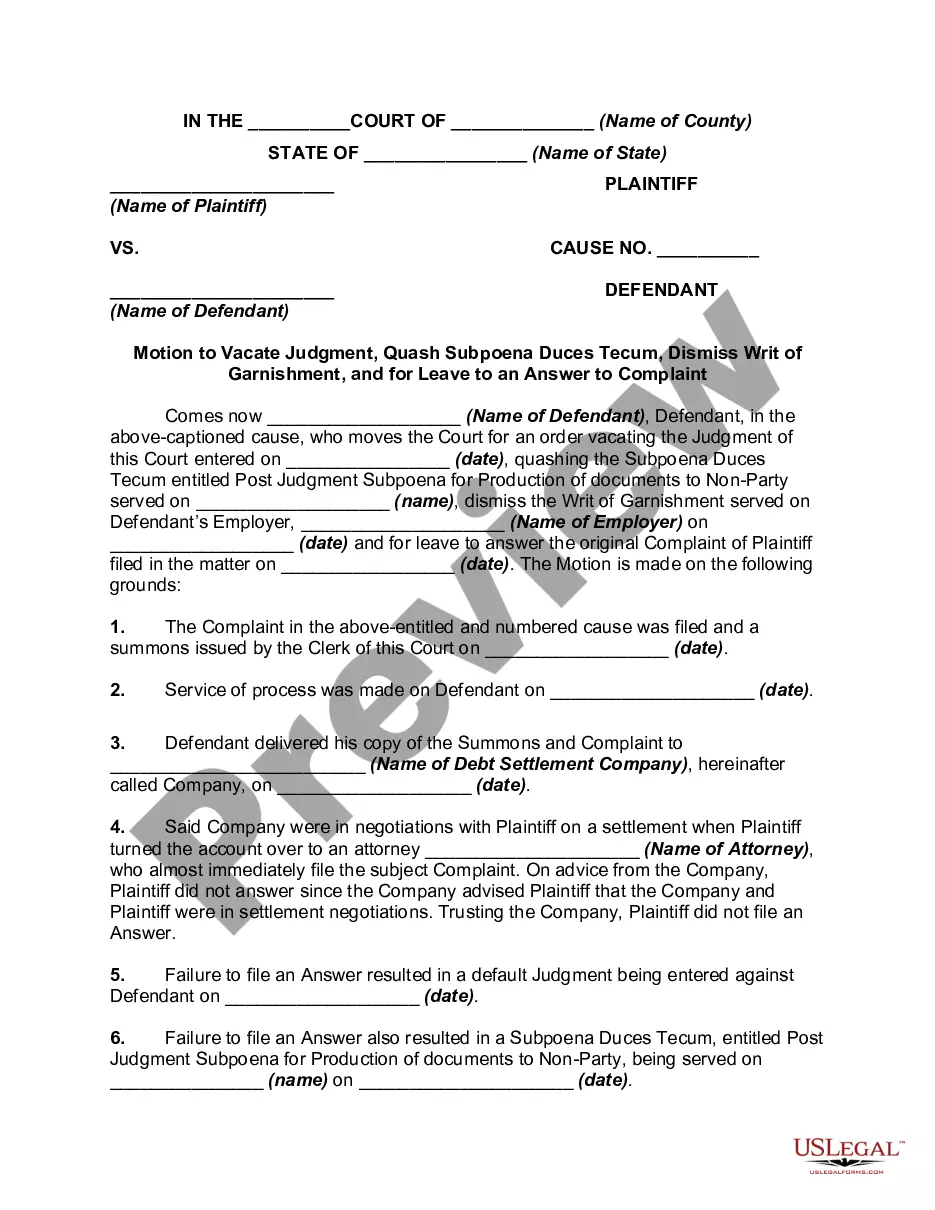
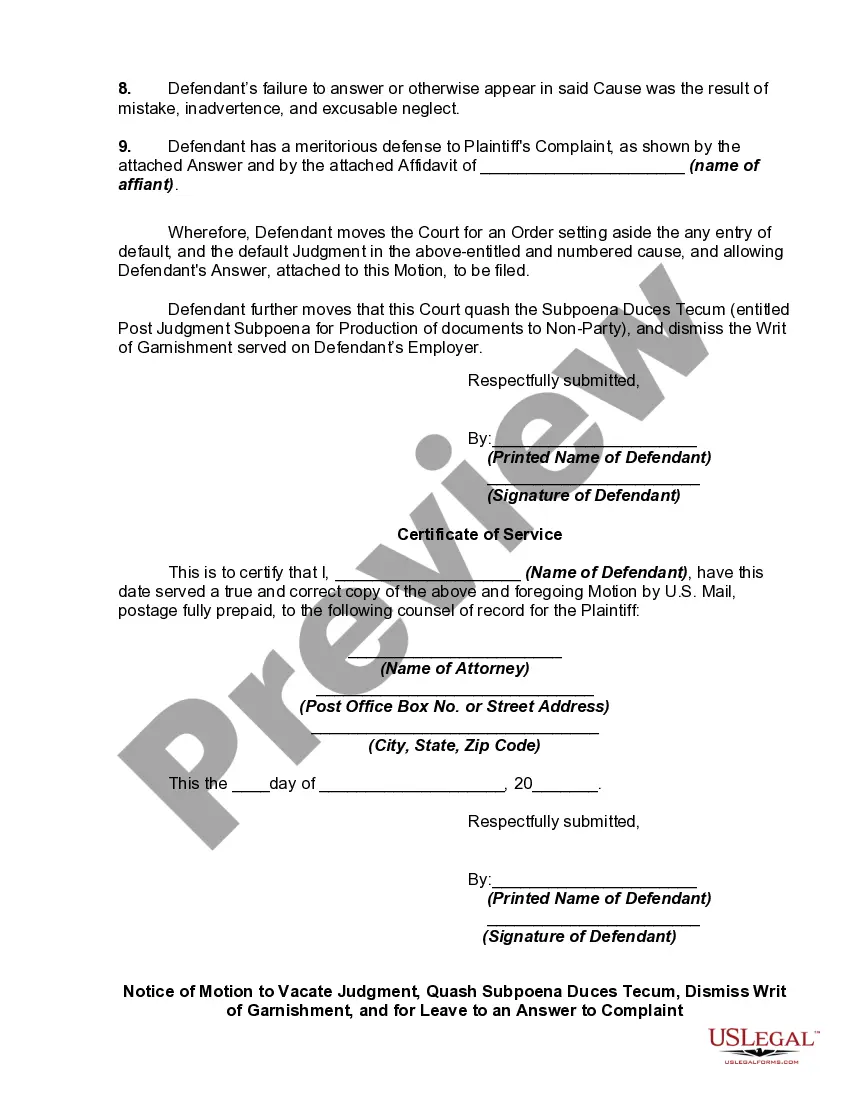
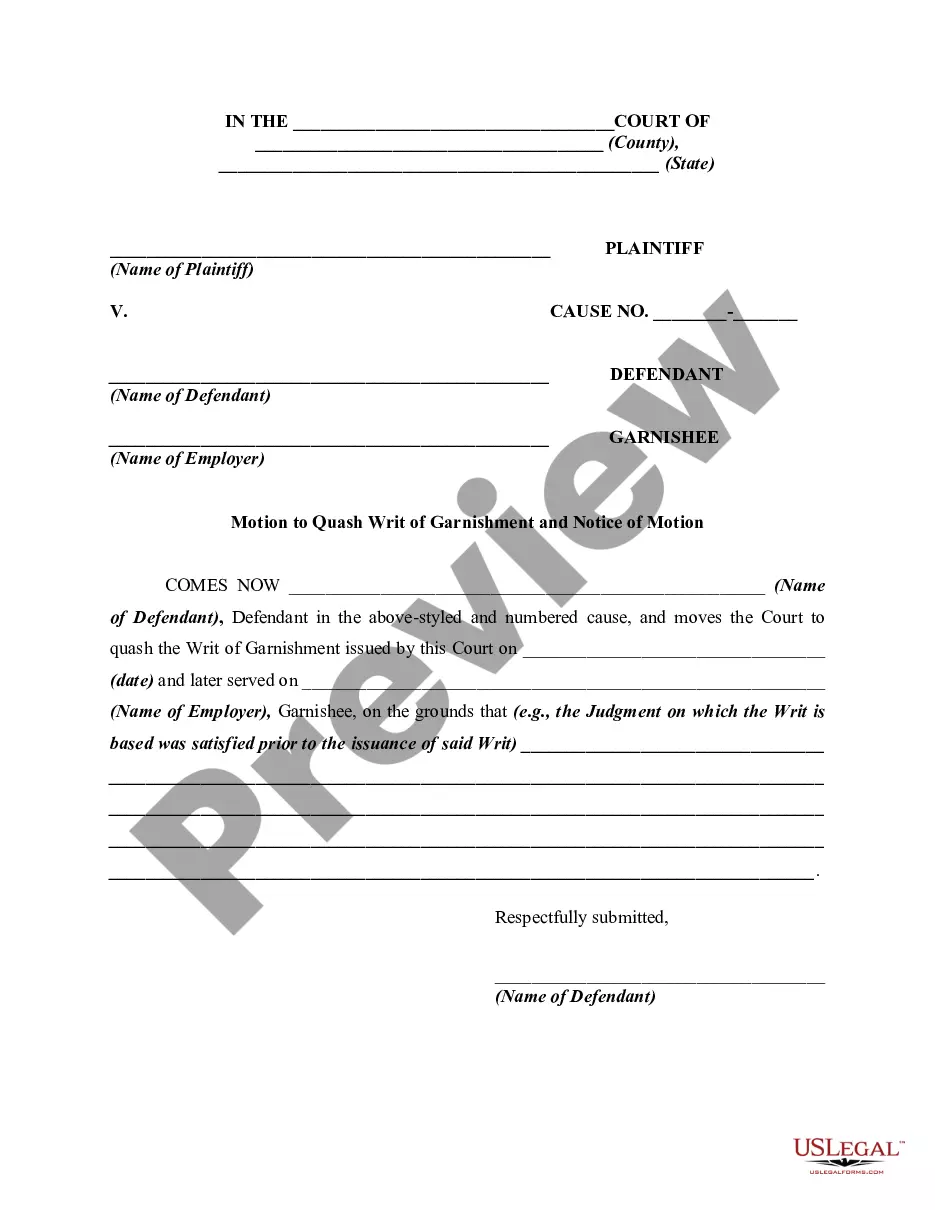
Get your form ready online
Our built-in tools help you complete, sign, share, and store your documents in one place.
Make edits, fill in missing information, and update formatting in US Legal Forms—just like you would in MS Word.
Download a copy, print it, send it by email, or mail it via USPS—whatever works best for your next step.
Sign and collect signatures with our SignNow integration. Send to multiple recipients, set reminders, and more. Go Premium to unlock E-Sign.
If this form requires notarization, complete it online through a secure video call—no need to meet a notary in person or wait for an appointment.
We protect your documents and personal data by following strict security and privacy standards.

Make edits, fill in missing information, and update formatting in US Legal Forms—just like you would in MS Word.

Download a copy, print it, send it by email, or mail it via USPS—whatever works best for your next step.

Sign and collect signatures with our SignNow integration. Send to multiple recipients, set reminders, and more. Go Premium to unlock E-Sign.

If this form requires notarization, complete it online through a secure video call—no need to meet a notary in person or wait for an appointment.

We protect your documents and personal data by following strict security and privacy standards.
Looking for another form?

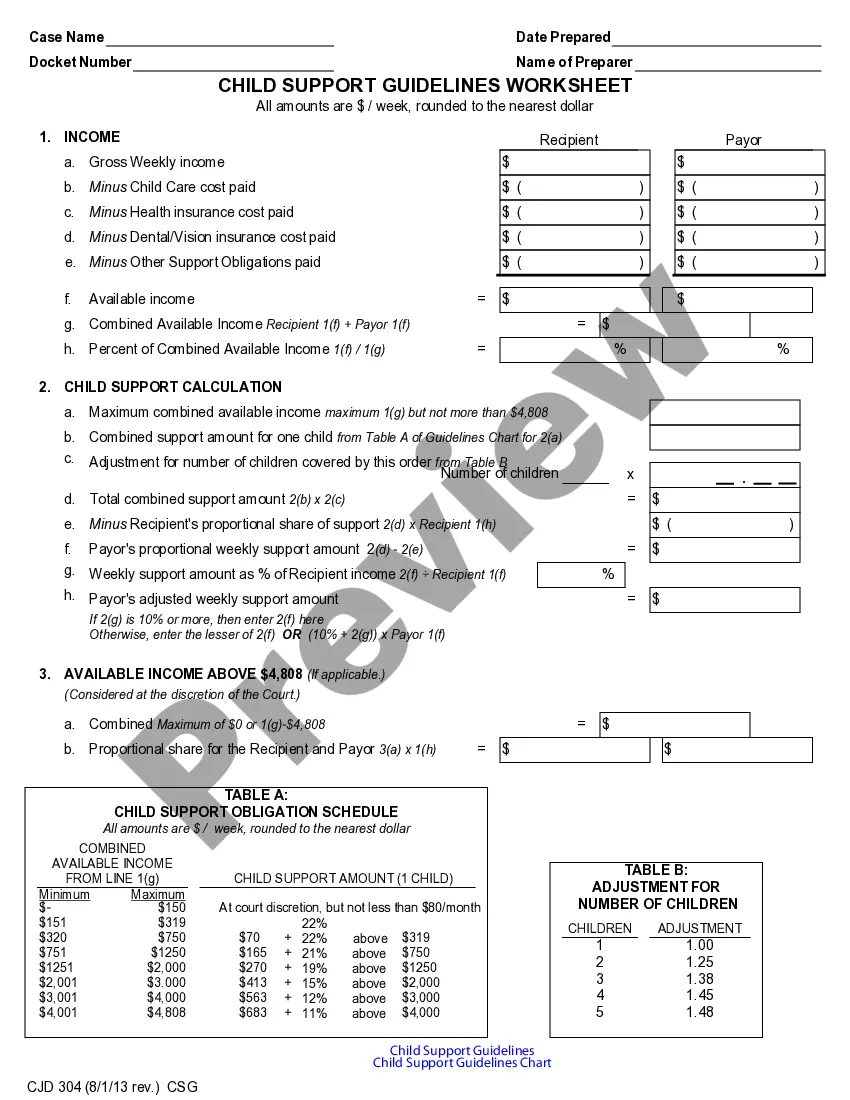

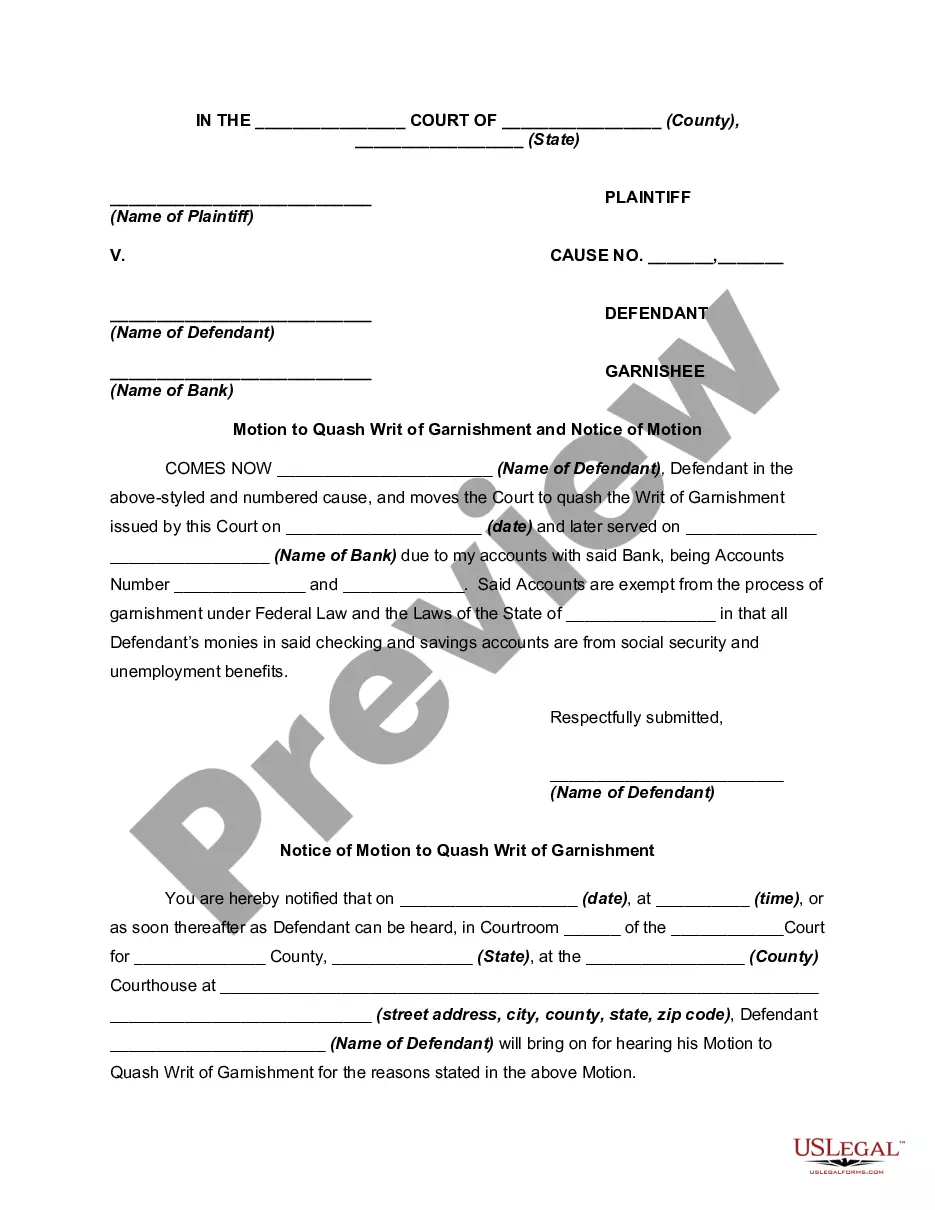
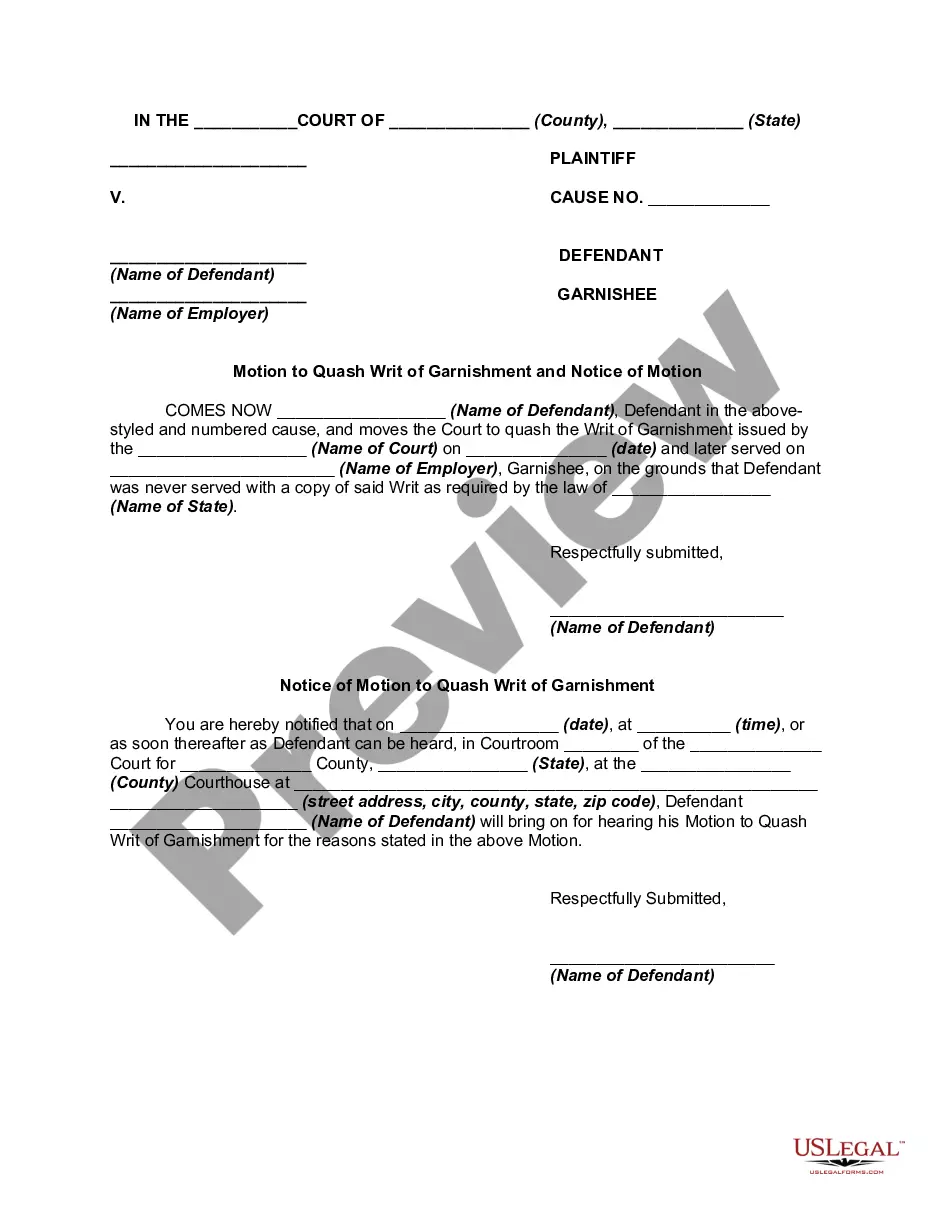
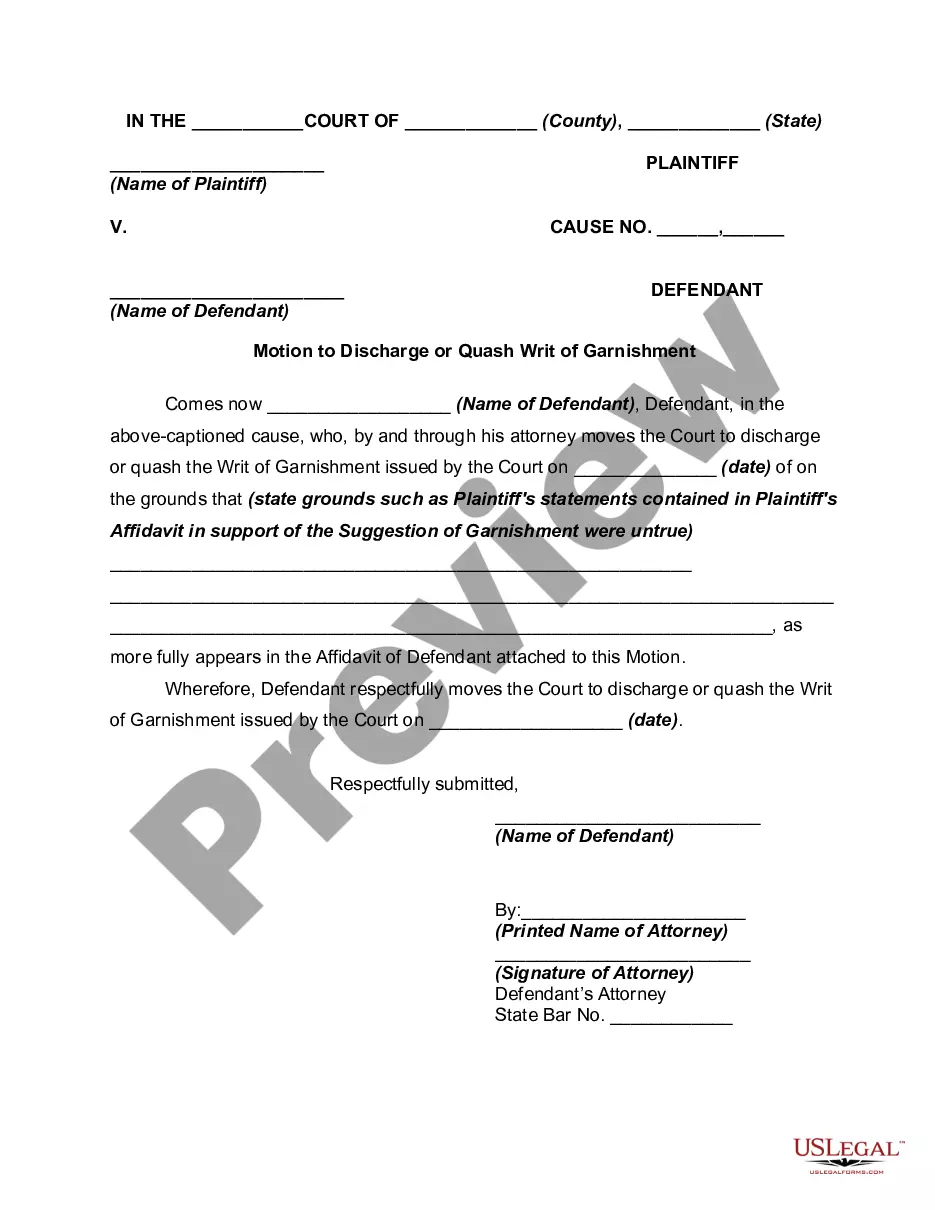
How to fill out Motion To Vacate Judgment, Quash Subpoena Duces Tecum, Dismiss Writ Of Garnishment, And For Leave To File An Answer To Complaint?
The Dismiss vs Terminate that you observe on this page is a versatile legal template created by expert attorneys in accordance with federal and regional statutes.
For over 25 years, US Legal Forms has supplied individuals, corporations, and lawyers with more than 85,000 authenticated, state-specific documents for any commercial and personal situation. It is the fastest, most uncomplicated, and most reliable way to acquire the papers you require, as the service ensures bank-grade data protection and anti-malware safeguards.
Subscribe to US Legal Forms to have verified legal templates for all of life’s scenarios readily available.
- Search for the document you need and review it.
- Browse the sample you looked for and preview it or review the document description to confirm it meets your requirements. If it doesn’t, utilize the search feature to find the correct one. Click Buy Now once you have located the template you require.
- Register and Log In.
- Select the pricing plan that works for you and sign up for an account. Use PayPal or a credit card to make a swift payment. If you already have an account, Log In and verify your subscription to continue.
- Obtain the editable template.
- Choose the format you want for your Dismiss vs Terminate (PDF, DOCX, RTF) and store the sample on your device.
- Complete and sign the documentation.
- Print the template to fill it out by hand. Alternatively, use an online versatile PDF editor to quickly and accurately complete and sign your document with an electronic signature.
- Re-download your documentation one more time.
- Use the same document again whenever needed. Access the My documents tab in your profile to redownload any previously downloaded filings.
Form popularity
FAQ
A motion to dismiss is a request to end a case before it goes to trial, often due to lack of evidence or legal grounds. In contrast, a motion to terminate typically refers to ending a legal action or relationship after it has been initiated. Understanding the differences between these terms can greatly impact your legal strategy. If you need help with these motions, US Legal offers resources to guide you through the process.
Yes, you can file your own motion to dismiss. However, it's important to understand the legal standards and requirements involved in this process. If you are unsure, seeking assistance from a legal professional can provide clarity. Using resources like US Legal can help you navigate the complexities of filing a motion to dismiss effectively.
The difference between dismiss and terminate immigration cases lies in the legal implications of each term. Dismiss signifies that a case is considered without a formal ruling, often allowing for future actions. In contrast, terminate means that the immigration process is fully completed and not open to further appeals. Understanding these distinctions can clarify your legal strategy in situations involving dismiss vs terminate.
To fill out a motion to dismiss, you need to begin by clearly stating the legal grounds for your dismissal. It is essential to include relevant case details, such as the names of the parties involved and the case number. Additionally, attach supporting documents that bolster your argument. By effectively utilizing the resources on US Legal Forms, you can simplify this process and ensure your motion to dismiss is properly formatted.
After being dismissed, you typically may not face any further legal consequences if the dismissal was in your favor. However, if it involves employment, you should review company policies to understand your next steps. You might explore options for seeking new opportunities or addressing any remaining issues. Platforms like US Legal Forms can assist you in navigating the next stages effectively.
While being dismissed and being fired might seem similar, there are distinctions. Dismissal can indicate a broader legal context where a case is dropped, while being fired specifically refers to employment loss. Both involve the end of a relationship, yet the implications can vary greatly. It's essential to know these nuances when considering your rights and next steps.
Dismissal generally refers to a legal action being resolved or cancelled, while termination is a more severe measure that ends an individual's role or status. In employment contexts, dismissal may relate to ending an employment relationship, while termination implies it is often due to violation of policies. Understanding these differences is key when navigating legal or workplace issues associated with 'dismiss vs terminate.'
To get a removal order dismissed, you often need to file a motion with the court detailing your reasons for the dismissal. It’s crucial to present strong evidence and legal arguments to support your case. Utilizing legal resources or consulting with an attorney can provide guidance through the process. US Legal Forms offers various templates that can make this process easier for you.