Foreclosure For Sale By Owner
Description
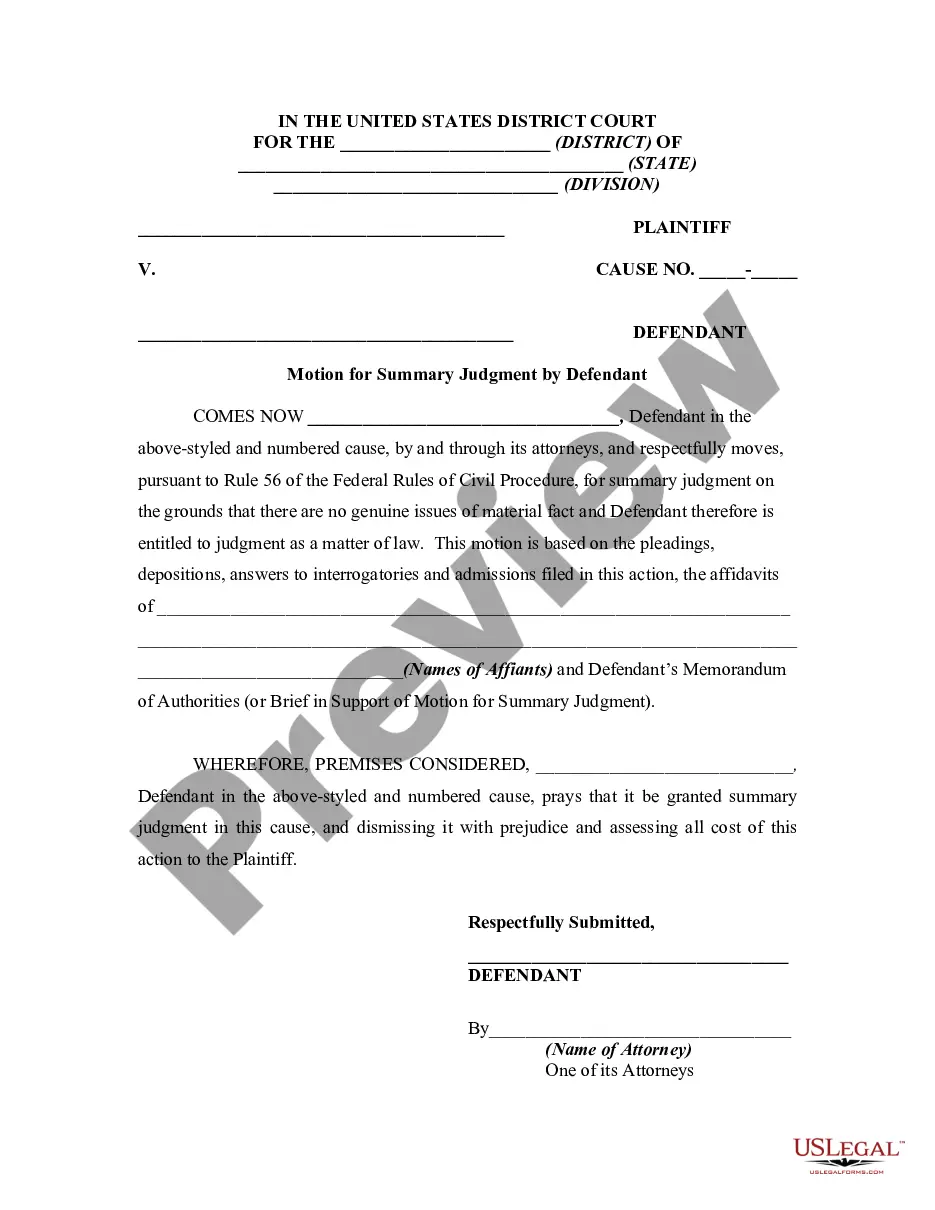
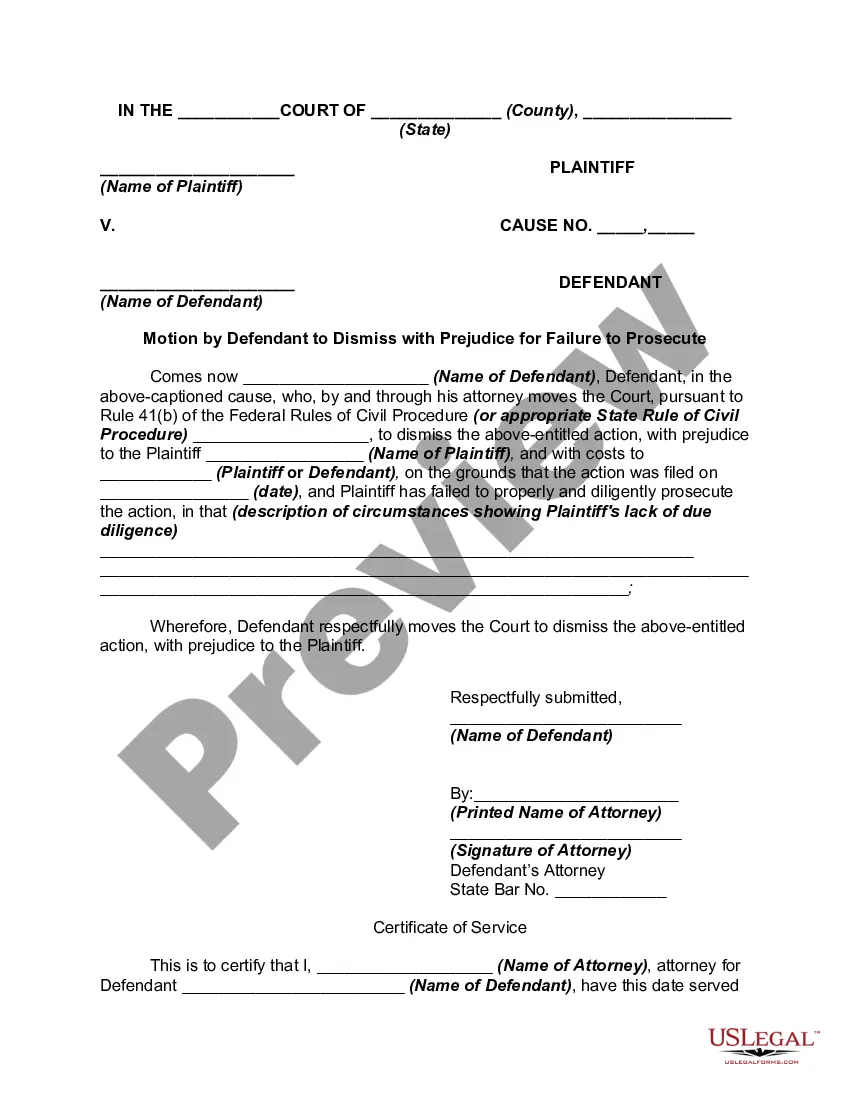
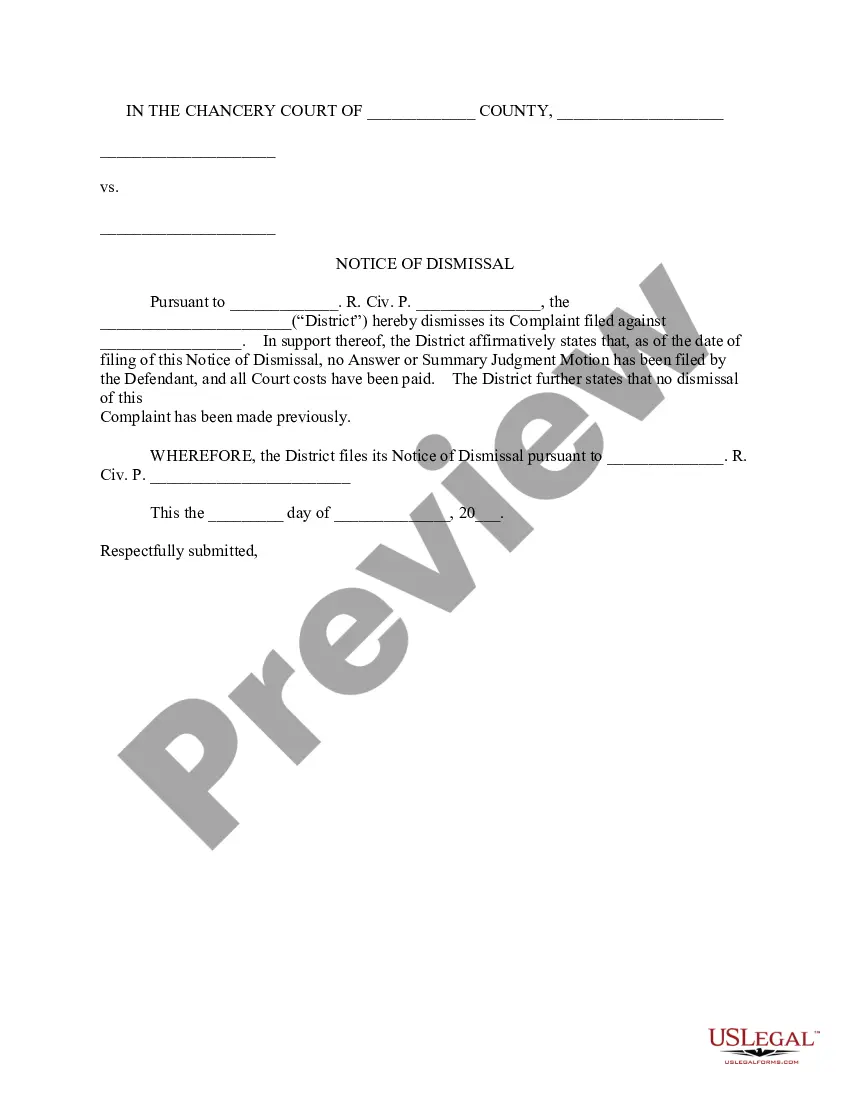
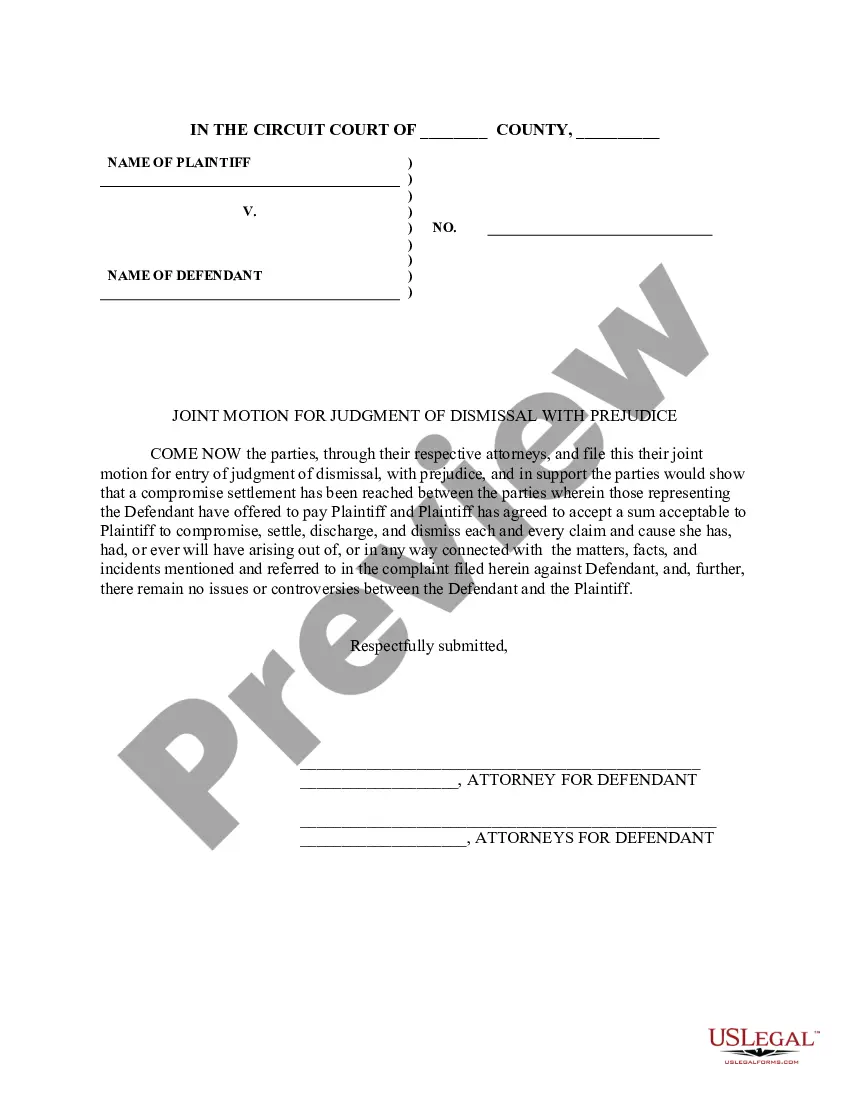
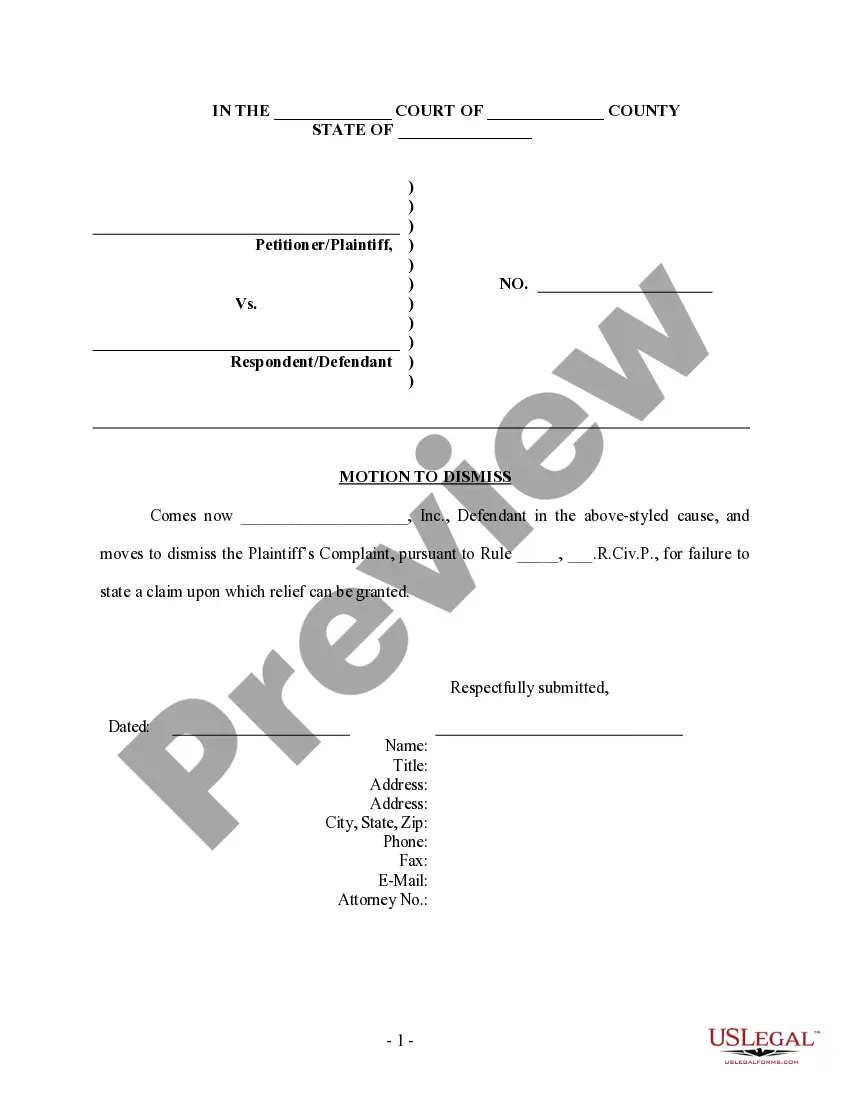
Get your form ready online
Our built-in tools help you complete, sign, share, and store your documents in one place.
Make edits, fill in missing information, and update formatting in US Legal Forms—just like you would in MS Word.
Download a copy, print it, send it by email, or mail it via USPS—whatever works best for your next step.
Sign and collect signatures with our SignNow integration. Send to multiple recipients, set reminders, and more. Go Premium to unlock E-Sign.
If this form requires notarization, complete it online through a secure video call—no need to meet a notary in person or wait for an appointment.
We protect your documents and personal data by following strict security and privacy standards.

Make edits, fill in missing information, and update formatting in US Legal Forms—just like you would in MS Word.

Download a copy, print it, send it by email, or mail it via USPS—whatever works best for your next step.

Sign and collect signatures with our SignNow integration. Send to multiple recipients, set reminders, and more. Go Premium to unlock E-Sign.

If this form requires notarization, complete it online through a secure video call—no need to meet a notary in person or wait for an appointment.

We protect your documents and personal data by following strict security and privacy standards.
Looking for another form?

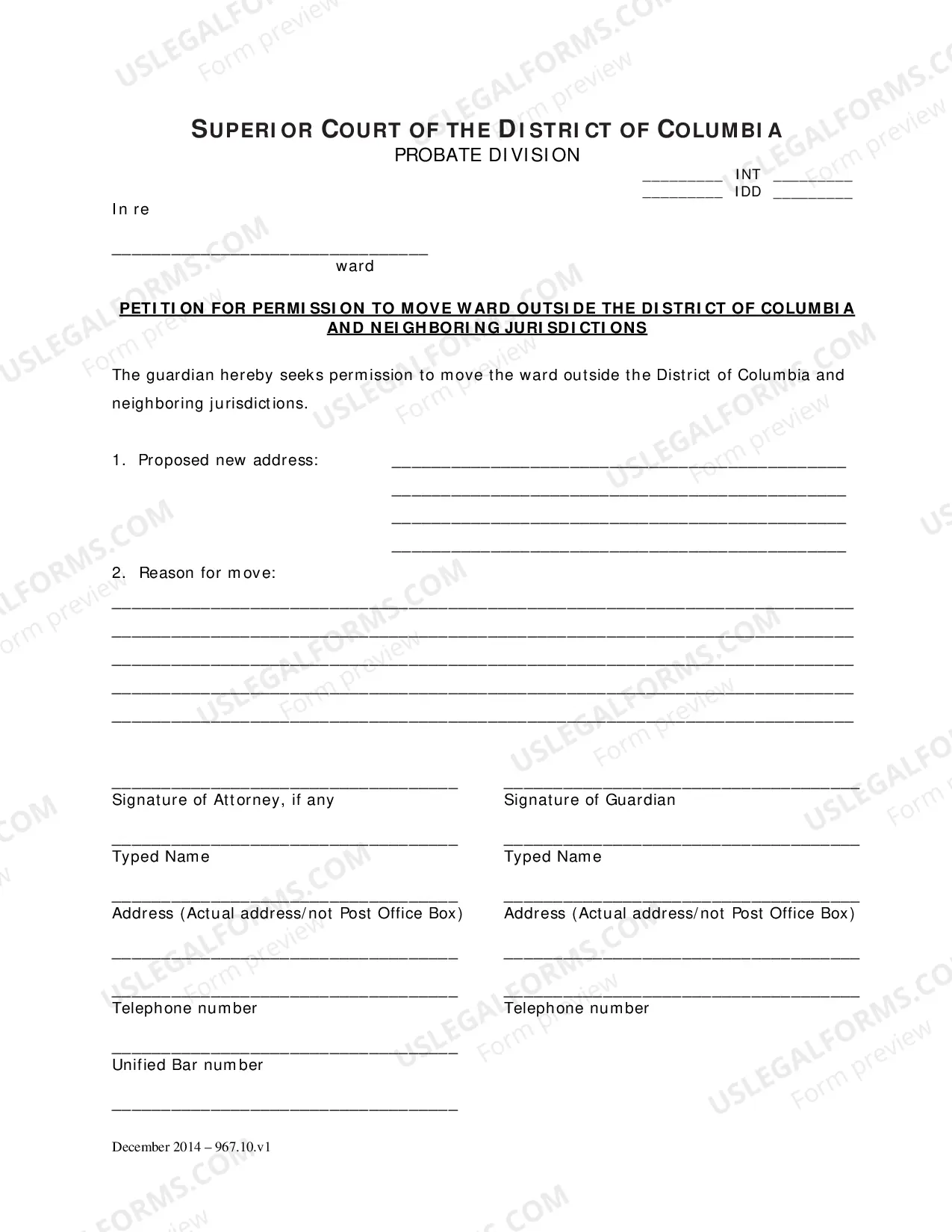



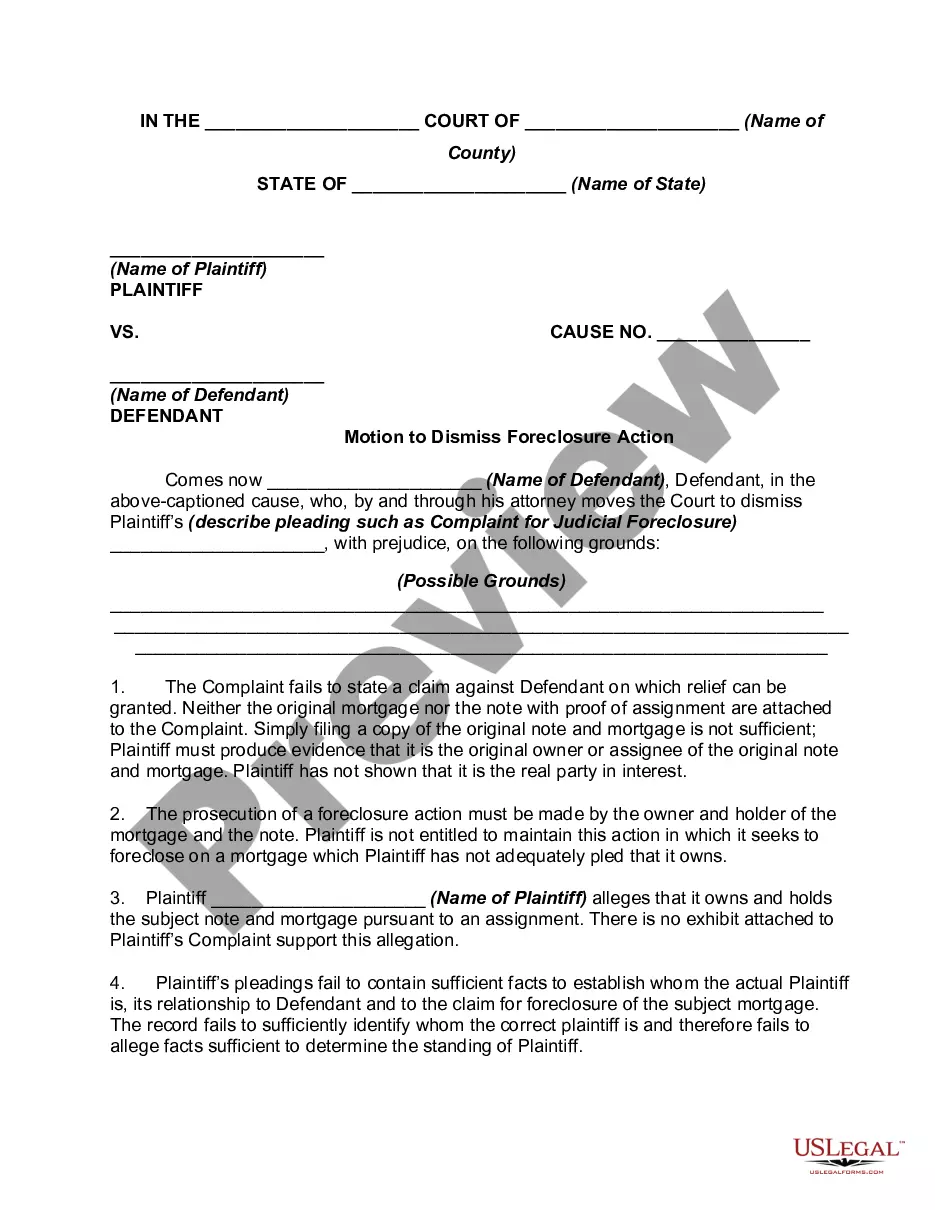
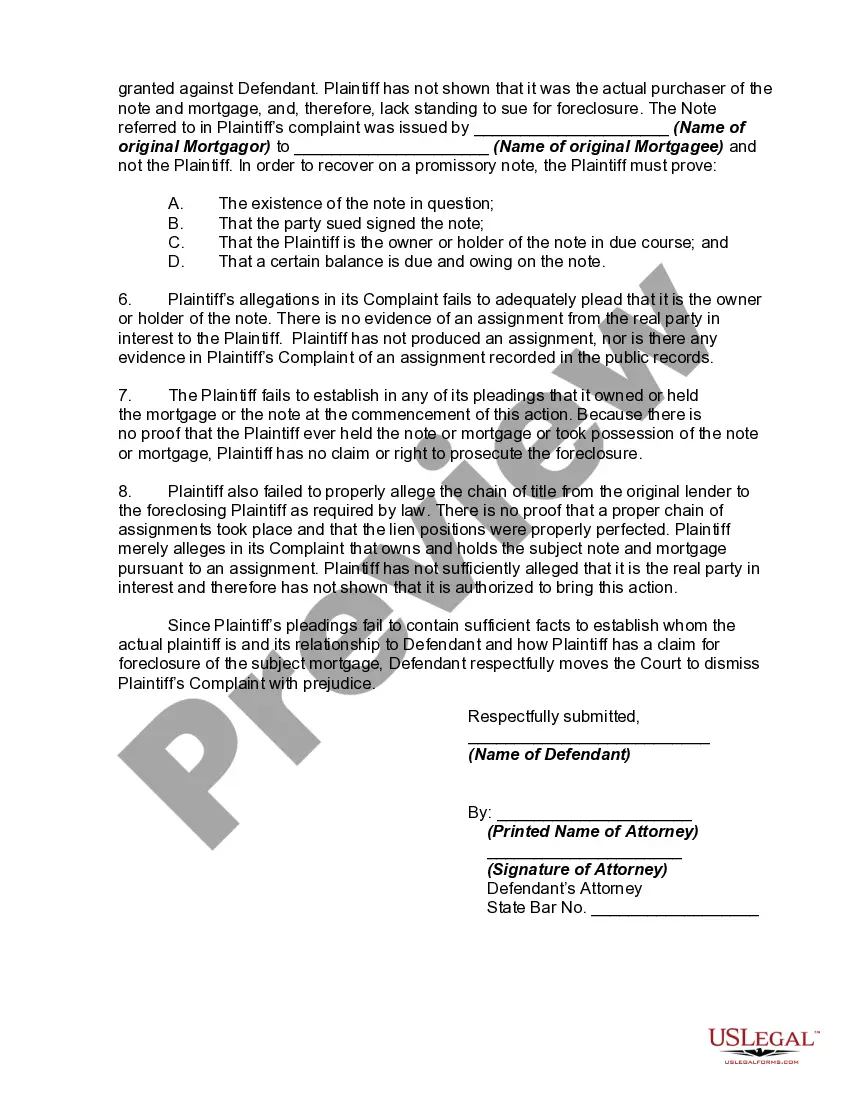
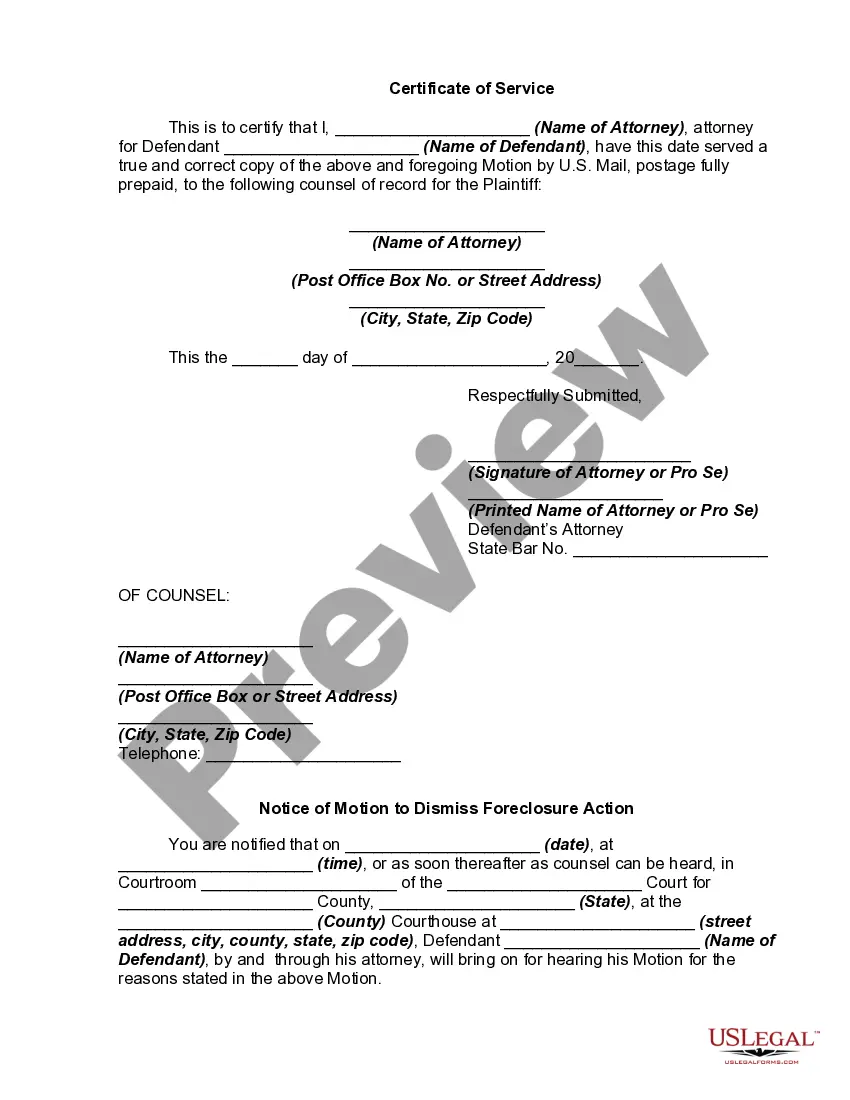
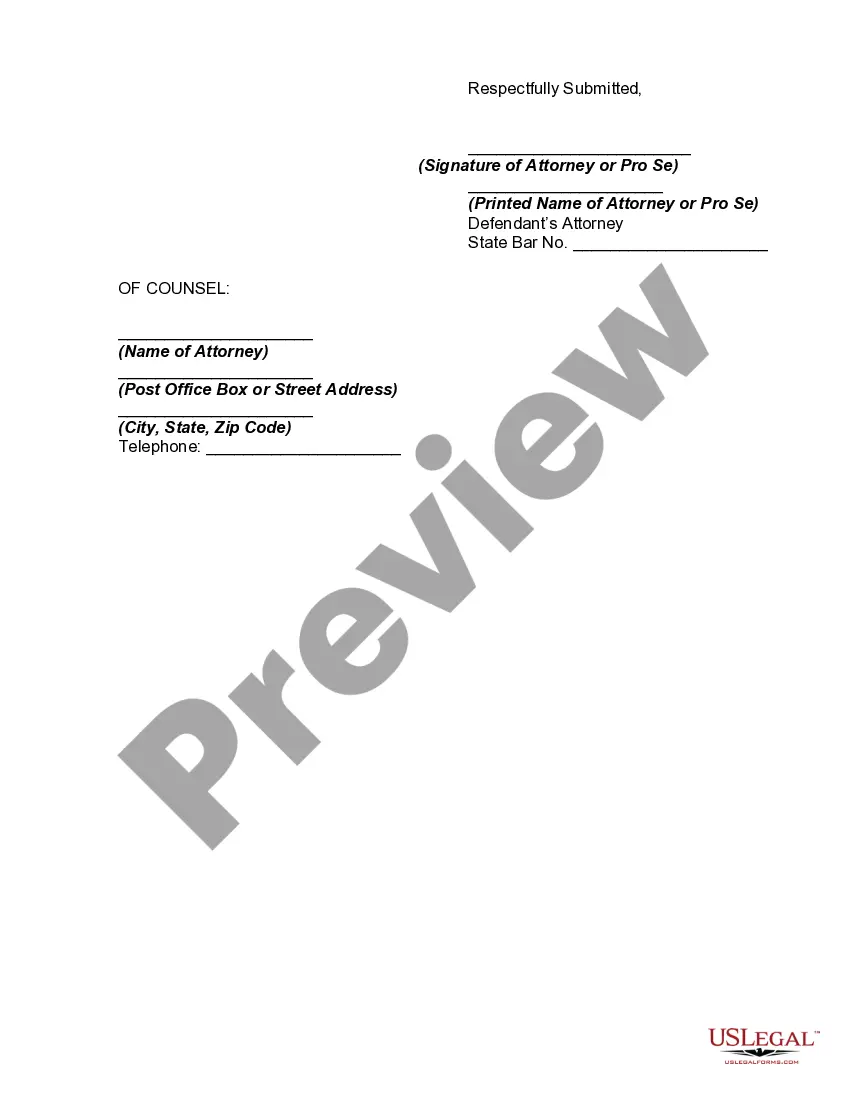
How to fill out Motion To Dismiss Foreclosure Action And Notice Of Motion?
- Preview your desired form and read its description carefully to confirm it meets your needs.
- If you need a different template, use the search feature to locate the correct form that fulfills your requirements.
- Purchase the document by clicking 'Buy Now' and selecting your preferred subscription plan.
- Complete your payment using a credit card or PayPal account to finalize your subscription.
- Download the legal template to your device for immediate use, and access it anytime from 'My Forms' in your account.
By using US Legal Forms, individuals and attorneys can confidently execute legal documents with ease. Their extensive library and professional support ensure you have the right tools for success.
Ready to take the next step? Explore US Legal Forms today and unlock precise, legally sound documents for your foreclosure needs!
Form popularity
FAQ
Purchasing a foreclosure typically involves three main steps: researching properties, making an offer, and closing the deal. First, identify properties that interest you, especially those labeled as foreclosure for sale by owner. Next, submit your offer to the bank or owner, which may require financing pre-approval. Finally, complete inspections and finalize the closing paperwork to secure your new home.
Buying a foreclosure can be a beneficial investment for many homebuyers. These properties often come at lower prices, allowing for potential equity growth. However, it is crucial to be aware of the risks, such as possible repairs or liens on the property. When considering a foreclosure for sale by owner, assess your budget and do due diligence to avoid any pitfalls.
Foreclosure rules in Virginia are governed by state laws and can vary slightly. Generally, a lender must give the homeowner a minimum of 14 days' notice before pursuing foreclosure. Additionally, properties are typically sold at a public auction following a set timeline. If you are considering a foreclosure for sale by owner in Virginia, understanding these regulations can guide you effectively through the buying process.
When you participate in a foreclosure sale for sale by owner, you typically bid on the property at an auction. The highest bidder wins the property, but they must have financing in place, typically requiring an immediate down payment. After winning the bid, the buyer works with the lender and completes the transaction, ensuring all legal requirements are satisfied. Familiarizing yourself with this process can enhance your purchasing experience.
In Washington State, the foreclosure process can take from three months to over a year, depending on various factors. This timeline includes the notice period, the auction process, and any possible legal disputes. The process can also be affected by whether it is a judicial or non-judicial foreclosure. If you're pursuing a foreclosure for sale by owner, being aware of this timeline is crucial.
The 120-day rule for foreclosure provides homeowners a grace period to resolve their financial issues before lenders can repossess their properties. During this time, the borrower can negotiate with the lender or work towards selling their home. This rule is particularly relevant for those looking at foreclosures for sale by owner, as it can impact property duration on the market. Awareness of this rule can empower buyers and sellers alike.
New Jersey follows a judicial foreclosure process, requiring lenders to file a lawsuit to begin foreclosure. Buyers interested in purchasing a foreclosure for sale by owner should be prepared for a more complex process than in states with non-judicial foreclosures. Knowing your rights and the timeline can significantly influence your experience and outcome. It's smart to seek assistance from legal professionals when navigating these rules.
In Tennessee, foreclosures occur through a non-judicial process, meaning lenders do not have to go to court to initiate foreclosure. Instead, they follow a specific series of steps, including sending a notice of default. Those interested in purchasing a foreclosure for sale by owner should familiarize themselves with these processes, ensuring they understand all requirements and timelines involved.
The 120-day rule applies primarily to certain mortgage contracts, particularly those linked to residential properties. This regulation is designed to offer homeowners some breathing room before foreclosure proceedings begin. It's important to know how this rule affects foreclosures for sale by owner, as it can change timelines and negotiations. Always consult legal resources to ensure clarity.
California's new foreclosure law introduces more protections for homeowners facing financial hardship. This law aims to streamline the process, ensuring greater transparency and fairness. Knowing these regulations helps potential buyers navigate the foreclosure for sale by owner market more confidently. Stay informed, as understanding legal changes is essential for making sound decisions.