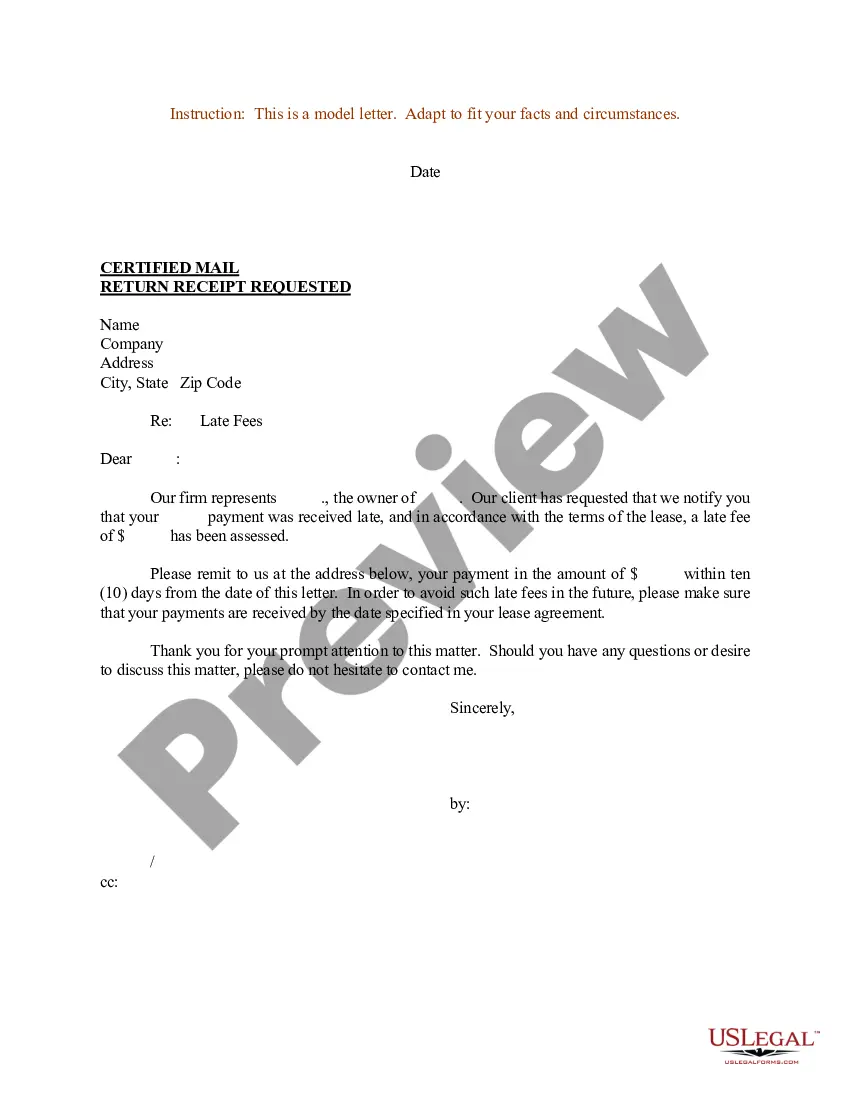
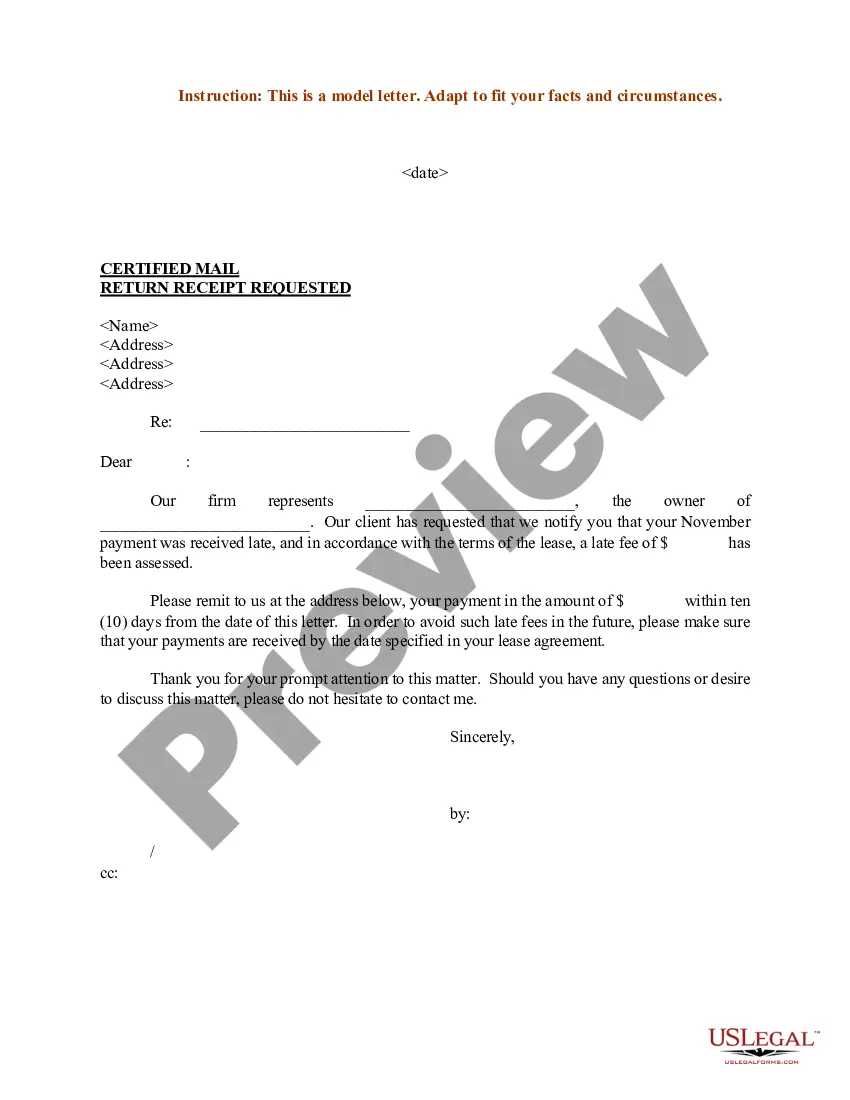
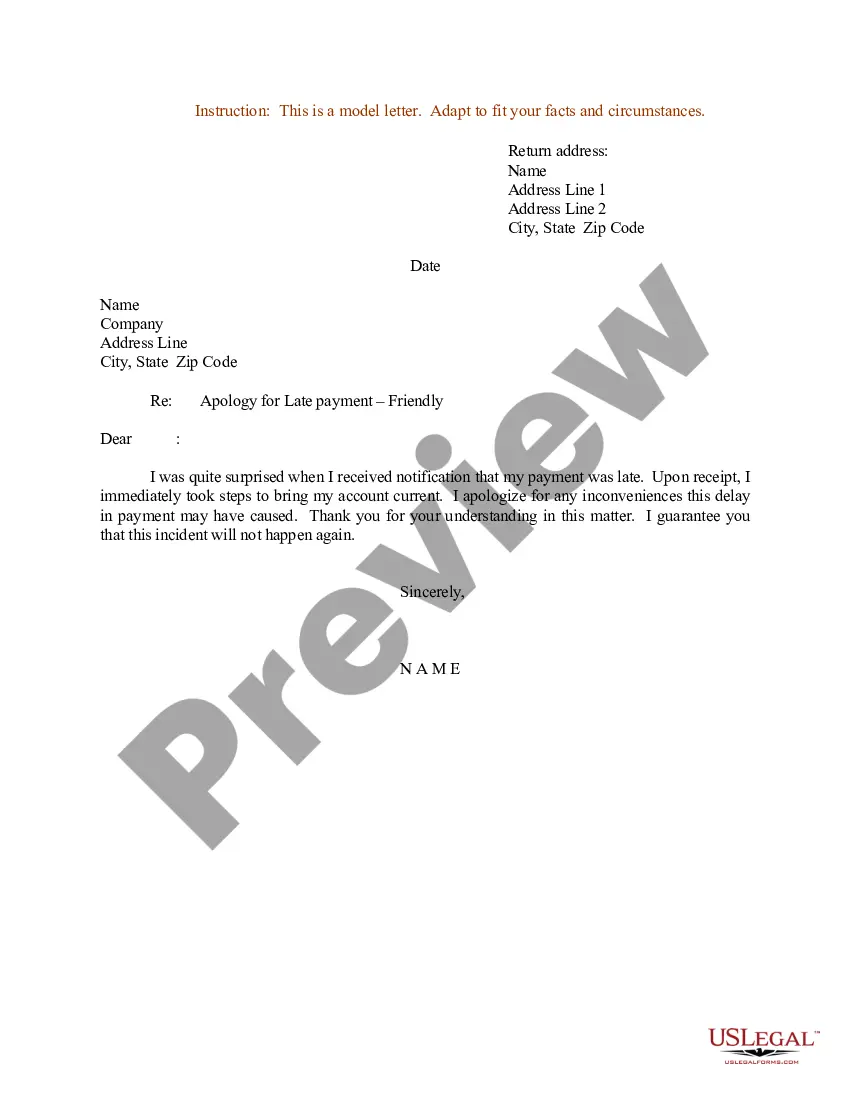
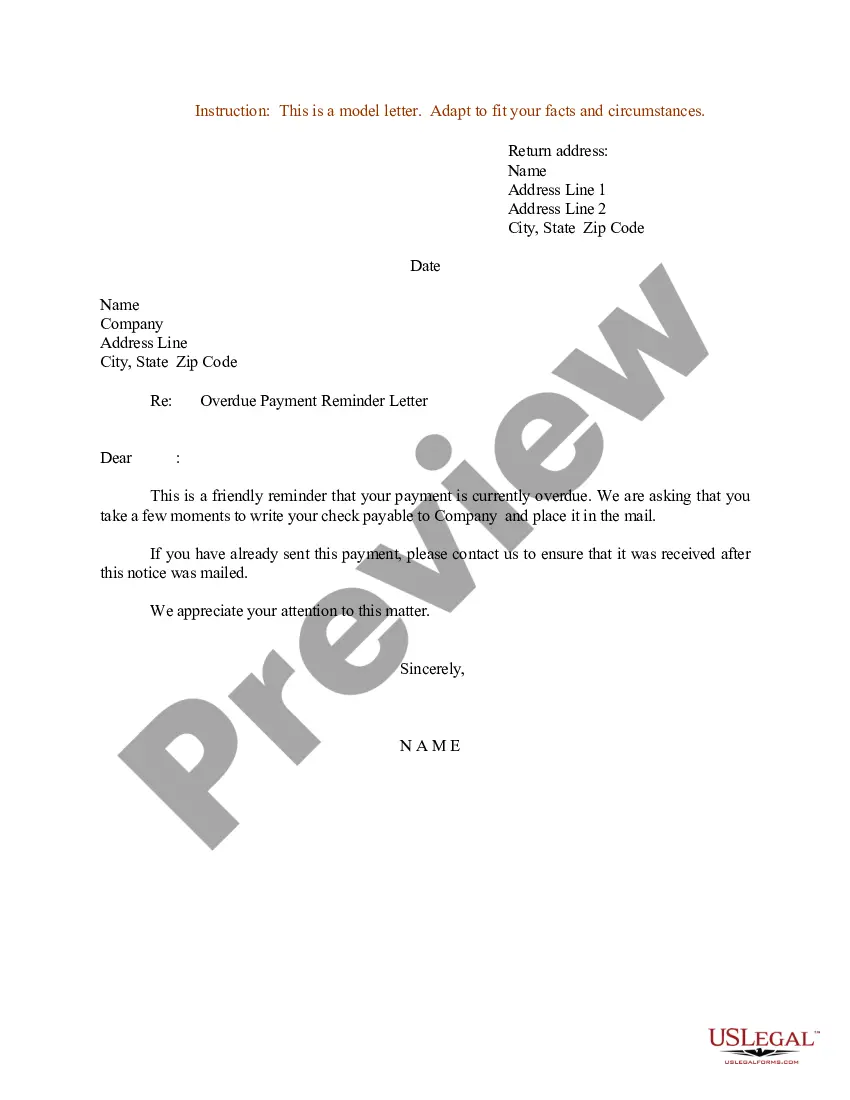
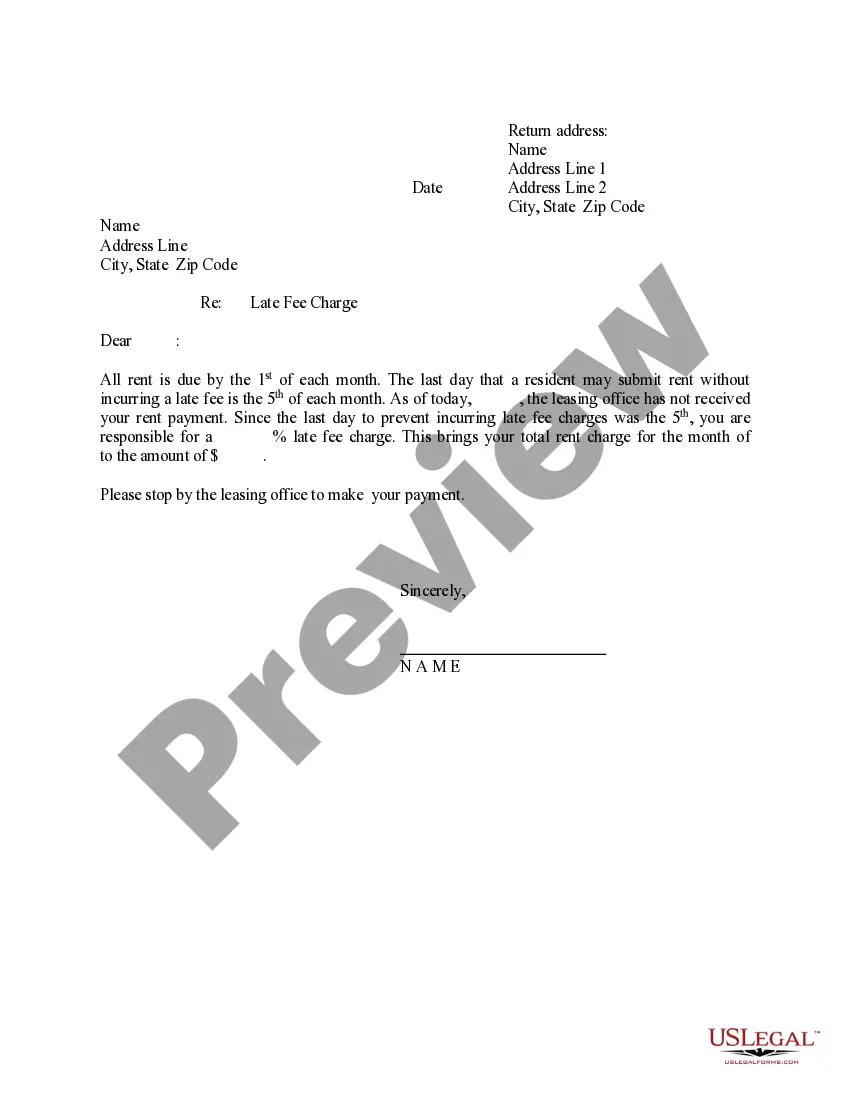
Sample Letter For Payment Made
Description
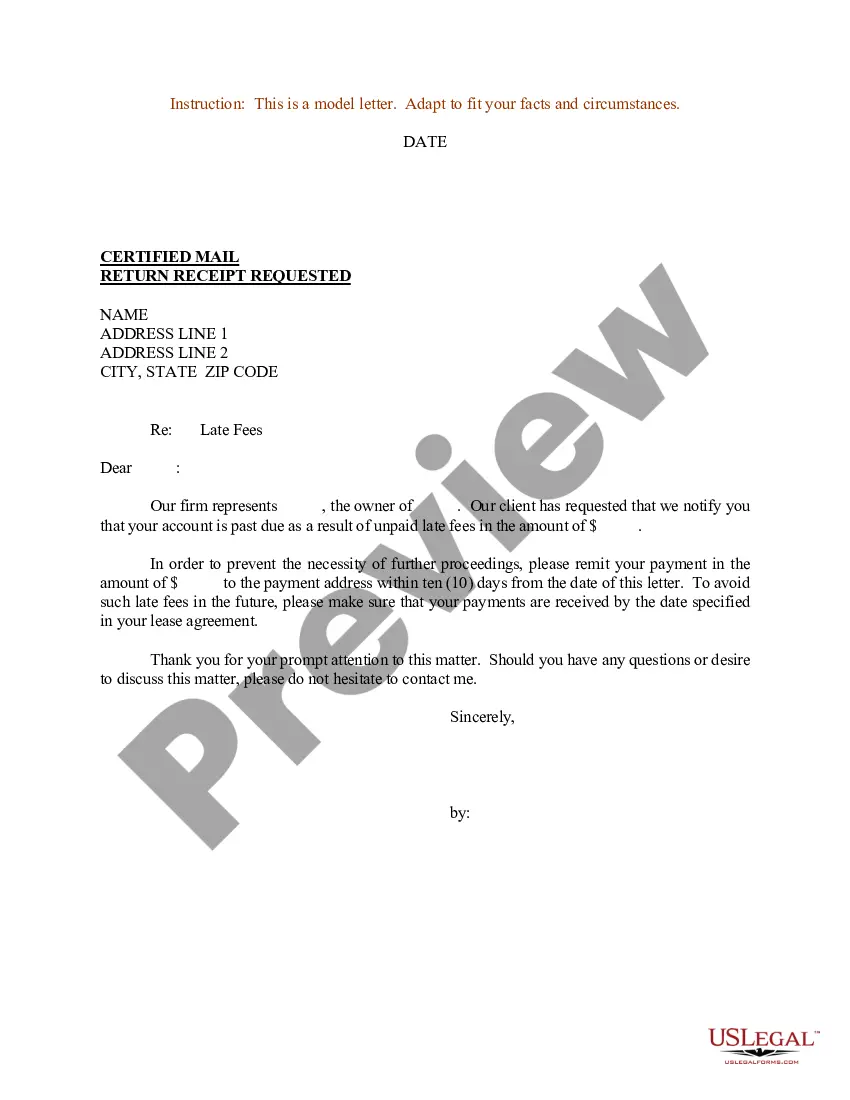
Get your form ready online
Our built-in tools help you complete, sign, share, and store your documents in one place.
Make edits, fill in missing information, and update formatting in US Legal Forms—just like you would in MS Word.
Download a copy, print it, send it by email, or mail it via USPS—whatever works best for your next step.
Sign and collect signatures with our SignNow integration. Send to multiple recipients, set reminders, and more. Go Premium to unlock E-Sign.
If this form requires notarization, complete it online through a secure video call—no need to meet a notary in person or wait for an appointment.
We protect your documents and personal data by following strict security and privacy standards.

Make edits, fill in missing information, and update formatting in US Legal Forms—just like you would in MS Word.

Download a copy, print it, send it by email, or mail it via USPS—whatever works best for your next step.

Sign and collect signatures with our SignNow integration. Send to multiple recipients, set reminders, and more. Go Premium to unlock E-Sign.

If this form requires notarization, complete it online through a secure video call—no need to meet a notary in person or wait for an appointment.

We protect your documents and personal data by following strict security and privacy standards.
Looking for another form?

How to fill out Sample Letter For Notification Of Late Payment?
Creating legal documents from the ground up can frequently feel somewhat daunting.
Some situations might require extensive exploration and significant financial investment.
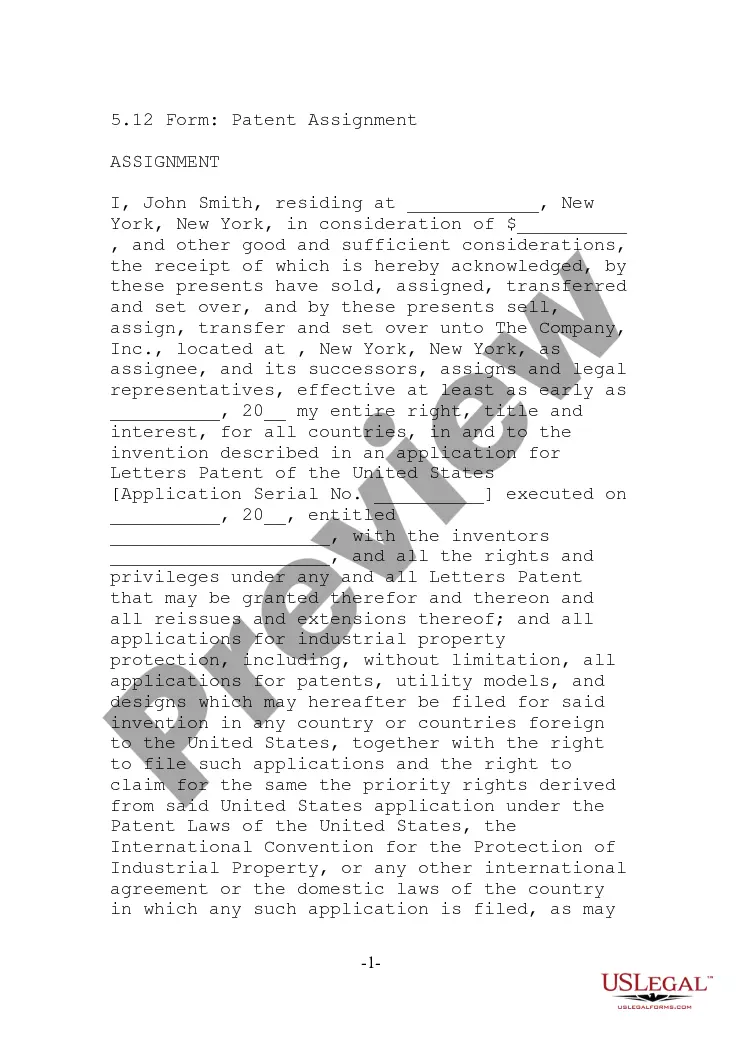
If you're seeking a more straightforward and cost-effective method for preparing Sample Letter For Payment Made or other documents without unnecessary complications, US Legal Forms is always available to assist you.
Our online repository of over 85,000 current legal forms encompasses nearly all aspects of your financial, legal, and personal matters.
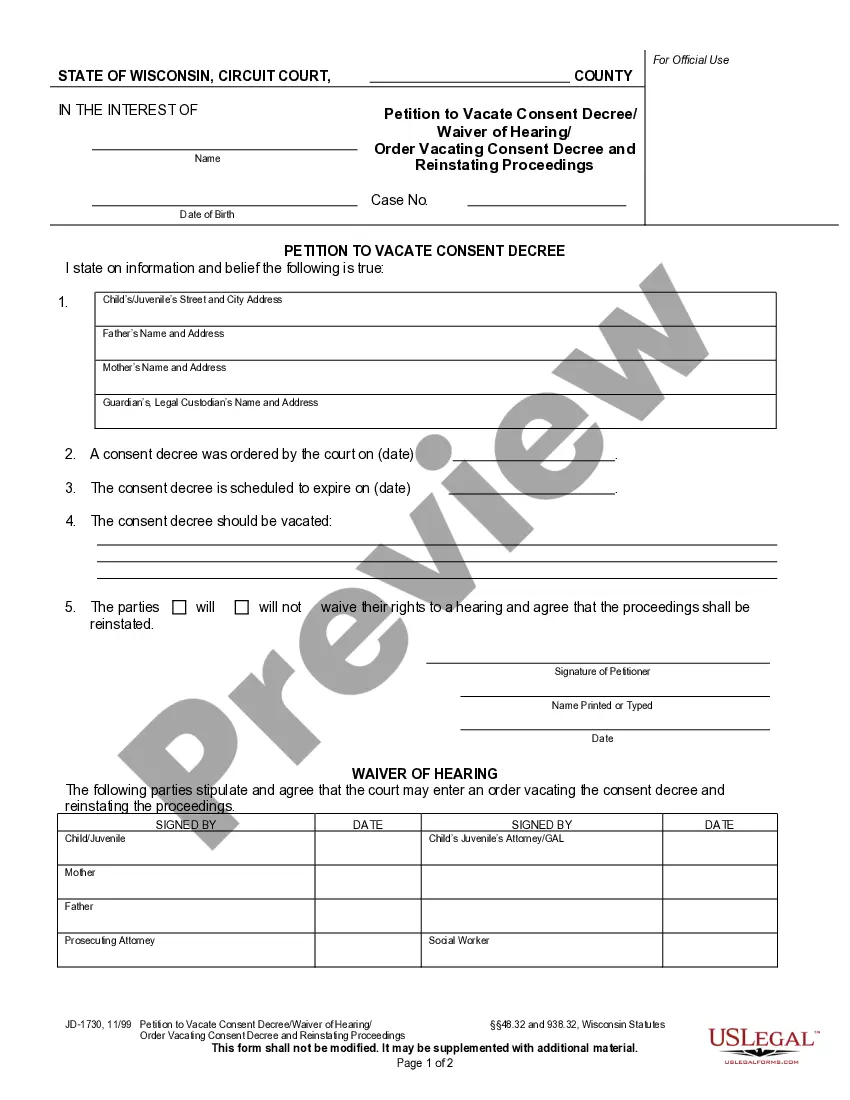
However, before proceeding to download Sample Letter For Payment Made, consider these suggestions: Review the form preview and details to confirm that you are selecting the document you need. Ensure that the template you pick adheres to the regulations and laws of your state and county. Select the appropriate subscription plan to purchase the Sample Letter For Payment Made. Download the form, then fill, verify, and print it. US Legal Forms boasts a flawless reputation and over 25 years of expertise. Join us today and transform document execution into a simple and efficient process!
- With a few clicks, you can quickly obtain state- and county-specific forms carefully crafted by our legal professionals.
- Utilize our site whenever you require dependable services to swiftly find and download the Sample Letter For Payment Made.
- If you're already familiar with our services and have created an account in the past, simply Log In to your account, choose the form, and download it immediately or re-download it later in the My documents section.
- Not signed up yet? No problem. It only takes a few minutes to sign up and browse the catalog.
Form popularity
FAQ
(2m) An action brought to recover damages for death caused by the wrongful act, neglect, or default of another and arising from an accident involving a motor vehicle shall be commenced within 2 years after the cause of action accrues or be barred.
The Wisconsin statute of limitations is typically three years for personal injuries. This means you have three years from the date your injuries occurred to settle your injury claim or to file a lawsuit.
In Wisconsin, you have three years to bring a personal injury and six years for a property damage claim. That means you have three years to file your paperwork with the court, not that your case has to be completed in that time frame.
(Wisconsin's statute of limitations for § 1983 claims is three years. See Wis. Stat. § 893.53.)
Small claims court is limited to claims of $10,000 or less. However, third-party complaints, personal injury claims, and actions based in tort are limited to claims of $5,000 or less.
The starting point of time is usually the day on which the cause of action happens. Sometimes, however, the limitation period may not commence until the date of discoverability. Generally, claims in tort are subject to a limitation period of 6 years.
893.53 Action for injury to character or other rights. An action to recover damages for an injury to the character or rights of another, not arising on contract, shall be commenced within 3 years after the cause of action accrues, except where a different period is expressly prescribed, or be barred.
893.54 Injury to the person. The following actions shall be commenced within 3 years or be barred: (1) An action to recover damages for injuries to the person. (2) An action brought to recover damages for death caused by the wrongful act, neglect or default of another.