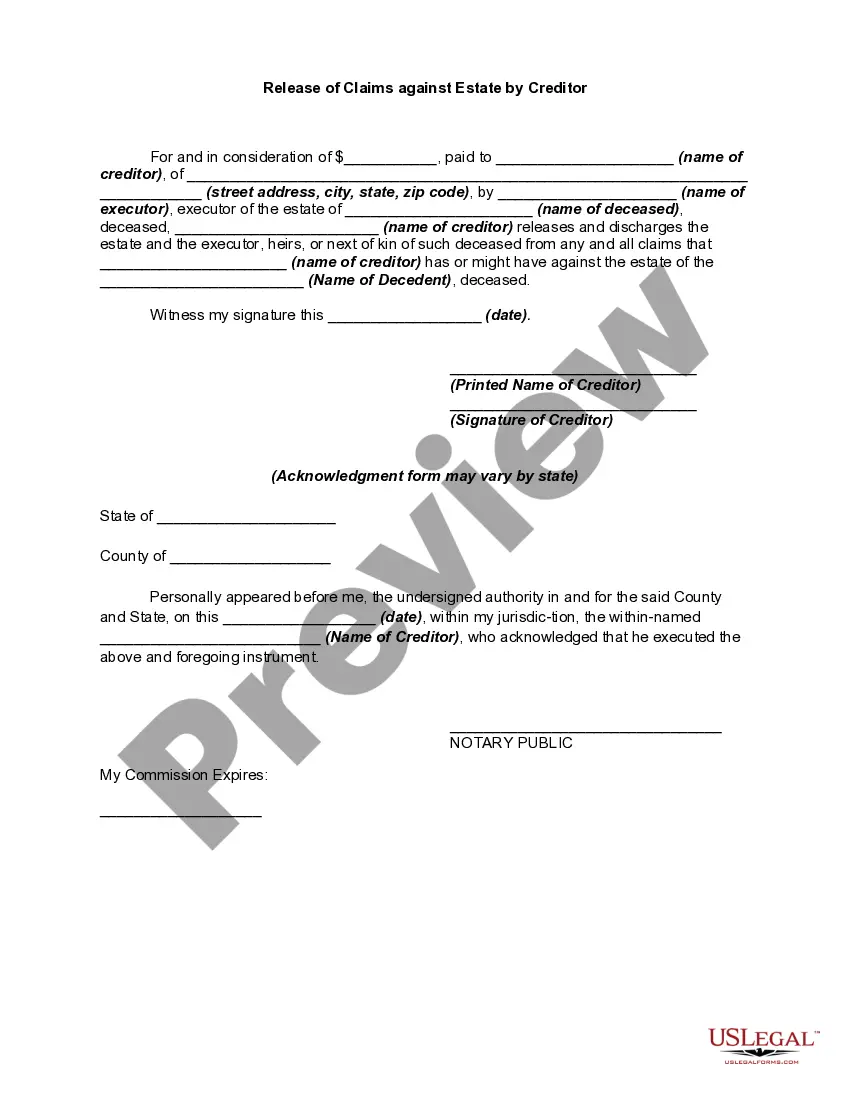
Deceased Decedent Estate With No Assets
Description
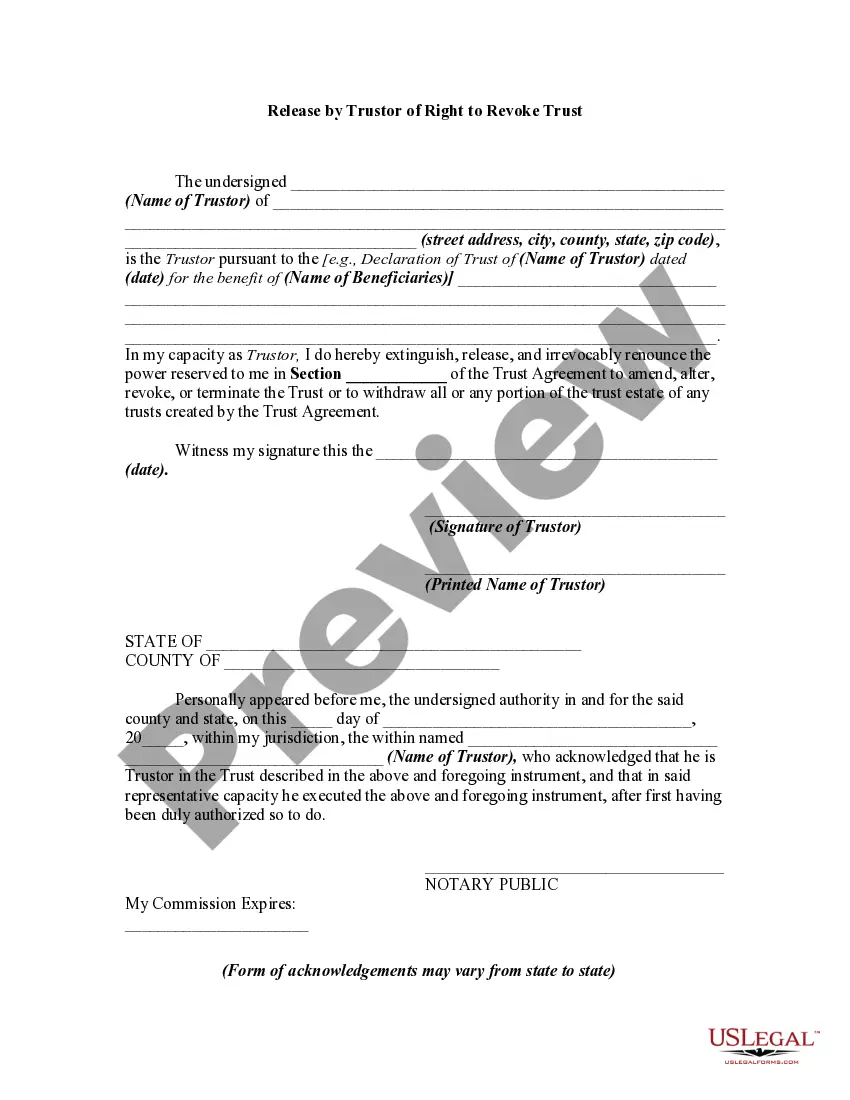
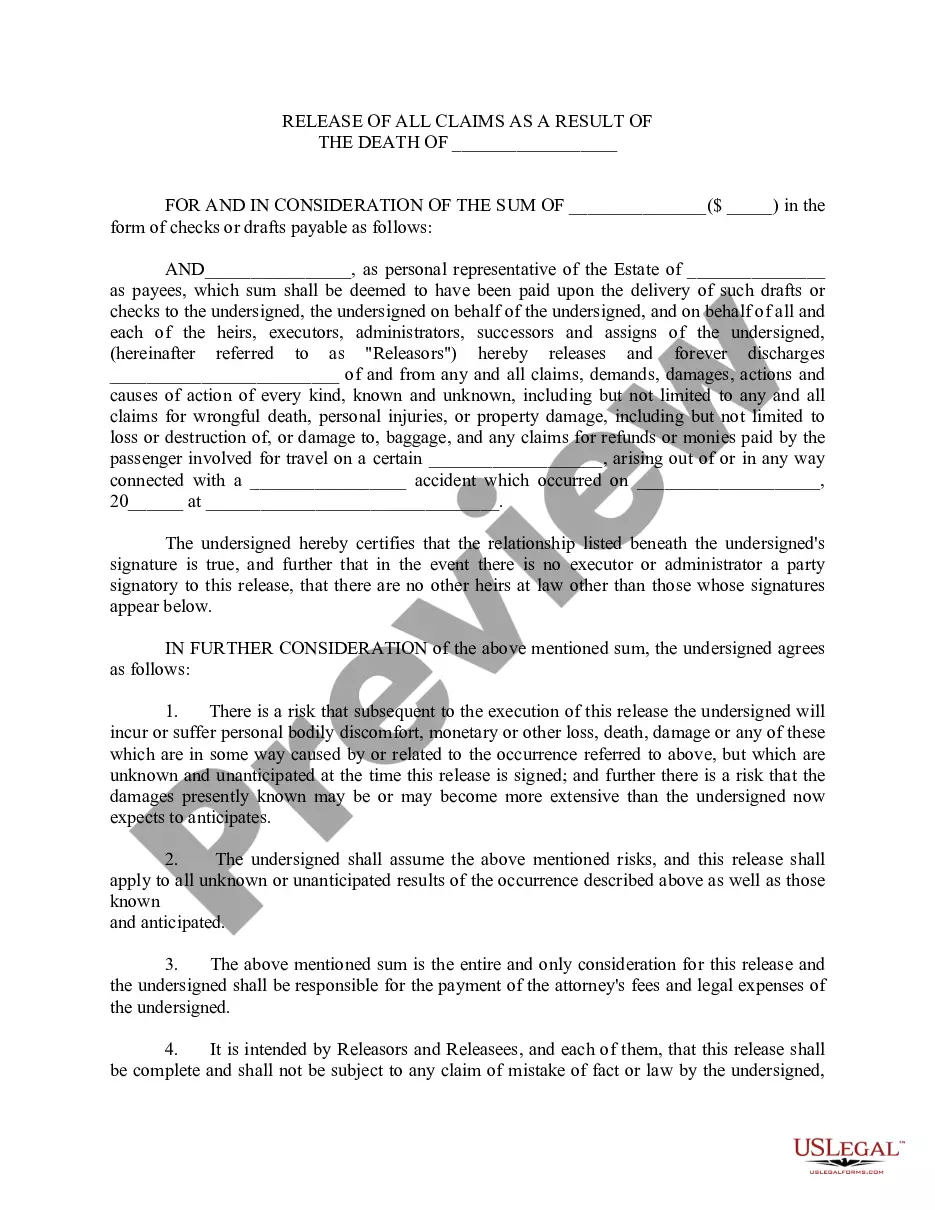
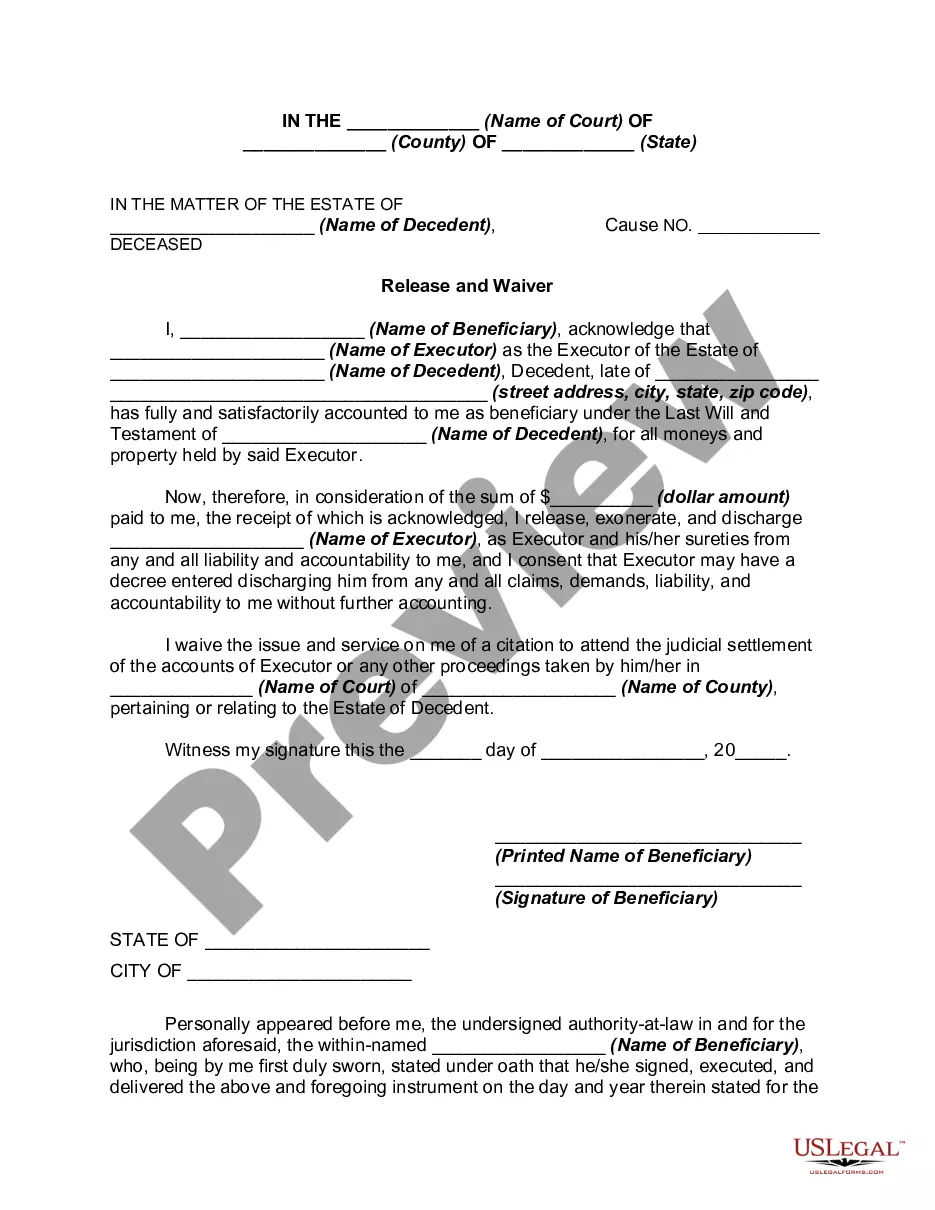
Get your form ready online
Our built-in tools help you complete, sign, share, and store your documents in one place.
Make edits, fill in missing information, and update formatting in US Legal Forms—just like you would in MS Word.
Download a copy, print it, send it by email, or mail it via USPS—whatever works best for your next step.
Sign and collect signatures with our SignNow integration. Send to multiple recipients, set reminders, and more. Go Premium to unlock E-Sign.
If this form requires notarization, complete it online through a secure video call—no need to meet a notary in person or wait for an appointment.
We protect your documents and personal data by following strict security and privacy standards.

Make edits, fill in missing information, and update formatting in US Legal Forms—just like you would in MS Word.

Download a copy, print it, send it by email, or mail it via USPS—whatever works best for your next step.

Sign and collect signatures with our SignNow integration. Send to multiple recipients, set reminders, and more. Go Premium to unlock E-Sign.

If this form requires notarization, complete it online through a secure video call—no need to meet a notary in person or wait for an appointment.

We protect your documents and personal data by following strict security and privacy standards.
Looking for another form?
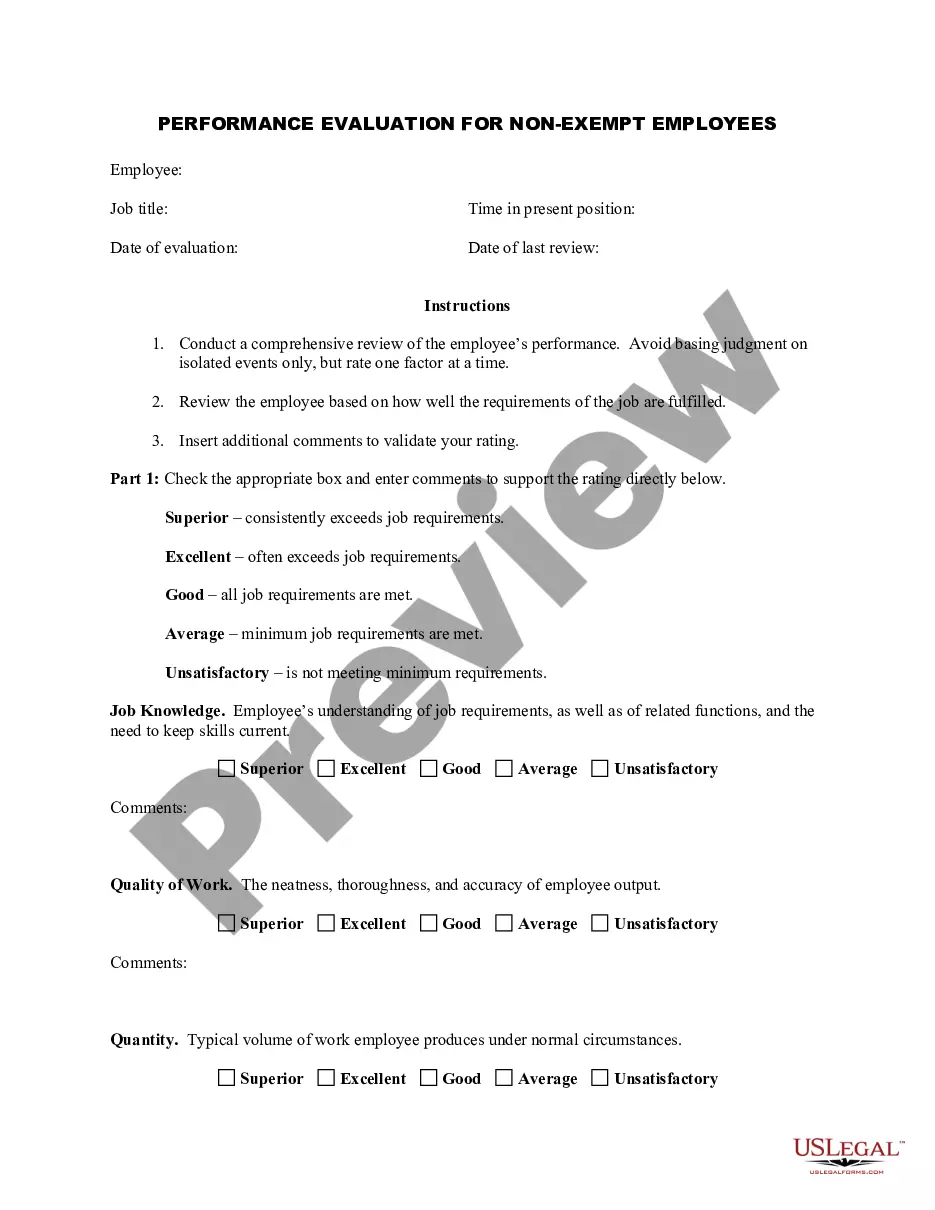
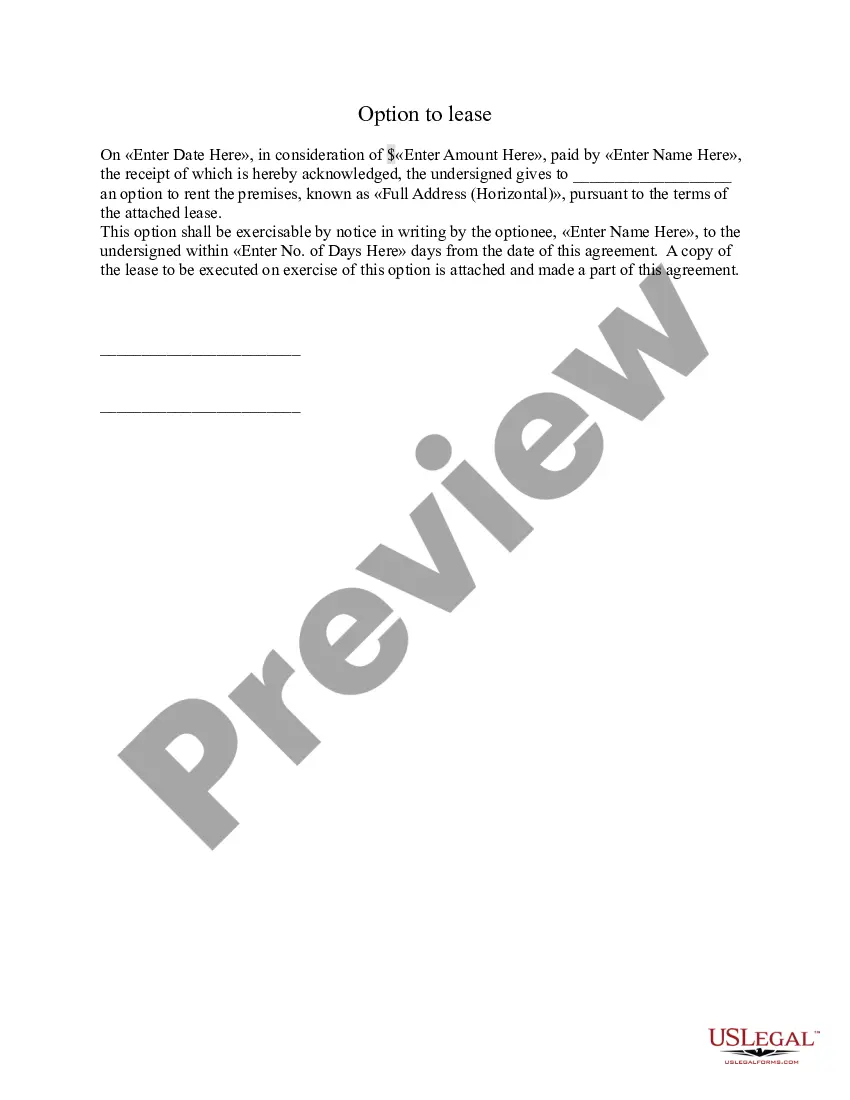
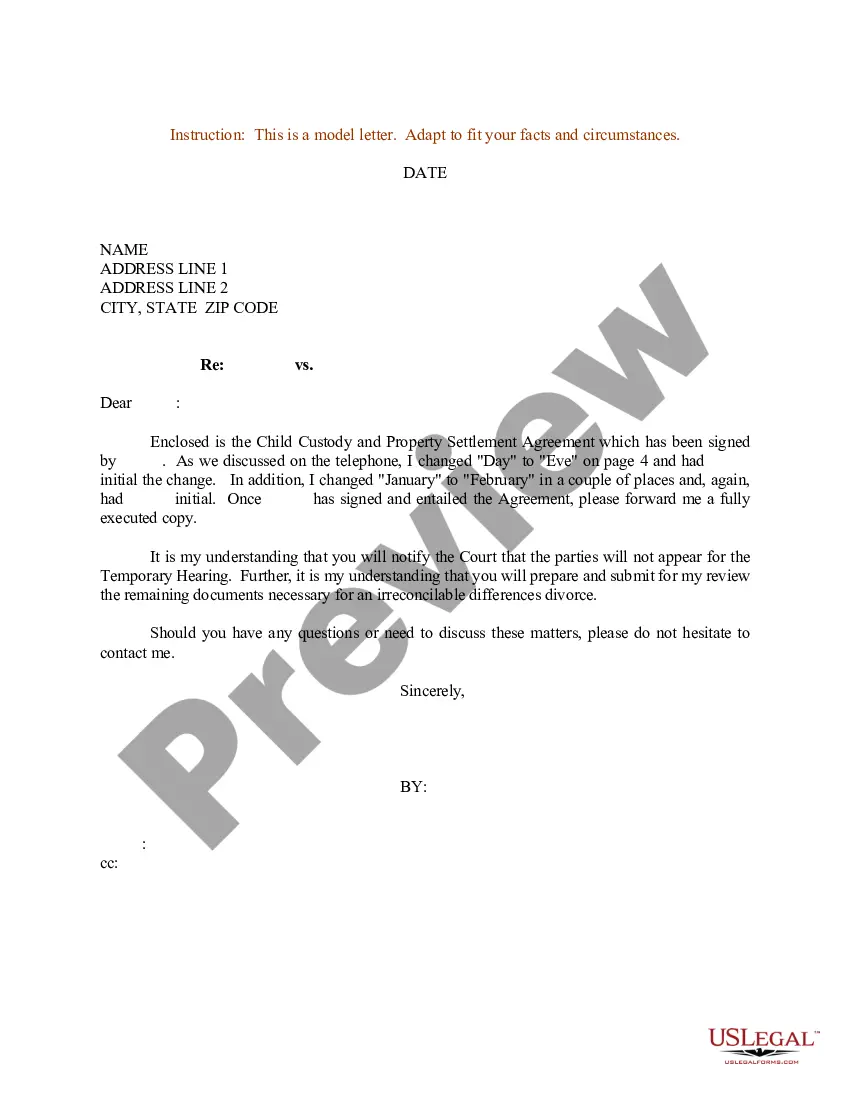
How to fill out Release Of Claims Against Estate By Creditor?
Regardless of whether it's for professional reasons or personal issues, individuals must confront legal circumstances at some point in their lives.
Filling out legal documents requires meticulous consideration, starting with choosing the correct form template. For example, if you choose an incorrect version of the Deceased Decedent Estate With No Assets, it will be rejected upon submission.
- Obtain the template you require by utilizing the search bar or browsing the catalog.
- Review the form’s details to confirm it aligns with your situation, state, and county.
- Click on the form’s preview to examine it.
- If it's the incorrect form, revert to the search feature to find the Deceased Decedent Estate With No Assets template you need.
- Download the document if it fits your requirements.
- If you possess a US Legal Forms account, just click Log in to access previously saved documents in My documents.
- If you haven't created an account yet, you can acquire the form by clicking Buy now.
- Select the appropriate pricing option.
- Complete the account registration form.
- Choose your payment method: you can utilize a credit card or PayPal.
- Select the file format you prefer and download the Deceased Decedent Estate With No Assets.
- Once saved, you can complete the form using editing software or print it out and finish it manually.
- With a comprehensive US Legal Forms catalog available, you never have to waste time searching for the correct template online. Utilize the library’s straightforward navigation to locate the appropriate form for any circumstance.
Form popularity
FAQ
Generally, you do not need probate for a deceased decedent estate with no assets. If the estate contains no valuable property or financial resources, the process can often be bypassed, allowing for a more straightforward resolution for the heirs. Utilizing platforms like US Legal Forms can help you navigate the necessary steps and paperwork to ensure compliance with state laws.
When a deceased decedent estate has no assets, it can often lead to a simplified process. In such cases, the estate may not require formal probate, which can save time and reduce legal fees. It's essential to review any outstanding debts and obligations, as they may impact the handling of the estate even in the absence of assets.
The two-year rule for a deceased decedent estate refers to the time frame within which beneficiaries can make claims against the estate. In many states, if no claims are made within two years after the decedent's passing, the estate may be considered settled. This rule helps to provide closure and certainty for those involved, particularly when managing estates with no assets.
Yes, in Alabama, it is possible to settle a deceased decedent estate with no assets without going through probate. If the estate lacks sufficient assets to cover debts or expenses, you may be able to use a small estate affidavit. This process can save time and help simplify the settlement of the estate, allowing for a smoother transition for the heirs.
Without a named beneficiary, your life insurance proceeds become part of your estate. The life insurance proceeds get distributed ingly, along with the rest of your assets. Your estate may need to go through probate, which often charges substantial fees and could take a long time before reaching your heirs.
An informal accounting for an estate is a document that outlines the financial activities of the estate. This type of accounting is often used to prepare financial statements of affairs. It includes details about assets and liabilities, income and expenses, donations or transfers from the estate, and tax information.
Their assets are their property and belongings that have value, such as a house, car, shares and investments. Most of the time, the deceased person has left instructions on what needs to happen with the estate in their will. The people who inherit the deceased person's estate are called the beneficiaries.
If the estate is insolvent and there aren't enough assets to cover the liabilities, the court will determine which creditors have priority for payment.
If there's no money in their estate, the debts will usually go unpaid. For survivors of deceased loved ones, including spouses, you're not responsible for their debts unless you shared legal responsibility for repaying as a co-signer, a joint account holder, or if you fall within another exception.