Residence Trust Real Estate For Sale
Description

Get your form ready online
Our built-in tools help you complete, sign, share, and store your documents in one place.
Make edits, fill in missing information, and update formatting in US Legal Forms—just like you would in MS Word.
Download a copy, print it, send it by email, or mail it via USPS—whatever works best for your next step.
Sign and collect signatures with our SignNow integration. Send to multiple recipients, set reminders, and more. Go Premium to unlock E-Sign.
If this form requires notarization, complete it online through a secure video call—no need to meet a notary in person or wait for an appointment.
We protect your documents and personal data by following strict security and privacy standards.

Make edits, fill in missing information, and update formatting in US Legal Forms—just like you would in MS Word.

Download a copy, print it, send it by email, or mail it via USPS—whatever works best for your next step.

Sign and collect signatures with our SignNow integration. Send to multiple recipients, set reminders, and more. Go Premium to unlock E-Sign.

If this form requires notarization, complete it online through a secure video call—no need to meet a notary in person or wait for an appointment.

We protect your documents and personal data by following strict security and privacy standards.
Looking for another form?


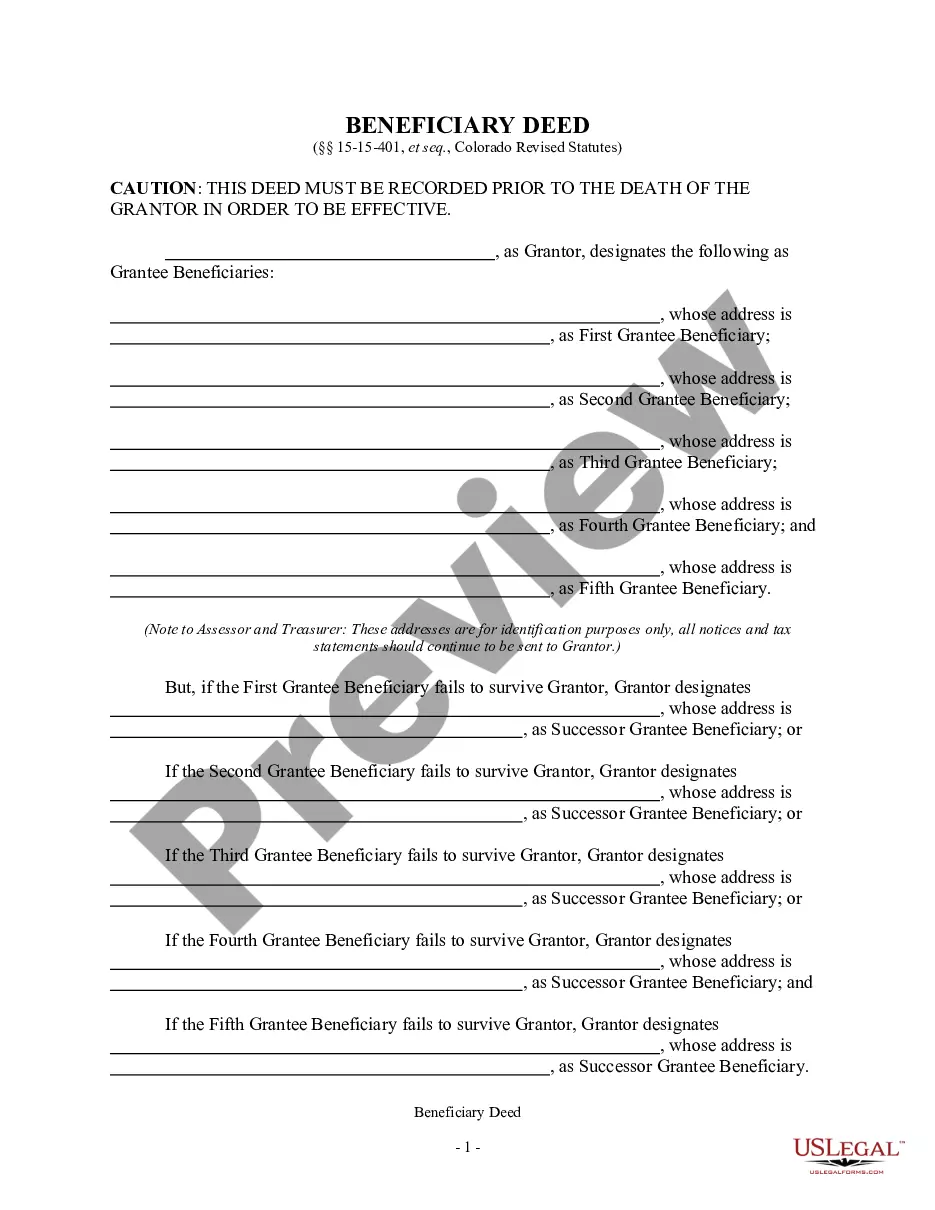

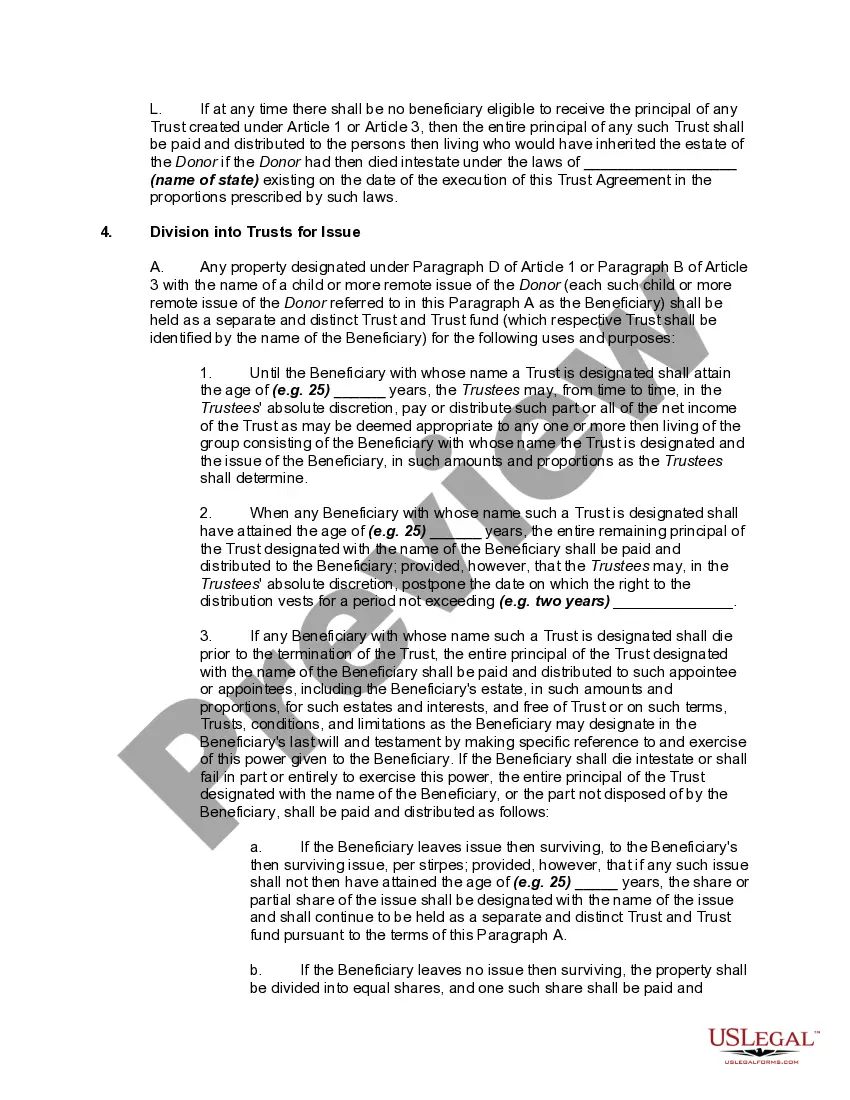
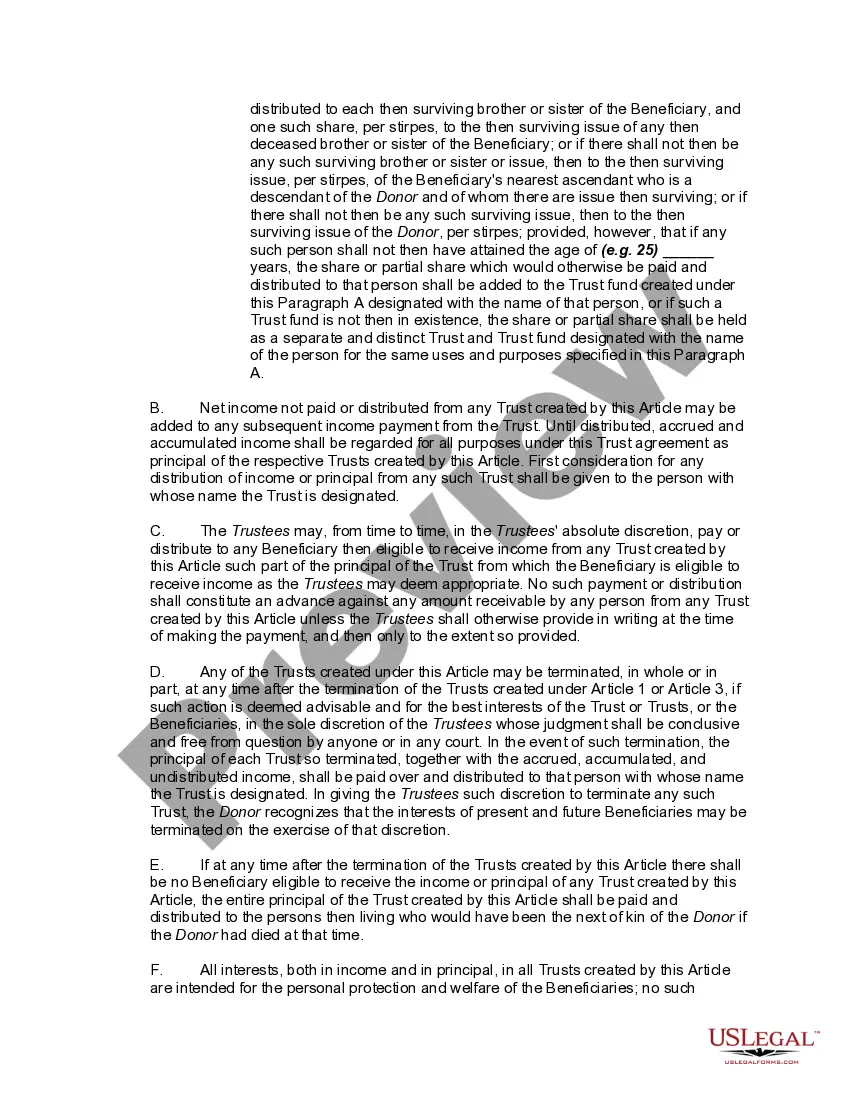
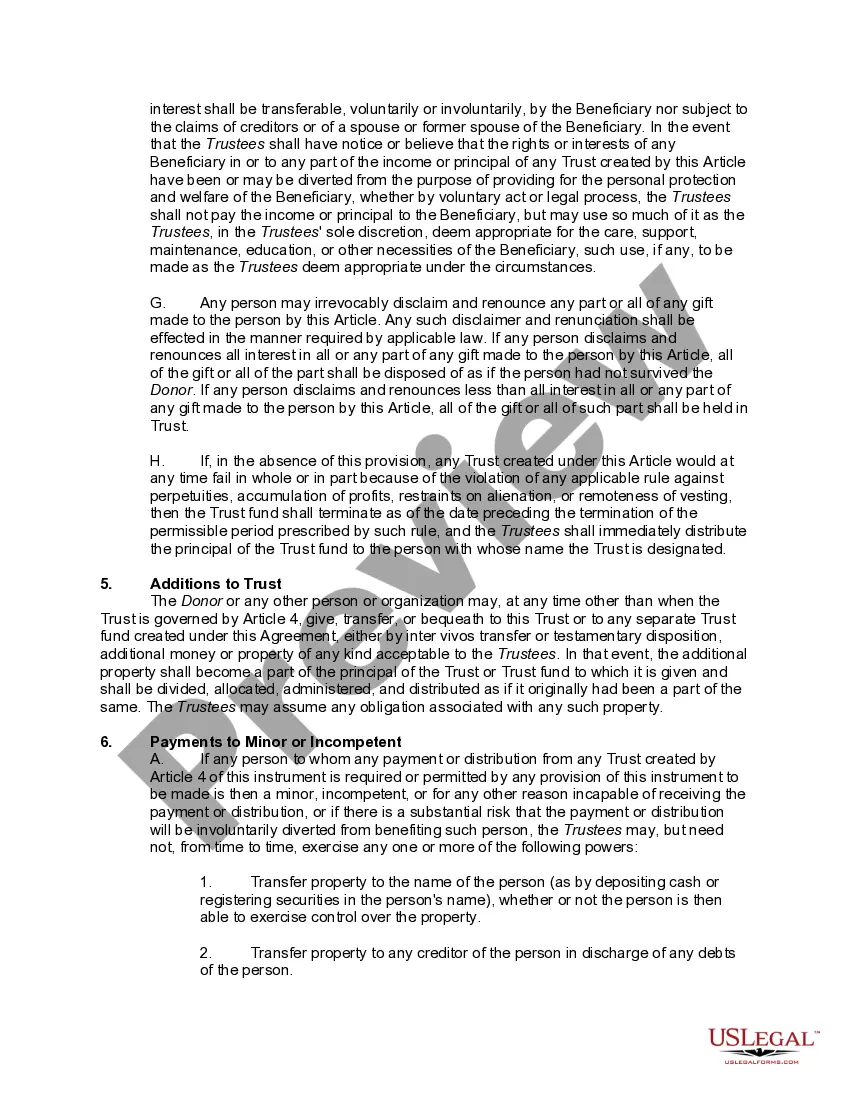
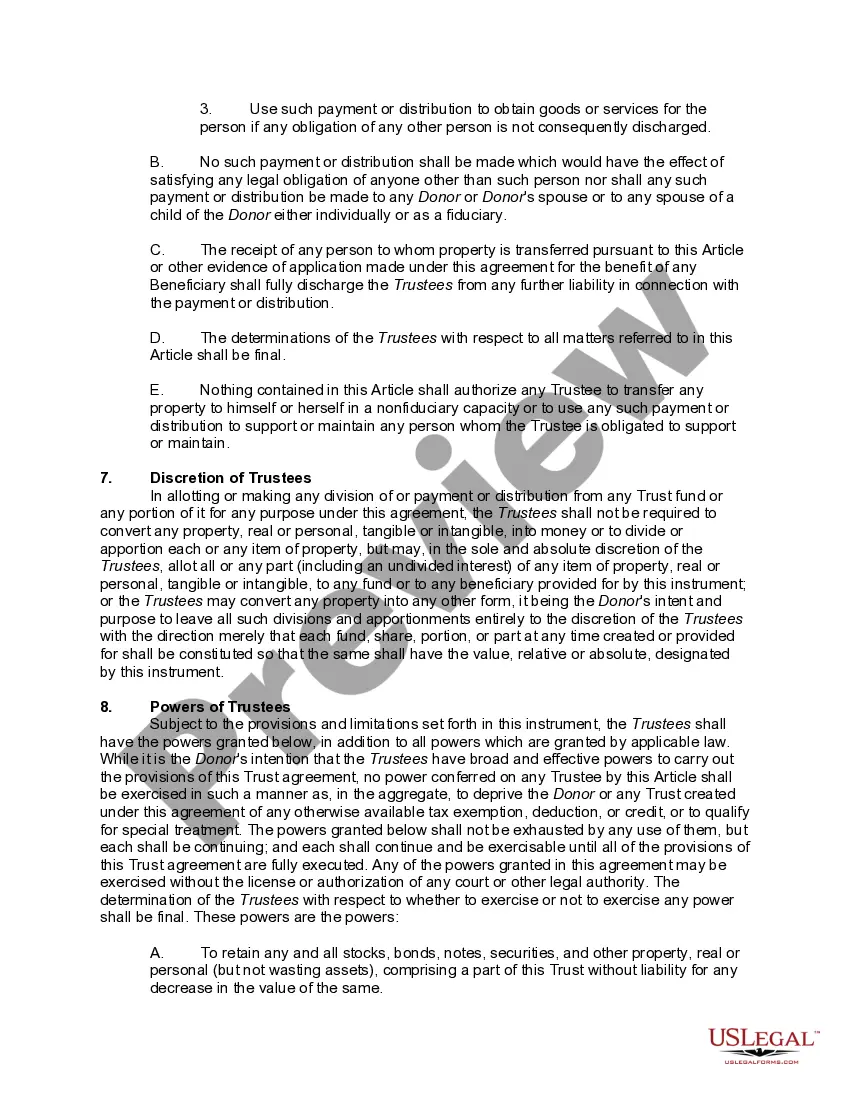
How to fill out Personal Residence Trust?
Legal administration can be exasperating, even for proficient professionals.
When you are looking for a Residence Trust Real Estate For Sale and lack the time to invest searching for the accurate and current version, the processes can be overwhelming.
With US Legal Forms, you can.
Access a valuable resource library of articles, guides, and materials pertinent to your situation and requirements.
Confirm this is the correct form by previewing it and reviewing its details.
- Save effort and time hunting for the documents you require, and leverage US Legal Forms’ advanced search and Preview feature to locate Residence Trust Real Estate For Sale and download it.
- If you have a monthly subscription, Log In to your US Legal Forms account, search for the form, and download it.
- Check your My documents tab to review the documents you have previously downloaded and to manage your folders as needed.
- If this is your first time with US Legal Forms, create an account and gain unlimited access to all the benefits of the platform.
- Here are the steps to follow after obtaining the form you need.
- A robust online form repository can transform the experience for anyone wanting to manage these circumstances effectively.
- US Legal Forms stands as a frontrunner in digital legal documents, with over 85,000 state-specific legal forms available to you at any time.
- Utilize advanced tools to fill out and manage your Residence Trust Real Estate For Sale.
Form popularity
FAQ
The key disadvantages of placing a house in a trust include the following: Extra paperwork: Moving property in a trust requires the house owner to transfer the asset's legal title. This involves preparing and signing an additional deed, and some people may consider this cumbersome.
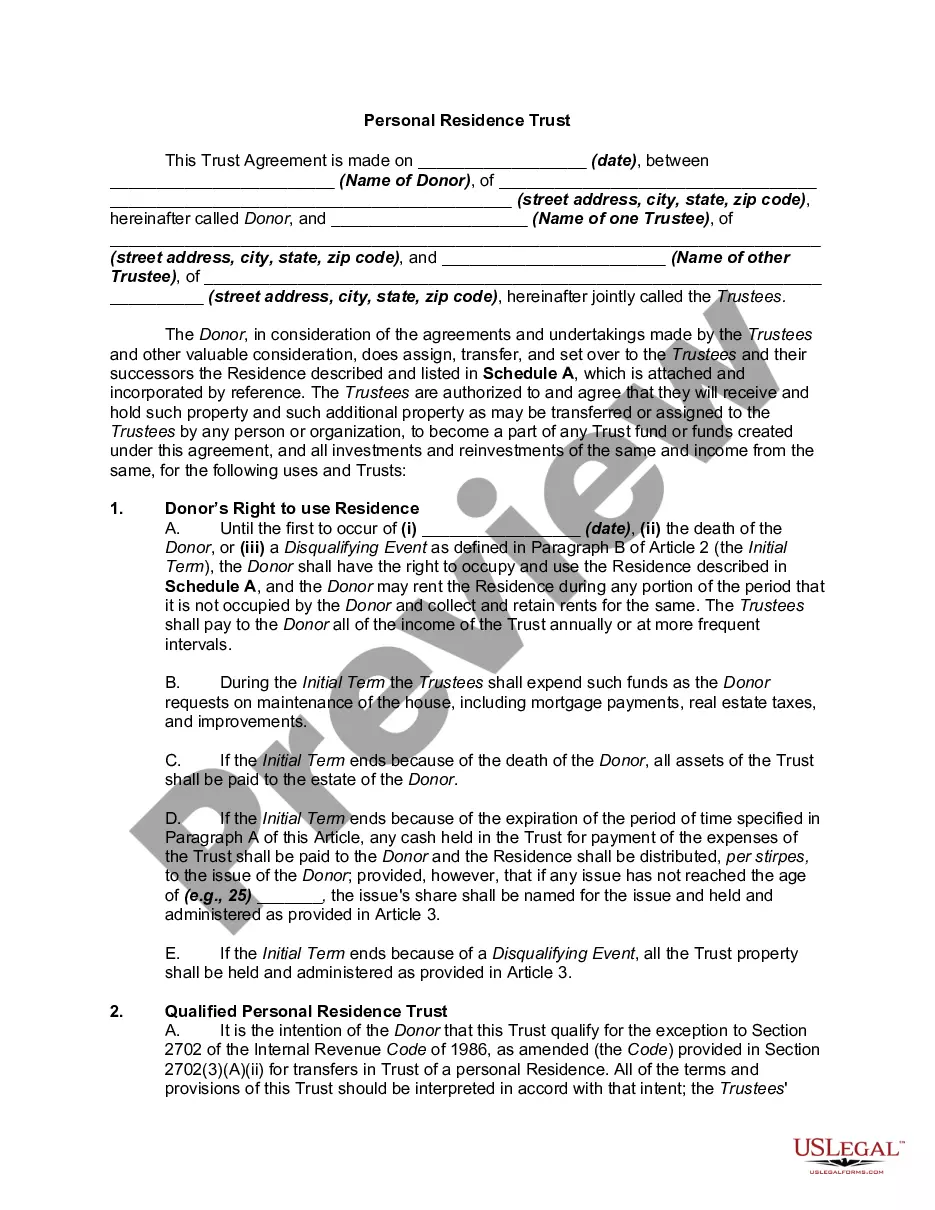
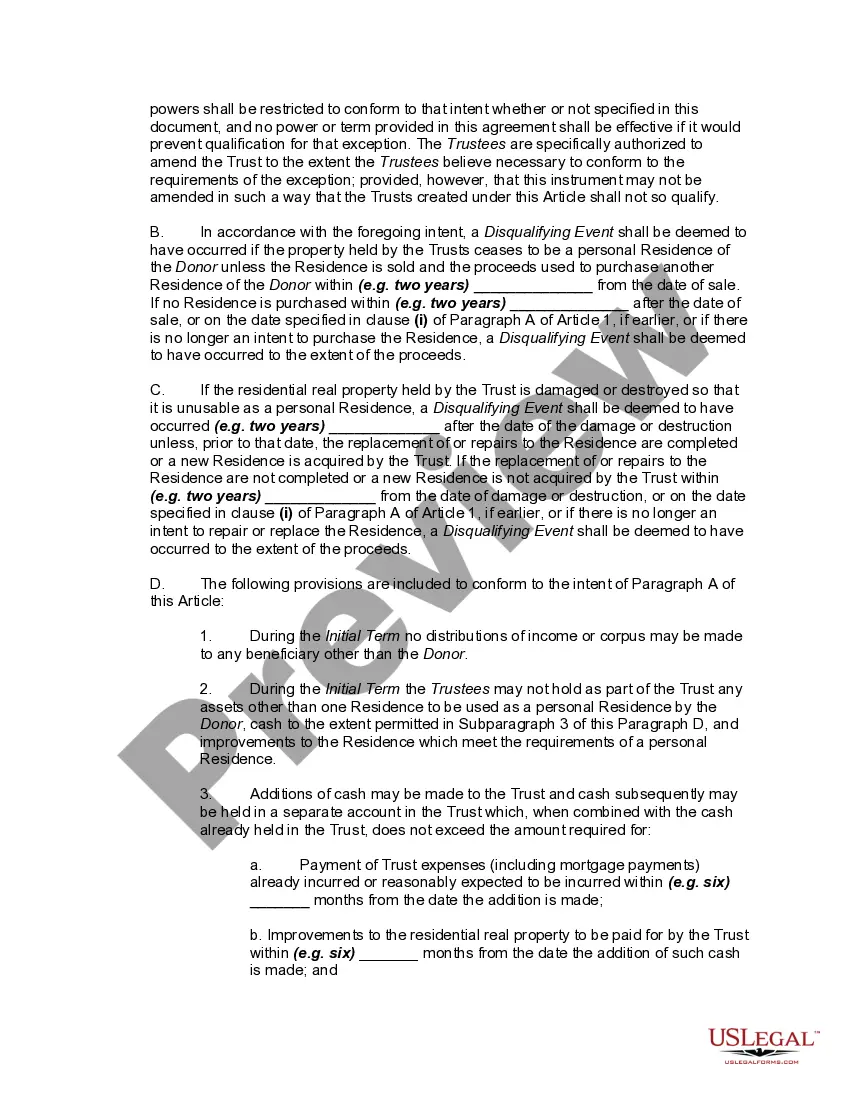
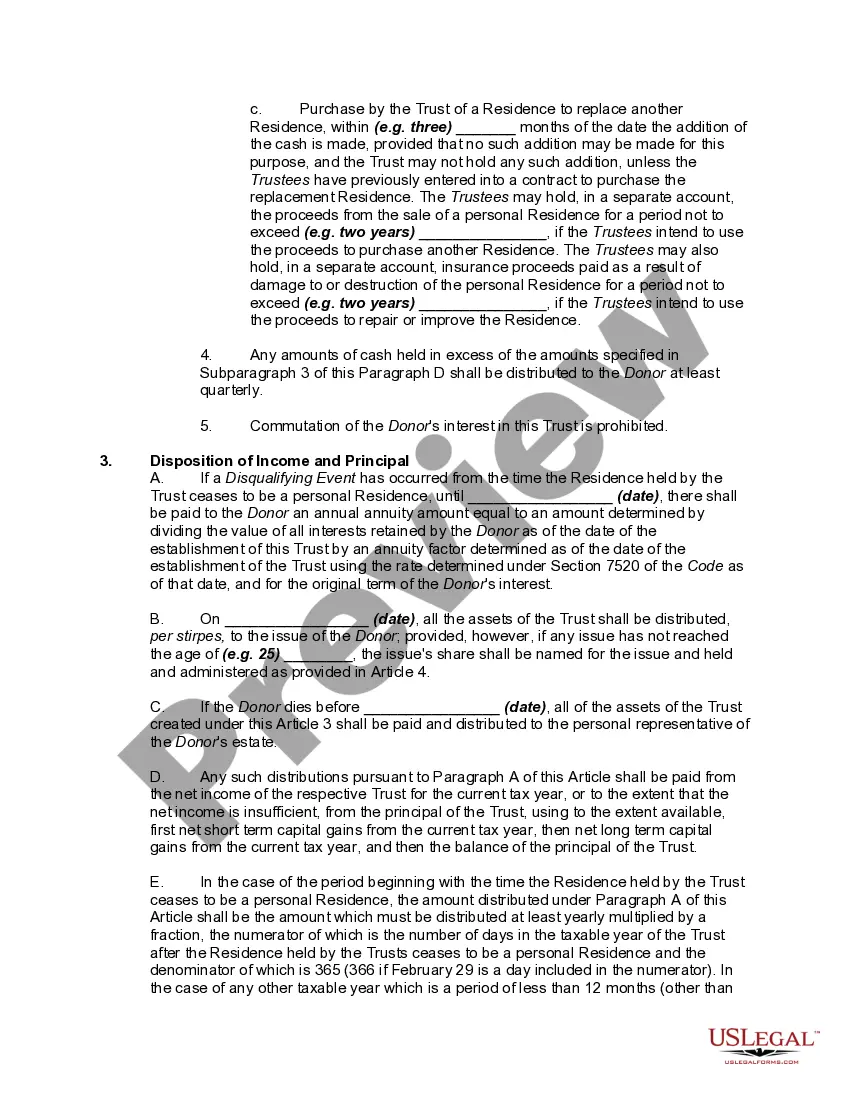
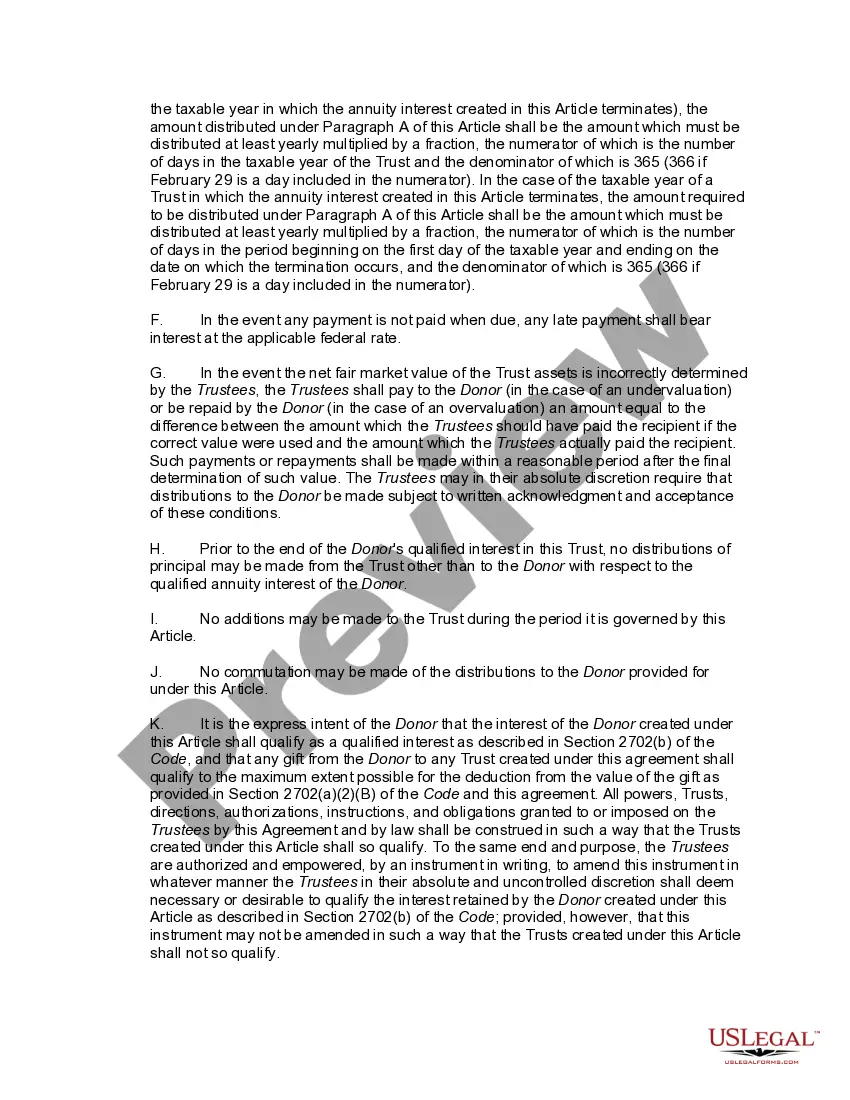
If a QPRT home is sold, then the Grantor has two years to reinvest the proceeds into the purchase of a new home. If this rule is satisfied, then the QPRT status will continue. However, the new home must meet the trust requirements. Further, the trust terms must allow the trust to hold proceeds of a sale.
What happens at the end of the QPRT term? Once the QPRT terminates and the beneficiary becomes the owner of the property, the Grantor can pay rent in exchange for the use of the property.
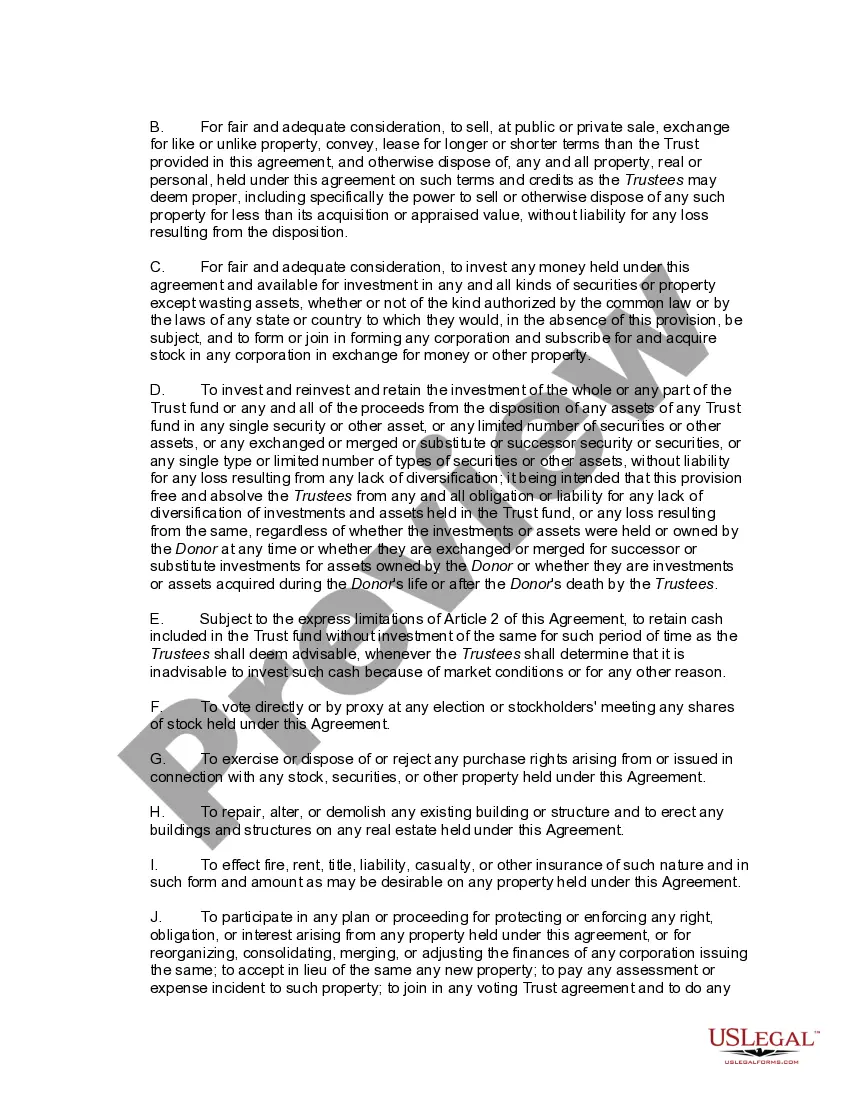
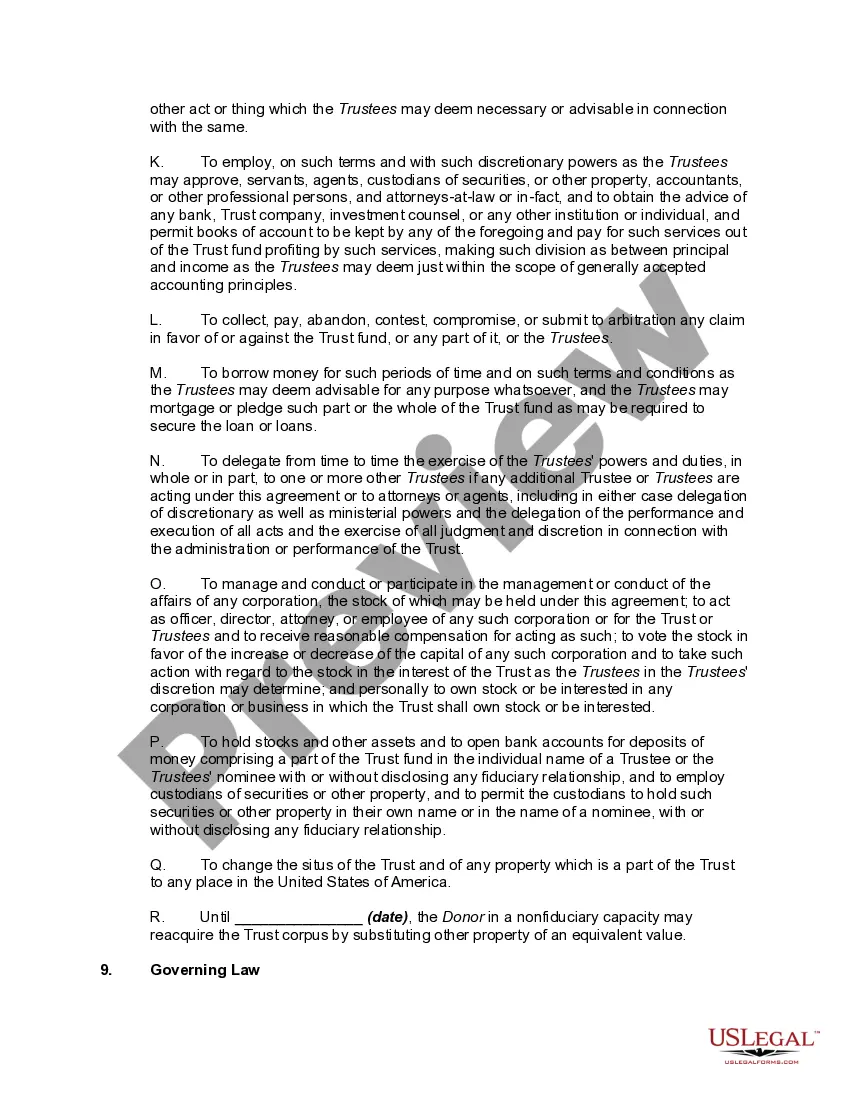
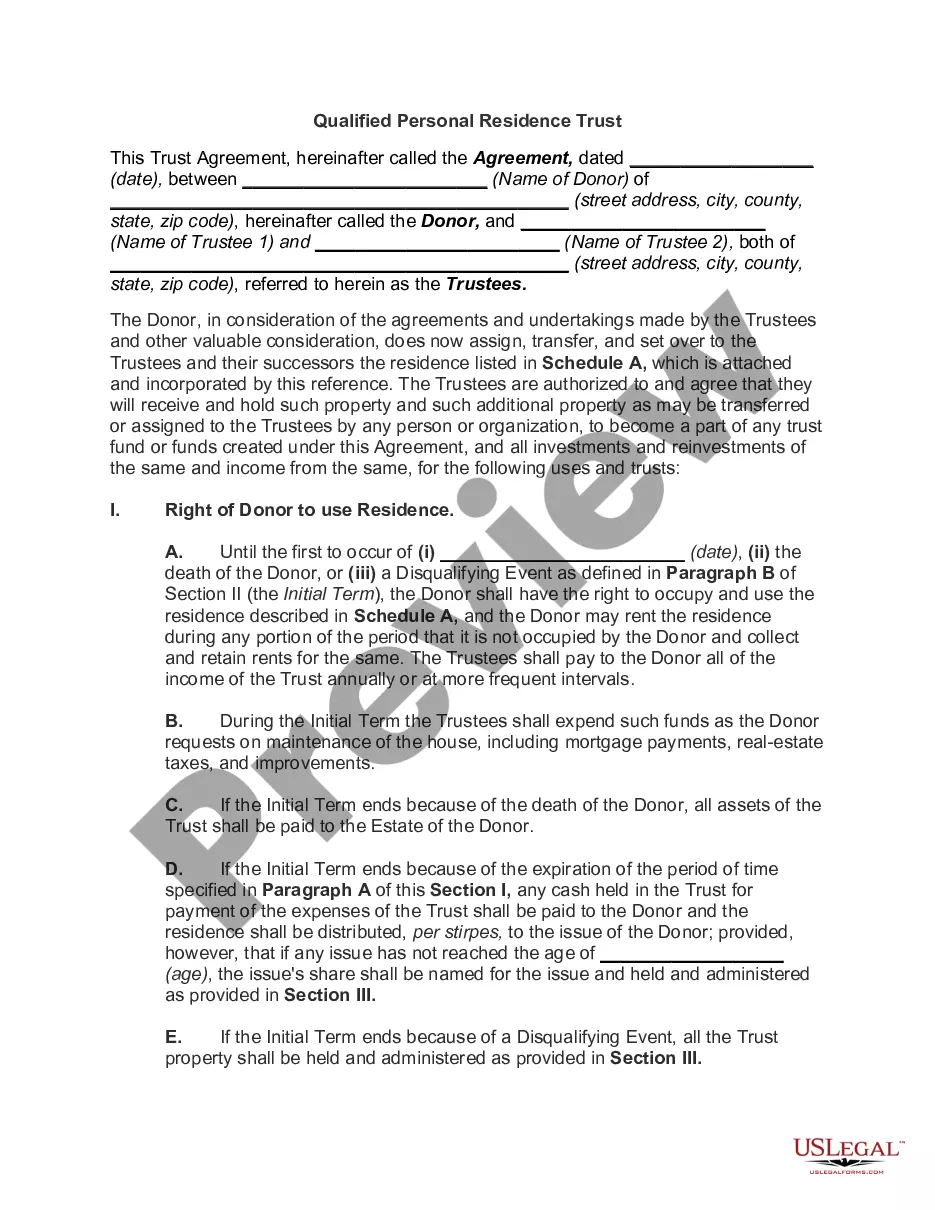
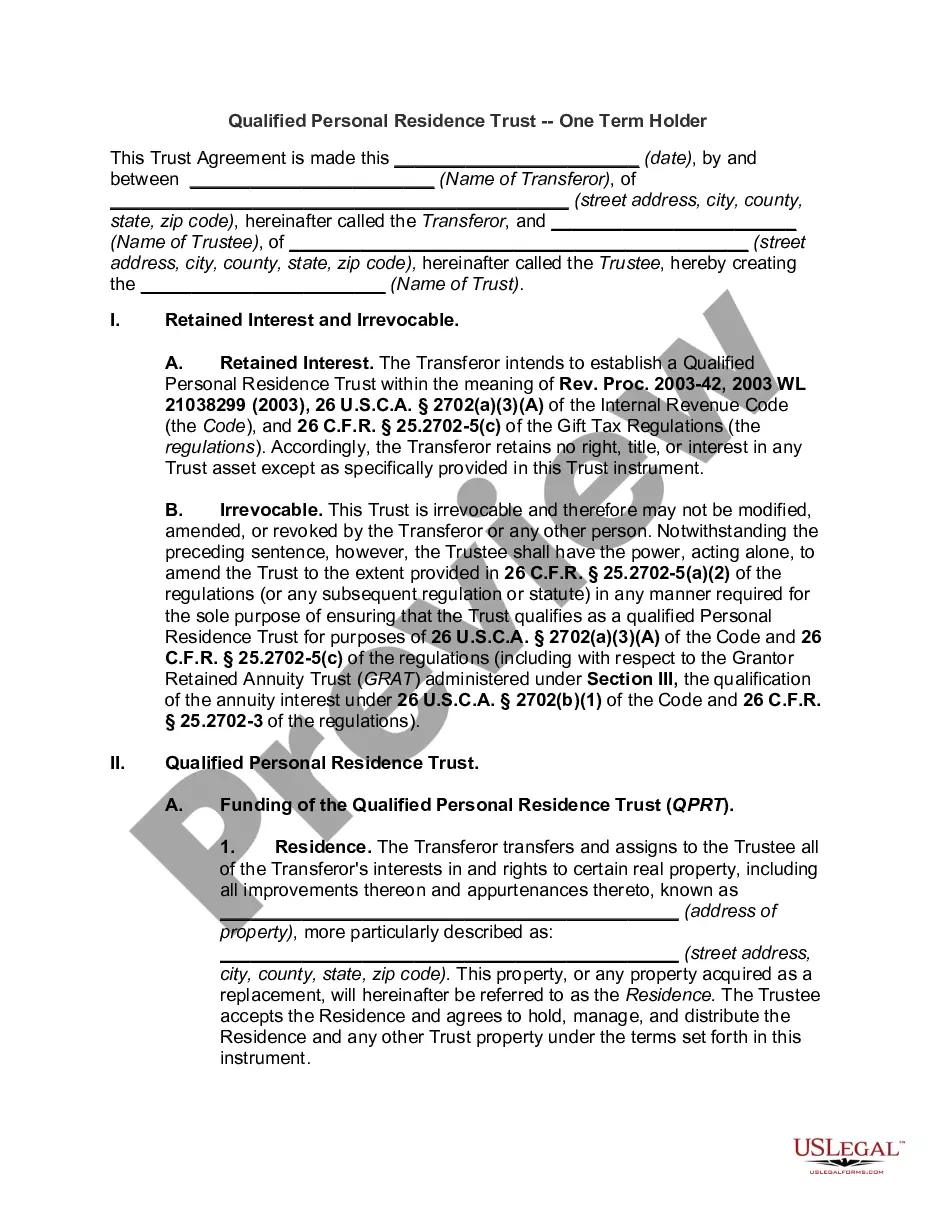
A qualified personal residence trust (QPRT) is a specific type of irrevocable trust that allows its creator to remove a personal home from their estate for the purpose of reducing the amount of gift tax that is incurred when transferring assets to a beneficiary.
Most QPRTs do not generate any income and an income tax return is not typically required. If the property generates income, a Grantor Trust Tax Return, Form 1041, may be required.