Michigan Assignment of Lien - Individual
About this form
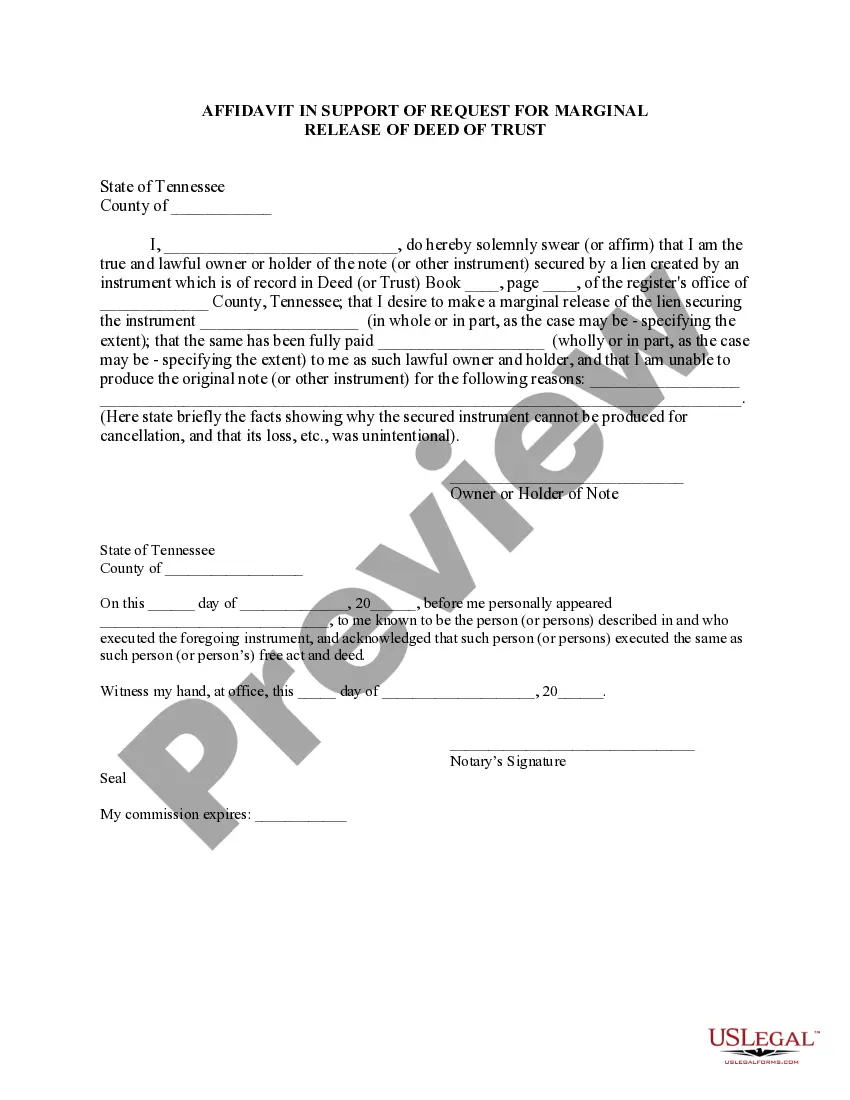
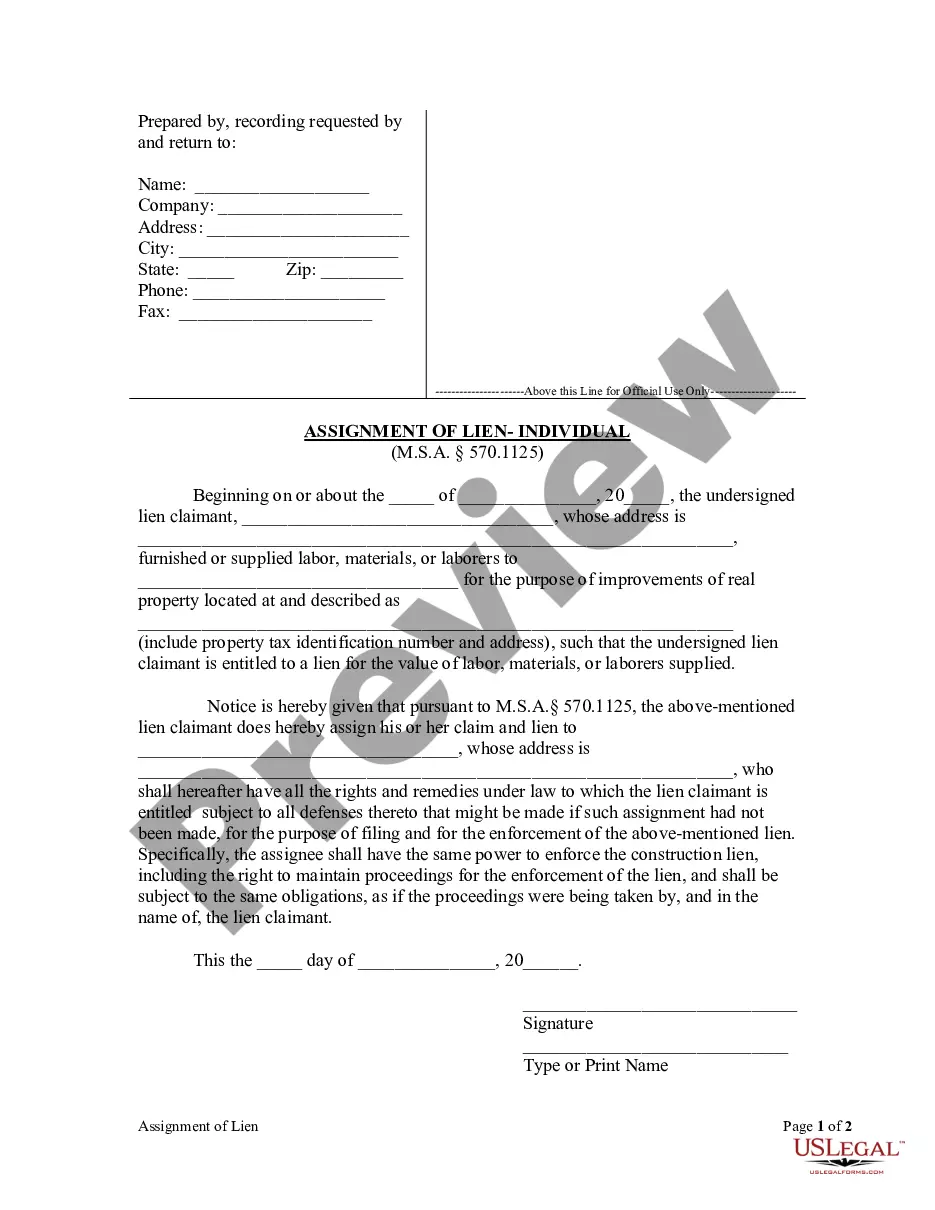
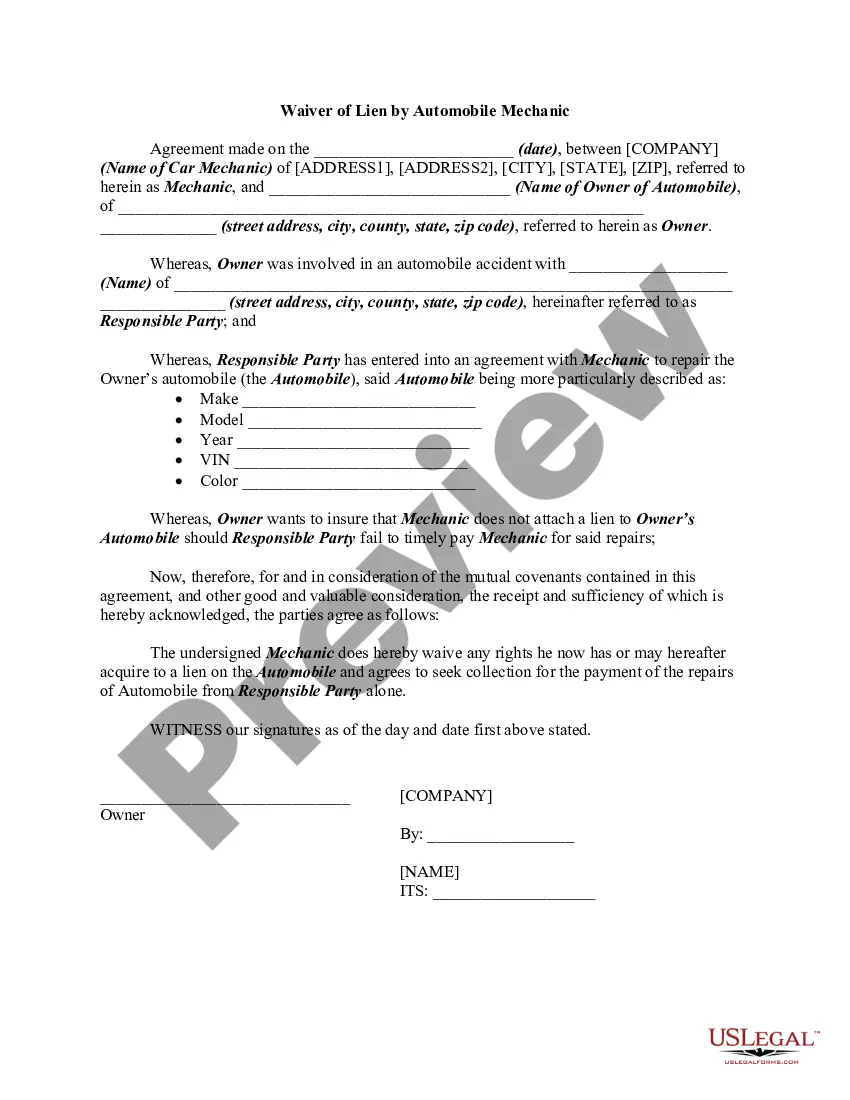
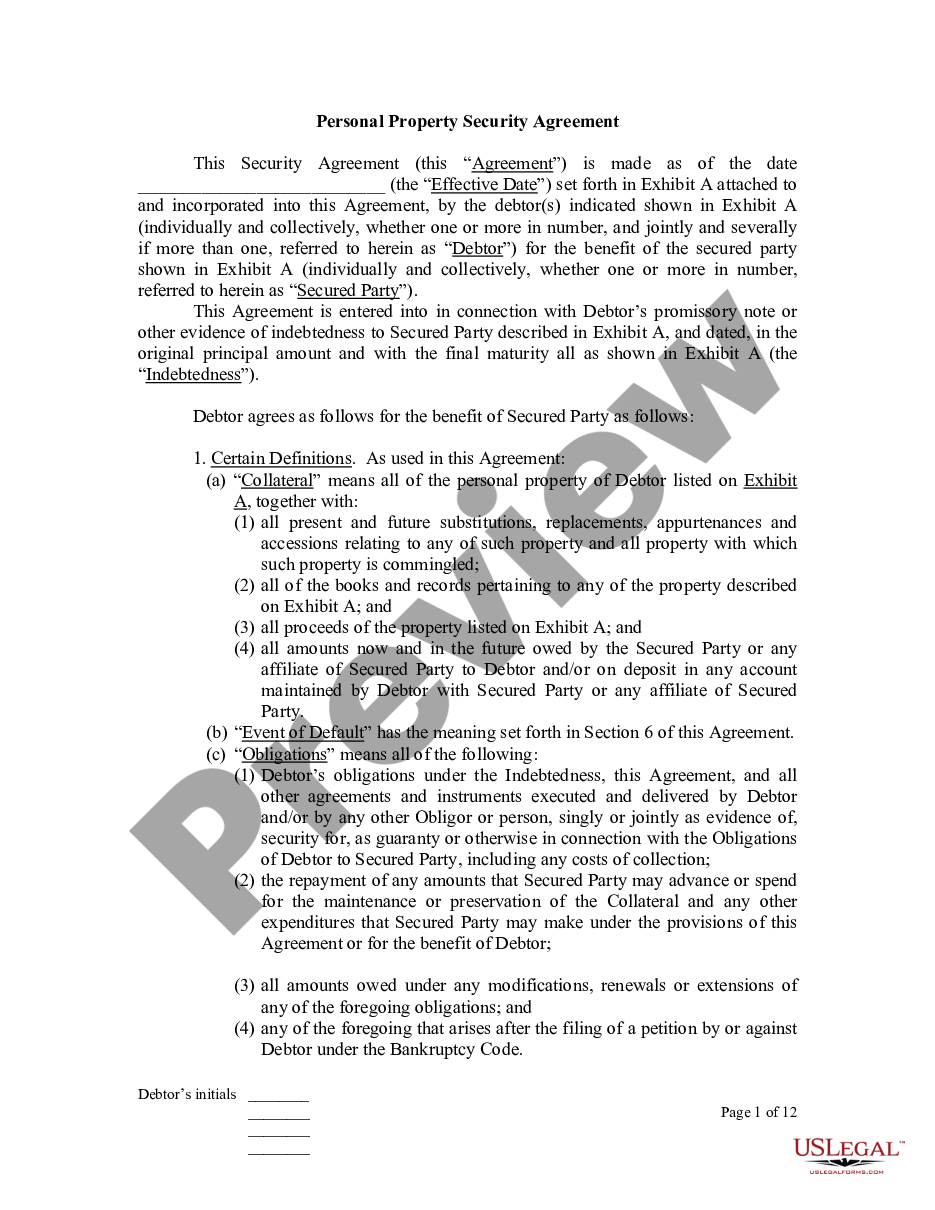
The Assignment of Lien - Individual form allows a lien claimant, who has provided labor or materials for improving real property, to assign their lien rights to another party. This document serves as a formal notice of this assignment, granting the assignee the same rights as the original claimant to enforce and maintain the lien. Unlike other lien forms, this specific assignment focuses on the transfer of lien rights from one individual to another, ensuring the proper legal recourse for enforcement is preserved.
Key components of this form
- Details of the lien claimant, including name and contact information.
- Description of the services or materials provided, including the property address.
- Assignment notice indicating the transfer of lien rights to an assignee.
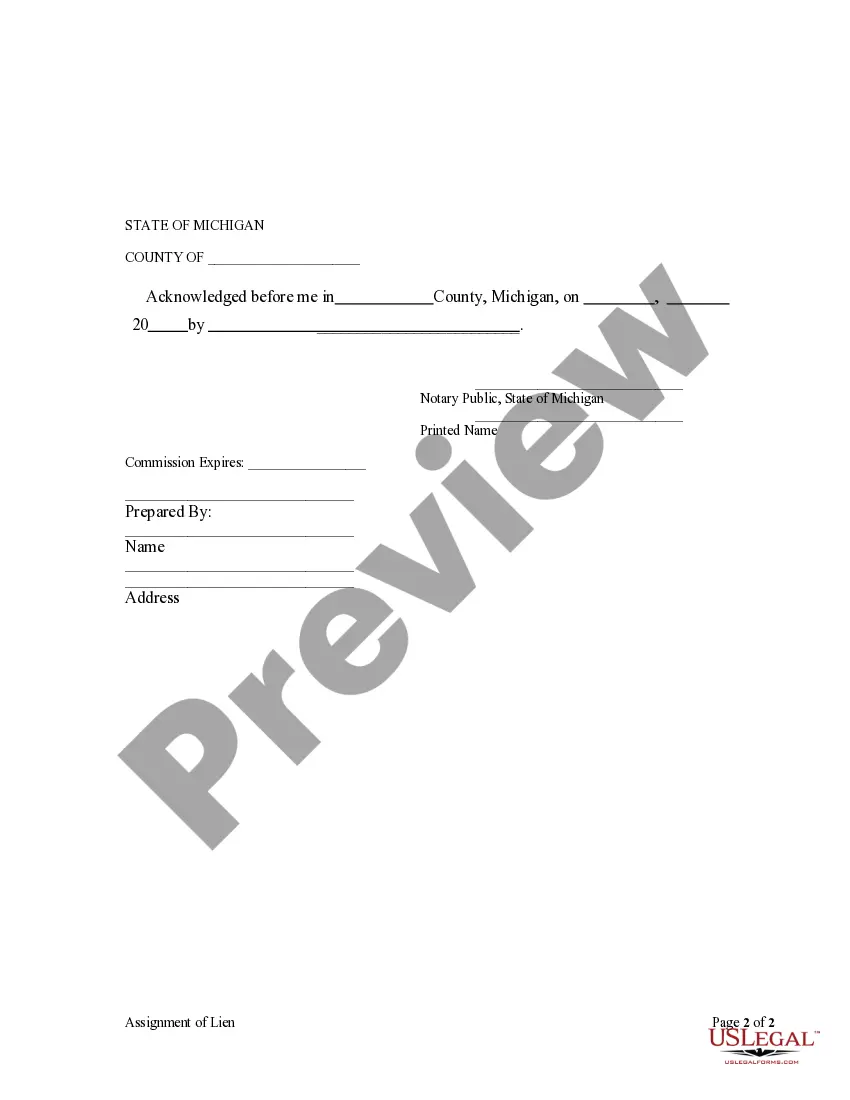
- Signature lines for the lien claimant and space for a notary acknowledgment.
When to use this form
This form is used when an individual who has provided labor or materials for property improvement wishes to assign their lien rights to another party. Scenarios include when the original claimant wants to transfer their interests for financial gain, to facilitate a sale, or when they are unable to pursue the lien enforcement themselves.
Who should use this form
- Individuals who have supplied labor or materials for property improvements.
- Contractors or subcontractors seeking to assign lien rights to another party.
- Property owners needing to formalize the transfer of their lien claims.
How to complete this form
- Enter the name and contact details of the individual lien claimant.
- Specify the date when the labor and materials were provided.
- Provide a detailed description of the work done and the property involved, including its address.
- Add the name and address of the individual or entity to whom the lien is being assigned.
- Ensure both the lien claimant's and assignee's signatures are provided, along with a notary acknowledgment if required.
Is notarization required?
This form needs to be notarized to ensure legal validity. US Legal Forms provides secure online notarization powered by Notarize, allowing you to complete the process through a verified video call, available anytime.
Get your form ready online
Our built-in tools help you complete, sign, share, and store your documents in one place.
Make edits, fill in missing information, and update formatting in US Legal Forms—just like you would in MS Word.
Download a copy, print it, send it by email, or mail it via USPS—whatever works best for your next step.
Sign and collect signatures with our SignNow integration. Send to multiple recipients, set reminders, and more. Go Premium to unlock E-Sign.
If this form requires notarization, complete it online through a secure video call—no need to meet a notary in person or wait for an appointment.
We protect your documents and personal data by following strict security and privacy standards.

Make edits, fill in missing information, and update formatting in US Legal Forms—just like you would in MS Word.

Download a copy, print it, send it by email, or mail it via USPS—whatever works best for your next step.

Sign and collect signatures with our SignNow integration. Send to multiple recipients, set reminders, and more. Go Premium to unlock E-Sign.

If this form requires notarization, complete it online through a secure video call—no need to meet a notary in person or wait for an appointment.

We protect your documents and personal data by following strict security and privacy standards.
Typical mistakes to avoid
- Failing to include a complete description of the labor or materials provided.
- Not specifying the property address adequately, leading to potential disputes.
- Omitting signatures or failing to have the form notarized where required.
Why complete this form online
- Immediate access to a professionally drafted form that meets legal requirements.
- Easily editable format allows customization to fit your specific situation.
- Secure online storage options for your completed documents.
Looking for another form?
Form popularity
FAQ
Someone who is owed money is generally not able to just put a lien on property without first securing a judgment. Securing a judgment requires the creditor to sue the debtor. This may be through circuit court in many jurisdictions. If under a certain dollar amount, this suit may be through the small claims court.
2. States where the lien law doesn't require a written contract. In these states, contractors and suppliers are generally allowed to file a lien even if they don't have a written contract.These states typically permit parties with verbal, oral, or even implied contracts to claim lien rights.
In every state, a judgment lien can be attached to the debtor's real estate -- meaning a house, condo, land, or similar kind of property interest. And some states also allow judgment liens on the debtor's personal property -- things like jewelry, art, antiques, and other valuables.
Who you are. The services or materials you provided. The last date you provided the services or materials. How much payment should be. The date on which you will file a lien if you do not receive payment. How the debtor should pay.
Fill out an Abstract Of Judgment form. Bring or mail the two paper copies to the court. Bring or mail two copies of the Abstract Of Judgment to the county recorder where the judgment debtor's property is located.
With the judgment in hand, a judgment creditor can place a judgment lien on your real estate and occasionally on personal property depending on the state in which you live.
In Michigan, a mechanics lien, called a Claim of Lien, must be filed with the Register of Deeds within 90 days after the lien claimant last furnished labor or materials to the project.
In Michigan, a mechanics lien, called a Claim of Lien, must be filed with the Register of Deeds within 90 days after the lien claimant last furnished labor or materials to the project.
A mortgage creates a lien on your property that gives the lender the right to foreclose and sell the home to satisfy the debt. A deed of trust (sometimes called a trust deed) is also a document that gives the lender the right to sell the property to satisfy the debt should you fail to pay back the loan.