Personal Residence Real Withholding
Description
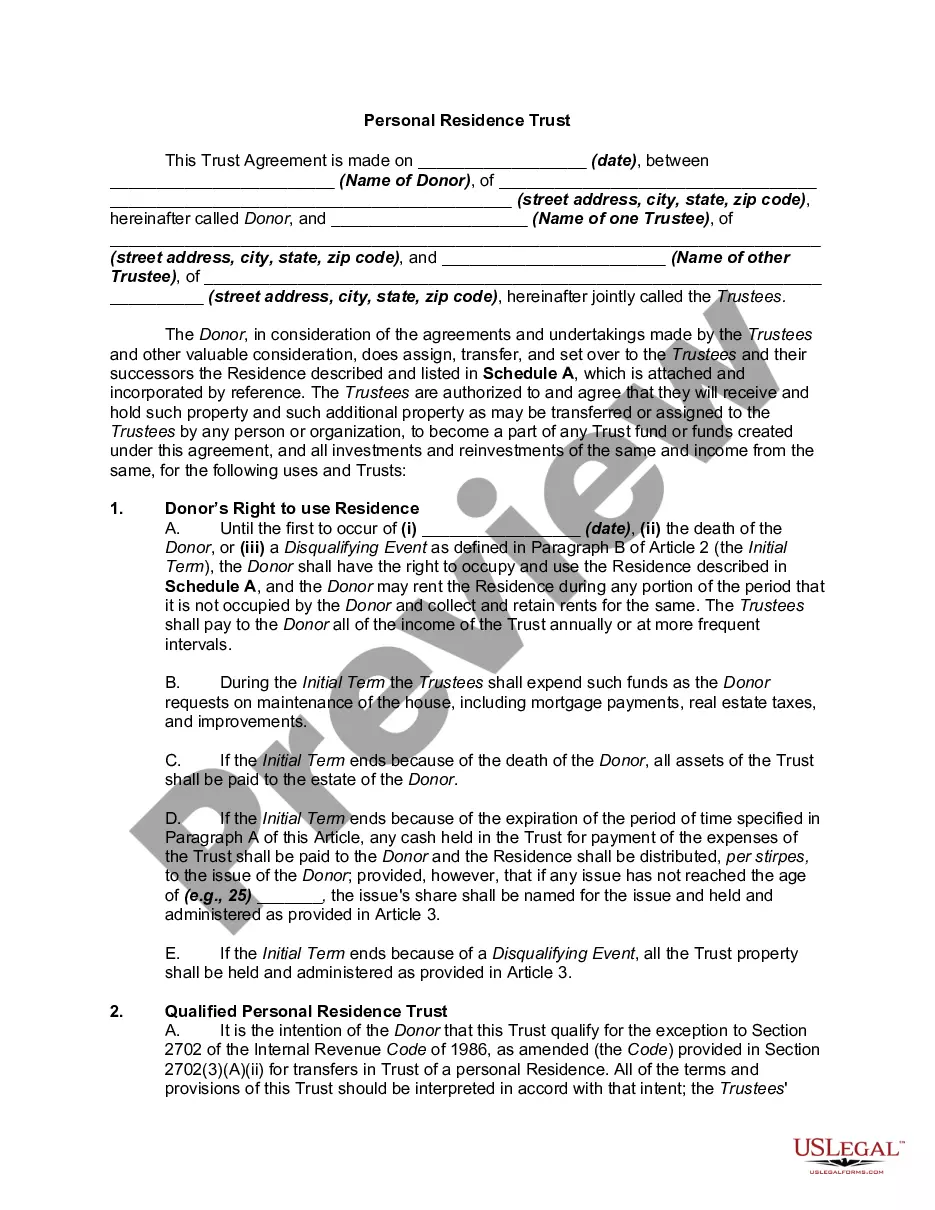
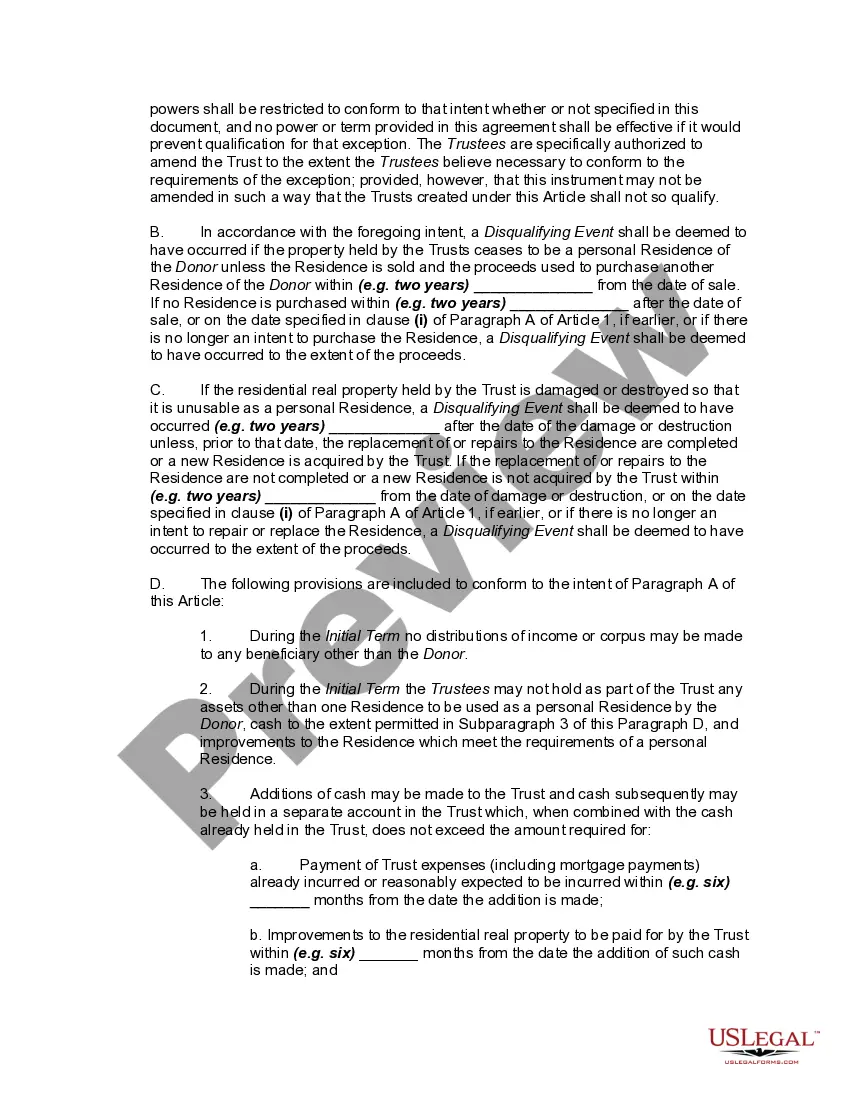
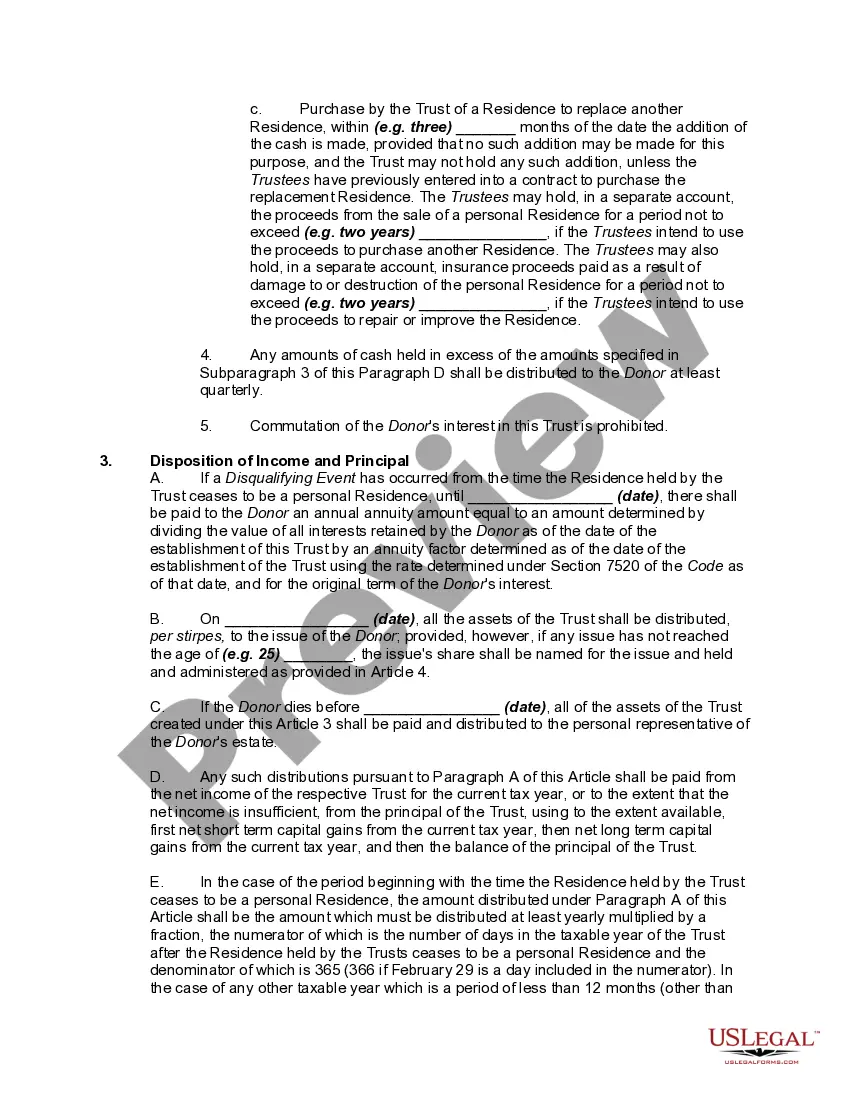
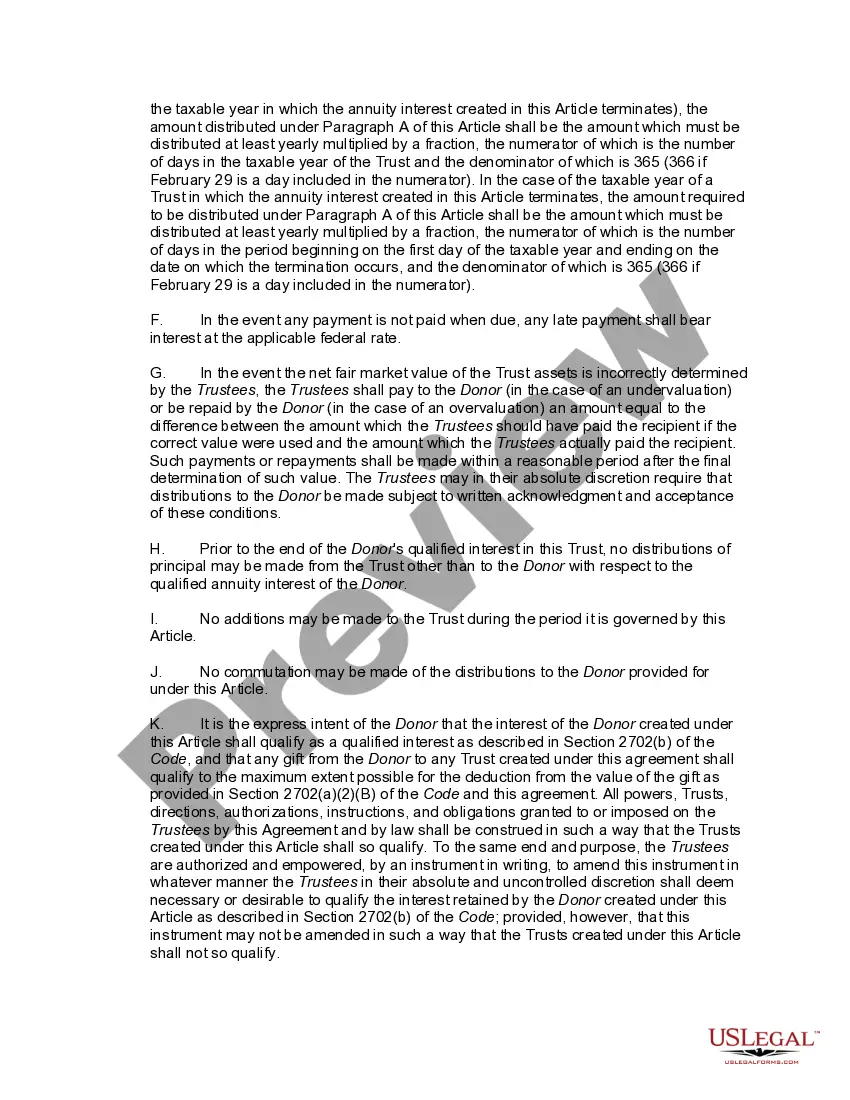

Get your form ready online
Our built-in tools help you complete, sign, share, and store your documents in one place.
Make edits, fill in missing information, and update formatting in US Legal Forms—just like you would in MS Word.
Download a copy, print it, send it by email, or mail it via USPS—whatever works best for your next step.
Sign and collect signatures with our SignNow integration. Send to multiple recipients, set reminders, and more. Go Premium to unlock E-Sign.
If this form requires notarization, complete it online through a secure video call—no need to meet a notary in person or wait for an appointment.
We protect your documents and personal data by following strict security and privacy standards.

Make edits, fill in missing information, and update formatting in US Legal Forms—just like you would in MS Word.

Download a copy, print it, send it by email, or mail it via USPS—whatever works best for your next step.

Sign and collect signatures with our SignNow integration. Send to multiple recipients, set reminders, and more. Go Premium to unlock E-Sign.

If this form requires notarization, complete it online through a secure video call—no need to meet a notary in person or wait for an appointment.

We protect your documents and personal data by following strict security and privacy standards.
Looking for another form?





How to fill out Personal Residence Trust?
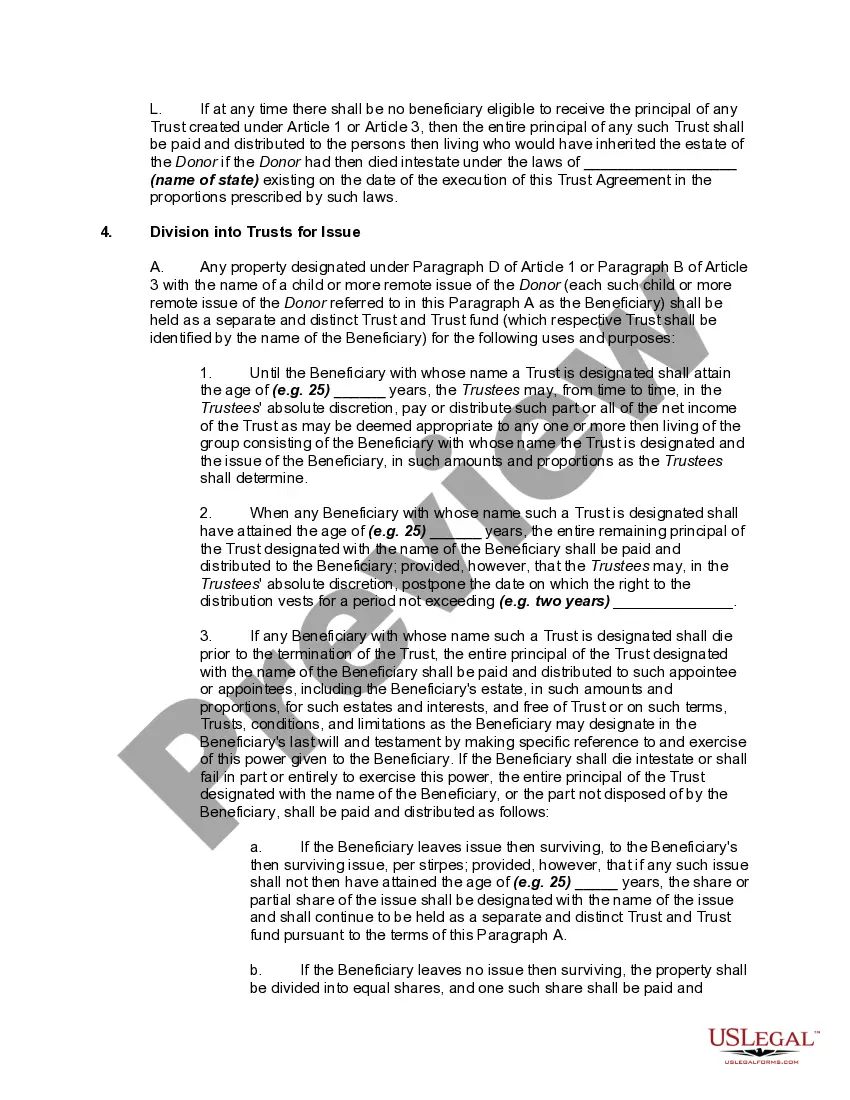
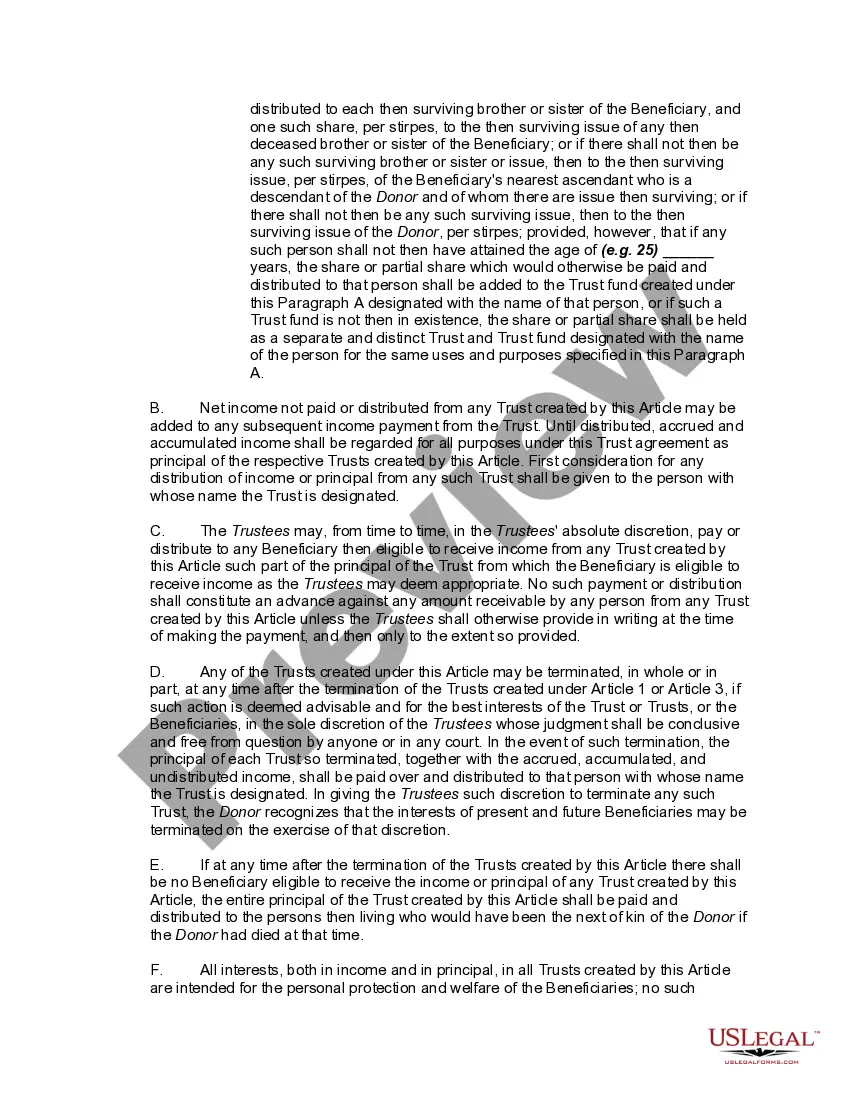
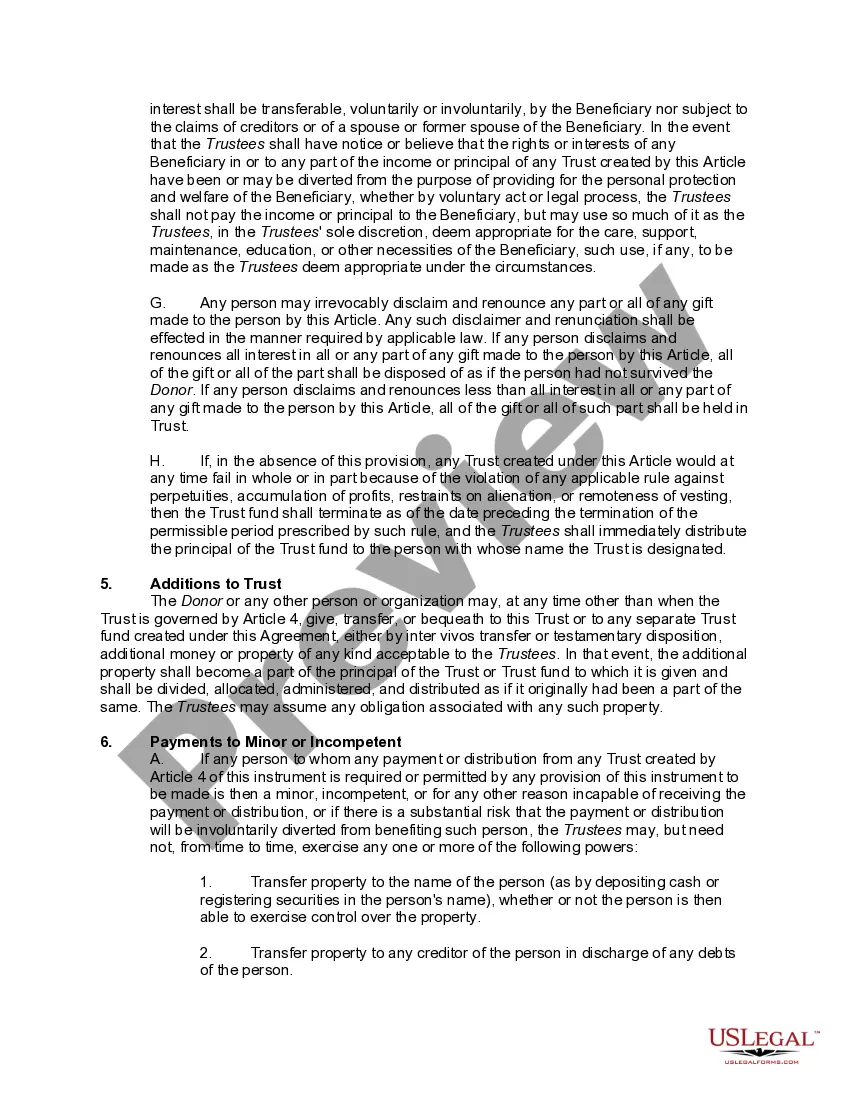
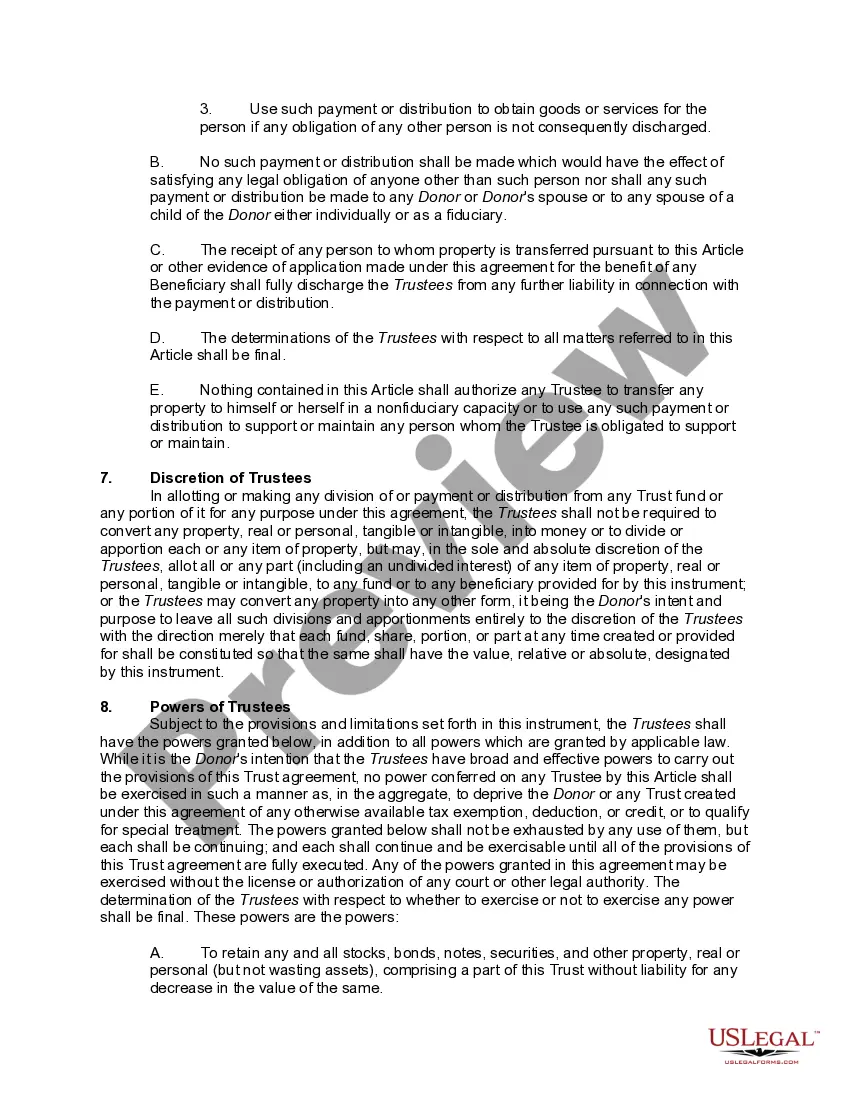
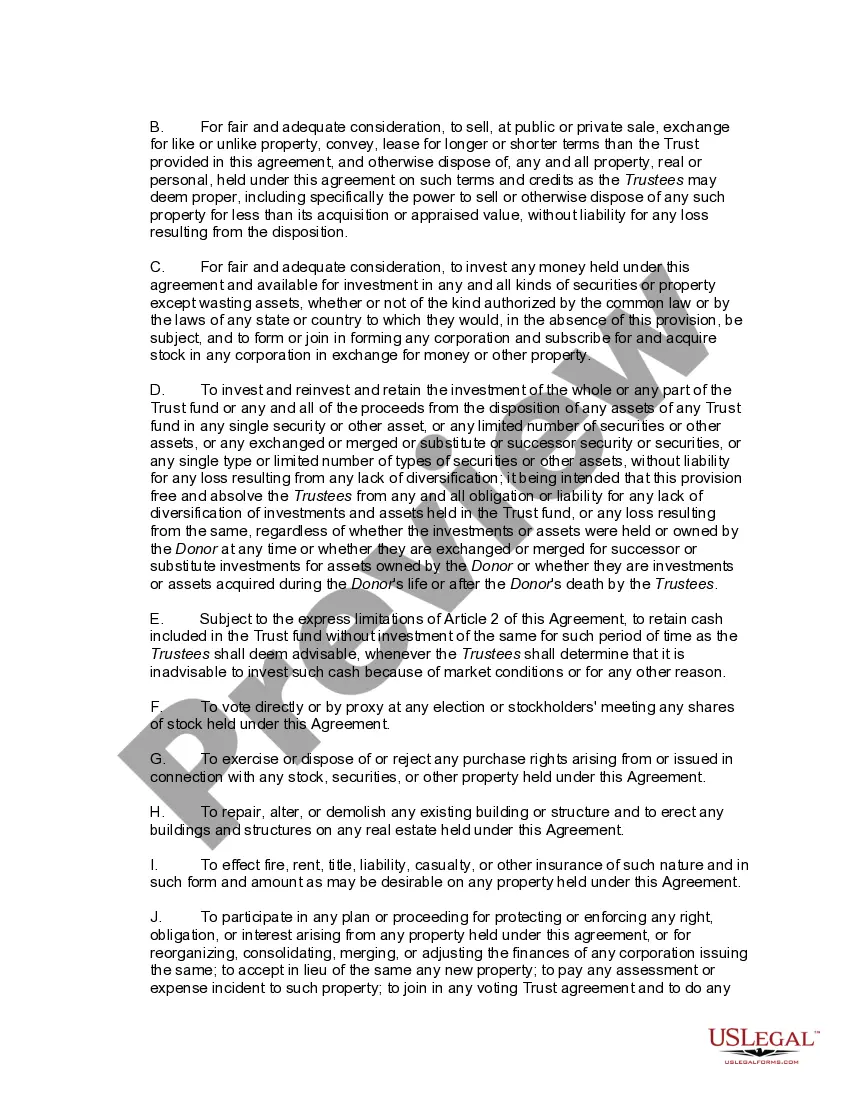
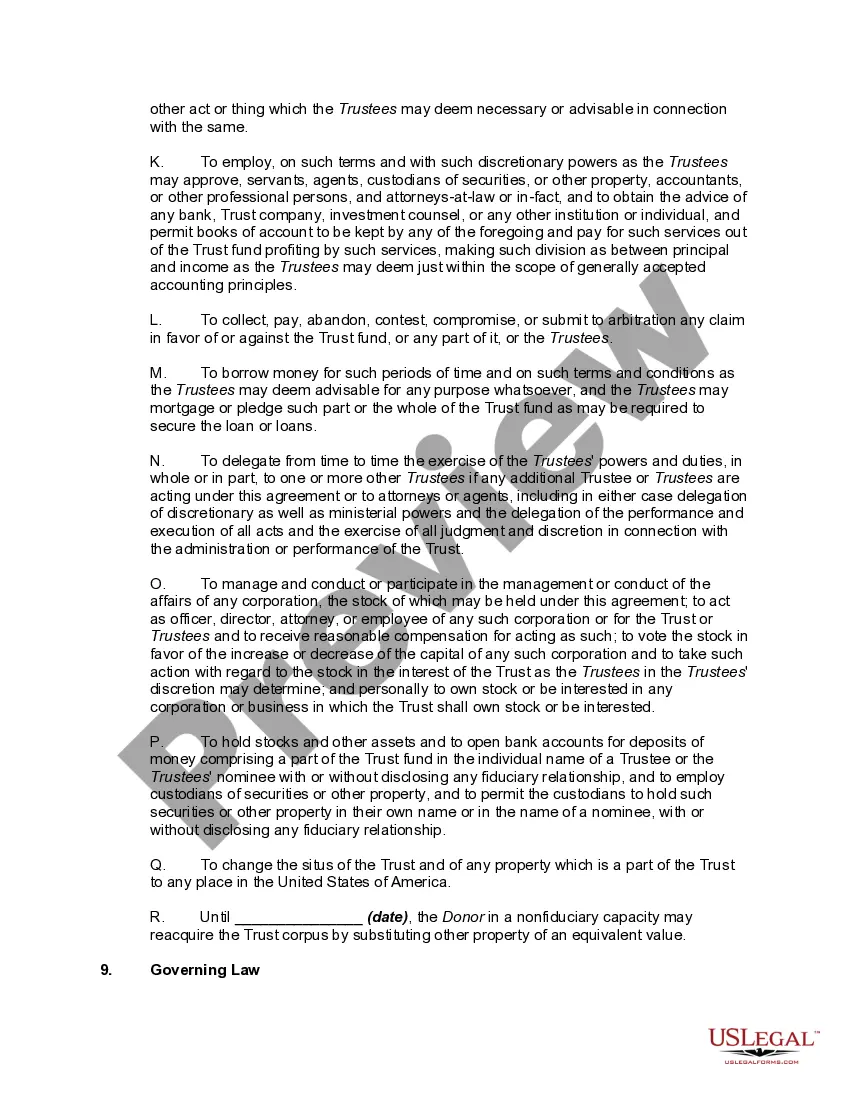
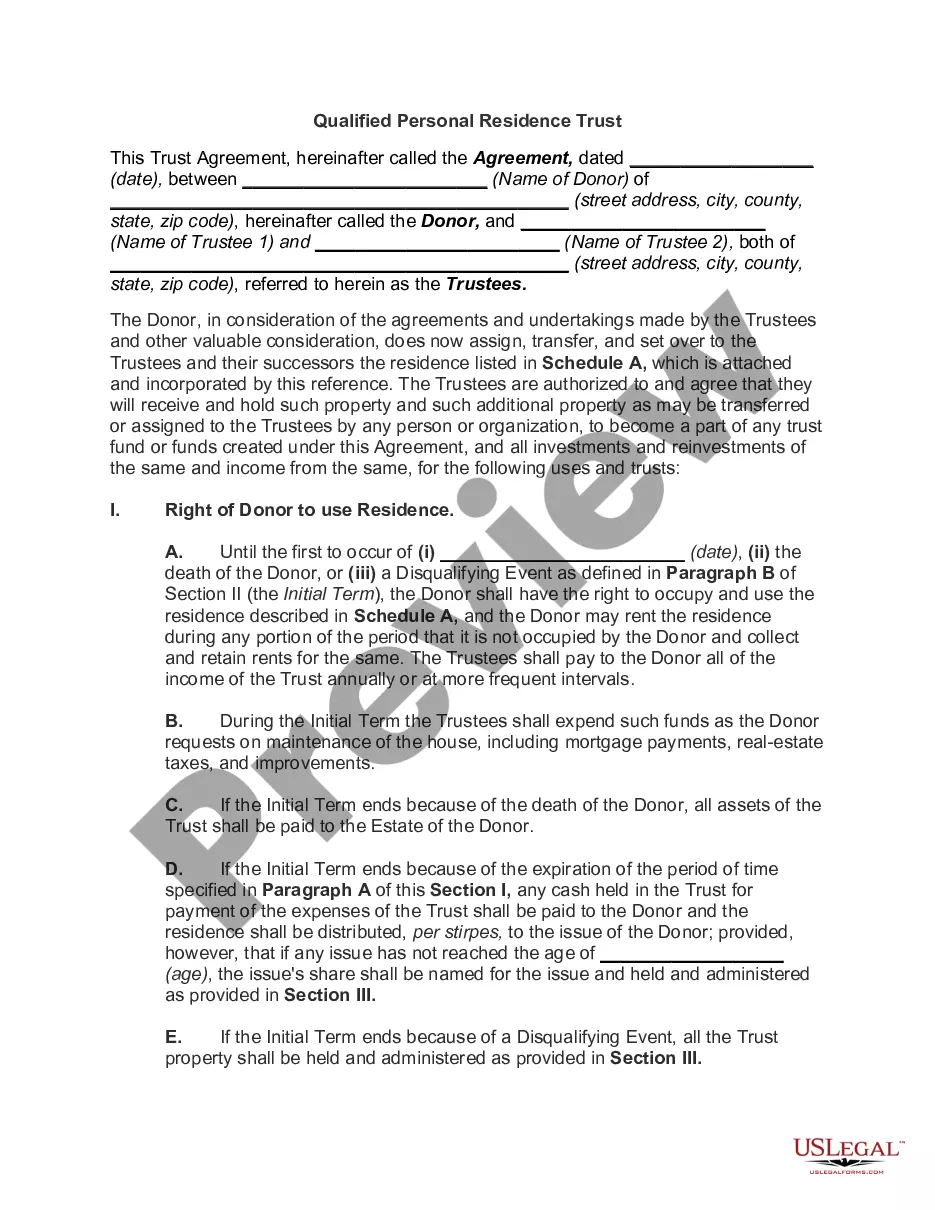
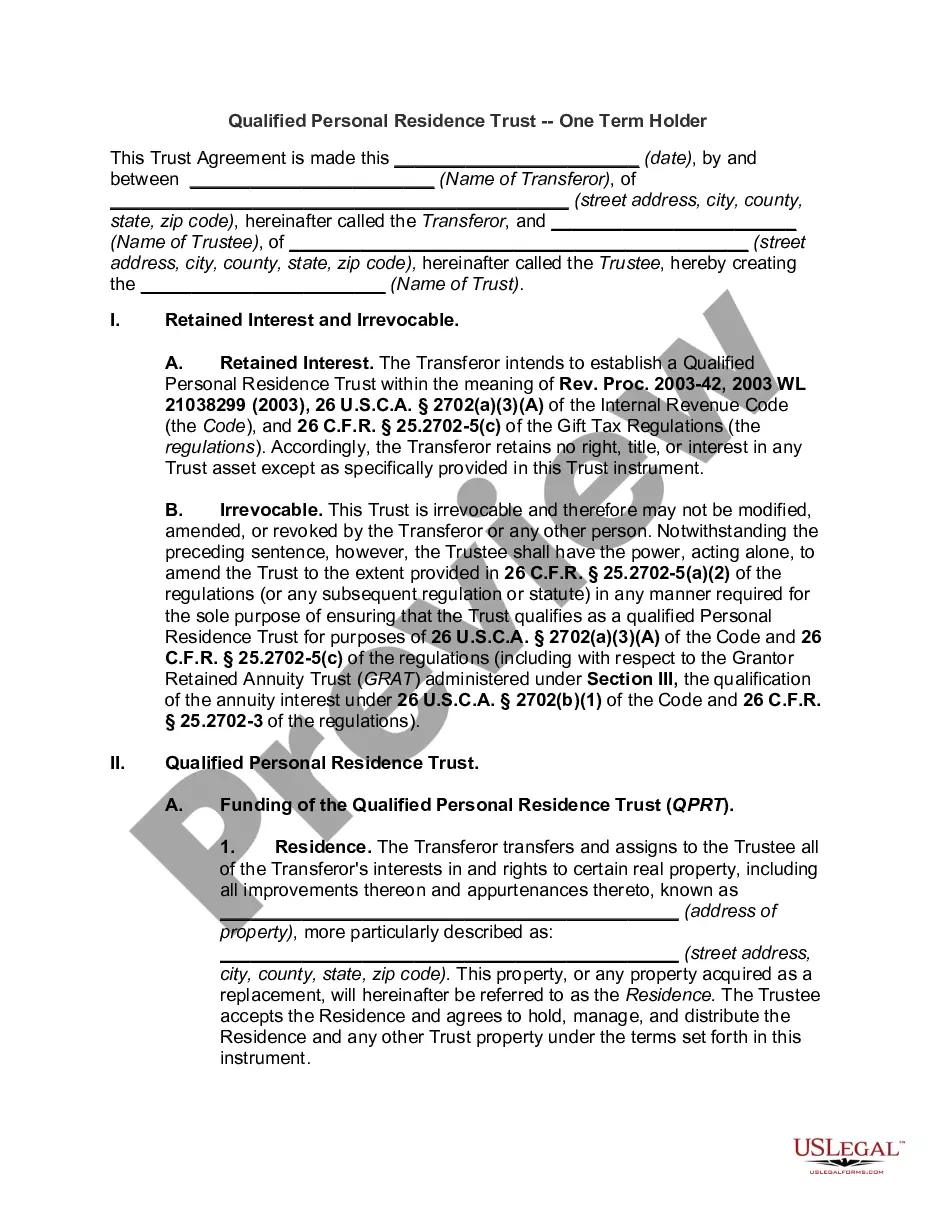
The Personal Residence Real Withholding displayed on this webpage is a versatile official template created by experienced attorneys in alignment with federal and state statutes and regulations.
For over 25 years, US Legal Forms has supplied individuals, corporations, and legal experts with more than 85,000 authenticated, state-specific documents for any business and personal situation. It’s the fastest, most direct, and most reliable method to access the paperwork you require, as the service ensures the utmost level of data protection and anti-malware security.
Reuse the same document whenever necessary. Access the My documents tab in your profile to redownload any previously obtained documents. Subscribe to US Legal Forms to have reliable legal templates for all of life’s situations at your fingertips.
- Search for the document you require and examine it.
- Browse the example you looked up and preview it or review the form description to confirm it meets your requirements. If not, use the search feature to find the suitable one. Click Buy Now once you have found the template you need.
- Choose a suitable pricing plan and create an account. Utilize PayPal or a credit card to make a swift payment. If you possess an account already, Log In and review your subscription to continue.
- Select the fillable template format you desire for your Personal Residence Real Withholding (PDF, DOCX, RTF) and save the document on your device.
- Print the template to fill it out manually. Alternatively, employ an online versatile PDF editor to quickly and accurately complete and sign your form with an eSignature.
Form popularity
FAQ
Resident withholding tax is typically levied on sellers who do not qualify for exemptions when they sell their personal residence. The purpose of this tax is to ensure that any capital gains from the transaction are taxed appropriately. Evaluating your sale situation against established criteria can provide insight into why you may be facing these charges. For assistance in navigating personal residence real withholding, resources like uslegalforms can offer valuable support.
You may be charged resident withholding tax if your sale of a property does not meet the criteria for exemption from personal residence real withholding. The tax authority implements this measure to secure tax revenue on profit generated from real estate sales. Understanding your obligations can help you manage these costs effectively. If you seek clarity on the tax you owe, consider using resources like uslegalforms to streamline your understanding.
To avoid paying residential withholding tax, sellers should verify their eligibility for exemptions before the transaction. Filing specific forms and claims can sometimes waive the withholding requirement. Proactive planning, such as consulting with a tax professional, can help identify deductibles or exemptions related to personal residence real withholding. Utilizing platforms like uslegalforms can provide you with essential documents to streamline this process.
Residential withholding refers to the tax obligation that sellers of certain real estate must meet when they sell property. This requirement applies when the property sold is a personal residence in certain regions, such as California. The concept exists to ensure that taxes are properly collected on capital gains resulting from real estate transactions. Understanding personal residence real withholding can help sellers avoid unexpected tax bills.
Claiming 0 does not guarantee you won't owe taxes, as it simply means more is withheld from your paycheck. If your income exceeds your deductions, you might still face a tax bill at year-end. Fluctuations in income or changes in tax law can also affect your liability. To prevent surprises, regularly review your tax situation with the help of tools like US Legal Forms.
Whether to claim 1 or 0 withholding depends on your financial situation. Claiming 0 will typically result in higher withholding, potentially leading to a refund when you file taxes. On the other hand, claiming 1 allows for a larger paycheck throughout the year, but you risk owing taxes later. Evaluate your past tax returns and financial goals to make an informed decision.
Filling out your withholding form accurately is essential for effective personal residence real withholding. Start by providing your basic information, and then follow the instructions carefully to indicate your preferred withholding amount. If you're unsure, consider personal circumstances such as dependents, income, and deductions. For assistance, platforms like US Legal Forms can guide you through the process efficiently.
You can prove your primary residence to the IRS by collecting supporting documents that confirm your address. Examples include driver's licenses, bank statements, and tax bills. These forms of identification support your case related to personal residence real withholding and clarify your residency status.
Filing FIRPTA withholding involves completing the necessary forms and submitting them to the IRS at the time of closing on a property sold by a foreign seller. You will need to fill out the 593 form as well as report the sale on your tax return. Utilizing platforms like uslegalforms can simplify this process.
To prove the 2 out of 5 year rule in real estate, you need to document your residency over the specified period. Maintain records such as tax filings, utility bills, and any other official correspondence that shows you lived in the property for at least two years. This is important for the benefits of personal residence real withholding.