Corporation Disability Insurance With 1099
Description
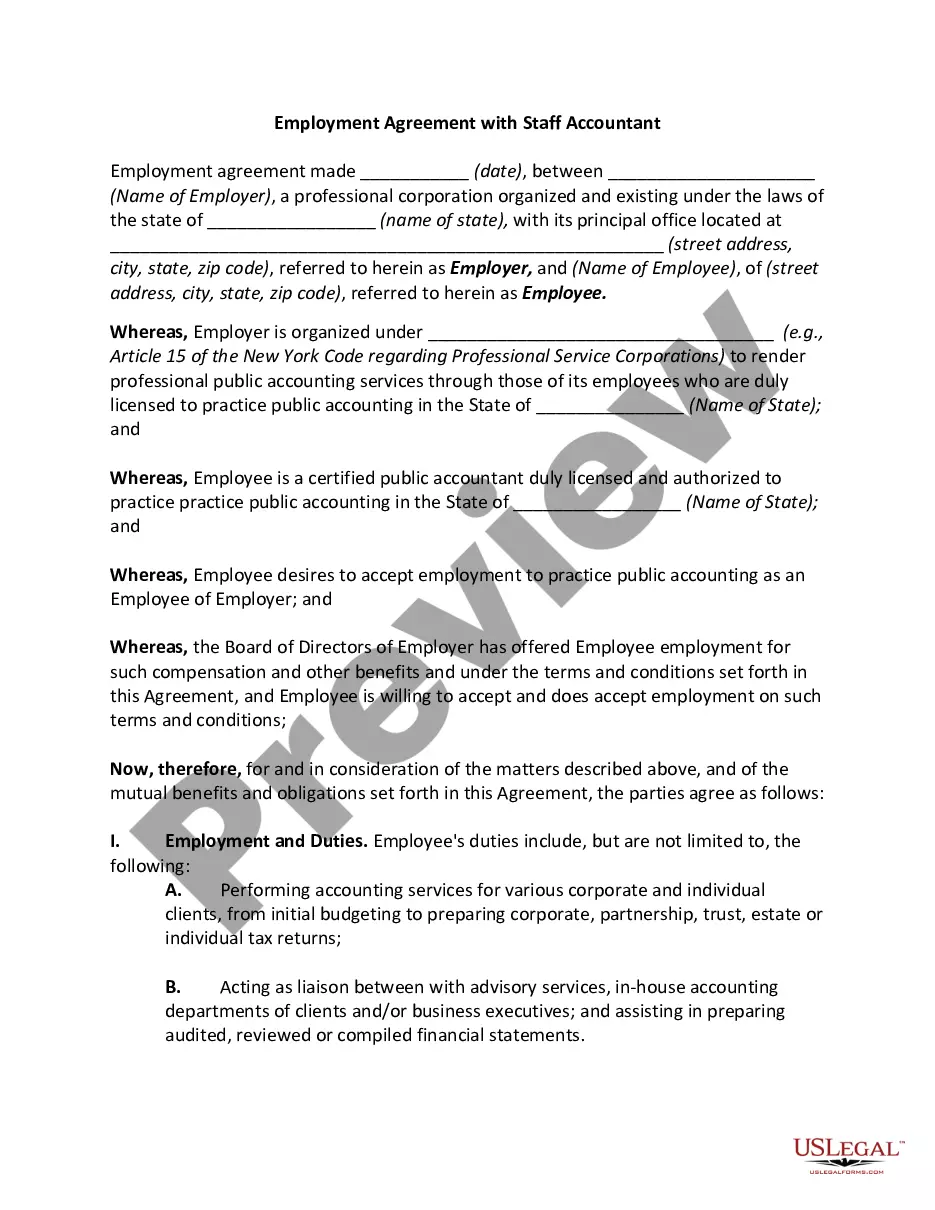
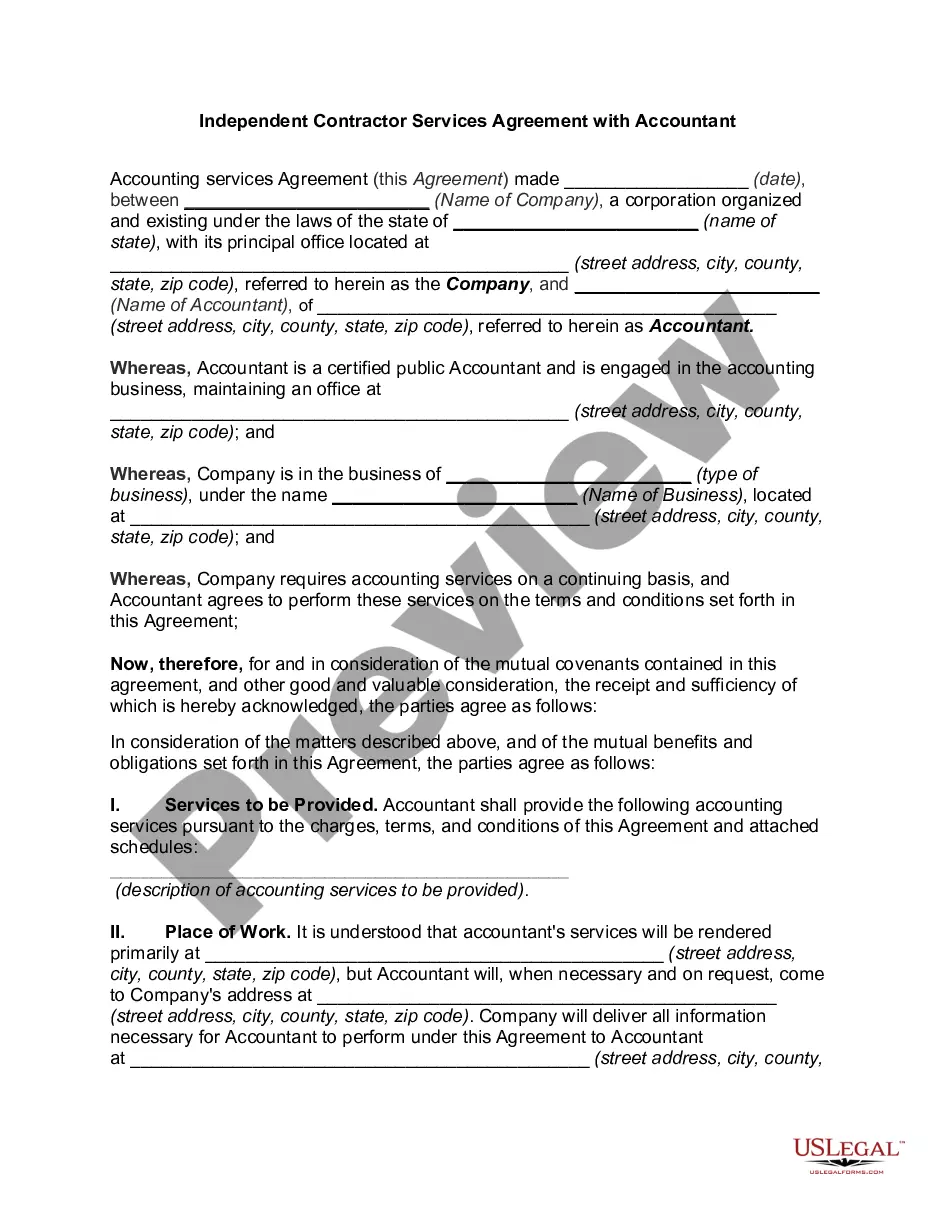
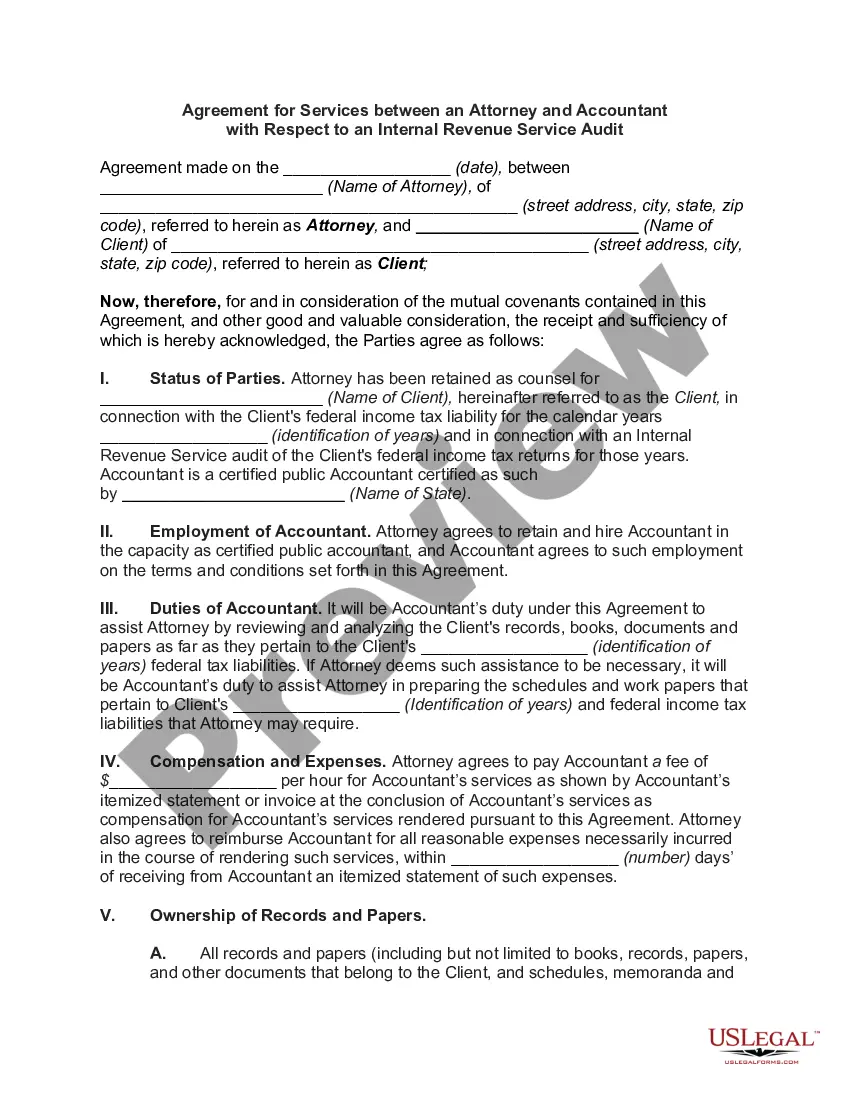
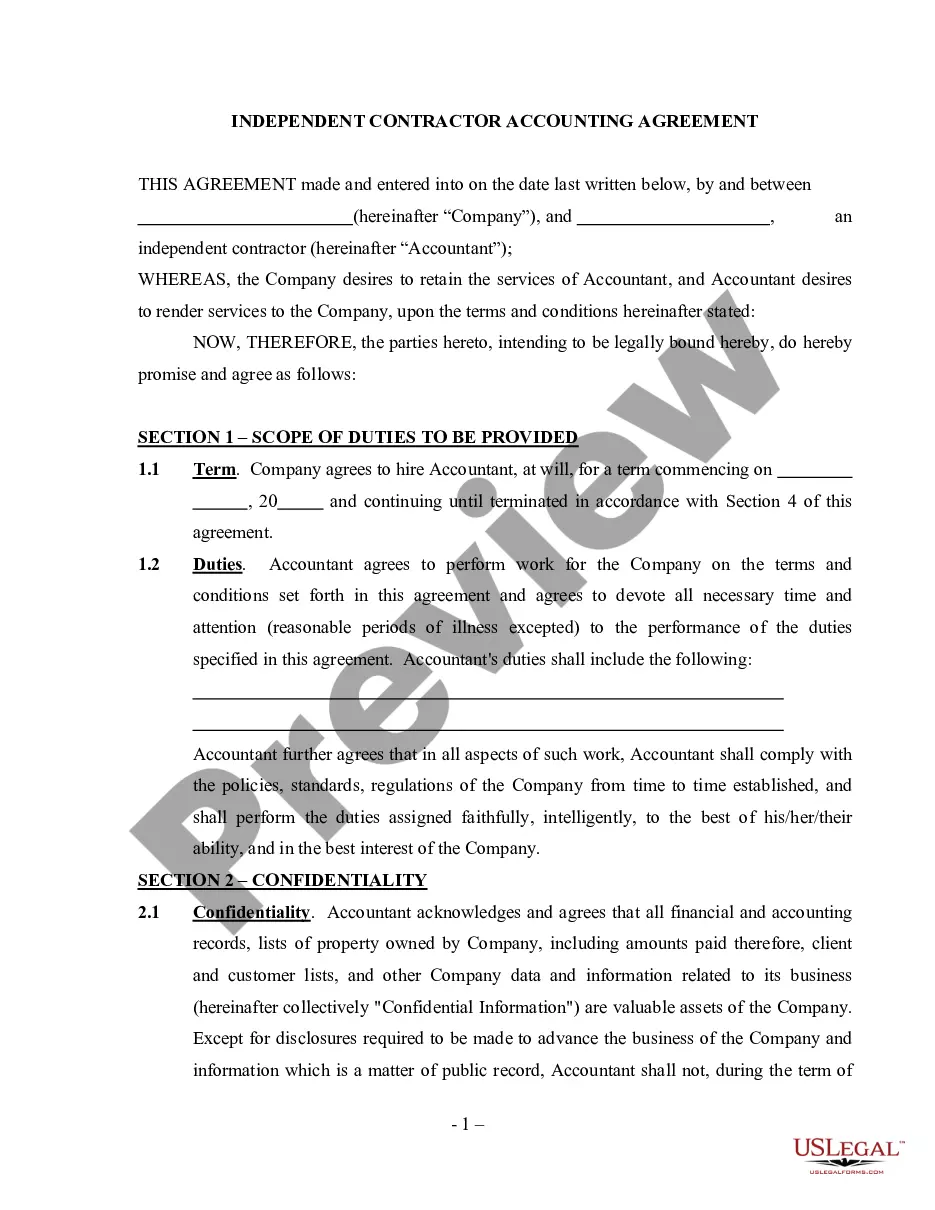
Get your form ready online
Our built-in tools help you complete, sign, share, and store your documents in one place.
Make edits, fill in missing information, and update formatting in US Legal Forms—just like you would in MS Word.
Download a copy, print it, send it by email, or mail it via USPS—whatever works best for your next step.
Sign and collect signatures with our SignNow integration. Send to multiple recipients, set reminders, and more. Go Premium to unlock E-Sign.
If this form requires notarization, complete it online through a secure video call—no need to meet a notary in person or wait for an appointment.
We protect your documents and personal data by following strict security and privacy standards.
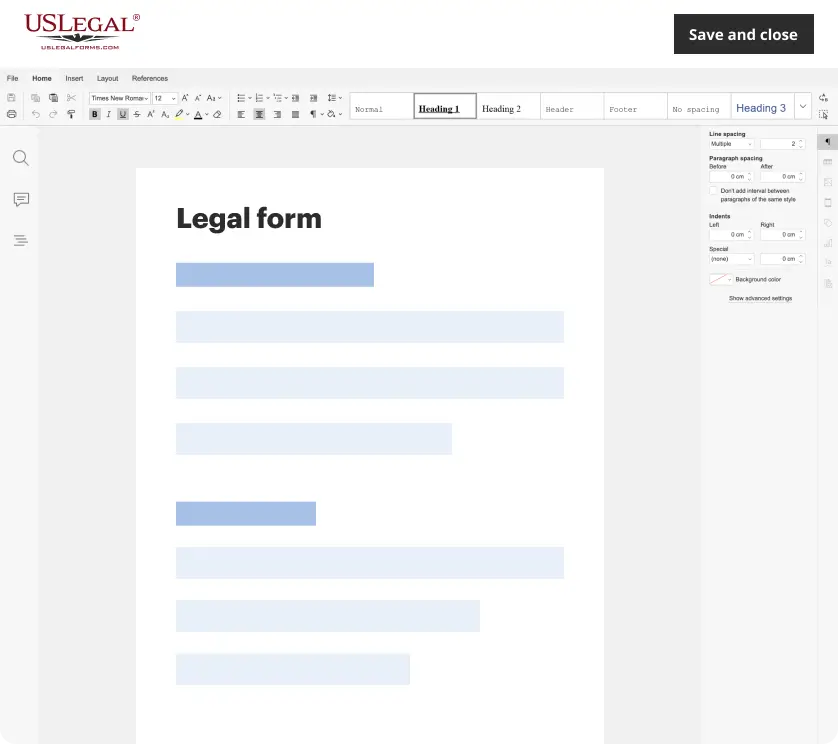
Make edits, fill in missing information, and update formatting in US Legal Forms—just like you would in MS Word.
Download a copy, print it, send it by email, or mail it via USPS—whatever works best for your next step.
Sign and collect signatures with our SignNow integration. Send to multiple recipients, set reminders, and more. Go Premium to unlock E-Sign.

If this form requires notarization, complete it online through a secure video call—no need to meet a notary in person or wait for an appointment.
We protect your documents and personal data by following strict security and privacy standards.
Looking for another form?








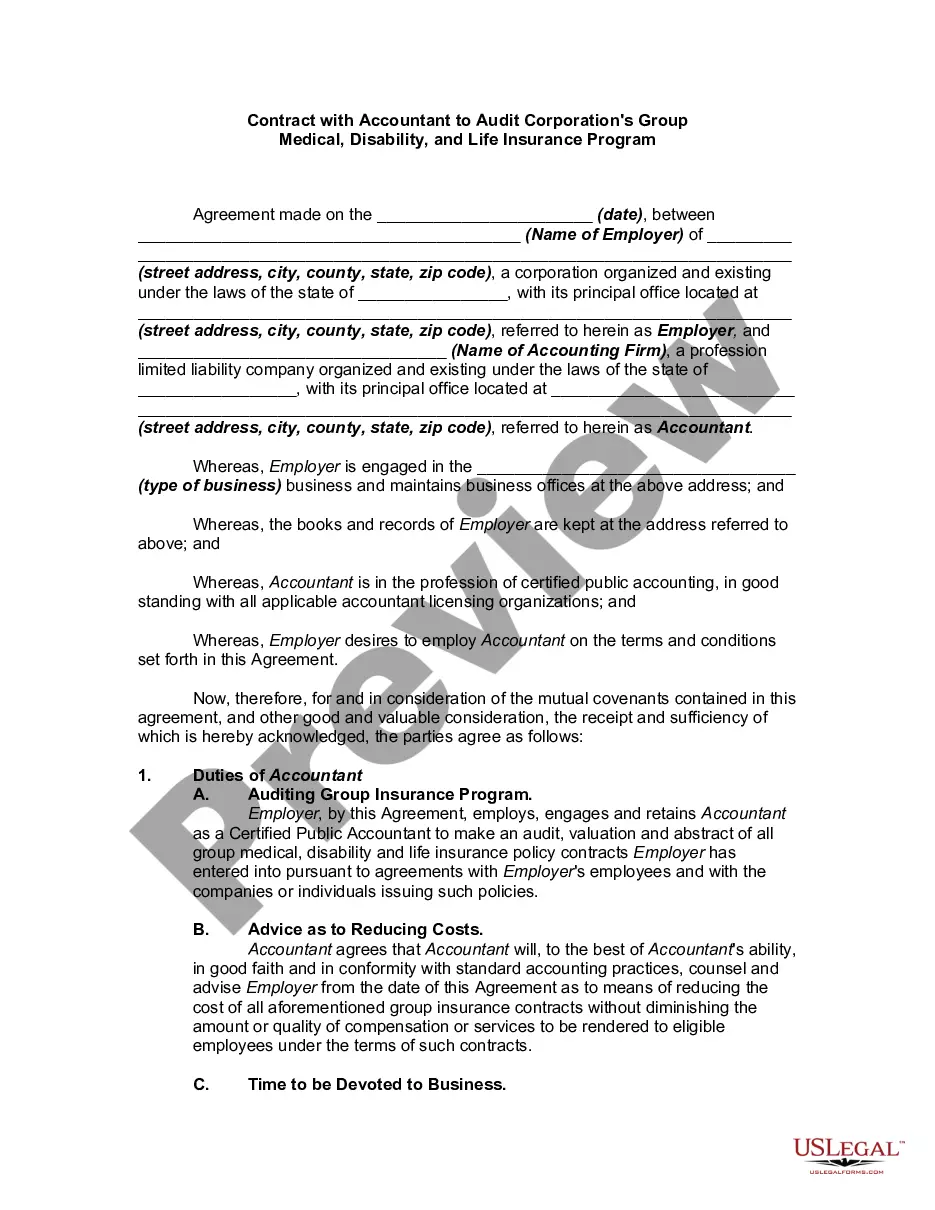
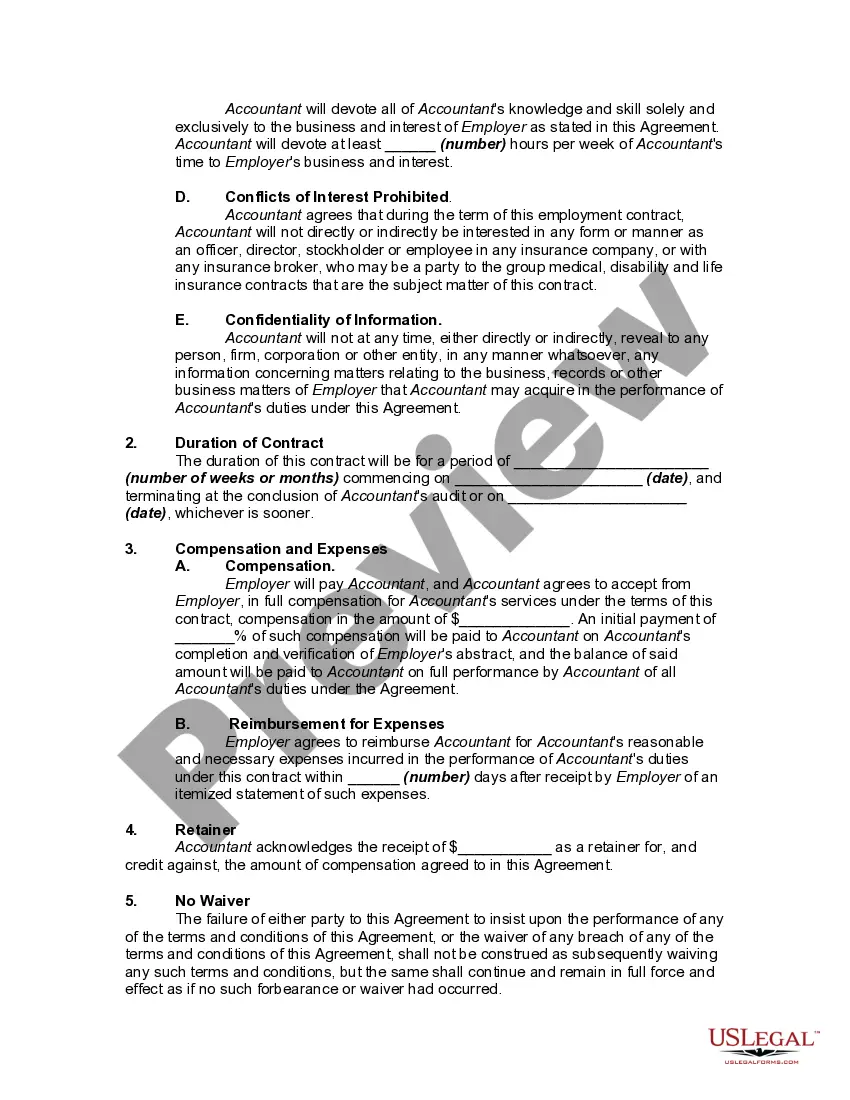
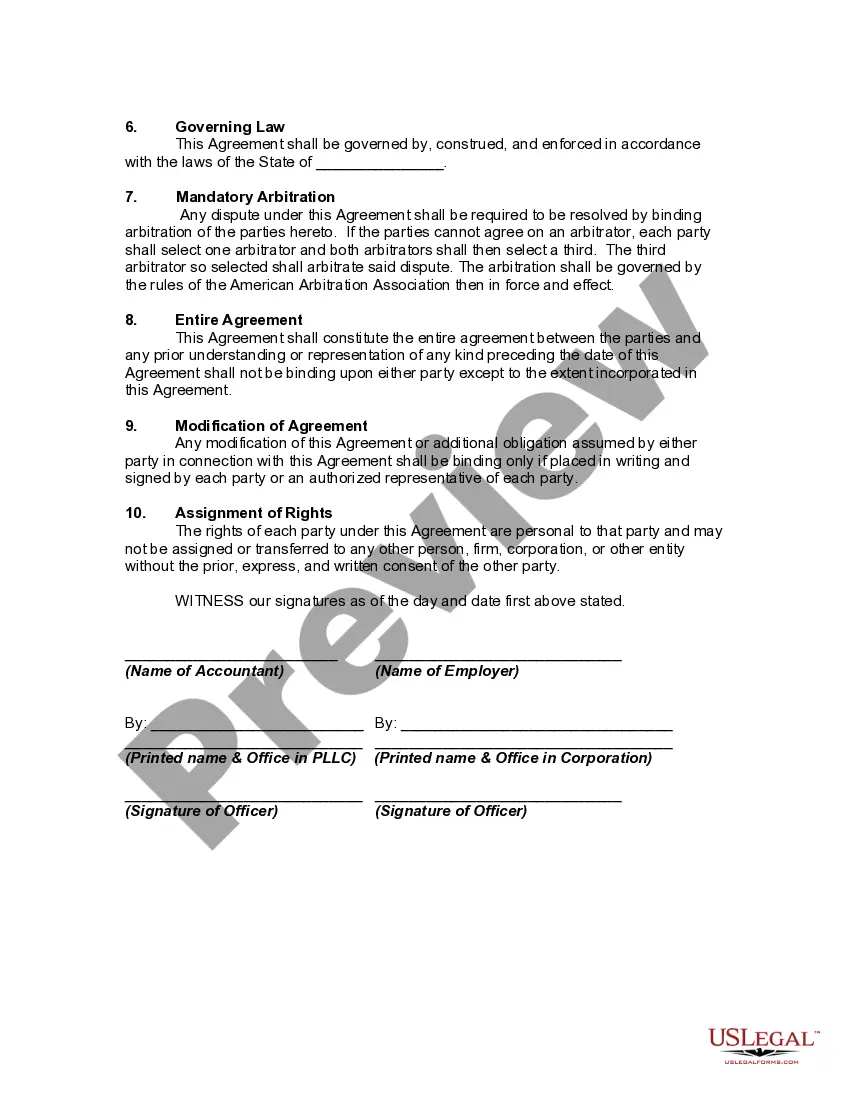
How to fill out Contract With Accountant To Audit Corporation's Group Medical, Disability, And Life Insurance Program?
Legal documentation handling can be overwhelming, even for the most experienced experts.
When you are looking for a Corporation Disability Insurance With 1099 and lack the time to invest in finding the correct and updated version, the process can be taxing.
Access legal and business forms tailored to specific states or counties.
US Legal Forms meets any requirements you may have, ranging from personal to corporate documents, all in one location.
If this is your first experience with US Legal Forms, create a free account and gain unlimited access to all the resources in the library. Here are the steps to follow after downloading your desired form.
- Utilize advanced tools to complete and manage your Corporation Disability Insurance With 1099.
- Access a valuable resource hub of articles, guides, and materials tailored to your situation and needs.
- Eliminate time and effort spent searching for the forms you need by using US Legal Forms’ advanced search and Review feature to locate Corporation Disability Insurance With 1099 and obtain it.
- If you hold a membership, Log In to your US Legal Forms profile, find the form, and acquire it.
- Check your My documents tab to review the forms you have previously downloaded and manage your folders as needed.
- A comprehensive web form library could be a transformative solution for anyone aiming to manage these matters effectively.
- US Legal Forms stands as a frontrunner in online legal documents, offering more than 85,000 state-specific legal forms accessible at any time.
- With US Legal Forms, you can.
Form popularity
FAQ
Unfortunately, you cannot deduct disability insurance premiums on your taxes. Long-term disability insurance can protect your income, and premiums typically cost 1% to 3% of your salary.
You must report as income any amount you receive for your disability through an accident or health insurance plan paid for by your employer: If both you and your employer have paid the premiums for the plan, only the amount you receive for your disability that's due to your employer's payments is reported as income.
The laws allow an S-Corporation to deduct the premiums, but if the owner owns more than 2% of the shares, the premiums are included in his/her income, making the benefits tax-free.
People who are self-employed and have their own individual long-term disability insurance policy cannot deduct the premiums from their taxes. However, if you're a business owner who provides disability coverage for employees, by covering the premiums, you can generally deduct the costs as a business expense.
You report the taxable portion of your social security benefits on line 6b of Form 1040 or Form 1040-SR. Your benefits may be taxable if the total of (1) one-half of your benefits, plus (2) all of your other income, including tax-exempt interest, is greater than the base amount for your filing status.