Summary Judgment For Debt Collection
Description
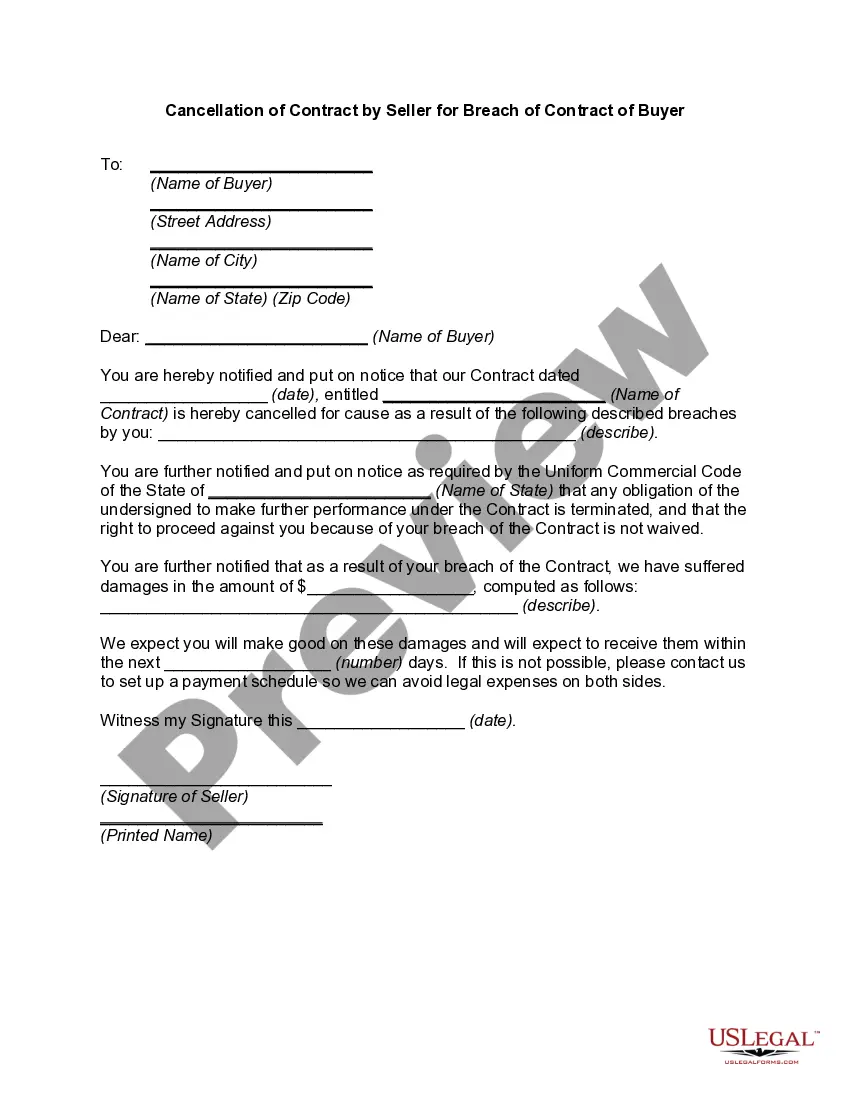
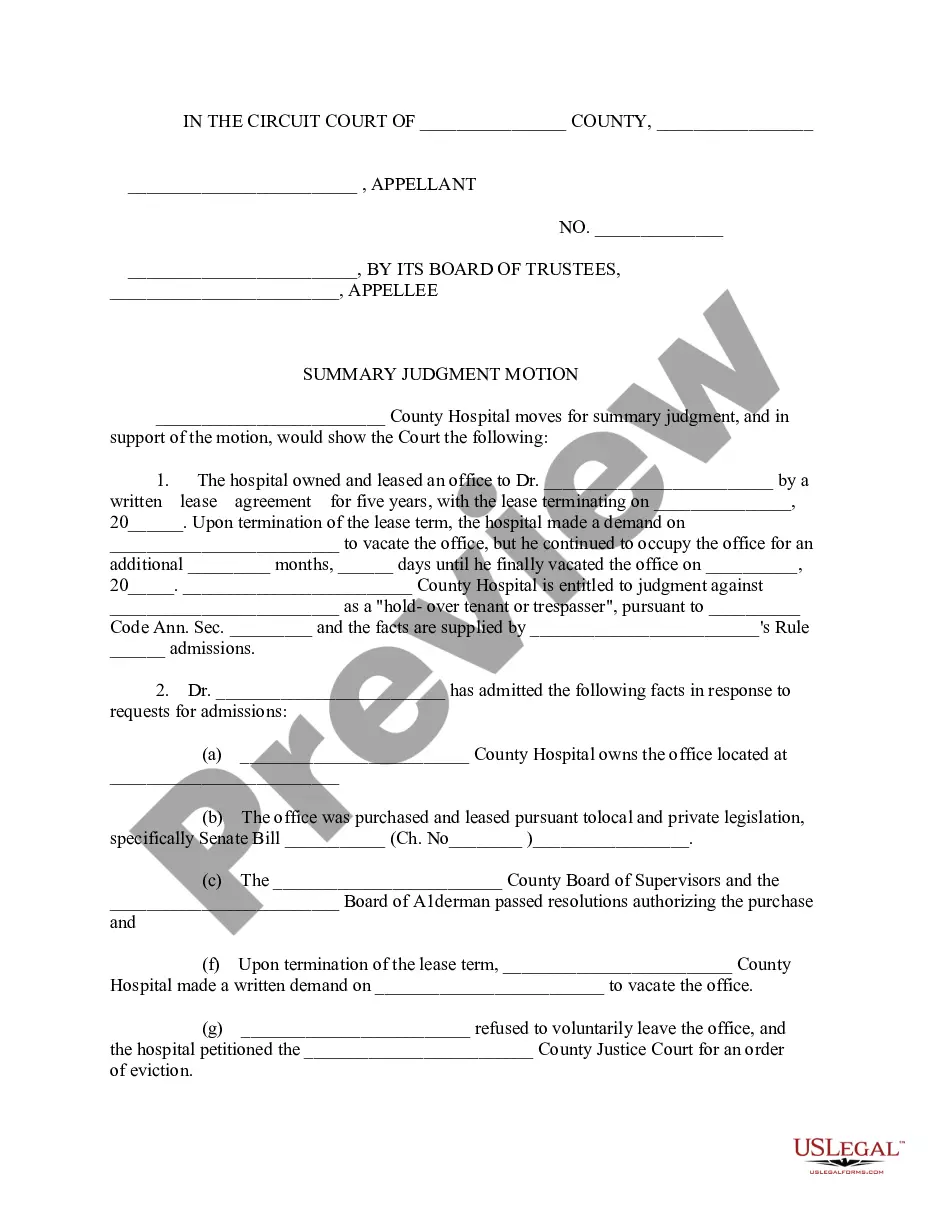
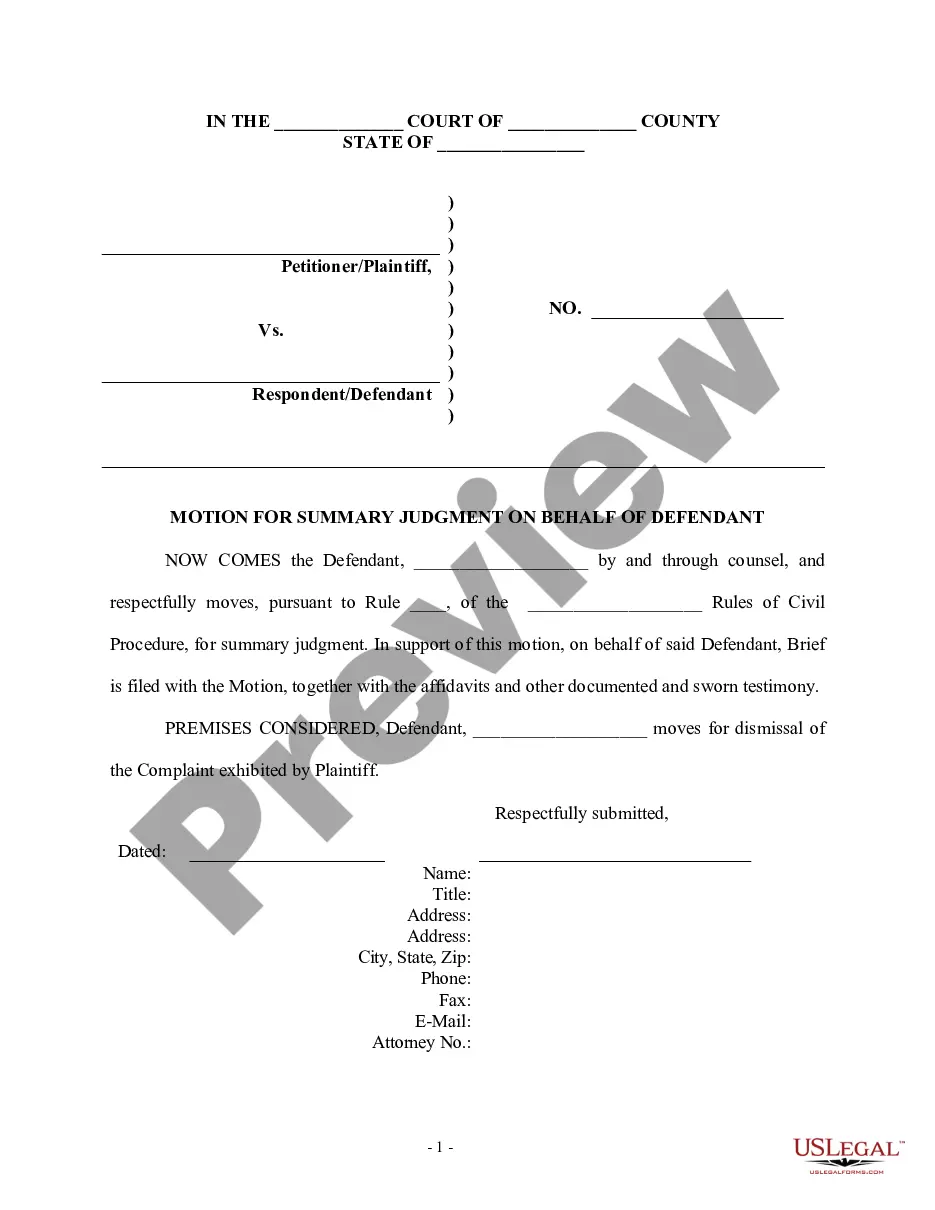
Get your form ready online
Our built-in tools help you complete, sign, share, and store your documents in one place.
Make edits, fill in missing information, and update formatting in US Legal Forms—just like you would in MS Word.
Download a copy, print it, send it by email, or mail it via USPS—whatever works best for your next step.
Sign and collect signatures with our SignNow integration. Send to multiple recipients, set reminders, and more. Go Premium to unlock E-Sign.
If this form requires notarization, complete it online through a secure video call—no need to meet a notary in person or wait for an appointment.
We protect your documents and personal data by following strict security and privacy standards.

Make edits, fill in missing information, and update formatting in US Legal Forms—just like you would in MS Word.

Download a copy, print it, send it by email, or mail it via USPS—whatever works best for your next step.

Sign and collect signatures with our SignNow integration. Send to multiple recipients, set reminders, and more. Go Premium to unlock E-Sign.

If this form requires notarization, complete it online through a secure video call—no need to meet a notary in person or wait for an appointment.

We protect your documents and personal data by following strict security and privacy standards.
Looking for another form?


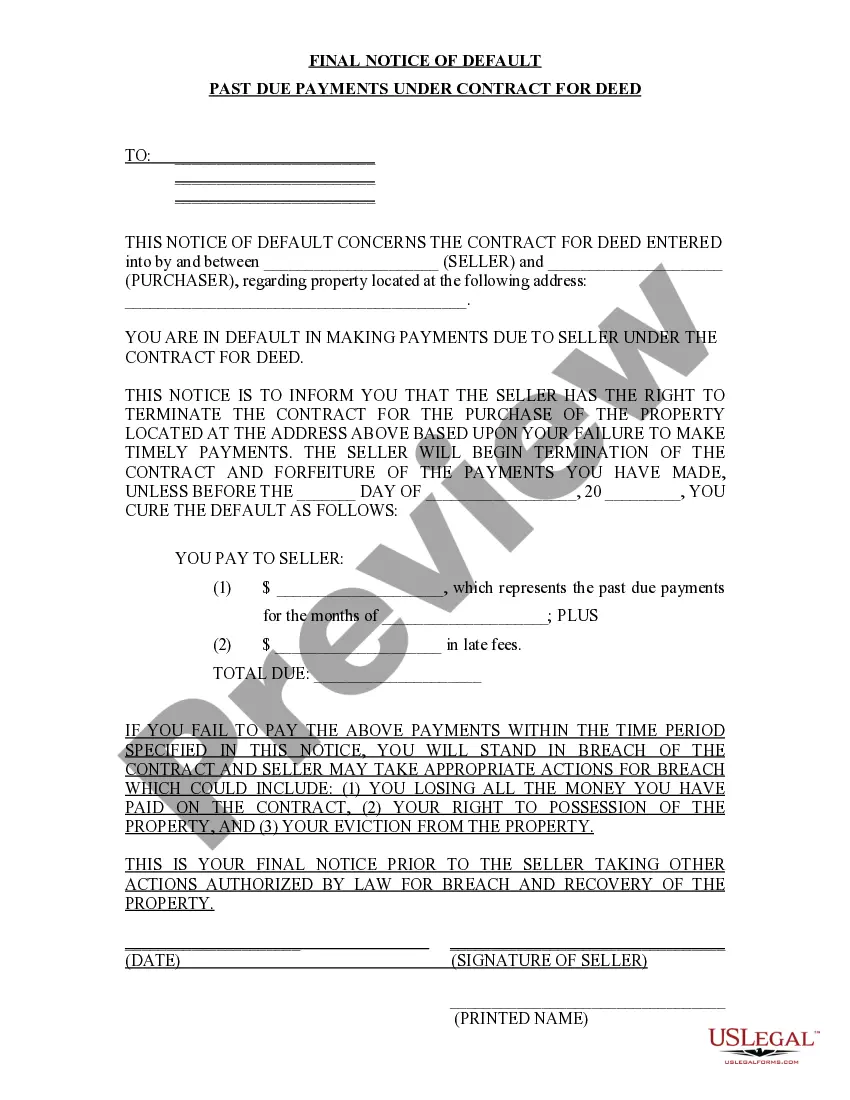


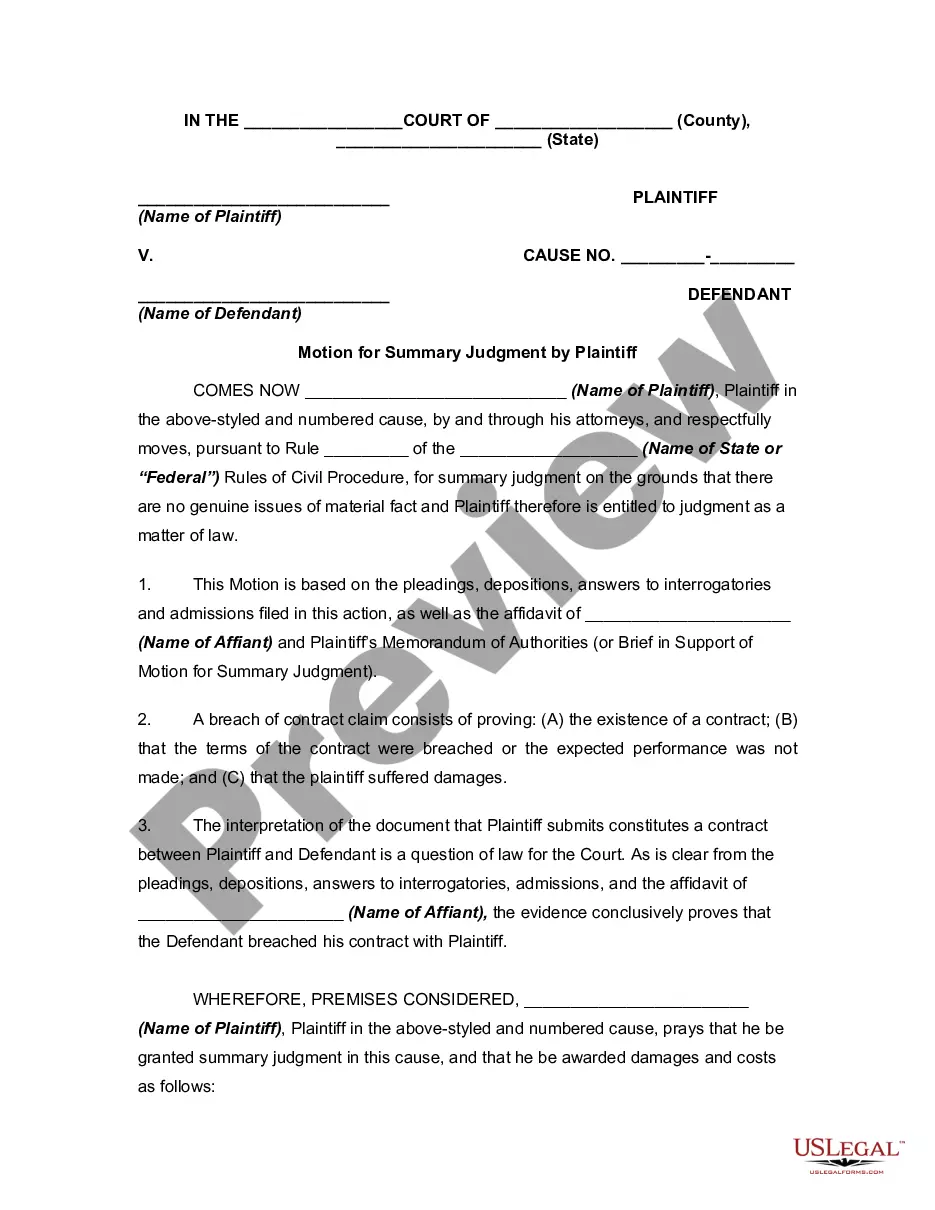
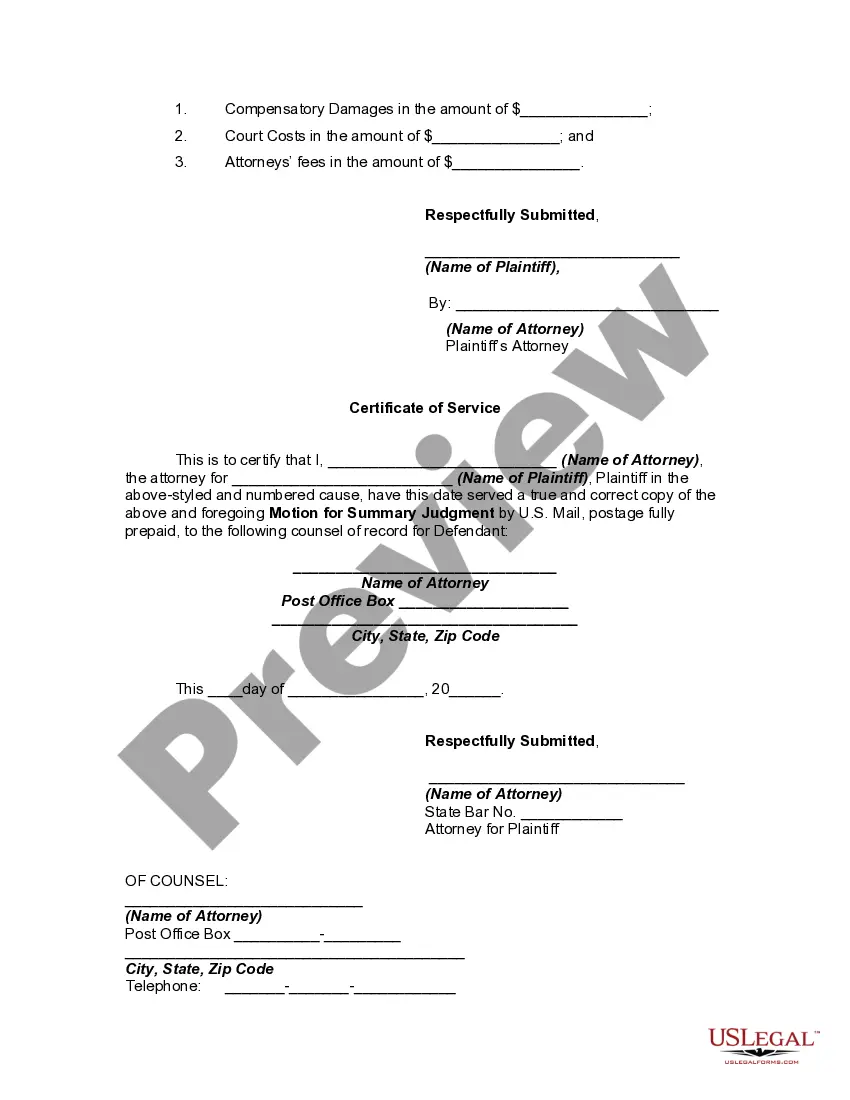
How to fill out Motion For Summary Judgment By Plaintiff For Breach Of Contract?
- If you are a returning user, simply log in to your account and select the form you need. Ensure your subscription is active; if it has expired, renew it according to your selected plan.
- For first-time users, begin by exploring the description and preview of required forms. Ensure you select a document compatible with your jurisdiction.
- If the selected template does not meet your needs, use the search bar to find alternative options that might fit better.
- Once you've identified the correct document, click on the 'Buy Now' button and choose your preferred subscription plan, creating an account in the process.
- Complete your purchase by entering your payment details using a credit card or PayPal, which will grant you access to the legal forms library.
- Finally, download the form to your device. You can revisit it anytime through the My Forms section of your account.
US Legal Forms empowers both individuals and attorneys with a vast library of over 85,000 legally sound forms. This robust collection ensures you have more options than competing services.
With user-friendly features and access to premium legal experts, completing your forms becomes a breeze. Start your journey with us today and simplify your legal documentation process!
Form popularity
FAQ
No, a summary judgment for debt collection is not a settlement. A summary judgment is a court decision that resolves a dispute without a trial, while a settlement typically involves both parties agreeing to specific terms to resolve their differences. In essence, a summary judgment means the court determined the outcome based on the evidence presented. If you're facing this scenario, it's wise to explore your options and possibly consult with professionals to avoid further complications.
After a summary judgment for debt collection is granted, the next step typically involves the enforcement of the judgment. The creditor may begin collection actions, which can include garnishing wages or placing liens on property. Debtors should be aware of these potential actions and consider seeking legal advice on how to respond. Understanding your options is crucial in navigating the aftermath of a summary judgment.
When a court grants a summary judgment for debt collection, it decides that there is enough evidence to rule in favor of one party without needing a trial. This means the court believes that no genuine dispute exists over the material facts of the case. As a result, the creditor can collect the debt without going through the lengthy trial process. It's important for debtors to understand that this ruling can significantly impact their financial situation.
When the court grants a summary judgment for debt collection, it means you have succeeded in proving your case without a trial. The court has determined that there is no genuine dispute over the key facts, allowing the creditor to move forward with collecting the debt. This outcome often leads to a final judgment against you, which may result in wage garnishments or liens on your property. It is essential to understand that this process can significantly impact your financial situation.
A summary judgment for debt collection is a legal decision made by a court when there is no dispute over the essential facts of a case. In this context, it allows a creditor to easily prove their case without the need for a full trial. Essentially, if the evidence overwhelmingly supports one side, the court can issue a judgment in their favor. This process can save time and resources for all parties involved.
The odds of winning a summary judgment for debt collection depend on the strength of your evidence and legal arguments. Courts generally grant summary judgment when there is clear proof that no relevant facts are in dispute. The presence of strong documentation, coupled with a well-articulated legal rationale, substantially boosts your chances. Using platforms like USLegalForms can also streamline the process and improve outcomes.
Winning a summary judgment for debt collection can be challenging, but it's certainly achievable with the right approach. You must provide compelling evidence that supports your case and denies any genuine material dispute. If you meticulously follow legal protocols and utilize robust documentation, your chances of winning increase significantly. Consulting with a knowledgeable attorney can also provide valuable insights.
While summary judgments are sometimes overturned, the frequency depends on various factors such as jurisdiction and the specifics of the case. Generally, if the initial ruling lacks sufficient evidence or legal grounding, it may face challenges on appeal. Knowing that the standard for overturning a summary judgment is quite high can guide your preparations. To increase confidence, focus on a well-supported argument from the outset.
Writing a solid summary judgment for debt collection involves organizing your arguments logically and backing them with credible evidence. Start with a clear statement of the facts and the law that supports your position. It’s essential to address potential counterarguments as well, demonstrating why they lack merit. For best results, consider using templates or resources from platforms like USLegalForms.
To achieve success in a summary judgment for debt collection, you must present strong evidence showing no genuine dispute of material fact. Clear documentation, such as contracts or payment histories, can support your claim. Moreover, you need to clearly outline the legal standards that apply to your case. Engaging with a legal professional can help enhance your chances of success.