Tenant Liability To Owner
Description
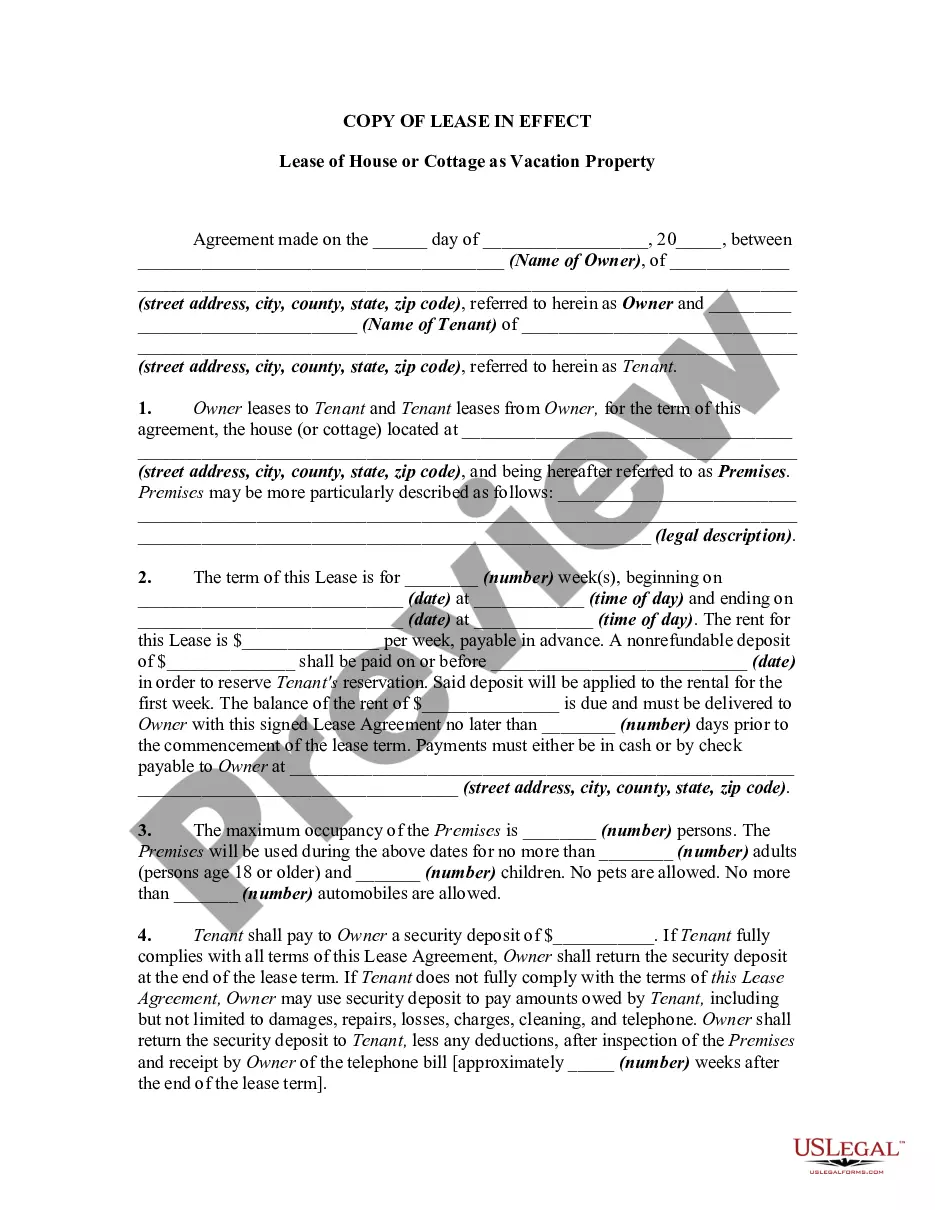
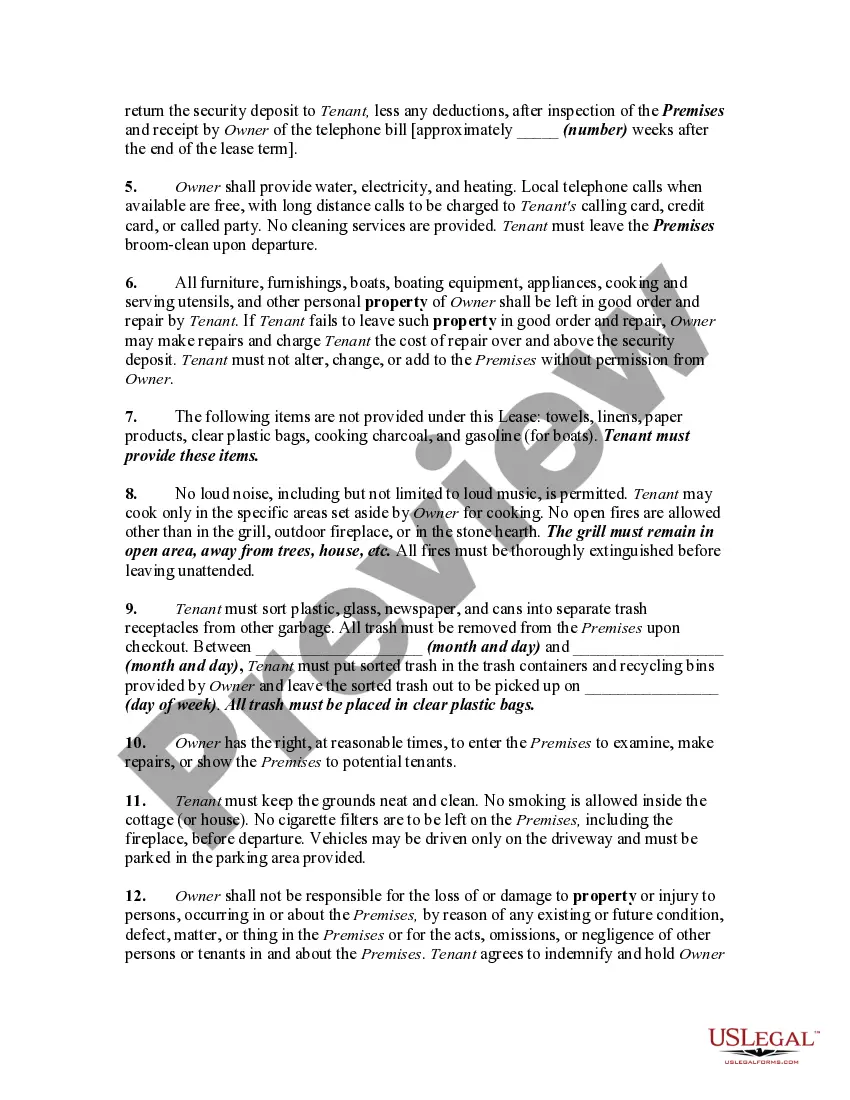
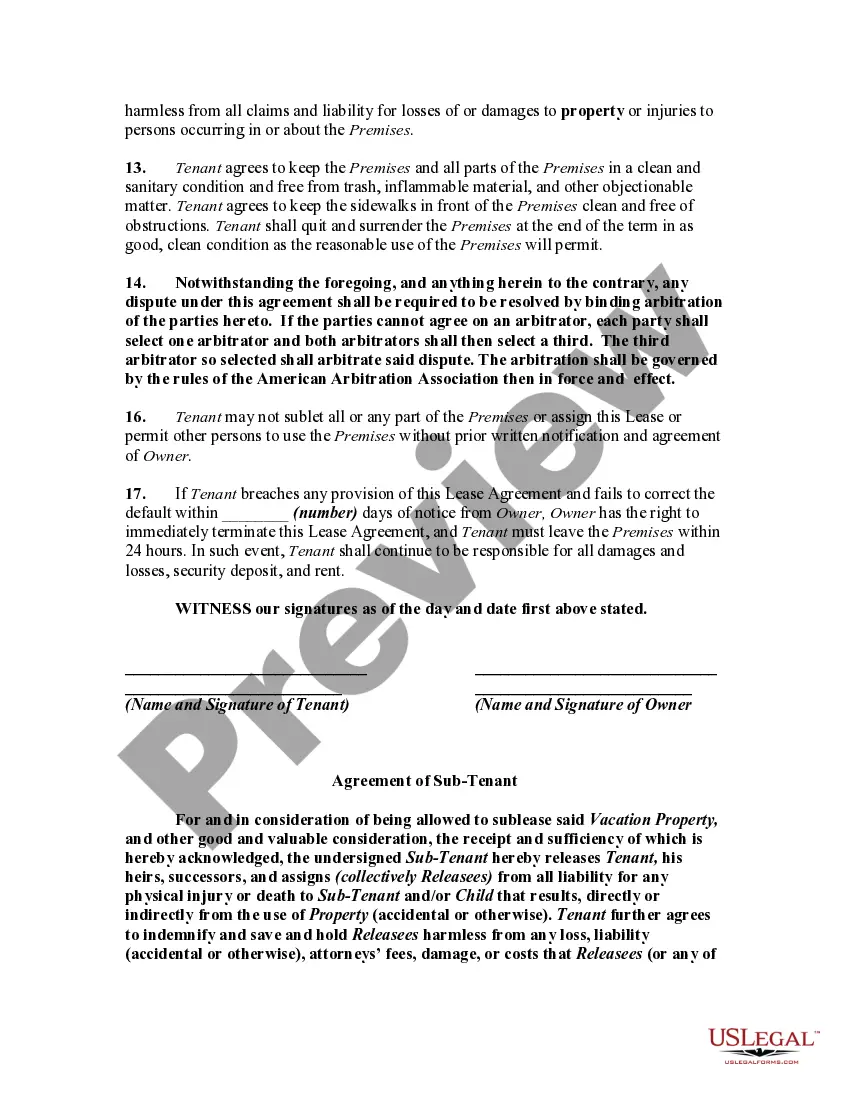
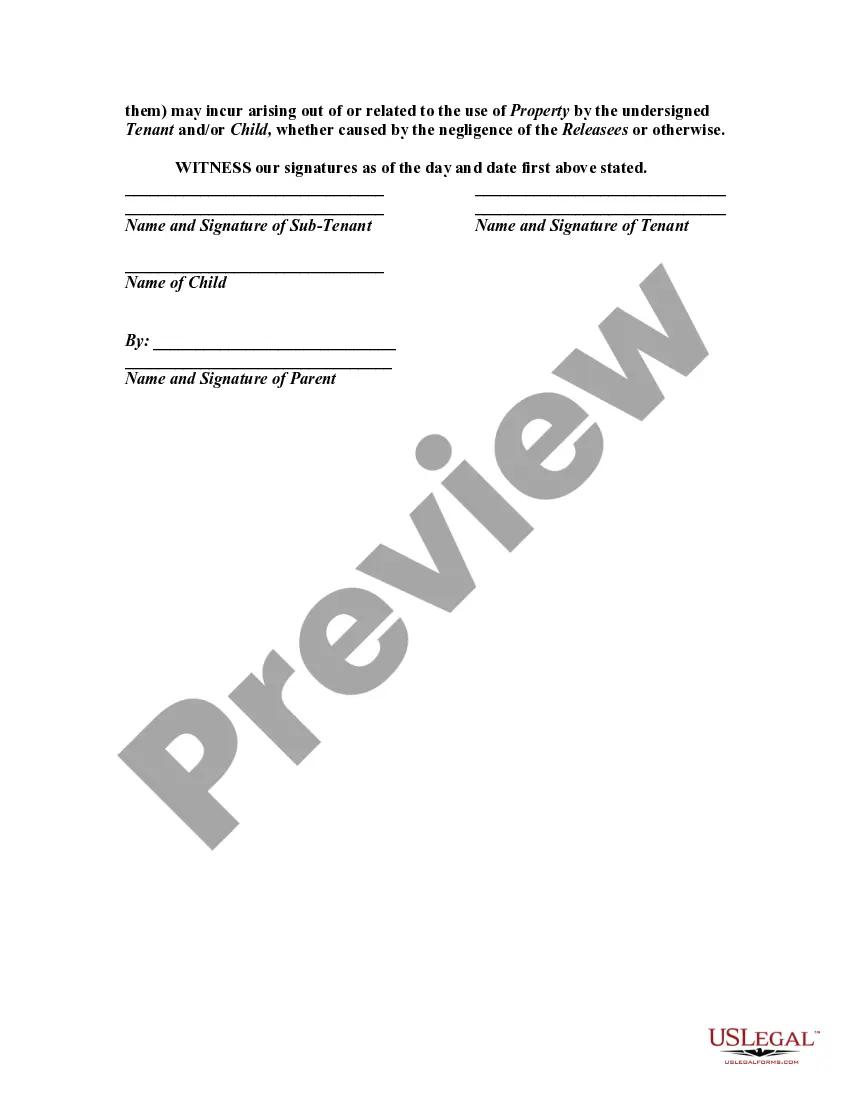
Get your form ready online
Our built-in tools help you complete, sign, share, and store your documents in one place.
Make edits, fill in missing information, and update formatting in US Legal Forms—just like you would in MS Word.
Download a copy, print it, send it by email, or mail it via USPS—whatever works best for your next step.
Sign and collect signatures with our SignNow integration. Send to multiple recipients, set reminders, and more. Go Premium to unlock E-Sign.
If this form requires notarization, complete it online through a secure video call—no need to meet a notary in person or wait for an appointment.
We protect your documents and personal data by following strict security and privacy standards.

Make edits, fill in missing information, and update formatting in US Legal Forms—just like you would in MS Word.

Download a copy, print it, send it by email, or mail it via USPS—whatever works best for your next step.

Sign and collect signatures with our SignNow integration. Send to multiple recipients, set reminders, and more. Go Premium to unlock E-Sign.

If this form requires notarization, complete it online through a secure video call—no need to meet a notary in person or wait for an appointment.

We protect your documents and personal data by following strict security and privacy standards.
Looking for another form?



Form popularity
FAQ
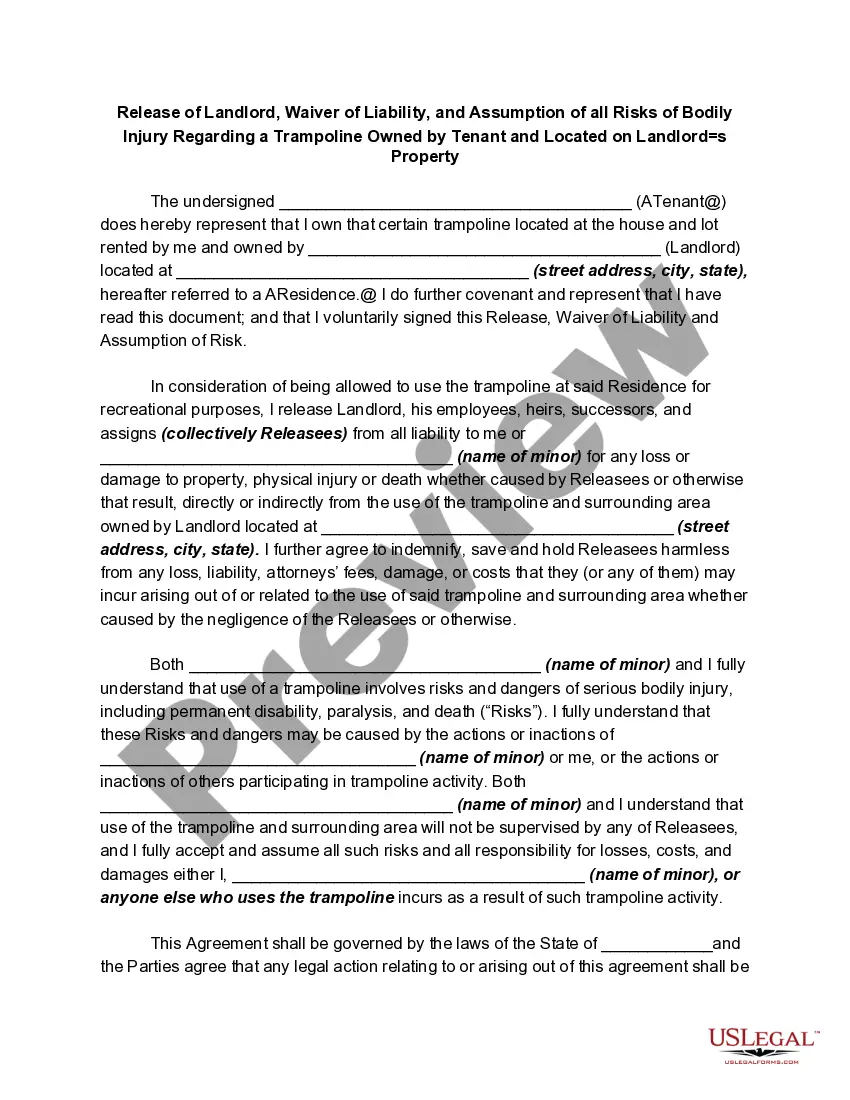
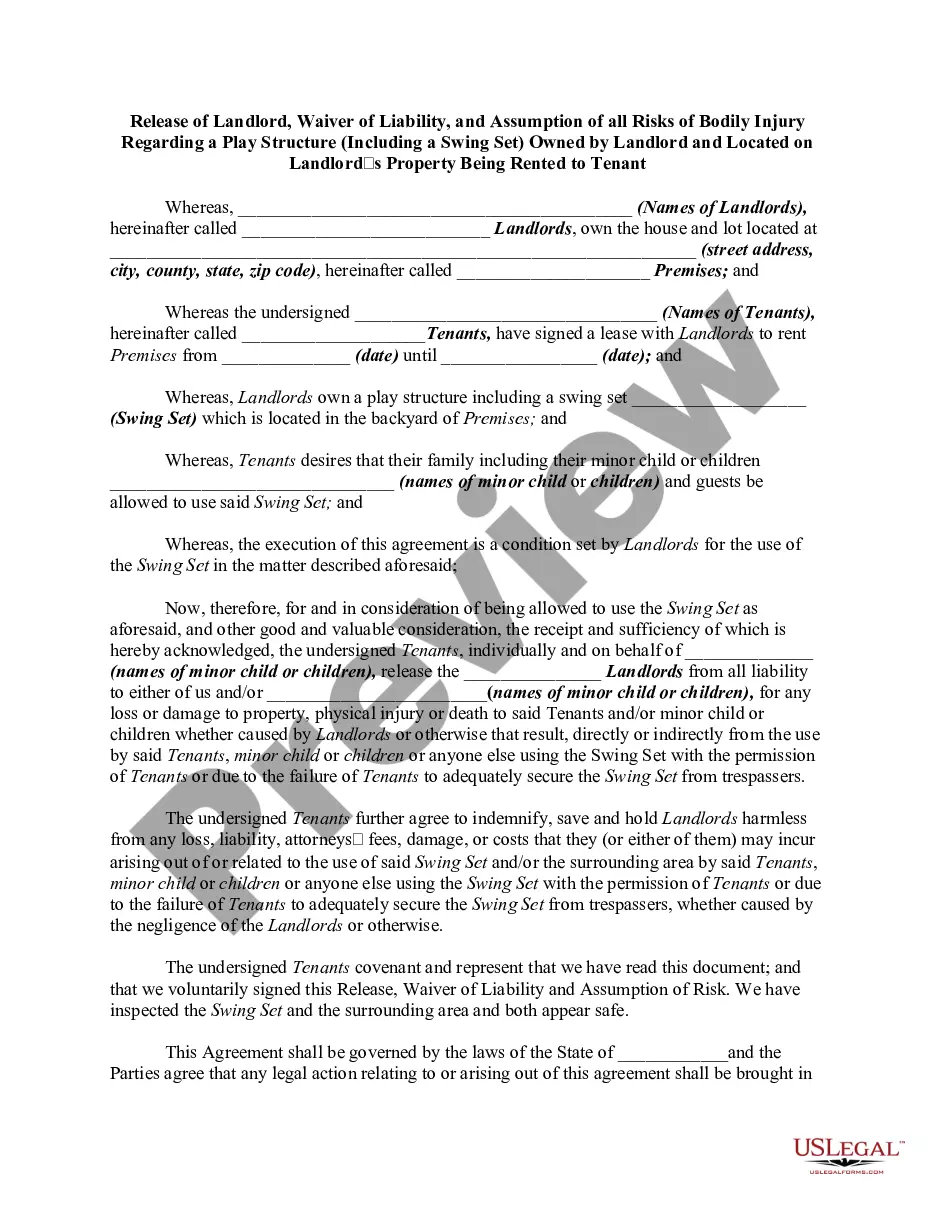
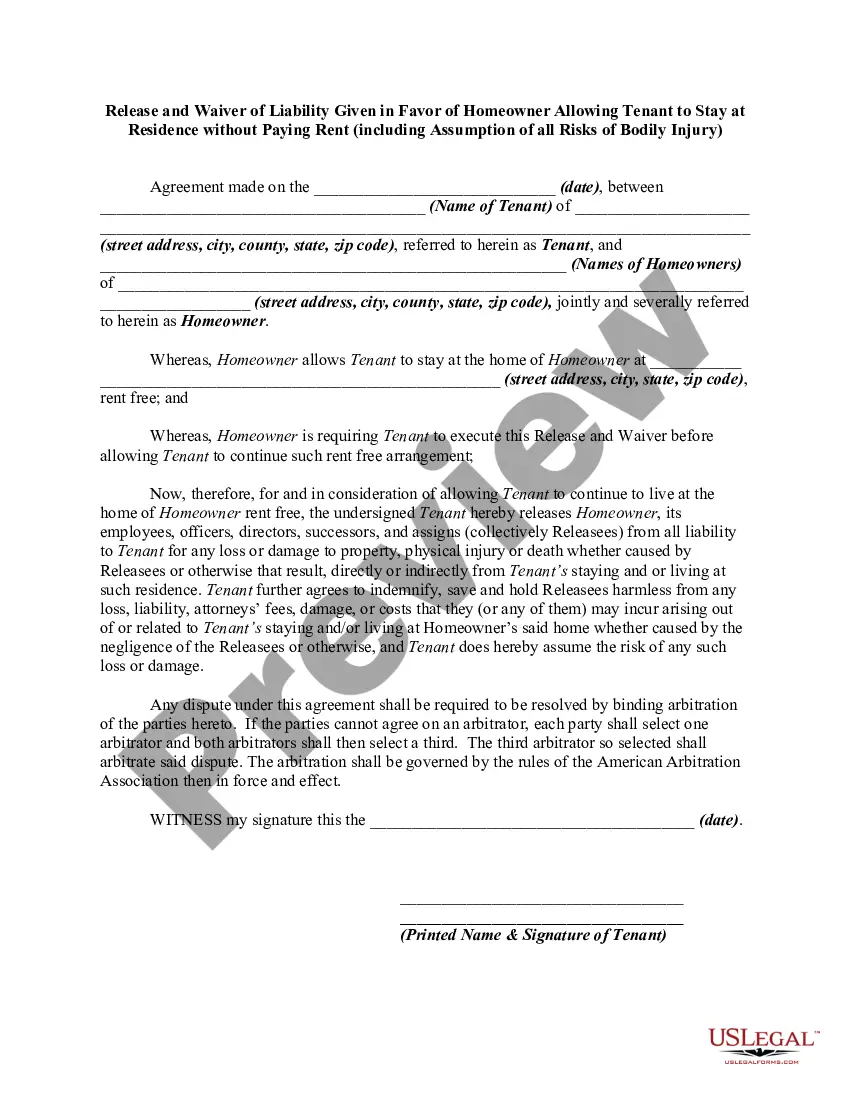
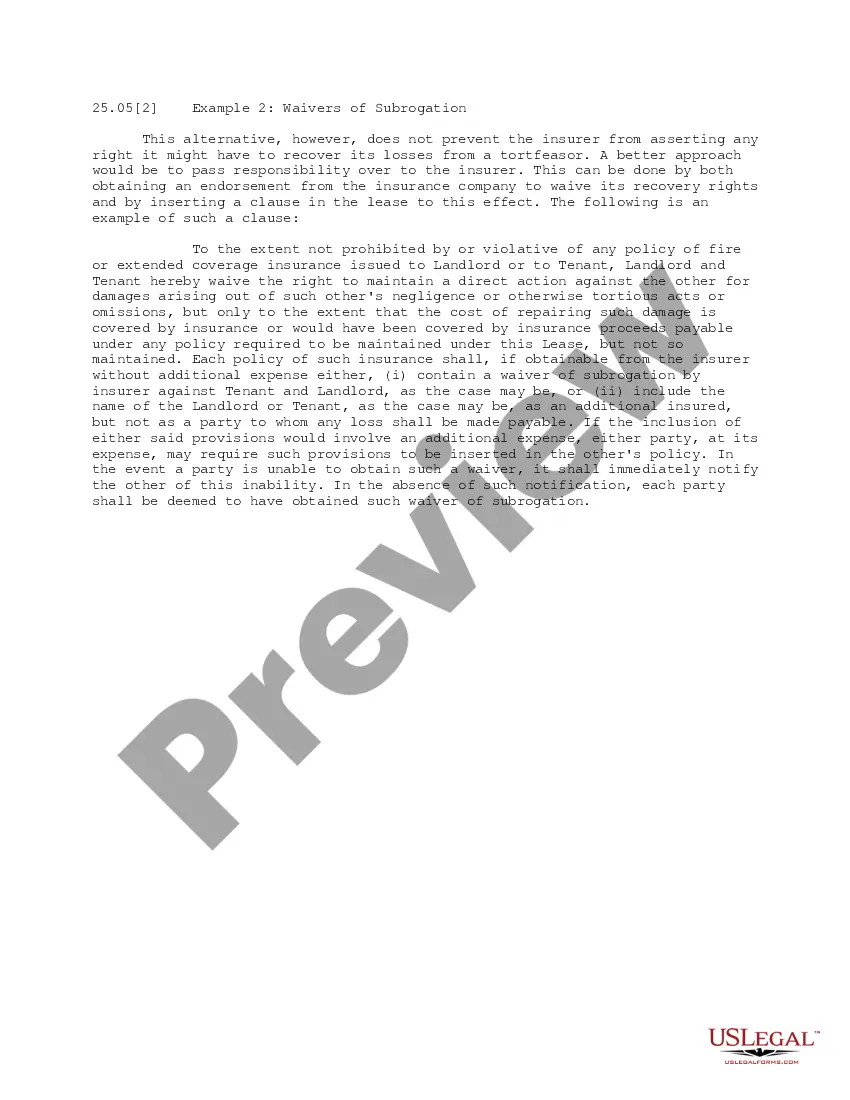
A simple release from liability form is a straightforward document that outlines an agreement between a tenant and a landlord to waive specific rights or claims. This type of form helps clarify tenant liability to owner while ensuring both parties understand their limitations. It is often used in various rental situations, providing protection for both tenants and landlords. You can create such forms easily through resources like US Legal Forms, which can simplify the process.
Whether a release of liability form needs to be notarized depends on state laws and the specifics of the agreement. In many cases, notarization adds a layer of authenticity that may be required to enforce the document. However, it’s essential to consult legal guidelines in your state to determine if notarization is necessary for addressing tenant liability to owner. Platforms like US Legal Forms can provide guidance on this process.
A release of liability for a tenant is a legal document that relieves a tenant from responsibility for certain damages or obligations under the lease agreement. This can help clarify the extent of tenant liability to owner, protecting tenants in specific circumstances. Such a document can be crucial for ensuring that both parties understand their rights and responsibilities. Using a reliable platform like US Legal Forms, tenants can easily create tailored release forms.
A violation of renters' rights in North Carolina occurs when landlords do not adhere to state regulations regarding tenant rights. This may include issues such as failure to provide a safe living environment or wrongfully evicting a tenant. If a landlord breaches these rights, it can lead to concerns about tenant liability to owner, affecting both parties. Understanding these rights is vital for both tenants and landlords to foster a healthy rental relationship.
In New York, it is illegal for landlords to discriminate against tenants based on race, gender, or other protected characteristics. They cannot withhold essential services, such as heat or water, nor can they retaliate against tenants for exercising their rights. Understanding these legal boundaries is crucial, as it directly relates to tenant liability to owner and ensures a fair living environment. If you encounter any unlawful actions, consider seeking guidance from US Legal Forms for assistance.
Landlords are generally liable for maintaining safe and habitable premises for tenants. This includes addressing repairs, ensuring proper sanitation, and complying with health and building codes. If a landlord fails to uphold these responsibilities, they may be held accountable for any damages or injuries that occur. Therefore, understanding tenant liability to owner can help you know your rights in such situations.
It may be a good idea to add your landlord as an additional insured on your renters insurance policy. This action shows your commitment to acknowledging tenant liability to owner and provides your landlord with some added protection against liability claims. By doing this, you're not only safeguarding your own interests but also fostering a collaborative relationship with your landlord. Always check with your insurance provider for specific details on how to include them.
Yes, tenants are generally responsible for obtaining liability insurance, though the specific requirements can vary by lease agreements and local laws. It's a smart way to protect yourself financially from unforeseen accidents and associated costs. Furthermore, understanding your tenant liability to owner can guide you in selecting the right policy for your needs. Always refer to your rental agreement and consider discussing your insurance options with your landlord to ensure compliance.
Personal liability insurance for tenants protects you against claims of property damage or injury caused to others while you occupy a rental space. It usually covers legal costs and damages if someone gets hurt in your apartment or if you accidentally damage the property. This type of insurance also demonstrates your awareness of tenant liability to owner, which is often beneficial for maintaining a positive relationship with your landlord. By showing that you are covered, you can alleviate some concerns your landlord may have about potential risks.
A release of liability form for a tenant is a legal document that protects the landlord from claims arising from injuries or damages that occur during the tenant's occupancy. This form outlines the tenant's acknowledgment of certain risks and waives their right to sue the landlord. Utilizing this form can clarify responsibilities and enhance the understanding of tenant liability to the owner. Knowing about such forms empowers tenants to make informed decisions.
