Sub Tenancy Agreement
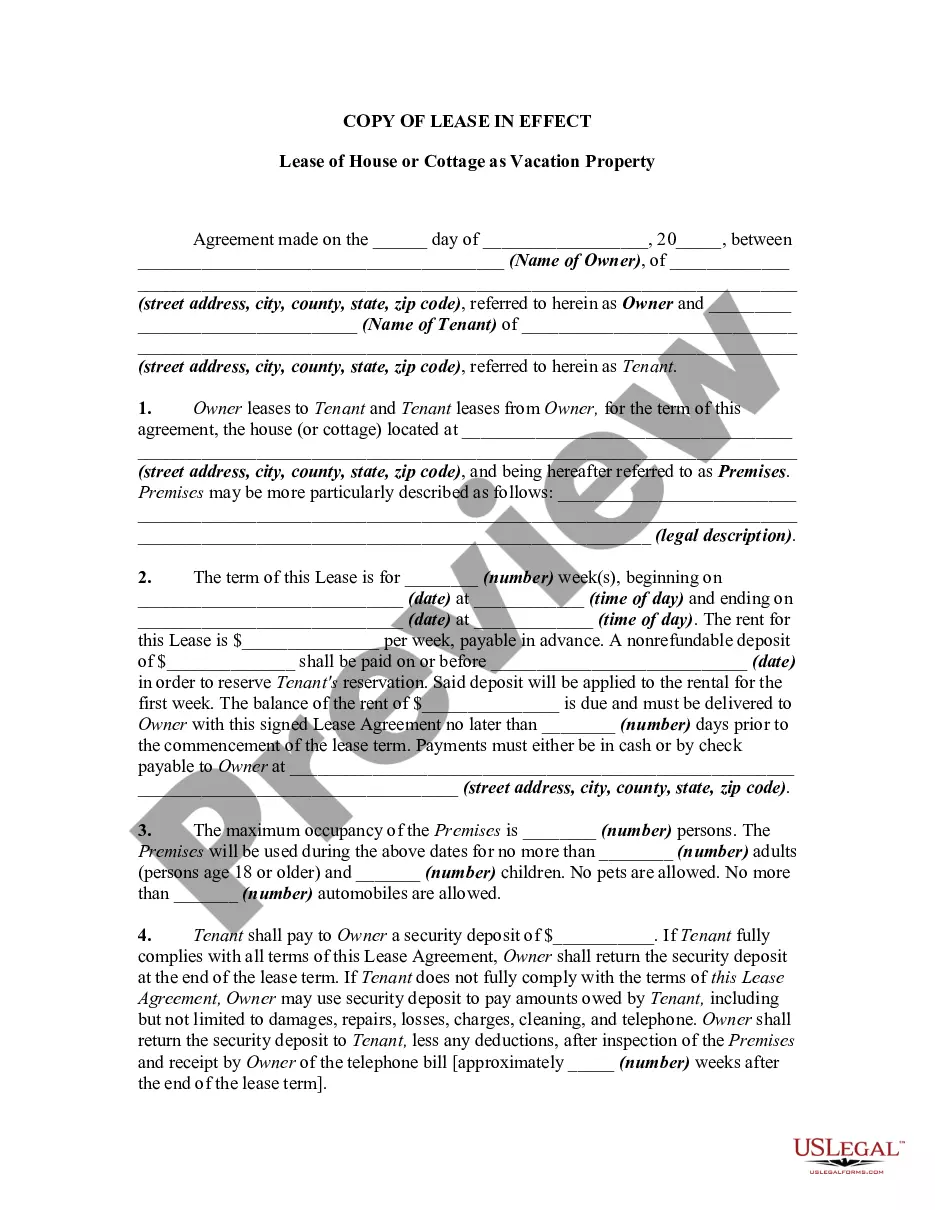
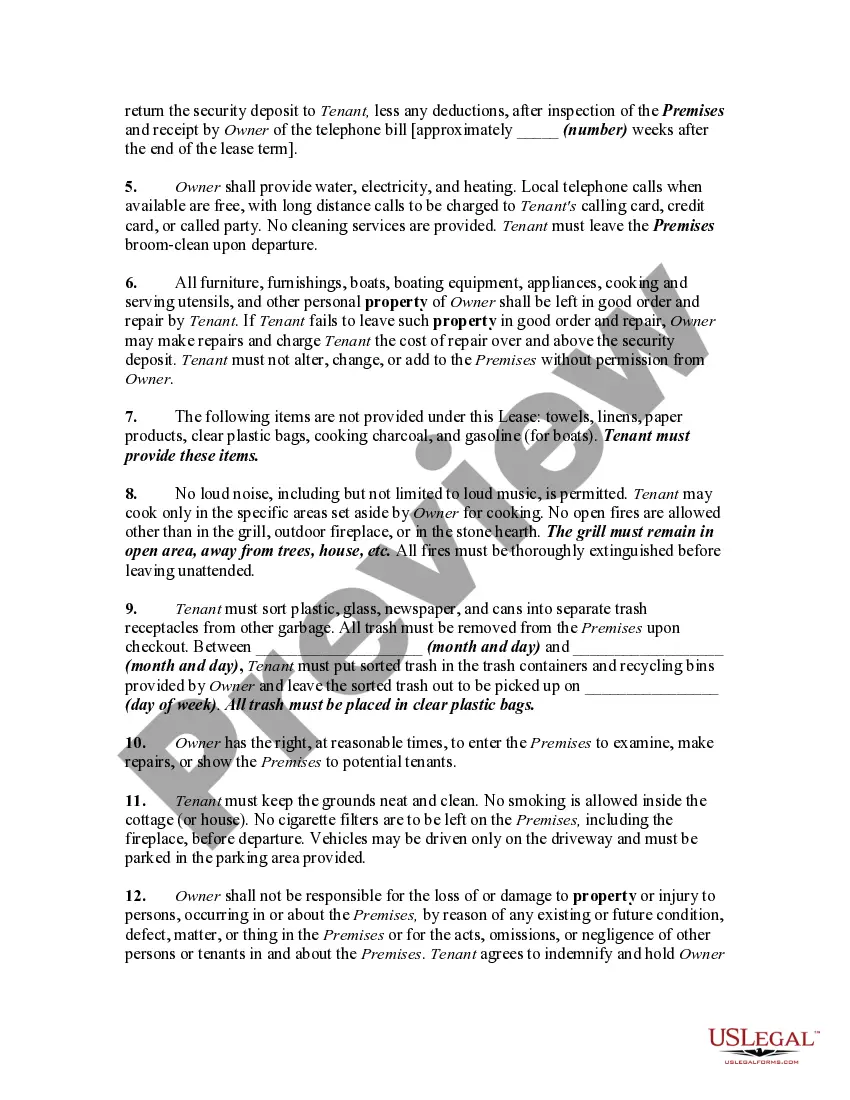
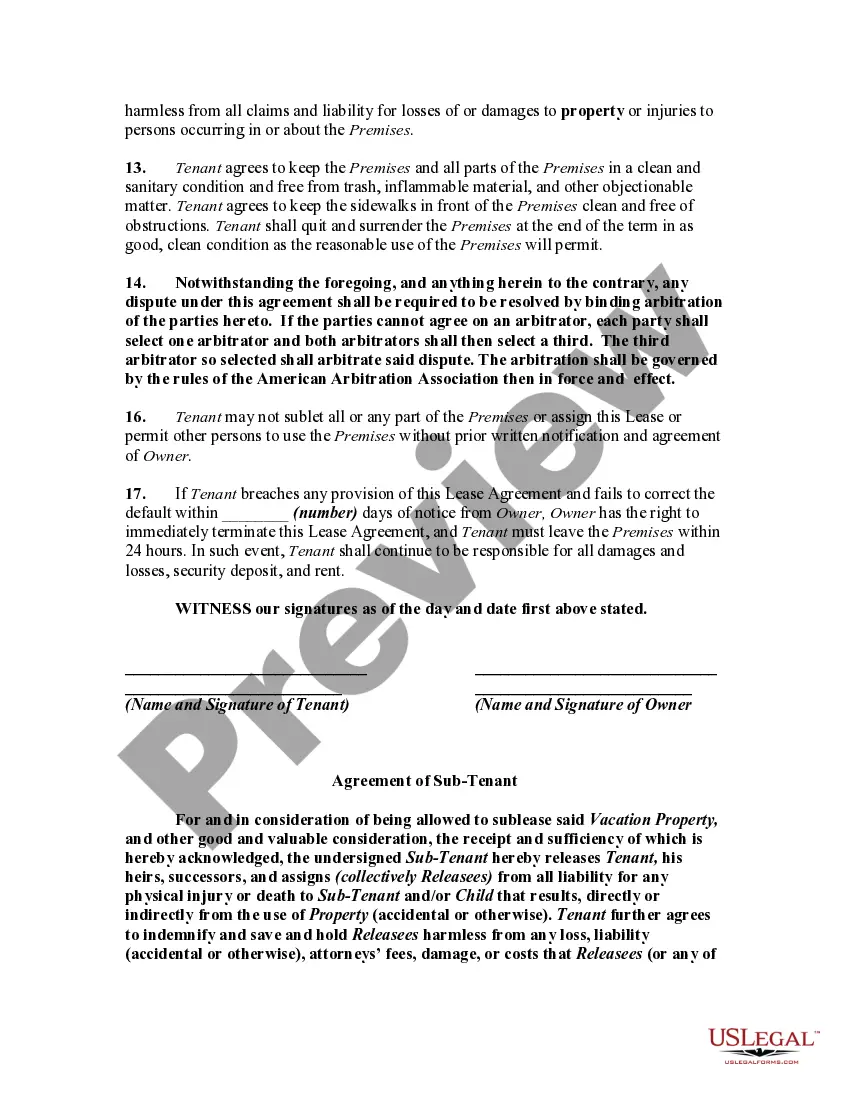
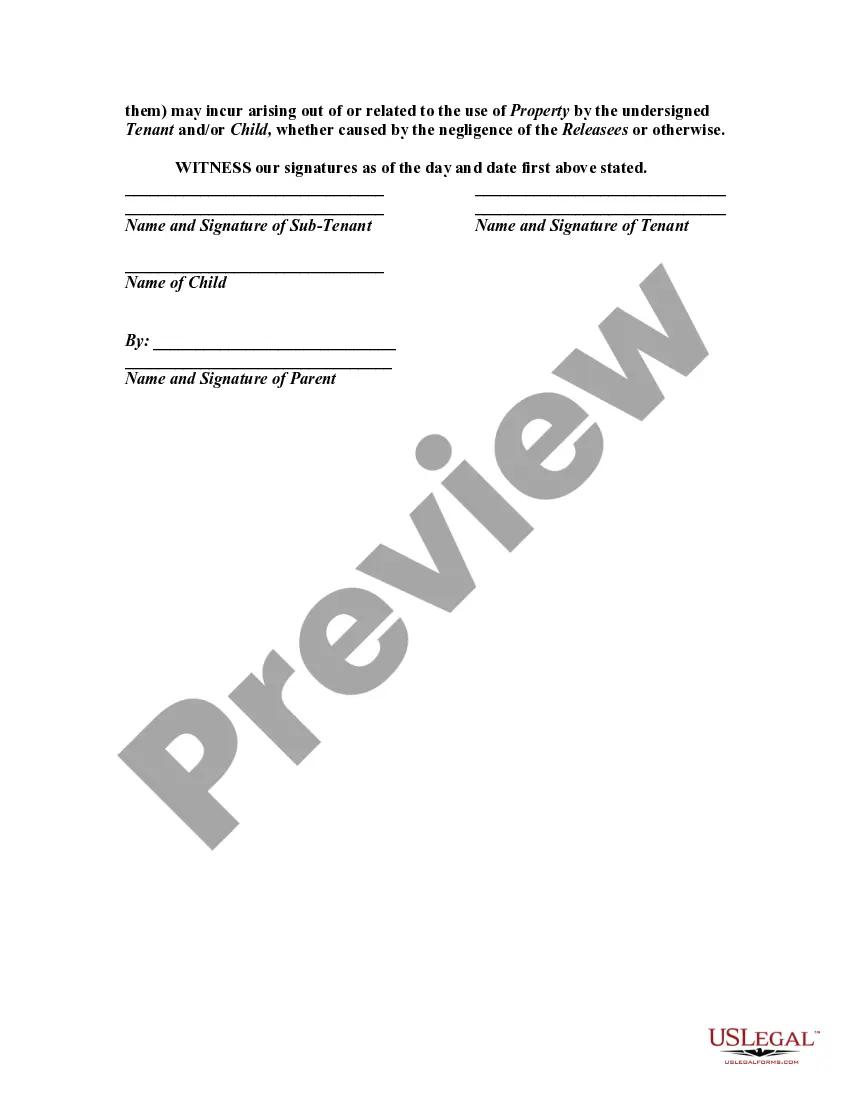
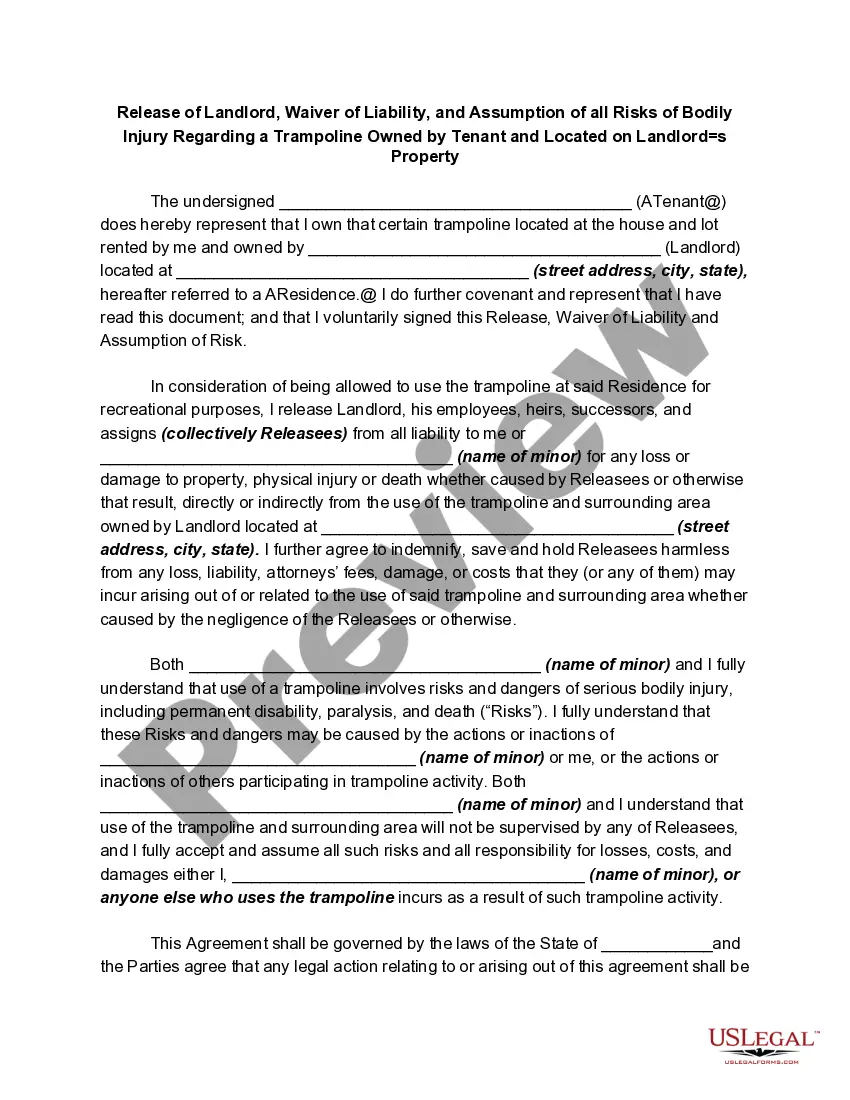
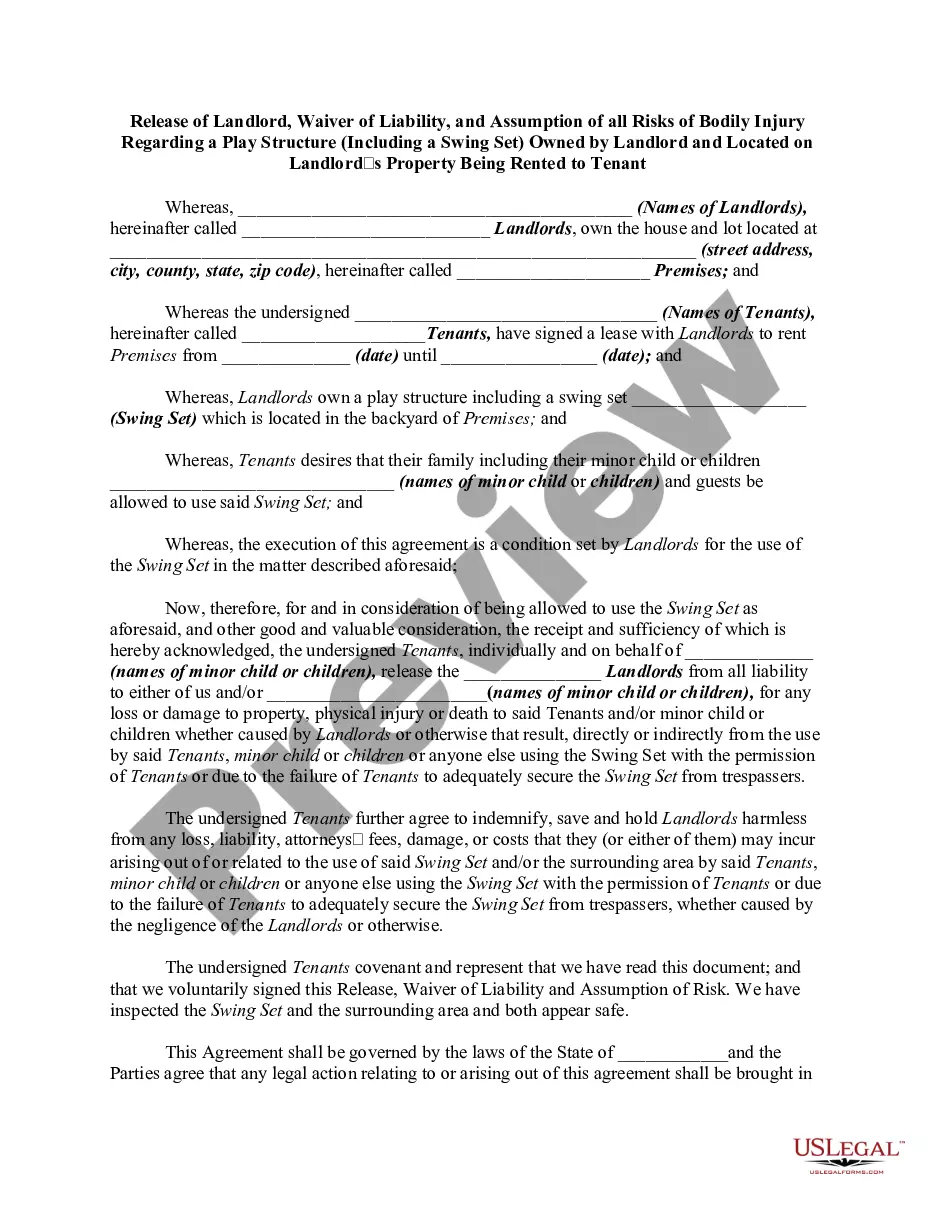
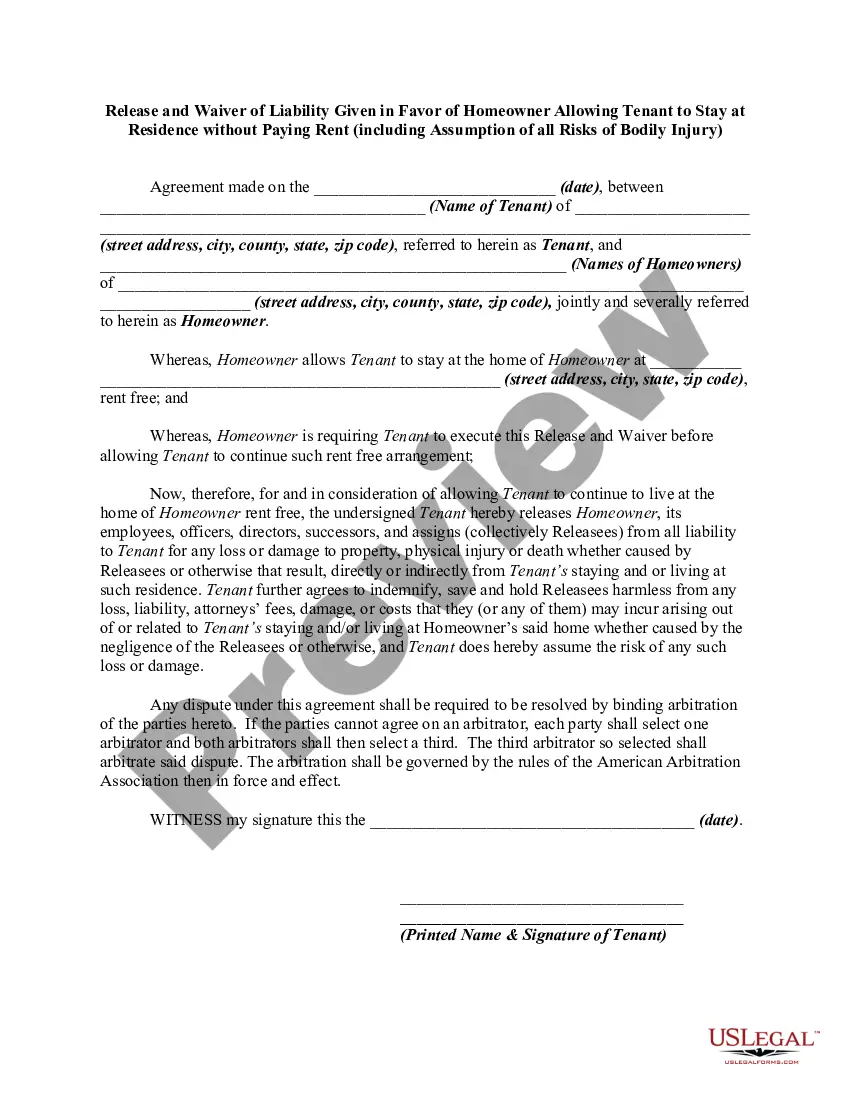
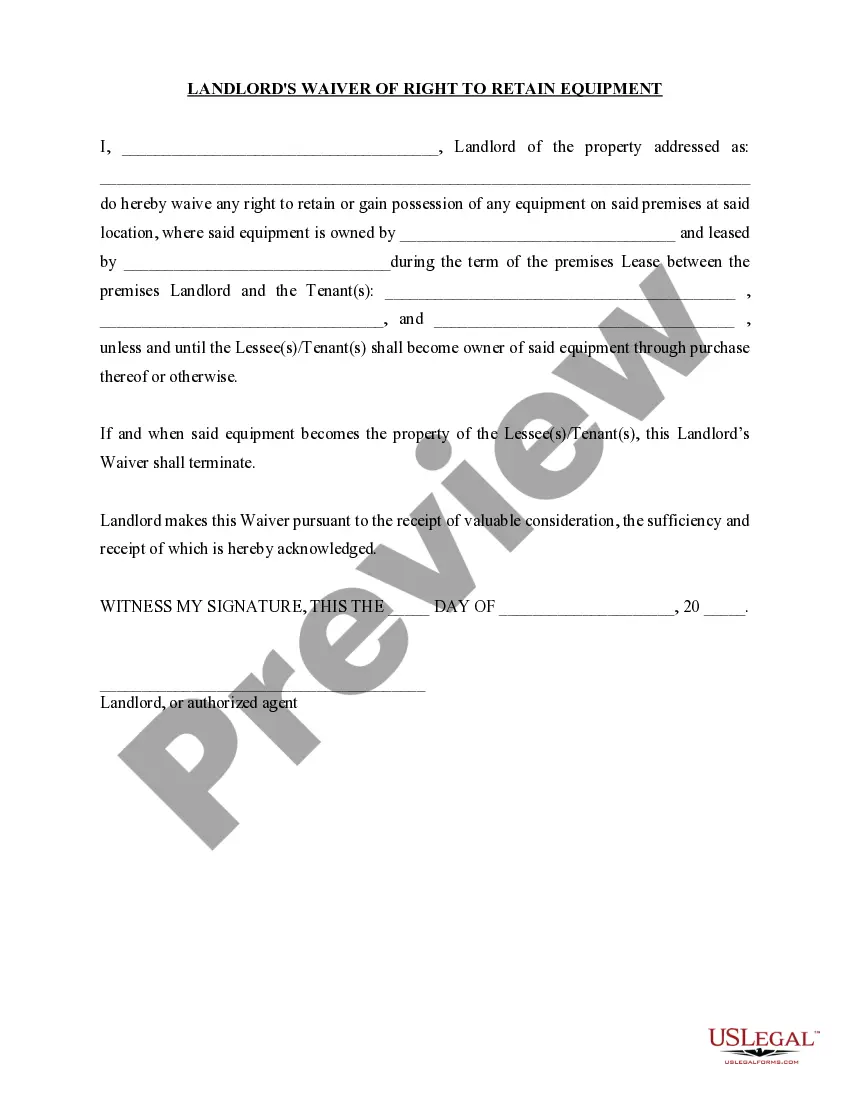
Description
Get your form ready online
Our built-in tools help you complete, sign, share, and store your documents in one place.
Make edits, fill in missing information, and update formatting in US Legal Forms—just like you would in MS Word.
Download a copy, print it, send it by email, or mail it via USPS—whatever works best for your next step.
Sign and collect signatures with our SignNow integration. Send to multiple recipients, set reminders, and more. Go Premium to unlock E-Sign.
If this form requires notarization, complete it online through a secure video call—no need to meet a notary in person or wait for an appointment.
We protect your documents and personal data by following strict security and privacy standards.

Make edits, fill in missing information, and update formatting in US Legal Forms—just like you would in MS Word.

Download a copy, print it, send it by email, or mail it via USPS—whatever works best for your next step.

Sign and collect signatures with our SignNow integration. Send to multiple recipients, set reminders, and more. Go Premium to unlock E-Sign.

If this form requires notarization, complete it online through a secure video call—no need to meet a notary in person or wait for an appointment.

We protect your documents and personal data by following strict security and privacy standards.
Looking for another form?

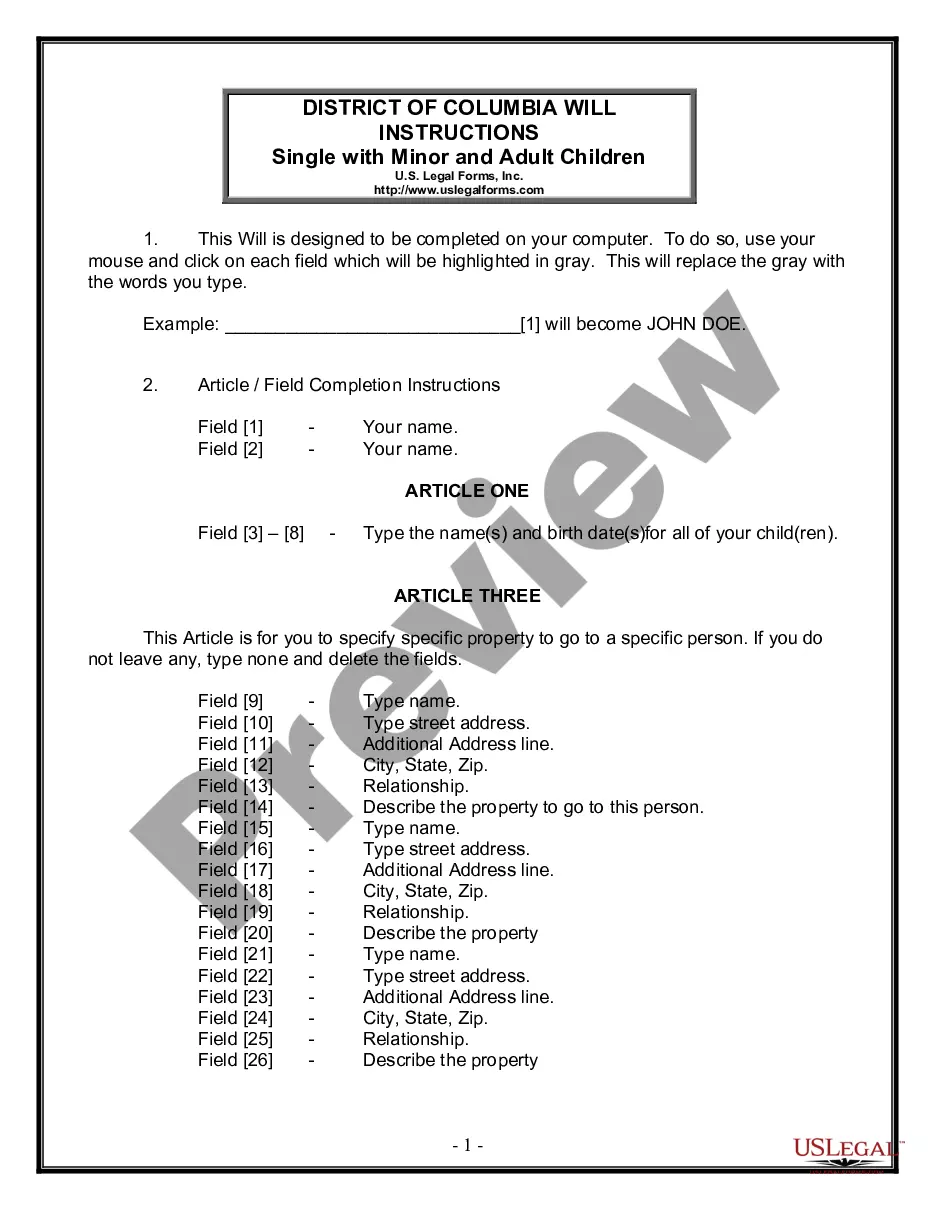

How to fill out Agreement Of Sub-Tenant And Waiver Of Liability In Favor Of Tenant?
- Log in to your existing US Legal Forms account. If you haven't enrolled yet, create an account to access the rich library.
- Review the preview mode and form description of the sub tenancy agreement template to ensure it fits your local jurisdiction requirements.
- If the current template doesn’t meet your expectations, utilize the Search bar to find another suitable option.
- Select the Buy Now button, choosing the subscription plan that aligns with your legal needs.
- Complete your purchase by providing either your credit card information or your PayPal account details.
- Download the sub tenancy agreement template to your device, ensuring you can complete it whenever necessary.
In conclusion, with US Legal Forms, accessing a sub tenancy agreement has never been easier. Their vast library and expert support guarantee that you will have a legally sound document tailored to your specific requirements.
Don’t wait—start your legal form journey with US Legal Forms today!
Form popularity
FAQ
Subletting can lead to issues such as legal disputes or unexpected maintenance problems. Moreover, if a subtenant violates lease terms, the original tenant may face consequences. To avoid these challenges, a well-structured sub tenancy agreement is critical.
To write a sublet agreement, start by clearly identifying all parties involved and outlining the rental terms. Include details such as rental amount, lease duration, and any rules or responsibilities. Utilizing templates from platforms like USLegalForms can help you create a legally sound sub tenancy agreement.
Many landlords dislike subletting due to concerns about tenant control and property maintenance. They fear that a subtenant may not adhere to the same standards as the original tenant. A comprehensive sub tenancy agreement can address these concerns and protect both parties involved.
Yes, subleasing is legal in North Carolina, but it comes with specific conditions. Tenants must follow the original lease terms and ensure the landlord approves the sub tenancy agreement. If you need assistance in navigating local laws, consider using resources from USLegalForms.
Yes, a landlord can decline a sublease. Typically, most leases require tenants to seek permission before subletting their apartment. It is important to review your lease agreement and understand the conditions for a sub tenancy agreement. Consulting with platforms like USLegalForms can clarify your rights and obligations.
Subletting involves specific rules that vary by location and individual lease agreements. Generally, you must obtain permission from your landlord and create a sub tenancy agreement outlining the terms and responsibilities of the subtenant. It’s important to conduct a background check on the subtenant to ensure compatibility. Adhering to these rules will help maintain a positive rental experience for everyone involved.
In New York, the laws surrounding a sub tenancy agreement require landlords to provide consent for a sublease unless specified otherwise in the lease. Tenants must inform landlords in writing and include the details about the prospective subtenant. Moreover, landlords cannot unreasonably withhold approval, and specific conditions must be met for a legal sublease. Understanding these laws ensures you remain compliant and avoid legal issues.
Before you decide to sublease, it's crucial to review your original lease agreement. Ensure that it allows for a sub tenancy agreement, as some landlords impose restrictions. Communicating with your landlord is essential to seek their approval and avoid potential disputes. Lastly, consider drafting a clear sub tenancy agreement to protect the rights of all parties involved.
Landlords may dislike subleasing because it complicates their management of the property. They often worry about the reliability of the subtenant and potential damage to the property. Establishing a clear sub tenancy agreement can help alleviate these concerns by ensuring that the responsibilities of all parties are well defined and agreed upon.
Subleasing itself is not illegal in Ohio; however, you must adhere to the laws and conditions specified in your lease agreement. Some leases prohibit subleasing or require landlord approval. Crafting a well-defined sub tenancy agreement can simplify the process and ensure compliance with legal requirements, protecting both you and your landlord.