Sub Meter For Tenant
Description
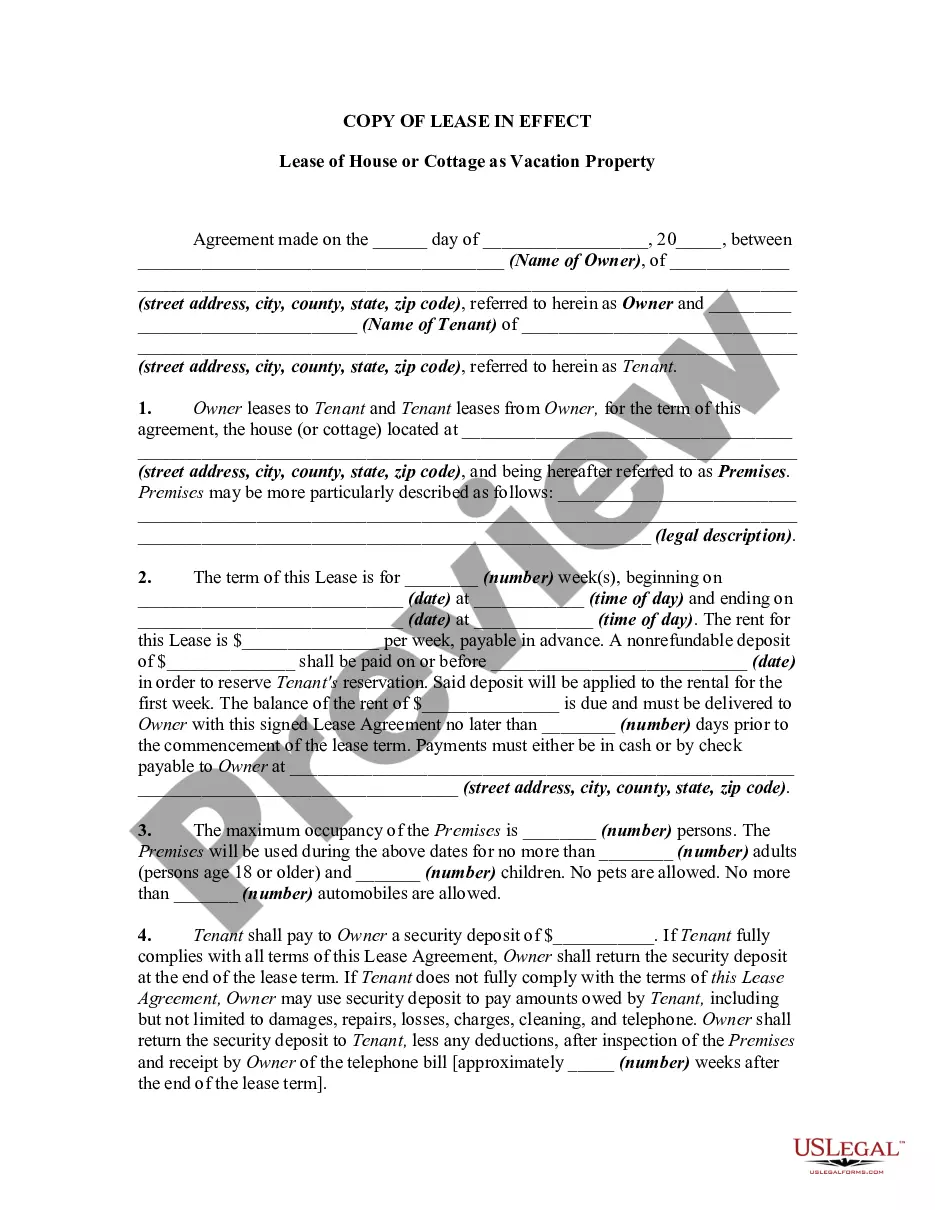
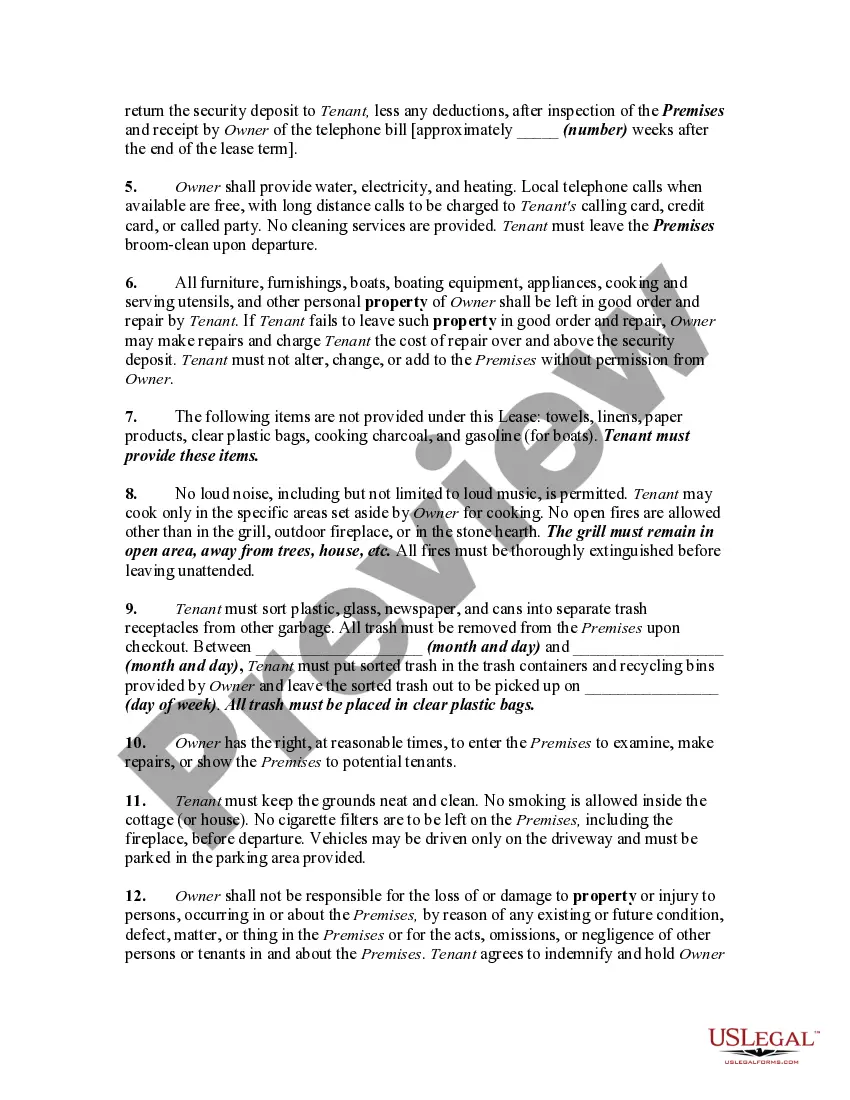
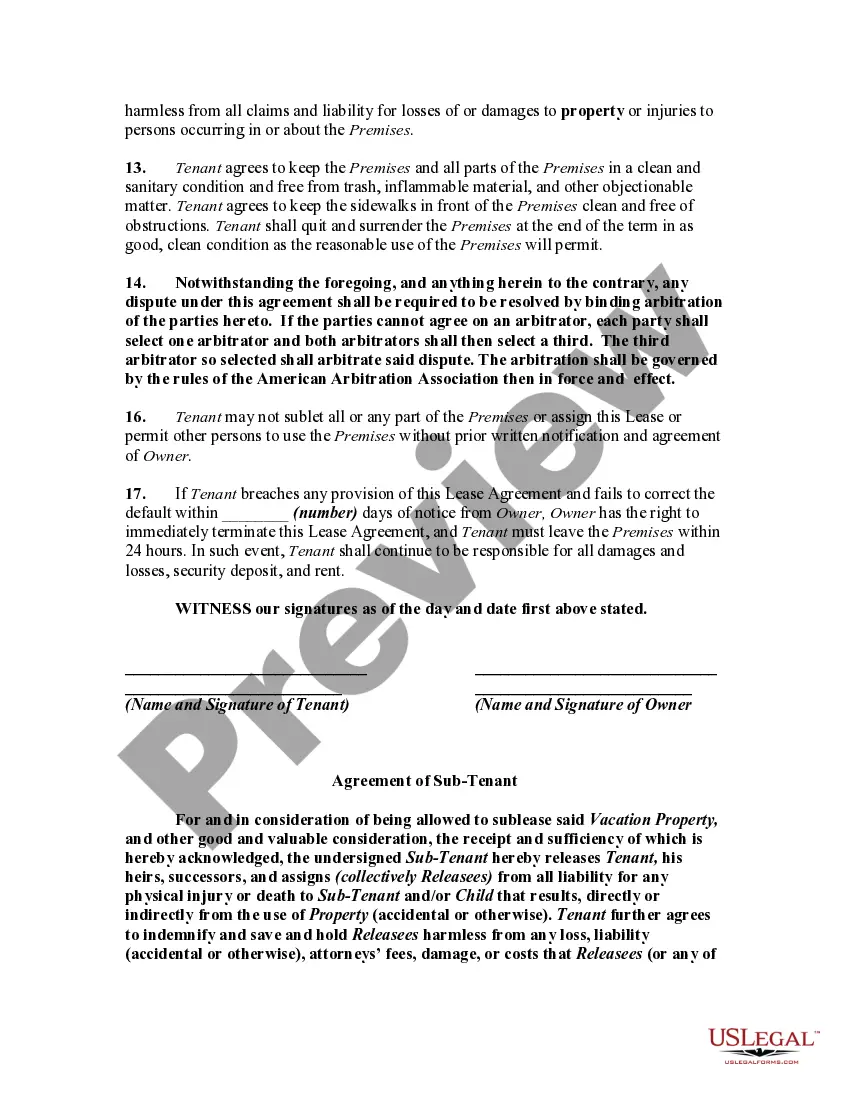
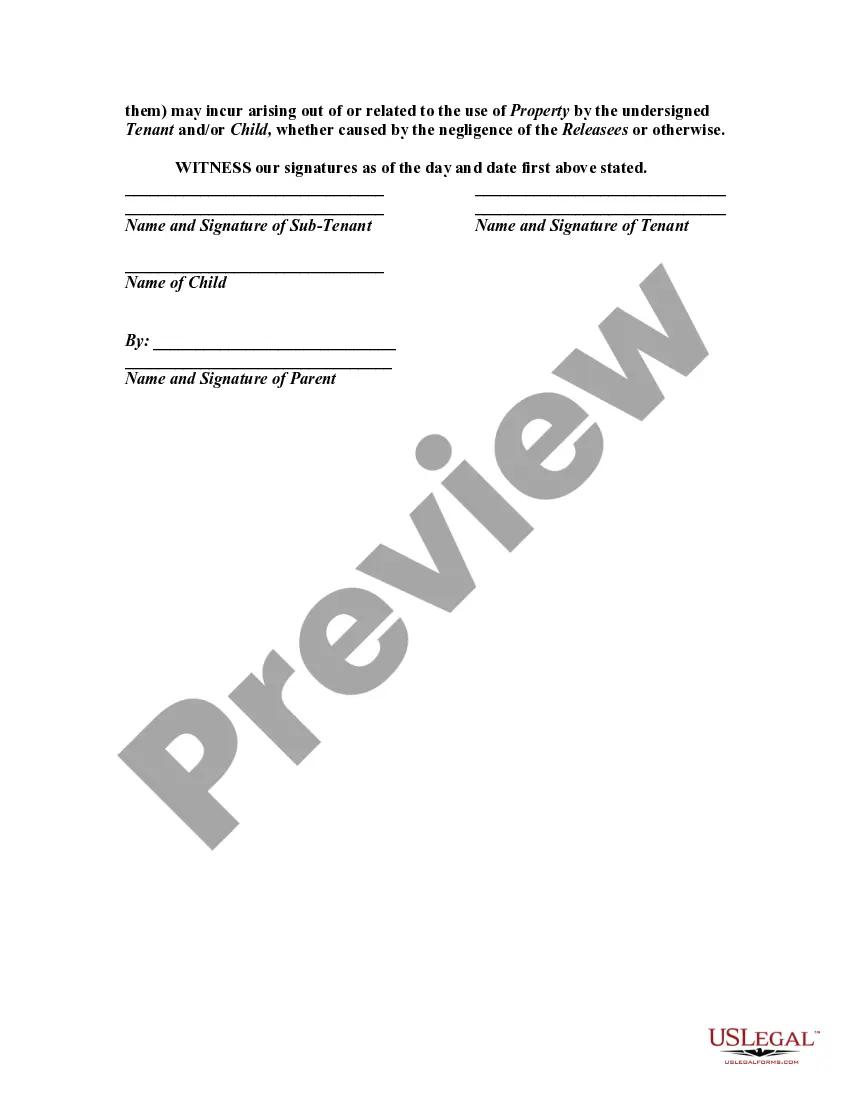
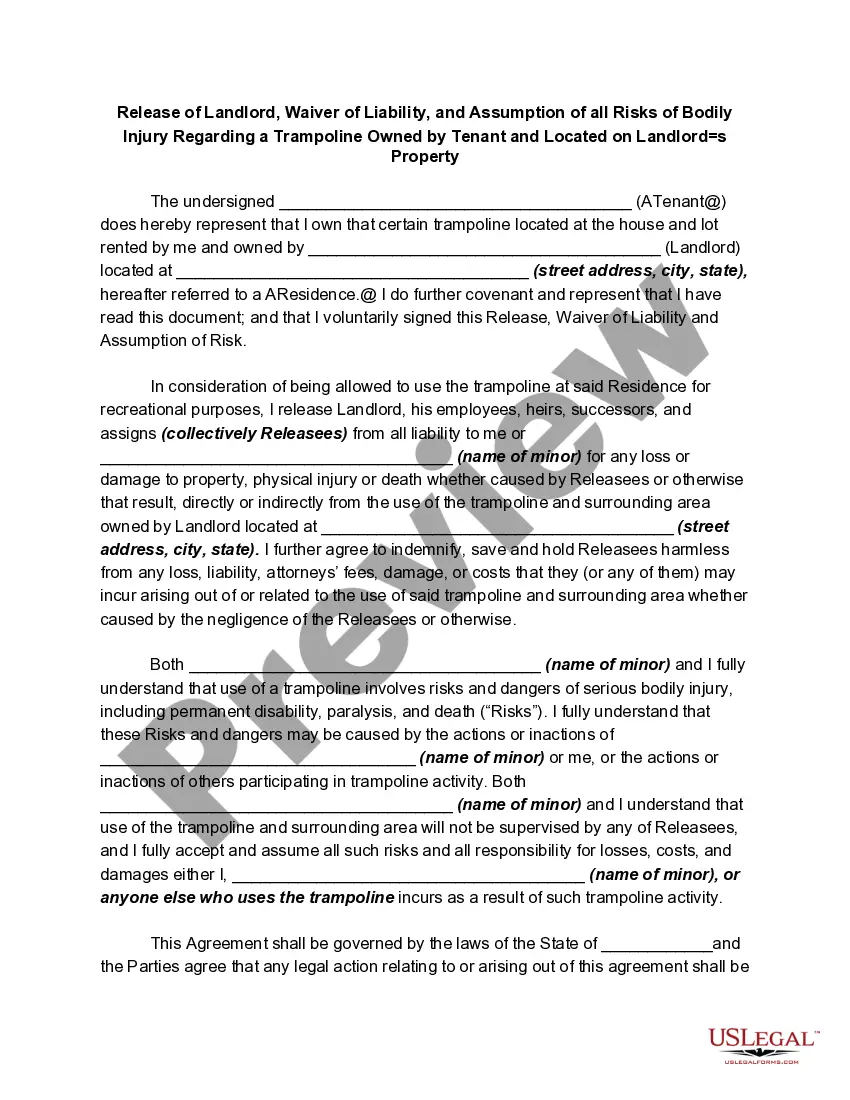
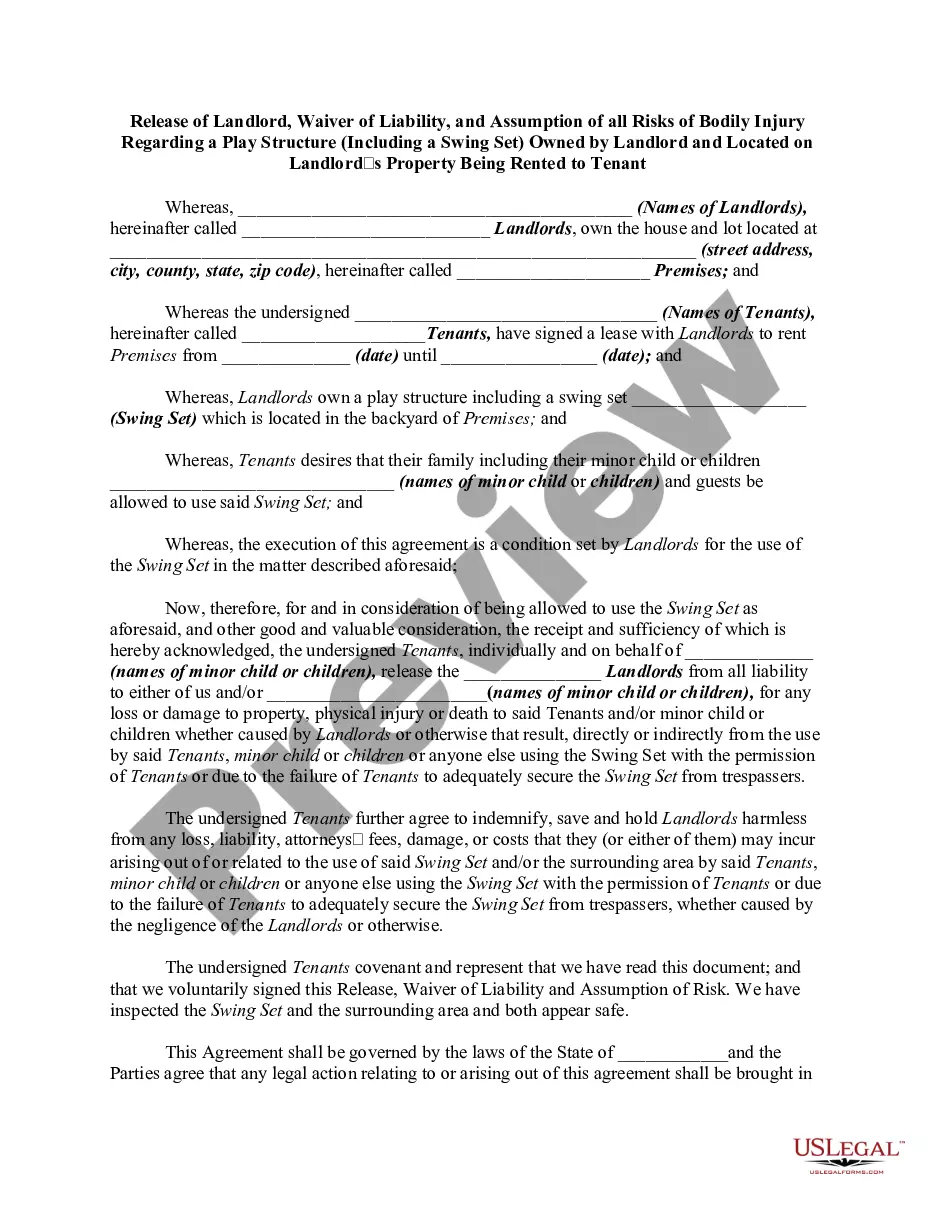
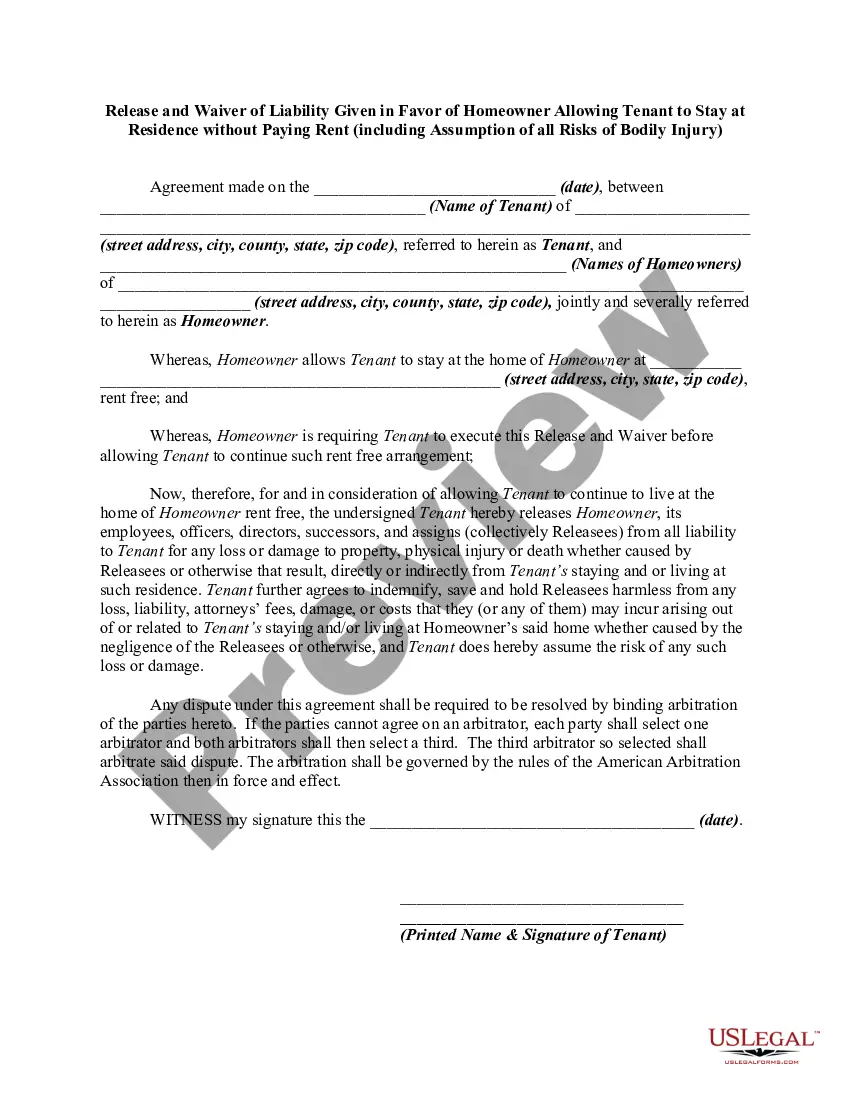
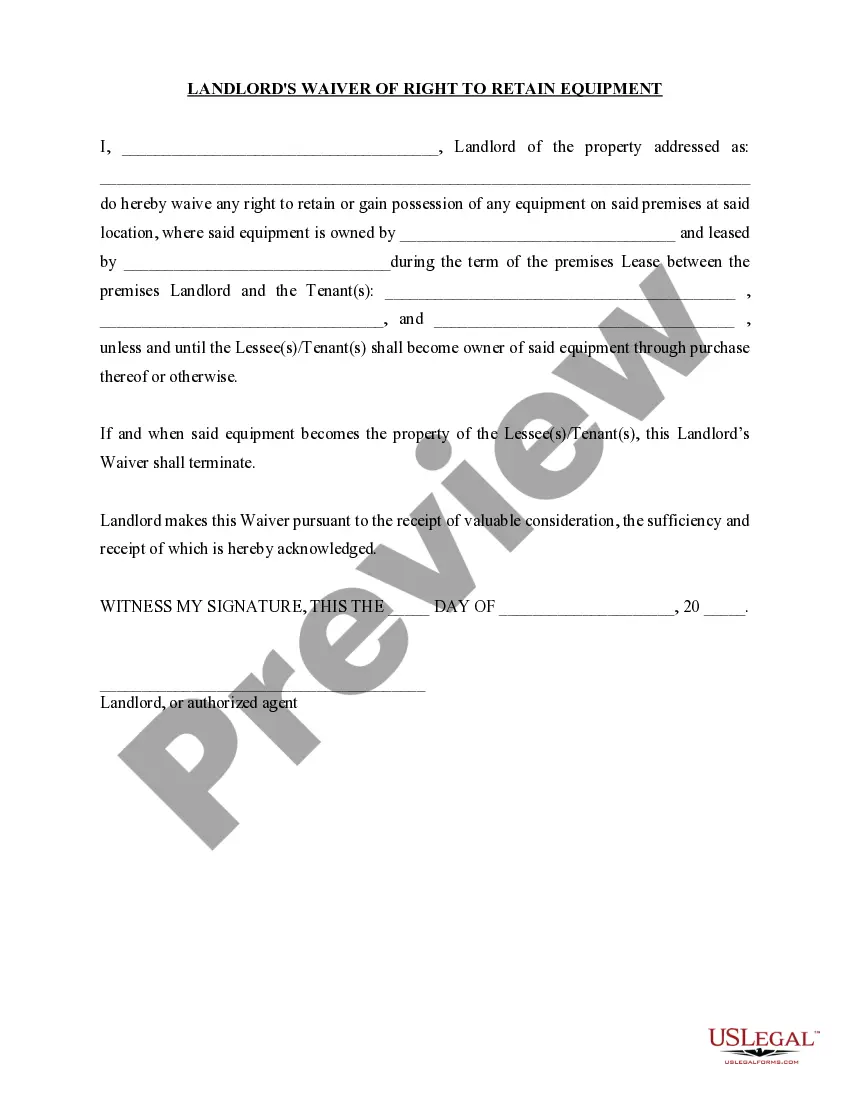
Get your form ready online
Our built-in tools help you complete, sign, share, and store your documents in one place.
Make edits, fill in missing information, and update formatting in US Legal Forms—just like you would in MS Word.
Download a copy, print it, send it by email, or mail it via USPS—whatever works best for your next step.
Sign and collect signatures with our SignNow integration. Send to multiple recipients, set reminders, and more. Go Premium to unlock E-Sign.
If this form requires notarization, complete it online through a secure video call—no need to meet a notary in person or wait for an appointment.
We protect your documents and personal data by following strict security and privacy standards.

Make edits, fill in missing information, and update formatting in US Legal Forms—just like you would in MS Word.

Download a copy, print it, send it by email, or mail it via USPS—whatever works best for your next step.

Sign and collect signatures with our SignNow integration. Send to multiple recipients, set reminders, and more. Go Premium to unlock E-Sign.

If this form requires notarization, complete it online through a secure video call—no need to meet a notary in person or wait for an appointment.

We protect your documents and personal data by following strict security and privacy standards.
Looking for another form?









How to fill out Agreement Of Sub-Tenant And Waiver Of Liability In Favor Of Tenant?
- If you're an existing user, log in to your account and download the required form by clicking the Download button. Ensure your subscription is current; if not, renew it as per your payment plan.
- For first-time users, begin by reviewing the form descriptions in Preview mode. Confirm it meets your requirements and complies with your local regulations.
- If needed, search for additional templates using the Search tab to find the appropriate one.
- Click on the Buy Now button and select your preferred subscription plan. Create your account to access the extensive library.
- Complete your purchase by entering your credit card information or using your PayPal account.
- Download the chosen form to your device for completion. You can access it later in the My Forms section of your profile.
By utilizing US Legal Forms, you gain access to an extensive collection of over 85,000 legal documents that are easy to navigate and fill out. The service not only saves time but also ensures that you have precisely crafted forms tailored to your needs.
Don't miss out on the opportunity to streamline your legal documentation process. Start using US Legal Forms today and experience how they empower tenants and landlords alike!
Form popularity
FAQ
A sub meter serves the purpose of accurately measuring the utility usage for individual tenants within a property, allowing for fair billing based on actual consumption. By installing a sub meter for tenant, property owners can promote energy conservation and responsible usage among residents. Moreover, this setup can lead to reduced disputes over utility charges, fostering better tenant relationships. Understanding your utility consumption helps both tenants and landlords make informed decisions.
An electric sub meter can be installed by qualified electricians or utility professionals experienced with sub metering systems. If you're considering a sub meter for tenant use, it's essential to work with certified professionals who understand local regulations and standards. Companies like US Legal Forms can assist you in finding compliant solutions for installation and documentation. Proper installation and compliance help ensure seamless operation and effective billing for tenants.
A utility meter measures the total amount of energy or water used by an entire property, while a sub meter for tenant tracks the usage of individual tenants or units. This distinction allows landlords to allocate costs more accurately based on actual consumption. By utilizing a sub meter, you can promote fairness and transparency in billing, ensuring each tenant pays for what they actually use. Moreover, sub metering can lead to increased energy efficiency, as tenants become more aware of their consumption habits.
A sub meter for tenant works by monitoring the flow of utilities such as water or electricity to each individual unit. The device captures data in real-time, providing accurate readings that property owners can use for billing. By utilizing a submeter, landlords can ensure that tenants are only charged for what they use, eliminating disputes over utility bills. This system can easily integrate with property management software for seamless tracking and reporting.
A sub meter for tenant allows property owners to measure the utility usage of individual units. This device tracks water or electricity consumption separately for each tenant. By implementing a submeter, landlords can fairly allocate utility costs based on actual usage, promoting accountability among tenants. This method encourages energy efficiency and reduces waste.
Submetering can be worth it for both landlords and tenants when it promotes fair billing and encourages energy conservation. For landlords, it allows recovery of utility costs tied to tenant usage. For tenants, it provides greater accountability over their consumption. However, assessing the costs involved with installation and maintenance is essential to determine if it aligns with your situation.
A utility meter measures the total energy or water consumption for a property as a whole, while a submeter tracks usage for individual tenants or specific areas. Submeters provide detailed insights into consumption patterns, enabling more personalized billing for tenants. This level of insight can benefit both landlords and tenants by promoting energy conservation.
A point of use submeter is a device installed at a specific location, measuring utility usage for that specific area. For instance, it may monitor the usage of water for an individual apartment or a specific appliance. This type of submeter allows for more granular billing, making it easier for tenants to understand their consumption habits.
Submeters for tenant usage tend to be quite accurate when installed correctly and maintained regularly. They usually provide precise measurements of water or electricity usage, which ensures fair billing based on actual consumption. Regular calibration and maintenance further enhance their accuracy, minimizing disputes between landlords and tenants.
Yes, submetering is generally legal in many states, though specific regulations can vary. It is essential for landlords and property managers to understand local laws governing submetering to avoid potential legal issues. In some cases, providing tenants with clear information about how the submeter works is also crucial for compliance.