Complaint For Malicious Prosecution Format
Description

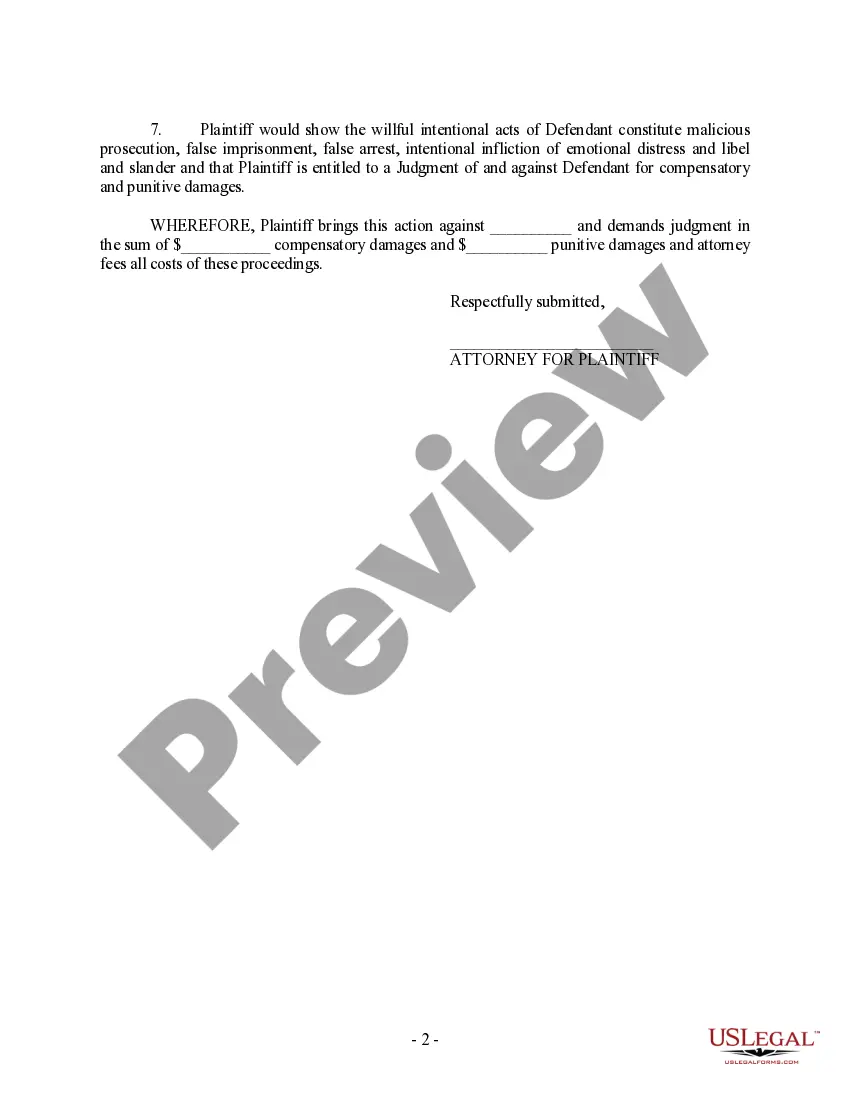

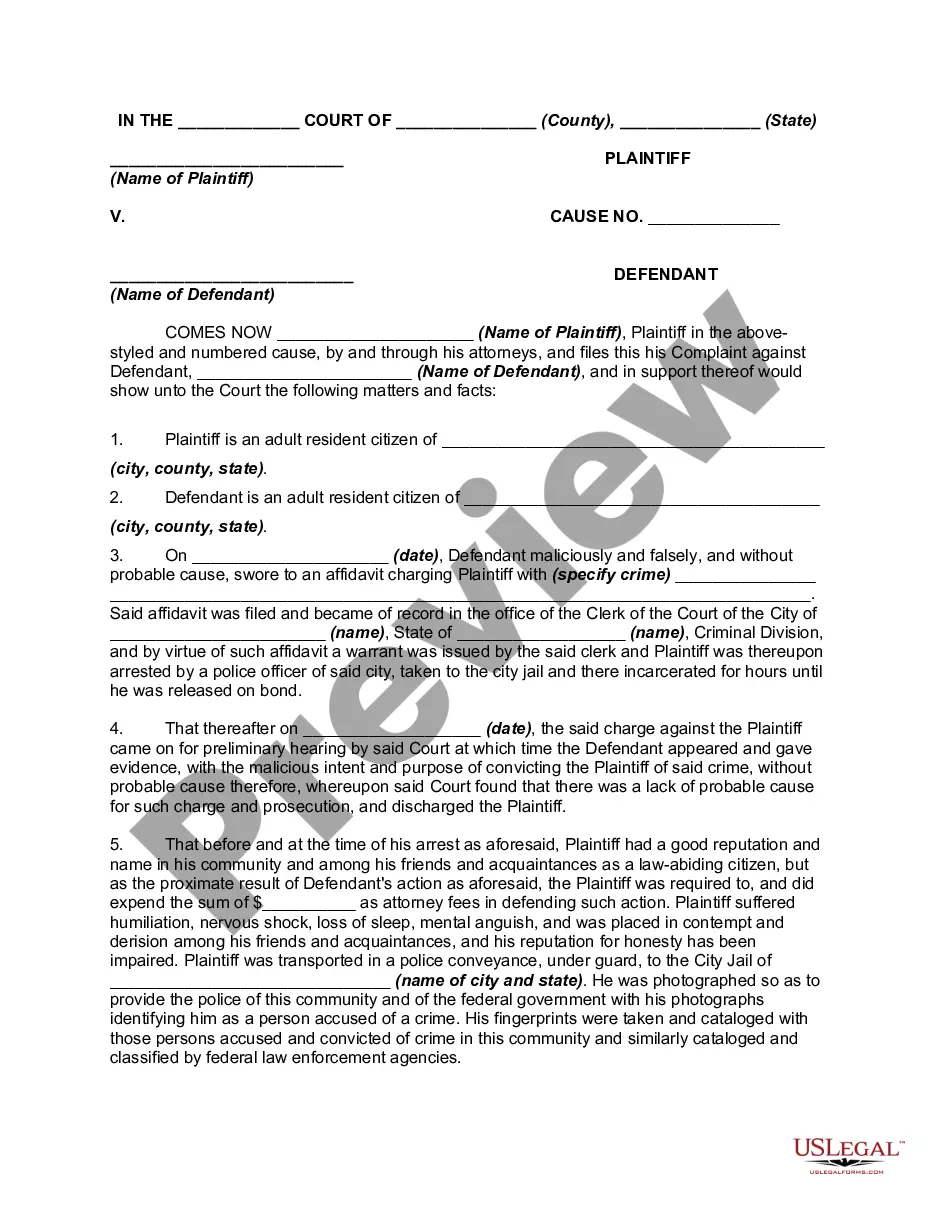
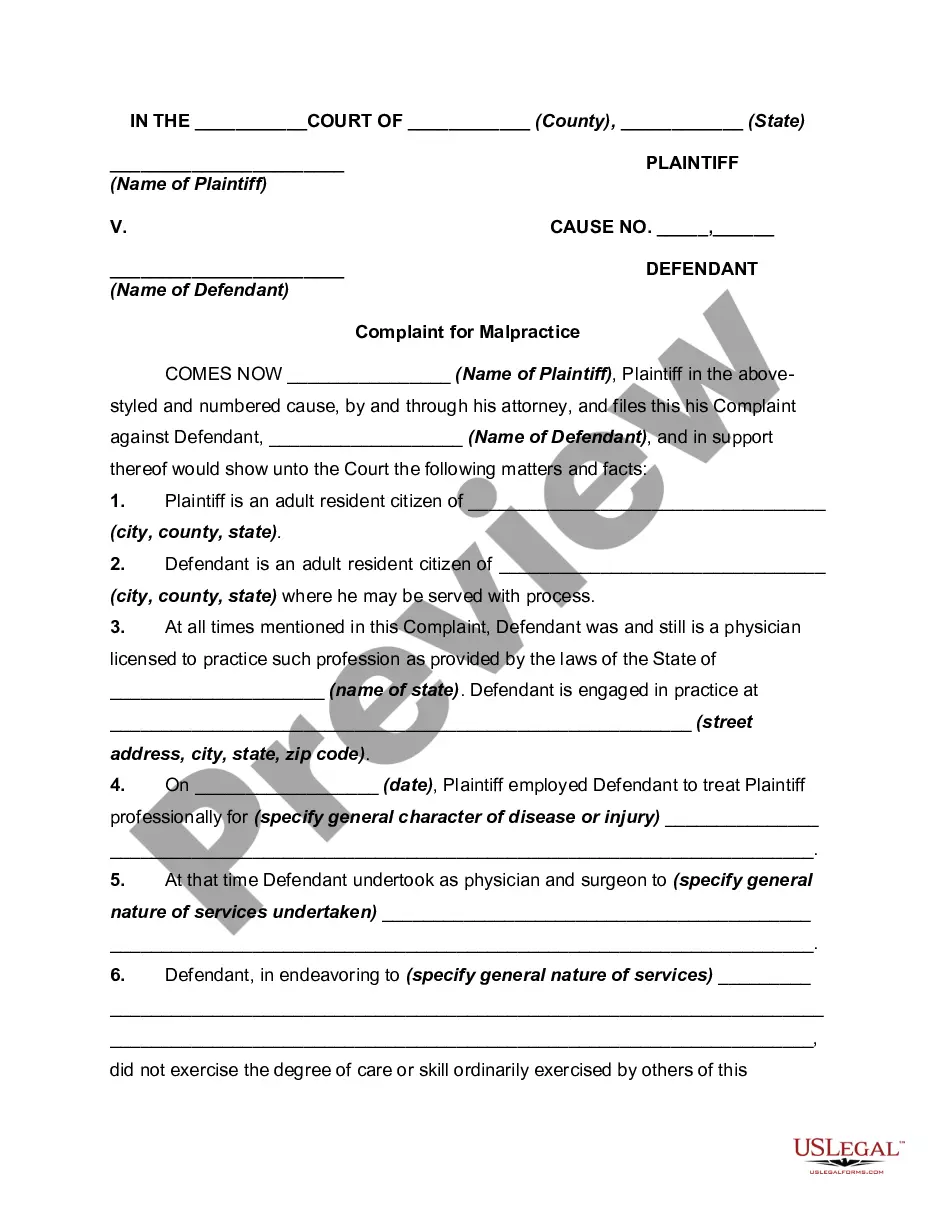
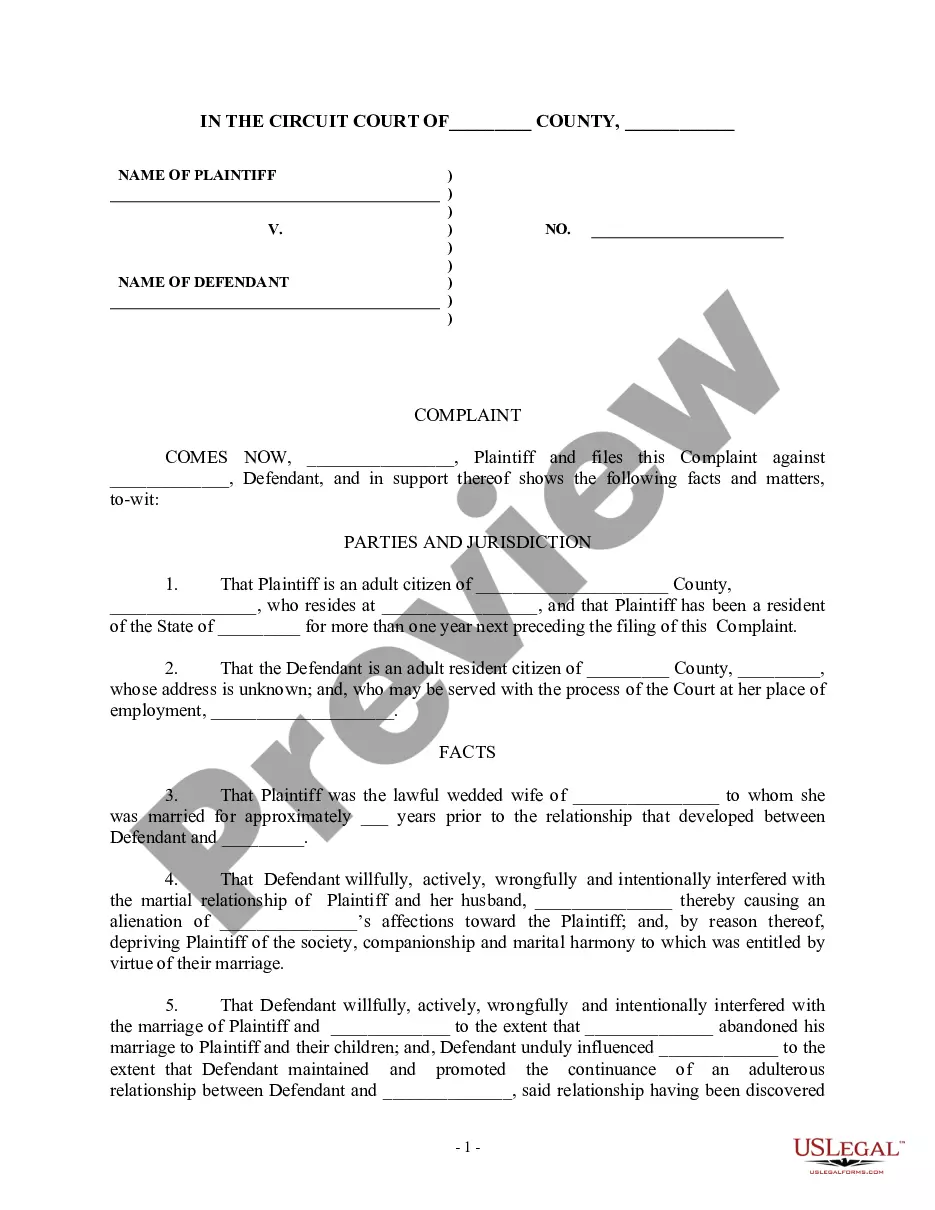
Get your form ready online
Our built-in tools help you complete, sign, share, and store your documents in one place.
Make edits, fill in missing information, and update formatting in US Legal Forms—just like you would in MS Word.
Download a copy, print it, send it by email, or mail it via USPS—whatever works best for your next step.
Sign and collect signatures with our SignNow integration. Send to multiple recipients, set reminders, and more. Go Premium to unlock E-Sign.
If this form requires notarization, complete it online through a secure video call—no need to meet a notary in person or wait for an appointment.
We protect your documents and personal data by following strict security and privacy standards.

Make edits, fill in missing information, and update formatting in US Legal Forms—just like you would in MS Word.

Download a copy, print it, send it by email, or mail it via USPS—whatever works best for your next step.

Sign and collect signatures with our SignNow integration. Send to multiple recipients, set reminders, and more. Go Premium to unlock E-Sign.

If this form requires notarization, complete it online through a secure video call—no need to meet a notary in person or wait for an appointment.

We protect your documents and personal data by following strict security and privacy standards.
Looking for another form?

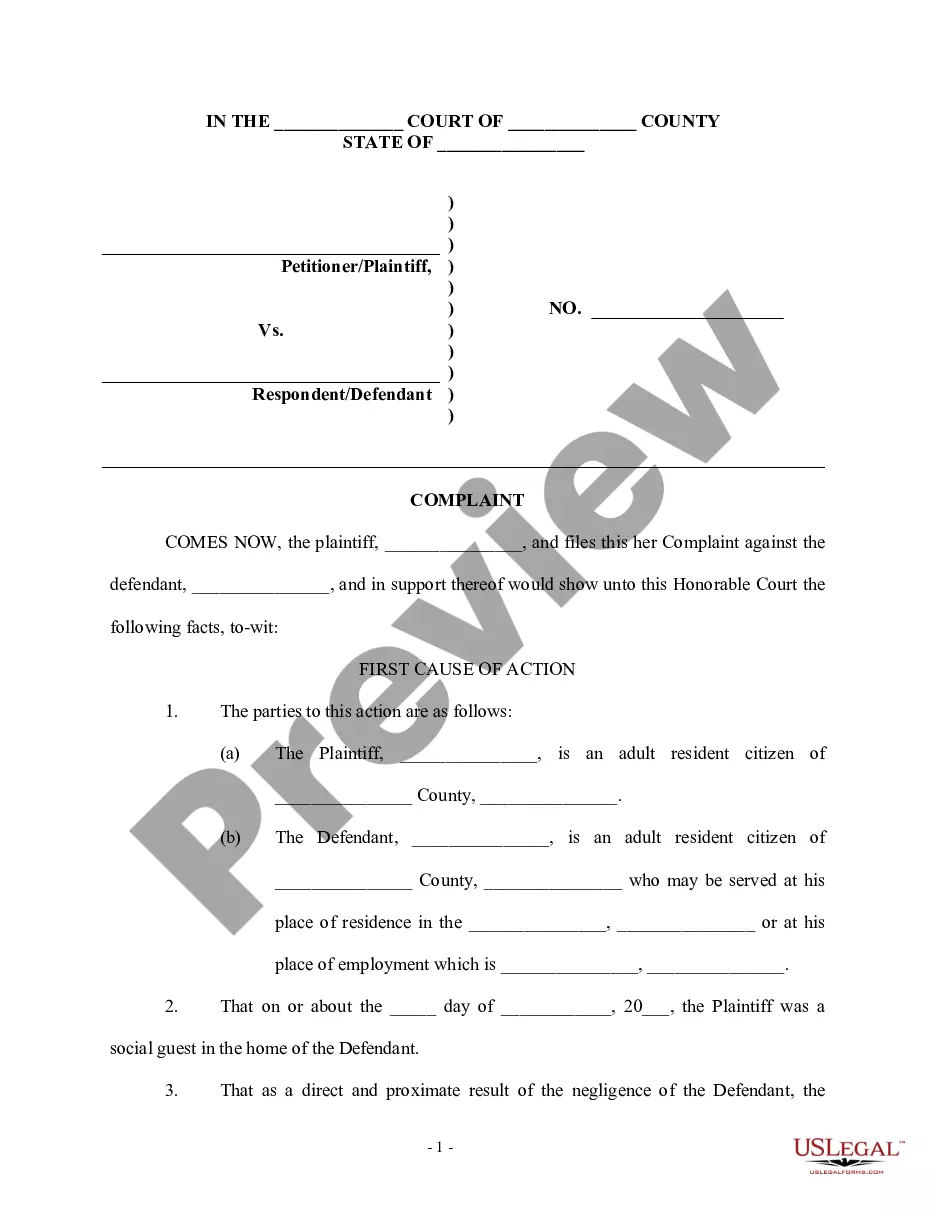
How to fill out Complaint For Malicious Prosecution?
Legal administration can be perplexing, even for seasoned professionals.
If you are seeking a Format for Complaint Regarding Malicious Prosecution and lack the time to search for the correct and current version, the procedures could be distressing.
US Legal Forms addresses all your needs, from individual to corporate documentation, conveniently in one location.
Employ advanced tools to finalize and manage your Format for Complaint Regarding Malicious Prosecution.
After securing the form you need, follow these steps.
Verify that it is the right form by previewing it and reviewing its details.
Confirm that the template is valid in your jurisdiction.
- Tap into a collection of articles, guides, and resources pertinent to your needs and circumstances.
- Conserve time and energy searching for the necessary documentation, and leverage US Legal Forms’ sophisticated search and Preview feature to locate and obtain the Format for Complaint Regarding Malicious Prosecution.
- If you're already a member, Log In to your US Legal Forms account, search for your required form, and obtain it.
- Check the My documents section to find documents you have previously stored and to organize your files as necessary.
- If you are new to US Legal Forms, create an account for unlimited access to all platform advantages.
Click Buy Now when you are prepared.
Choose a subscription plan.
Locate the desired format, and Download, complete, eSign, print, and submit your document.
Take advantage of the US Legal Forms online library, supported by 25 years of expertise and trustworthiness. Transform your document management process into a seamless and user-friendly experience today.
- Utilize a powerful web form library that can revolutionize the way you manage these situations.
- US Legal Forms stands as a leader in digital legal forms, offering over 85,000 state-specific legal documents accessible at any time.
- Access legal and business forms tailored to your state or county.
Form popularity
FAQ
Filing a case for malicious prosecution involves several steps that begin with drafting your complaint. You need to clearly outline the grounds for your claim and the damages you seek. Next, submit your complaint to the appropriate court, along with any required filing fees. Utilizing resources from US Legal Forms can simplify this process, providing you with a Complaint for malicious prosecution format that meets legal standards and enhances your chances of success.
When preparing a legal complaint, ensure you follow the correct structure to enhance clarity and effectiveness. Start with a title that clearly states the nature of the action, followed by a jurisdiction statement. Then, include sections such as parties involved, factual allegations, and legal claims. For a robust Complaint for malicious prosecution format, consider using templates available on platforms like US Legal Forms, which can guide you through the necessary components.
To prove malicious prosecution, you will need to gather substantial evidence that supports your claims. Key components include demonstrating that the original lawsuit was initiated without probable cause, showing malice, and providing evidence of damages suffered as a result. It's essential to follow a structured approach, and a Complaint for malicious prosecution format can guide you in outlining these elements clearly. Resources like US Legal Forms can also provide you with the necessary templates and support.
The strongest burden of proof in a malicious prosecution case is typically the 'preponderance of the evidence' standard. This means you need to show that it is more likely than not that your claims are true. While this standard is not as high as 'beyond a reasonable doubt,' it still requires solid evidence to support your case. Using a Complaint for malicious prosecution format can assist you in organizing your evidence to meet this burden.
To establish a case for malicious prosecution, you must prove several key elements. Firstly, there must be a prior legal action initiated against you that was resolved in your favor. Secondly, you need to show that the previous case lacked probable cause. Additionally, you must demonstrate that the previous action was filed with malice. A well-structured Complaint for malicious prosecution format can help present these requirements effectively.
To file a case for malicious prosecution, you should first gather all necessary evidence to support your claim. This includes documentation of the original case, any communications with the opposing party, and records showing the outcome. Next, prepare a formal complaint using a Complaint for malicious prosecution format, which outlines your claims clearly. Consider seeking help from legal professionals or platforms like US Legal Forms to ensure your filing meets all legal standards.
The standard of proof for malicious prosecution typically requires you to demonstrate that the previous legal action was initiated without probable cause and with malice. You will need to provide clear evidence that the defendant acted with an improper motive. This standard can vary by jurisdiction, so it's important to familiarize yourself with local laws. Utilizing a Complaint for malicious prosecution format can help streamline your case.
The amount you can sue for malicious prosecution varies based on the damages incurred, which include legal fees, lost income, and emotional distress. Courts may award compensatory damages to cover these losses, and in some cases, punitive damages may also apply. To pursue your claim effectively, you can use a Complaint for malicious prosecution format to detail your situation and the extent of your damages. This structured approach can enhance your chances of receiving fair compensation.
An example of malicious prosecution occurs when someone files a lawsuit against you with no probable cause and with malicious intent. For instance, if a neighbor falsely accuses you of theft to settle a personal dispute, this can qualify as malicious prosecution. In such cases, you may seek compensation for damages by utilizing a Complaint for malicious prosecution format to present your evidence clearly. This approach can significantly bolster your case.
To prove vindictive prosecution, you must show that the prosecution acted with a desire to punish you for exercising a legal right. This often involves demonstrating inconsistencies in the case and the timing of the charges. Collecting evidence, such as communications from the prosecutor, can strengthen your case. Utilizing a Complaint for malicious prosecution format can help you outline your claims effectively.