Trade Secrets In Nda
Description

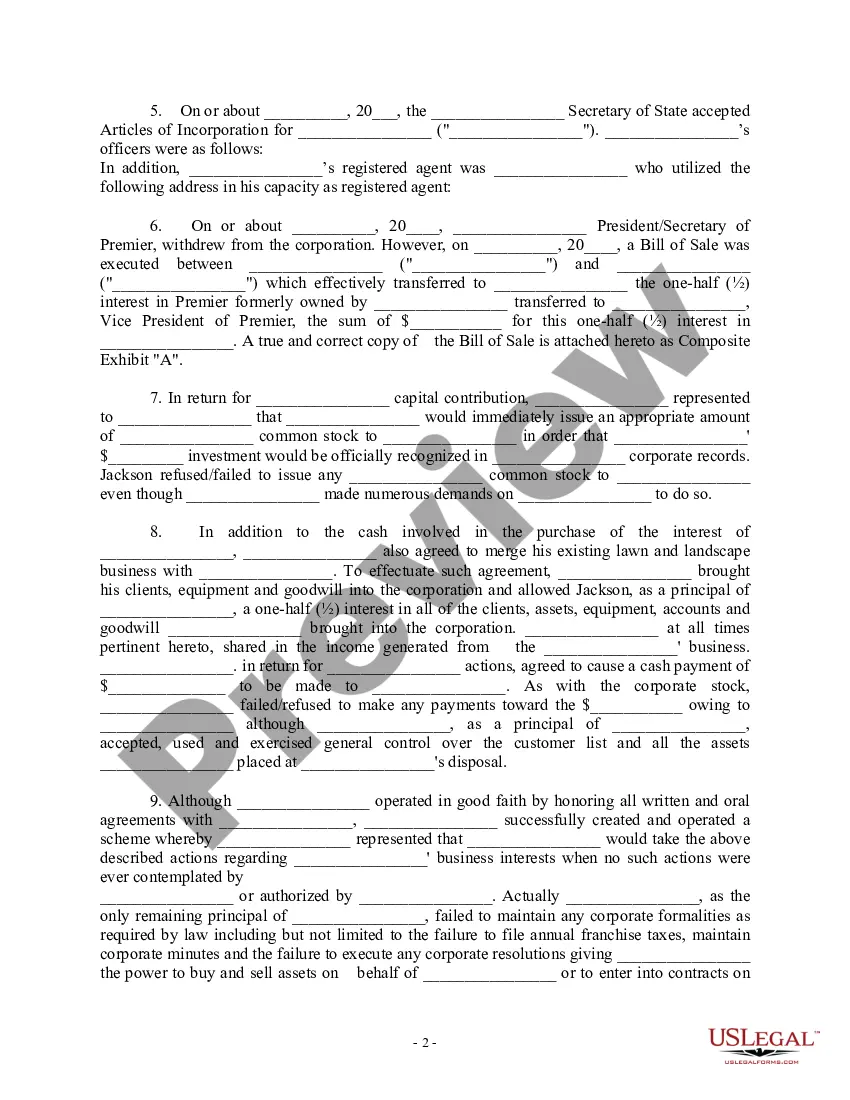
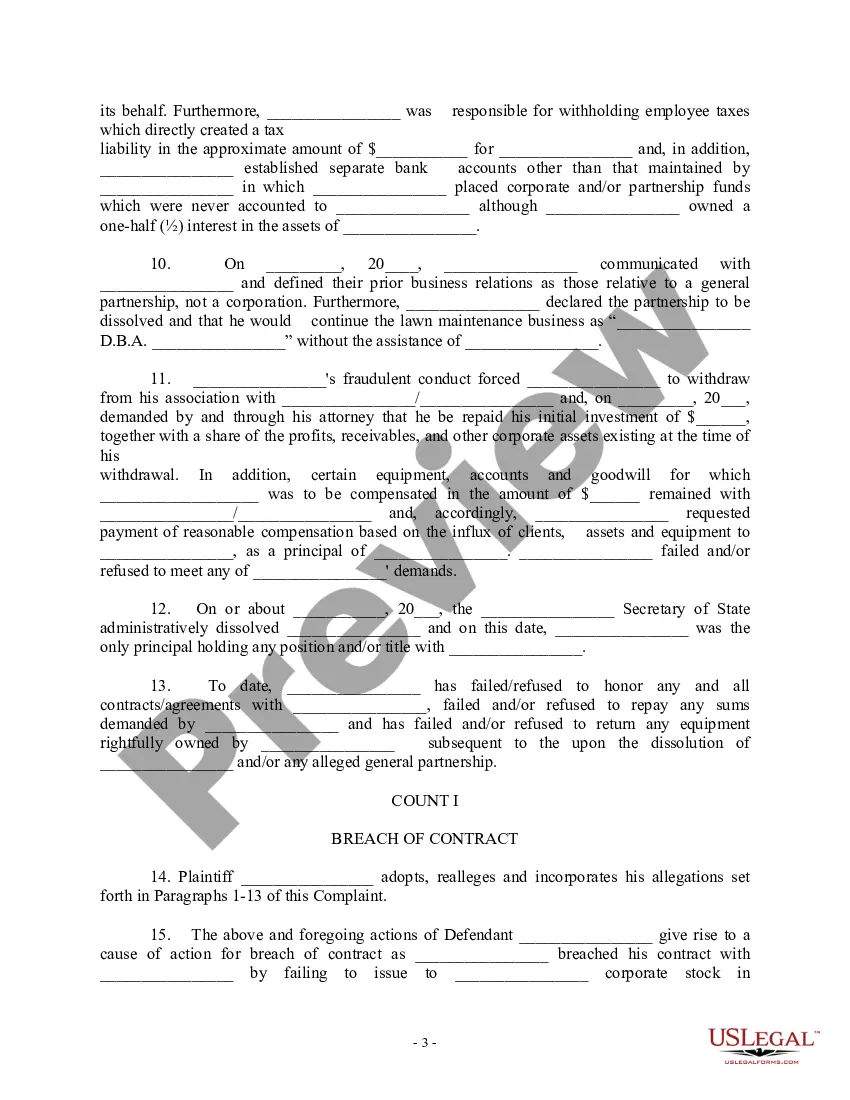
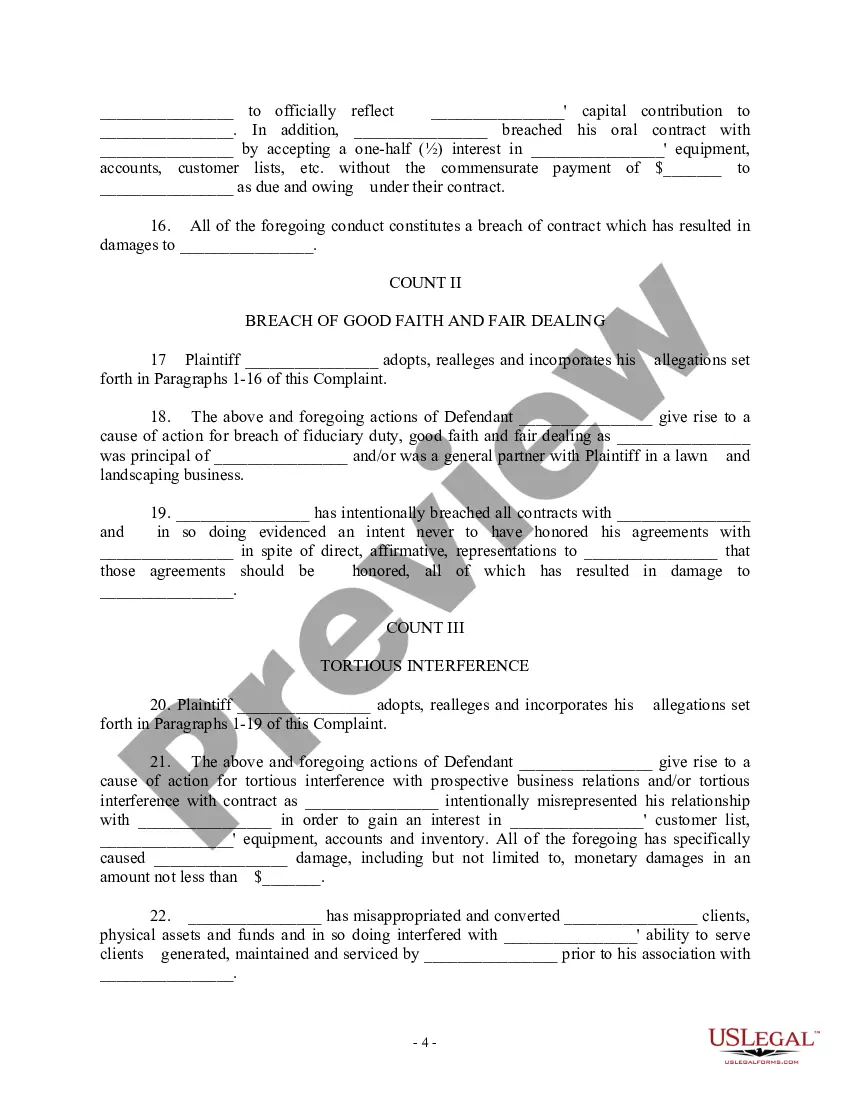
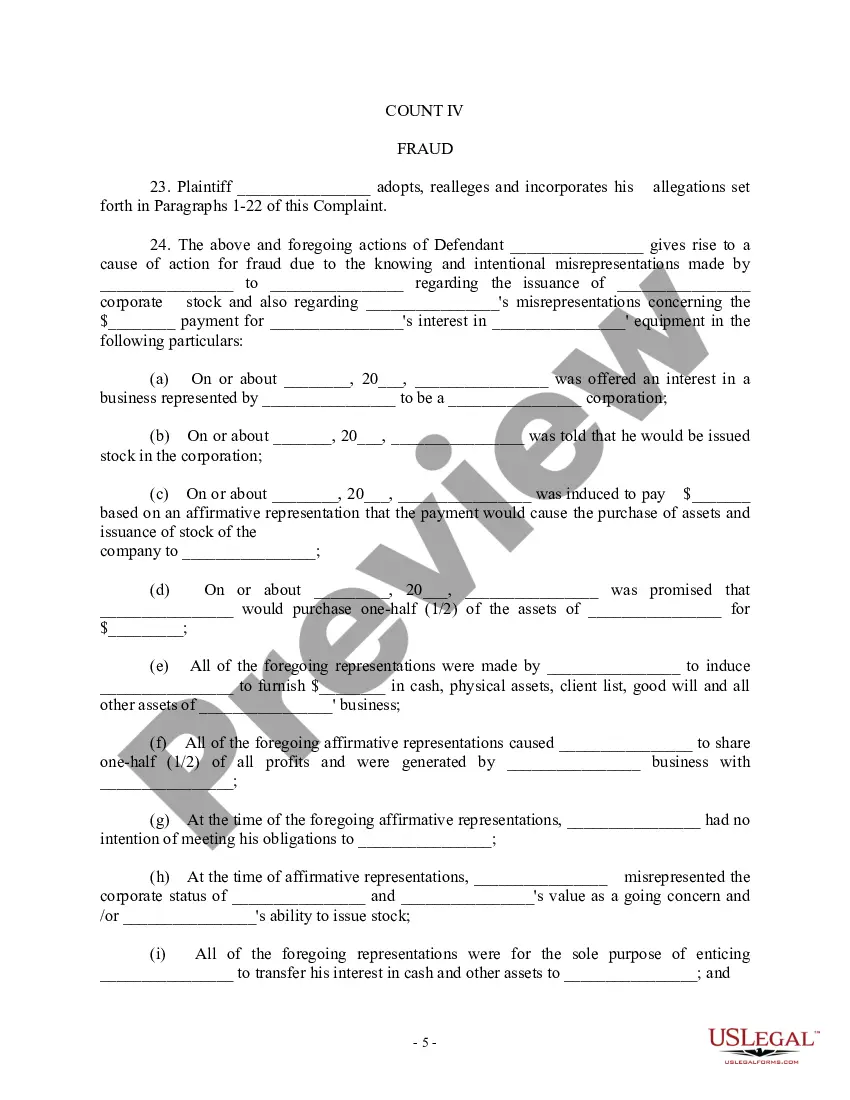
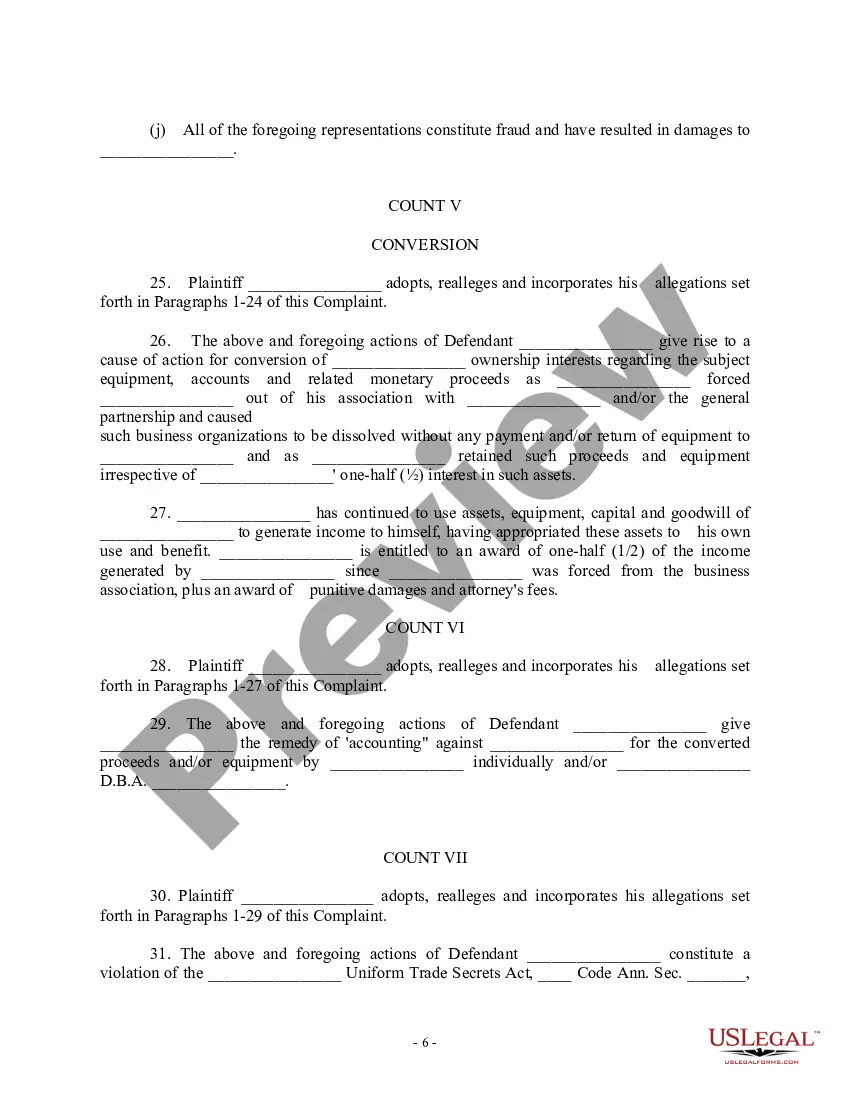
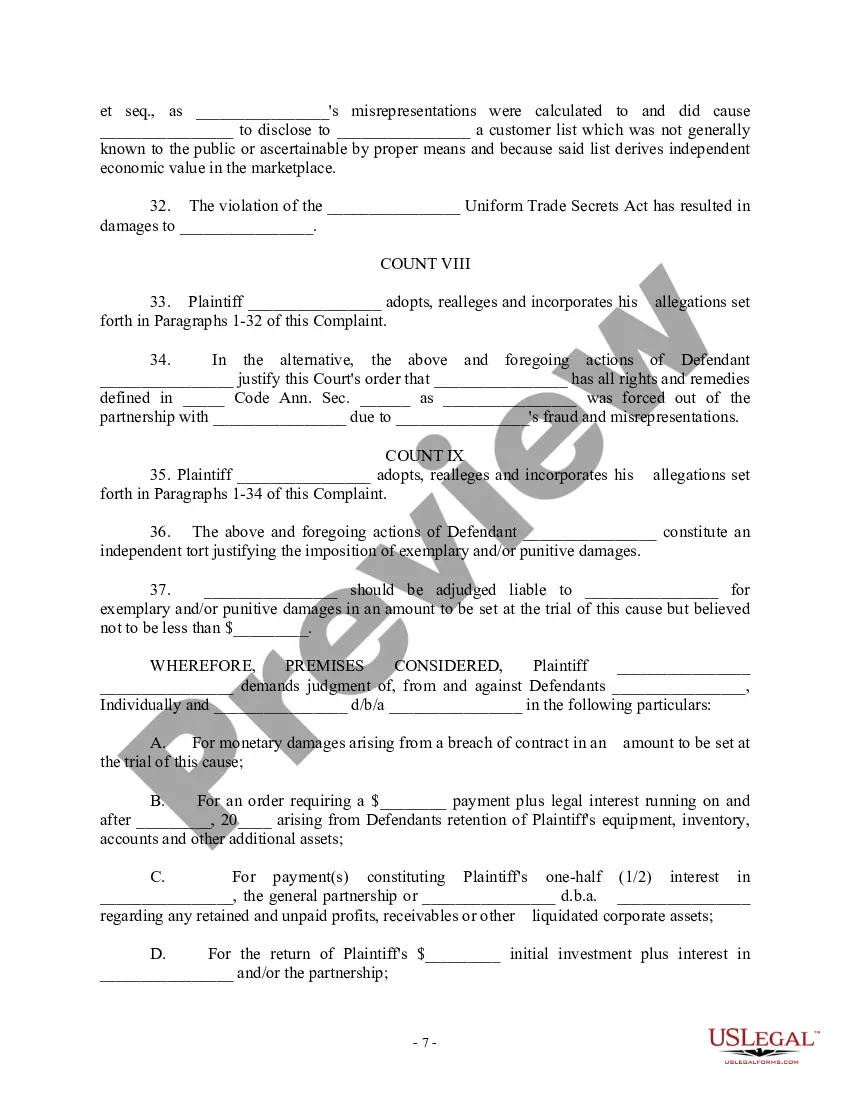
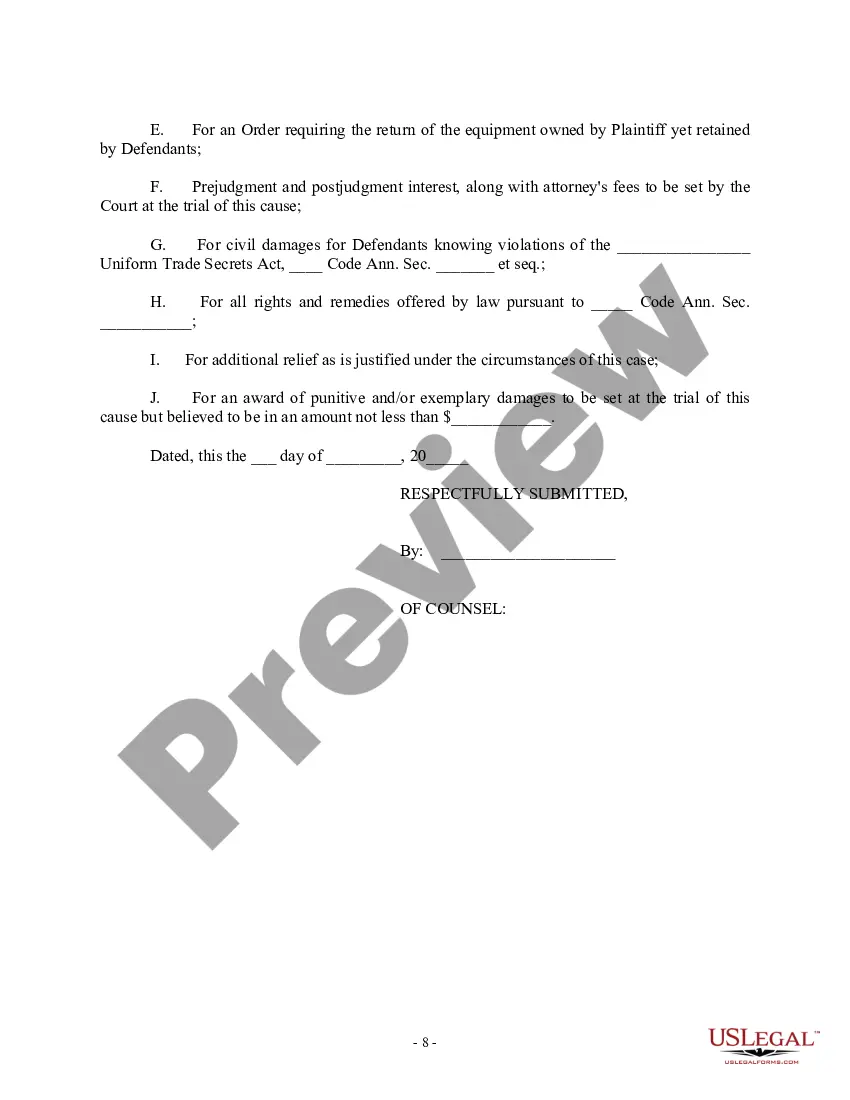

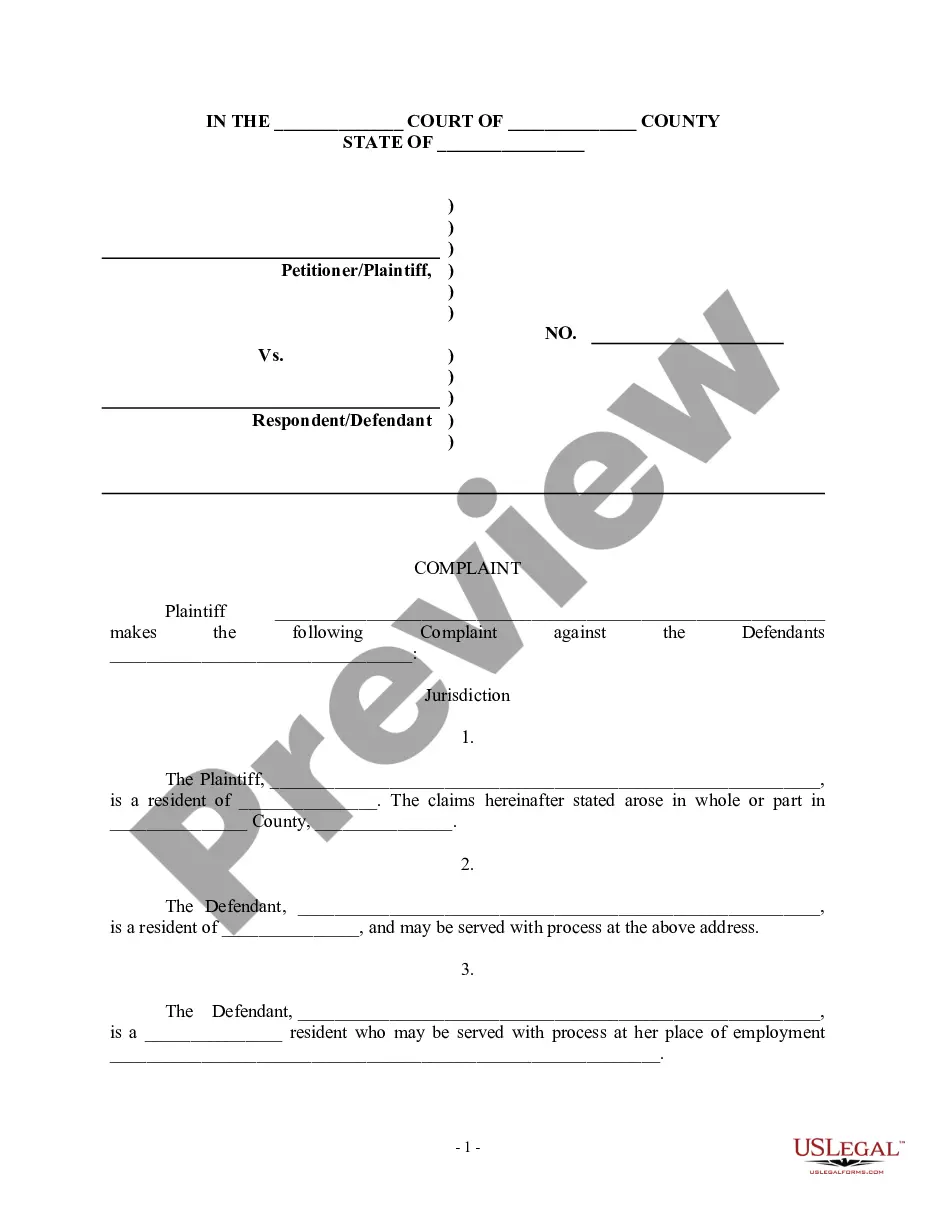
Get your form ready online
Our built-in tools help you complete, sign, share, and store your documents in one place.
Make edits, fill in missing information, and update formatting in US Legal Forms—just like you would in MS Word.
Download a copy, print it, send it by email, or mail it via USPS—whatever works best for your next step.
Sign and collect signatures with our SignNow integration. Send to multiple recipients, set reminders, and more. Go Premium to unlock E-Sign.
If this form requires notarization, complete it online through a secure video call—no need to meet a notary in person or wait for an appointment.
We protect your documents and personal data by following strict security and privacy standards.

Make edits, fill in missing information, and update formatting in US Legal Forms—just like you would in MS Word.

Download a copy, print it, send it by email, or mail it via USPS—whatever works best for your next step.

Sign and collect signatures with our SignNow integration. Send to multiple recipients, set reminders, and more. Go Premium to unlock E-Sign.

If this form requires notarization, complete it online through a secure video call—no need to meet a notary in person or wait for an appointment.

We protect your documents and personal data by following strict security and privacy standards.
Looking for another form?
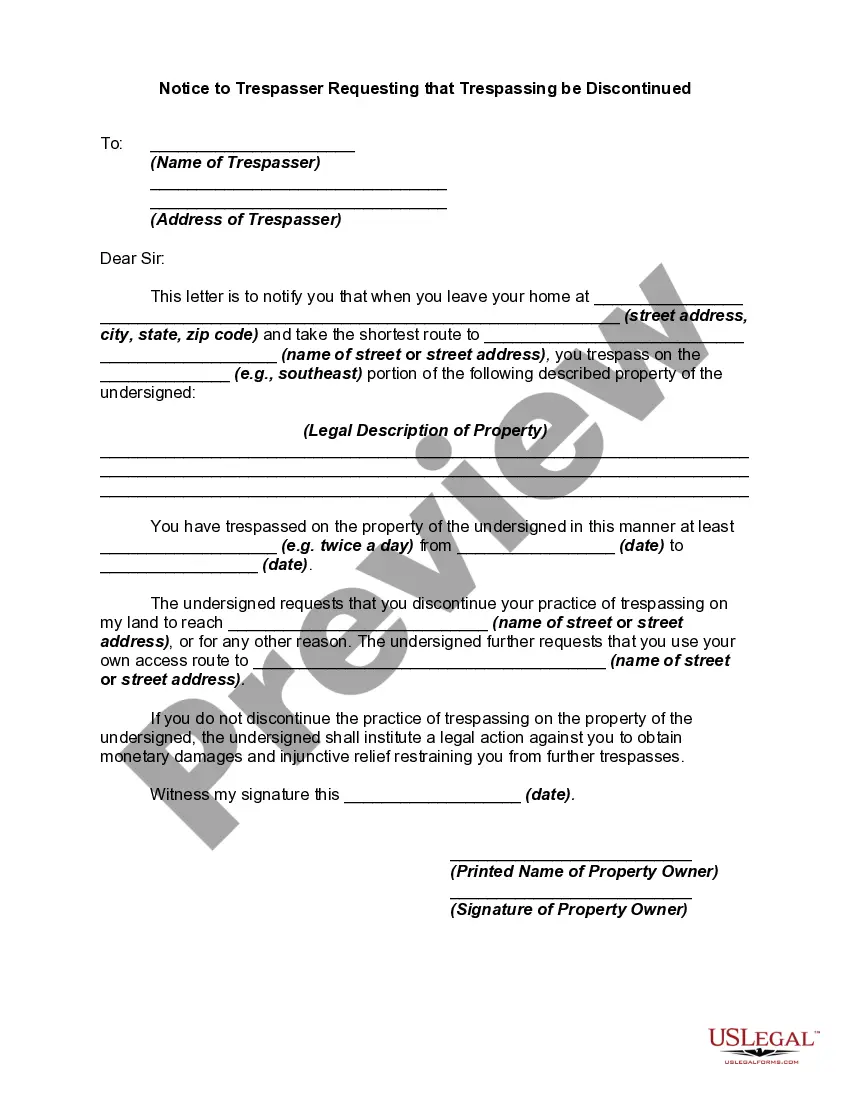
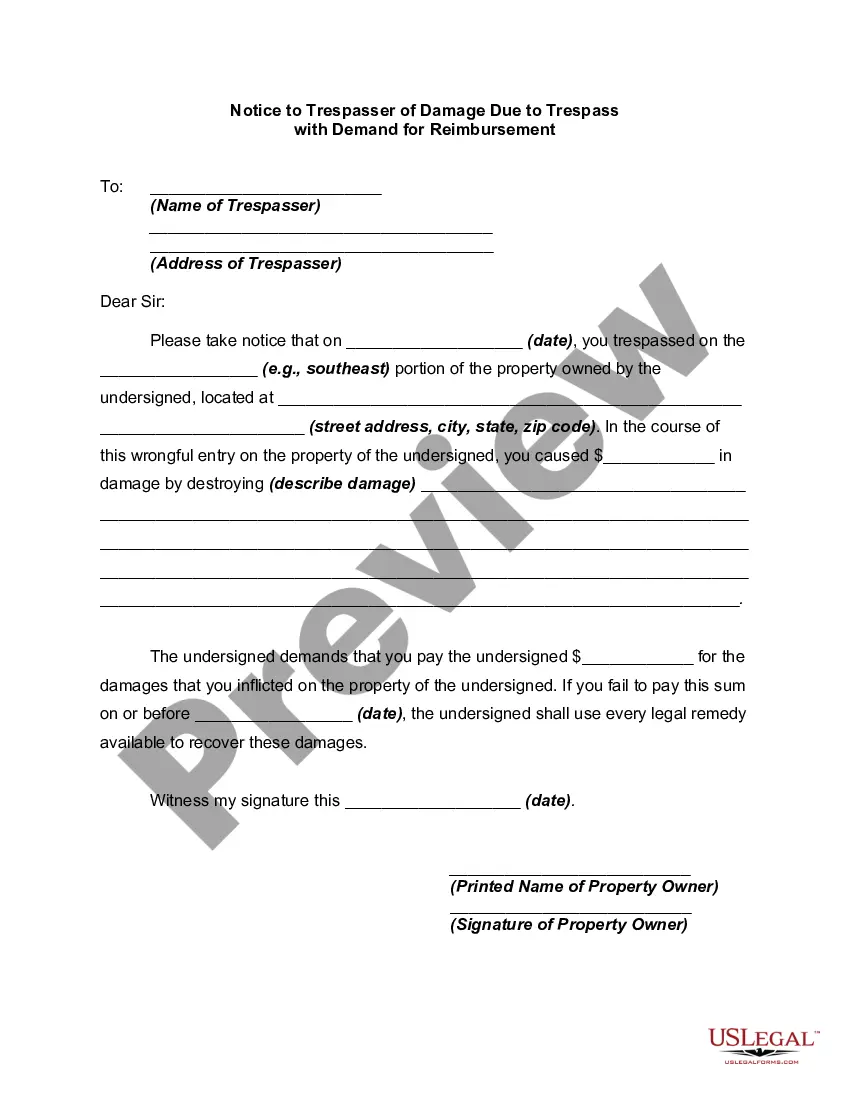
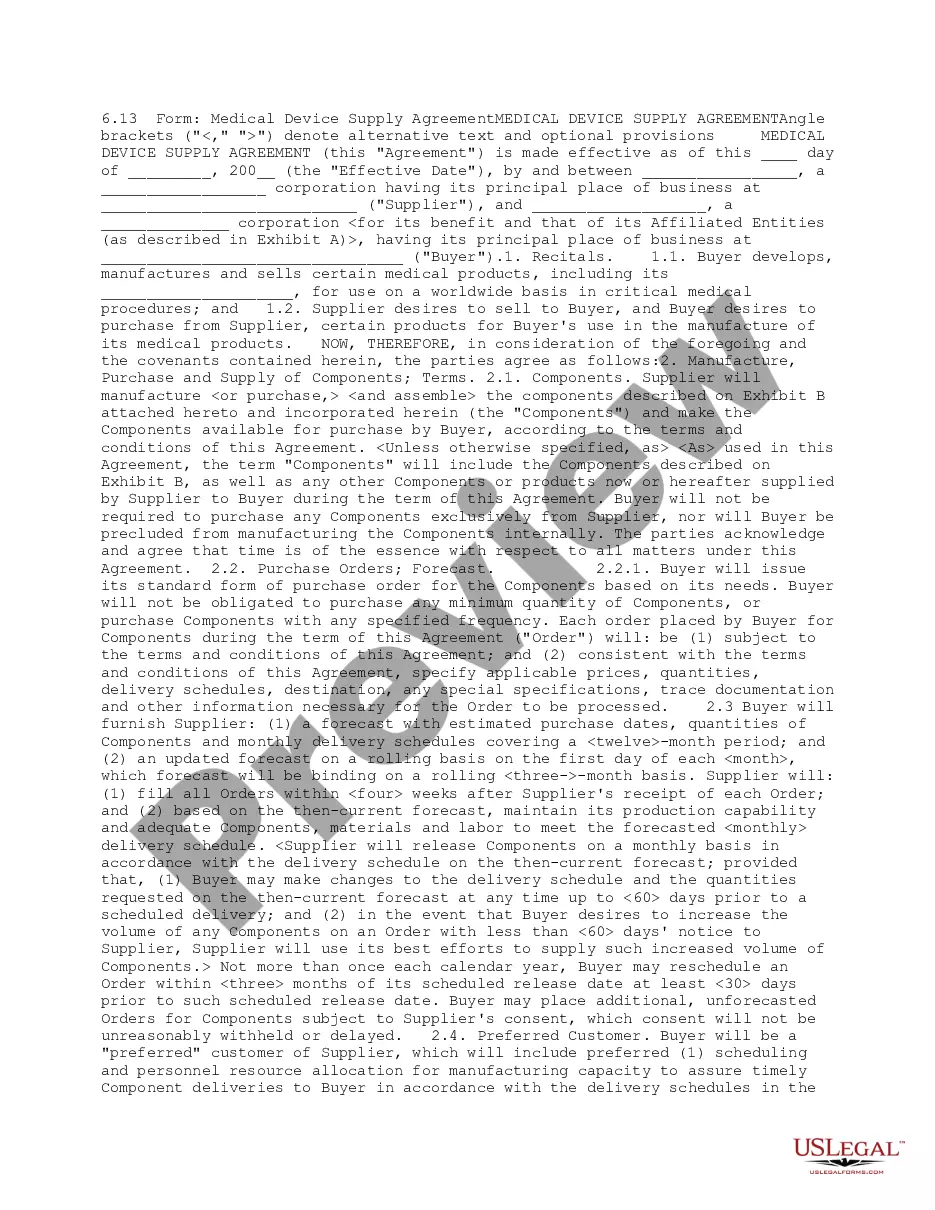
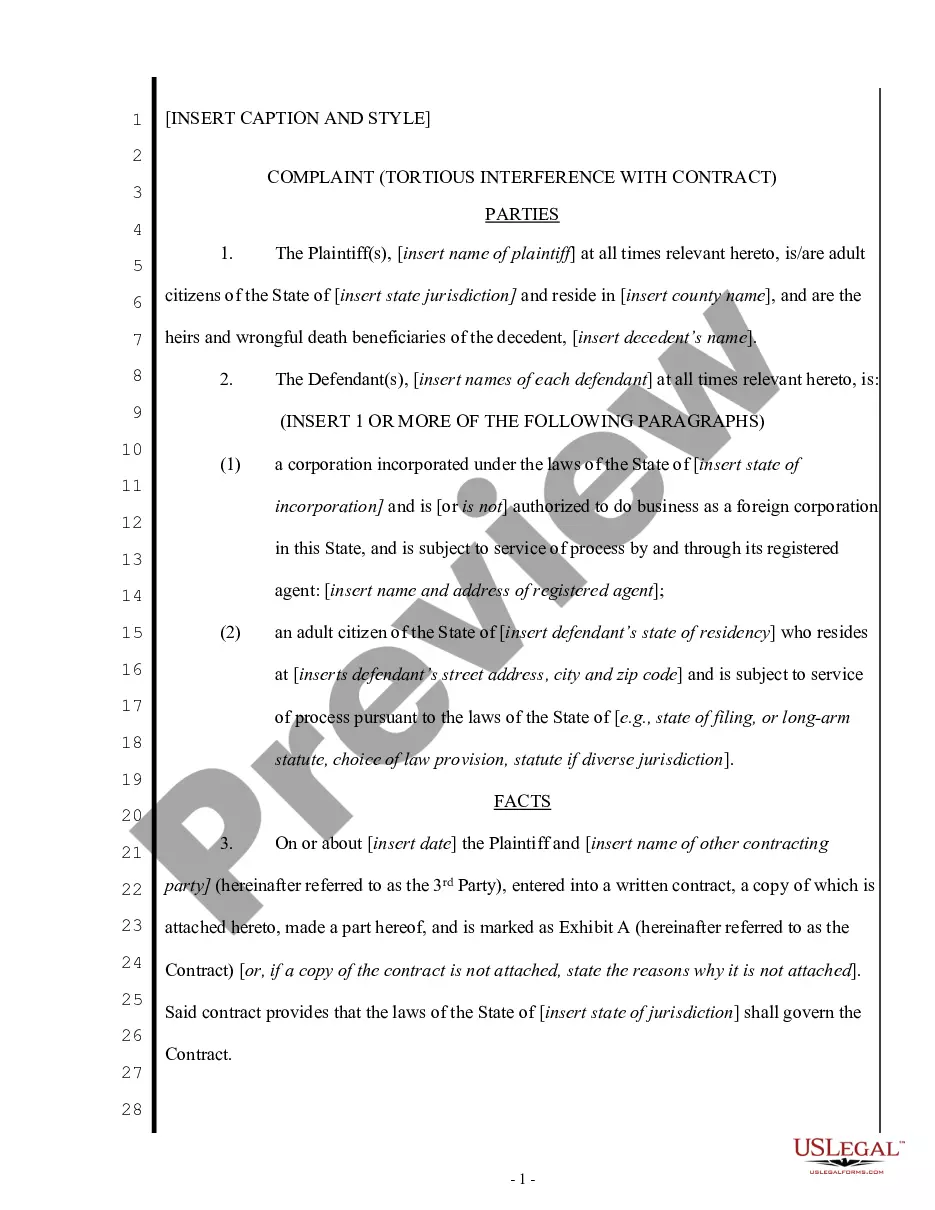
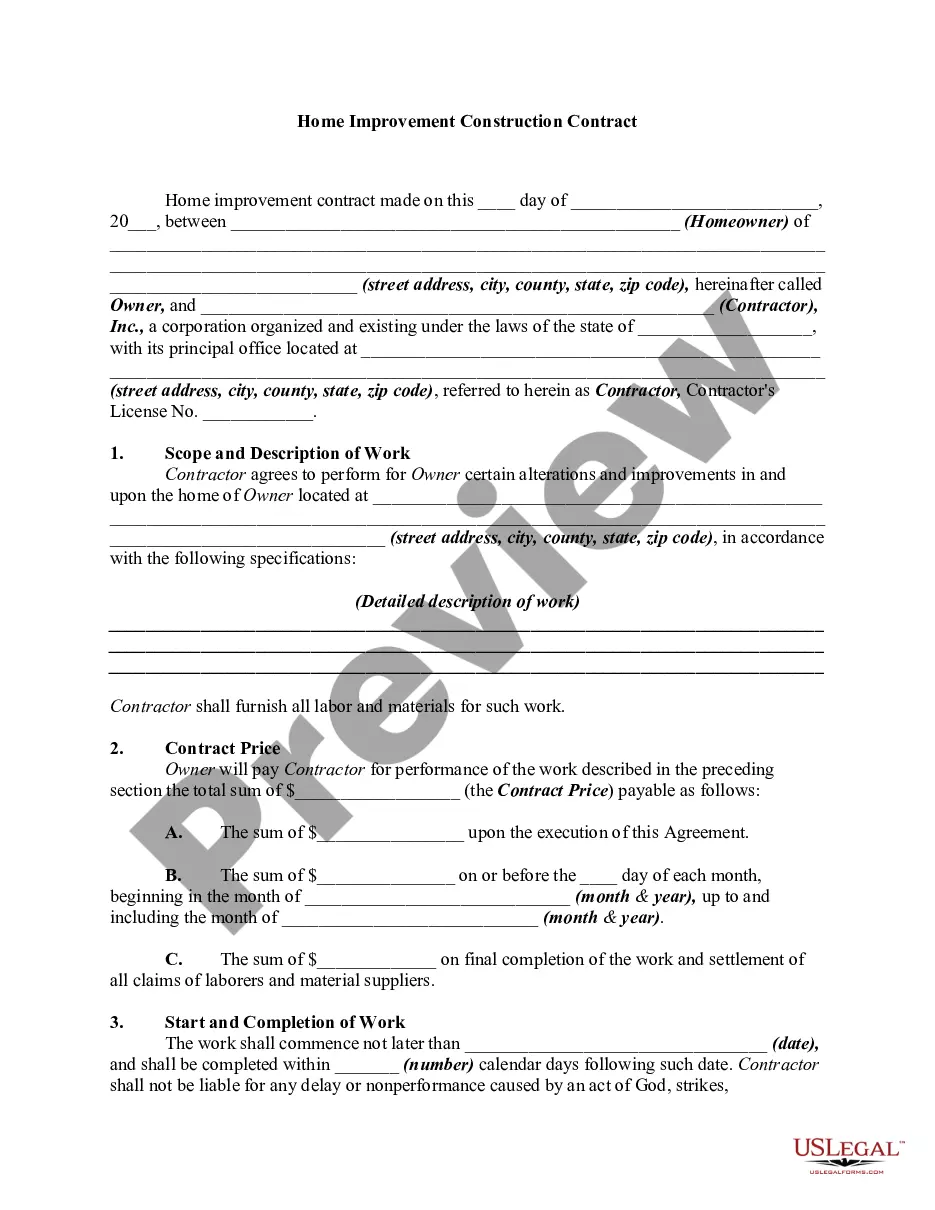
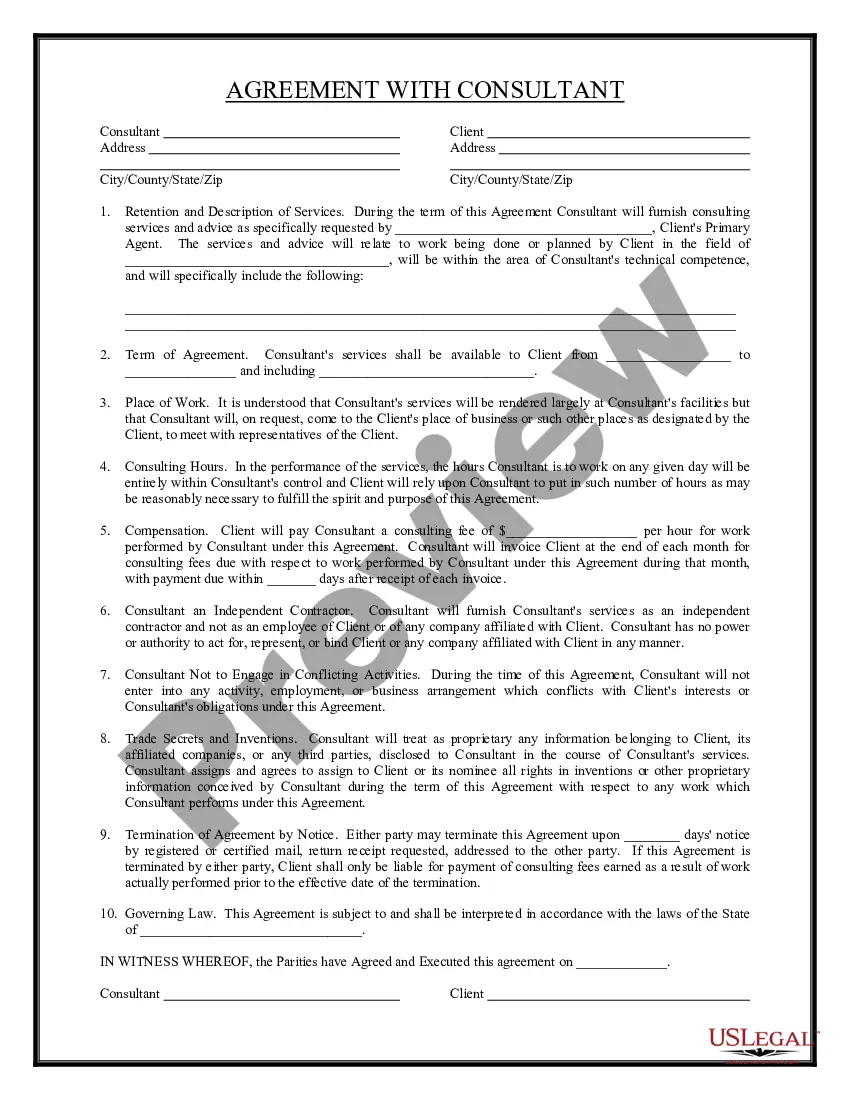
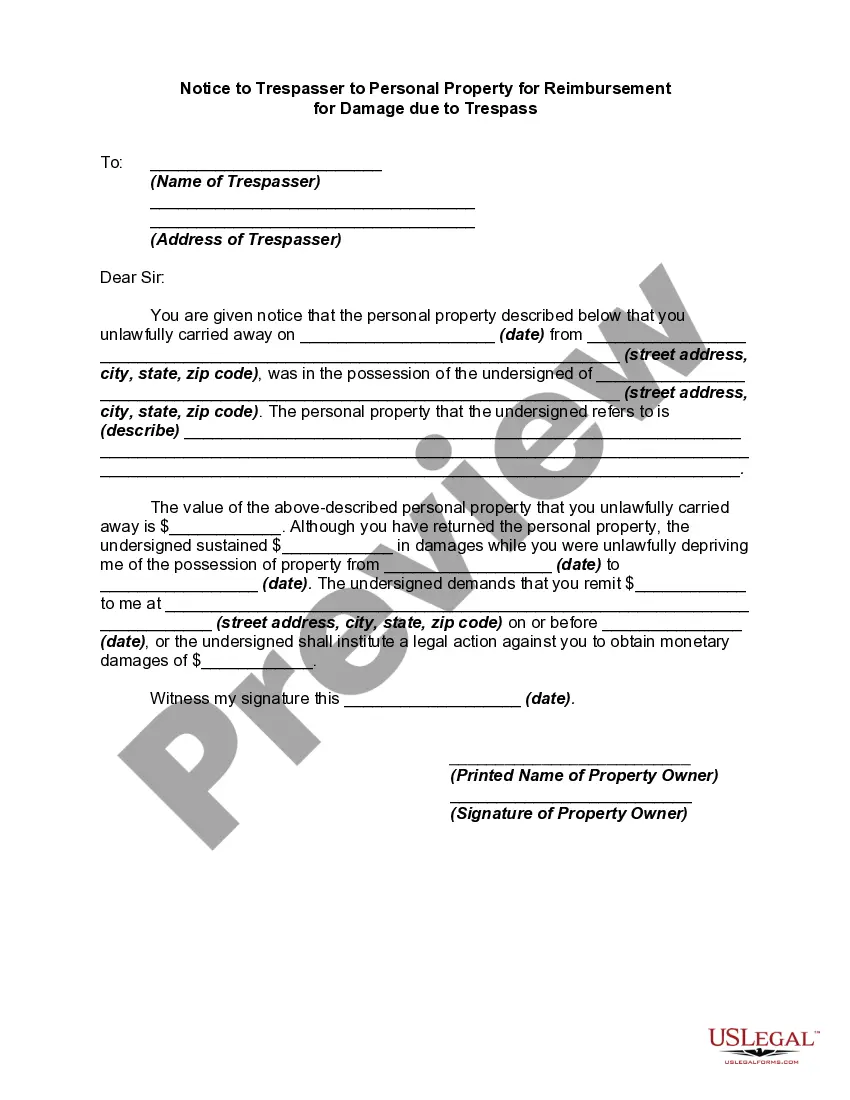
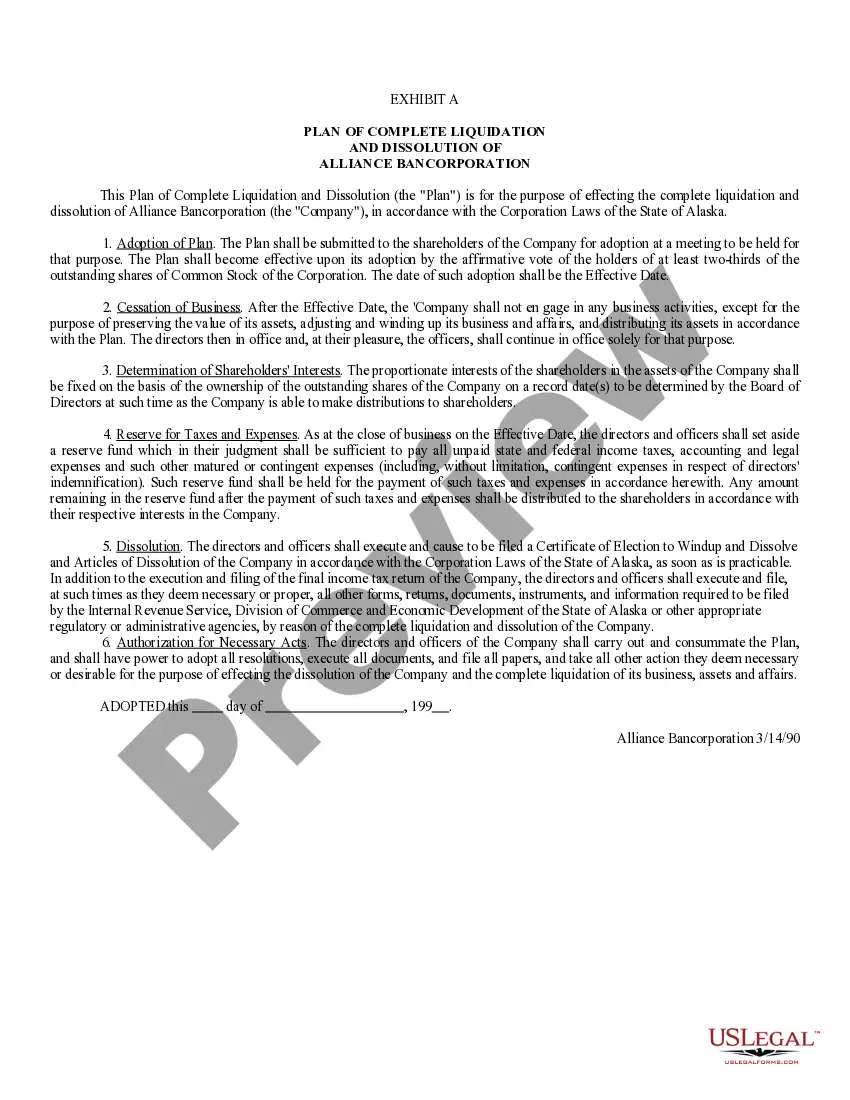
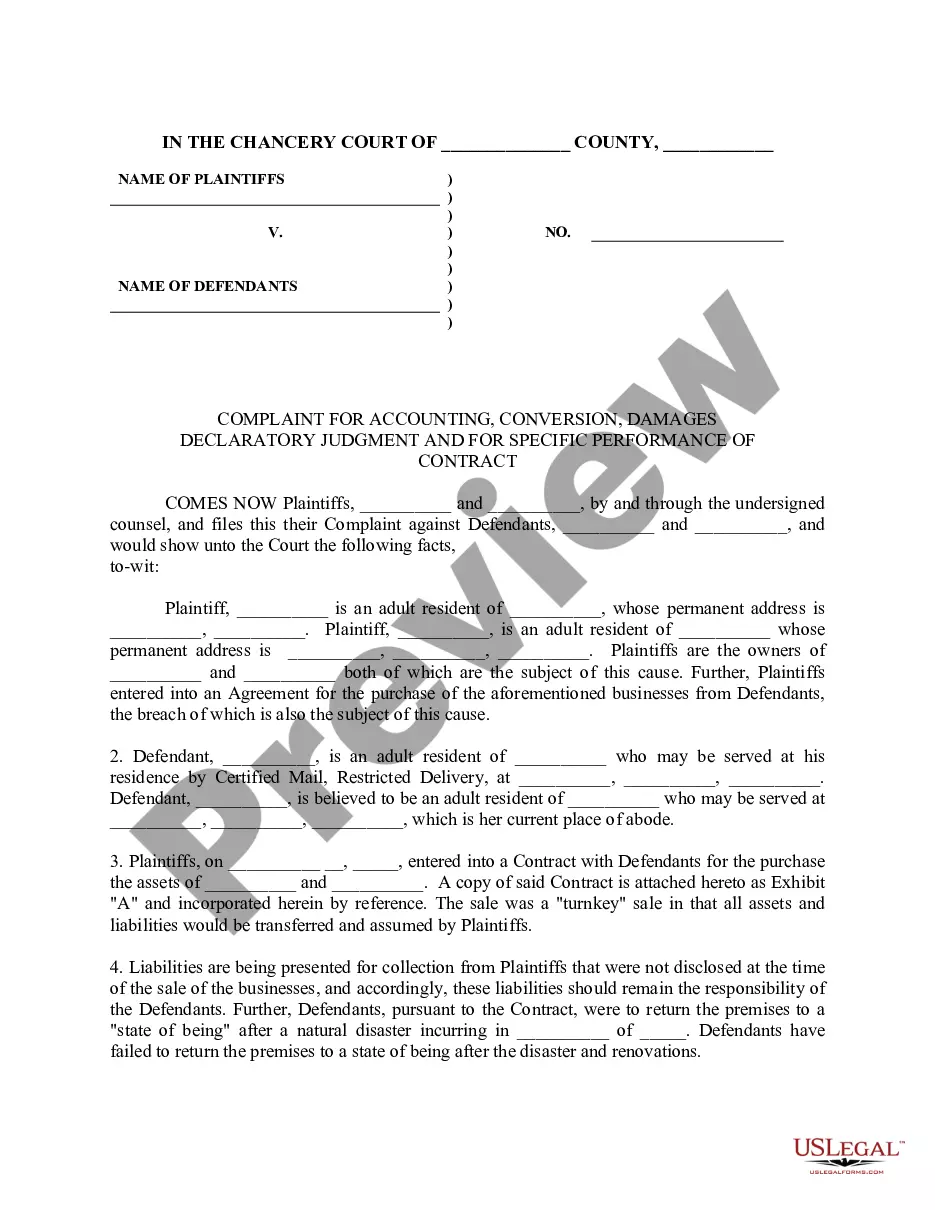
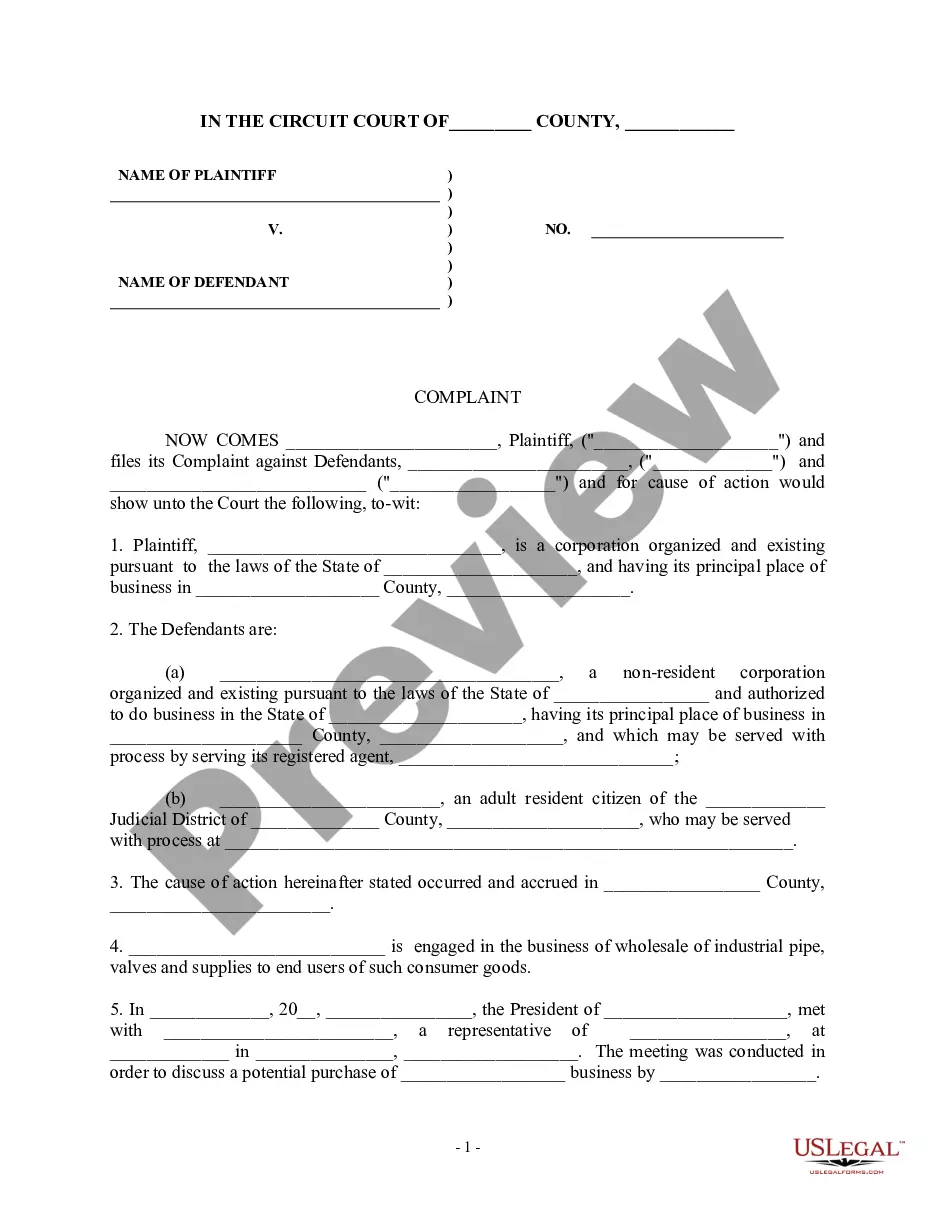
How to fill out Complaint Regarding Breach Of Contract, Fair Dealing, Fraud, Conversion, Accounting, Trade Secrets Act. Agreement To Merge Businesses?
Regardless of whether for professional intents or personal issues, everyone must confront legal circumstances at some point in their life.
Completing legal paperwork requires meticulous focus, starting with selecting the appropriate form template.
Once saved, you can complete the form with the assistance of editing software or print it and fill it out manually. With a comprehensive US Legal Forms catalog available, you won’t need to waste time searching for the suitable template online. Utilize the library's user-friendly navigation to find the right template for any scenario.
- For example, if you select an incorrect version of the Trade Secrets In Nda, it will be rejected when submitted.
- Thus, it is crucial to have a reliable source for legal documents such as US Legal Forms.
- If you need to acquire a Trade Secrets In Nda template, follow these straightforward steps.
- Locate the template you require by utilizing the search bar or browsing the catalog.
- Review the form's details to confirm it aligns with your circumstances, state, and county.
- Click on the form's preview to inspect it.
- If it is the wrong document, return to the search option to find the Trade Secrets In Nda sample you require.
- Download the template if it satisfies your needs.
- If you possess a US Legal Forms account, simply click Log in to access your previously saved files in My documents.
- If you do not have an account yet, you can obtain the form by clicking Buy now.
- Choose the correct payment option.
- Fill out the account registration form.
- Select your preferred transaction method: you can use a credit card or PayPal account.
- Choose the document format you wish and download the Trade Secrets In Nda.
Form popularity
FAQ
To be protected by statute, trade secrets must meet specific legal requirements. But an NDA can cover more than just information that meets the technical definition of a trade secret. NDAs can also cover proprietary and non-public information the business wants to keep private.
One of the simple ways that companies reasonably protect a trade secret is by requiring anyone to whom they disclose the secret to sign a non-disclosure agreement (NDA). Often, an employee is required to sign both an NDA and a non-compete agreement in order to make it easier to enforce a trade secret.
In order for information to be protected as trade secret, it shall meet the following criteria. The information must be secret (i.e., it is not generally known among, or readily accessible, to circles that normally deal with the kind of information in question). Absolute secrecy is not required.
Typically, a legal professional writing the NDA will complete these steps: Step 1 - Describe the scope. Which information is considered confidential? ... Step 2 - Detail party obligations. ... Step 3 - Note potential exclusions. ... Step 4 - Set the term. ... Step 5 - Spell out consequences.
One of the simple ways that companies reasonably protect a trade secret is by requiring anyone to whom they disclose the secret to sign a non-disclosure agreement (NDA). Often, an employee is required to sign both an NDA and a non-compete agreement in order to make it easier to enforce a trade secret.