Nunc Tempus Acceptable
Description
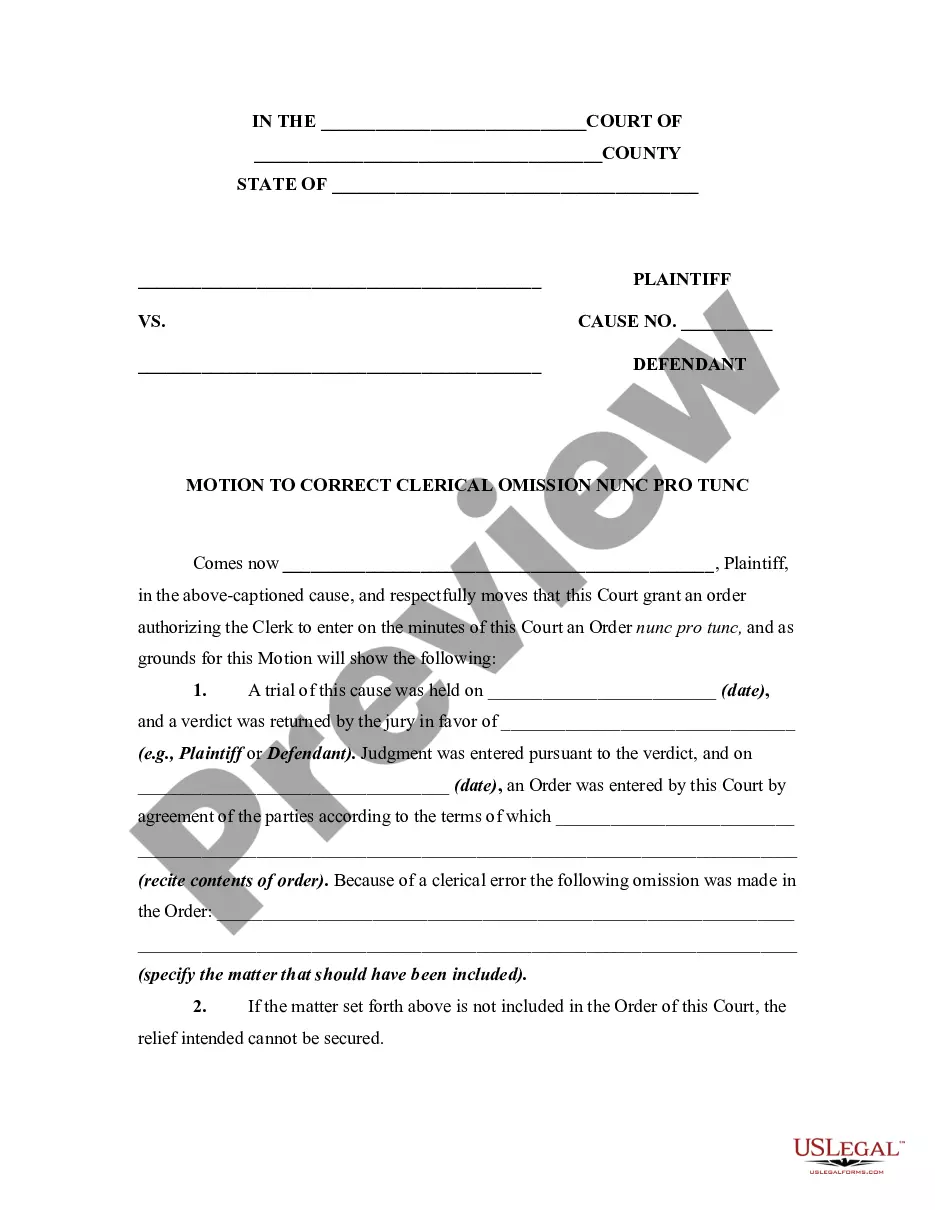
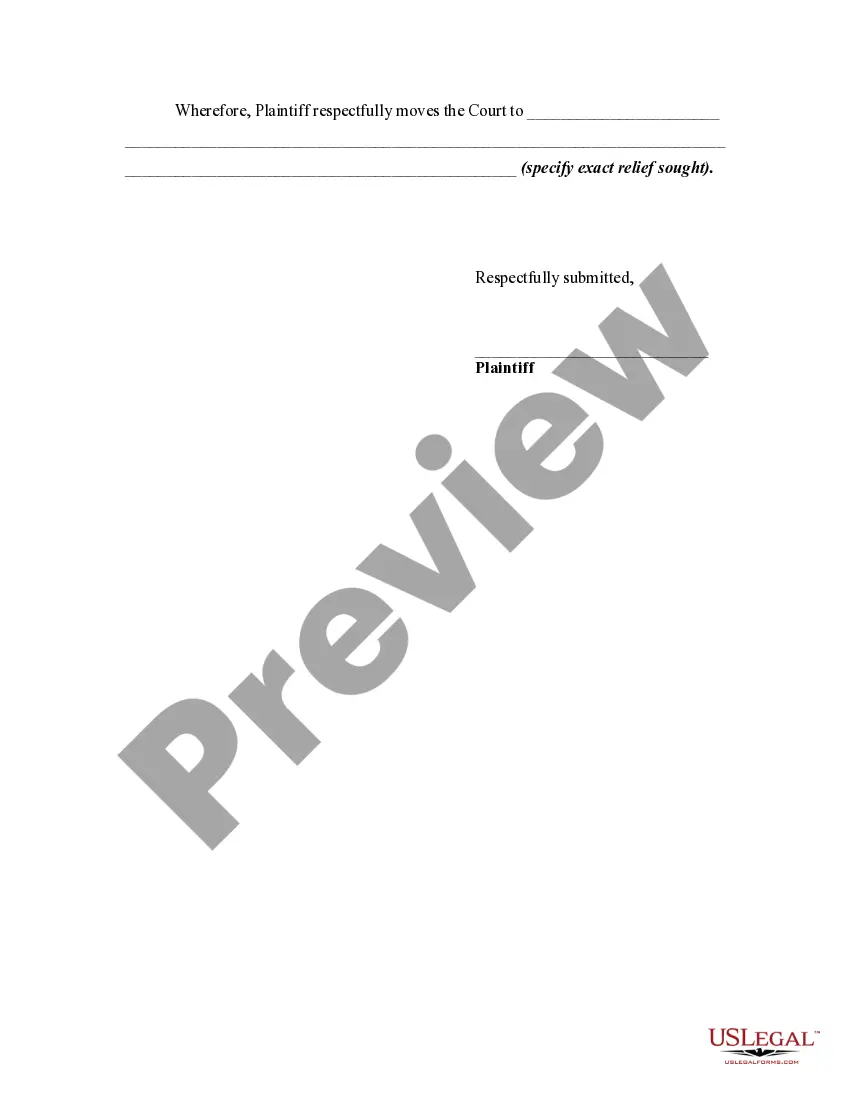
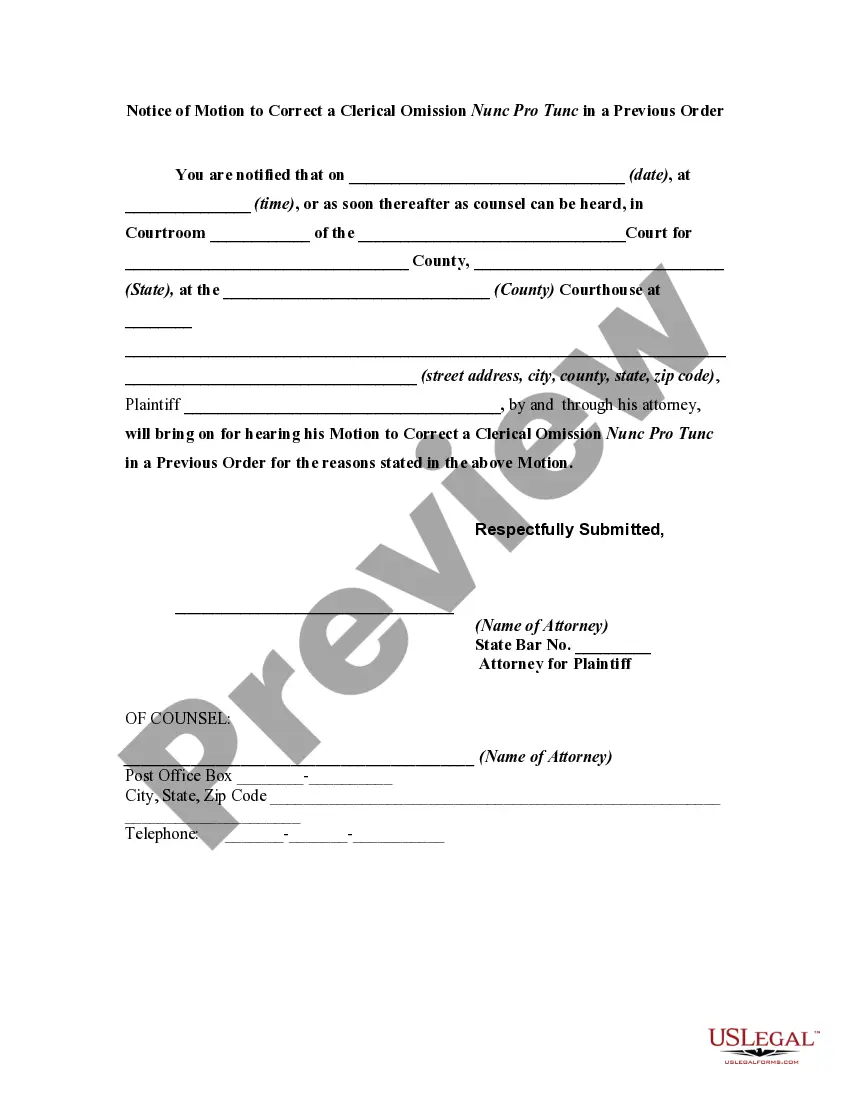
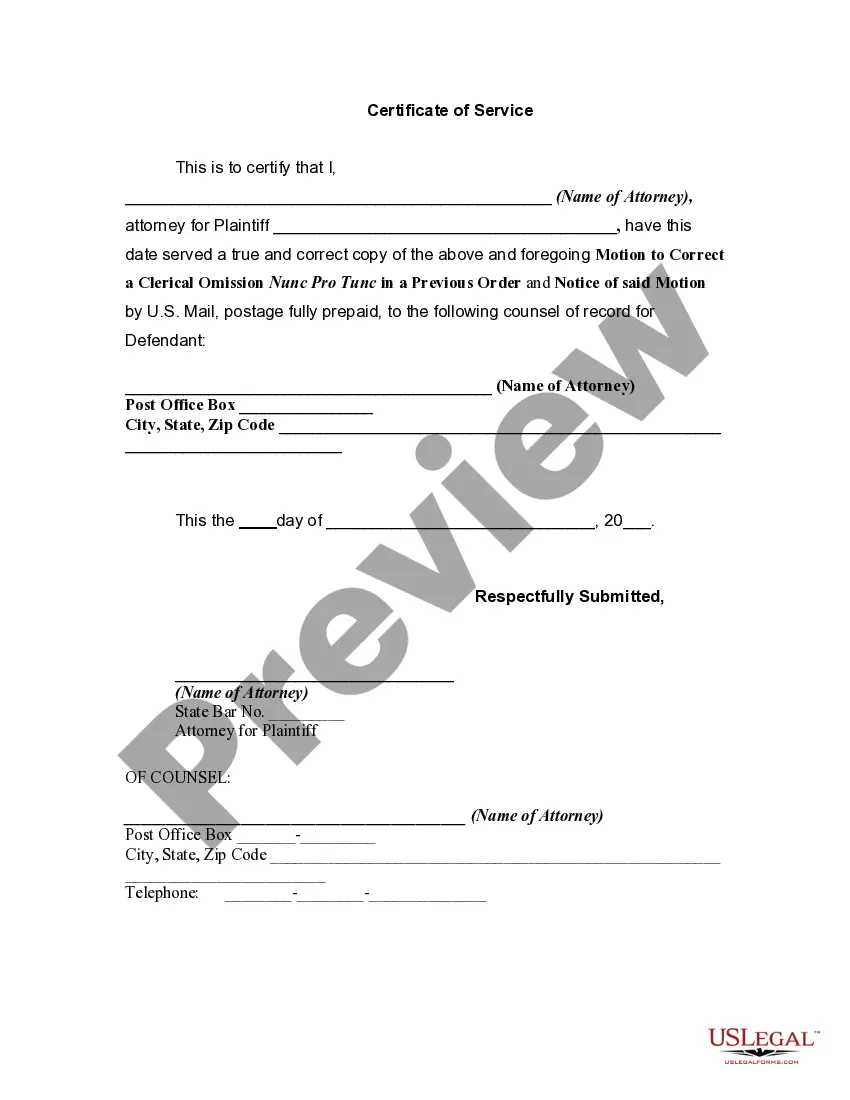
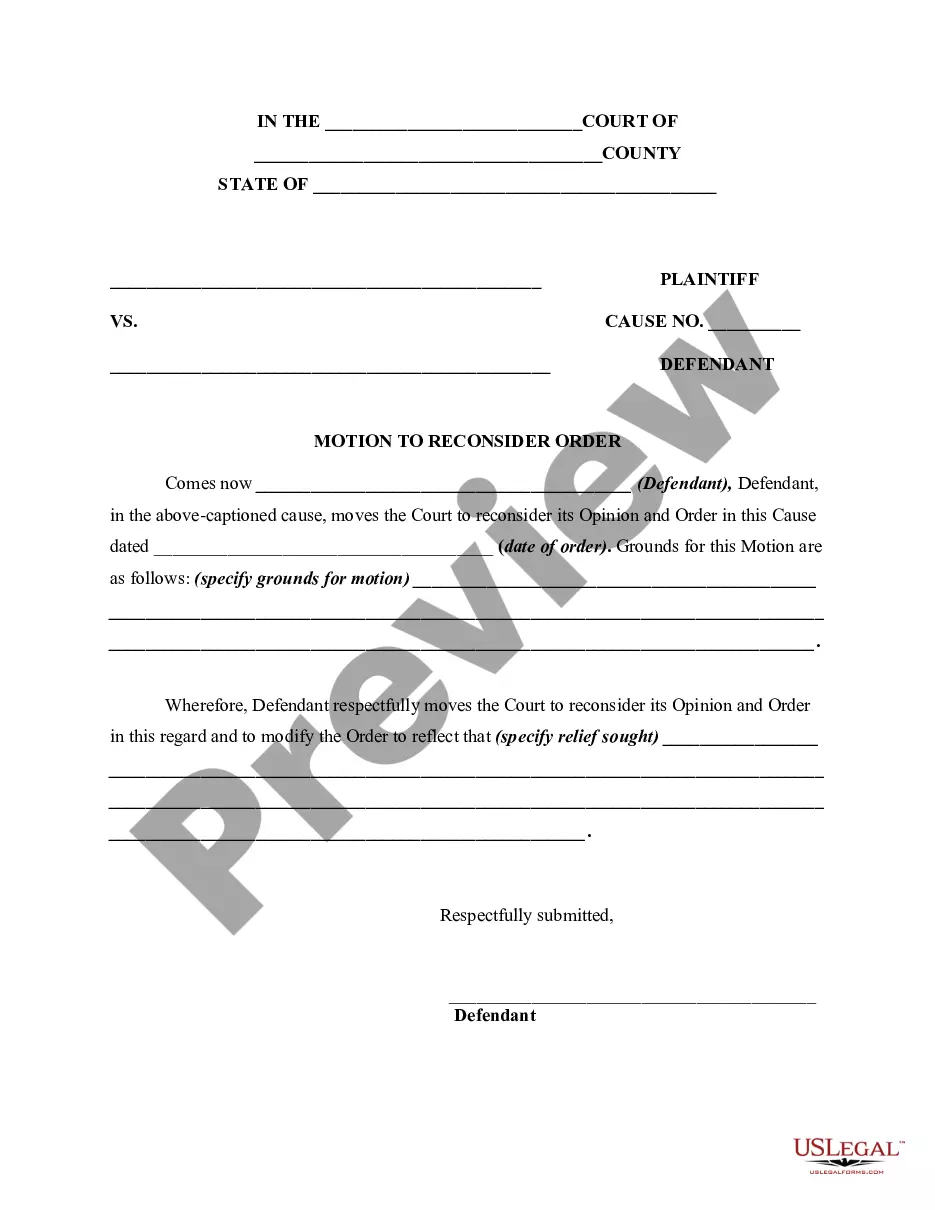
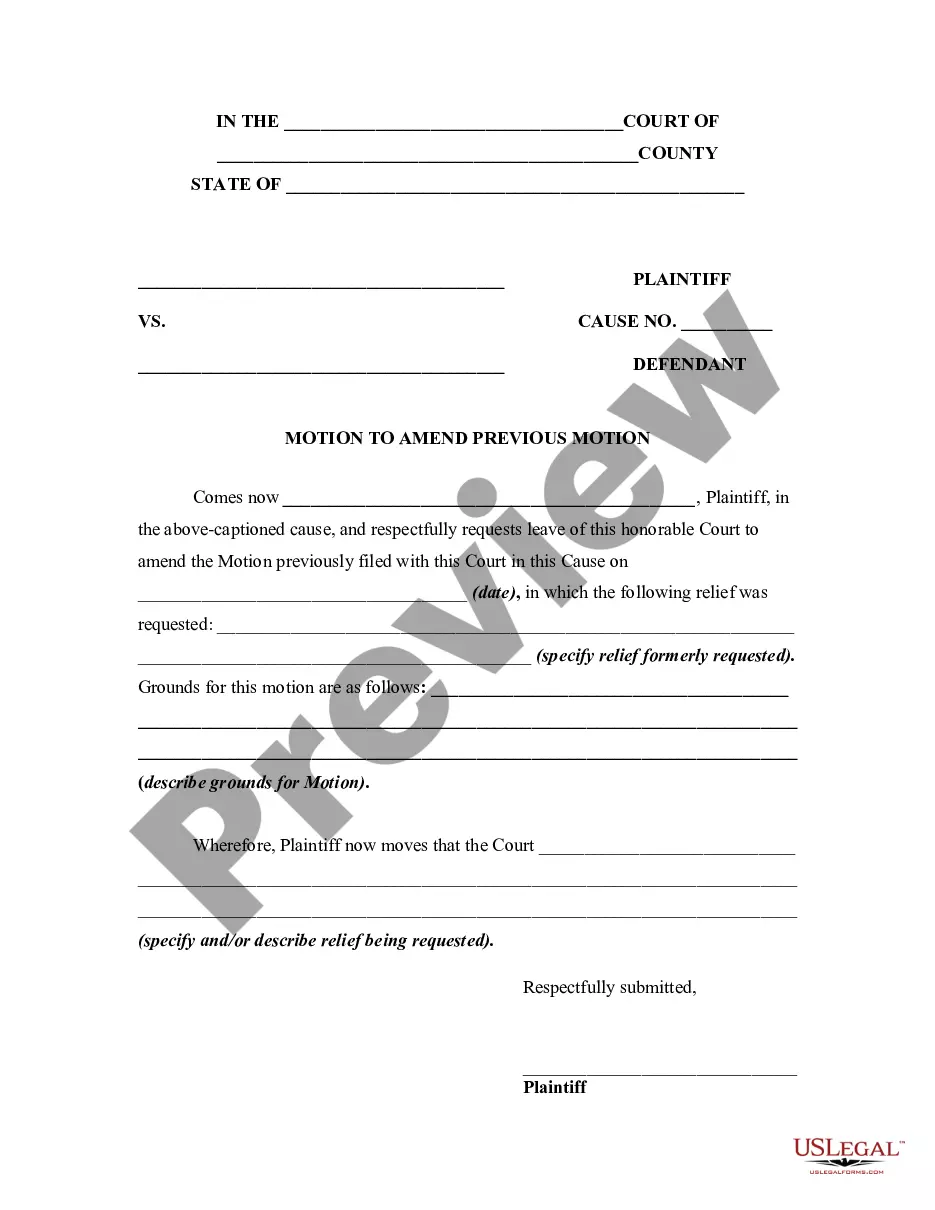
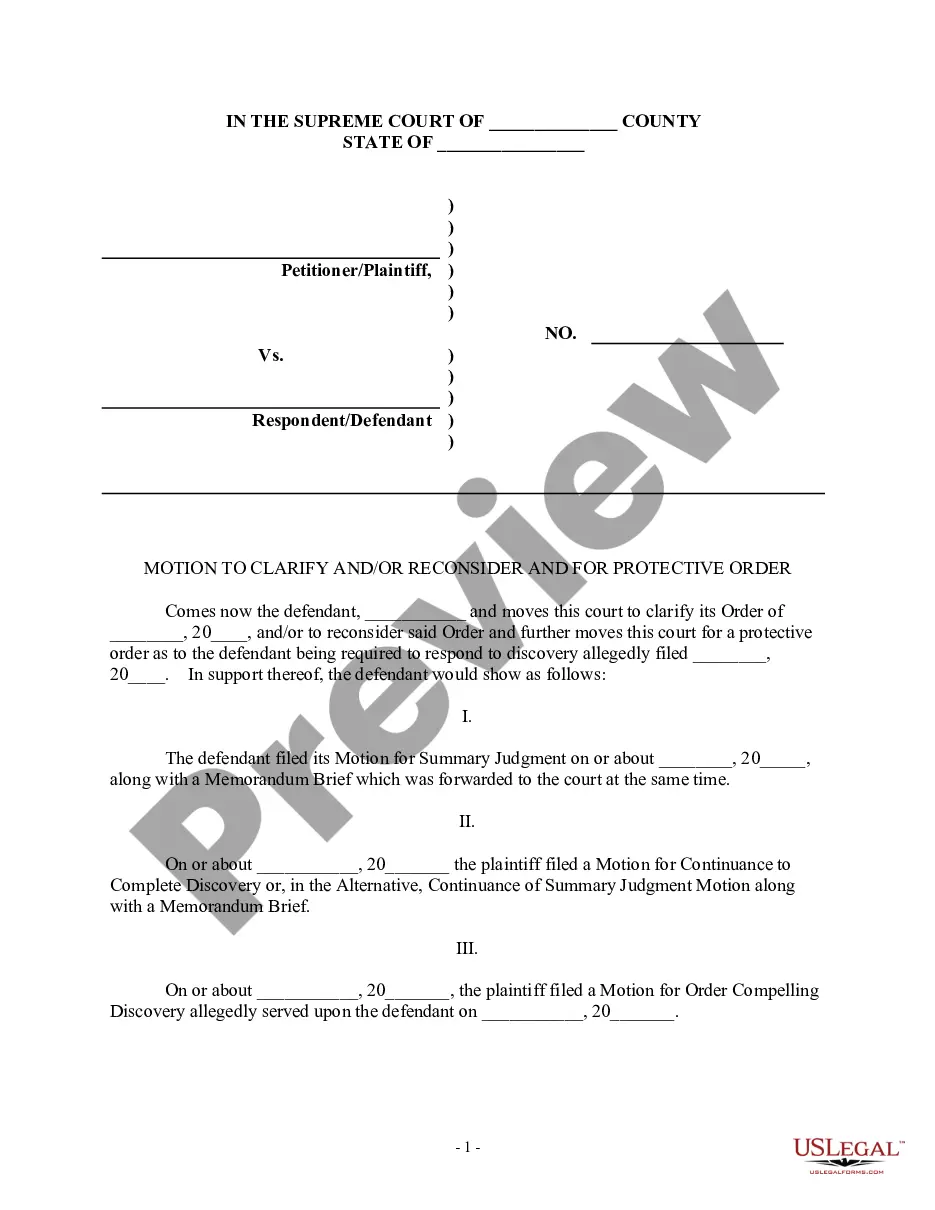

Get your form ready online
Our built-in tools help you complete, sign, share, and store your documents in one place.
Make edits, fill in missing information, and update formatting in US Legal Forms—just like you would in MS Word.
Download a copy, print it, send it by email, or mail it via USPS—whatever works best for your next step.
Sign and collect signatures with our SignNow integration. Send to multiple recipients, set reminders, and more. Go Premium to unlock E-Sign.
If this form requires notarization, complete it online through a secure video call—no need to meet a notary in person or wait for an appointment.
We protect your documents and personal data by following strict security and privacy standards.

Make edits, fill in missing information, and update formatting in US Legal Forms—just like you would in MS Word.

Download a copy, print it, send it by email, or mail it via USPS—whatever works best for your next step.

Sign and collect signatures with our SignNow integration. Send to multiple recipients, set reminders, and more. Go Premium to unlock E-Sign.

If this form requires notarization, complete it online through a secure video call—no need to meet a notary in person or wait for an appointment.

We protect your documents and personal data by following strict security and privacy standards.
Looking for another form?
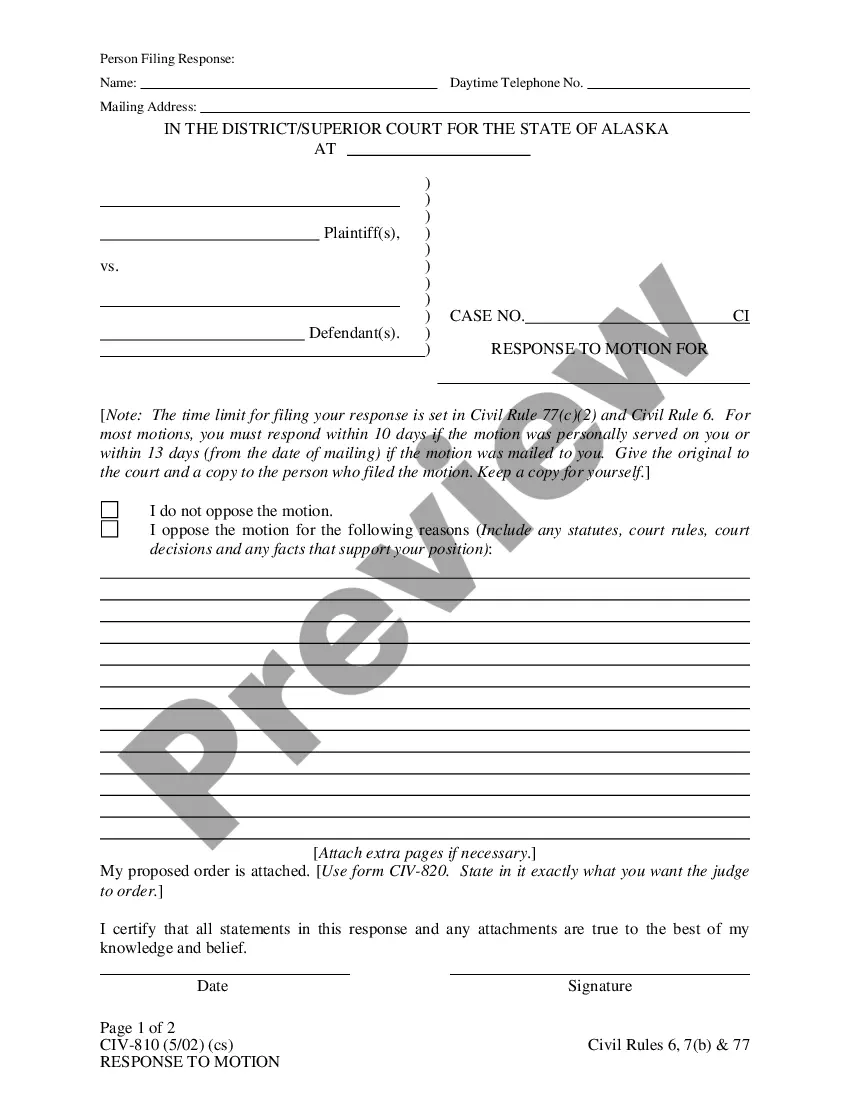
How to fill out Motion To Correct A Clerical Omission Nunc Pro Tunc In A Previous Order?
- Log in to your US Legal Forms account if you're a returning user. Ensure your subscription is active; otherwise, renew it based on your plan.
- For first-time users, start by reviewing the Preview mode and the form's description to confirm it fits your local jurisdiction requirements.
- If needed, utilize the Search feature to find another template that aligns with your needs.
- Once satisfied with your document choice, click on 'Buy Now' and select your preferred subscription plan. Registration for an account is necessary to access the full library.
- Complete your purchase by entering your payment information, either by credit card or PayPal.
- After your purchase, download the form to your device. You can also access it anytime from the 'My Forms' section of your profile.
In conclusion, US Legal Forms is your go-to solution for hassle-free legal documentation. By following these steps, you ensure that you have the right forms tailored to your needs with the support of premium experts available. Don't hesitate—start your journey with US Legal Forms today!
Simplify your legal document needs and explore the extensive resources at US Legal Forms!
Form popularity
FAQ
Nunc pro tunc regulations are procedural rules defining how courts and agencies can correct past orders or records. These regulations ensure a fair process, giving parties the opportunity to rectify errors without unjust prejudice. Understanding these regulations is key; thus, always remember that aligning with ‘Nunc tempus acceptable’ can prevent delays and promote speedy resolutions.
To file a nunc pro tunc motion with USCIS, submit Form I-290B along with all supporting documentation that explains the reason for the error. Make sure to articulate your case clearly and provide any necessary evidence that showcases the importance of your request. Adhering to the ‘Nunc tempus acceptable’ philosophy in your application could significantly enhance the processing of your motion.
An example of a nunc pro tunc situation could involve a court judgment that includes a date error. For instance, if a court ruling was made on January 1 but mistakenly recorded as January 10, a party could file a nunc pro tunc motion to correct that date. This correction emphasizes the idea that these resolutions adhere to the ‘Nunc tempus acceptable’ standard, ensuring accuracy in legal documentation.
The nunc pro tunc response refers to how a party addresses a nunc pro tunc motion submitted to the court. Responding efficiently is essential, as the court focuses on the specifics of the claimed error and the supporting documentation. By providing a clear and concise response, you align with the concept of ‘Nunc tempus acceptable’ and exemplify your commitment to resolving the issue at hand.
The nunc pro tunc requirement involves ensuring all necessary information and evidence accompany the motion. This includes a clear demonstration of why the action or order initially was not executed as intended. Therefore, if you follow the principle of ‘Nunc tempus acceptable,’ you will have a better chance of fulfilling the court's expectations and securing a favorable outcome.
To establish nunc pro tunc, the parties must show that the original order or judgment had a missing element due to an oversight or clerical error. Additionally, the applicant must provide supporting documentation that clearly demonstrates the intent of the initial order. Since the mantra of ‘Nunc tempus acceptable’ reflects timeliness, courts require prompt filing of the nunc pro tunc request to remedy the error.