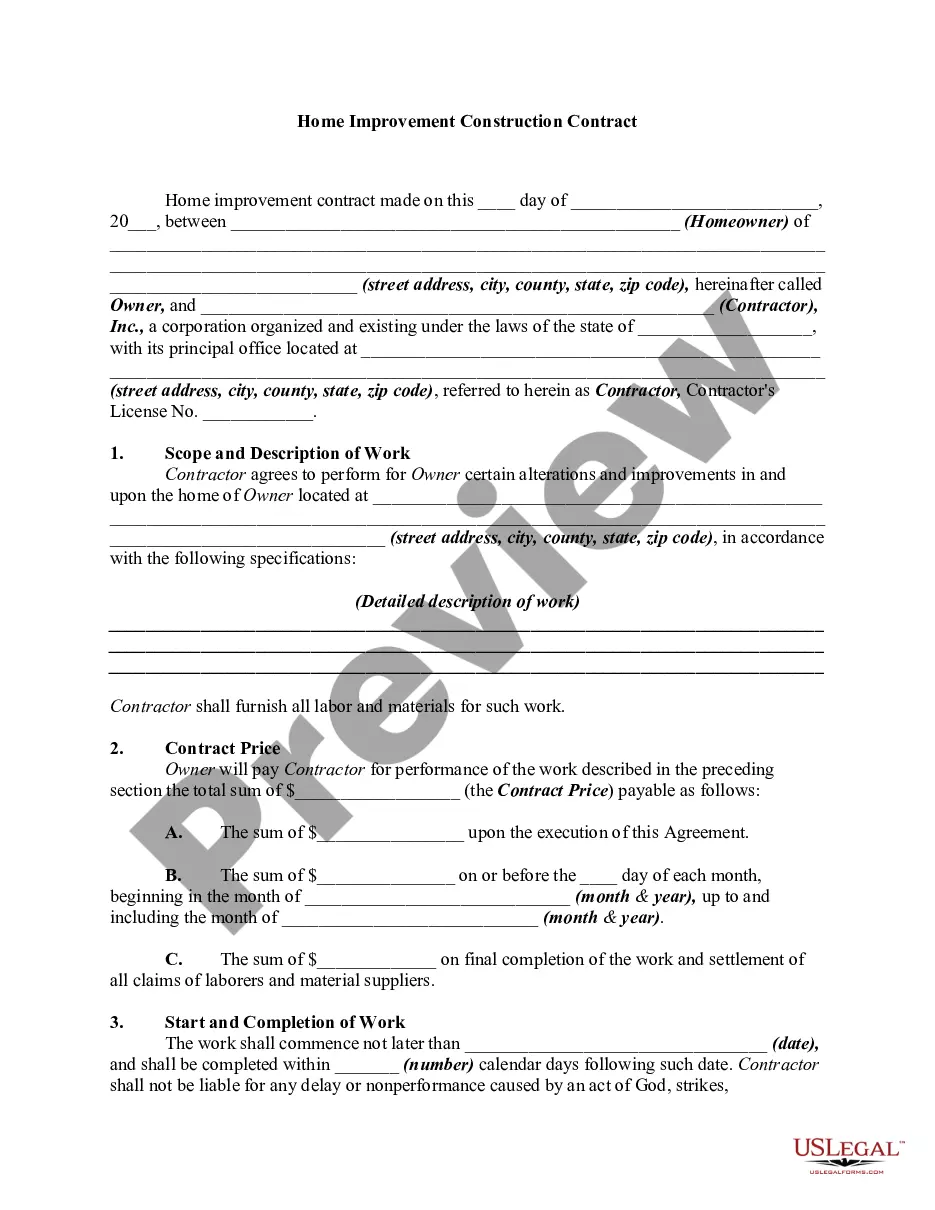
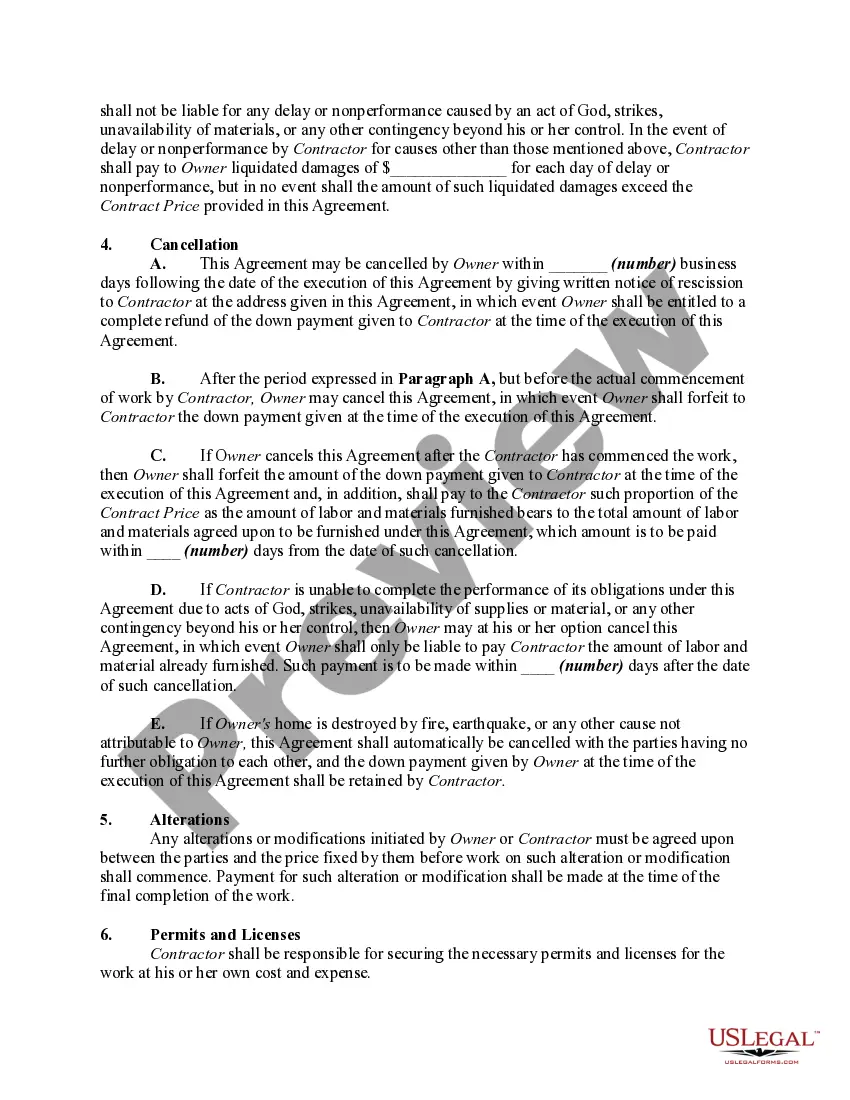
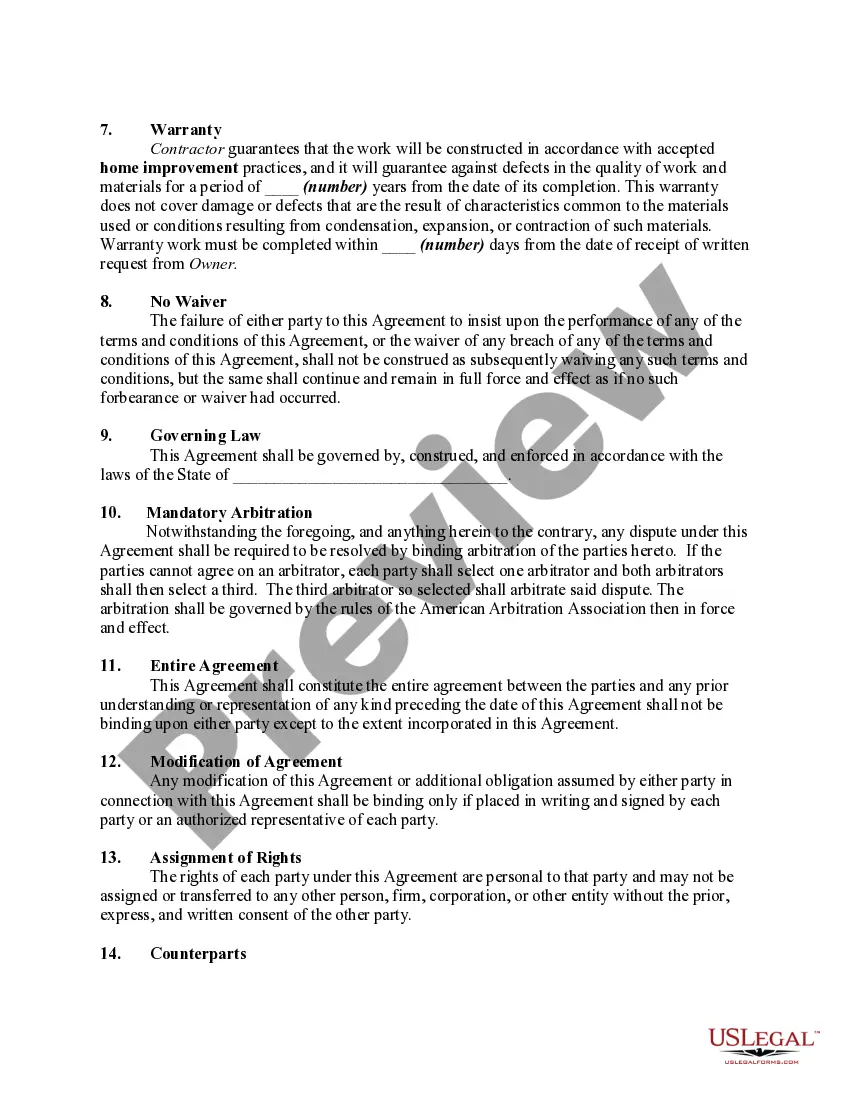
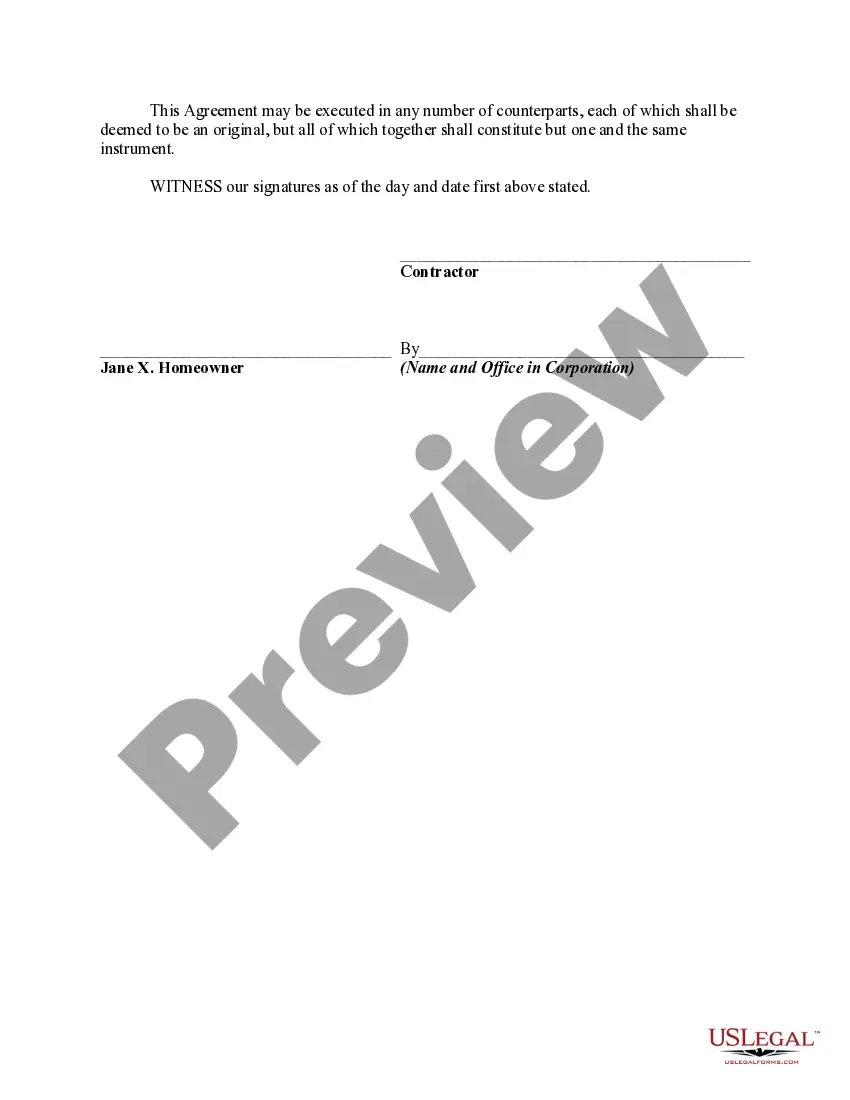
Remodeling Contract With The Owner
Description
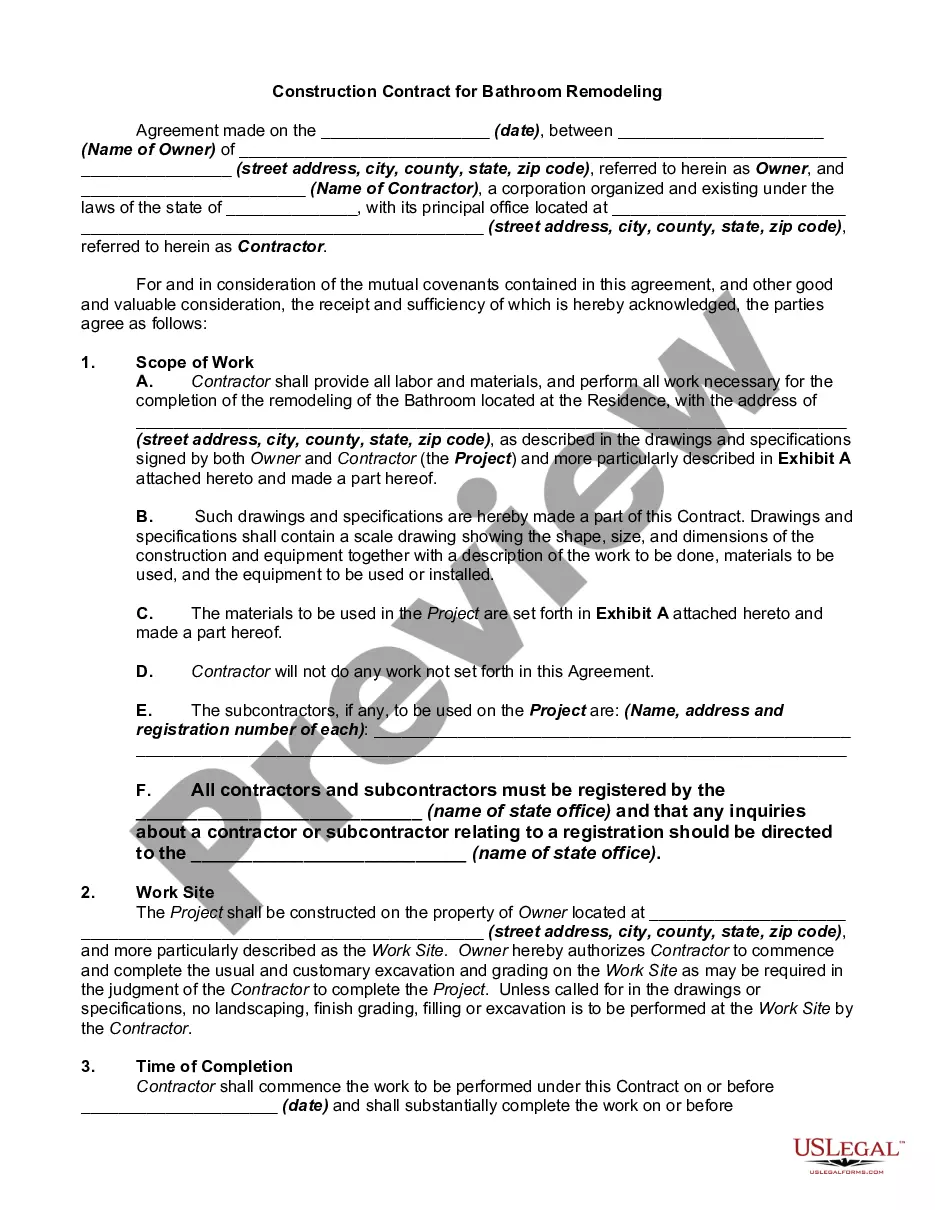
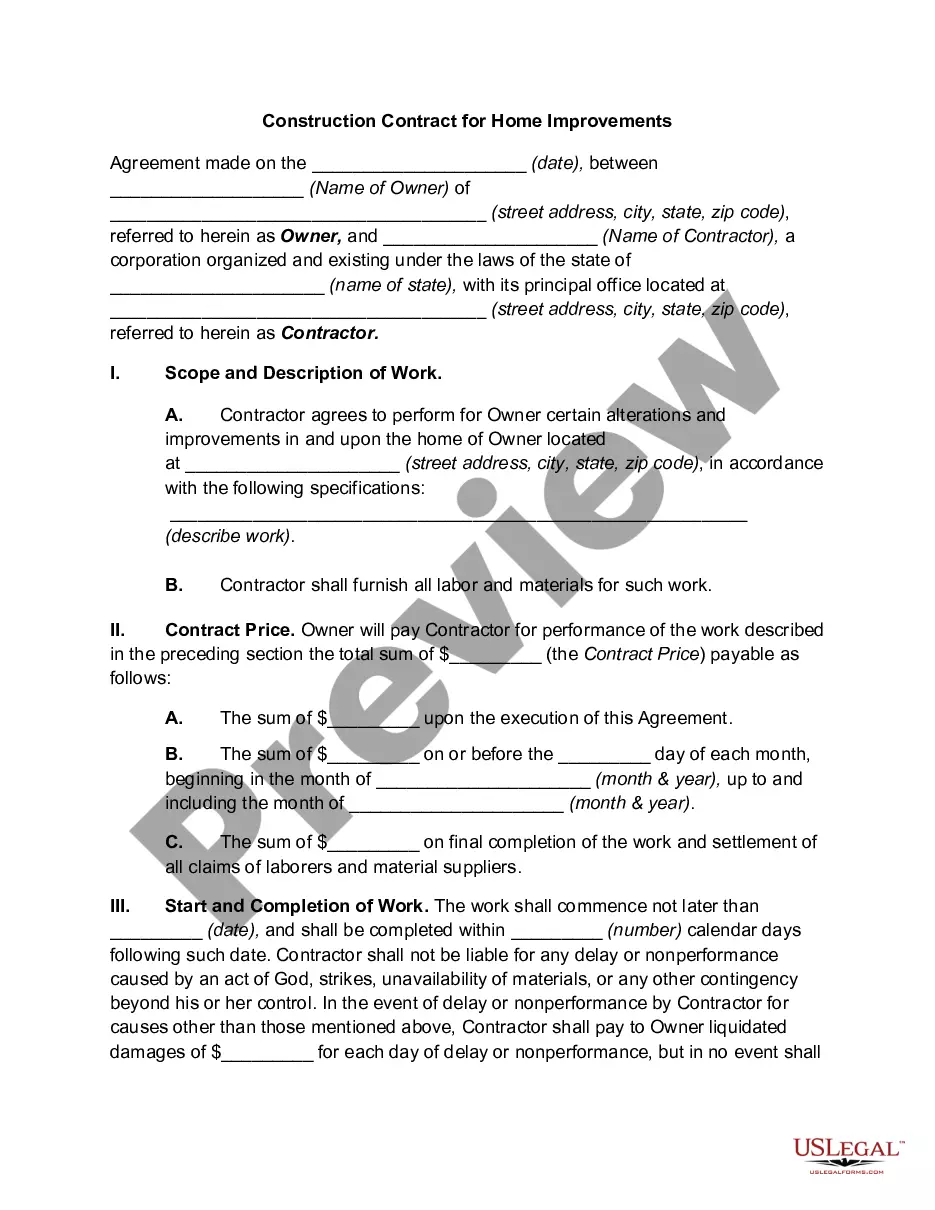
Get your form ready online
Our built-in tools help you complete, sign, share, and store your documents in one place.
Make edits, fill in missing information, and update formatting in US Legal Forms—just like you would in MS Word.
Download a copy, print it, send it by email, or mail it via USPS—whatever works best for your next step.
Sign and collect signatures with our SignNow integration. Send to multiple recipients, set reminders, and more. Go Premium to unlock E-Sign.
If this form requires notarization, complete it online through a secure video call—no need to meet a notary in person or wait for an appointment.
We protect your documents and personal data by following strict security and privacy standards.

Make edits, fill in missing information, and update formatting in US Legal Forms—just like you would in MS Word.

Download a copy, print it, send it by email, or mail it via USPS—whatever works best for your next step.

Sign and collect signatures with our SignNow integration. Send to multiple recipients, set reminders, and more. Go Premium to unlock E-Sign.

If this form requires notarization, complete it online through a secure video call—no need to meet a notary in person or wait for an appointment.

We protect your documents and personal data by following strict security and privacy standards.
Looking for another form?


How to fill out Home Improvement Or Remodeling Construction Contract?
- If you're already a US Legal Forms user, log in to your account and download the remodeling contract template by clicking the Download button, ensuring that your subscription is active.
- For first-time users, start by browsing the extensive library. Review the preview and description of the remodeling contract to confirm it fits your jurisdiction's requirements.
- Utilize the Search feature if your initial choice does not meet your expectations, and find a template that matches your specific needs.
- Proceed to purchase your chosen document by clicking the Buy Now button and select a subscription plan that works for you. User account registration is necessary for full access.
- Complete your purchase by entering your payment information, either through credit card or PayPal, to finalize your subscription.
- Download your remodeling contract form to your device. Access it anytime through the My Forms section of your profile.
In conclusion, using US Legal Forms to create a remodeling contract with the owner ensures you have access to a comprehensive and legally sound document. The service not only provides a vast array of forms but also the means to consult with legal experts for assistance if needed.
Start your journey to stress-free remodeling projects with US Legal Forms today!
Form popularity
FAQ
To write an effective remodeling contract with the owner, start by clearly describing the project scope, deadlines, and payment terms. Specify materials, work schedules, and responsibilities to avoid future disputes. Utilizing a legal platform, like uslegalforms, can help you create a comprehensive and enforceable remodeling contract.
A contractor contract can be voided due to non-performance, illegal actions, or mutual rescission. If a contractor fails to complete the project as agreed or if the contract is based on false information, it may become void. Understanding these factors can help you navigate potential disputes.
When drafting a remodeling contract with the owner, avoid vague language, unclear obligations, and missing deadlines. It's important to clearly outline the scope of work, payment terms, and deadlines to prevent misunderstandings. Additionally, make sure to stay compliant with local laws to minimize risks.
A contract is legally invalid if it contains no mutual agreement or clear terms. It can also be invalid if it involves illegal services or if any party lacked the legal capacity to enter the agreement. Ensuring clarity and legality is crucial in drafting a remodeling contract with the owner.
A construction contract with the owner is void when it lacks essential elements like offer, acceptance, and consideration. If one party lacks the capacity to enter a contract, such as being a minor or mentally incompetent, that can also render it void. Understanding these aspects helps both contractors and owners avoid potential legal issues.
A contract can be void if it involves illegal activities, lacks capacity from one or more parties, or was formed under duress. For example, if a remodeling contract with the owner is based on fraud or misrepresentation, it becomes unenforceable. It is crucial to ensure that all parties have the legal capacity to contract to avoid these pitfalls.
A construction contract with the owner can be terminated through mutual agreement, completion of the work, or breach of contract. In some cases, an owner may terminate the contract if the contractor fails to meet obligations. Additionally, construction contracts often specify circumstances under which termination is allowed, such as delays or inadequate performance.
When structuring an independent contractor agreement, start with a title and introduction that identifies the parties involved. Next, outline the work details, payment terms, and timelines. Additionally, include clauses addressing termination, confidentiality, and dispute resolution, ensuring a comprehensive remodeling contract with the owner.
The 2-year contractor rule refers to a guideline that determines how long a contractor must retain project documentation and contracts, such as a remodeling contract with the owner. This period is essential for tax filings and legal purposes. Following this rule helps streamline potential audits or disputes regarding the work performed.
To write an effective independent contractor agreement, start by detailing the scope of work and payment terms. Next, include expectations for communication, timelines, and any necessary permits or licenses. Finally, make sure to state confidentiality and dispute resolution processes to protect both parties involved in the remodeling contract with the owner.