Motion Court Criminal For Rwanda
Description
Get your form ready online
Our built-in tools help you complete, sign, share, and store your documents in one place.
Make edits, fill in missing information, and update formatting in US Legal Forms—just like you would in MS Word.
Download a copy, print it, send it by email, or mail it via USPS—whatever works best for your next step.
Sign and collect signatures with our SignNow integration. Send to multiple recipients, set reminders, and more. Go Premium to unlock E-Sign.
If this form requires notarization, complete it online through a secure video call—no need to meet a notary in person or wait for an appointment.
We protect your documents and personal data by following strict security and privacy standards.

Make edits, fill in missing information, and update formatting in US Legal Forms—just like you would in MS Word.

Download a copy, print it, send it by email, or mail it via USPS—whatever works best for your next step.

Sign and collect signatures with our SignNow integration. Send to multiple recipients, set reminders, and more. Go Premium to unlock E-Sign.

If this form requires notarization, complete it online through a secure video call—no need to meet a notary in person or wait for an appointment.

We protect your documents and personal data by following strict security and privacy standards.
Looking for another form?
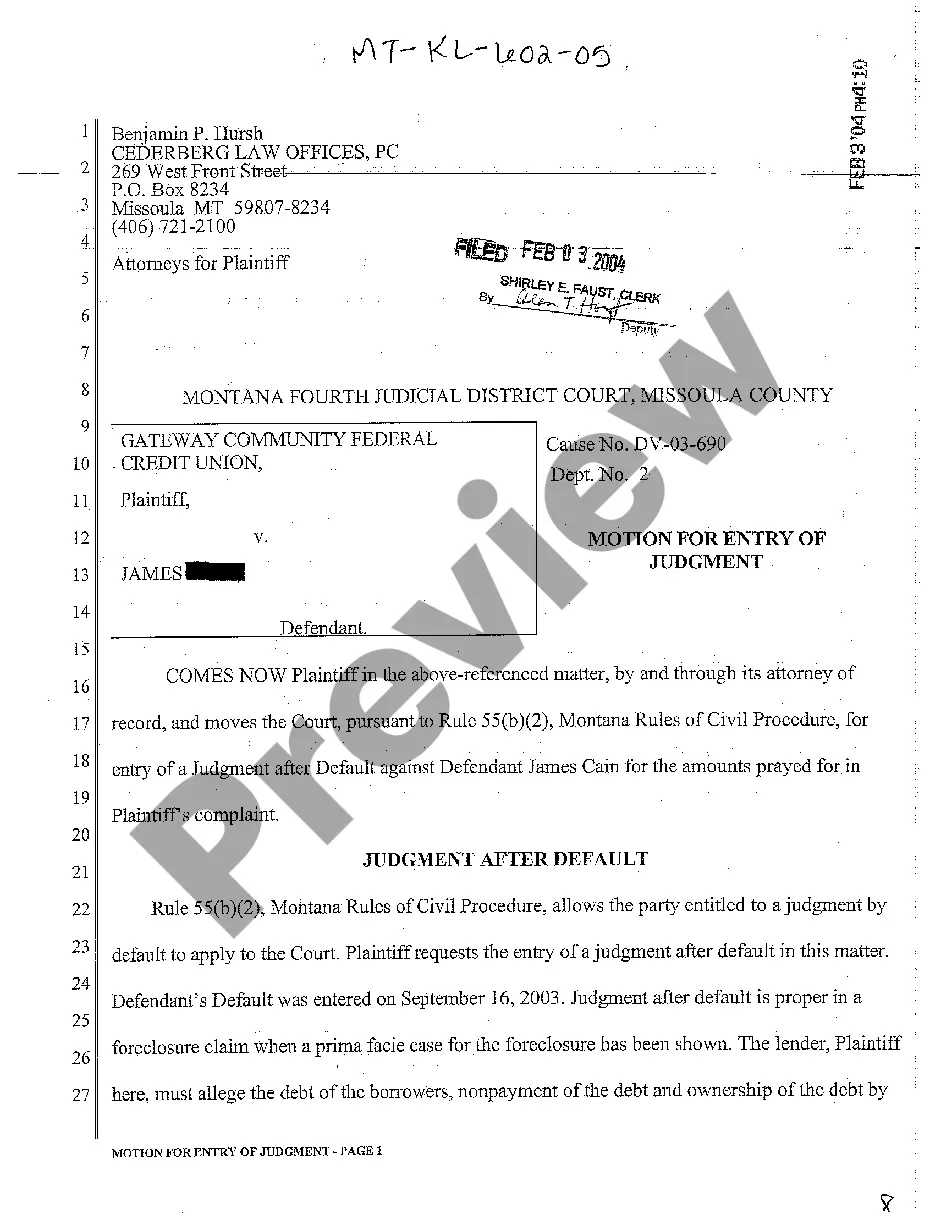



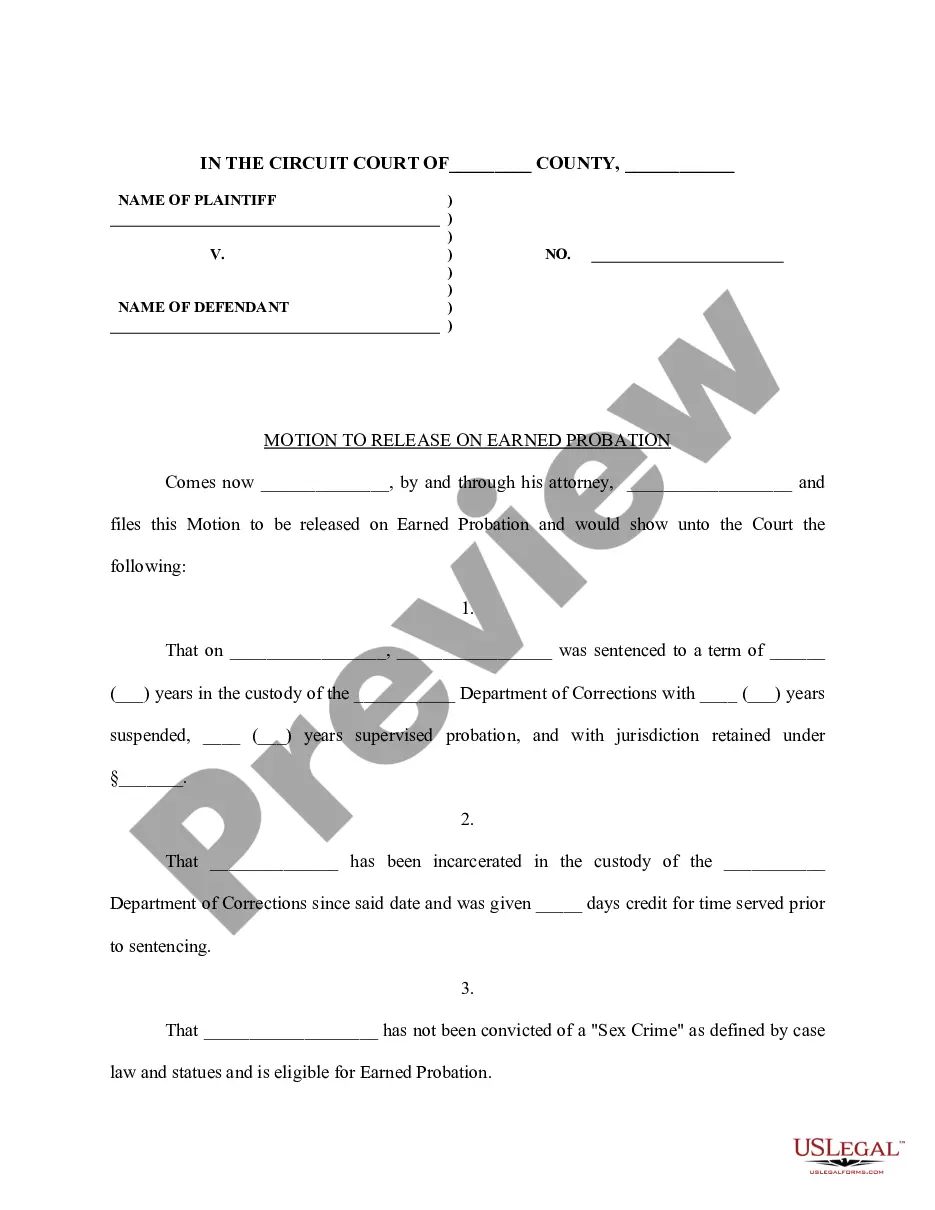
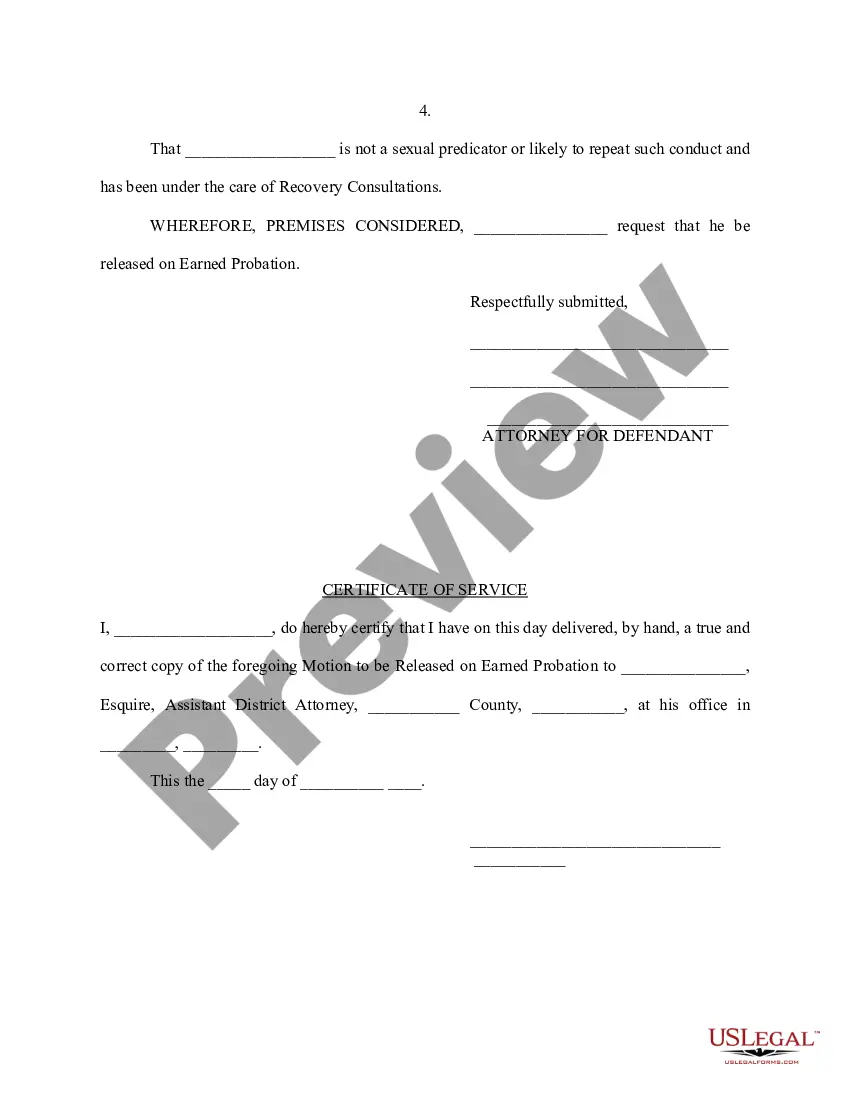
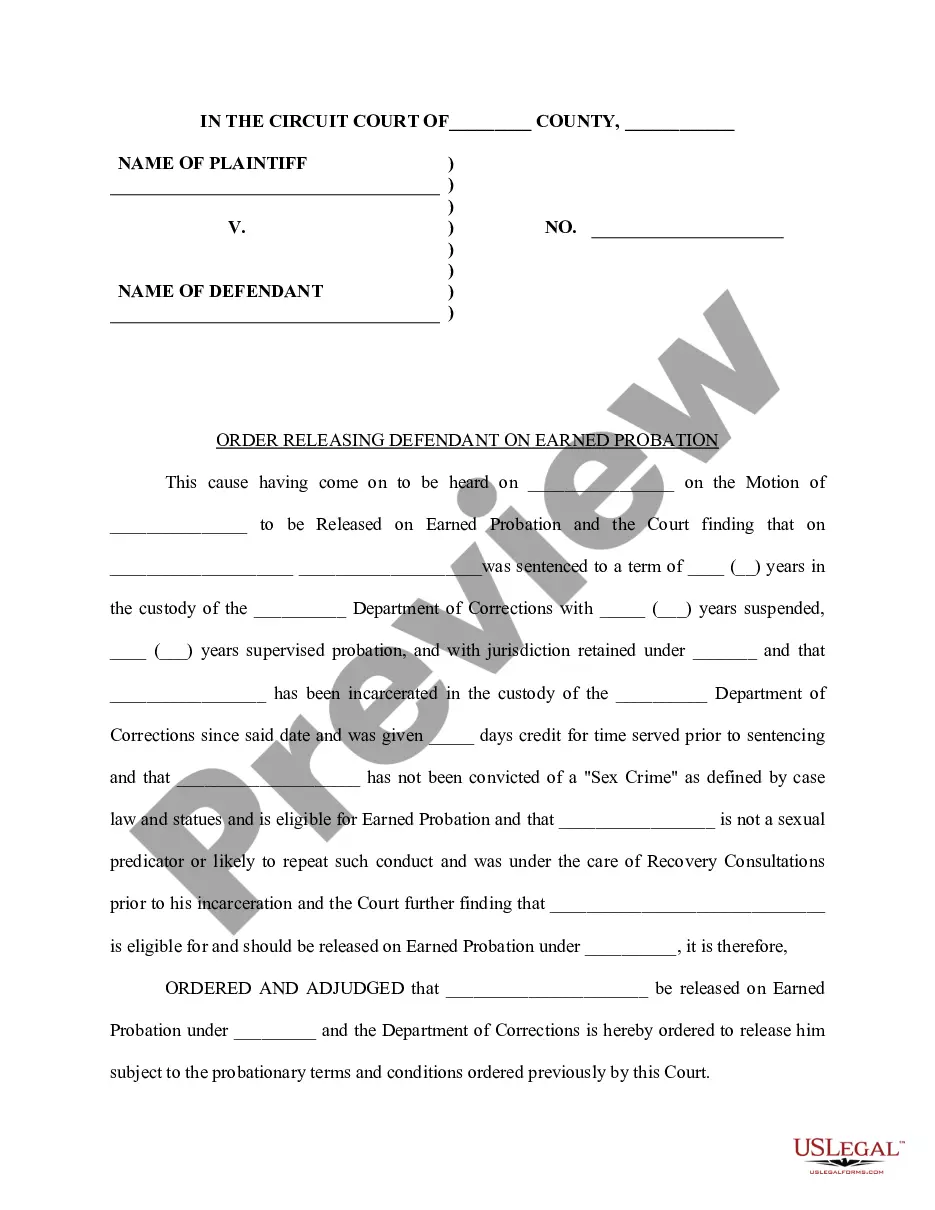
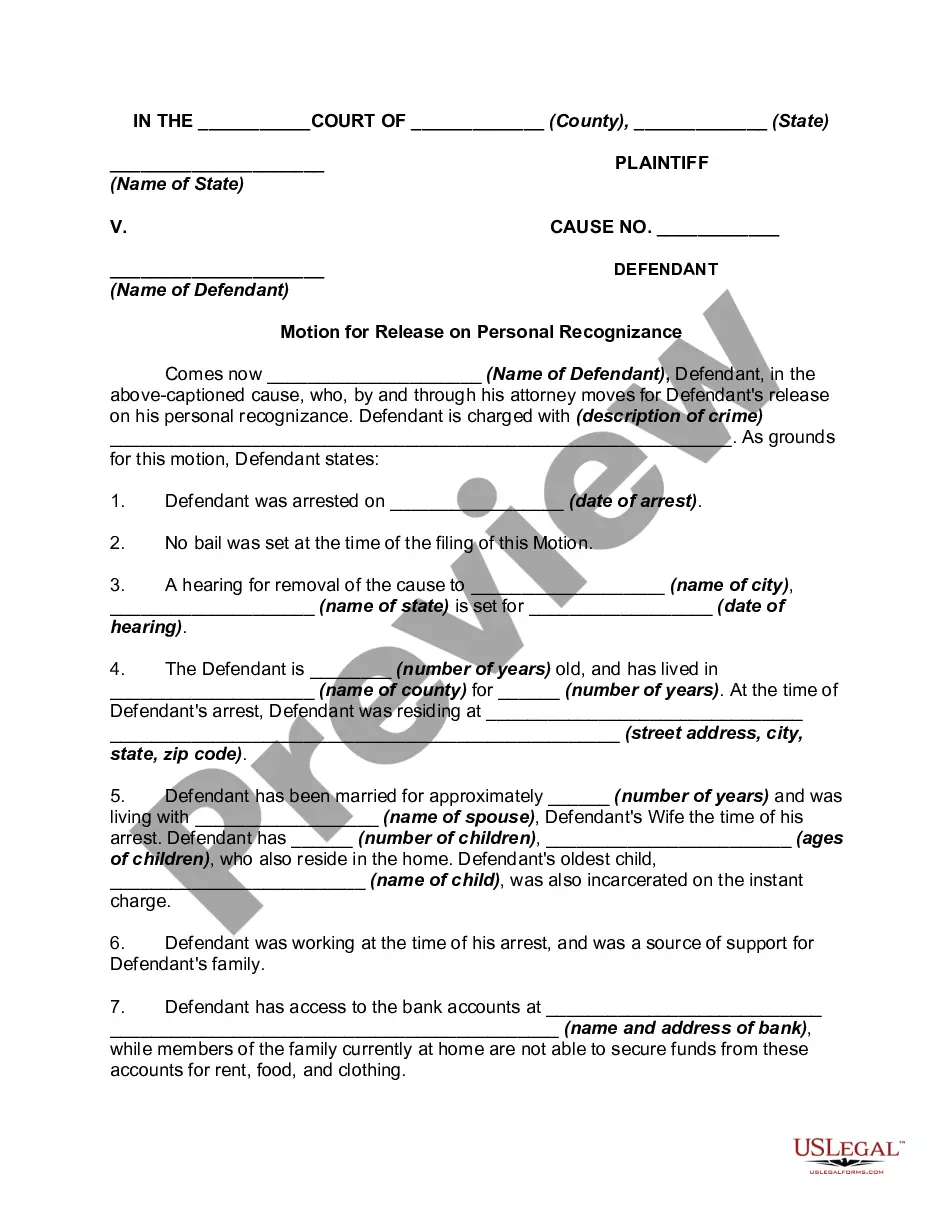
How to fill out Motion To Release On Earned Probation?
Regardless of whether for professional reasons or for personal matters, everyone must confront legal circumstances at some point in their life.
Filling out legal documents requires meticulous care, starting with selecting the correct template sample.
With a comprehensive US Legal Forms catalog available, you don’t need to waste time searching for the correct sample online. Use the library’s straightforward navigation to locate the suitable template for any circumstance.
- For example, if you choose an incorrect version of a Motion Court Criminal For Rwanda, it will be rejected upon submission.
- Thus, it is essential to have a trustworthy source of legal documents like US Legal Forms.
- To obtain a Motion Court Criminal For Rwanda sample, follow these simple steps.
- Locate the sample you require by utilizing the search bar or catalog browsing.
- Review the form’s details to ensure it aligns with your case, jurisdiction, and county.
- Click on the form’s preview to examine it.
- If it is not the right form, return to the search option to find the Motion Court Criminal For Rwanda sample you need.
- Download the document when it meets your specifications.
- If you already possess a US Legal Forms account, simply click Log in to access previously stored documents in My documents.
- If you do not yet have an account, you can download the form by clicking Buy now.
- Select the appropriate pricing choice.
- Complete the account registration form.
- Choose your payment method: use a credit card or PayPal account.
- Select the file format you desire and download the Motion Court Criminal For Rwanda.
- Once saved, you can fill out the form using editing software or print it and complete it by hand.
Form popularity
FAQ
On 1 October, Rwanda commemorates the beginning of the liberation struggle that ultimately led to the end of the genocide in 1994. This day marks an important historical moment for the nation, reflecting on themes of resilience and unity. For those interested in motion court criminal for Rwanda, recognizing such commemorative events can provide deeper insight into the socio-legal context of Rwandan society.
The jurisdiction of the International Criminal Tribunal for Rwanda covers serious violations of international humanitarian law, including genocide, crimes against humanity, and war crimes committed in Rwanda during the 1994 genocide. This jurisdiction allows the tribunal to hold accountable those responsible for heinous acts. For individuals seeking information on motion court criminal for Rwanda, understanding this jurisdiction is vital for navigating the legal processes.
The significance of the International Criminal Tribunal for Rwanda lies in its role in the fight against impunity for serious crimes under international law. It established important legal precedents and highlighted the importance of accountability for atrocities. Engaging with the tribunal's impact is essential for those involved in motion court criminal for Rwanda, as it underscores the importance of justice in post-conflict societies.
The Judgement of the International Criminal Tribunal for Rwanda consists of verdicts delivered by the tribunal following trials of individuals accused of genocide and related offenses. These judgments include findings of guilt or innocence, setting important legal standards. For anyone exploring motion court criminal for Rwanda, reviewing these judgments can provide critical context for understanding the legal framework and its implications.
Yes, the International Criminal Tribunal for Rwanda achieved significant milestones in international law and justice. It successfully prosecuted numerous high-profile figures, contributing to the establishment of a legal precedent for addressing genocide. The tribunal's accomplishments are relevant for those interested in motion court criminal for Rwanda, as they demonstrate the effectiveness of legal interventions in promoting justice.
The International Criminal Tribunal for Rwanda (ICTR) is a body established by the United Nations to prosecute individuals for genocide and related crimes committed during the 1994 Rwandan genocide. It played a crucial role in promoting accountability and justice in the aftermath of horrific events. If you are looking into motion court criminal for Rwanda, familiarizing yourself with the ICTR's function can provide valuable insights into Rwanda's legal landscape.
The Statute of the International Criminal Tribunal for Rwanda, established on 8 November 1994, outlines the legal framework for prosecuting individuals responsible for genocide and other serious violations of international humanitarian law in Rwanda. This statute serves as a foundation for the tribunal's operations and defines the crimes within its jurisdiction. Understanding this statute is essential for those interested in motion court criminal for Rwanda, as it sets the precedent for legal proceedings.
Reporting to the International Court of Justice (ICJ) requires a formal application that outlines the legal basis for the case. Unlike the ICC, the ICJ primarily handles disputes between states rather than individual criminal cases. Familiarizing yourself with the Motion court criminal for Rwanda can provide context for your application. For guidance on legal documentation, consider using US Legal Forms to assist in your submission.
The ICC investigates serious crimes, including genocide, war crimes, and crimes against humanity. Additionally, it can examine cases of aggression when they meet specific criteria. Knowing how the Motion court criminal for Rwanda intersects with these crimes can inform your understanding of the ICC's role. For more detailed information, you can explore resources available through US Legal Forms.
Yes, individuals can report someone to the ICC if they believe that person has committed a crime under its jurisdiction. The report must be well-documented, providing clear evidence and context about the alleged offenses. Understanding the nuances of the Motion court criminal for Rwanda is crucial in this process. To assist you in gathering the necessary documents, US Legal Forms offers reliable legal resources.