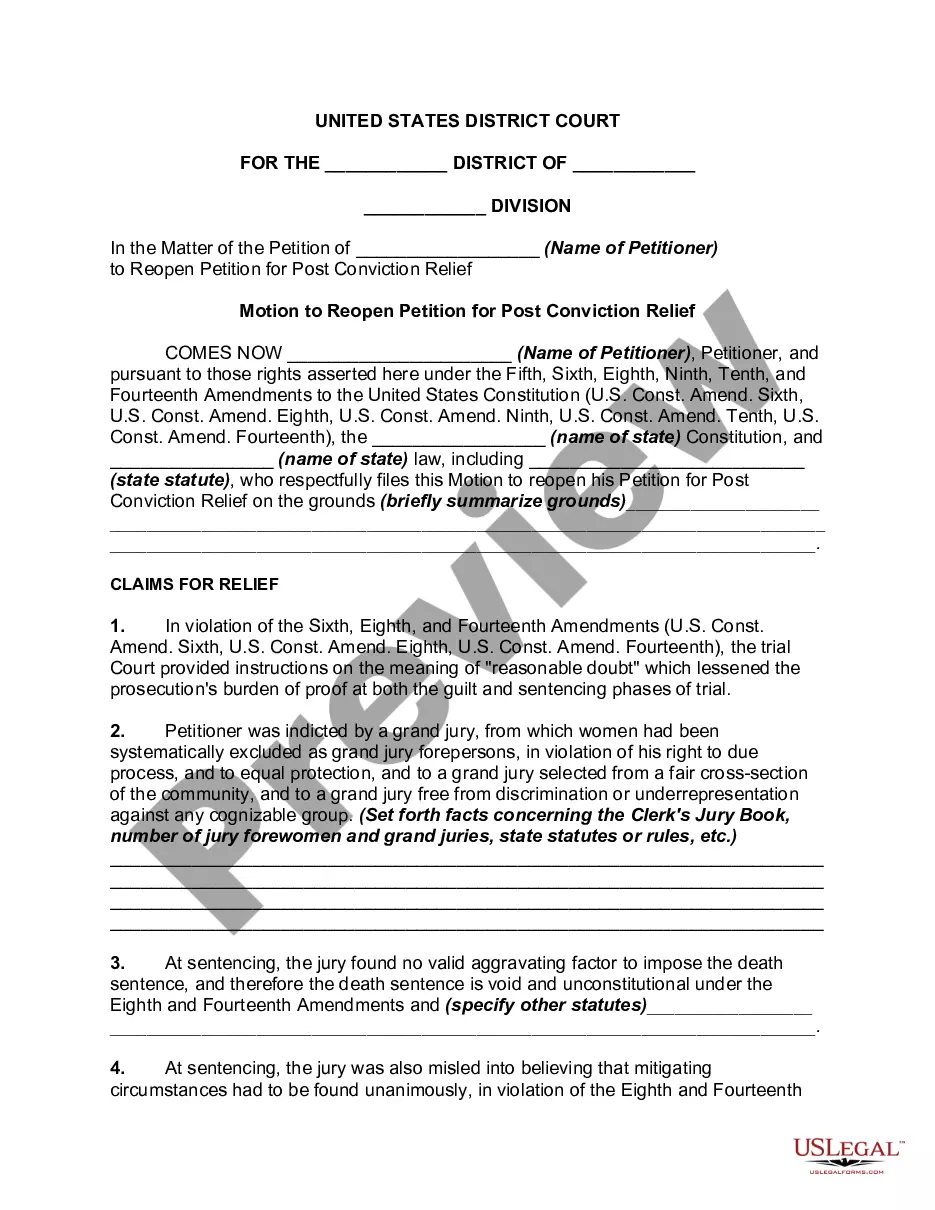
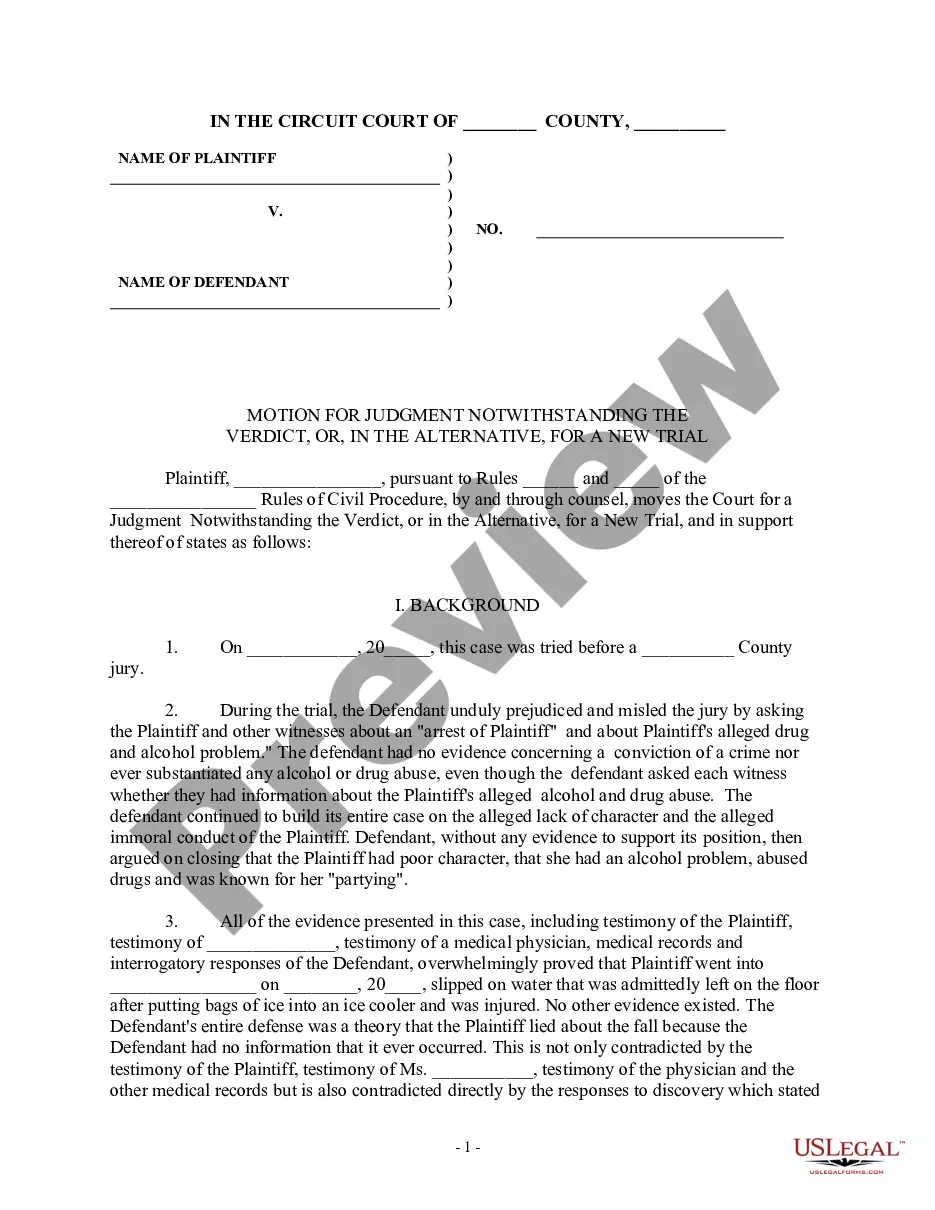
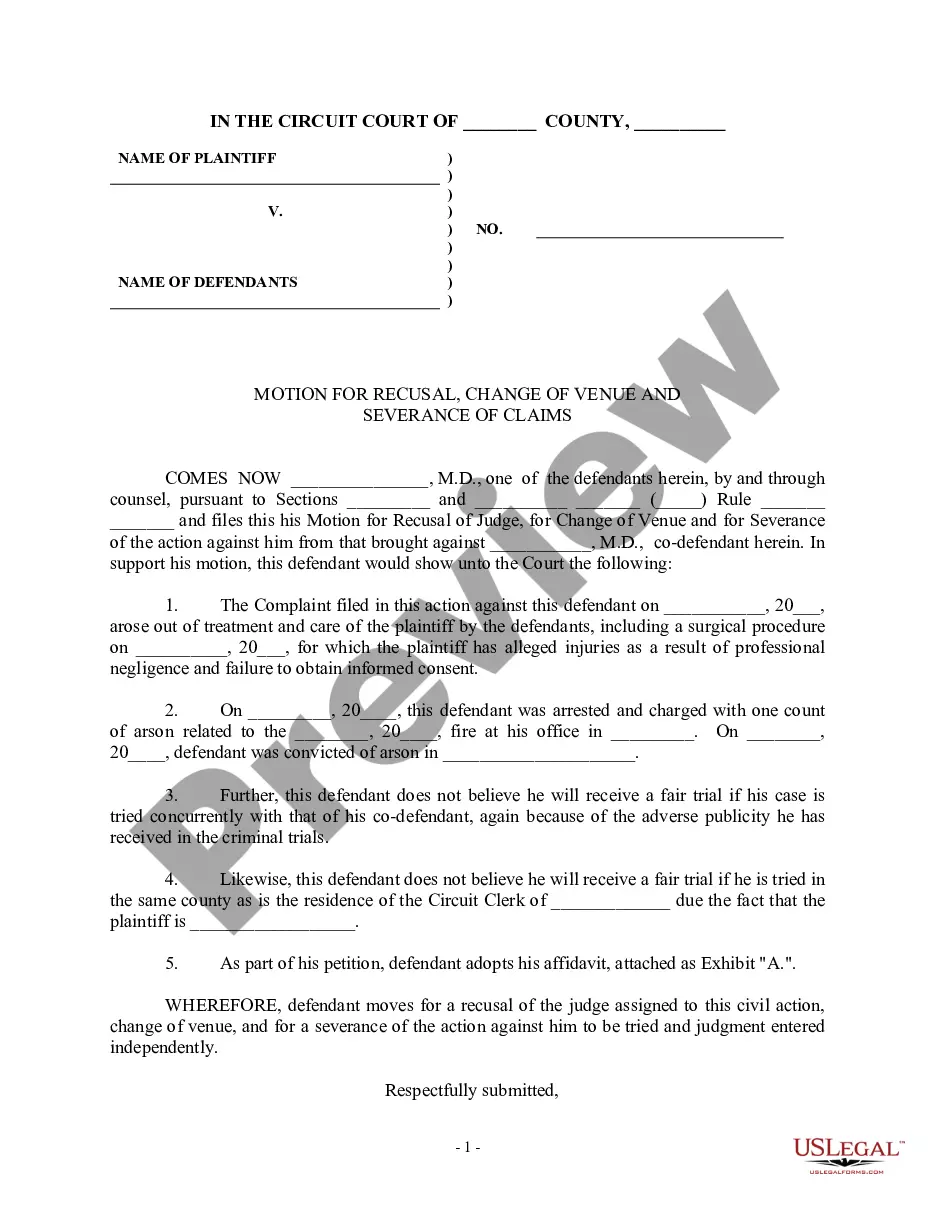
State Court Motion For Sanctions
Description
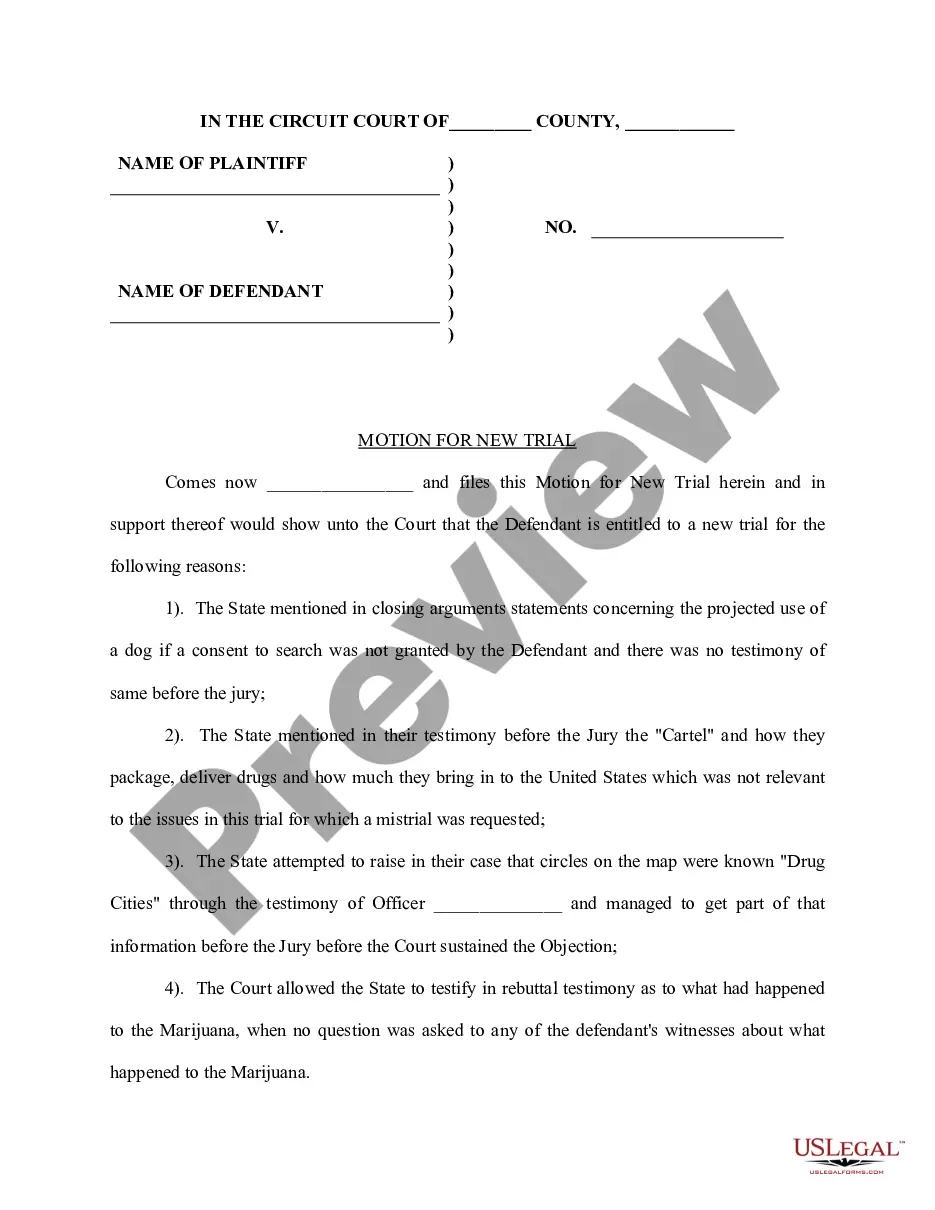
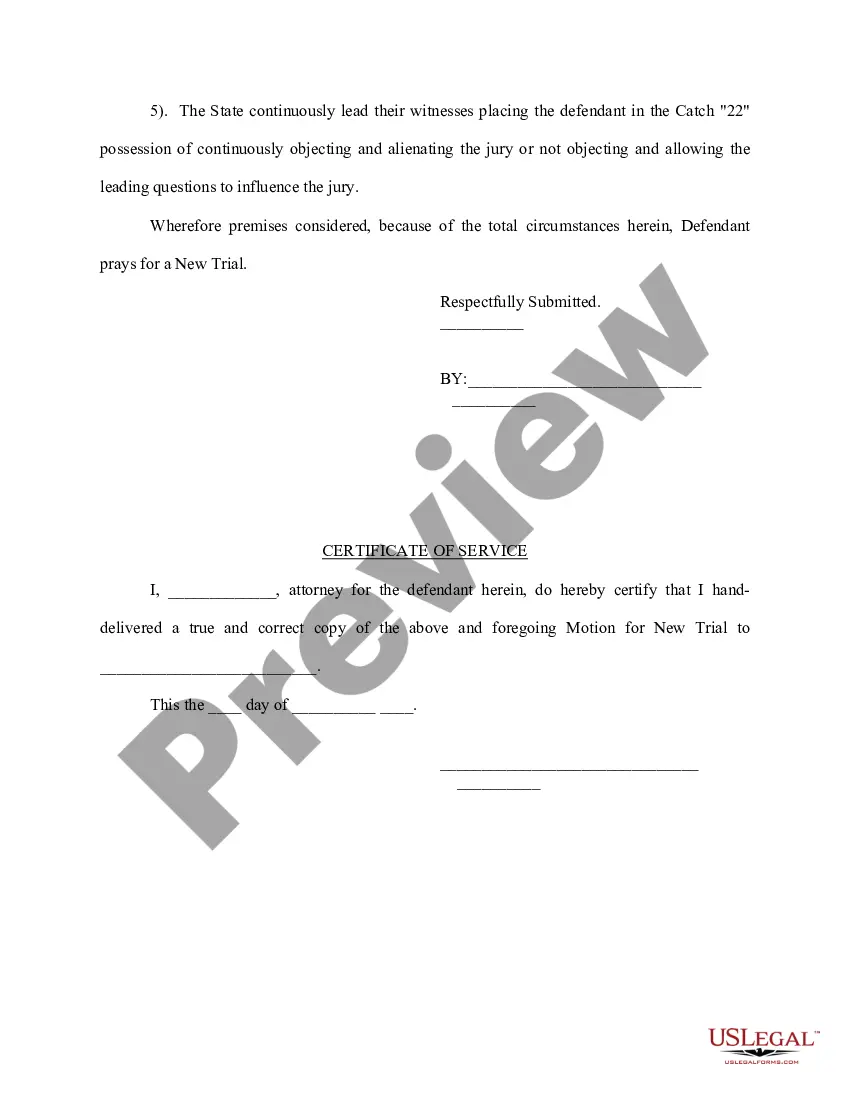
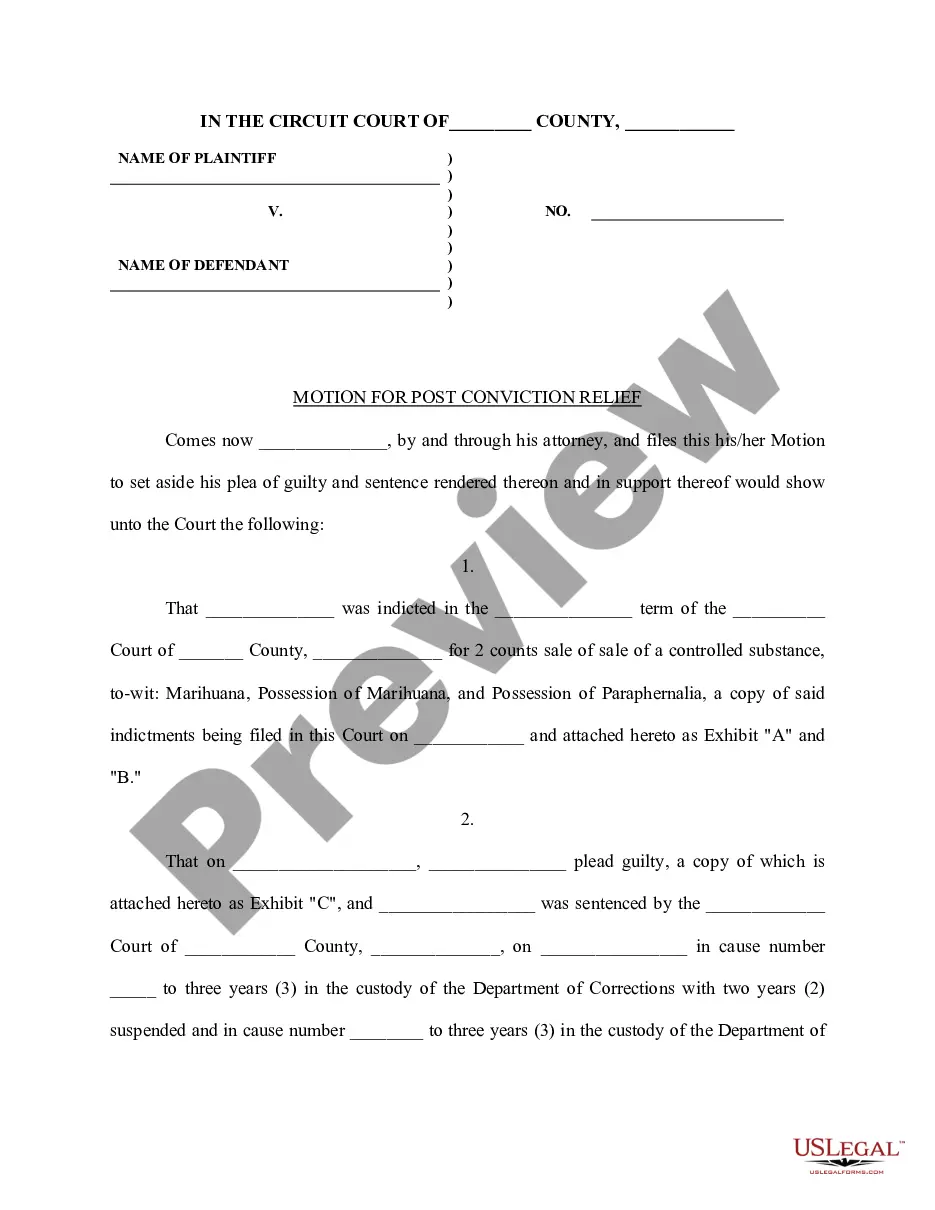
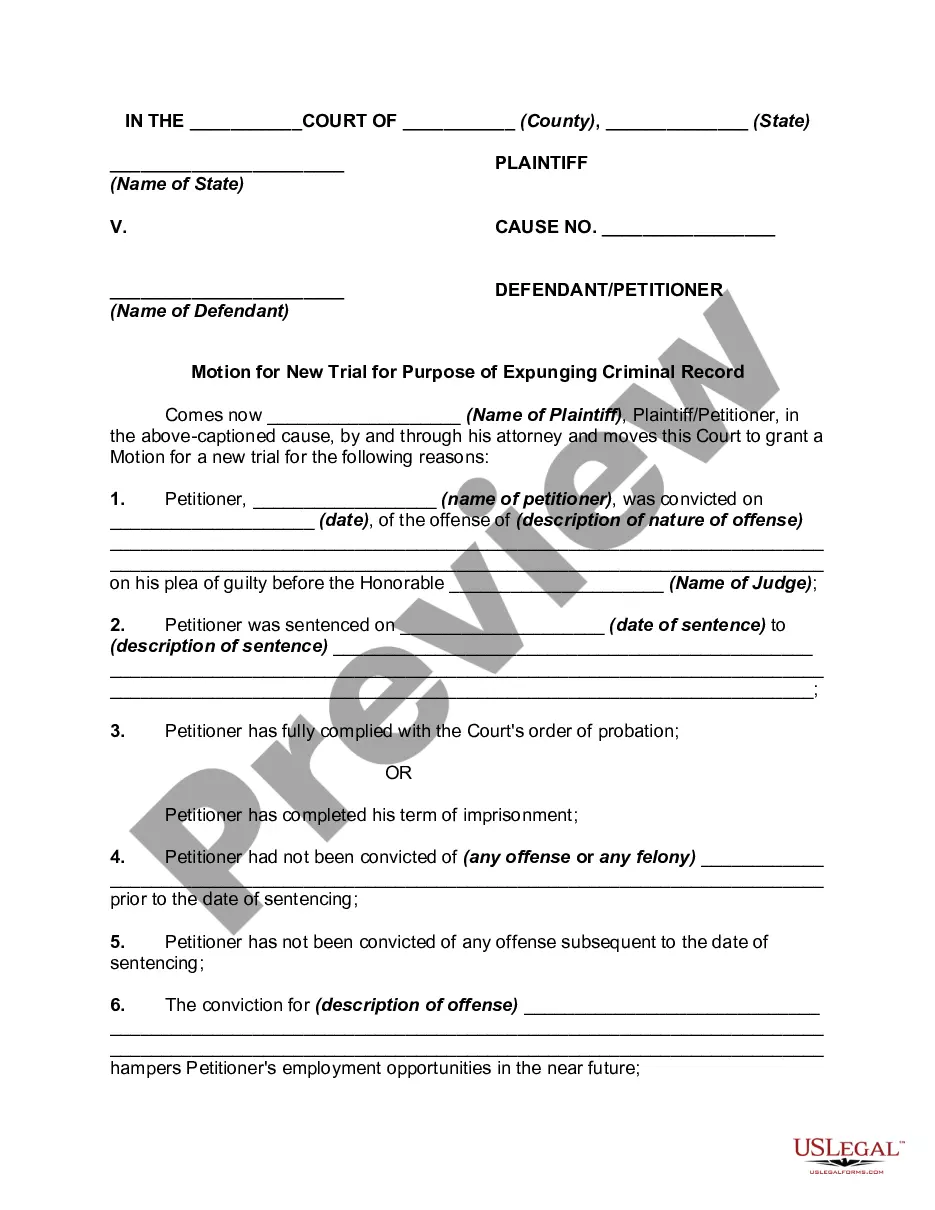
Get your form ready online
Our built-in tools help you complete, sign, share, and store your documents in one place.
Make edits, fill in missing information, and update formatting in US Legal Forms—just like you would in MS Word.
Download a copy, print it, send it by email, or mail it via USPS—whatever works best for your next step.
Sign and collect signatures with our SignNow integration. Send to multiple recipients, set reminders, and more. Go Premium to unlock E-Sign.
If this form requires notarization, complete it online through a secure video call—no need to meet a notary in person or wait for an appointment.
We protect your documents and personal data by following strict security and privacy standards.

Make edits, fill in missing information, and update formatting in US Legal Forms—just like you would in MS Word.

Download a copy, print it, send it by email, or mail it via USPS—whatever works best for your next step.

Sign and collect signatures with our SignNow integration. Send to multiple recipients, set reminders, and more. Go Premium to unlock E-Sign.

If this form requires notarization, complete it online through a secure video call—no need to meet a notary in person or wait for an appointment.

We protect your documents and personal data by following strict security and privacy standards.
Looking for another form?





How to fill out Motion For New Trial?
Managing legal documents can be daunting, even for experienced experts.
When you are looking for a State Court Motion For Sanctions and lack the time to search for the suitable and current version, the process can be challenging.
With US Legal Forms, you can access legal and business documents specific to your state or county.
US Legal Forms addresses all your requirements, from individual to business paperwork, all in one location.
Here are the steps to follow after downloading the form you need: Verify that it is the correct document by previewing it and carefully reading its description. Ensure the sample is accepted in your state or county. Select Buy Now once you're ready. Choose a subscription plan. Find the format you prefer, and Download, fill out, sign, print, and submit your forms. Enjoy the US Legal Forms online catalog, supported by 25 years of experience and trustworthiness. Change your daily document management into a straightforward and user-friendly experience today.
- Access a valuable resource base of articles, guides, handbooks, and materials related to your situation and requirements.
- Save time and effort in searching for the required documents and use US Legal Forms’ sophisticated search and Preview feature to locate and download your State Court Motion For Sanctions.
- If you have a membership, Log In to your US Legal Forms account, search for your desired form, and download it.
- Check your My documents tab to see the documents you have previously saved and manage your folders as needed.
- If you’re using US Legal Forms for the first time, create an account for unlimited access to all the library's features.
- A comprehensive online form catalog can significantly improve the way these situations are handled.
- US Legal Forms is a frontrunner in digital legal documents, with more than 85,000 state-specific forms available at your convenience.
- Utilize advanced tools to complete and manage your State Court Motion For Sanctions.
Form popularity
FAQ
When a lawyer receives sanctions, they face serious consequences that can affect their professional standing. Sanctions may include fines, suspension, or even disbarment, depending on the severity of the misconduct. This process typically involves a state court motion for sanctions filed by a concerned party, highlighting violations of ethical standards. Lawyers must take such matters seriously to maintain their licenses and protect their careers.
The rule 13 motion for sanctions refers to specific provisions in civil procedure that allow parties to seek sanctions for frivolous claims or defenses. This motion necessitates the filing of a state court motion for sanctions to challenge the legitimacy of such claims. If successful, the court can impose penalties on the offending party, promoting responsible legal conduct. Therefore, understanding how to file this motion is essential for those facing abuse of legal processes.
A court sanction hearing is a legal proceeding where a judge reviews the conduct of a party in a case. During this hearing, the judge determines if the party's actions warrant sanctions under rules of court. The process often involves a state court motion for sanctions, where the affected party requests consequences for misconduct. Ultimately, the judge may impose penalties to enforce compliance and uphold the integrity of the judicial system.
Filing a motion in court without a lawyer is entirely possible, but it requires careful preparation. Start by researching the specific rules governing your local court and gathering necessary forms for your state court motion for sanctions. You can find helpful templates and instructions on platforms like US Legal Forms, which simplifies the process. Remember, a well-drafted motion improves your chances of success, so take your time to present your case clearly.
While it is not required to hire a lawyer to file a motion for contempt, doing so can provide valuable guidance. A motion for contempt can involve complex legal standards, and an experienced attorney can help ensure that you properly frame your case. If you choose to represent yourself, consider using resources like US Legal Forms to access templates and information for a state court motion for sanctions. This approach can help you navigate the process more confidently.
Filing a motion for sanctions is not always mandatory; however, it becomes necessary when a party’s actions significantly disrupt the legal proceedings. If you experience unfair treatment or non-compliance from another party, a state court motion for sanctions can level the playing field. Always assess your situation carefully and decide whether sanctions are appropriate. Resources like US Legal Forms can help guide you through this process.
A motion for sanctions is a formal request made to the court to impose penalties on a party for behavior that obstructs the legal process. This motion is typically used when one party fails to comply with court rules or engages in misconduct. It aims to uphold fairness and discourage improper conduct in the courtroom. Understanding the nuances of filing a state court motion for sanctions can be crucial for your case.
Filling out a motion for court requires careful attention to detail. Begin by reading the court's guidelines to understand the format and required information. Include the case name, numbers, and a statement of your request, such as a state court motion for sanctions. To simplify this task, consider using US Legal Forms, which offers user-friendly templates and instructions.
Starting a motion involves outlining your main arguments and supporting them with facts. Begin with a title that states the type of motion, like 'State Court Motion for Sanctions,' followed by your name and case details. Next, clearly articulate your request, and ensure to provide the legal basis and any necessary evidence. Utilizing platforms like US Legal Forms can help streamline this process.
To write a state court motion for sanctions, begin by clearly identifying the grounds for your request. Include relevant facts, legal principles, and any supporting evidence. It is crucial to remain clear and precise, ensuring that the judge understands the basis of your motion. Additionally, consider consulting resources like US Legal Forms for templates and guidance.