California Severance Deed - Notice of Unilateral Severance of Joint Tenancy
Overview of this form
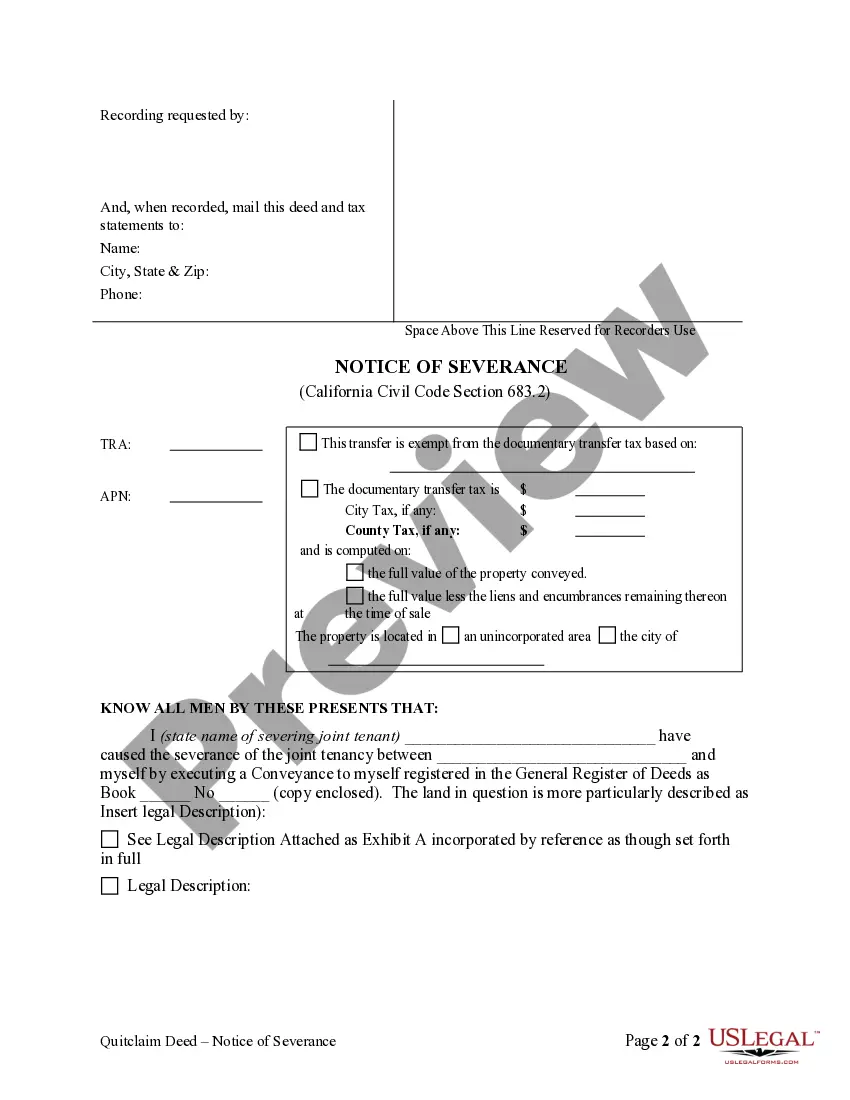
The Severance Deed - Notice of Unilateral Severance of Joint Tenancy is a legal document used to unilaterally terminate a joint tenancy between co-owners of a property. This document formally notifies the other party of the severance, allowing the individual to convert their ownership interest to a tenancy in common. It is crucial to use this form when one party wishes to sever the joint tenancy without the agreement of the other owner, distinguishing it from other forms that may require mutual consent.
What’s included in this form
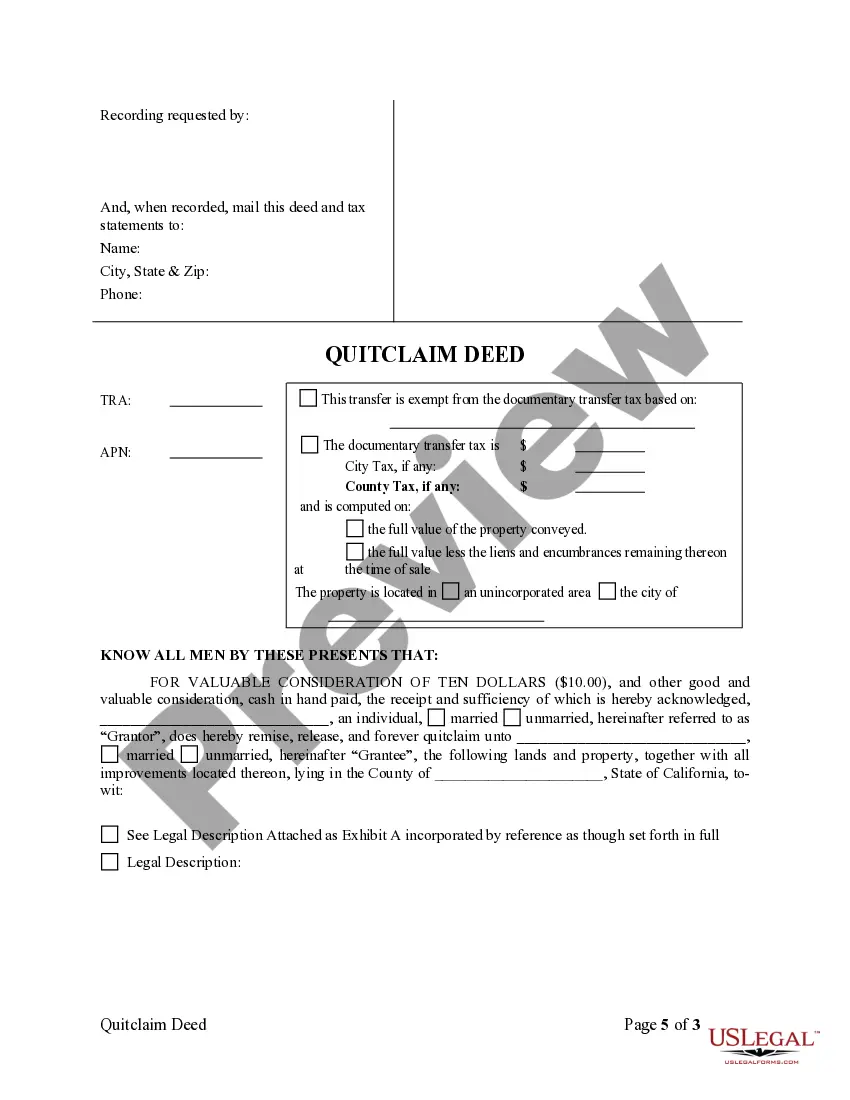
- Identification of the grantor and other joint tenant(s)
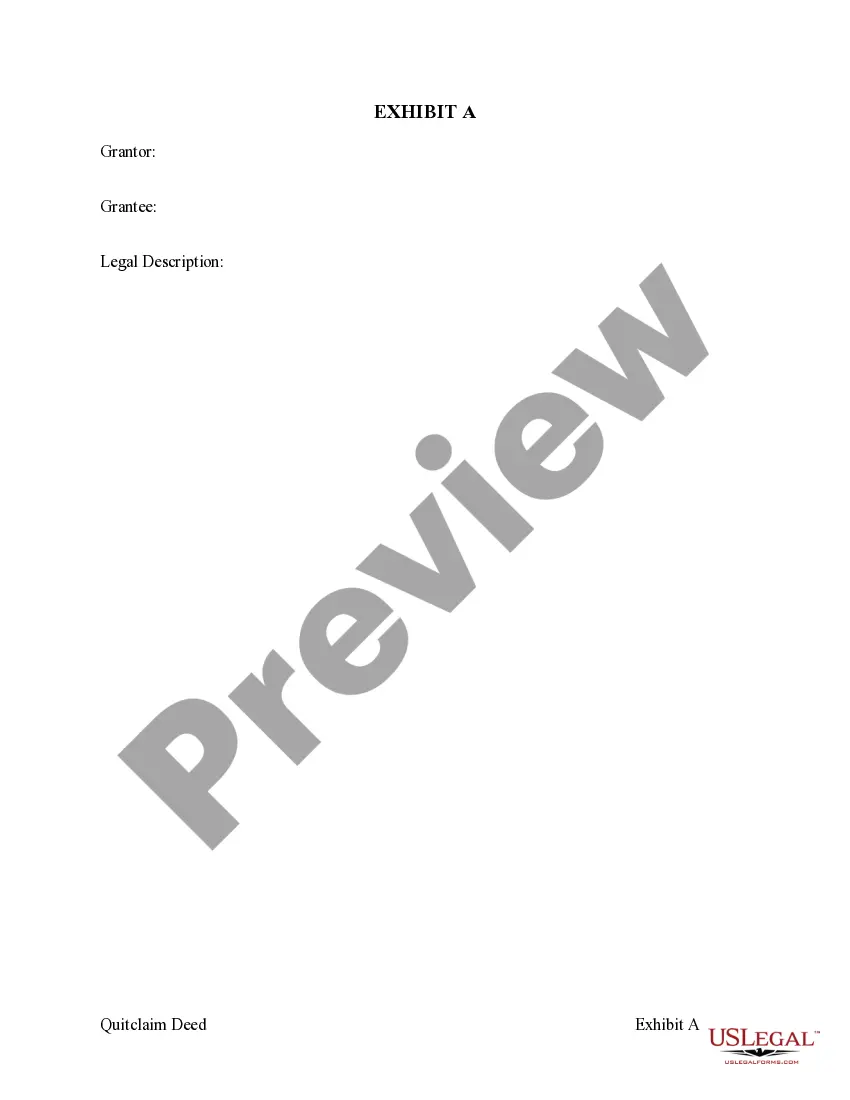
- Description of the property being severed
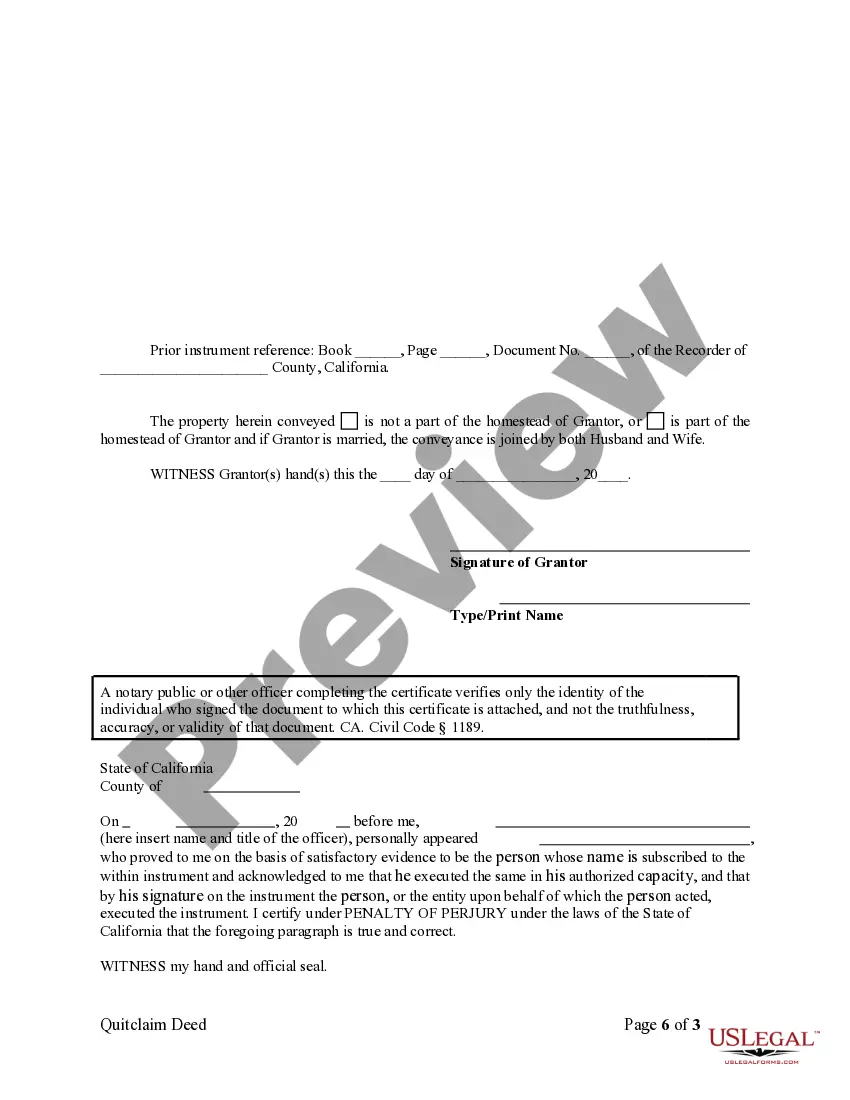
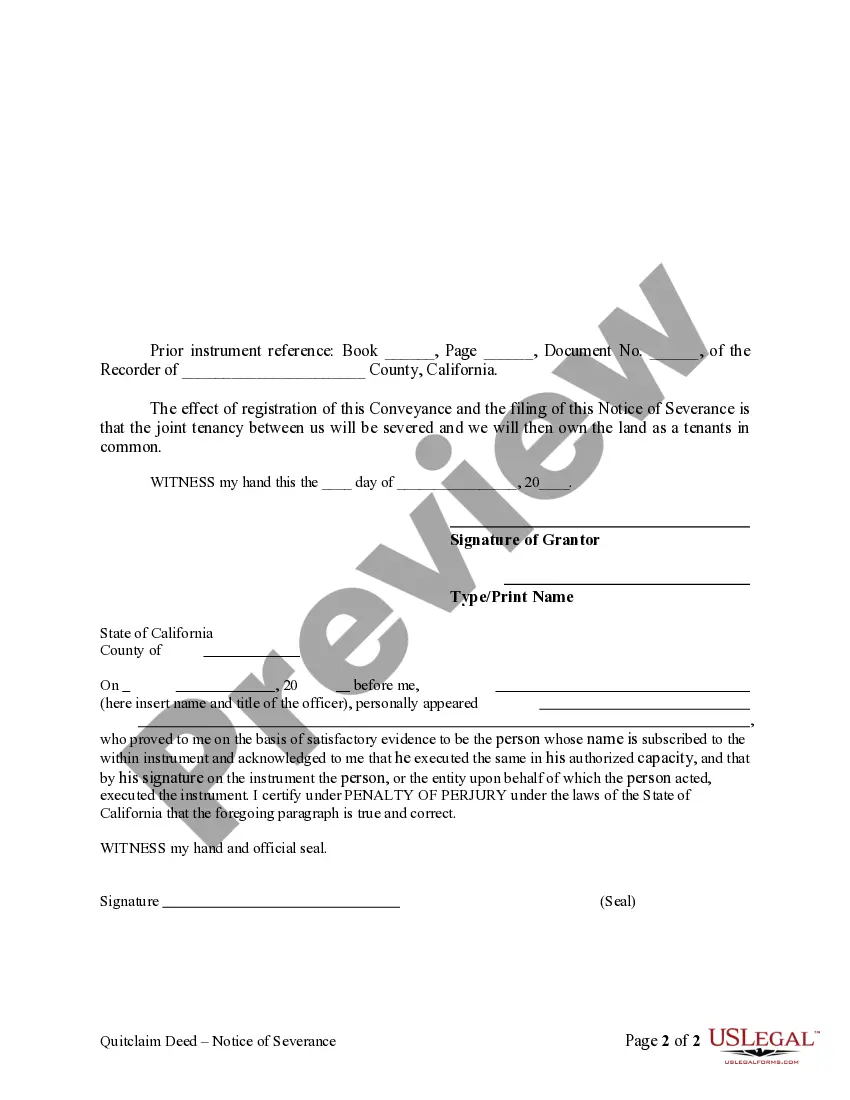
- Date of the notice and signatures of the grantor(s)
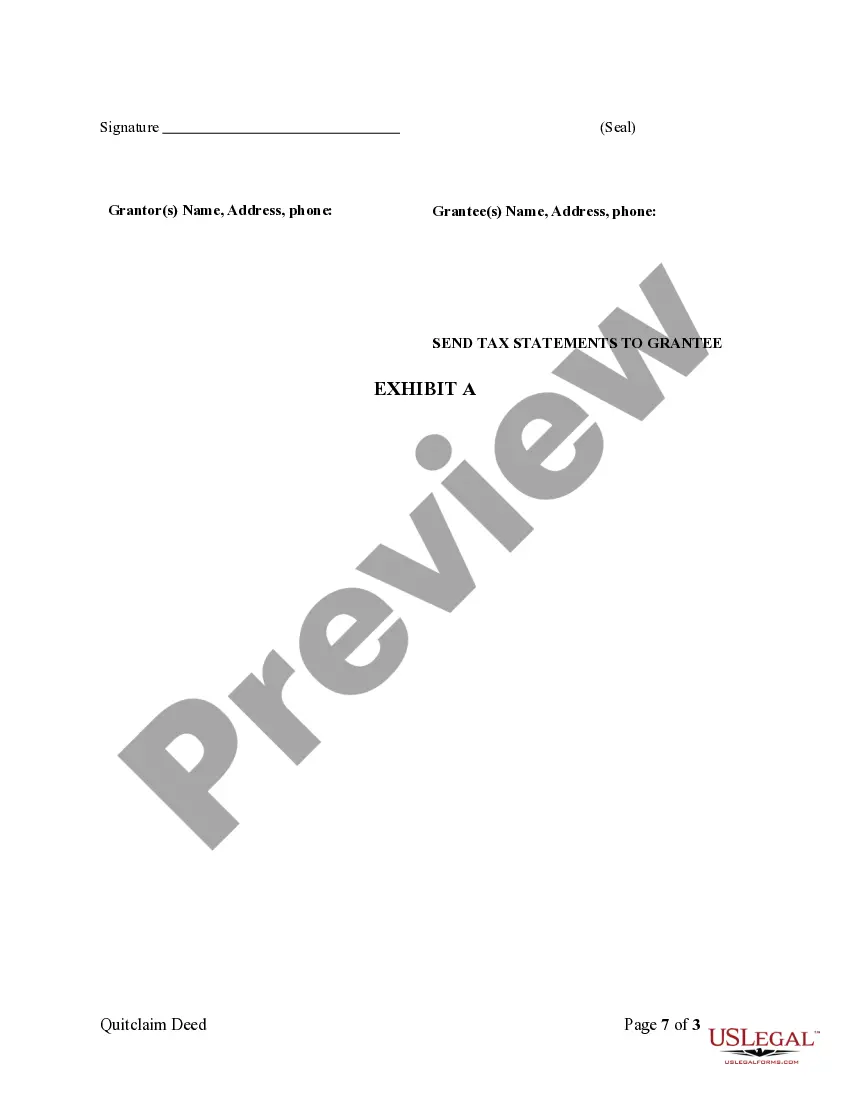
- Legal description of the property
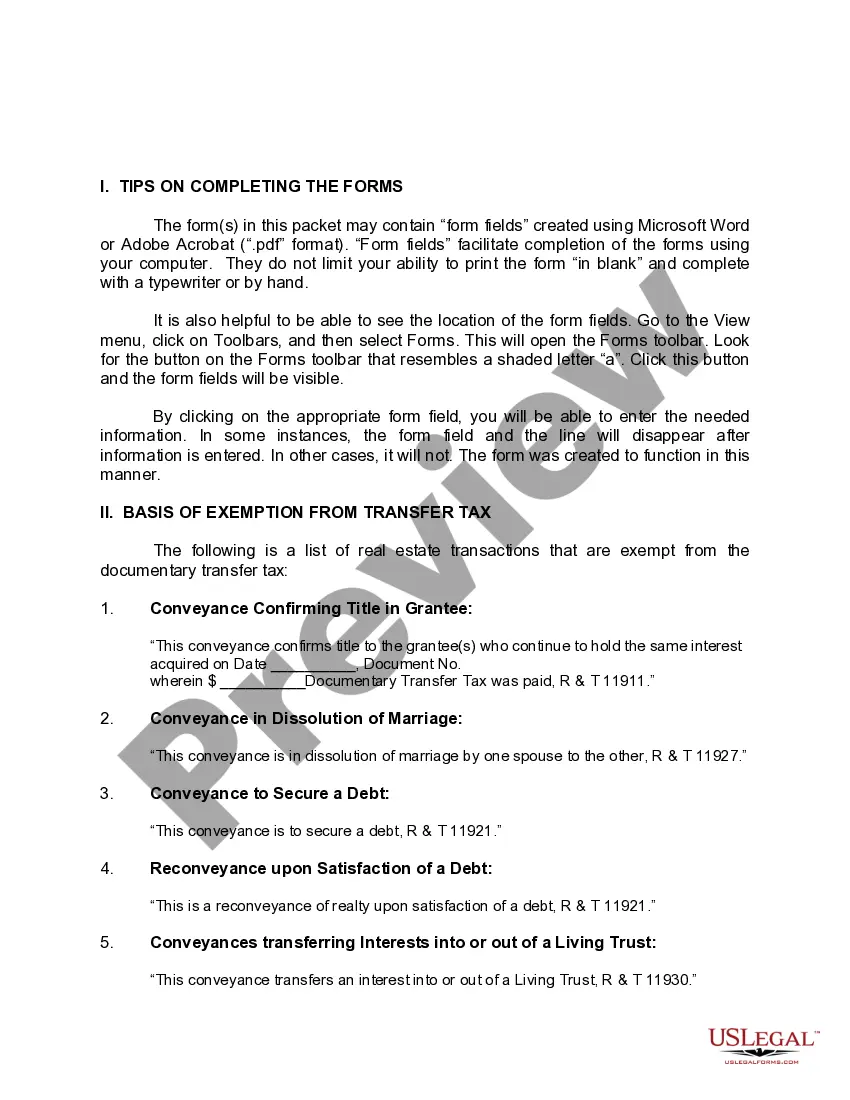
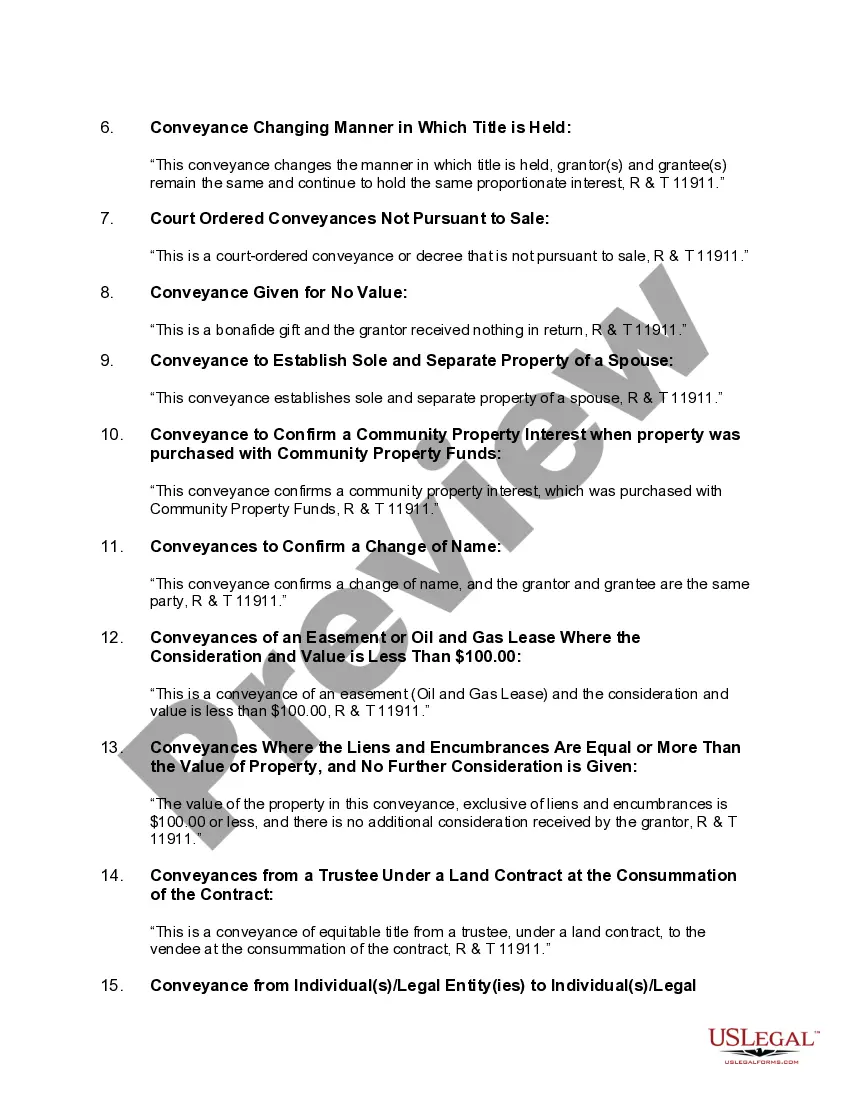
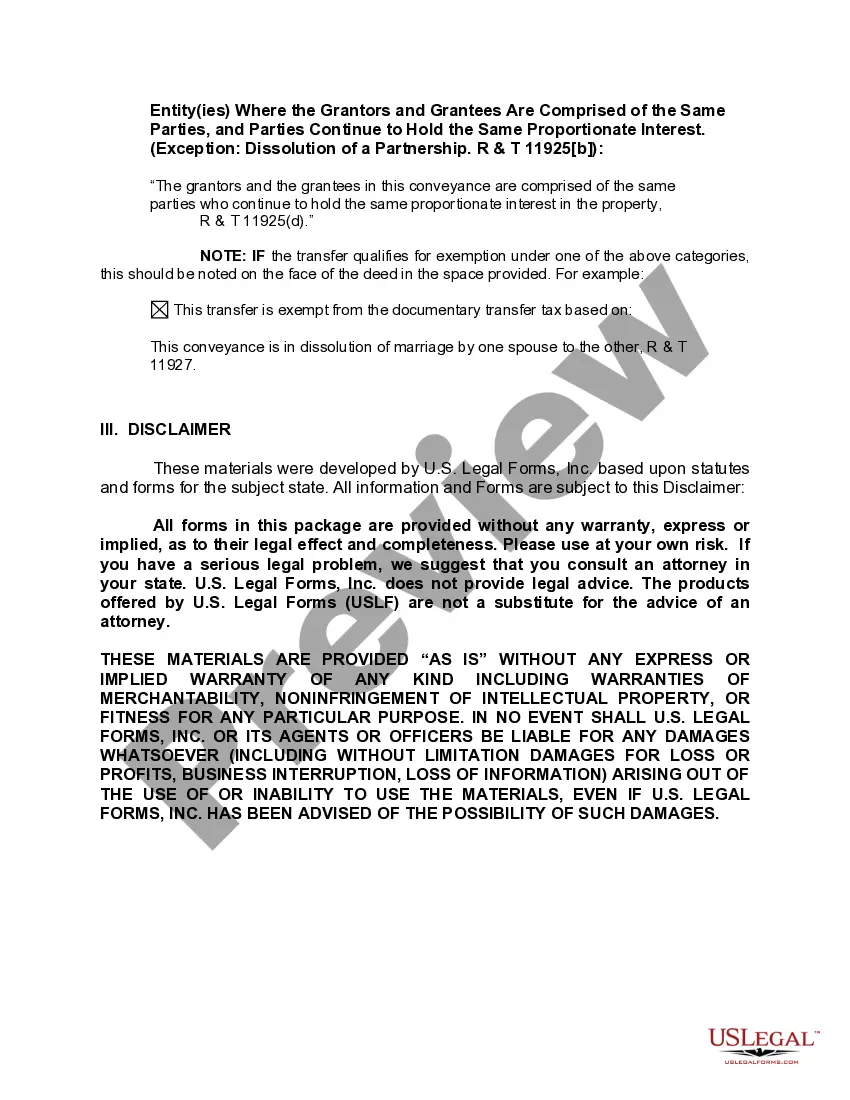
- Option to note exemption from documentary transfer tax


When to use this document
This form is needed when one joint tenant wishes to sever the joint tenancy for personal reasons, such as financial planning, divorce, or separation. It can also be used when a party wishes to change their share of ownership in the property without needing the other party's agreement.
Intended users of this form
- Homeowners in a joint tenancy who want to change their ownership status
- Individuals seeking to clarify property ownership interests
- Those undergoing divorce or separation and need to divide property
How to complete this form
- Identify all parties involved, including the grantor and the other joint tenant(s).
- Enter a detailed legal description of the property in question.
- Clearly state the date of the severance notice.
- Provide any relevant information regarding exemptions from transfer tax.
- Sign the document in the presence of a witness if required.
Notarization requirements for this form
To make this form legally binding, it must be notarized. Our online notarization service, powered by Notarize, lets you verify and sign documents remotely through an encrypted video session.
Get your form ready online
Our built-in tools help you complete, sign, share, and store your documents in one place.
Make edits, fill in missing information, and update formatting in US Legal Forms—just like you would in MS Word.
Download a copy, print it, send it by email, or mail it via USPS—whatever works best for your next step.
Sign and collect signatures with our SignNow integration. Send to multiple recipients, set reminders, and more. Go Premium to unlock E-Sign.
If this form requires notarization, complete it online through a secure video call—no need to meet a notary in person or wait for an appointment.
We protect your documents and personal data by following strict security and privacy standards.

Make edits, fill in missing information, and update formatting in US Legal Forms—just like you would in MS Word.

Download a copy, print it, send it by email, or mail it via USPS—whatever works best for your next step.

Sign and collect signatures with our SignNow integration. Send to multiple recipients, set reminders, and more. Go Premium to unlock E-Sign.

If this form requires notarization, complete it online through a secure video call—no need to meet a notary in person or wait for an appointment.

We protect your documents and personal data by following strict security and privacy standards.
Common mistakes to avoid
- Failing to include the complete legal description of the property.
- Not signing the document or obtaining necessary witnesses/signatures.
- Forgetting to note any applicable transfer tax exemptions.
Benefits of using this form online
- Convenient access to legal documents without the need for an attorney visit.
- Editable fields allow for easier and quicker completion of the form.
- Reliable templates drafted by licensed attorneys, ensuring legal correctness.
Quick recap
- The Severance Deed allows one joint tenant to sever ownership unilaterally.
- It's essential for clarifying property rights in various personal situations.
- Ensure the form is fully completed and legally executed to avoid issues.
Looking for another form?
Form popularity
FAQ
A significant disadvantage of joint tenancy ownership is that any debts or liabilities of one owner can impact the entire property. This means that if one co-owner faces financial difficulties, creditors could potentially claim the property. Moreover, the absence of a will can complicate matters, as joint tenancy generally overrides designated heirs. Thus, utilizing a California Severance Deed - Notice of Unilateral Severance of Joint Tenancy can be advantageous if you want to protect your interests and simplify ownership.
When individuals own property in joint tenancy, they share equal ownership of the property. This means each owner has an undivided interest in the entire property. In California, a California Severance Deed - Notice of Unilateral Severance of Joint Tenancy can be utilized to change this ownership structure. This feature is crucial when one owner desires to end the joint tenancy arrangement.
To sever a joint tenancy, a joint tenant can execute a California Severance Deed - Notice of Unilateral Severance of Joint Tenancy. This legal document must be properly filed in accordance with local laws to ensure it is effective. Alternatively, joint tenants can agree through mutual action, but a unilateral approach is often quicker and more efficient. Utilizing resources like uslegalforms can simplify this process and provide guidance.
Secret severance refers to the act of one joint tenant taking actions without informing the other tenants that may lead to the severance of the joint tenancy. This can include actions like selling or transferring ownership without notice. Using the California Severance Deed - Notice of Unilateral Severance of Joint Tenancy is a more straightforward and transparent method. Being upfront about ownership changes helps prevent misunderstandings.
Unilateral severance occurs when one joint tenant decides to terminate the joint tenancy without needing the consent of the other tenant. This action typically involves executing a California Severance Deed - Notice of Unilateral Severance of Joint Tenancy, effectively converting the joint tenancy into a tenancy in common. It is an essential tool for individuals looking to redefine their ownership interests.
A lease cannot sever a joint tenancy, as it does not change the ownership structure. Instead, a lease merely grants use rights to another party while retaining ownership. Therefore, the original co-owners still retain the joint tenancy status. For matters related to California Severance Deed - Notice of Unilateral Severance of Joint Tenancy, it is vital to clearly understand how ownership interests are affected.
A quitclaim deed severance of joint tenancy is a legal document that allows a co-owner to transfer their ownership rights to another party or themselves. This deed effectively cancels the joint tenancy relationship and redefines the property interest. Using a California Severance Deed - Notice of Unilateral Severance of Joint Tenancy can streamline this process and provide clarity for all parties involved.
Yes, a single person can terminate a joint lease in California, but it depends on the lease terms. They should refer to the lease agreement to understand the process and any responsibilities they may have after termination. For further assistance in navigating this legal matter, consider utilizing resources from uslegalforms.
One tenant can terminate a joint tenancy in California by executing and recording a California Severance Deed - Notice of Unilateral Severance of Joint Tenancy. This legal process enables the tenant to exit the joint ownership structure independently. It’s crucial to follow the correct steps to ensure proper termination and avoid conflicts.
Joint tenancy on a deed in California indicates that two or more individuals own the property together with equal rights. In a joint tenancy, if one owner passes away, their share automatically transfers to the surviving owners, a process known as the right of survivorship. Understanding this concept is essential for effective estate and property planning.