Consignment Note Format Under Gst In Nassau
Description

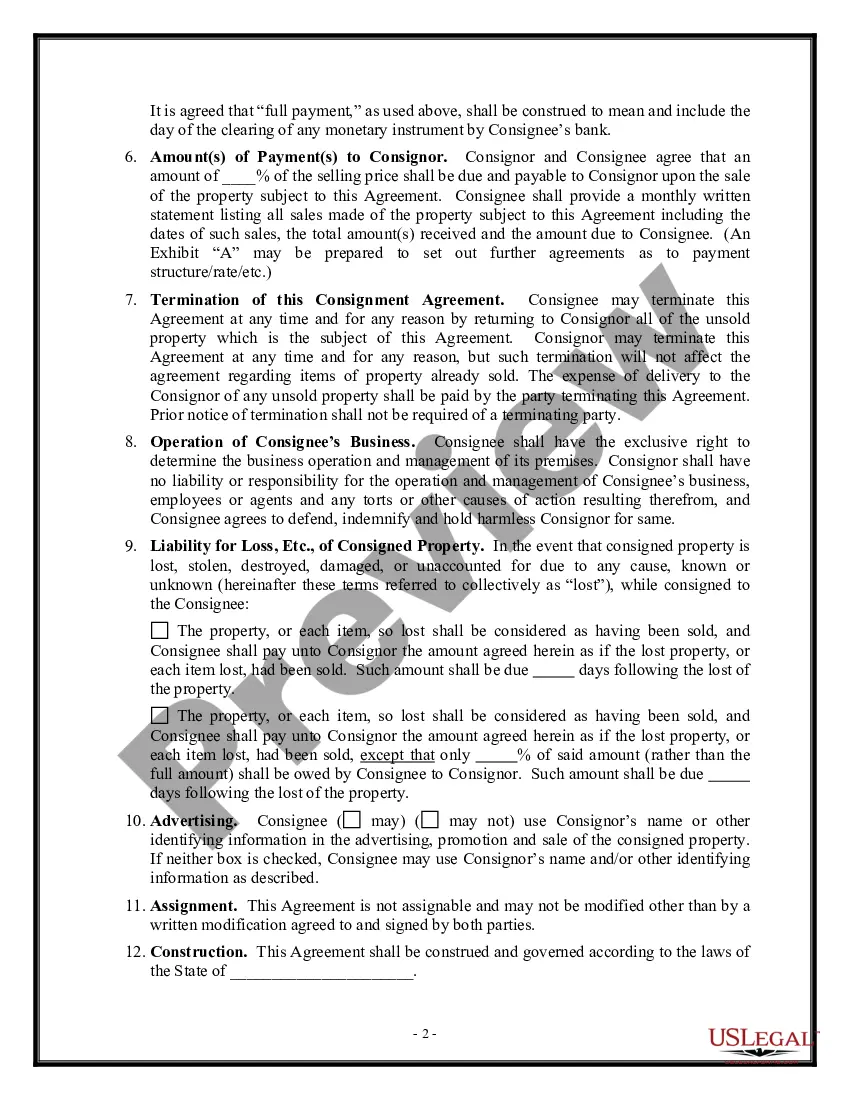
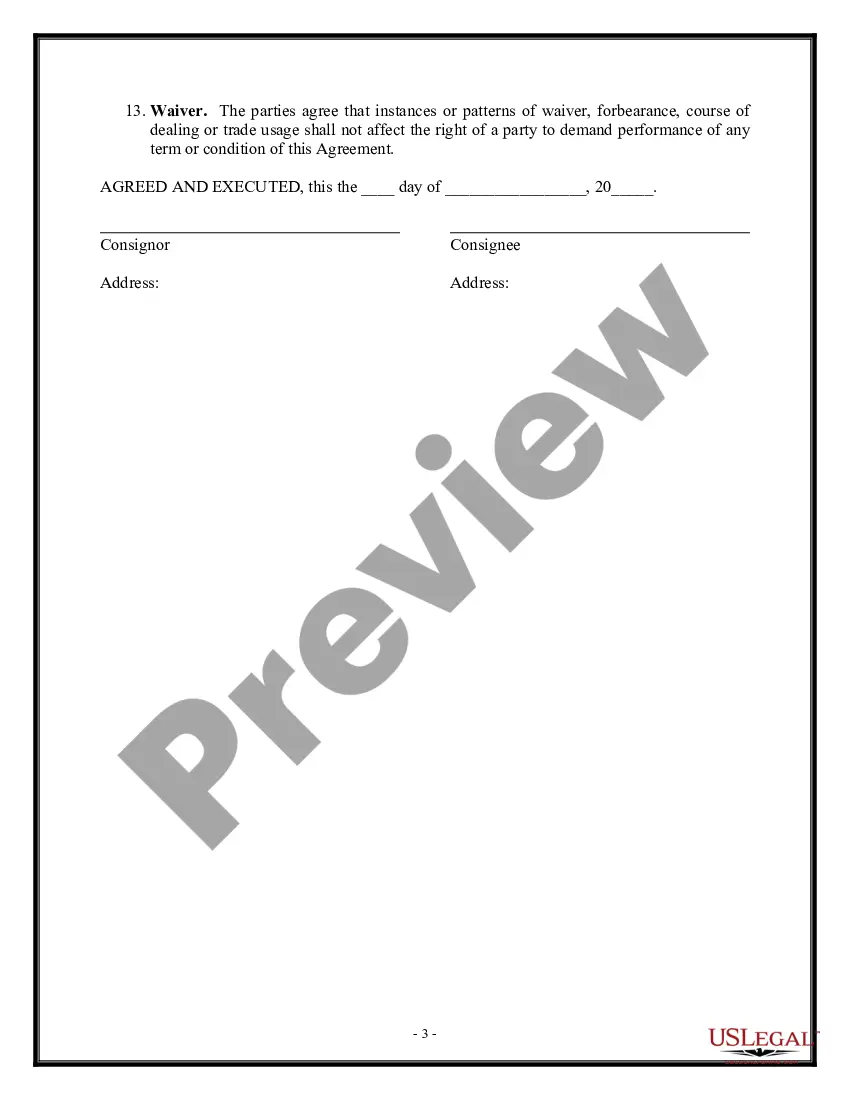
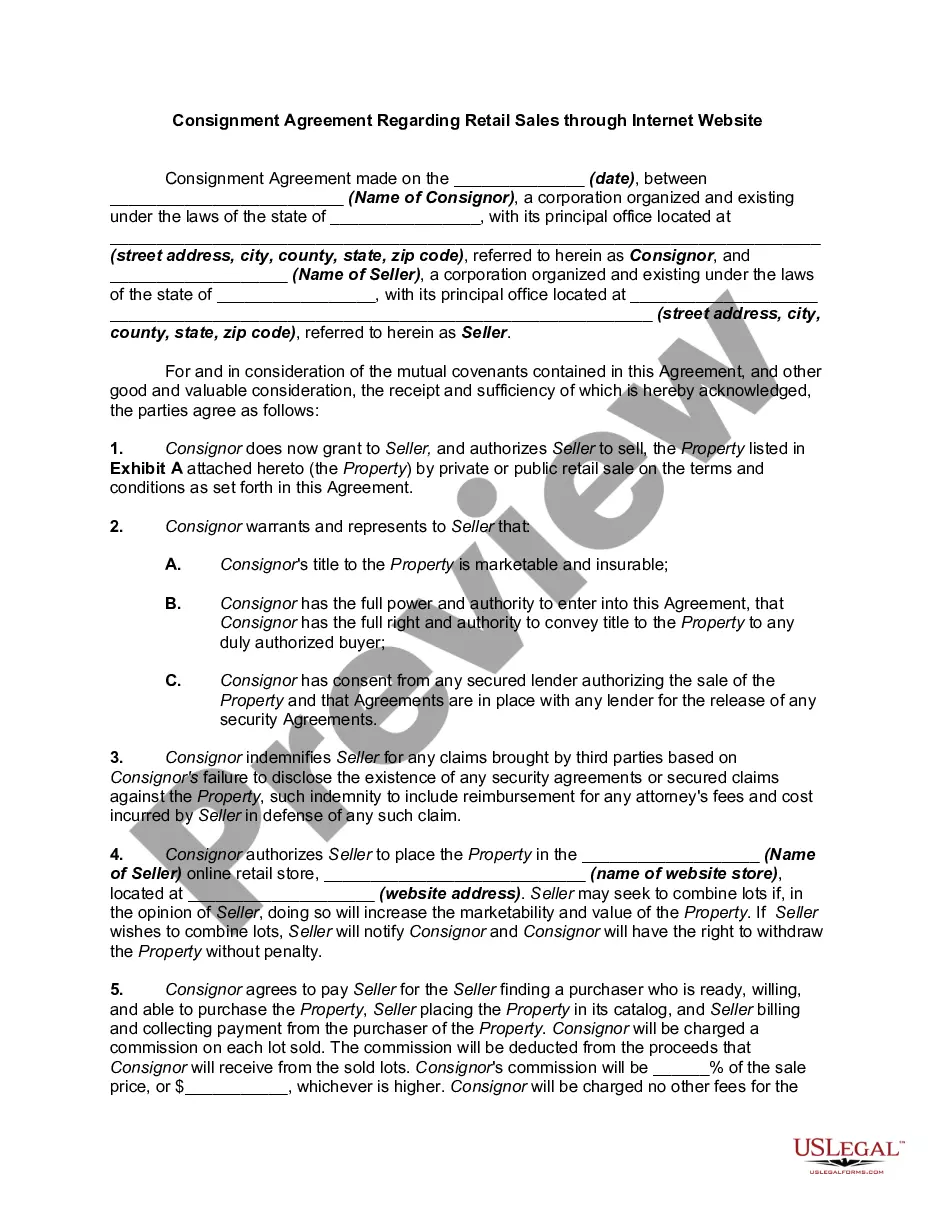
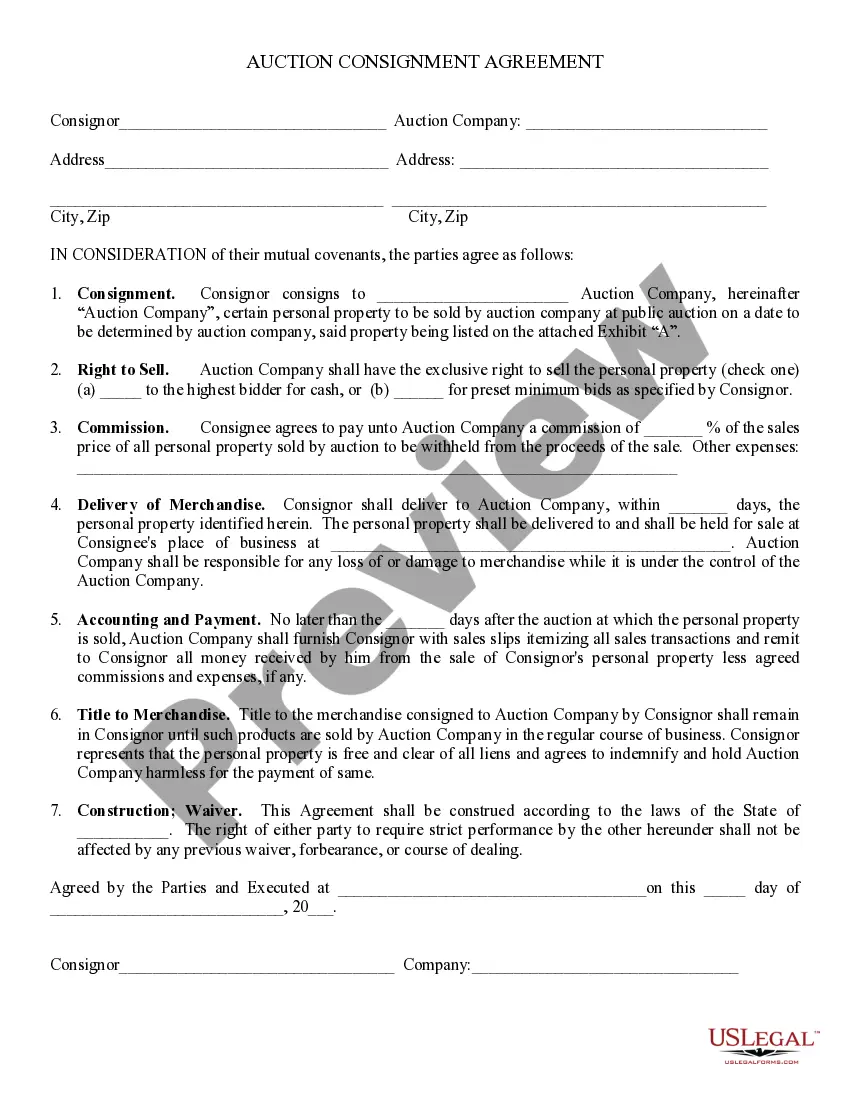
Get your form ready online
Our built-in tools help you complete, sign, share, and store your documents in one place.
Make edits, fill in missing information, and update formatting in US Legal Forms—just like you would in MS Word.
Download a copy, print it, send it by email, or mail it via USPS—whatever works best for your next step.
Sign and collect signatures with our SignNow integration. Send to multiple recipients, set reminders, and more. Go Premium to unlock E-Sign.
If this form requires notarization, complete it online through a secure video call—no need to meet a notary in person or wait for an appointment.
We protect your documents and personal data by following strict security and privacy standards.

Make edits, fill in missing information, and update formatting in US Legal Forms—just like you would in MS Word.

Download a copy, print it, send it by email, or mail it via USPS—whatever works best for your next step.

Sign and collect signatures with our SignNow integration. Send to multiple recipients, set reminders, and more. Go Premium to unlock E-Sign.

If this form requires notarization, complete it online through a secure video call—no need to meet a notary in person or wait for an appointment.

We protect your documents and personal data by following strict security and privacy standards.
Looking for another form?
Form popularity
FAQ
An invoice is a commercial document that maintains the record of transactions between the buyer and the seller. On the other hand, a consignment note is an export document that serves as evidence of a concluded carriage contract.
It is signed by the consignee on delivery and acts as evidence that the goods have received. It gives the names and addresses of both consignor and consignee, details the goods, usually gives their gross weight, and states who has responsibility for insuring them while in transit.
This document specifies the conditions of carriage and describes the goods, the origin and destination, as well as details of the responsibilities of each of the parties involved. In essence, the consignment note serves as proof of receipt of the cargo and an agreement on the terms under which the goods will be moved.
Where the supplier does not issue a consignment note or similar document, the services do not qualify as GTA services, and hence should not be taxable. This point has also been clarified by the CBIC in the FAQs issued for the transport sector.
A consignment note is a document issued by a goods transportation agency against the receipt of goods for the purpose of transporting the goods by road in a goods carriage. If a consignment note is not issued by the transporter, the service provider will not come within the ambit of the goods transport agency.
How to fill out a consignment note Sender's and recipient's data. Description of the goods. Conditions of transport. Details of the cargo and its packaging. Value of goods and insurance. Signature and date of issue. Additional information (when necessary)
What information is required on a CMR Consignment note document? Sender's (exporter) Details. Consignee's (Receiver) Details. Place of Delivery of the goods (place, country) ... Place and date of taking over the goods (place, country, date) ... Annexed documents. 6 through to 12. Sender's Instructions.
What information is required on a CMR Consignment note document? Sender's (exporter) Details. Consignee's (Receiver) Details. Place of Delivery of the goods (place, country) ... Place and date of taking over the goods (place, country, date) ... Annexed documents. 6 through to 12. Sender's Instructions.
Upon delivery, the recipient signs the CMR note, providing confirmation of receipt. A CMR note includes the names and addresses of both the sender and receiver, as well as details about the goods, such as their weight. Moreover, it clarifies who is responsible for insuring the goods during transit.