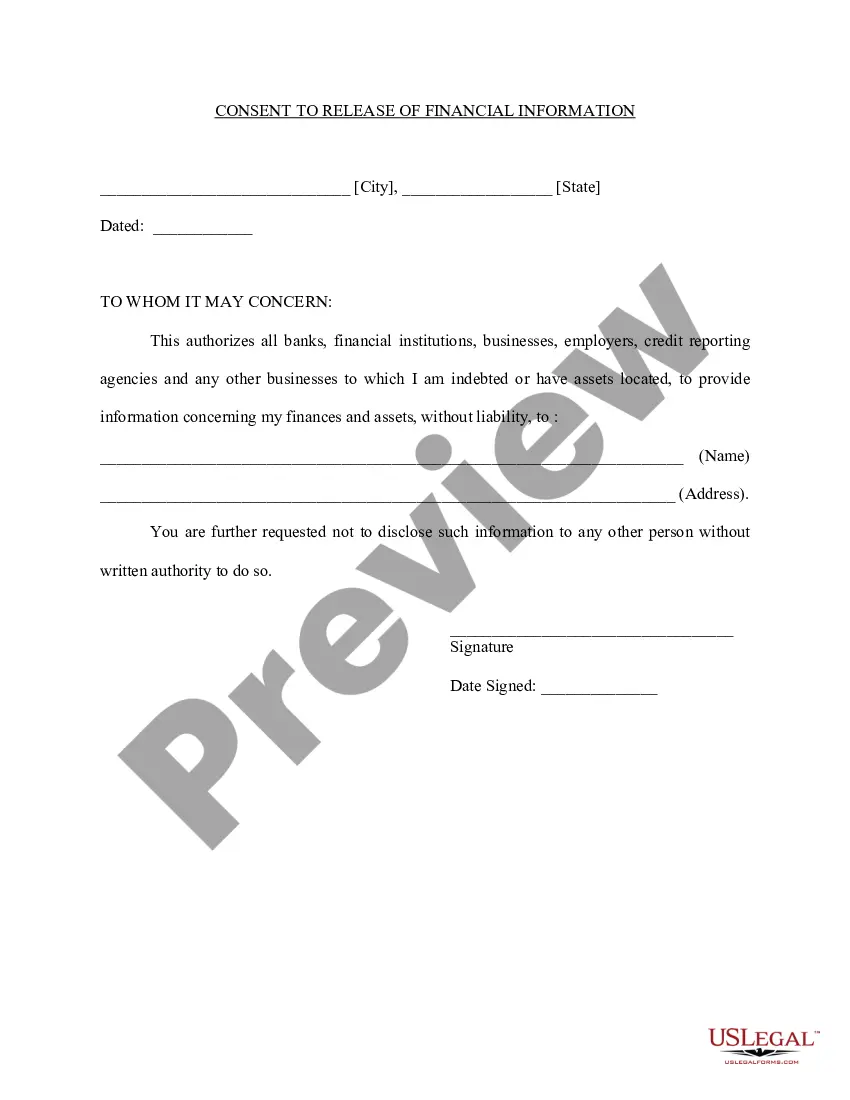
Medical Information Released Without Consent In Texas
Description

Get your form ready online
Our built-in tools help you complete, sign, share, and store your documents in one place.
Make edits, fill in missing information, and update formatting in US Legal Forms—just like you would in MS Word.
Download a copy, print it, send it by email, or mail it via USPS—whatever works best for your next step.
Sign and collect signatures with our SignNow integration. Send to multiple recipients, set reminders, and more. Go Premium to unlock E-Sign.
If this form requires notarization, complete it online through a secure video call—no need to meet a notary in person or wait for an appointment.
We protect your documents and personal data by following strict security and privacy standards.

Make edits, fill in missing information, and update formatting in US Legal Forms—just like you would in MS Word.

Download a copy, print it, send it by email, or mail it via USPS—whatever works best for your next step.

Sign and collect signatures with our SignNow integration. Send to multiple recipients, set reminders, and more. Go Premium to unlock E-Sign.

If this form requires notarization, complete it online through a secure video call—no need to meet a notary in person or wait for an appointment.

We protect your documents and personal data by following strict security and privacy standards.
Looking for another form?







Form popularity
FAQ
Texas & Federal Laws This means that unless at least one of the parties to a conversation consents, both Texas and federal wiretapping laws make it a crime to record an audio conversation if the parties have a "reasonable expectation of privacy." This is true both in person and over the phone.
Release of Information Authorization Under the HIPAA Privacy Rule, when a release of information is intended for purposes other than medical treatment, healthcare operations, or payment, you'll need to sign an authorization for ROI.
The Informed Consent Statute provides that, for a patient to recover against a provider for lack of informed consent, the patient must show that the provider was negligent in failing to disclose the risks or hazards that could have influenced a reasonable person in making a decision to give or withhold consent.
The Texas Medical Privacy Act prohibits any release of PHI for marketing purposes without consent or authorization from the individual. Civil penalties: $100 per violation/day, up to $25,000/year each violation.
Requests for electronic copies Practices should comply with federal and state laws regarding required timelines for release. Texas law gives a deadline of 15 business days to provide medical records upon receipt of a request.
(b) Providers must maintain access to medical records for the duration of the required retention period. (c) Retention periods. (1) The standard retention period is at least seven years from the date of last treatment by the physician or longer if required by other federal or state law.
Texas Government Code, Chapter 552, gives you the right to access government records; and an officer for public information and the officer's agent may not ask why you want them.
You can access your medical records. you can request to correct any mistakes you may find in your medical records. if you disagree with something in your medical records, you can make a written statement of disagreement that will be stored with your medical records.
Requests may come in the form of a subpoena. (There are four possible responses when a subpoena is received.) The subpoena must be accompanied by a medical authorization signed by the patient. These subpoenas are generally issued by an attorney's office. Ask for an authorization in most cases.