Agreement Vs Covenant In Georgia
Description

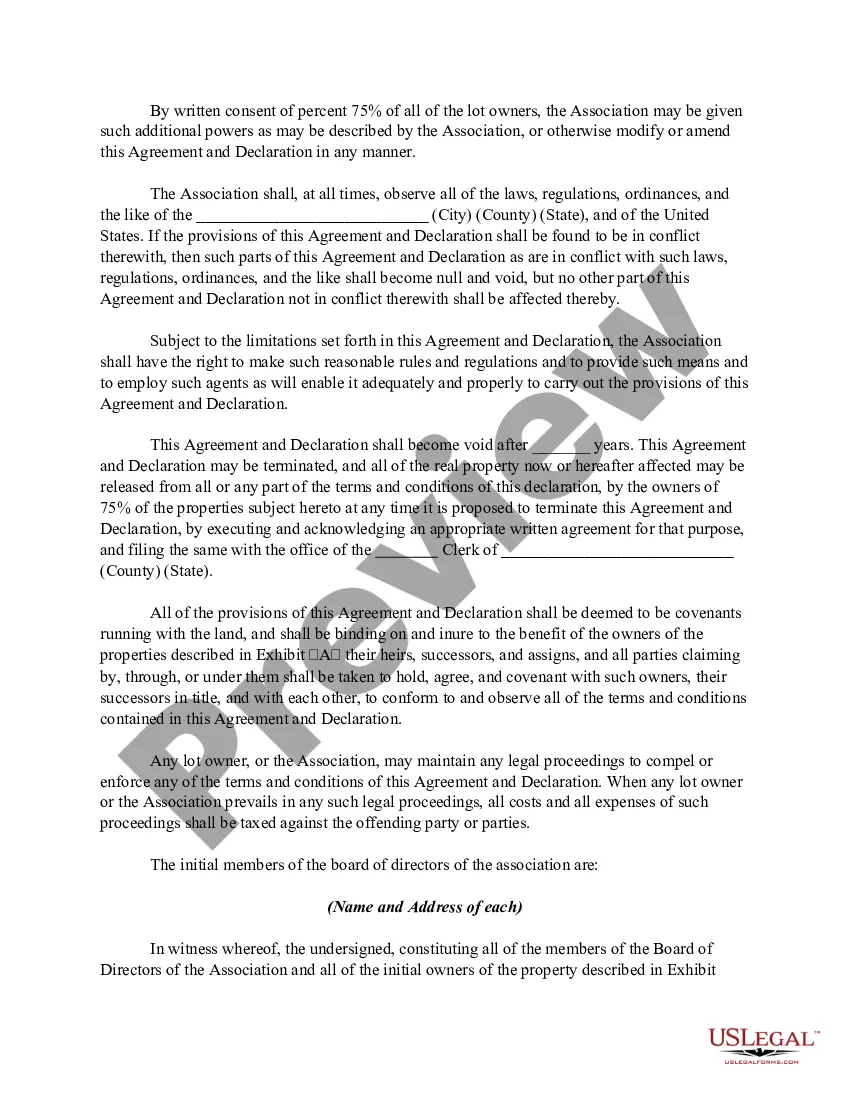
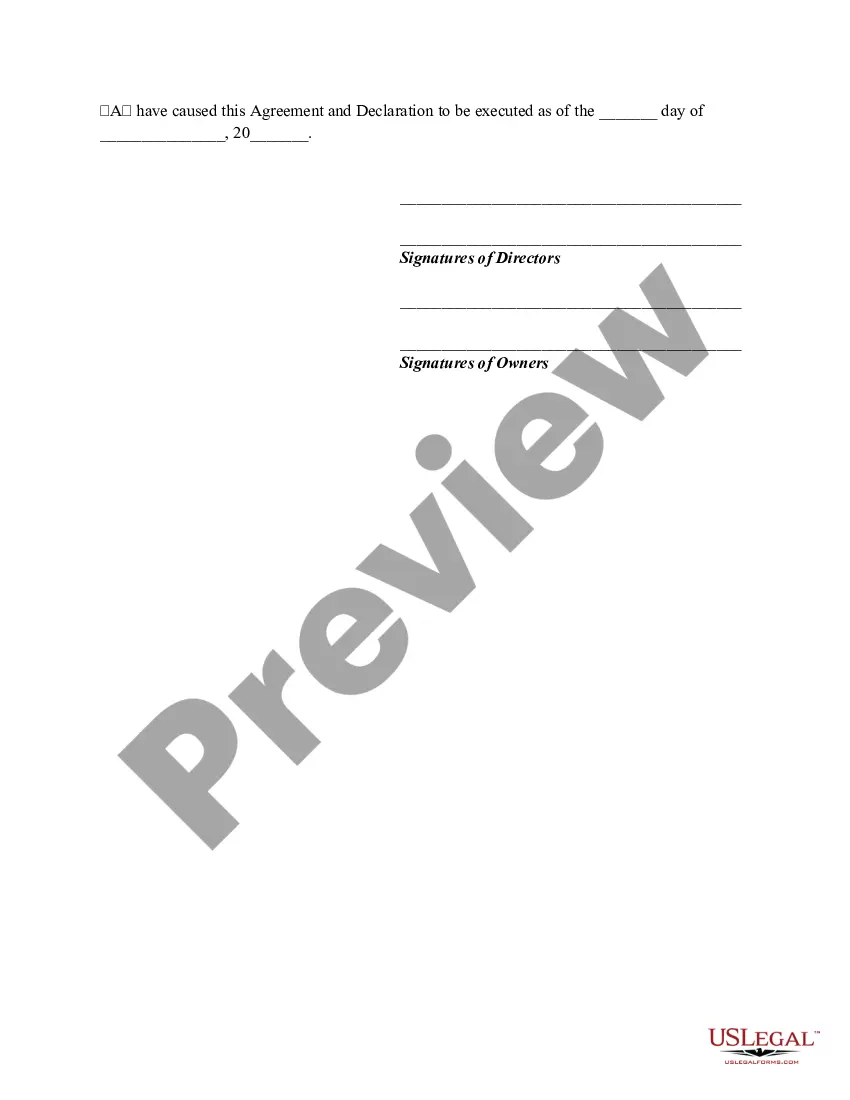
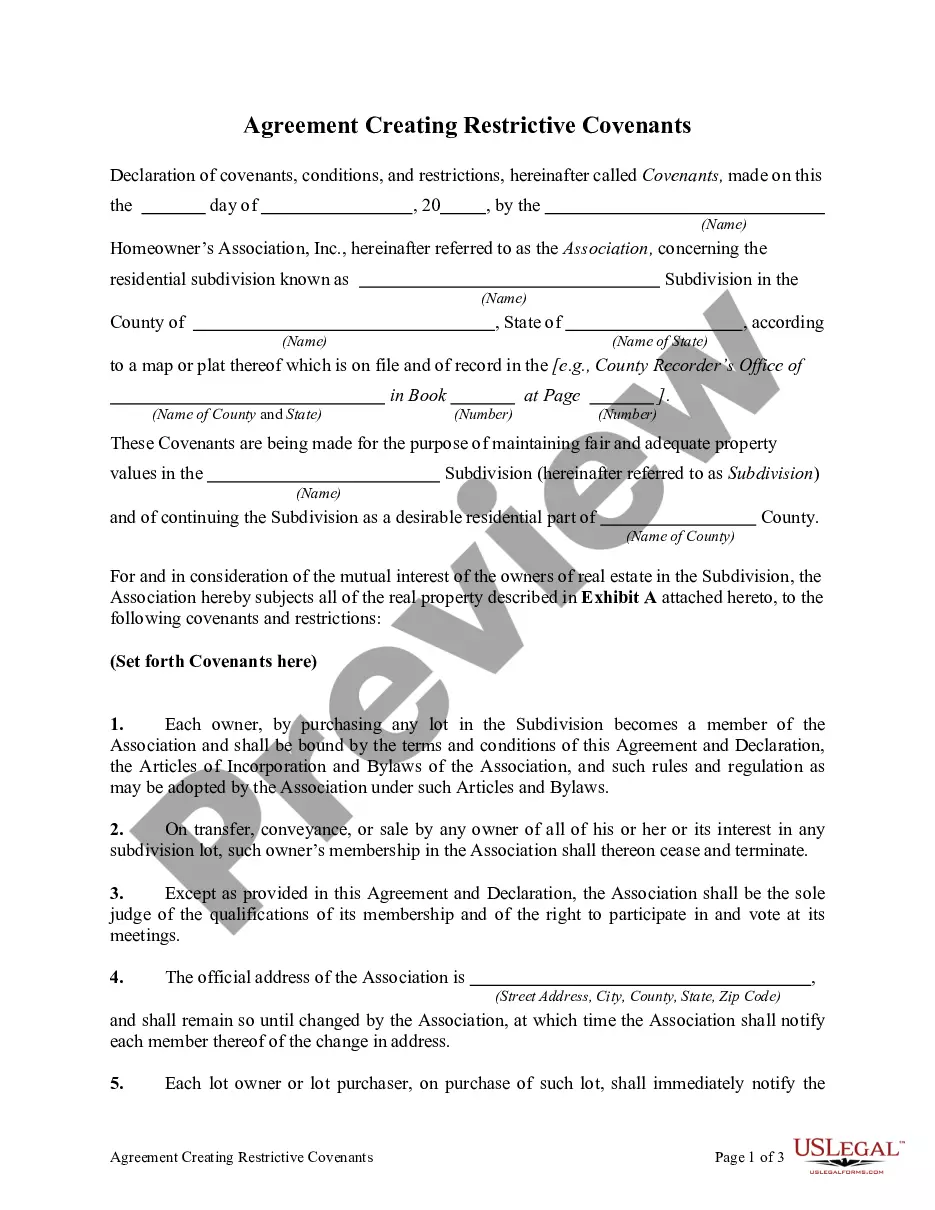
Get your form ready online
Our built-in tools help you complete, sign, share, and store your documents in one place.
Make edits, fill in missing information, and update formatting in US Legal Forms—just like you would in MS Word.
Download a copy, print it, send it by email, or mail it via USPS—whatever works best for your next step.
Sign and collect signatures with our SignNow integration. Send to multiple recipients, set reminders, and more. Go Premium to unlock E-Sign.
If this form requires notarization, complete it online through a secure video call—no need to meet a notary in person or wait for an appointment.
We protect your documents and personal data by following strict security and privacy standards.

Make edits, fill in missing information, and update formatting in US Legal Forms—just like you would in MS Word.

Download a copy, print it, send it by email, or mail it via USPS—whatever works best for your next step.

Sign and collect signatures with our SignNow integration. Send to multiple recipients, set reminders, and more. Go Premium to unlock E-Sign.

If this form requires notarization, complete it online through a secure video call—no need to meet a notary in person or wait for an appointment.

We protect your documents and personal data by following strict security and privacy standards.
Looking for another form?



Form popularity
FAQ
Are non-compete provisions enforceable in Georgia? Yes. But under the Old Law it was and is very difficult to do so. 85-90% of such agreements we review are, in fact, not enforceable.
A covenant never to sue is equivalent to a release as is a bond to indemnify a debtor against his own debt. (Orig. Code 1863, § 2802; Code 1868, § 2810; Code 1873, § 2861; Code 1882, § 2861; Civil Code 1895, § 3714; Civil Code 1910, § 4308; Code 1933, § 20-909.)
One of the most effective ways to get out of a non-compete agreement is to argue that it's unenforceable. Georgia courts will evaluate the terms of the agreement under the state's employment law, which requires that the restrictions be reasonable. If the agreement fails to meet the legal requirements, it may be voided.
A legally binding contract is formed once an offer or counteroffer is accepted. An offer or counteroffer can only be accepted by the person to whom it is made. The meeting of the minds necessary for a contract can only occur when the agreement is freely entered into by both parties.
Finally, in 1993, the Georgia legislature amended Section 44-5-60 to state that restrictive covenants in subdivisions of fifteen or more lots shall run for an initial period of twenty (20) years and shall thereafter automatically renew for successive periods of twenty (20) years, unless fifty-one percent (51%) of the ...
Generally, a covenant not to compete has to be reasonable in order to be enforceable, though in some states these covenants are completely unenforceable.
Are non-compete provisions enforceable in Georgia? Yes. But under the Old Law it was and is very difficult to do so. 85-90% of such agreements we review are, in fact, not enforceable.
A covenant is a formal agreement or promise , usually included in a contract or deed , to do or not do a particular act.
A covenant is different than a contract, it's the mutual binding of lives together. Rather than something that protects its own interest from the other, it builds a new thing alongside one another.
A contract is an agreement between parties while a covenant is a pledge. A contract is an agreement you can break while a covenant is a perpetual promise. You seal a covenant while you sign a contract. A contract is a mutually beneficial relationship while a covenant is something you fulfill.
