State Specific Employment Laws Within Hospitality In Philadelphia
Description
















Get your form ready online
Our built-in tools help you complete, sign, share, and store your documents in one place.
Make edits, fill in missing information, and update formatting in US Legal Forms—just like you would in MS Word.
Download a copy, print it, send it by email, or mail it via USPS—whatever works best for your next step.
Sign and collect signatures with our SignNow integration. Send to multiple recipients, set reminders, and more. Go Premium to unlock E-Sign.
If this form requires notarization, complete it online through a secure video call—no need to meet a notary in person or wait for an appointment.
We protect your documents and personal data by following strict security and privacy standards.
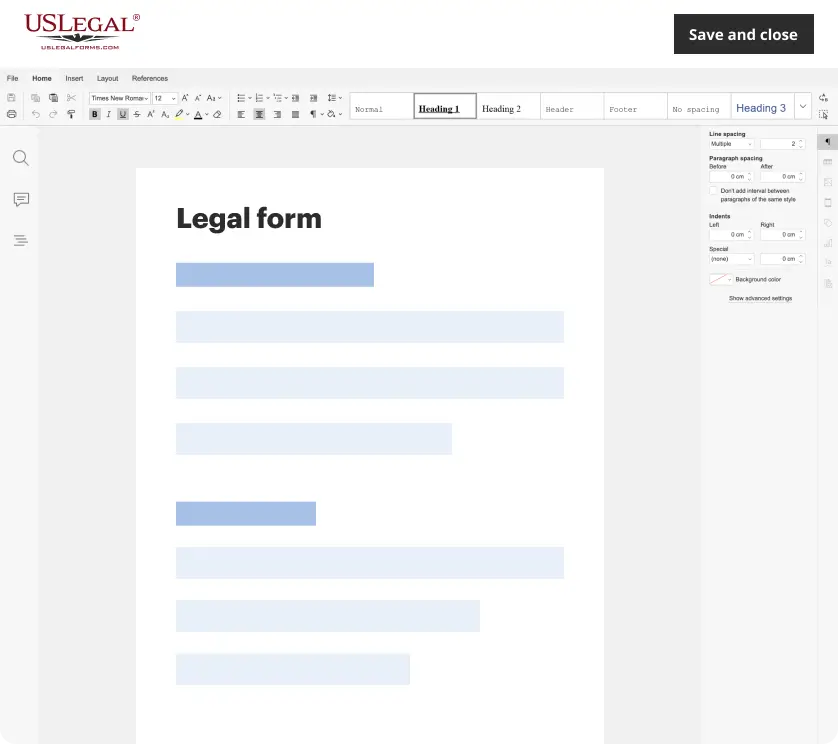
Make edits, fill in missing information, and update formatting in US Legal Forms—just like you would in MS Word.
Download a copy, print it, send it by email, or mail it via USPS—whatever works best for your next step.
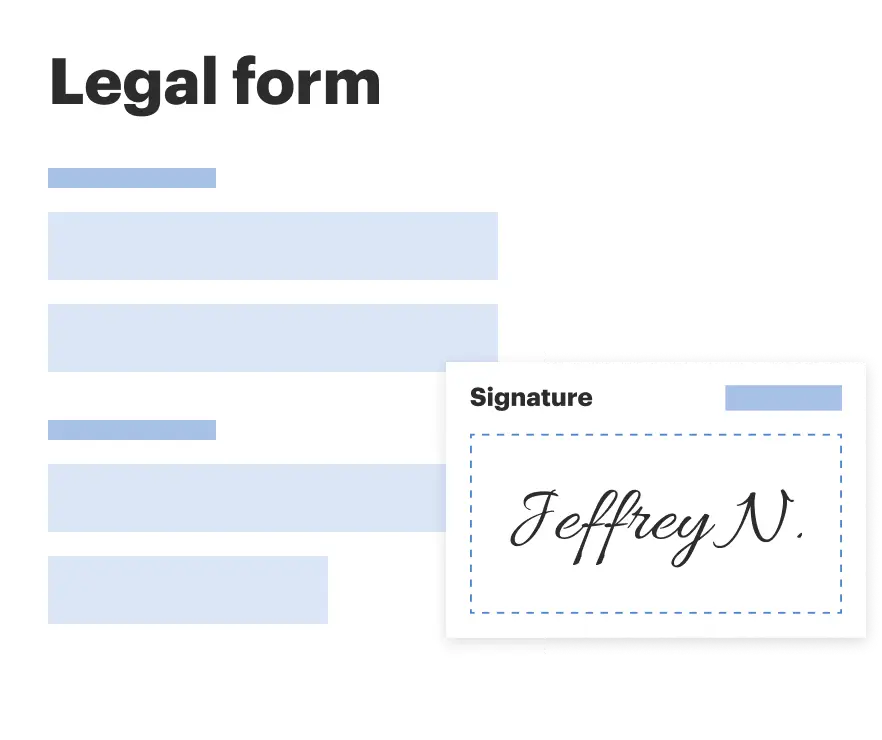
Sign and collect signatures with our SignNow integration. Send to multiple recipients, set reminders, and more. Go Premium to unlock E-Sign.
If this form requires notarization, complete it online through a secure video call—no need to meet a notary in person or wait for an appointment.
We protect your documents and personal data by following strict security and privacy standards.
Looking for another form?
Form popularity
FAQ
The Pennsylvania Human Relations Act (PHRA) covers discrimination in employment, housing, commercial property, education, and public accommodations. The PHRA has been amended many times since its adoption in 1955, originally as the Pennsylvania Fair Employment Practice Act.
The Fair Workweek law in Philadelphia requires covered employers to provide service, retail, and hospitality workers with a predictable work schedule. It also requires good faith estimates and 14 days advance notice of schedule, along with other protections.
Every worker should enjoy decent and safe working conditions. This requires, at a minimum, the regulation of working time, the appropriate payment of wages, and effective oversight of occupational safety and health (OSH).
The Fair Workweek law in Philadelphia requires covered employers to provide service, retail, and hospitality workers with a predictable work schedule. It also requires good faith estimates and 14 days advance notice of schedule, along with other protections.
Pennsylvania is an at-will employment state, which means that in the absence of a written employment or collective bargaining agreement, either the employer or the employee may terminate employment for any reason that is not contrary to law. Stumpp v. Stroudsburg Mun. Auth., 658 A. 2d 333, 335 (Pa. 1995).
UPDATED SALARY THRESHOLD On October 3, 2021, the threshold will increase from $684 per week, or $35,568 annually, to $780 per week or $40,560 annually. On October 3, 2022, the threshold will increase to $875 per week or $45,500 annually.
Salaried employees in Pennsylvania can work up to 4o hours. Any additional worked hours beyond 40 are compensated at 1.5 times the employee's hourly rate. Can an employer reduce your salary in Pennsylvania? The Commonwealth of Pennsylvania prohibits any unauthorized deductions for an employee's salary.