Security Debt Any With Example In Wake
Description


Get your form ready online
Our built-in tools help you complete, sign, share, and store your documents in one place.
Make edits, fill in missing information, and update formatting in US Legal Forms—just like you would in MS Word.
Download a copy, print it, send it by email, or mail it via USPS—whatever works best for your next step.
Sign and collect signatures with our SignNow integration. Send to multiple recipients, set reminders, and more. Go Premium to unlock E-Sign.
If this form requires notarization, complete it online through a secure video call—no need to meet a notary in person or wait for an appointment.
We protect your documents and personal data by following strict security and privacy standards.

Make edits, fill in missing information, and update formatting in US Legal Forms—just like you would in MS Word.

Download a copy, print it, send it by email, or mail it via USPS—whatever works best for your next step.

Sign and collect signatures with our SignNow integration. Send to multiple recipients, set reminders, and more. Go Premium to unlock E-Sign.

If this form requires notarization, complete it online through a secure video call—no need to meet a notary in person or wait for an appointment.

We protect your documents and personal data by following strict security and privacy standards.
Looking for another form?
Form popularity
FAQ
What Are the Different Types of Securities? Common Stock. Preferred Stock. Exchange Traded Funds (ETFs) Exchange Traded Notes (ETNs) Real Estate Investment Trusts (REITs) American Depositary Receipts (ADRs) Master Limited Partnerships (MLPs)
Note: The most common type of debt security is bonds, including municipal, corporate, and government bonds, as well as preferred stock, collateralised debt obligations, and collateralised mortgage obligations.
Specifically, security debt refers to the accumulation of vulnerabilities in your software that make it harder or even impossible to defend your data and systems from attack.
Securities are grouped into debt and equity. Examples of debt securities are government bonds and corporate bonds. Government bonds portray a lesser interest rate than corporate bonds because they have little or no default risk because they are backed by the credit and full faith of the federal government.
Bonds (government, corporate, or municipal) are one of the most common types of debt securities, but there are many different examples of debt securities, including preferred stock, collateralized debt obligations, euro commercial paper, and mortgage-backed securities.
Credit Card Debt. Credit card debt is one thing nearly all Americans share, regardless of race, gender or income level. It's the most common type of debt in the U.S. By the end of 2022, Americans owed an all-time high of $986 billion on credit cards, a $130 billion increase in 12 months.
There are many types of debt instruments, but the most common are credit products, bonds, or loans. Each comes with different repayment conditions, generally described in a contract.
Understanding Debt Securities Bonds can be issued by the government and non-government entities. They are available in various forms. Typical structures include fixed-rate bonds and zero-coupon bonds. Floating-rate notes, preferred stock, and mortgage-backed securities are also examples of debt securities.
Securities are grouped into debt and equity. Examples of debt securities are government bonds and corporate bonds. Government bonds portray a lesser interest rate than corporate bonds because they have little or no default risk because they are backed by the credit and full faith of the federal government.
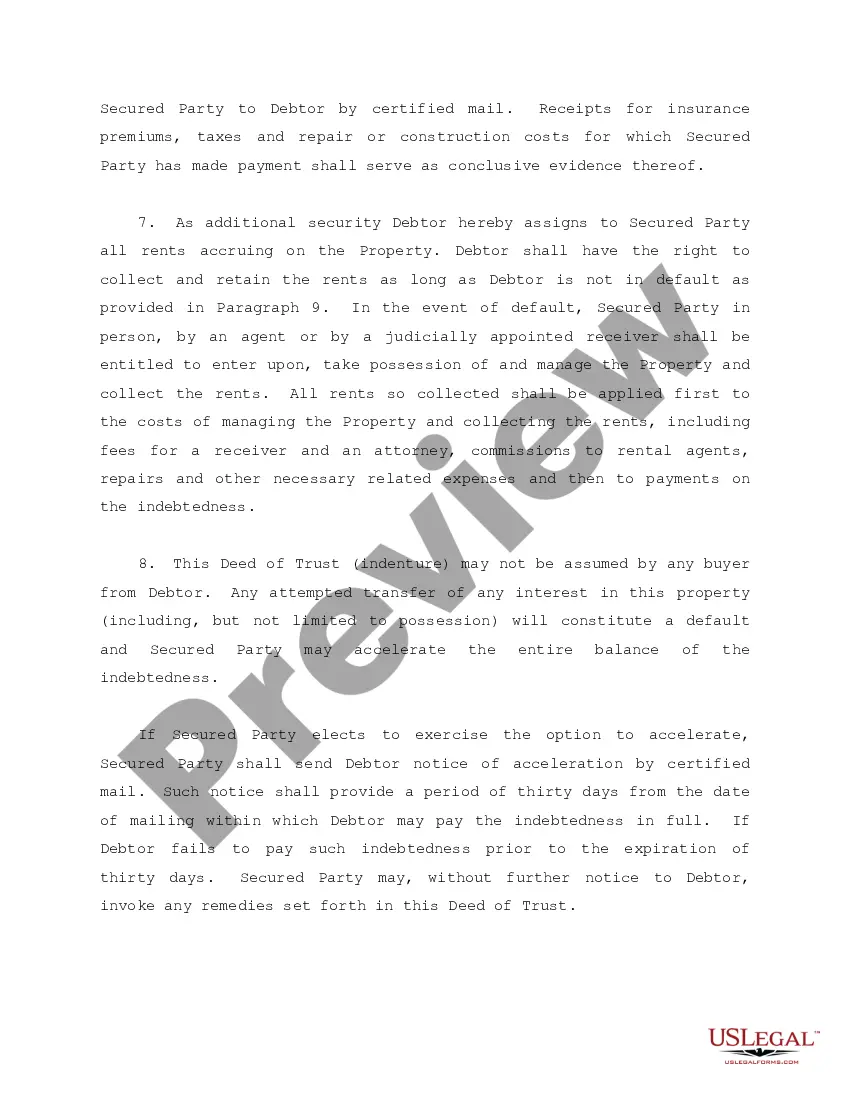
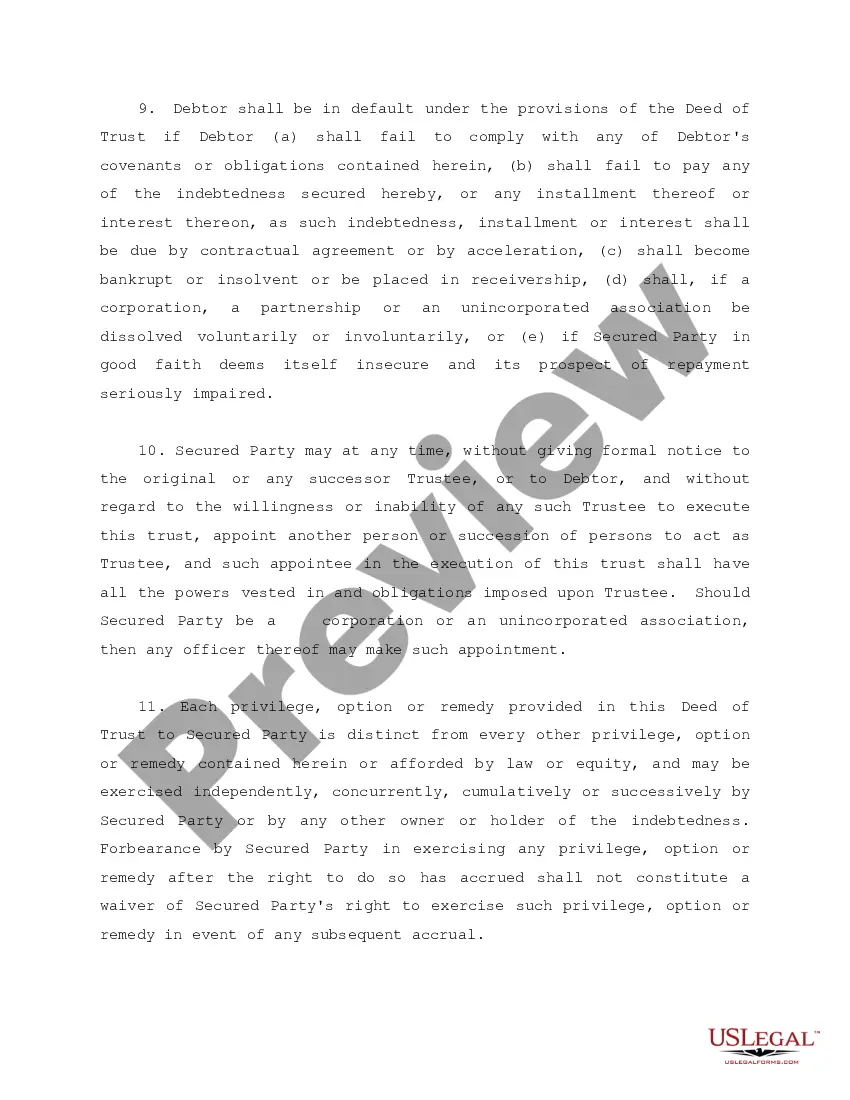
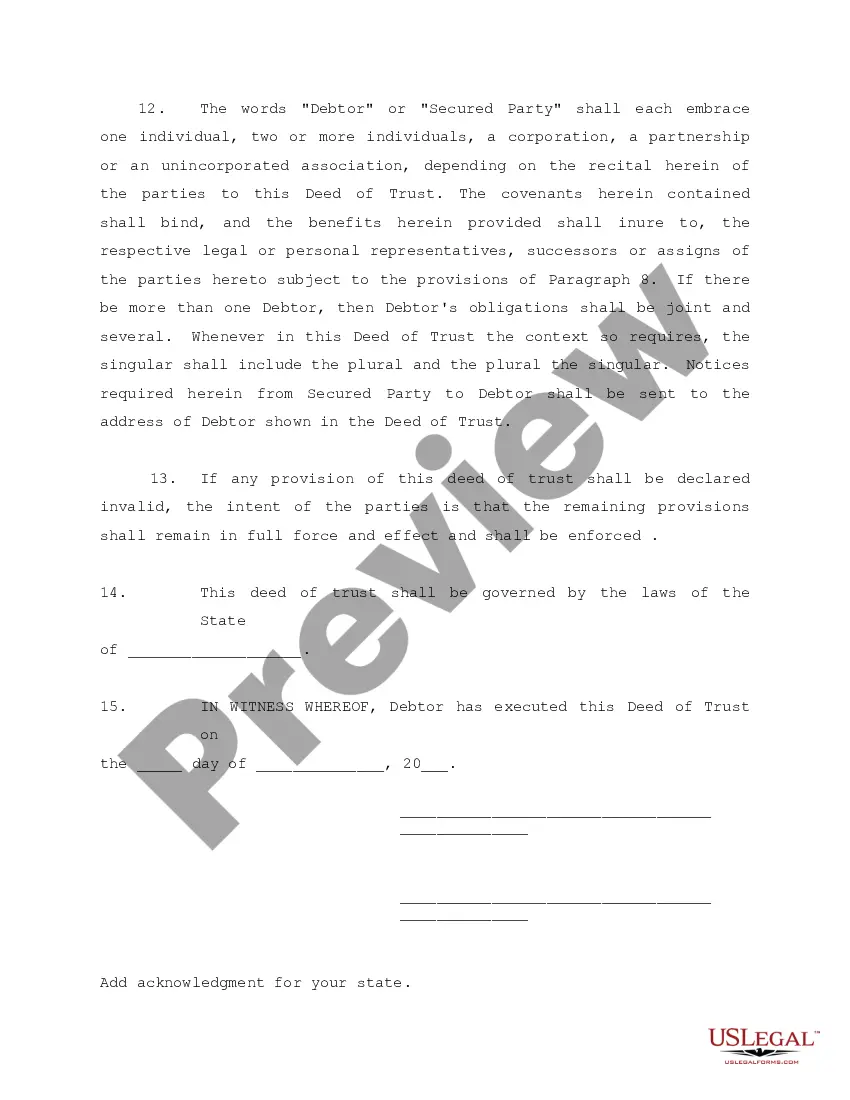
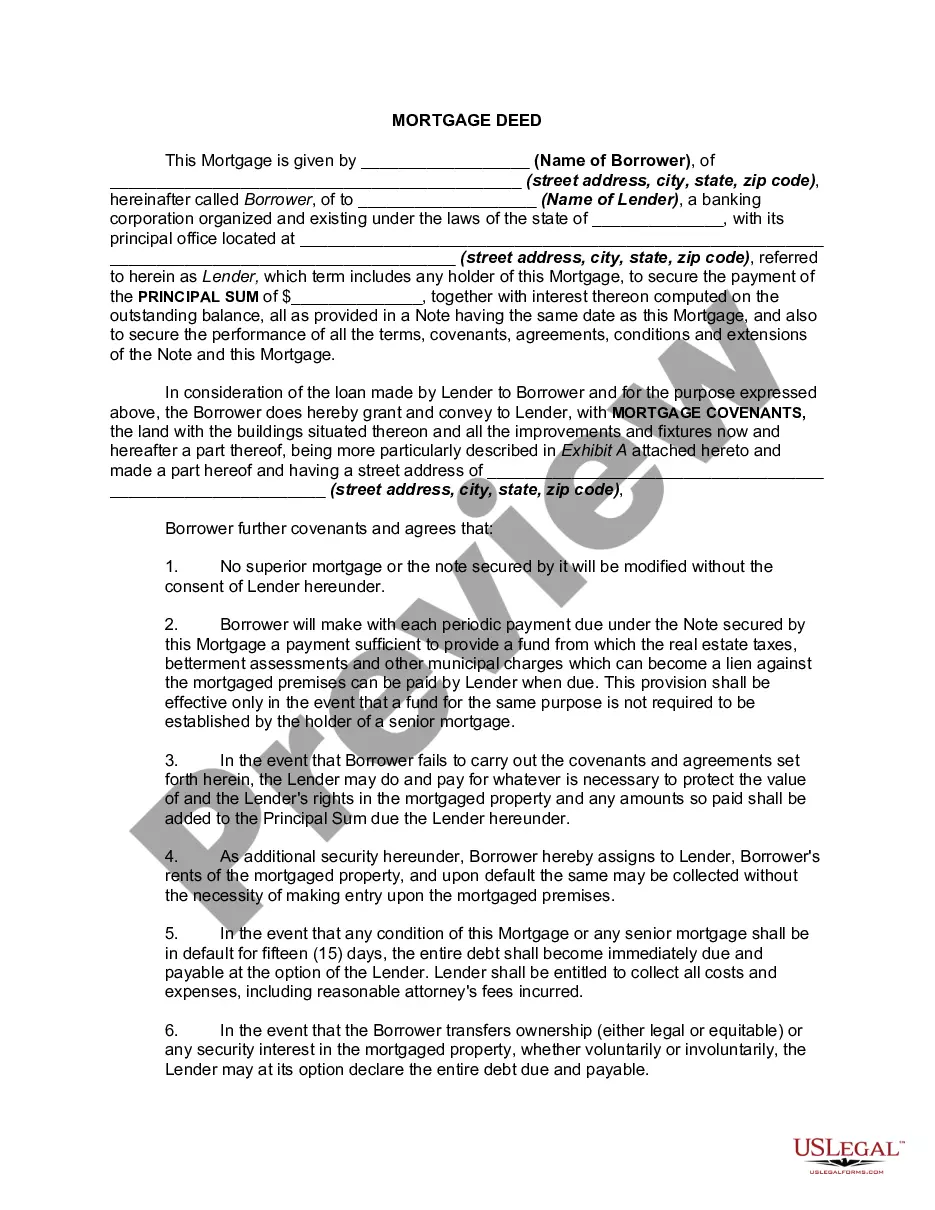
Secured debt - A debt that is backed by real or personal property is a “secured” debt. A creditor whose debt is “secured” has a legal right to take the property as full or partial satisfaction of the debt. For example, most homes are burdened by a “secured debt”.
