Sample Letter Requesting For Help With Medical Bills In Minnesota
Description
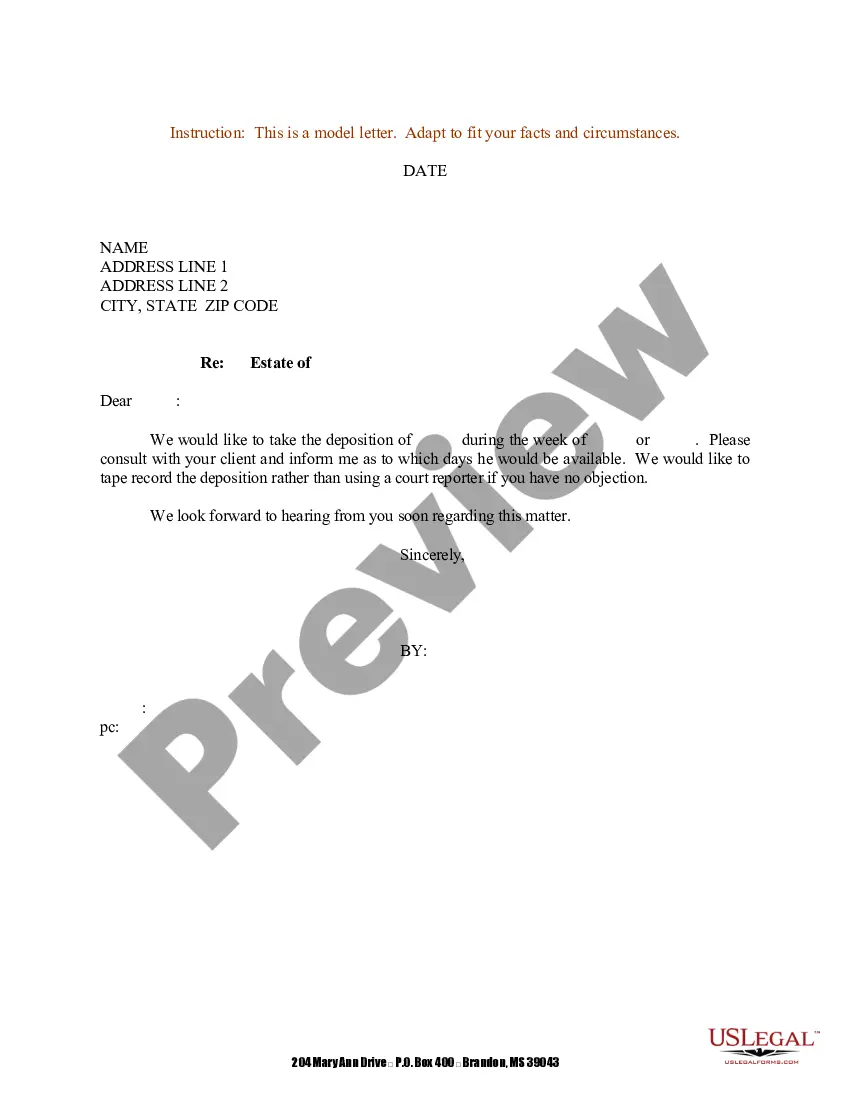
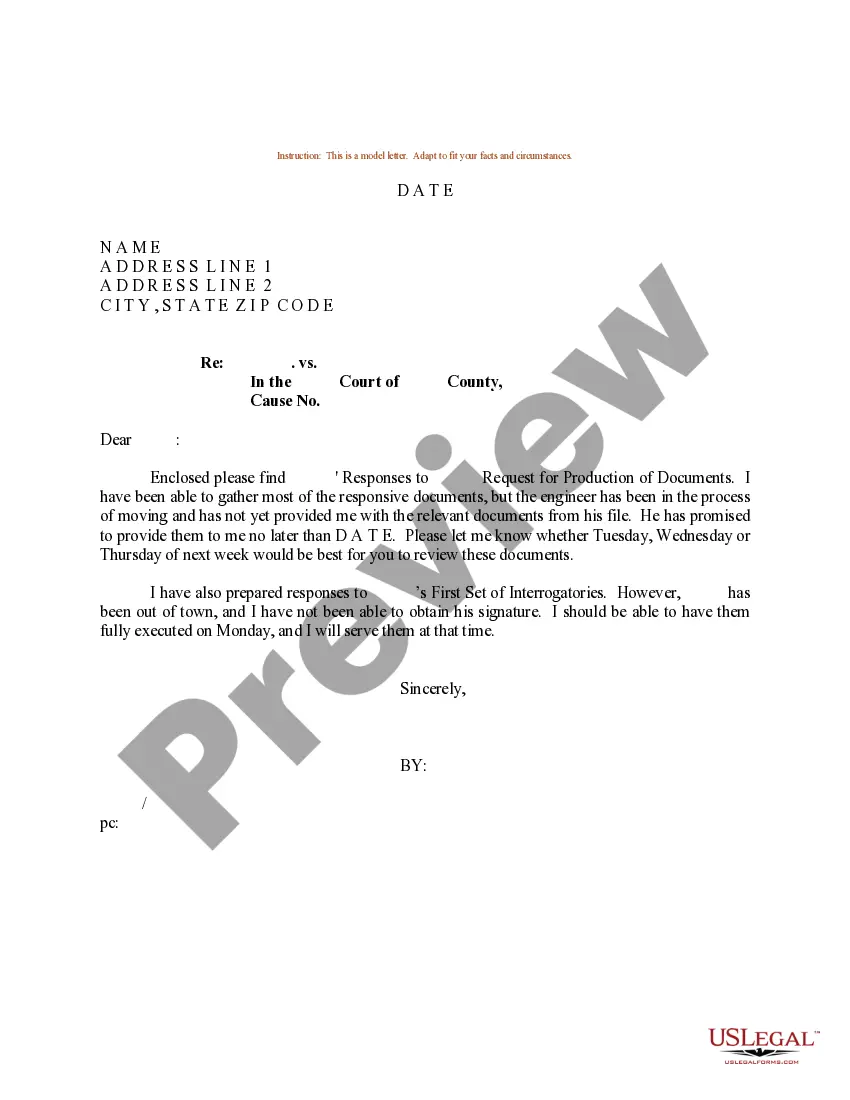
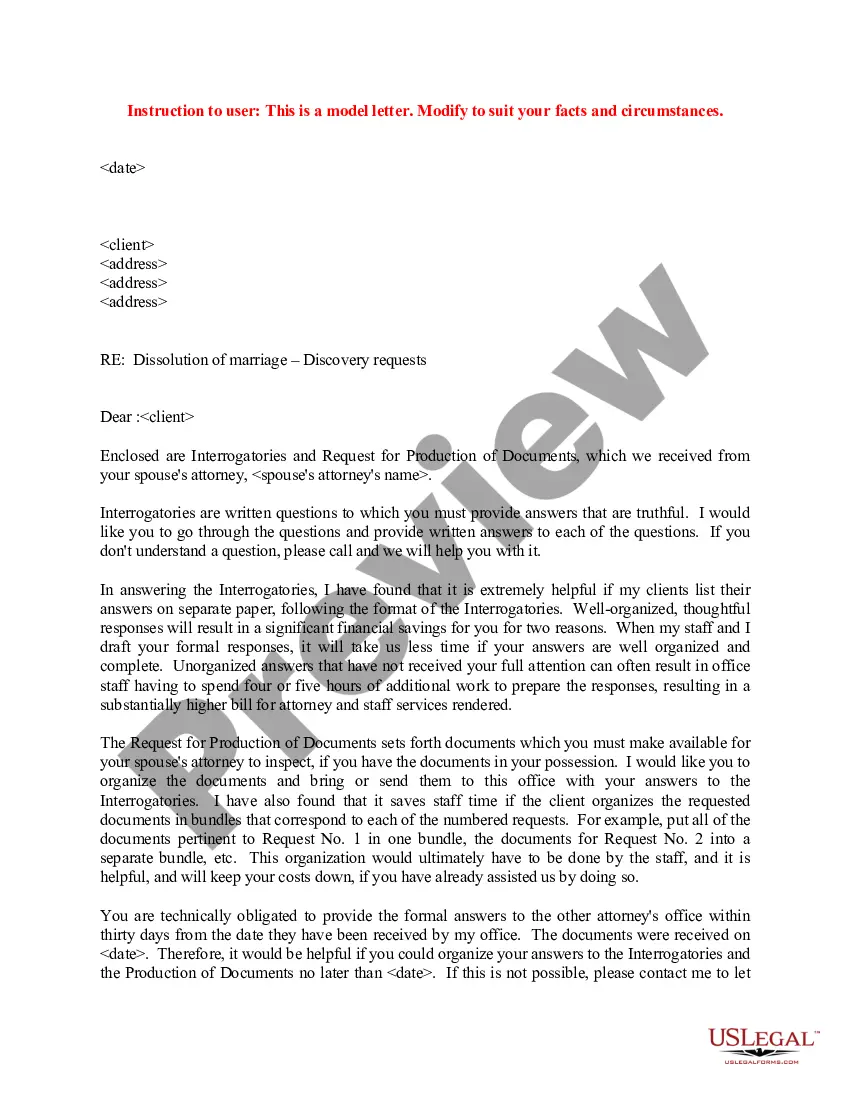
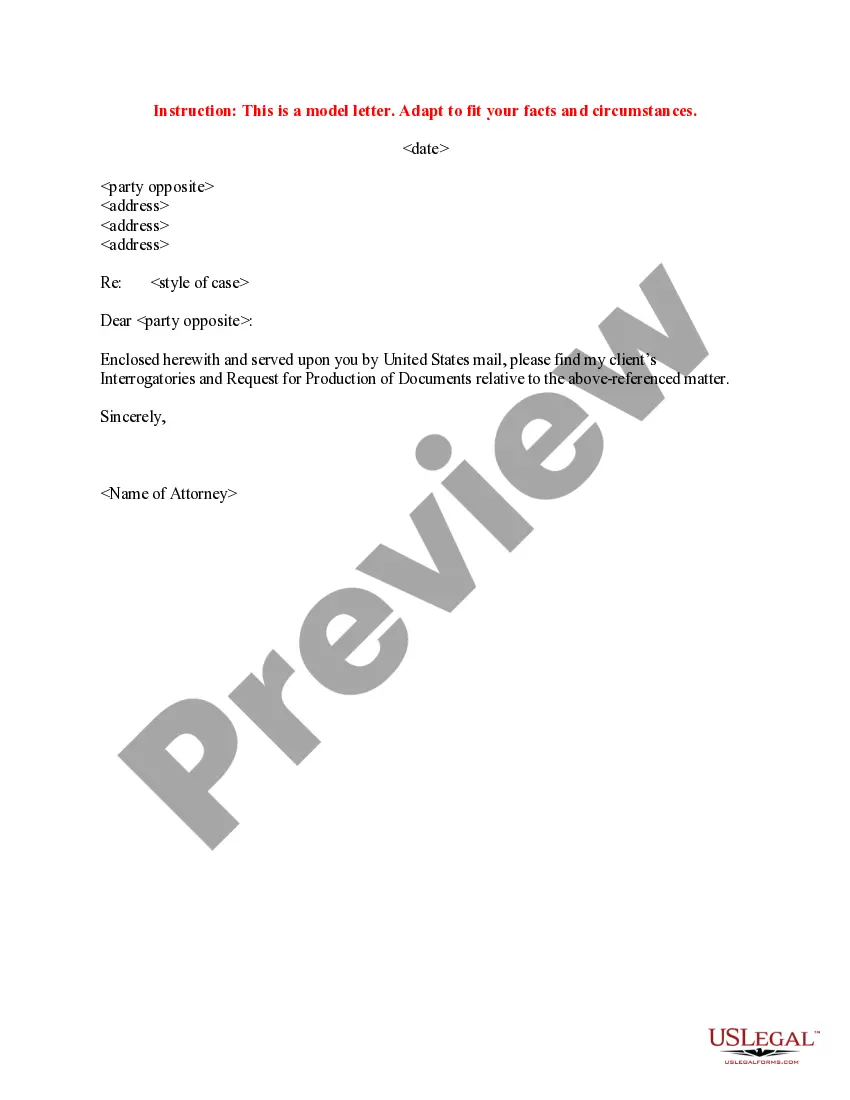
Get your form ready online
Our built-in tools help you complete, sign, share, and store your documents in one place.
Make edits, fill in missing information, and update formatting in US Legal Forms—just like you would in MS Word.
Download a copy, print it, send it by email, or mail it via USPS—whatever works best for your next step.
Sign and collect signatures with our SignNow integration. Send to multiple recipients, set reminders, and more. Go Premium to unlock E-Sign.
If this form requires notarization, complete it online through a secure video call—no need to meet a notary in person or wait for an appointment.
We protect your documents and personal data by following strict security and privacy standards.

Make edits, fill in missing information, and update formatting in US Legal Forms—just like you would in MS Word.

Download a copy, print it, send it by email, or mail it via USPS—whatever works best for your next step.

Sign and collect signatures with our SignNow integration. Send to multiple recipients, set reminders, and more. Go Premium to unlock E-Sign.

If this form requires notarization, complete it online through a secure video call—no need to meet a notary in person or wait for an appointment.

We protect your documents and personal data by following strict security and privacy standards.
Looking for another form?




Form popularity
FAQ
A medical hardship letter is used by a person to request partial or full forgiveness of medical debt from a hospital or healthcare provider.
A letter asking for financial help for a sick person should express the need clearly, respectfully and convincingly. Start with an appropriate salutation, introduce the person and their situation, and explain the severity of their condition. Finally, describe how the funds will be used and appeal for help.
Things to Include in Your Appeal Letter Patient name, policy number, and policy holder name. Accurate contact information for patient and policy holder. Date of denial letter, specifics on what was denied, and cited reason for denial. Doctor or medical provider's name and contact information.
A Letter of Medical Necessity (LMN) is the written explanation from the treating physician describing the medical need for services, equipment, or supplies to assist the claimant in the treatment, care, or relief of their accepted work-related illness(es).
If you receive assistance from or live in a home with a family or friends, please have them complete the attached form labeled “Letter of Support.” This will not make them responsible for your medical bills. This will help show how you are able to afford living expenses.
Most letters have three parts: an opening statement that identifies the project/program where funds are being sought, one or two middle paragraphs that indicate the relationship of the writer to the effort seeking funding, and a closing statement. Be sure all your supporters address the same person at the same address.
Things to Include in Your Appeal Letter Patient name, policy number, and policy holder name. Accurate contact information for patient and policy holder. Date of denial letter, specifics on what was denied, and cited reason for denial. Doctor or medical provider's name and contact information.
I am writing on behalf of my patient, patient name, to document the medical necessity for the following treatment/service/equipment. This letter offers insights into my patient's medical history and diagnosis and outlines my treatment rationale. Please consult the enclosed list any enclosures for further details.
If you receive assistance from or live in a home with a family or friends, please have them complete the attached form labeled “Letter of Support.” This will not make them responsible for your medical bills. This will help show how you are able to afford living expenses.

