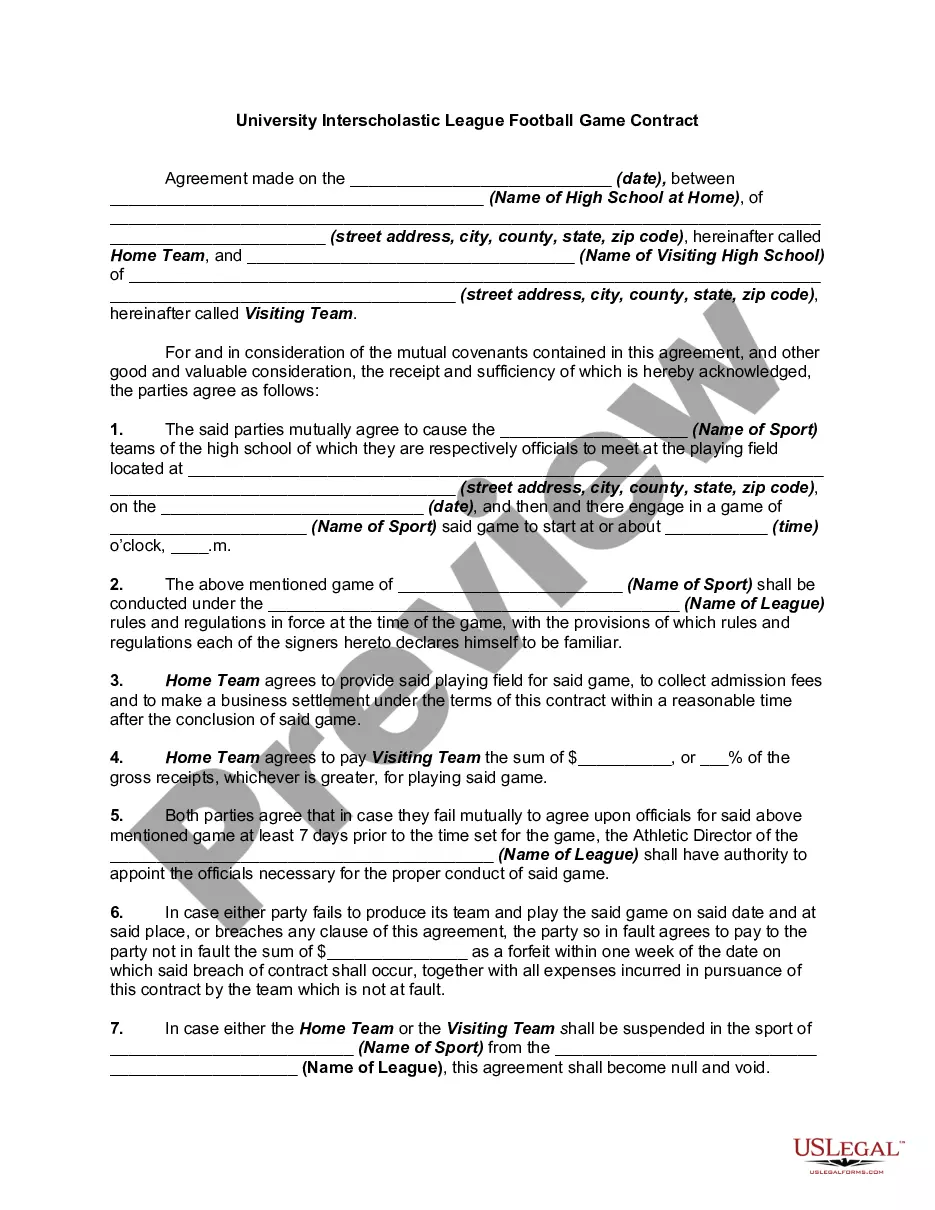
This is a multi-state form covering the subject matter of the title.
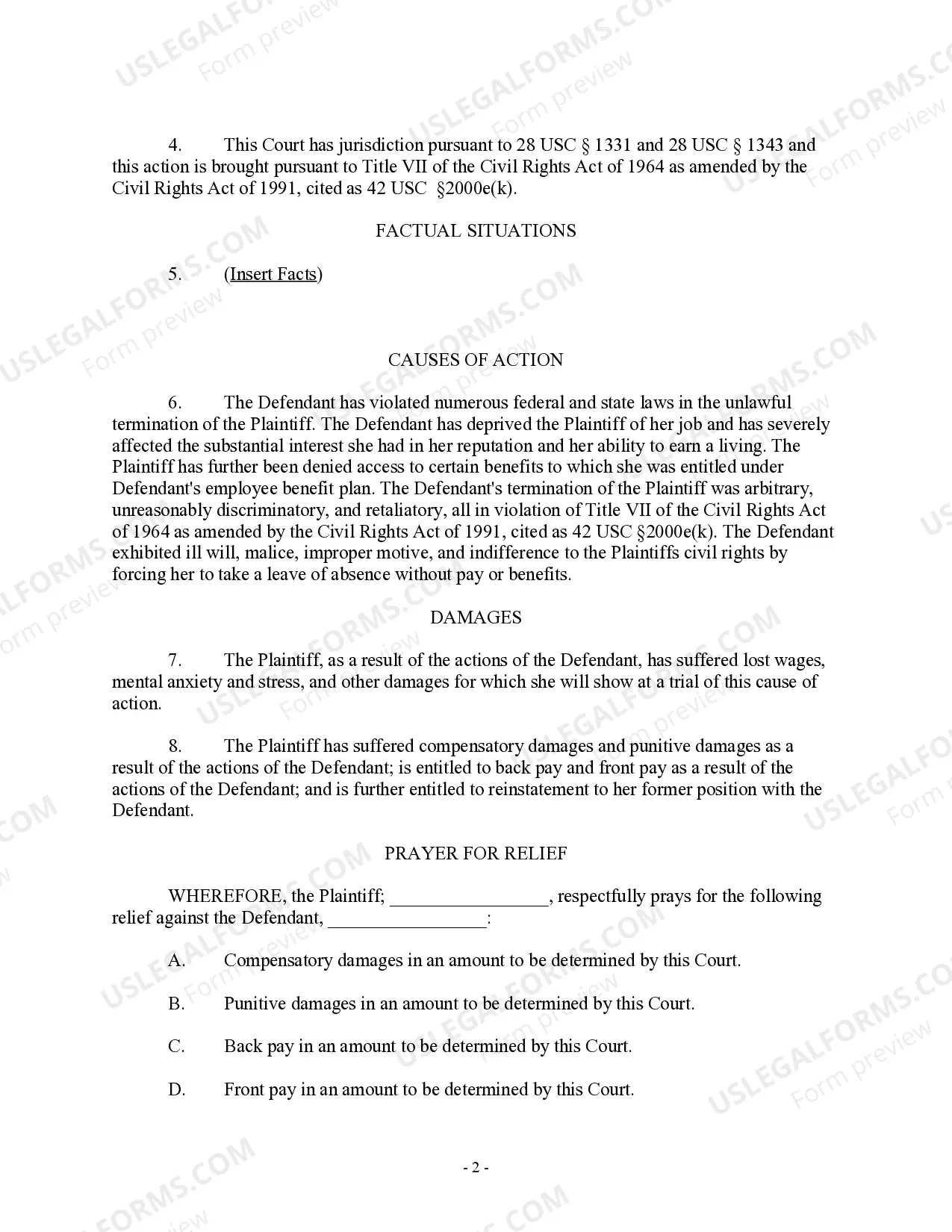
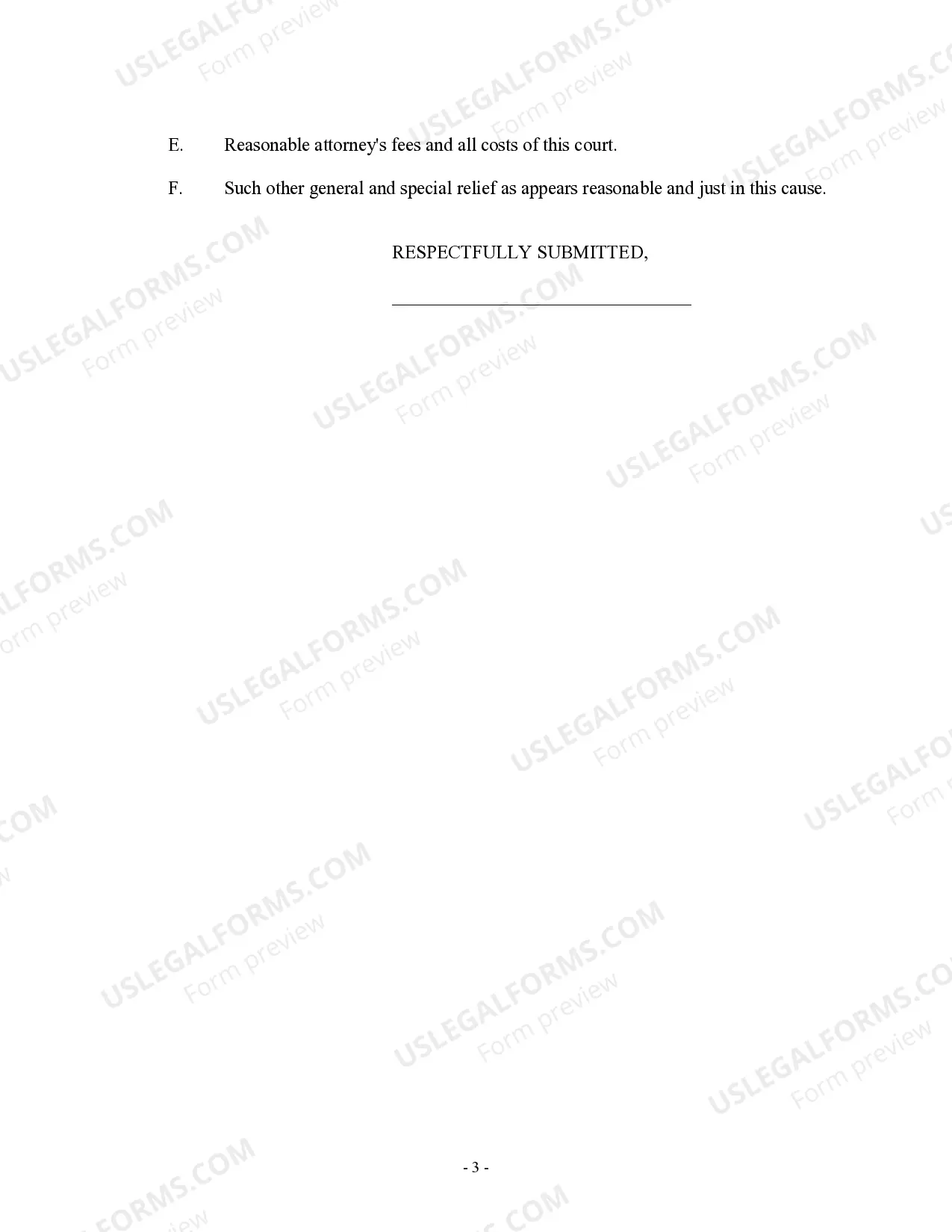
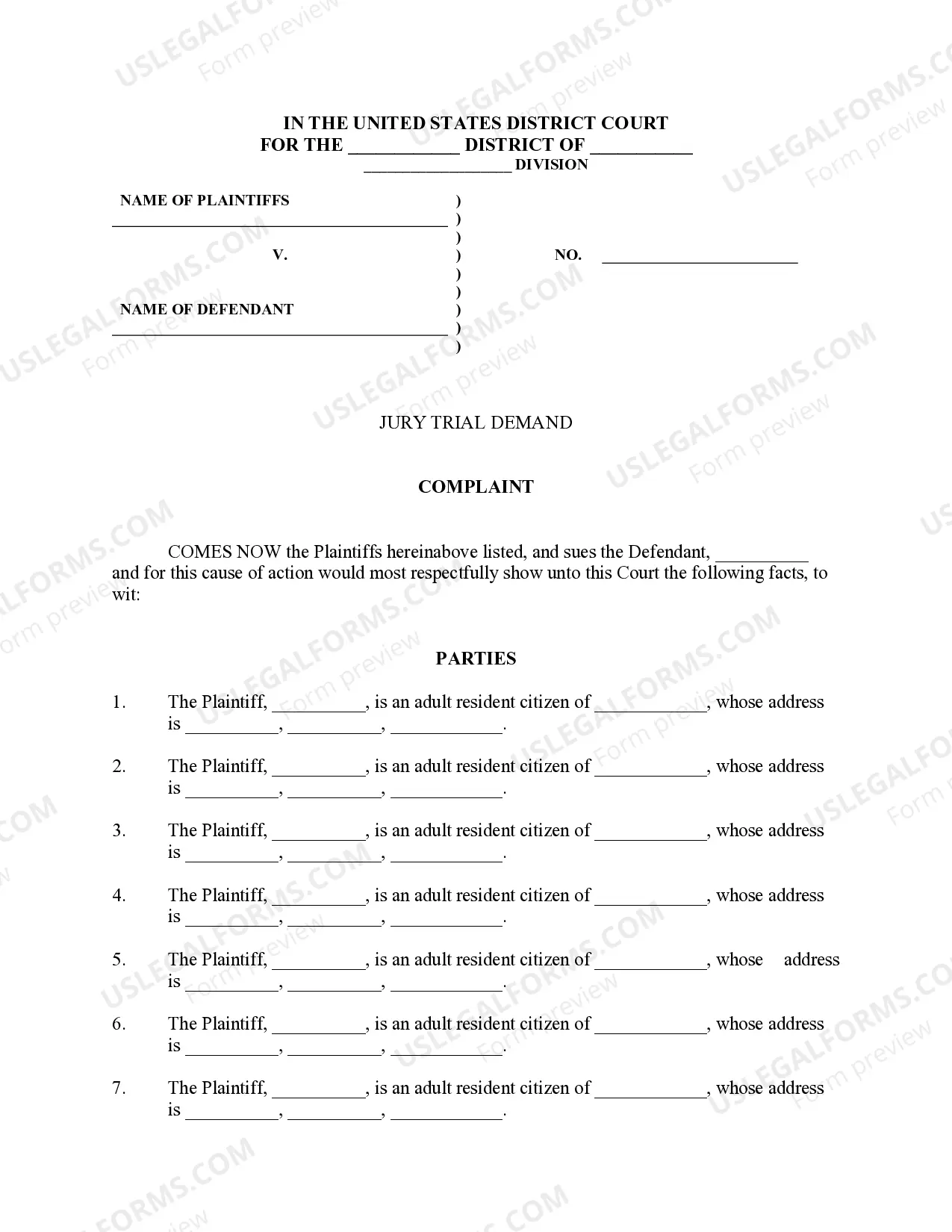
Wrongful Termination Court For Medical Reasons In Washington
Category:
State:
Multi-State
Control #:
US-000291
Format:
Word;
Rich Text
Instant download
Description
Free preview




Get your form ready online
Our built-in tools help you complete, sign, share, and store your documents in one place.
Built-in online Word editor
Make edits, fill in missing information, and update formatting in US Legal Forms—just like you would in MS Word.
Export easily
Download a copy, print it, send it by email, or mail it via USPS—whatever works best for your next step.
E-sign your document
Sign and collect signatures with our SignNow integration. Send to multiple recipients, set reminders, and more. Go Premium to unlock E-Sign.
Notarize online 24/7
If this form requires notarization, complete it online through a secure video call—no need to meet a notary in person or wait for an appointment.
Store your document securely
We protect your documents and personal data by following strict security and privacy standards.

Make edits, fill in missing information, and update formatting in US Legal Forms—just like you would in MS Word.

Download a copy, print it, send it by email, or mail it via USPS—whatever works best for your next step.

Sign and collect signatures with our SignNow integration. Send to multiple recipients, set reminders, and more. Go Premium to unlock E-Sign.

If this form requires notarization, complete it online through a secure video call—no need to meet a notary in person or wait for an appointment.

We protect your documents and personal data by following strict security and privacy standards.
Looking for another form?





Form popularity
FAQ
These wrongful termination damages may include: Lost wages and benefits; Compensation for emotional distress, physical pain, and/or loss of professional reputation; Attorney's fees; and/or.
Generally, wrongful termination arises under the following two scenarios: (1) the employer fired a worker in a way that violated public policy, or (2) the employer fired a worker in a way that violated the worker's contractual rights.
Constructive discharge occurs when an employer deliberately creates working conditions so intolerable that a reasonable person in the shoes of the employee would feel compelled to resign retire.
The time frame can vary depending on the type of case or claim. In the state of Washington, you generally have three years from the date you experienced wrongful termination to file a lawsuit but there may also be earlier deadlines.
If your termination violates state or federal employment laws, it may be deemed wrongful. Common reasons for wrongful termination include discrimination based on race, gender, age, disability, religion, national origin, or sexual orientation.
Average Wrongful Termination Settlement Amounts The average wrongful termination settlement will vary. ing to Equal Employment Opportunity Commission (EEOC) data, it's estimated that an average out of court settlement varies from $5,000 to $80,000.
You can sue your employer or a co-worker if the conduct that caused your injuries was intentional. Known as an “employer intentional tort” claim, the injured worker must be able to prove: The employer had actual knowledge the injury would occur; and. They wilfully disregarded this knowledge.
Examples of wrongful termination in Washington state include: Firing an employee in retaliation for exercising their legal rights, such as filing a complaint with a government agency or taking medical leave under the Family and Medical Leave Act (FMLA). Firing an employee in violation of an employment contract.