State Bar Form 9-2009
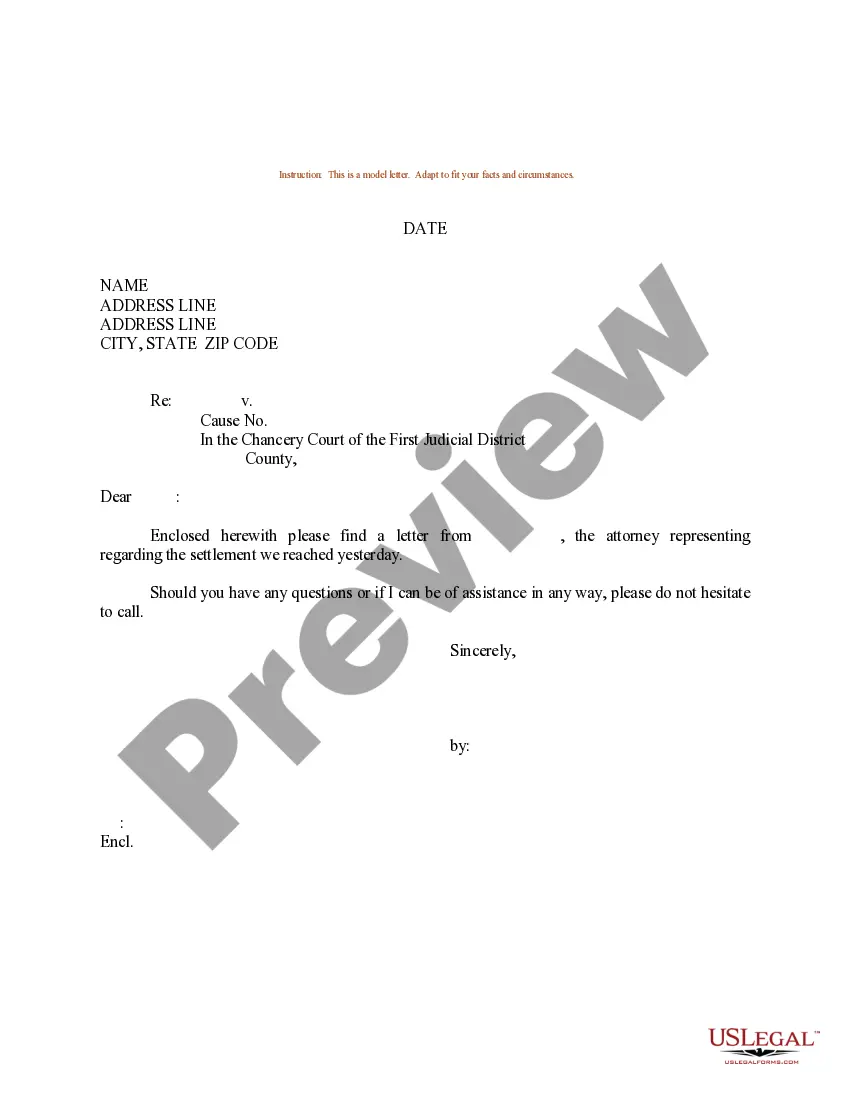
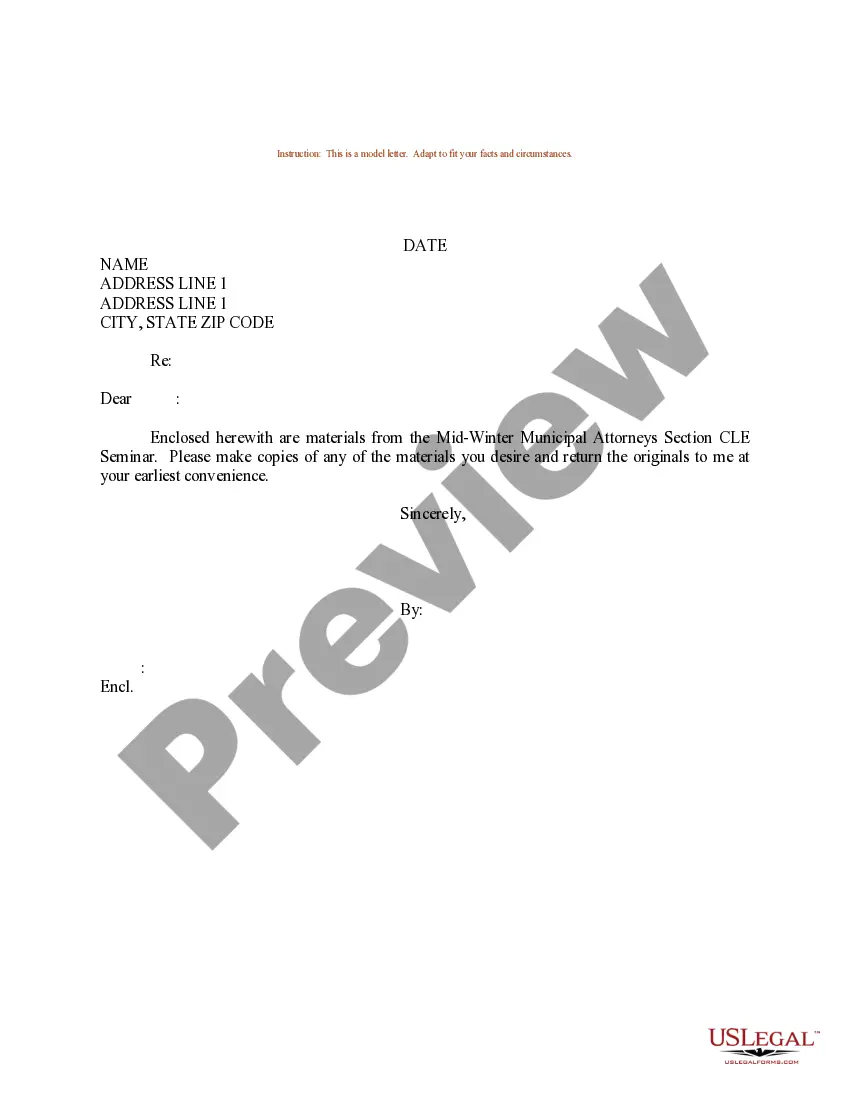
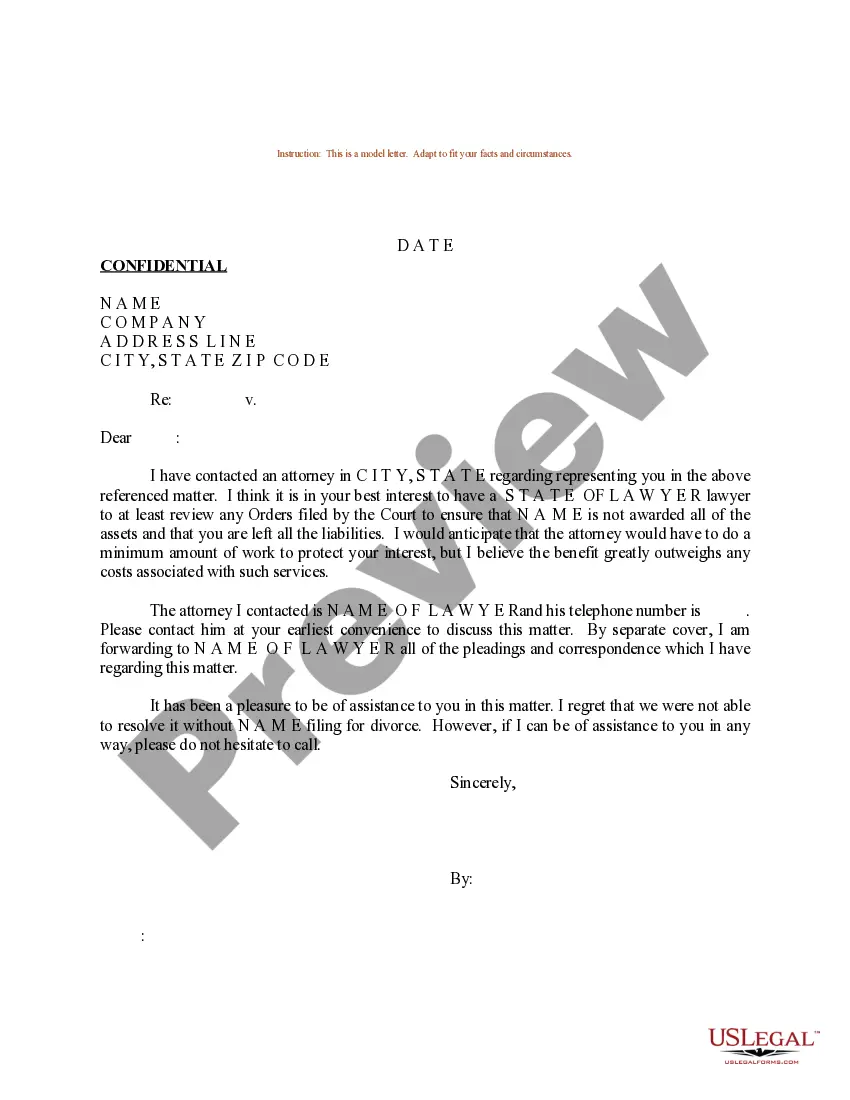
Description

Get your form ready online
Our built-in tools help you complete, sign, share, and store your documents in one place.
Make edits, fill in missing information, and update formatting in US Legal Forms—just like you would in MS Word.
Download a copy, print it, send it by email, or mail it via USPS—whatever works best for your next step.
Sign and collect signatures with our SignNow integration. Send to multiple recipients, set reminders, and more. Go Premium to unlock E-Sign.
If this form requires notarization, complete it online through a secure video call—no need to meet a notary in person or wait for an appointment.
We protect your documents and personal data by following strict security and privacy standards.

Make edits, fill in missing information, and update formatting in US Legal Forms—just like you would in MS Word.

Download a copy, print it, send it by email, or mail it via USPS—whatever works best for your next step.

Sign and collect signatures with our SignNow integration. Send to multiple recipients, set reminders, and more. Go Premium to unlock E-Sign.

If this form requires notarization, complete it online through a secure video call—no need to meet a notary in person or wait for an appointment.

We protect your documents and personal data by following strict security and privacy standards.
Looking for another form?

How to fill out Sample Letter To State Bar?
The State Bar Form 9-2009 shown on this page is a versatile official template created by experienced attorneys in accordance with federal and state regulations.
For over 25 years, US Legal Forms has supplied individuals, businesses, and lawyers with more than 85,000 validated, state-specific documents for any professional and personal situation.
Subscribe to US Legal Forms to ensure you have authenticated legal versions for all of life's situations readily available.
- Search for the required document and verify it. Review the sample you found and view it or assess the form description to confirm it meets your requirements. If it doesn’t, utilize the search function to locate the correct one.
- Register and Log In to your account. Select the subscription plan that fits you best and establish an account. Use PayPal or a credit card to make an immediate payment. If you already possess an account, Log In and verify your subscription to continue.
- Acquire the editable document. Pick the format you prefer for your State Bar Form 9-2009 (PDF, Word, RTF) and store the sample on your device.
- Fill out and sign the document. Print the template to complete it manually. Alternatively, utilize an online comprehensive PDF editor to swiftly and accurately fill out and sign your form with a legal signature.
- Re-download your document as needed. Access the same form again when required. Navigate to the My documents section in your profile to redownload any previously downloaded documents.
Form popularity
FAQ
States that allow transfer on death deeds include a range of regions, with popular examples being Illinois, Nevada, and South Dakota. Each state has specific requirements for preparing and recording these deeds. If you are considering this option, it's wise to familiarize yourself with your state’s laws. The State bar form 9-2009 serves as a great starting point to ensure you follow the correct procedures.
A transfer on death deed generally does not avoid inheritance tax, as assets are included in the taxable estate at the time of death. The tax implications can vary widely by state, making it crucial to examine your local laws. If you want to better understand how this works, using the State bar form 9-2009 may provide clarity on your obligations related to inheritance taxes. Overall, consulting a legal expert can be beneficial to navigate these complexities.
Many states in the U.S. recognize transfers on death deeds, allowing property owners to transfer their assets outside of probate. States like Arizona, California, and Texas have specific laws governing these deeds. It's essential to consult the relevant regulations in your state, as these may change frequently. For detailed guidance, consider looking into resources like the State bar form 9-2009, which can help clarify the process.
While a transfer on death deed offers benefits, it does come with disadvantages. One major issue is the potential for disputes among heirs if the property is not clearly designated in the deed. Additionally, if the grantor's financial situation changes, this option might not be easily revoked without the assistance of the State bar form 9-2009. Moreover, this type of deed may not avoid other complications, such as liens or debts associated with the property.
To transfer property after death in Wisconsin, you can use a Transfer on Death (TOD) deed if one was previously established. This allows the property to pass directly to the beneficiary named in the deed. If no such deed exists, the property may need to go through probate, which can be lengthy and costly. For help with necessary forms, such as the State bar form 9-2009, check out USLegalForms to streamline this process.
A Transfer on Death (TOD) deed in Wisconsin allows a property owner to name a beneficiary who will inherit the property upon the owner's death. The property owner must file the TOD deed with the county register of deeds while they are alive to make it effective. Upon the owner's death, the property automatically transfers to the named beneficiary without going through probate. If you need help with the legal documents like the State bar form 9-2009, consider using USLegalForms for expert assistance.
In Wisconsin, a Transfer on Death (TOD) deed allows the property owner to retain full control over the property during their lifetime, which is a significant advantage. This means they can sell, mortgage, or change beneficiaries without any restrictions. Additionally, the TOD deed prevents probate, making it easier and faster for beneficiaries to receive their inheritance. For assistance with official forms, including the State bar form 9-2009, explore the resources available through USLegalForms.
When we say a TOD beneficiary is on file, it means that the owner has legally designated a beneficiary to receive the property upon their death without the need for probate. This designation can simplify the transfer process significantly. However, it's crucial to ensure that the State bar form 9-2009 and other relevant documents are correctly filed to make this designation effective. You can find guidance through platforms like USLegalForms.
Choosing between a TOD and a beneficiary designation often depends on individual circumstances. A TOD provides automatic transfer without probate, while beneficiary designations might offer more flexibility regarding changes. By consulting the State bar form 9-2009, you can compare these options to find what best fits your needs.
Transfer on death arrangements have several drawbacks, including potential disputes among heirs and the inability to make changes easily once recorded. Moreover, they don't account for scenarios like incapacity or significant life changes. Consulting resources like the State bar form 9-2009 can help you navigate these complexities.
