Texas State Bar Rules Of Professional Conduct In Fulton
Description
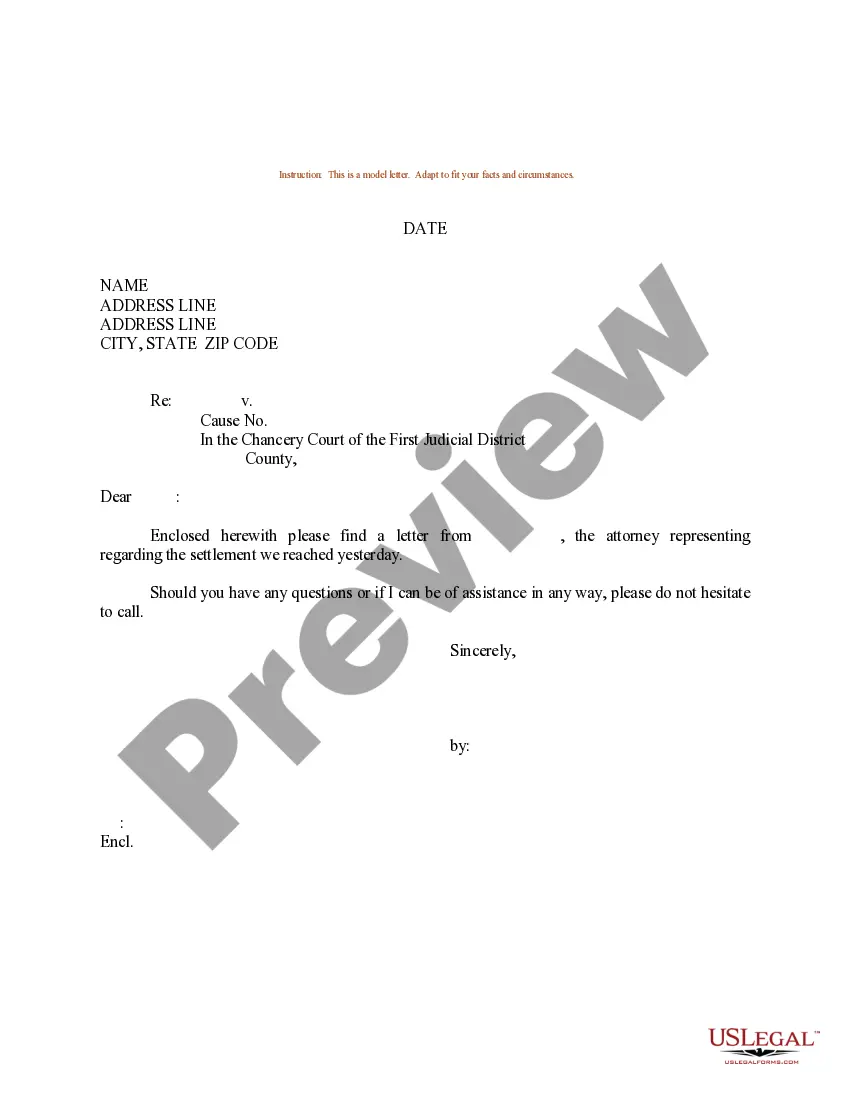
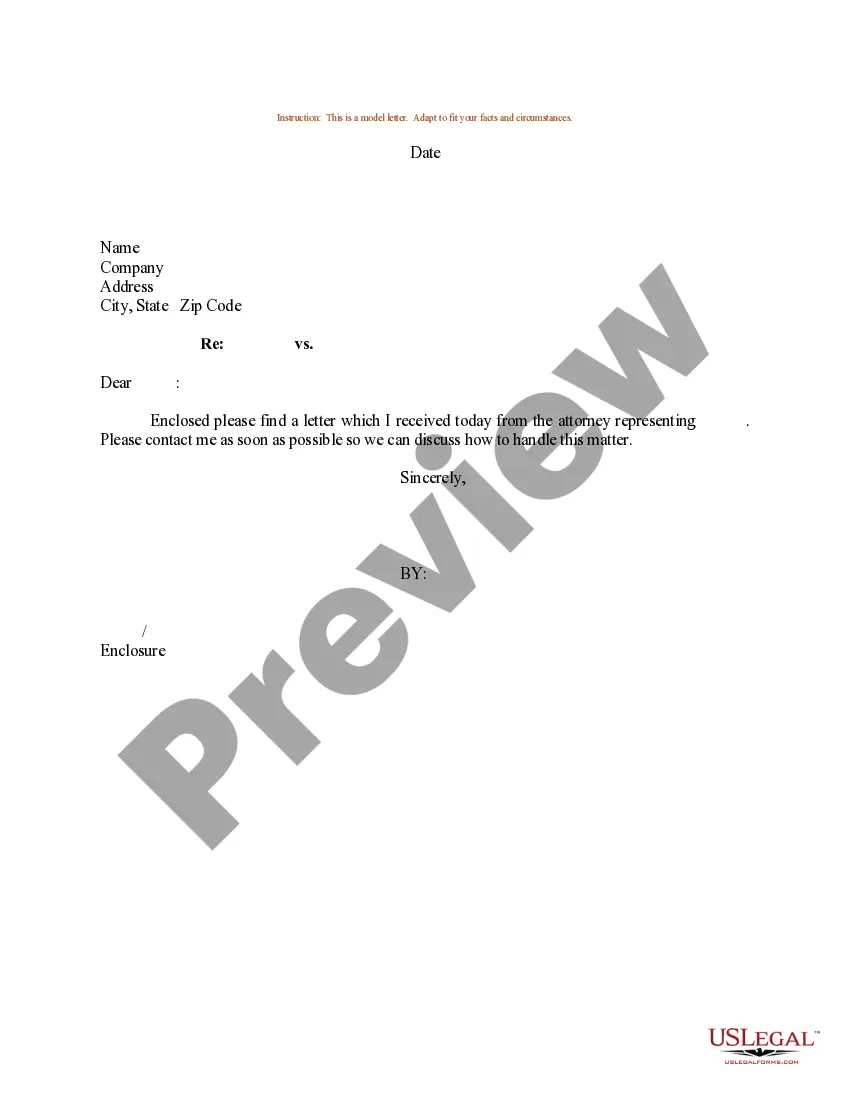
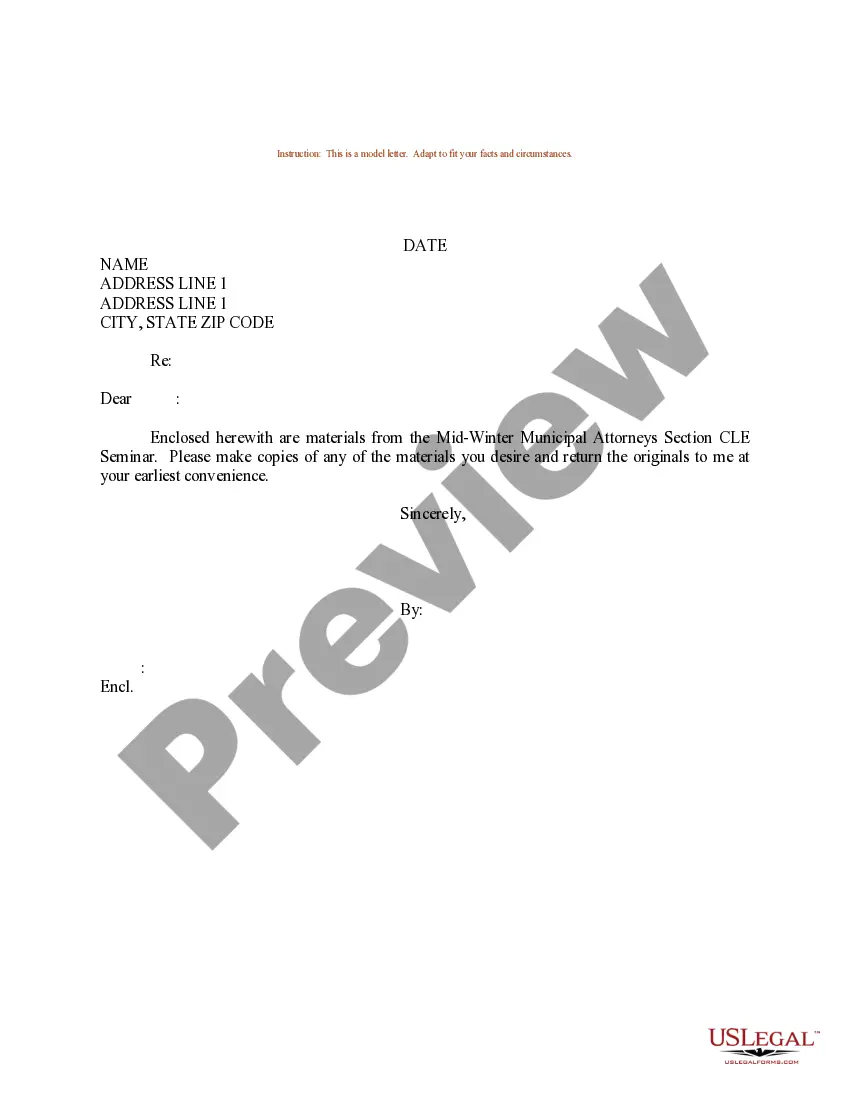
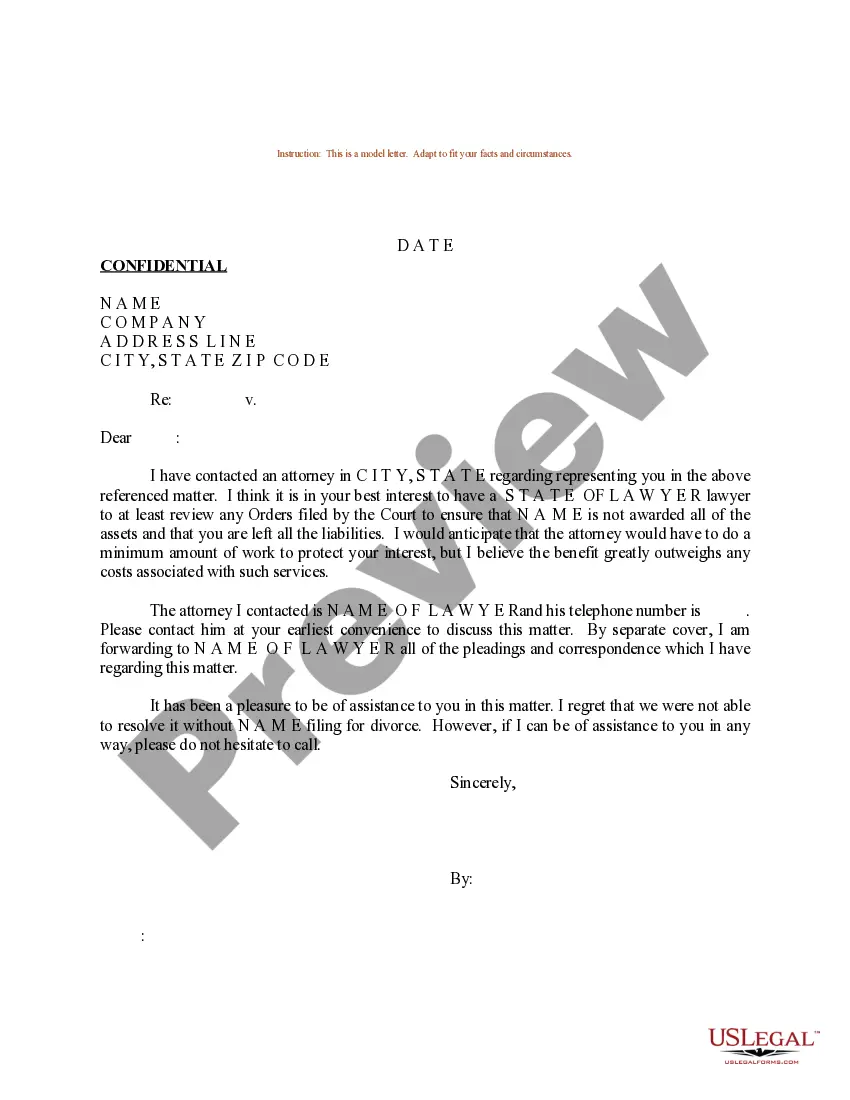
Get your form ready online
Our built-in tools help you complete, sign, share, and store your documents in one place.
Make edits, fill in missing information, and update formatting in US Legal Forms—just like you would in MS Word.
Download a copy, print it, send it by email, or mail it via USPS—whatever works best for your next step.
Sign and collect signatures with our SignNow integration. Send to multiple recipients, set reminders, and more. Go Premium to unlock E-Sign.
If this form requires notarization, complete it online through a secure video call—no need to meet a notary in person or wait for an appointment.
We protect your documents and personal data by following strict security and privacy standards.

Make edits, fill in missing information, and update formatting in US Legal Forms—just like you would in MS Word.

Download a copy, print it, send it by email, or mail it via USPS—whatever works best for your next step.

Sign and collect signatures with our SignNow integration. Send to multiple recipients, set reminders, and more. Go Premium to unlock E-Sign.

If this form requires notarization, complete it online through a secure video call—no need to meet a notary in person or wait for an appointment.

We protect your documents and personal data by following strict security and privacy standards.
Looking for another form?



Form popularity
FAQ
A prosecutor should not initiate or exploit any violation of a suspect's right to counsel, nor should he initiate or encourage efforts to obtain waivers of important pre-trial, trial, or post-trial rights from unrepresented persons.
A lawyer shall not: (a) unlawfully obstruct another party's access to evidence; in anticipation of a dispute unlawfully alter, destroy or conceal a document or other material that a competent lawyer would believe has potential or actual evidentiary value; or counsel or assist another person to do any such act.
Rule 1.09 addresses the circumstances in which a lawyer in private practice, and other lawyers who were, are or become members of or associated with a firm in which that lawyer practiced or practices, may represent a client against a former client of that lawyer or the lawyer's former firm.
13.02. Assumption of Jurisdiction: A client of the attorney, Chief Disciplinary Counsel, or any other interested person may petition a district court in the county of the attorney's residence to assume jurisdiction over the attorney's law practice.
Texas Disciplinary Rules of Professional Conduct (TDRPC) Rule 1.12(a) states that “(a) lawyer employed or retained by an organization represents the entity.” The rule goes on to note that the lawyer's duty is to serve the best interests of the entity, rather than that of the constituent partners or shareholders ...
Rule 3.03 - Candor Toward the Tribunal (a) A lawyer shall not knowingly: (1) make a false statement of material fact or law to a tribunal; (2) fail to disclose a fact to a tribunal when disclosure is necessary to avoid assisting a criminal or fraudulent act; (3) in an ex parte proceeding, fail to disclose to the ...
In the course of litigation, a lawyer shall not take a position that unreasonably increases the costs or other burdens of the case or that unreasonably delays resolution of the matter.
Rule 5.08 - Prohibited Discriminatory Activities (a) A lawyer shall not willfully, in connection with an adjudicatory proceeding, except as provided in paragraph (b), manifest, by words or conduct, bias or prejudice based on race, color, national origin, religion, disability, age, sex, or sexual orientation towards any ...
Can I Take the Bar Without Going To Law School In Texas? No, you can't take the bar without attending Texas law school. Currently, Texas is not one of the states that allow a person to take the bar exam without attending law school.
It's four years of hard work or maybe more, but it could be the right path for you! In California, qualified applicants can take the bar exam without going to law school.

